 Skip to content



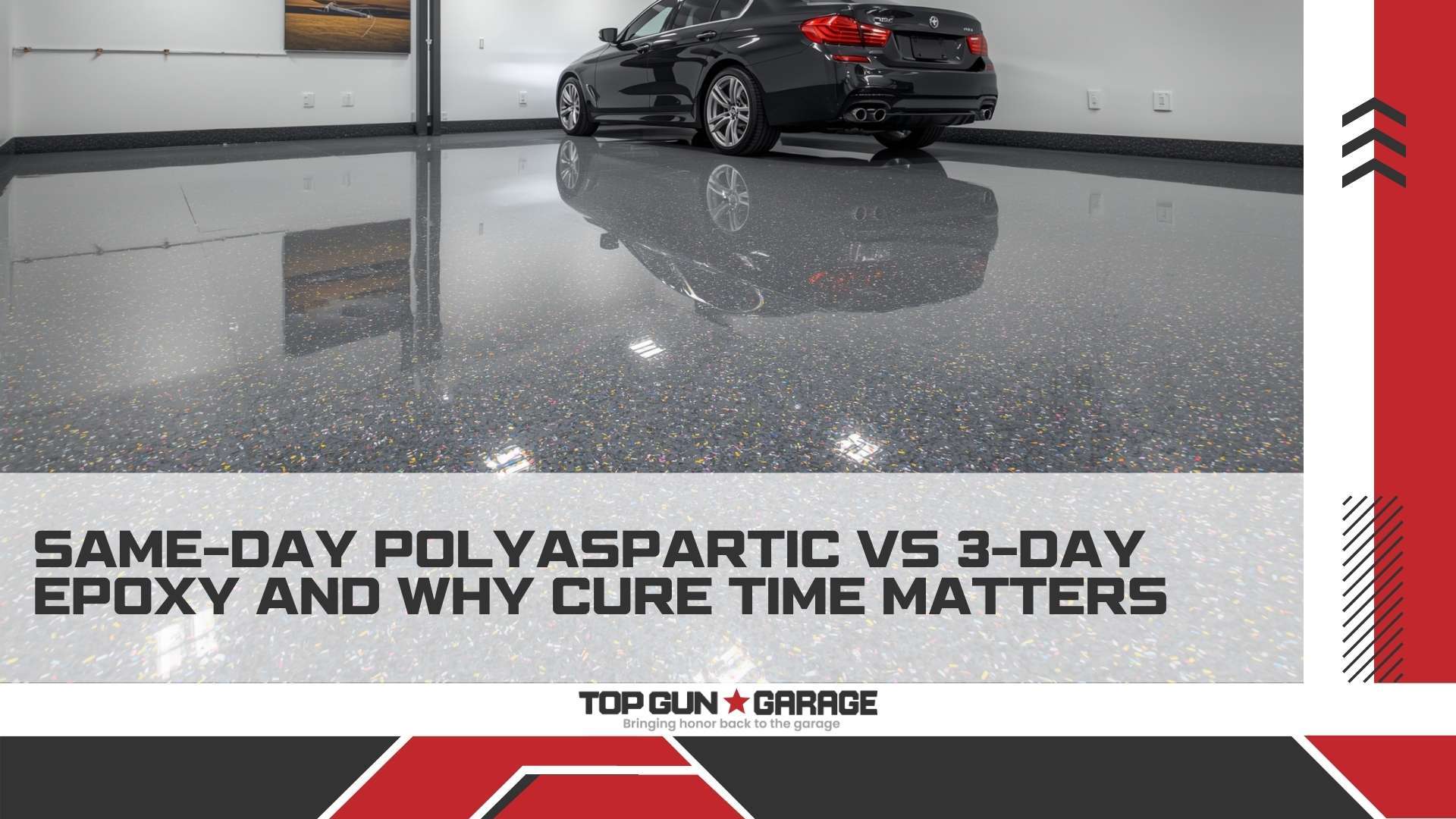
When comparing polyaspartic vs epoxy garage floor coatings, cure time often becomes the deciding factor for Southwest Florida homeowners. One system gets you back in your garage the same day. The other keeps your car in the driveway for nearly a week. Understanding why this difference exists—and what it means for durability, convenience, and long-term value—helps you make a smarter investment in your garage flooring.
Overview
This article breaks down the fundamental differences between polyaspartic and epoxy garage floor coatings. You will learn how each system cures, why temperature and humidity matter, and which coating performs under Southwest Florida conditions. Both products protect concrete, but they do so through different chemistry that affects everything from installation scheduling to how long your floor lasts.
Key Takeaways
- Polyaspartic coatings cure in 4-6 hours; epoxy requires 24-72 hours minimum
- Same-day polyaspartic installation means light foot traffic within hours and vehicle parking within 24 hours
- Epoxy installations typically require 3-5 days before full use
- Temperature flexibility makes polyaspartic ideal for Florida’s climate
- Proper surface preparation matters more than coating type for long-term adhesion
- Higher upfront cost of polyaspartic often equals lower lifetime expense
Understanding the Chemistry Behind Cure Time
The cure time difference between polyaspartic and epoxy comes down to molecular chemistry. Epoxy coatings use a two-part resin system—epoxy resin mixed with a polyamine hardener. When combined, these components undergo a slow chemical reaction called polymerization. This reaction depends heavily on temperature and humidity, which explains why epoxy installers watch weather forecasts closely.
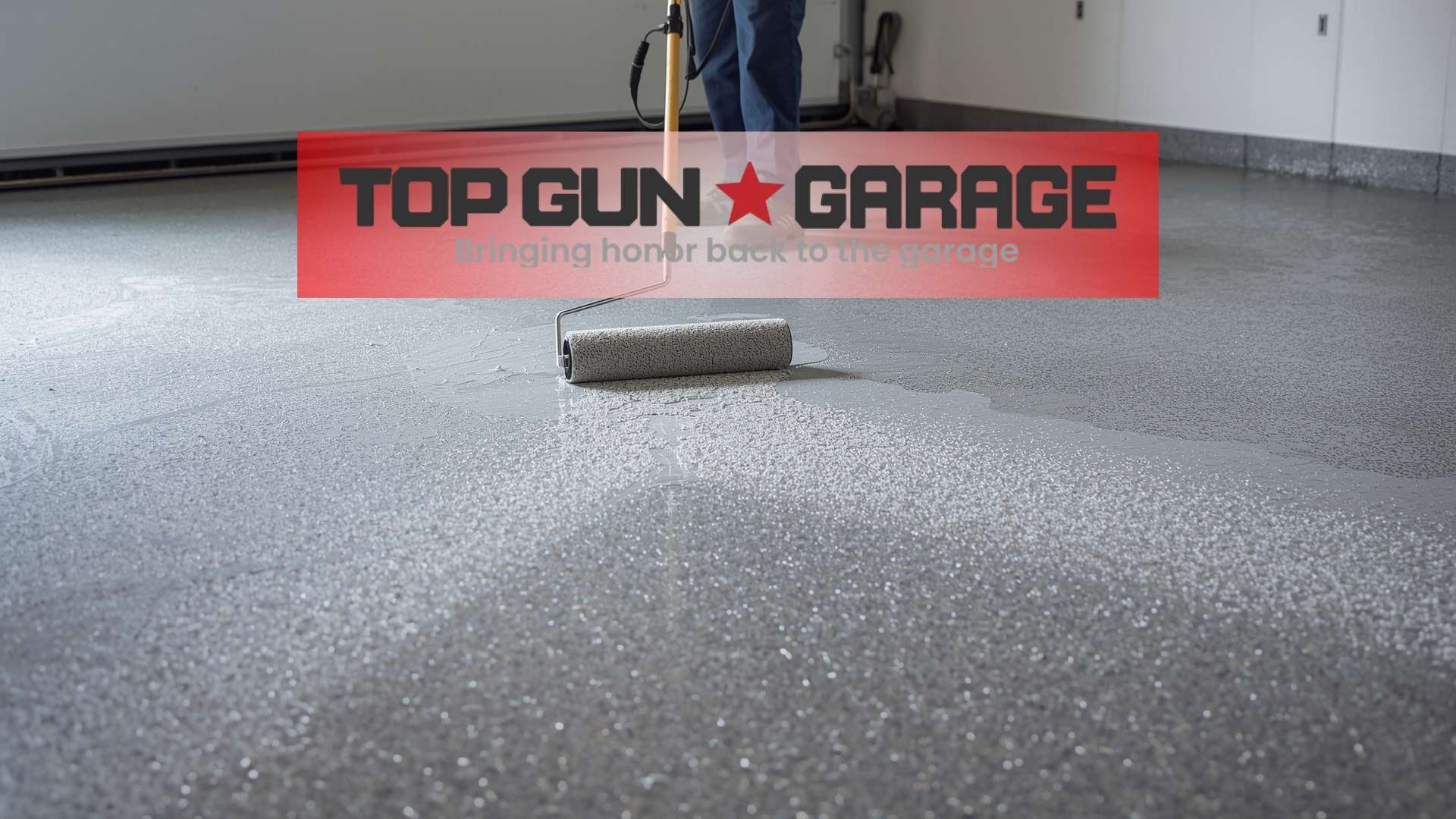
Polyaspartic coatings belong to the polyurea family and cure through a different mechanism. Rather than relying on evaporation like traditional epoxy, polyaspartic undergoes rapid polymerization where small molecules join together quickly. This creates a stronger, more flexible surface ready for use in hours rather than days. The chemical structure also makes polyaspartic more resistant to UV damage—a significant advantage in sunny Southwest Florida where outdoor applications face constant sun exposure.
How Each Coating Cures in Real-World Conditions
| Factor | Polyaspartic | Epoxy |
|---|---|---|
| Light Foot Traffic | 4-6 hours | 24+ hours |
| Vehicle Traffic | 24 hours | 72-96 hours |
| Full Cure | 5-7 days | 7-30 days |
| Application Temperature | 20°F to 130°F | 50°F to 85°F |
| Humidity Tolerance | Excellent | Limited |
| UV Resistance | Yes | No (yellows over time) |
For Naples homeowners, these numbers translate directly into convenience. A polyaspartic application started in the morning allows you to walk on your floor by evening and park your vehicle the next day. The same project using traditional epoxy means clearing your garage for nearly a week—shuffling vehicles, moving storage, and working around an off-limits space.
Why Temperature Range Matters in Florida
Southwest Florida presents unique challenges for floor coatings. Summer temperatures regularly exceed 90°F, while humidity stays high year-round. These conditions create problems for epoxy installations. According to industry standards, epoxy requires ambient temperatures between 50°F and 85°F to cure correctly. Cold conditions slow chemical reactions, leaving tacky surfaces. Heat accelerates curing too fast, causing bubbles and cracks.
Polyaspartic handles Florida conditions far better. Professional-grade formulations work in temperatures from 20°F to well over 100°F. This wide application range means installations in Fort Myers can proceed in August heat or January cool fronts without rescheduling. For commercial applications where downtime costs money, this flexibility proves especially valuable.
Humidity creates another consideration. The EPA regulates VOC emissions in floor coatings, and moisture affects how these compounds off-gas during curing. Epoxy struggles in damp environments without specialized primers. Polyaspartic’s chemistry actually uses ambient humidity as part of the curing process, making it better suited for coastal regions like Marco Island and Bonita Springs.
The Real Cost of Extended Cure Time
Three days without your garage costs more than inconvenience. Consider what happens during a typical epoxy installation with extended cure time:
Day 1: Surface preparation and first coat application. Garage completely off-limits.
Day 2: Additional coats applied. Still no access. Vehicles remain outside, exposed to sun, rain, and humidity.
Day 3: Coating continues curing. Light foot traffic might be possible.
Days 4-5: Gradual return to use, but heavy items and vehicles still restricted.
Week 2+: Full cure continues for up to a month before maximum durability achieved.
During this period, homeowners deal with outdoor vehicle storage, limited access to tools and equipment, and potential exposure of belongings to weather. For homes with limited driveway space or HOA restrictions on street parking, this creates real logistical problems. The cost considerations extend beyond the quoted price to include these hidden inconveniences.
Same-day polyaspartic installation compresses this timeline dramatically. Professional crews arrive in the morning, complete surface preparation, apply multiple coats, and leave with a floor ready for foot traffic by evening. You’re parking vehicles the next day.
Performance Differences Beyond Cure Time
Cure time tells only part of the story. Long-term performance differs significantly between these coating types:
Hot Tire Pickup: Traditional epoxy is notorious for hot tire pickup, where heated tires from your vehicle lift the coating off the floor. Polyaspartic’s stronger molecular bond to concrete reduces this risk substantially. For Florida garages where tires get extremely hot on summer pavement, this matters. Understanding why hot tire marks develop helps you prevent them.
UV Stability: Epoxy yellows when exposed to sunlight—even indirect light through garage door windows. Polyaspartic maintains its color and clarity for years. This becomes especially important for decorative finishes and metallic applications where appearance matters.
Chemical Resistance: Both coatings resist common garage chemicals like oil, gasoline, and brake fluid. Polyaspartic generally offers superior protection, though neither performs well against battery acid with prolonged exposure.
Flexibility: Polyaspartic cures to a more flexible film than epoxy. This flexibility helps the coating absorb impacts and bridge minor concrete movement without cracking. For older Florida homes where concrete may show signs of age, this flexibility prevents premature coating failure.
Surface Preparation: The Great Equalizer
Regardless of which coating you choose, surface preparation determines success. Both polyaspartic and epoxy fail when applied to improperly prepared concrete. Professional installation includes diamond grinding or shot blasting to create the proper concrete surface profile for coating adhesion.
This preparation process opens the pores of concrete, allowing the coating to penetrate and create a mechanical bond. Skipping this step—or using inferior acid etching methods—leads to peeling, bubbling, and premature failure regardless of coating quality. Understanding the installation process reveals why professional work costs more but lasts longer than DIY approaches.
Concrete condition also affects coating performance. Floors with existing cracks, spalling, or significant damage may require repair before coating application. Concrete age influences chemical bonding as well—newer concrete needs time to cure before accepting coatings.
Making the Right Choice for Your Garage
The polyaspartic vs epoxy decision depends on your specific situation. Consider these factors:
Choose polyaspartic when:
- You need your garage back quickly
- The space faces sun exposure
- You want maximum durability and UV resistance
- You’re coating in temperature extremes
- Long-term value matters more than upfront cost
Consider epoxy when:
- Budget is the primary constraint
- The space has zero UV exposure (basement or windowless area)
- Extended cure time poses no inconvenience
- Temperature and humidity remain controlled
For most Southwest Florida garages, polyaspartic represents the smarter investment. Higher upfront costs offset by same-day return to service, superior durability, and eliminated yellowing translate to better lifetime value. Comparing warranties between systems often reveals polyaspartic’s longer coverage periods.
Frequently Asked Questions
How long does polyaspartic take to fully cure? Light foot traffic is safe within 4-6 hours. Vehicles can park on polyaspartic floors within 24 hours. Full chemical cure continues for about 7 days, during which the coating reaches maximum hardness and chemical resistance.
Why does epoxy take so long to cure? Epoxy cures through a temperature-dependent chemical reaction between resin and hardener. This reaction proceeds slowly and stops in conditions outside the 50-85°F range. Humidity above 85% further extends cure time.
Can I apply epoxy in a Florida summer? Summer applications prove challenging due to high temperatures accelerating cure too fast and humidity levels interfering with proper adhesion. Many contractors avoid epoxy installations during peak summer months.
Does polyaspartic work on cracked concrete? Polyaspartic’s flexibility allows it to bridge minor hairline cracks. Larger cracks require repair before coating. Professional assessment determines whether your concrete needs repair first.
Is polyaspartic worth the higher cost? For most applications, yes. Faster cure time, better durability, and UV stability mean lower long-term costs. The convenience of same-day return to service adds practical value difficult to quantify.
What happens if I drive on epoxy too soon? Premature vehicle traffic on uncured epoxy causes tire marks, coating damage, and potential delamination. These issues often require complete removal and recoating to fix properly.
Does humidity affect floor coating installations? Yes. High humidity extends epoxy cure time and can cause adhesion problems. Polyaspartic tolerates humidity better, using moisture as part of its curing chemistry.
How do professional installations differ from DIY kits? Professional installations use commercial-grade materials unavailable to consumers, industrial surface preparation equipment, and trained crews who understand local climate challenges. Comparing results shows significant durability differences.
Which coating resists hot tire marks? Polyaspartic’s stronger bond and flexibility make it highly resistant to hot tire pickup. Traditional epoxy commonly suffers from this problem.
Can I coat my garage floor in winter? Polyaspartic’s wide temperature range allows year-round installation in most Florida conditions. Epoxy becomes problematic when temperatures drop below 50°F or humidity increases during winter cold fronts.
Sources
- U.S. Environmental Protection Agency – Architectural Coatings VOC Emission Standards
- Electronic Code of Federal Regulations – 40 CFR Part 59 Subpart D
Ready to transform your garage with a coating that works with Southwest Florida’s climate? Top Gun Garage specializes in polyaspartic and epoxy floor coatings throughout Naples, Fort Myers, Bonita Springs, and Marco Island. Get a free estimate and discover why same-day installation makes all the difference.