 Skip to content



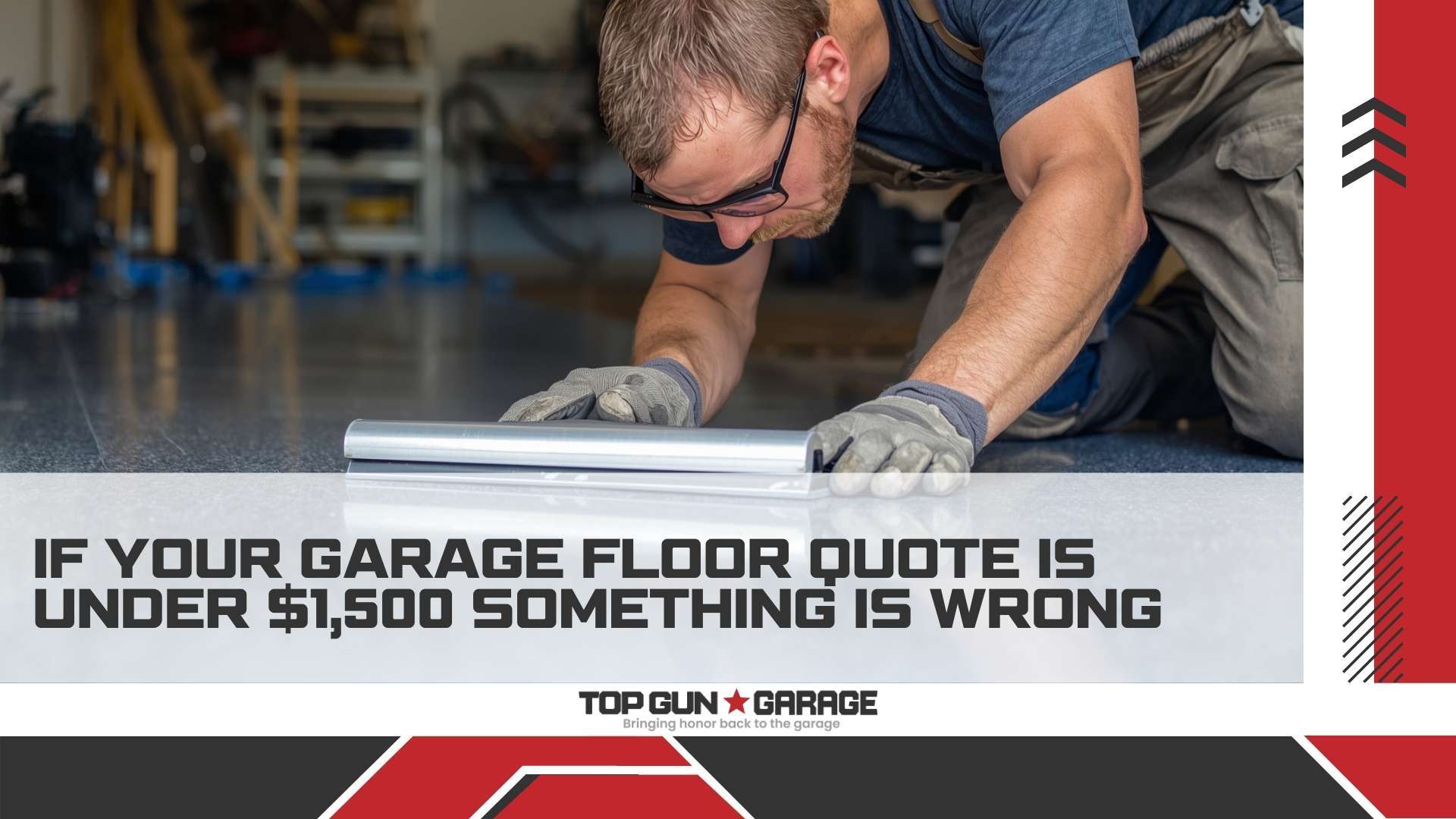
Professional garage floor installations require significant labor, quality materials, and specialized equipment that cannot be delivered profitably at rock-bottom prices. When homeowners ask how much should I pay for epoxy floor installations, the answer depends on garage size, coating system quality, and preparation thoroughness—but legitimate two-car garage projects rarely cost less than $2,500-$3,000. Quotes significantly below this threshold typically indicate contractors cutting corners on surface preparation, using inferior materials, lacking proper licensing and insurance, or planning to add charges mid-project. Understanding what constitutes fair pricing for epoxy floor installations protects homeowners from costly mistakes that lead to premature failures, complete floor replacement, and wasted investment.
This comprehensive guide explains why ultra-low garage floor quotes signal problems, breaks down legitimate cost components, reveals what corners budget contractors cut, and provides pricing benchmarks for quality installations. You’ll discover the true cost of professional surface preparation, material quality differences, labor requirements, hidden expenses in cheap quotes, and how to evaluate whether pricing reflects genuine value or shortcuts that guarantee early failure.
Overview
This article examines the economics of professional garage floor installations, helping homeowners understand fair pricing and recognize when quotes indicate substandard work. We’ll cover industry cost standards, surface preparation requirements, material quality factors, labor and equipment expenses, common contractor shortcuts, regional pricing variations, and how to compare quotes effectively. These insights enable informed decisions that balance budget constraints with long-term value and performance.
Key Takeaways
-
Professional two-car garage epoxy installations typically cost $2,500-$5,000 depending on system quality and preparation requirements
-
Surface preparation alone costs $1-$3 per square foot and determines 70% of coating success
-
Quality epoxy materials cost $0.75-$2.00 per square foot versus $0.15-$0.40 for DIY-grade products
-
Licensed, insured contractors with proper equipment cannot profitably install floors under $1,500
-
Lowball quotes typically exclude critical steps like moisture testing, crack repair, and proper surface profiling
-
Cheap installations fail within 1-2 years, requiring complete replacement at 2-3x the original savings
-
Regional variations affect pricing but red flags appear when quotes fall 40%+ below local averages
Understanding Legitimate Garage Floor Costs
Professional garage floor installations involve multiple cost components that homeowners must understand to evaluate quotes accurately. Surface preparation costs represent 40-50% of total project expenses, including concrete grinding, crack repair, cleaning, and moisture testing. Quality coating materials add another 25-30% of costs, while skilled labor, equipment, overhead, insurance, and profit margins account for the remaining expenses.
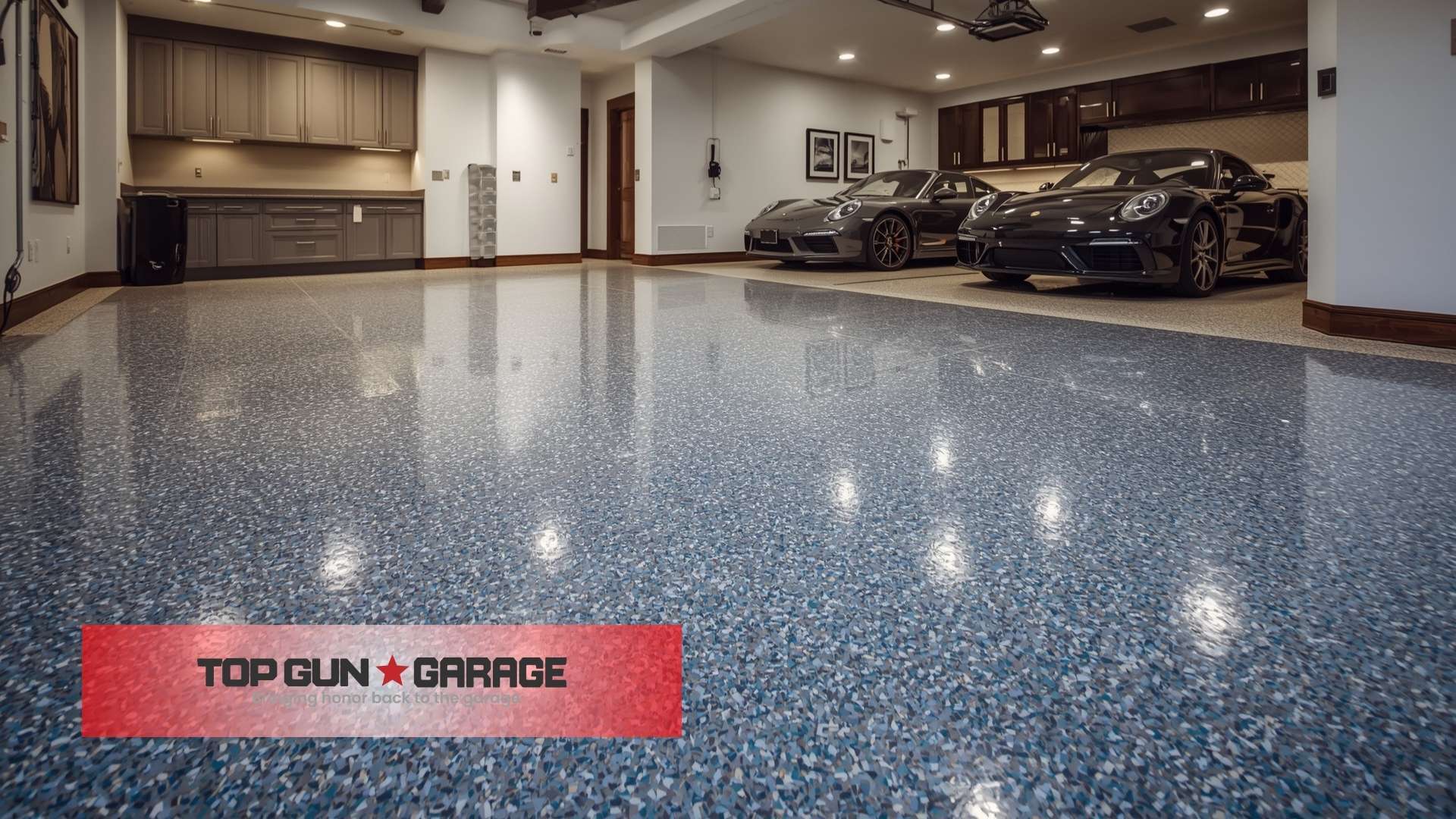
A standard 400-500 square foot two-car garage requires 8-12 hours of labor for proper preparation and installation. Professional diamond grinding equipment costs $15,000-$40,000, industrial vacuums run $2,000-$5,000, and coating application equipment ranges from $3,000-$10,000 depending on system type. Licensed contractors carry general liability and workers’ compensation insurance totaling $8,000-$15,000 annually, business licenses cost $500-$2,000, and vehicle expenses, tool maintenance, and administrative overhead add substantial ongoing costs.
When contractors quote below $1,500 for standard garage floors, the mathematics simply don’t support quality installation. Materials alone for professional-grade systems cost $300-$800, preparation equipment rental (if contractors don’t own) runs $200-$400, and 10-12 hours of skilled labor at legitimate rates totals $600-$1,200. These direct costs approach or exceed ultra-low quotes before accounting for insurance, licensing, overhead, profit, or warranty obligations.
What Surface Preparation Actually Costs
Proper concrete surface preparation represents the single most important factor determining garage floor coating longevity and performance. Professional preparation begins with diamond grinding to achieve proper surface profile, removing contaminants, opening concrete pores, and creating mechanical bond points for coating adhesion. This process requires specialized equipment, generates significant dust requiring industrial vacuums, and demands 4-6 hours of skilled labor for standard garage floors.
Diamond grinding alone costs $1.00-$2.50 per square foot when performed properly with appropriate equipment and experienced operators. Additional preparation steps include crack and spall repair ($200-$600 depending on severity), oil stain removal and degreasing ($100-$300), moisture testing ($150-$400), and final cleaning to remove all dust and debris ($100-$200).
Contractors quoting under $1,500 typically skip or severely compromise preparation steps. Common shortcuts include acid etching instead of grinding (ineffective for coating adhesion), minimal crack repair leaving structural weaknesses, skipping moisture tests that reveal high vapor transmission, and inadequate cleaning leaving contaminants that cause coating failure. These preparation failures don’t manifest immediately but guarantee premature delamination, bubbling, and coating loss within 12-24 months.
Material Quality Makes Dramatic Differences
The gap between professional-grade and consumer-grade coating materials dramatically affects both installation cost and long-term performance. Industrial epoxy systems designed for high-traffic garage applications cost $0.75-$2.00 per square foot for materials alone, while big-box store DIY kits cost $0.15-$0.40 per square foot. This price difference reflects fundamental chemistry variations, solids content, UV stability, chemical resistance, and thickness capabilities.
Professional coating systems contain 90-100% solids with minimal volatile organic compounds, providing thick protective layers that resist abrasion, chemicals, and thermal stress. Consumer-grade products often contain 30-60% solids with remainder being water or solvents that evaporate, leaving thin films that wear quickly and fail under demanding conditions. High-quality systems include specialized primers, moisture vapor barriers, UV-stable basecoats, and polyurethane or polyaspartic topcoats for maximum durability.
Budget contractors use cheap materials to hit low price points, sacrificing performance for immediate cost savings. Homeowners discover these material compromises when floors develop hot tire pickup marks within months, show rapid wear patterns, yellow from UV exposure, or fail adhesion when moisture transmission occurs. The $500-$1,000 saved using inferior materials costs $3,000-$5,000 when complete floor replacement becomes necessary within 2-3 years.
Labor and Equipment Investment Requirements
Skilled labor represents a major cost component that contractors cannot compress below certain thresholds without sacrificing quality. Professional garage floor installers require specialized training in concrete evaluation, preparation techniques, moisture testing, coating chemistry, and application methods. Experienced installers command $30-$60 per hour depending on regional markets and expertise levels, with typical two-car garage installations requiring 10-14 total labor hours.
Equipment investment distinguishes professional contractors from amateurs using inadequate tools. Proper installations require diamond grinders with dust collection ($15,000-$40,000 investment), industrial HEPA vacuums ($2,000-$5,000), moisture testing equipment ($500-$2,000), power washers, mixing equipment, application tools, and safety gear. Contractors who don’t own equipment must rent at $200-$500 per project, eating into already-thin margins on low-priced jobs.
Ultra-low quotes force contractors to rush installations, use inexperienced helpers, skip critical steps, or employ untrained workers who lack coating expertise. The 10-12 hours required for quality installation gets compressed to 4-6 hours, eliminating proper surface profiling, adequate crack repair, thorough cleaning, and careful coating application. Rushed installations create weak adhesion, uneven coating thickness, trapped air bubbles, and inadequate coverage that leads to early failure.
Hidden Costs in Cheap Quotes
Budget garage floor quotes frequently exclude essential services that quality installations include, creating misleading price comparisons. Common exclusions include furniture and storage relocation, extensive crack repair beyond minor hairlines, moisture vapor barrier application, decorative color flakes or chips, UV-stable topcoats, and expedited cure time options. Contractors reveal these exclusions after contract signing, demanding additional payments for “extras” that reputable companies include in base pricing.
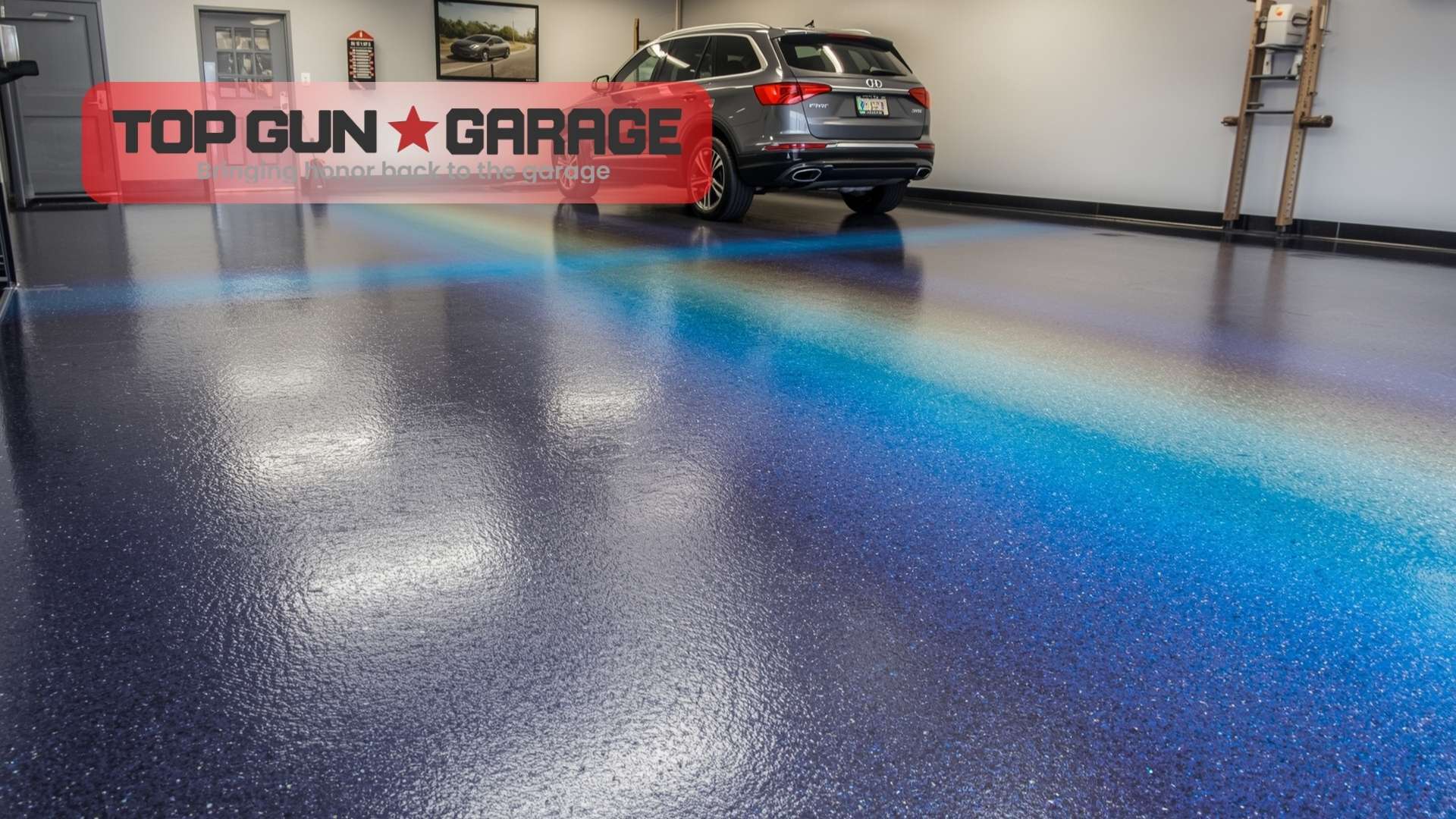
Insurance and licensing costs that protect homeowners add $200-$400 per project for legitimate contractors. Unlicensed, uninsured contractors offering rock-bottom prices shift liability risk to homeowners if workers are injured, property damage occurs, or coating failures require replacement. Many homeowners discover insurance exclusions only after problems arise, finding themselves responsible for medical bills, damage repairs, or complete floor replacement without recourse.
Warranty coverage represents another hidden cost difference between quality contractors and budget installers. Professional companies offering 10-15 year warranties factor warranty service costs into pricing, while cheap contractors provide no warranties or offer meaningless 1-2 year coverage with extensive exclusions. When floors fail prematurely, homeowners with cheap installations pay full replacement costs while those with quality warranties receive free repairs.
Why Budget Contractors Cut Corners
Economic reality forces contractors bidding below cost to compromise somewhere in the installation process. The most common shortcut involves minimal surface preparation—skipping diamond grinding in favor of quick acid etching, ignoring moisture testing, performing superficial crack repairs, and inadequate cleaning. These preparation failures doom coatings regardless of material quality, as proper adhesion requires clean, profiled concrete with controlled moisture levels.
Material substitution represents another frequent corner-cutting strategy. Contractors purchase consumer-grade products, water down professional coatings to stretch coverage, apply single coats instead of multi-layer systems, or eliminate protective topcoats that provide UV and abrasion resistance. Homeowners cannot easily detect these substitutions during installation but experience consequences within months when coatings wear prematurely, discolor, or delaminate.
Unlicensed, uninsured operation allows some contractors to undercut legitimate companies by avoiding regulatory costs. These contractors skip required business licenses ($500-$2,000), avoid liability insurance ($5,000-$10,000 annually), don’t carry workers’ compensation, and may not pay business taxes. While this reduces their costs, it transfers massive liability risk to homeowners and provides no recourse when installations fail.
Regional Pricing Variations
Geographic location influences garage floor coating costs due to differences in labor rates, material transportation expenses, market competition, and regional cost of living. Metropolitan areas with high living costs see average installation prices 20-40% higher than rural regions, though quality standards remain consistent. Southwest Florida markets including Naples, Fort Myers, and Bonita Springs typically see two-car garage installations ranging $2,800-$5,500 depending on coating system and home condition.
Despite regional variations, certain pricing thresholds remain consistent nationwide. Professional installations rarely fall below $5-$7 per square foot all-inclusive for standard epoxy coating systems, with premium polyurea or polyaspartic systems costing $8-$12+ per square foot. Standard 400-500 square foot garages therefore range $2,000-$3,500 minimum for basic quality epoxy, $3,500-$5,000 for mid-grade systems, and $4,500-$6,000+ for premium polyurea installations.
Contractors quoting 40%+ below regional averages signal problems regardless of local market conditions. While slight variations occur based on contractor efficiency, equipment ownership, and business model, dramatic underpricing indicates compromised quality rather than exceptional value. Homeowners should obtain 3-5 quotes from licensed, insured contractors to establish local pricing baselines before considering any installation.
Comparing Quotes Effectively
Evaluating garage floor quotes requires comparing apples-to-apples rather than just bottom-line prices. Request itemized estimates detailing specific coating brands and systems, square footage calculations, preparation methods including grinding profile depth, crack repair specifications, moisture testing procedures, number of coating layers, decorative options, cure time expectations, and warranty terms.
Ask contractors to explain price differences when quotes vary significantly. Legitimate variations reflect coating system quality differences, preparation thoroughness, warranty length, decorative upgrade costs, or expedited scheduling rather than simply cutting corners. Contractors should clearly explain what each pricing tier includes and what homeowners receive for premium versus basic packages.
Red flags emerge when contractors cannot or will not itemize quotes, refuse to specify coating brands, avoid discussing preparation methods, claim moisture testing is unnecessary, or pressure immediate decisions with limited-time discounts. Professional companies welcome detailed questions, provide comprehensive documentation, encourage homeowners to research coating systems, and never rush decision-making processes.
What Quality Installations Include
Professional garage floor installations begin with comprehensive site evaluation including moisture testing, concrete condition assessment, identification of cracks and spalls requiring repair, and discussion of decorative options and color choices. Quality contractors explain preparation requirements specific to your concrete, moisture mitigation strategies if needed, coating system recommendations, and realistic timeline expectations.
The installation process includes furniture and storage relocation assistance, complete diamond grinding to achieve proper surface profile, thorough crack and spall repair using appropriate fillers, comprehensive cleaning with industrial vacuums, and moisture barrier application if testing indicates necessity. Coating application involves primer layer allowing proper adhesion, base coat with optional decorative flakes or metallics, and UV-stable protective topcoat providing chemical and abrasion resistance.
Post-installation service includes detailed maintenance instructions, cure time guidelines, written warranty documentation, and contractor availability for questions or concerns. Quality companies follow up after installation to ensure satisfaction and address any issues promptly. These comprehensive services justify higher pricing while delivering floors that perform flawlessly for 10-15+ years.
Long-Term Cost Analysis
Evaluating garage floor investments requires considering total cost of ownership rather than just initial installation price. A $1,200 budget installation that fails within 18-24 months necessitates complete removal and replacement costing $3,000-$4,000, totaling $4,200-$5,200 over three years. A $3,500 quality installation lasting 15 years costs $233 annually, while the cheap option costs $1,400-$1,733 annually when replacement is factored.
Additional costs from failed installations include damage to stored vehicles and property when coatings delaminate and create debris, time and stress managing contractor disputes and replacement projects, and opportunity costs from repeatedly losing garage access during multiple installation attempts. Premature coating failures can also damage concrete substrates, requiring expensive repairs before successful recoating.
Quality installations provide value beyond longevity through enhanced home appeal, easier maintenance, improved lighting from reflective surfaces, and increased property value. Professional garage floors serve as selling features that attract buyers and justify premium pricing, while failed or poorly maintained floors detract from home value and create buyer concerns.
Making Informed Decisions
Understanding fair pricing for garage floor installations protects homeowners from costly mistakes while ensuring quality results. When quotes fall significantly below $2,500 for standard two-car garages, investigate thoroughly what’s being excluded, compromised, or substituted. Ask detailed questions about preparation methods, material specifications, contractor credentials, insurance coverage, and warranty terms.
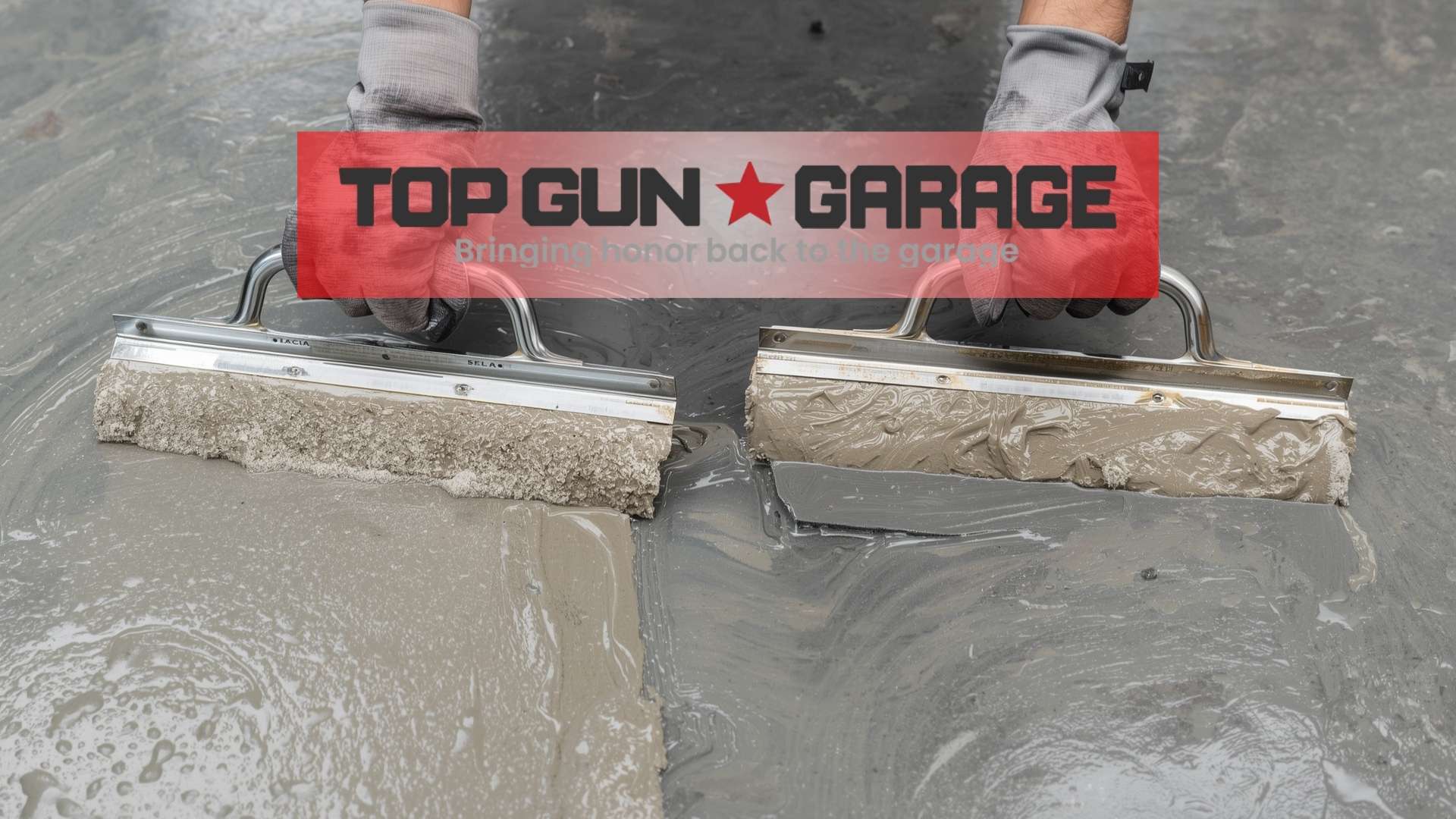
Verify contractor licensing through state regulatory agencies, confirm insurance coverage directly with insurance companies, check references from recent similar projects, and review online feedback across multiple platforms. Consider hiring contractors with manufacturer certifications, specialized training, and proven Southwest Florida experience with high-humidity coastal conditions.
Remember that garage floor coatings represent long-term investments in home value, functionality, and enjoyment. Spending appropriate amounts for quality materials, proper preparation, and skilled installation delivers floors that perform flawlessly for 10-15+ years while providing daily satisfaction. Budget decisions that save $1,000-$1,500 upfront typically cost $3,000-$5,000 in replacements, repairs, and frustration over the same timeframe.
Frequently Asked Questions
What is a fair price for garage floor epoxy? Professional garage floor epoxy installations cost $5-$7 per square foot for standard systems or $2,500-$3,500 for typical 400-500 square foot two-car garages. Premium polyurea systems range $8-$12 per square foot. Quality installations include proper preparation, moisture testing, multi-layer coatings, and comprehensive warranties.
Why do some contractors quote under $1,500 for garage floors? Ultra-low quotes typically indicate unlicensed contractors, compromised preparation, inferior materials, excluded essential services, or bait-and-switch tactics adding charges mid-project. Legitimate contractors cannot profitably provide quality installations at these prices after covering materials, labor, insurance, equipment, and overhead costs.
What corners do cheap contractors cut on installations? Budget contractors typically skip diamond grinding, use inadequate surface preparation, eliminate moisture testing, apply single coats instead of multi-layer systems, use consumer-grade materials, provide no warranties, and operate without proper licensing or insurance. These shortcuts guarantee premature coating failures.
How much should surface preparation cost? Professional surface preparation costs $1-$3 per square foot including diamond grinding, crack repair, cleaning, and moisture testing. This represents 40-50% of total installation cost but determines 70-80% of coating success. Proper preparation is essential for long-term performance.
What’s the difference between cheap and quality coating materials? Professional coatings contain 90-100% solids, provide thick protective layers, resist UV damage and chemicals, and cost $0.75-$2.00 per square foot. Consumer-grade products contain 30-60% solids, wear quickly, fail under stress, and cost $0.15-$0.40 per square foot with dramatically shorter lifespans.
How long should quality garage floor coatings last? Professional installations with proper preparation last 10-15 years for epoxy systems and 15-20+ years for premium polyurea coatings. Budget installations typically fail within 1-3 years, requiring complete replacement and wasting the initial investment plus additional costs.
Should I get multiple quotes for garage floors? Yes, obtain 3-5 detailed quotes from licensed, insured contractors to establish local pricing baselines and compare scope of work. Beware of quotes 40%+ below average indicating compromised quality rather than exceptional value. Focus on overall value rather than just lowest price.
What should garage floor quotes include? Comprehensive quotes detail specific coating brands and systems, square footage, preparation methods, crack repair, moisture testing, number of coating layers, decorative options, cure times, warranty terms, and itemized pricing. Avoid contractors who refuse to provide detailed specifications.
Are DIY garage floor kits a good alternative? DIY kits cost $200-$600 but rarely deliver professional results due to inadequate materials, missing specialized equipment, lack of expertise, and compromised preparation. Most DIY installations fail within 1-2 years. Professional installation provides superior value considering long-term performance.
What questions should I ask contractors about pricing? Ask about specific coating brands, preparation methods including grinding profiles, moisture testing procedures, crack repair approaches, number of coating layers, warranty coverage, what’s included versus excluded, payment schedules, and how prices compare to regional averages. Legitimate contractors welcome detailed questions.
Conclusion
Garage floor quotes under $1,500 for standard two-car garages signal serious problems with contractor qualifications, material quality, preparation thoroughness, or business practices. Understanding fair pricing—typically $2,500-$5,000 depending on coating system and preparation requirements—protects homeowners from costly mistakes and ensures long-lasting, professionally installed floors. The economics of quality garage floor installation simply cannot support ultra-low pricing when factoring legitimate materials, proper preparation, skilled labor, specialized equipment, insurance, licensing, and reasonable profit margins. Homeowners who invest appropriately in professional installations enjoy beautiful, durable floors for 10-15+ years while those chasing bargains typically spend more replacing failed installations within 2-3 years.
Top Gun Garage provides transparent pricing, detailed quotes, comprehensive preparation, quality materials, and proven expertise serving Naples, Fort Myers, and Bonita Springs. Contact us today for a thorough consultation and discover why Southwest Florida homeowners trust our commitment to quality workmanship, fair pricing, and exceptional long-term performance.