 Skip to content



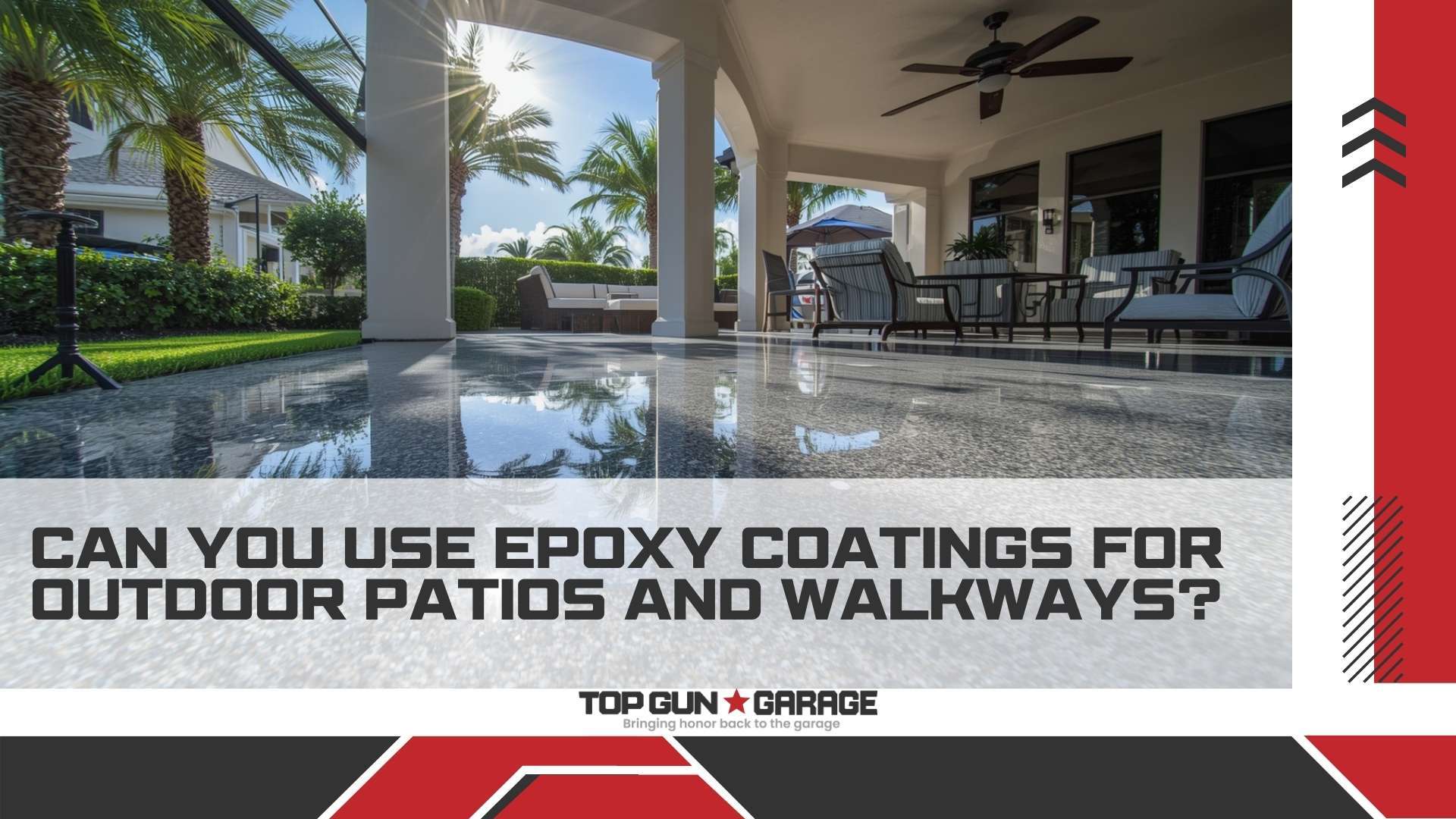
As Naples homeowners explore options for upgrading their outdoor living spaces, the question of whether epoxy coating for outdoor patios is a viable solution comes up frequently, especially among those who have seen stunning epoxy floors in garages or commercial spaces. The glossy, seamless finish and exceptional durability of epoxy in indoor environments naturally leads to curiosity about extending these benefits to patios, walkways, pool decks, and outdoor entertainment areas. However, the answer to whether epoxy works outdoors is more nuanced than a simple yes or no, requiring careful consideration of Florida’s intense sun exposure and climate conditions.
Standard epoxy coatings, while incredibly durable indoors where they are protected from direct sunlight and weather extremes, face significant challenges when exposed to outdoor conditions for extended periods. The primary concern is ultraviolet (UV) radiation from sunlight, which can cause traditional epoxy formulations to yellow, chalk, and eventually break down over time. This degradation not only affects the aesthetic appearance of the surface, making it look dirty and dated, but also compromises the protective qualities that made epoxy attractive in the first place.
That said, modern coating technology has evolved to address these limitations, offering UV-stable alternatives and hybrid systems specifically engineered for outdoor use. At Top Gun Garage, we understand the unique demands of Southwest Florida’s outdoor spaces, where intense sunshine, frequent rain, high humidity, and occasional tropical storms create a challenging environment for any surface coating. Our expertise extends beyond garage floors to helping homeowners select the right materials for their entire concrete surfaces, ensuring long-lasting beauty and performance.
This comprehensive guide will explore the realities of using epoxy and epoxy-based systems for outdoor applications, explaining why standard garage epoxy fails outdoors, what alternatives exist, and how to achieve a durable, beautiful finish for your Naples patio or walkway. From understanding UV degradation to selecting the right topcoat systems, you will gain the knowledge necessary to make an informed decision about coating your outdoor concrete surfaces. Let’s examine what really works when concrete meets sunshine.
Key Takeaways
-
Standard Epoxy Yellows: Traditional epoxy coatings are not UV-stable and will yellow, chalk, and degrade when exposed to direct sunlight.
-
UV-Stable Topcoats Required: Polyaspartic or aliphatic urethane topcoats provide the necessary UV protection for outdoor applications.
-
Proper Preparation Critical: Outdoor concrete requires even more meticulous preparation due to moisture, temperature swings, and weathering.
-
Heat Resistance Matters: Naples’ hot concrete surfaces demand coatings that can withstand extreme temperatures without softening or blistering.
-
Professional Installation Essential: Outdoor applications have less margin for error and require expert assessment of substrate conditions.
Why Standard Epoxy Fails in Outdoor Environments
The fundamental problem with using standard garage-grade epoxy coatings outdoors lies in their chemical structure and how it reacts to ultraviolet radiation from sunlight. Epoxy resins are organic polymers that were not originally formulated to handle direct, unfiltered sunlight exposure for extended periods. When exposed to UV rays day after day, these polymers undergo a photochemical degradation process called “ambering” or “yellowing,” where the clear or lightly tinted coating takes on an increasingly yellow or amber hue that makes the surface appear dirty, stained, or aged.
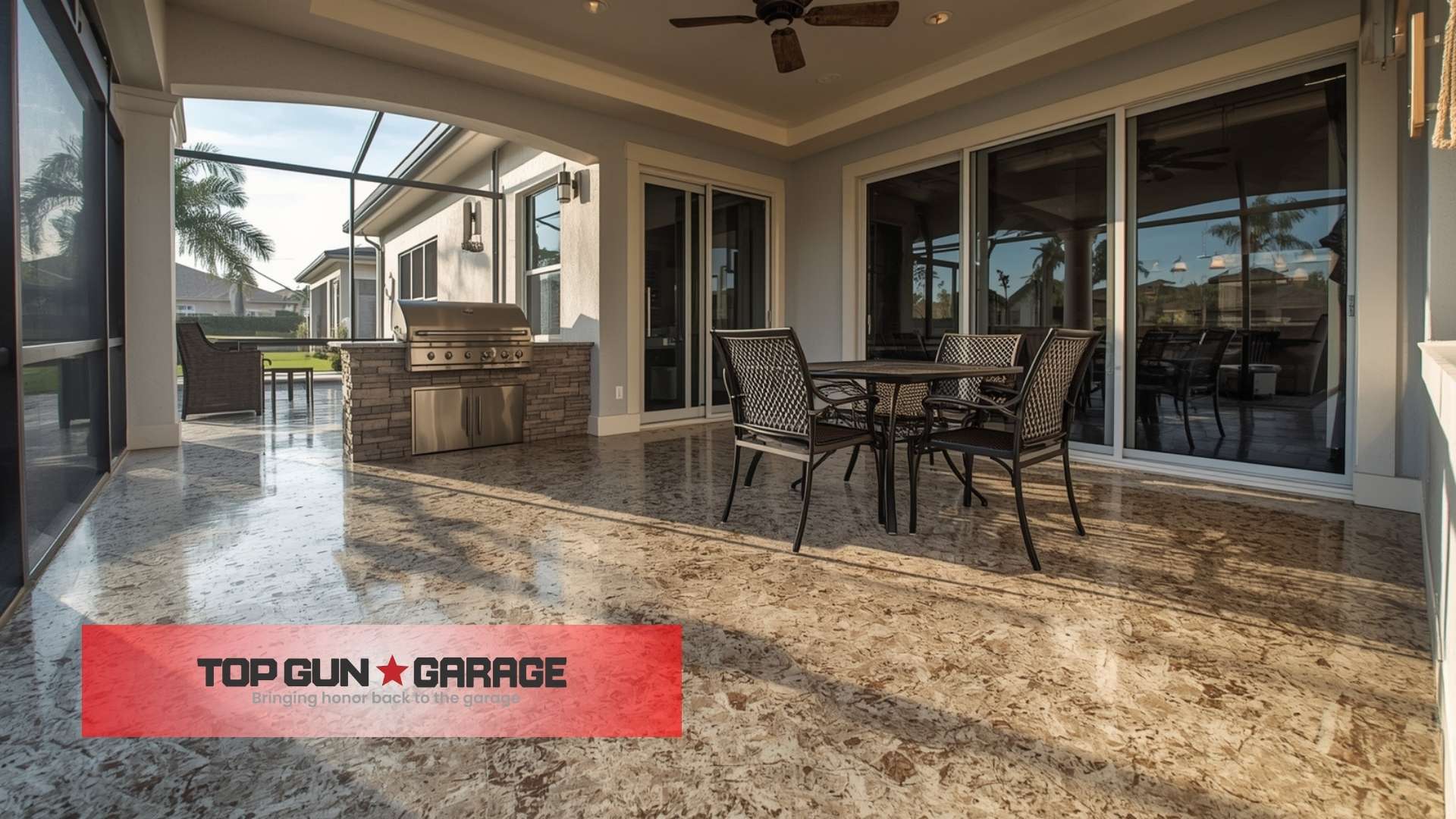
This yellowing process is not merely cosmetic surface discoloration that can be cleaned away; it represents actual molecular breakdown of the epoxy polymer chains that compromises the coating’s integrity. As the degradation continues beyond the initial yellowing phase, the epoxy surface begins to chalk, creating a powdery residue that wipes off on hands and clothing. Eventually, the coating loses its adhesion to the concrete substrate and begins to peel, flake, or delaminate entirely, requiring complete removal and replacement of the failed system.
The rate of this UV degradation accelerates dramatically in environments like Naples, where sunshine is intense year-round and surfaces can reach temperatures exceeding 140°F on summer afternoons. Even covered patios or shaded walkways receive significant indirect UV exposure through reflection from surrounding surfaces, light-colored buildings, or water features. In full sun exposure, a standard epoxy coating can begin showing visible yellowing within just six months to two years of installation, making it a poor investment for outdoor applications.
Additionally, the temperature cycling that outdoor surfaces experience—from cool overnight lows to scorching midday highs—places stress on epoxy coatings that indoor floors never encounter. This thermal expansion and contraction can cause cracking or delamination in coatings that lack the flexibility to accommodate these movements. Understanding these fundamental limitations of standard epoxy is essential before considering any outdoor coating project and explains why coating thickness alone cannot solve the UV stability problem.
UV-Resistant Alternatives: Polyaspartic and Aliphatic Urethane Coatings
Fortunately, modern coating technology has produced alternatives specifically engineered to withstand outdoor conditions, with polyaspartic coatings leading the category for UV stability and durability. Polyaspartic coatings are aliphatic polyurea formulations that were developed specifically to address the UV degradation issues that plague traditional epoxy systems. Unlike epoxy’s aromatic molecular structure that breaks down under UV exposure, polyaspartic’s aliphatic structure remains stable even after years of direct sunlight, maintaining color clarity and structural integrity.
When used as a topcoat over an epoxy base layer, polyaspartic creates a protective shield that allows you to leverage epoxy’s excellent adhesion and build characteristics while preventing UV damage to the system. This hybrid approach—epoxy base coat with polyaspartic topcoat—has become the industry standard for outdoor concrete coating applications including patios, walkways, pool decks, and even exterior commercial spaces. The epoxy provides strong bonding to the concrete and can incorporate decorative color flakes or pigments, while the polyaspartic seals and protects the entire system from environmental degradation.
Aliphatic urethane coatings represent another UV-stable option that offers excellent protection for outdoor concrete surfaces, though they typically require more coats to achieve adequate thickness compared to polyaspartic. These urethane systems provide good chemical resistance and UV stability, making them suitable for covered patios, entryways, or areas that receive indirect sunlight. However, they generally cure more slowly than polyaspartic coatings and may require several days before the surface can be used, which can be inconvenient for homeowners who need to access their outdoor spaces.
The rapid cure time of polyaspartic coatings—often achieving full hardness within just a few hours—makes them particularly attractive for outdoor residential applications where extended downtime is impractical. This quick return to service means your patio or walkway can be back in use the same day or next morning, minimizing disruption to your household. For more information on choosing durable systems for demanding environments, explore our guide on high-traffic coatings that withstand Florida’s climate.
Heat and Moisture Challenges Unique to Outdoor Applications
Beyond UV exposure, outdoor concrete surfaces in Naples face intense heat that creates unique challenges for any coating system. On a sunny summer afternoon, concrete patio surfaces can easily reach 140 to 160°F, temperatures that can soften or even blister coatings that lack adequate heat resistance. This extreme heat also accelerates any ongoing chemical reactions in the coating, potentially causing premature aging or failure if the wrong materials are used. The coating must maintain its hardness and adhesion even at these elevated temperatures to prevent footprints, furniture marks, or other surface damage.
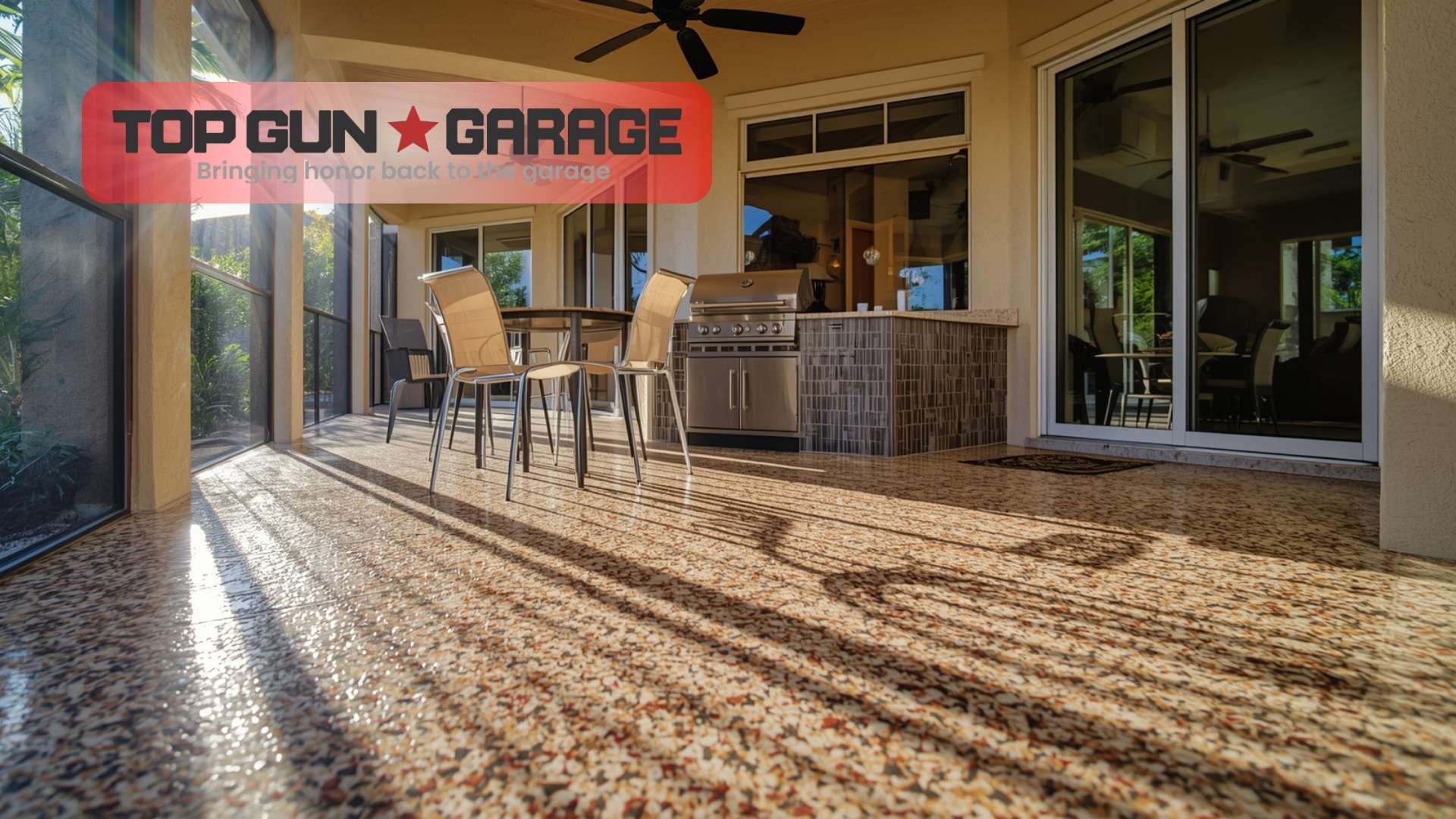
Moisture is another critical factor that affects outdoor coating performance in ways that indoor applications never experience. While garage floors may encounter occasional water from rain tracked in on vehicles or washing activities, outdoor patios are exposed to direct rainfall, sprinkler systems, morning dew, and in coastal Naples, occasional storm surge or flooding during hurricanes. The coating must create a completely waterproof barrier that prevents moisture from penetrating to the concrete substrate, where it can cause efflorescence, spalling, or coating delamination.
The combination of heat and moisture creates particularly challenging conditions during Florida’s summer months when afternoon thunderstorms drop heavy rain on sun-heated concrete. This rapid temperature cycling—from 150°F surface temps to 70°F rain within minutes—stresses coatings in ways that few other environments can match. Coatings must be flexible enough to accommodate these dramatic thermal expansions and contractions without cracking or losing adhesion to the substrate, which requires professional-grade materials engineered specifically for these conditions.
Humidity also affects the curing process of outdoor coatings, often extending the time required for the coating to reach full hardness and chemical resistance. High relative humidity can slow solvent evaporation or interfere with chemical cross-linking reactions, potentially causing hazing, blushing, or incomplete cure if not properly managed. Professional installers understand how to adjust application techniques and timing to account for Naples’ humid conditions, ensuring proper cure despite environmental challenges that would compromise DIY installations.
Surface Preparation: Even More Critical for Outdoor Concrete
Proper surface preparation is crucial for any coating application, but outdoor concrete presents additional challenges that make professional preparation even more essential for long-term success. Outdoor surfaces have typically been exposed to years of weathering, staining from leaves and organic matter, efflorescence from moisture migration, and potential damage from freeze-thaw cycles in colder climates or thermal stress in hot ones. All of these factors must be addressed through thorough cleaning, repair, and profiling before any coating can be applied successfully.
Oil and grease stains are common on outdoor patios near grills or outdoor kitchens, and these contaminants must be completely removed through degreasing and sometimes grinding to prevent adhesion failure. Mold, mildew, and algae growth in shaded areas or around water features require treatment with appropriate antimicrobial cleaners followed by thorough rinsing to eliminate all residues that could interfere with coating adhesion. The porous nature of weathered concrete means these contaminants often penetrate deep into the surface, requiring aggressive preparation techniques to ensure complete removal.
Cracks in outdoor concrete are particularly problematic because they allow water infiltration that can cause coating failure from below the surface through hydrostatic pressure. All cracks must be properly routed, cleaned, and filled with flexible polyurea or urethane crack fillers that can accommodate the ongoing movement of outdoor slabs as they expand and contract with temperature changes. Simply coating over cracks without proper repair guarantees that they will telegraph through the coating and eventually cause delamination along the crack lines.
Moisture testing is absolutely critical for outdoor concrete applications, as many exterior slabs lack vapor barriers and can have extremely high moisture vapor transmission rates. Professional installers use calcium chloride moisture vapor emission tests or electronic meters to quantify moisture levels and determine if the concrete is suitable for coating or requires moisture mitigation primers. Attempting to coat concrete with excessive moisture content results in bubbling, blistering, or complete coating failure within weeks or months of installation. Learn more about proper preparation in our detailed guide on preparation requirements.
Maintenance and Longevity Expectations for Outdoor Coatings
When properly installed using UV-stable materials like polyaspartic topcoats, outdoor concrete coatings can deliver 10 to 15 years of excellent performance even in Naples’ demanding climate. However, it is important to understand that outdoor surfaces will require more frequent maintenance than indoor floors due to constant exposure to dirt, pollen, leaves, and weather. Regular sweeping to remove debris and periodic washing with mild cleaners helps maintain appearance and prevents buildup of organic matter that can stain or promote mold growth over time.
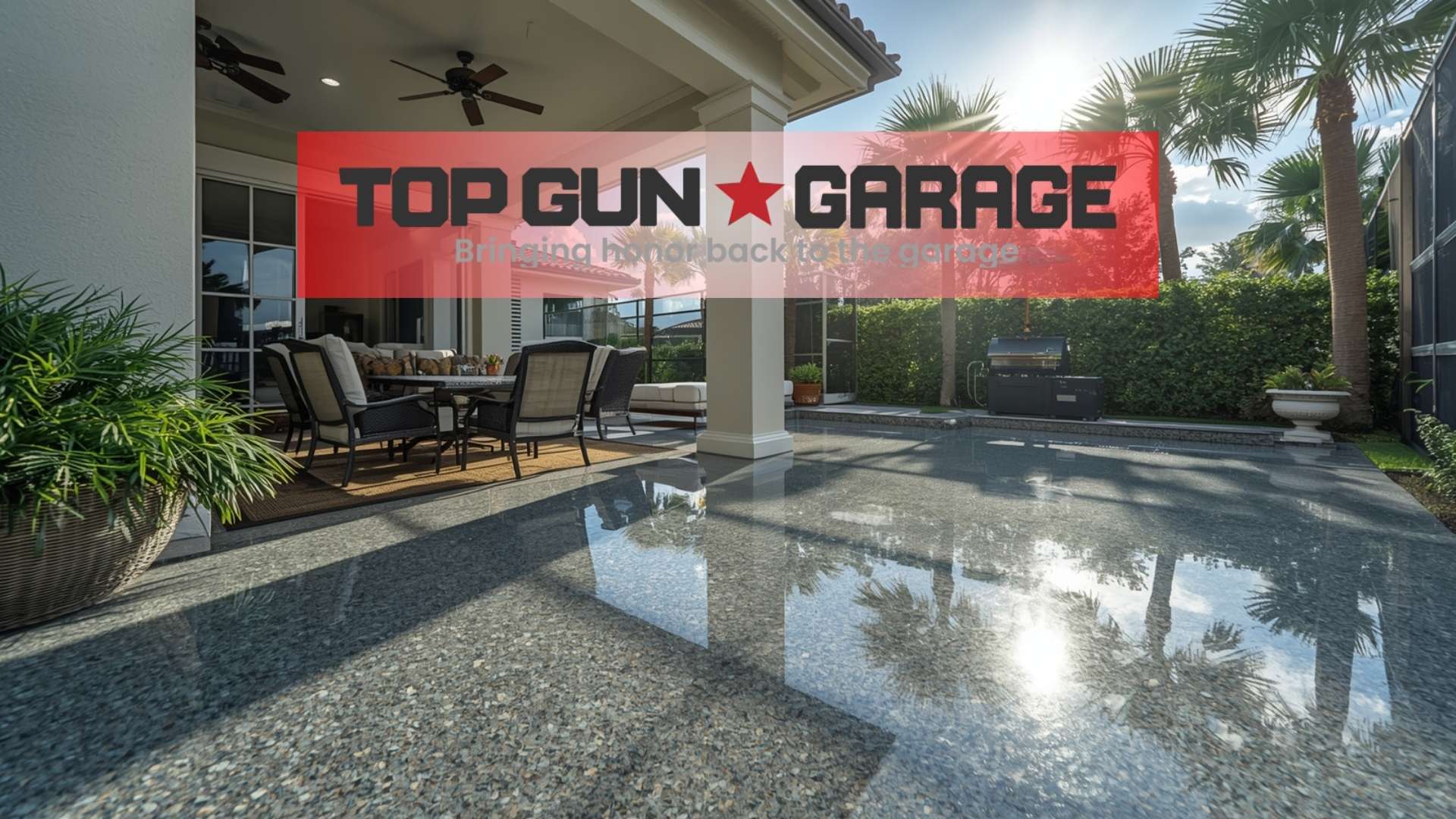
The smooth, non-porous surface created by properly applied coatings makes routine maintenance relatively simple compared to bare concrete or pavers, which trap dirt in their porous surfaces and joints. Most spills, stains, and marks can be easily wiped away or pressure washed without leaving permanent discoloration, and the seamless nature of the coating eliminates joints and grout lines where dirt accumulates. A monthly or quarterly deep cleaning with a pressure washer on low setting keeps the surface looking fresh and prevents long-term staining.
In high-traffic areas like main walkways or dining zones, you may notice subtle wear patterns developing after several years of use, though these are far less pronounced than you would see on bare concrete or pavers. Some homeowners choose to apply a fresh topcoat every 5 to 7 years to refresh the appearance and extend the life of the system, though this is optional rather than mandatory if the original installation used high-quality materials. This periodic topcoat refresh is far more cost-effective than replacing pavers or resurfacing damaged concrete.
It is also important to maintain realistic expectations about the limits of any outdoor coating system in Florida’s harsh environment. Even the best UV-stable coatings will experience some subtle color shift or loss of gloss over many years of extreme sun exposure, though modern polyaspartic formulations resist this degradation far better than older technologies. Selecting medium-toned colors or decorative flake systems helps minimize the visual impact of any subtle changes. For comprehensive maintenance guidance, review our article on seasonal maintenance.
Design Considerations: Slip Resistance and Aesthetics
One critical design consideration for outdoor coatings that differs from garage floors is the need for adequate slip resistance, especially around pools, spas, or areas that get wet from rain or irrigation. While a high-gloss finish looks stunning and is easy to clean, it can become dangerously slippery when wet unless appropriate traction additives are incorporated. Professional installers can add aluminum oxide aggregate, polymer beads, or other anti-slip additives to the final topcoat to provide essential traction without significantly compromising the smooth, cleanable surface.
The amount and type of slip resistance additive should be tailored to the specific use of each outdoor area, with higher concentrations near pools and water features, and lighter applications in covered dining areas or walkways that see less water exposure. This customized approach ensures safety without creating an overly rough texture that is uncomfortable for bare feet or difficult to keep clean. The texture should be sufficient to prevent slips but not so aggressive that it traps dirt or becomes uncomfortable for typical patio activities.
Color selection for outdoor coatings also requires different considerations than indoor floors, with lighter colors helping to reduce surface temperatures and reflect heat, while darker colors absorb heat and can become uncomfortably hot underfoot during Naples’ summer afternoons. Medium-toned earth tones, grays, or multi-colored decorative flake blends offer the best balance of aesthetics, heat management, and ability to hide minor dirt or wear. These practical color choices ensure your outdoor space remains comfortable and attractive throughout the year.
Decorative options for outdoor coatings have expanded significantly in recent years, with metallic pigments, color flakes, and even faux stone effects available for creating custom looks that complement your home’s architecture and landscape design. These decorative elements serve functional purposes beyond aesthetics, with color flakes providing texture for slip resistance and helping to hide minor imperfections or wear patterns that develop over time. Explore creative design possibilities in our showcase of color options that can inspire your outdoor project.
Frequently Asked Questions (FAQ)
1. Will regular garage epoxy work on my outdoor patio? No. Standard epoxy will yellow and degrade rapidly in direct sunlight. You must use a UV-stable topcoat like polyaspartic or aliphatic urethane for outdoor applications.
2. How long does an outdoor epoxy coating last? With proper UV-stable topcoats and professional installation, outdoor coatings can last 10 to 15 years in sunny climates like Naples.
3. Can I apply outdoor coatings myself? While possible, outdoor applications have less margin for error due to moisture, temperature, and preparation challenges. Professional installation is strongly recommended for long-term success.
4. Will my outdoor coating get too hot to walk on? All coatings absorb some heat, but lighter colors stay significantly cooler. Medium-toned or textured finishes offer the best balance of comfort and aesthetics.
5. How do I clean my coated patio? Regular sweeping and occasional pressure washing on low setting with mild soap is usually sufficient. Avoid harsh chemicals that can damage the coating over time.
6. Can coatings be applied to cracked concrete? Yes, but cracks must be properly repaired with flexible fillers before coating to prevent them from telegraphing through and causing future failure.
7. What is the best coating for pool decks? Polyaspartic coatings with anti-slip additives work well for pool surrounds, providing UV resistance, chemical resistance, and necessary traction when wet.
8. How soon can I use my patio after coating? Polyaspartic systems typically cure in 24 to 48 hours for light use, though full cure takes several days. Plan accordingly during the installation process.
9. Will the coating prevent concrete from cracking? Coatings seal and protect the surface but do not prevent structural cracking from substrate movement. Proper concrete repair before coating is essential.
10. Are there environmentally friendly options for outdoor coatings? Yes. Many modern polyaspartic and urethane coatings are low-VOC or zero-VOC formulations that are safe for outdoor use near plants and landscaping.
Conclusion
While standard garage epoxy coatings are not suitable for outdoor patio and walkway applications due to UV degradation and yellowing, modern coating technology offers excellent alternatives specifically engineered for exterior use. By using a hybrid system with an epoxy base coat for adhesion and strength, topped with a UV-stable polyaspartic or aliphatic urethane protective layer, Naples homeowners can achieve beautiful, durable outdoor surfaces that withstand Florida’s intense sun and weather. This approach leverages the best properties of each material type while mitigating their respective weaknesses for optimal outdoor performance.
The key to success with outdoor coatings lies in proper material selection, meticulous surface preparation, and professional installation by experienced contractors who understand the unique challenges of exterior applications. Attempting to cut costs by using indoor-rated products or DIY installation methods almost inevitably leads to premature failure, discoloration, or safety issues that end up costing far more to remedy than proper installation would have cost initially. The investment in professional-grade materials and expertise pays dividends through years of trouble-free enjoyment of your outdoor living spaces.
Understanding the limitations and maintenance requirements of outdoor coatings helps set realistic expectations and ensures long-term satisfaction with your investment. While these surfaces require more frequent cleaning and may eventually need topcoat refreshing after many years, they offer significant advantages over bare concrete, pavers, or other traditional patio surface options in terms of durability, ease of maintenance, and aesthetic appeal. They transform ordinary concrete into beautiful, functional outdoor rooms that extend your living space and enhance property value.
Ready to explore coating options for your Naples patio, walkway, or pool deck? Contact Top Gun Garage today for a professional assessment and free estimate. Our team specializes in both interior and exterior concrete coating applications, with the expertise to recommend the right materials and techniques for your specific outdoor environment and usage patterns. Let’s create a stunning, durable outdoor surface that you will enjoy for many years to come.