 Skip to content



Homeowners shopping for garage floor solutions at big box retailers often discover too late that attractive pricing comes with nearly worthless warranty protection. The typical DIY epoxy kit from Home Depot or Lowe’s offers minimal or no warranty coverage, leaving customers with zero recourse when coatings fail within 12-18 months. When evaluating garage floor coating warranty comparison between retail kits and professional installations, the differences become strikingly clear budget products exclude moisture damage, hot tire pickup, UV yellowing, and adhesion failure, precisely the issues that cause premature coating breakdown. Understanding these warranty limitations helps Naples and Bonita Springs homeowners make informed decisions that protect their $2,000-$5,000 garage flooring investments from becoming total losses.
Overview
This comprehensive guide exposes the warranty tactics big box stores employ to limit their liability while selling garage floor coating products. You’ll discover how retail warranty language excludes common failure causes, why DIY kit warranties provide virtually no protection, how professional warranties differ dramatically, what specific exclusions to watch for, and how to evaluate true warranty value. We’ll examine real warranty terms, decode confusing legal language, and provide actionable strategies for securing genuine long-term protection on your garage floor investment.
Key Takeaways
-
Big box store DIY kits typically offer zero warranty or extremely limited 30-90 day material replacement coverage
-
Retail warranties exclude moisture damage, improper application, hot tire marks, and virtually all real-world failure causes
-
Professional installers provide 10-15 year to lifetime warranties covering both materials and labor
-
Understanding warranty exclusions reveals why $50 DIY kits cost far more than $3,000 professional installations over time
-
Reading warranty fine print before purchase protects homeowners from expensive coating failures and replacement costs
-
Naples and Bonita Springs climate conditions accelerate failures that big box warranties specifically exclude
Why Big Box Store Warranties Protect the Store, Not You
Home improvement retailers structure garage floor coating warranties to minimize their financial exposure while creating the illusion of product confidence. The typical big box warranty covers only manufacturing defects in unused product—meaning once you open the container and begin application, coverage effectively ends. These warranties explicitly exclude application errors, surface preparation inadequacies, moisture issues, and environmental factors, which account for 85-90% of actual coating failures.
Big box stores benefit from customer confusion about warranty terms, knowing most homeowners won’t read the detailed exclusions printed in tiny font on product packaging. When DIY installations fail, stores point to improper application, inadequate surface prep, or environmental conditions as reasons for denial—factors homeowners have no way to prove or disprove. The financial calculation works in the retailer’s favor: selling thousands of $50-$150 coating kits with minimal warranty claims costs far less than providing genuine performance guarantees.
Professional contractors, by contrast, stake their reputation and business viability on comprehensive warranty coverage. A professional garage flooring contractor offering 15-year labor and material warranties signals confidence in their preparation methods, coating systems, and installation expertise. The economic model differs completely—professionals profit from long-term customer satisfaction and referrals, while retailers profit from initial product sales regardless of performance outcomes.
The DIY Kit Warranty Illusion
Most DIY garage floor coating kits from Home Depot, Lowe’s, and similar retailers provide 30-90 days of warranty coverage limited strictly to product replacement if manufacturing defects exist. This narrow warranty window ends before most coating failures become apparent delamination, bubbling, and hot tire pickup problems typically emerge 6-18 months after installation. Even when failures occur within the warranty period, proving the issue stems from manufacturing defects rather than application errors proves nearly impossible for homeowners.
The warranty language on DIY kits contains extensive exclusion clauses that eliminate coverage for the most common failure modes. Excluded conditions typically include moisture vapor transmission, improper surface preparation, ambient temperature during application, humidity levels, hot tire marks, chemical staining, UV exposure, and concrete substrate defects. Since Florida’s climate virtually guarantees moisture and humidity challenges, these exclusions render warranties meaningless for Naples and Bonita Springs homeowners.
When DIY coating failures occur, the warranty “remedy” involves product replacement only—no labor reimbursement, no surface preparation costs, and no compensation for the 16-24 hours homeowners invested in initial installation. This means homeowners must purchase surface preparation equipment again, invest another weekend grinding and cleaning, and hope the replacement product performs differently despite identical conditions. The true cost of “warranty coverage” often exceeds simply purchasing professional installation initially.
Professional Warranty Coverage vs Retail Products
Professional garage floor installers typically offer 10-15 year warranties covering both materials and labor, with premium systems including lifetime adhesion guarantees. These comprehensive warranties protect against premature wear, delamination, hot tire pickup, UV yellowing, chemical staining, and moisture-related failures—precisely the issues big box warranties exclude. The warranty difference reflects fundamental quality gaps in coating materials, surface preparation, and application expertise.
Professional warranties include labor coverage, meaning contractors return to repair or replace failed sections at no additional cost to homeowners. This labor provision represents the most significant warranty value, as proper surface preparation and coating removal costs $2-$4 per square foot before new coating application. A 400 square foot garage requiring warranty work involves $800-$1,600 in labor alone—costs DIY warranties never cover.
Reputable installers back warranties with insurance policies ensuring coverage remains valid even if the company ceases operations. This insurance backing provides genuine financial protection, contrasting sharply with big box warranties that become worthless if products are discontinued or manufacturers change. Professional warranties also transfer to new homeowners, adding measurable resale value compared to DIY installations with expired or non-existent coverage.
Hidden Exclusions in Big Box Warranties
Moisture-related failures represent the number one cause of garage floor coating breakdown, yet virtually every big box warranty explicitly excludes moisture vapor transmission damage. The warranty language typically states coverage doesn’t apply when moisture vapor emission rates exceed 3-5 pounds per 1,000 square feet per 24 hours—levels that 60-70% of Florida concrete slabs surpass. Since DIY kits don’t include moisture testing equipment or vapor barriers, homeowners have no way to identify this exclusion applies until after failure occurs.
Temperature and humidity exclusions eliminate warranty coverage for installations outside narrow environmental windows—typically 50-85°F with relative humidity below 85%. Naples and Bonita Springs experience humidity levels of 72-79% year-round with summer temperatures regularly exceeding 90°F, making compliant installation windows extremely limited. Big box warranties place the burden of environmental monitoring on homeowners, who rarely possess the equipment or knowledge to verify conditions meet warranty requirements.
Surface preparation exclusions void coverage when concrete isn’t properly profiled, cleaned, or repaired processes requiring specialized equipment DIY customers don’t own. Professional contractors use diamond grinding equipment creating Concrete Surface Profile (CSP) 3-4 texture necessary for coating adhesion, while DIY methods using acid etching or simple cleaning achieve insufficient profiles. When DIY coatings fail due to inadequate preparation—which manufacturers anticipate the warranty exclusion provides legal protection against claims.
The “Material Only” Warranty Trap
Big box stores prominently advertise warranty protection without clearly communicating the “material only” limitation that makes coverage practically worthless. Material-only warranties mean retailers replace defective products but provide zero compensation for labor, surface preparation, coating removal, or reinstallation—costs representing 70-80% of total garage floor coating expenses. A homeowner who invested $300 in DIY materials plus $1,500 in labor (or 30+ hours of personal time) receives only $300 in replacement product when failures occur.
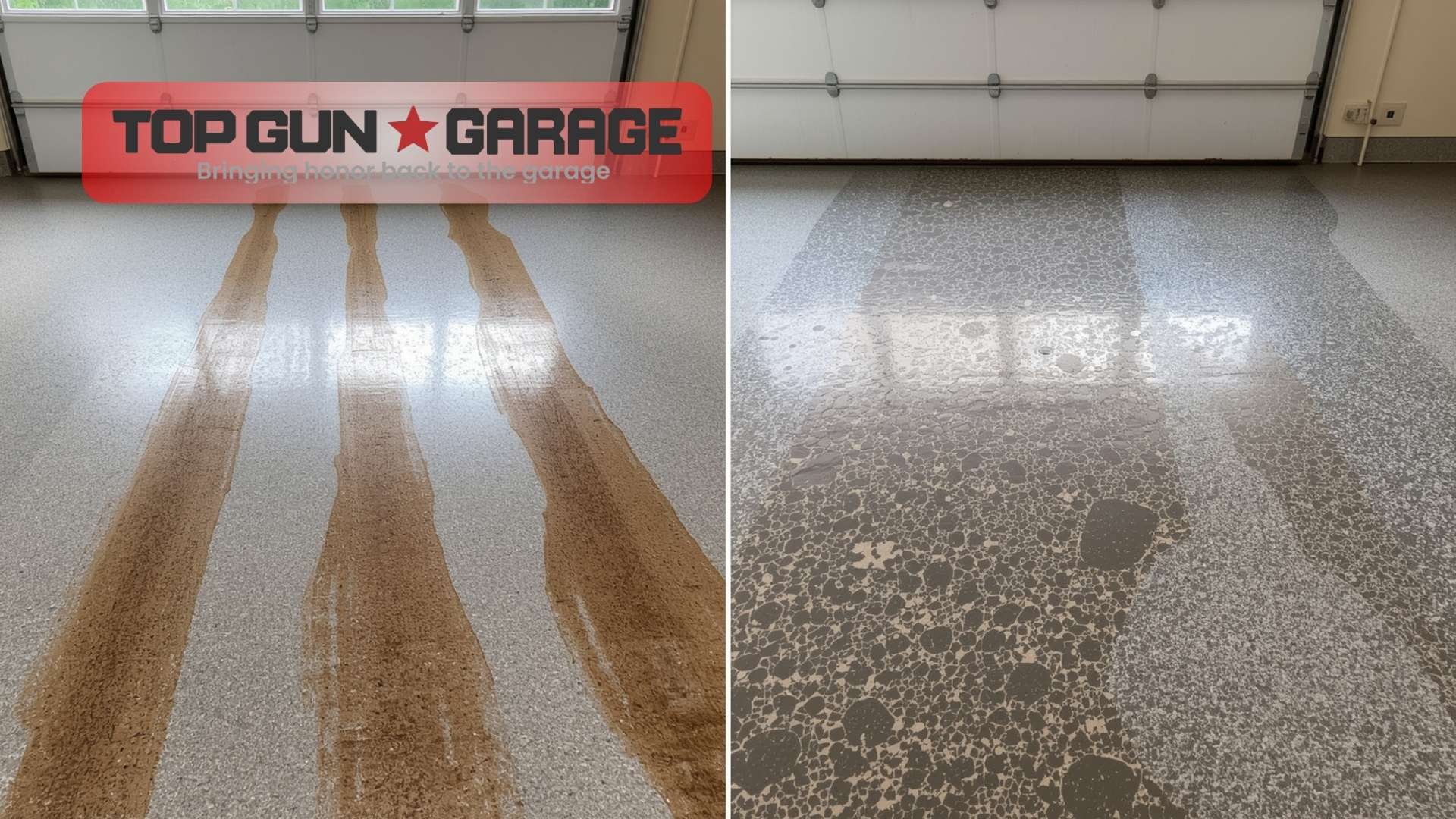
The labor exclusion becomes particularly costly when coating removal is necessary before reinstallation. Failed epoxy or polyurea coatings require mechanical grinding for complete removal, a process costing $3-$5 per square foot for professional execution. DIY homeowners attempting removal with rented equipment often damage concrete surfaces, creating additional repair costs before new coating application. The “warranty coverage” of replacement materials becomes insignificant compared to total project costs.
Professional installers who offer material-only warranties signal their lack of confidence in workmanship and installation quality. Legitimate contractors include both material and labor coverage because they control the entire installation process and use superior coating systems. When evaluating contractor proposals, material-only warranties should raise immediate red flags about coating quality and preparation methods.
Time Limitations That Expire Before Problems Appear
Most big box garage floor coating warranties expire within 1-3 years, well before the 5-7 year timeframe when quality issues become undeniable. This strategic timing allows retailers to market warranty protection while avoiding responsibility for the medium-term failures their products inevitably experience. Professional coatings showing defects within three years indicate severe installation problems, while DIY kit failures in this timeframe represent normal performance.
The coating degradation timeline differs dramatically between retail products and professional systems. DIY epoxy kits using water-based or low-solids formulations begin showing UV yellowing, hot tire marks, and surface deterioration within 12-24 months. These visible failures often progress slowly, with homeowners not recognizing them as warranty-covered defects until years after the warranty period expires. By contrast, professional 100% solids polyurea or polyaspartic coatings maintain appearance and performance for 10-15 years.
Warranty claim procedures also create timing obstacles that benefit retailers. Big box stores typically require written notification within 30-60 days of discovering defects, product purchase receipts, photographic documentation, and proof that environmental conditions met application specifications. Homeowners who delay reporting or lack proper documentation often find claims denied on procedural grounds regardless of product failure legitimacy.
What Professional Warranties Actually Cover
Comprehensive professional warranties protect against adhesion failure and delamination for the warranty duration, typically 15 years to lifetime. This coverage means if coatings peel, bubble, or separate from concrete for any reason related to installation quality or material defects, contractors repair or replace affected areas including all labor costs. The adhesion guarantee represents the most valuable warranty component since proper installation eliminates this failure mode almost entirely.
Chemical resistance warranties cover staining from automotive fluids, household chemicals, and common garage substances for specified timeframes, usually 10-15 years. Professional coatings using polyurea or polyaspartic technology resist gasoline, oil, transmission fluid, and most household chemicals indefinitely, making these warranties low-risk for installers. The warranty typically requires prompt cleanup (within 20-30 minutes) rather than allowing indefinite chemical exposure.
Wear and appearance warranties guarantee coatings maintain specified appearance standards under normal residential use. This includes resistance to hot tire pickup, UV yellowing, color fading, and abrasion damage that would render floors unsightly. Professional installers define “normal use” clearly, excluding commercial vehicles, heavy equipment, or extreme chemical exposure while covering daily passenger vehicle traffic. These warranties often include aesthetic standards, promising floors maintain 80%+ of original gloss and color after 10+ years.
Reading the Fine Print: Red Flags to Watch
Vague warranty language using terms like “may,” “reasonable,” or “normal conditions” without specific definitions indicates retailers protecting themselves from claims. Professional warranties define covered conditions explicitly, specifying moisture vapor transmission limits, temperature ranges, chemical types, and maintenance requirements in measurable terms. When warranties reference “proper installation” without defining the standard, any coating failure can be attributed to improper application.
Warranty transfer restrictions that prevent coverage from passing to subsequent homeowners signal limited confidence in long-term performance. Professional warranties typically transfer to new owners, adding resale value and demonstrating contractors expect floors to outlast initial ownership periods. Non-transferable warranties indicate installers anticipate failures within typical home ownership timeframes of 7-10 years.
Mandatory arbitration clauses and liability caps in warranty terms limit homeowners’ legal recourse when disputes arise. These provisions prevent class-action lawsuits and cap maximum damages regardless of actual losses incurred. Professional contractors with genuine confidence in their work typically include standard dispute resolution without artificial liability limitations. Warranties requiring homeowners to pay arbitration costs or legal fees essentially eliminate practical claim avenues for amounts under $5,000-$10,000.
The True Cost of Cheap Warranties
Homeowners who save $2,500 choosing DIY kits over professional installation often spend $4,000-$7,000 over 10 years addressing repeated coating failures. Each failure cycle involves coating removal ($600-$1,200), surface preparation ($400-$800), new materials ($300-$500), and labor or personal time equivalent to $1,200-$2,000. After two failure cycles within warranty periods excluded by big box terms, homeowners realize professional installation would have cost significantly less.
The opportunity cost of garage downtime during DIY installations and warranty replacements affects homeowners beyond direct financial expenses. Each coating project requires 3-5 days of garage inaccessibility, forcing outdoor vehicle parking and storage disruption. Professional installations minimize downtime to 1-2 days with faster-curing polyurea systems while providing warranty protection against repeated installations.
Property value considerations further amplify the cost gap between warranted professional floors and DIY attempts. Real estate appraisers and potential buyers view professionally installed garage floors with transferable warranties as valuable home improvements, while DIY installations (particularly those showing failure signs) add negligible value. The $3,000 professional installation often returns $2,000-$3,000 at resale, while DIY projects return nothing or even detract from home appeal if failures are visible.
How Naples Humidity Voids Most Warranties
Southwest Florida’s average relative humidity of 72-79% creates moisture vapor transmission rates that exceed warranty thresholds for virtually all big box garage floor coating products. Concrete slabs in Naples, Bonita Springs, and Fort Myers regularly emit 8-12 pounds of moisture vapor per 1,000 square feet per 24 hours—levels 2-3 times higher than big box warranty limits. This means DIY coatings installed in Southwest Florida operate outside warranty coverage from day one, though homeowners don’t discover this until after failures occur.
Temperature and humidity during installation further complicate warranty compliance in Florida. Big box products require application temperatures of 50-85°F and humidity below 85%, conditions difficult to achieve during summer months when temperatures regularly exceed 90°F. Garage temperatures often reach 95-100°F during afternoon hours, creating application conditions that automatically void warranties even if homeowners aren’t aware. Professional installers using climate-appropriate polyurea systems eliminate these concerns by selecting coatings designed for Florida conditions.
The coastal salt air in Naples and Bonita Springs accelerates coating degradation through mechanisms most DIY warranties exclude. Salt exposure causes oxidation and chemical breakdown in lower-grade epoxy formulations, leading to premature failure that warranties classify as “environmental damage” rather than product defects. Professional coatings using UV-stable polyurea resist salt exposure and include environmental damage in warranty coverage because the materials withstand these conditions.
Why Professional Warranties Cost Less Long-Term
Professional garage floor installations with comprehensive warranties cost $3,000-$6,000 for typical two-car garages—representing $200-$400 annually over 15-year warranty periods. This compares favorably to DIY approaches costing $500-$1,000 initially but requiring complete replacement every 3-5 years, totaling $2,000-$5,000 over 15 years without warranty protection. The professional installation’s included labor warranty eliminates the largest expense category when issues arise.
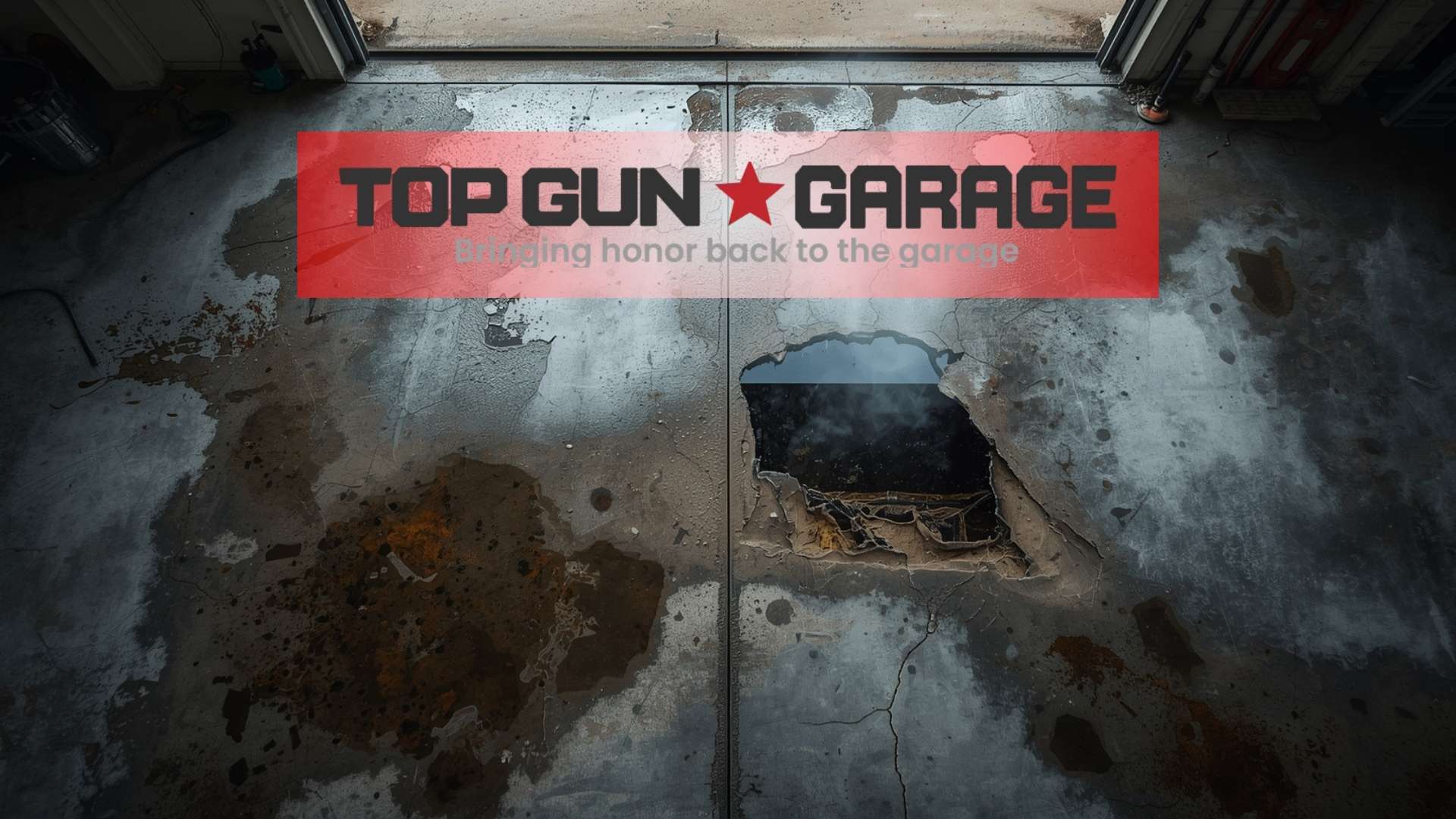
Maintenance requirements under professional warranties typically involve simple periodic cleaning, while DIY coatings require frequent resealing, specialized cleaning products, and constant vigilance against staining and deterioration. Professional warranties specify minimal maintenance—usually just sweeping and occasional mopping—because coating quality eliminates intensive care needs. DIY coatings lacking protective topcoats require annual resealing and specialized treatments totaling $200-$400 annually.
The peace of mind value from comprehensive warranties defies easy quantification but significantly impacts homeowner satisfaction. Knowing coating failures will be resolved without additional expense allows homeowners to enjoy their garage spaces rather than worrying about potential problems. Professional warranties also transfer to new homeowners, enhancing property marketability and potentially shortening time on market.
Questions to Ask Before Accepting Any Warranty
Request warranty documentation before purchase or contract signing, reviewing actual terms rather than relying on sales representations. Professional contractors provide written warranties as part of contract packages, while big box stores often require customers to discover warranty limitations after purchase. Compare specific coverage terms including duration, exclusions, claim procedures, and labor provisions.
Ask contractors how they handle warranty claims, including response timeframes, documentation requirements, and typical resolution processes. Reputable installers describe straightforward claim procedures with documented customer satisfaction records. Contractors who seem evasive about warranty processes or can’t provide examples of resolved claims likely have limited confidence in their work.
Verify warranty backing through insurance or manufacturer guarantees rather than relying solely on contractor promises. Ask whether warranty obligations are insured, what happens if the contractor ceases operations, and whether manufacturers provide supplemental coverage. Professional installers using quality coating systems typically have manufacturer backing and business insurance protecting warranty commitments.
Making the Warranty-Informed Decision
Evaluate total cost of ownership including initial installation, expected maintenance, potential failure costs, and warranty value over 15-20 year periods. This comprehensive analysis consistently favors professional installations with genuine warranty protection over DIY products with illusory coverage. Calculate costs assuming DIY coatings require replacement every 3-5 years without warranty assistance versus professional systems lasting 15+ years with included labor coverage.
Consider your risk tolerance and ability to absorb unexpected expenses if coating failures occur outside warranty coverage. Homeowners who cannot easily afford $3,000-$5,000 emergency garage floor replacement need comprehensive warranty protection more than those with substantial financial reserves. The warranty becomes an insurance policy, with professional installation premiums buying protection against much larger potential losses.
Research contractor reputation through references, online reviews, and Better Business Bureau ratings, paying particular attention to warranty claim handling experiences. Contractors with excellent reputations and numerous positive reviews regarding warranty service provide far more security than big box products with theoretical coverage but no accountability. The warranty is only valuable if the company behind it has the integrity and financial stability to honor commitments.
Frequently Asked Questions
Do Home Depot garage floor coating kits have warranties? Home Depot DIY epoxy kits typically offer 30-90 days limited warranty covering only manufacturing defects in unused product. Once applied, coverage effectively ends. Warranties exclude moisture damage, application errors, hot tire marks, and environmental factors—the most common failure causes. Professional installations provide 10-15 year comprehensive warranties.
What do professional garage floor warranties cover? Professional warranties cover adhesion failure, delamination, premature wear, hot tire pickup, UV yellowing, chemical staining, and moisture-related damage for 10-15 years to lifetime. Coverage includes both materials and labor for repairs or replacement. Quality installers guarantee floors maintain appearance and performance under normal residential use.
Why do big box warranties exclude moisture damage? Moisture vapor transmission causes 60-70% of coating failures, making it financially prohibitive for retailers to cover. DIY customers lack moisture testing equipment and expertise to identify problems before installation. Excluding moisture damage protects retailers from warranty claims while selling products unsuited for high-moisture environments like Florida.
How long do professional garage floor warranties last? Professional installers offer 10-15 year warranties covering materials and labor, with premium systems including lifetime adhesion guarantees. Coverage duration reflects coating quality and installation confidence. DIY warranties expire within 1-3 years, if offered at all, limiting protection to brief periods before failures emerge.
Are garage floor warranties transferable to new homeowners? Professional warranties typically transfer to subsequent owners, adding resale value and demonstrating long-term performance confidence. Big box DIY warranties rarely transfer and often exclude coverage after home sales. Transferable warranties increase property marketability and provide new owners peace of mind about garage floor quality.
What makes material-only warranties nearly worthless? Material-only warranties exclude labor costs for coating removal, surface preparation, and reinstallation—expenses representing 70-80% of total project costs. Receiving $300 replacement materials when $2,000 labor is required provides minimal value. Professional warranties including labor ensure complete problem resolution without additional homeowner expense.
Do warranties cover hot tire pickup in Florida? Big box DIY warranties specifically exclude hot tire marks, while professional warranties cover this issue for 10-15 years. Florida’s extreme temperatures cause tire pickup on inferior coatings within 12-24 months. Professional polyurea systems resist temperatures exceeding 200°F, eliminating hot tire problems warranty coverage addresses.
What warranty red flags should homeowners watch for? Warning signs include vague language, short coverage periods, material-only protection, moisture damage exclusions, non-transferable terms, mandatory arbitration clauses, and liability caps. Professional warranties provide specific coverage definitions, comprehensive protection, and straightforward claim procedures without artificial limitations protecting installers rather than homeowners.
How does Naples humidity affect warranty coverage? Southwest Florida’s 72-79% humidity creates moisture vapor transmission rates exceeding big box warranty thresholds. Most DIY products void coverage when vapor emission surpasses 3-5 pounds per 1,000 square feet—levels 60-70% of Florida slabs exceed. Professional installers use moisture barriers and appropriate coatings maintaining warranty protection regardless of humidity.
Why do professional warranties cost less long-term? Professional installations with warranties cost $200-$400 annually over 15 years versus DIY approaches requiring replacement every 3-5 years totaling $2,000-$5,000 over 15 years without protection. Included labor coverage eliminates the largest expense when issues arise. Quality coatings require minimal maintenance compared to intensive DIY coating care needs.
Conclusion
Understanding the warranty tricks big box stores use on garage floor coatings protects Naples and Bonita Springs homeowners from expensive installation failures and replacement costs. DIY retail kits offer virtually worthless material-only warranties with extensive exclusions covering moisture damage, application errors, and environmental factors—precisely the conditions causing 85-90% of coating breakdowns in Southwest Florida. Professional contractors provide comprehensive 10-15 year to lifetime warranties covering both materials and labor for adhesion failure, hot tire pickup, UV yellowing, and moisture-related delamination. The warranty comparison reveals that professional installations costing $3,000-$6,000 deliver superior long-term value compared to DIY approaches requiring repeated $2,000-$3,000 replacement cycles without warranty protection. Evaluating total ownership costs, reading warranty fine print, and selecting installers with genuine comprehensive coverage ensures your garage floor investment delivers decades of reliable performance.
Top Gun Garage provides industry-leading warranty coverage on all Naples, Bonita Springs, and Fort Myers installations, including 15-year protection against adhesion failure, moisture damage, and hot tire pickup. Contact us today for a detailed consultation and discover why Southwest Florida homeowners trust our commitment to quality installations backed by warranties that actually protect your investment.