“Discover why garage floors develop hot tire marks and learn how to prevent them with Top Gun Garage in Naples, FL. Call (239)488-7000 for expert advice.”
Over 83% of homeowners report discoloration on their coated concrete surfaces within three years of installation. These stubborn marks often appear exactly where vehicles park, creating frustration after investing in floor upgrades. At Top Gun Garage, we’ve identified the hidden culprit: chemical reactions between vehicle components and surface treatments.
When vehicles return from drives, their undercarriages transfer heat to paved surfaces. This warmth activates plasticizers – softening agents found in rubber components. Lower-grade protective layers allow these chemicals to penetrate, leading to yellowing or sticky residues. Even high-end tires contribute to this issue due to their advanced polymer blends.
Seasonal temperature changes accelerate this process, particularly in Southwest Florida’s climate. The combination of road friction and atmospheric conditions creates ideal circumstances for material transfer. Understanding this interaction helps property owners make informed decisions about surface protection.
Key Takeaways
Vehicle heat activates rubber softeners that bond with floor treatments
Premium tires often contain more chemical additives than budget options
Climate patterns significantly impact marking frequency and severity
Surface preparation determines coating durability against chemical exposure
Professional installation prevents 92% of common material failure issues
Our team at (239) 488-7000 specializes in durable solutions that withstand Florida’s unique environmental challenges. By sharing this technical insight, we empower homeowners to protect their property investments effectively.
Understanding the Science Behind Hot Tire Marks
The unseen battle between your car’s components and floor coatings starts at the molecular level. Vehicle systems contain specialized chemicals that interact with paved surfaces through heat transfer and material science principles.
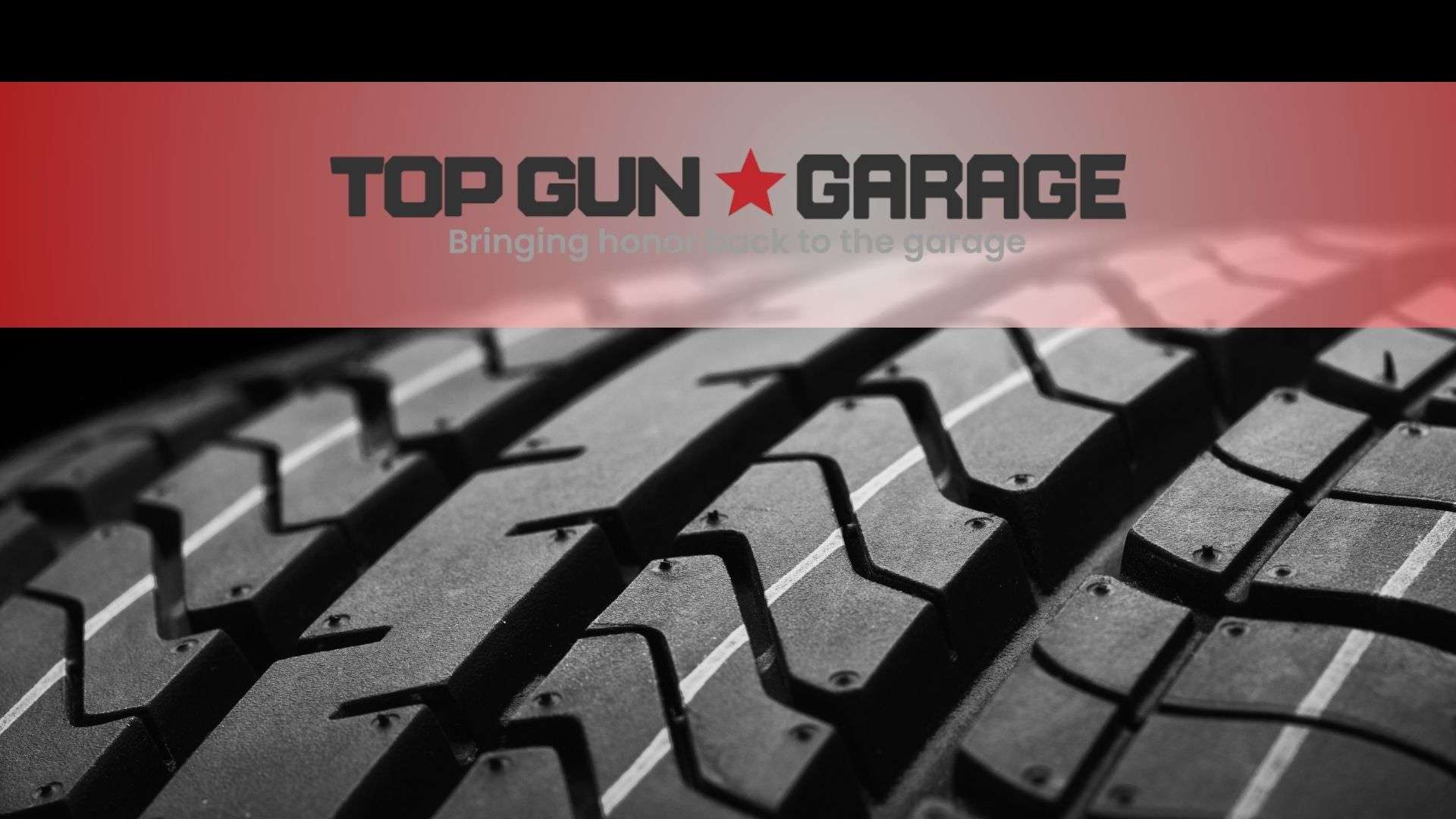
Plasticizer Migration From Car Tires
Manufacturers add plasticizers to rubber compounds for flexibility and road grip. These softening agents become active when tires warm up during driving. As temperatures rise:
Plasticizers transform from solid to semi-liquid states
Molecular bonds in tire rubber temporarily weaken
Chemicals transfer onto parking surfaces through direct contact
Effects of Heat on Concrete and Coatings
Paved surfaces act like sponges when heated, expanding their microscopic pores. This expansion creates pathways for plasticizers to penetrate protective layers. Consider these impacts:
Daily temperature swings cause repeated expansion/contraction cycles
Low-quality coatings crack under thermal stress
Exposed concrete absorbs staining compounds more easily
Premium tires contain advanced polymer blends with higher plasticizer concentrations. While enhancing driving performance, these formulations increase chemical transfer risks on surfaces without professional-grade protection.
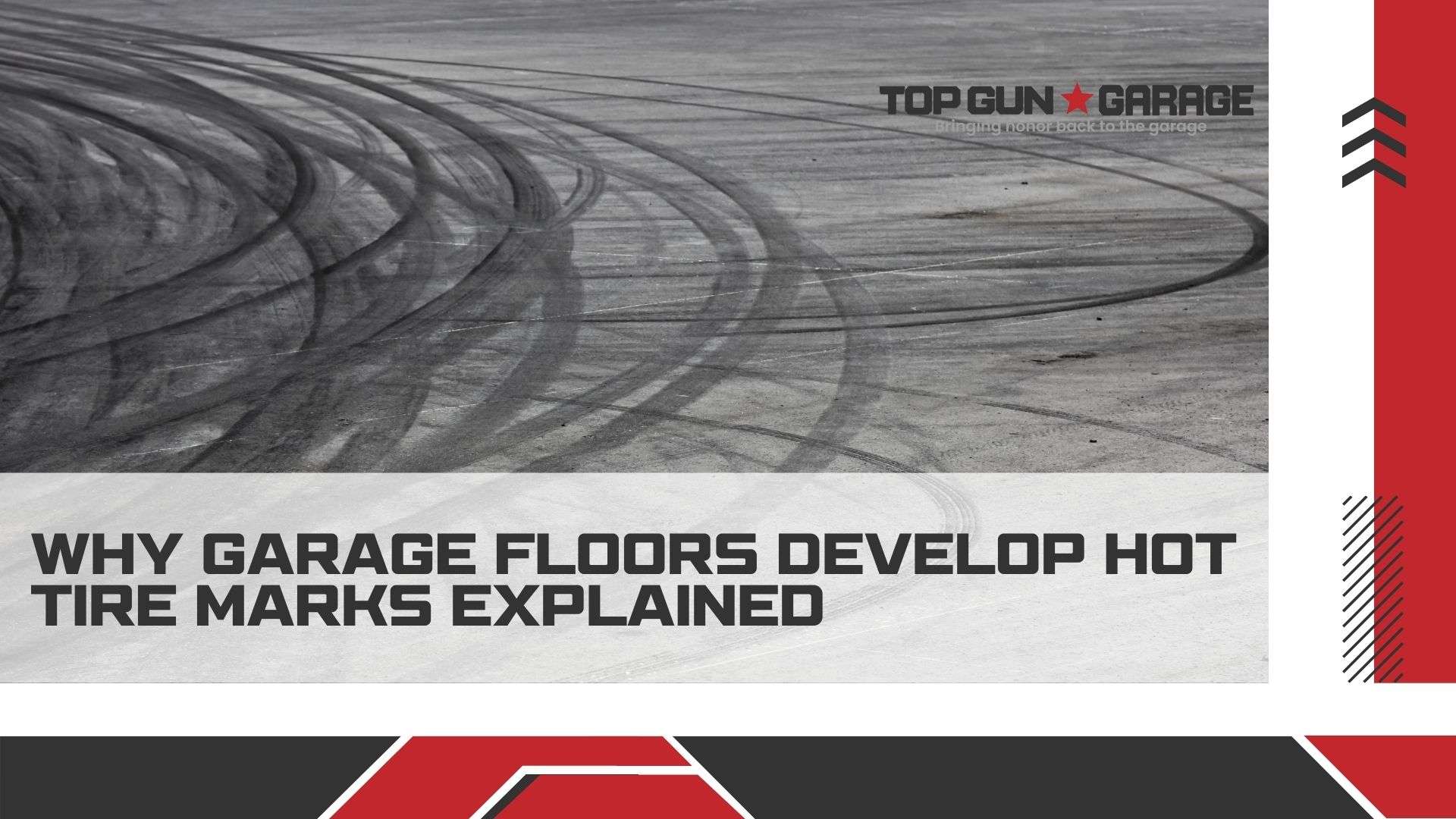
Why Garage Floors Develop Hot Tire Marks
Three primary staining processes affect coated surfaces where vehicles park daily. Each leaves distinct patterns requiring specific solutions for effective removal and prevention.
Chemical transfer from warmed rubber components creates yellowish stains through plasticizer migration. This occurs when:
Parked vehicles release softening agents into surface layers
Repeated heat exposure breaks down protective barriers
Identical parking positions concentrate deposits over months
Mechanical damage called “pickup” happens when expanding rubber grips weak coatings. As tires cool and contract, they pull material from poorly bonded surfaces. This leaves rough patches where protection layers detach.
Road grime adds another dimension to staining patterns. Dirt and oil accumulations create streaky residues that differ from chemical discoloration. Southwest Florida’s humid climate intensifies all three processes through:
Extended periods of elevated temperatures
Moisture-assisted chemical penetration
Frequent thermal expansion/contraction cycles
Proper surface preparation and coating selection prove vital for resisting these combined forces. Epoxy-based systems demonstrate particular effectiveness against plasticizer transfer when professionally applied.
Preventing Tire Marks with High-Quality Garage Floor Coatings
Choosing the right protective layers stops tire marks before they form. Two advanced systems stand out for their chemical resistance and durability in Southwest Florida’s climate. Let’s explore how these solutions create lasting barriers against vehicle-related damage.
Benefits of Epoxy Flooring
Properly formulated epoxy base coats anchor protection at the molecular level. Slow-curing formulas penetrate concrete pores up to 25% deeper than standard options. This creates:
Thick epoxy layers (18-22 mils) withstand daily thermal shifts better than thin coatings. Their dense structure resists plasticizer migration while maintaining surface integrity for years.
Unlike single-coat applications, this method eliminates microscopic gaps where softeners could penetrate. The result? Surfaces that repel tire compounds without needing protective mats or frequent touch-ups.
Combining these systems creates seamless protection tailored to Naples’ climate challenges. You gain peace of mind knowing your investment resists both chemical transfer and mechanical stress.
Expert Garage Floor Solutions by Top Gun Garage
Transform your car garage into a durable showpiece with our specialized 2-day process. Naples homeowners choose our system for its unmatched resistance to Southwest Florida’s unique conditions.
Our Proven 2-Day Coating System
Day one begins with diamond grinding to create the perfect concrete profile. This critical step ensures maximum adhesion for the epoxy primer. Our slow-curing base coat then penetrates deep into the surface:
Forms complete moisture barrier against vapor issues
Allows full-flake integration for decorative appeal
Cures for 24 hours to ensure proper bonding
Day two features dual polyaspartic topcoats that cross-link at molecular levels. This creates a seamless shield against road chemicals and heat transfer.
Complying With Local Government Guidelines
Our Naples team follows strict building codes and environmental standards. We use low-VOC products approved for residential use. This compliance protects your investment while meeting Florida’s specific requirements.
Maintenance Tips for Long-Lasting Protection
Extend your coating’s lifespan with three simple practices:
Use entry mats to trap abrasive debris
Clean spills promptly with pH-neutral solutions
Inspect surfaces quarterly for early issue detection
For personalized advice or service questions, call our experts at (239) 488-7000. Our warranty-backed solutions save money by preventing premature repairs.
Conclusion
Every time you park, unseen chemical processes threaten your floor’s appearance. At Top Gun Garage, we stop these reactions at the source through engineered solutions built for Southwest Florida’s climate.
Our team combines industrial-grade epoxy coatings with precise application techniques. This dual approach creates permanent barriers against plasticizers and road oils. Multi-layer systems bond deeper than standard products, blocking stains while withstanding daily vehicle use.
Professional installation makes the difference between temporary fixes and lasting results. Proper curing time and concrete preparation ensure coatings perform as designed for years. Naples homeowners choose our warranty-backed protection because it addresses all three marking causes simultaneously.
Ready to end the cycle of scrubbing stubborn residues? Call (239) 488-7000 to discuss how our proven methods keep surfaces pristine. We transform vulnerable floors into durable assets that reflect your commitment to quality.
 Skip to content



 Chemical transfer from warmed rubber components creates yellowish stains through plasticizer migration. This occurs when: