 Skip to content



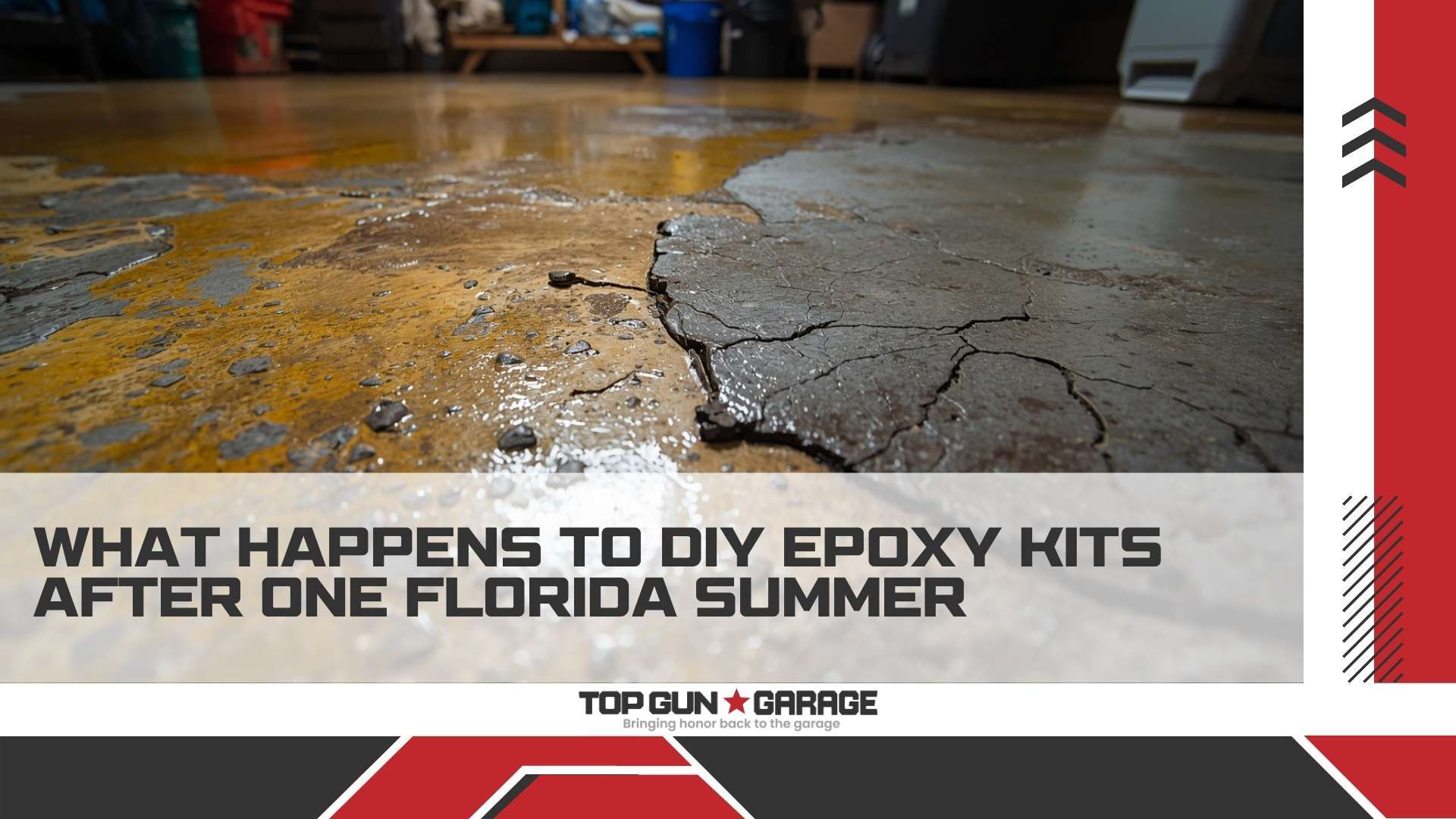
Fort Myers homeowners frequently attempt DIY epoxy garage floor installations to save money, only to face disappointing results after their first Florida summer. The combination of extreme heat, relentless humidity, and intense UV exposure destroys most DIY epoxy vs professional Fort Myers installations within 12-18 months, creating costly do-over projects. DIY epoxy kits sold at home improvement stores lack the advanced formulations, proper surface preparation equipment, and installation expertise needed to withstand Southwest Florida’s demanding climate. While professional epoxy installations deliver 10-15 years of reliable performance, DIY garage floor epoxy attempts typically show significant deterioration—including peeling, bubbling, hot tire pickup, and discoloration—before the second summer arrives.
Overview
This comprehensive guide reveals the harsh reality of DIY epoxy garage floor kits in Fort Myers’ subtropical climate. You’ll discover how Florida’s summer heat accelerates coating failures, why moisture issues cause premature delamination, what happens when inexperienced installers skip critical preparation steps, and how thin DIY formulations fail under daily use. We’ll examine real-world failure patterns, compare DIY versus professional installation outcomes, calculate the true cost of failed projects, and explain why professional contractors consistently deliver superior long-term value for Fort Myers homeowners.
Key Takeaways
-
Florida summer temperatures exceeding 140°F on concrete surfaces cause DIY epoxy softening and hot tire pickup within months
-
75-80% humidity levels trigger moisture vapor transmission that delaminates improperly installed DIY coatings
-
Thin DIY formulas (2-5 mils) wear through quickly compared to professional systems (15-30 mils)
-
Acid etching from DIY kits provides inadequate surface preparation versus professional diamond grinding
-
UV exposure yellows and degrades DIY epoxy lacking commercial-grade UV stabilizers
-
Professional installations cost 40-60% more upfront but eliminate the need for complete do-overs within 18 months
-
Failed DIY projects require expensive coating removal and concrete repair before professional reinstallation
Why DIY Epoxy Fails in Fort Myers Heat
Florida’s extreme summer conditions expose critical weaknesses in consumer-grade DIY epoxy formulations designed for moderate climates. Fort Myers concrete surfaces reach temperatures exceeding 140°F during peak summer months, pushing standard DIY epoxy past its heat deflection threshold where molecular bonds begin breaking down. This thermal stress causes the coating surface to become tacky and soft, allowing vehicle tires to bond with the compromised epoxy and create unsightly hot tire pickup marks that resist cleaning.
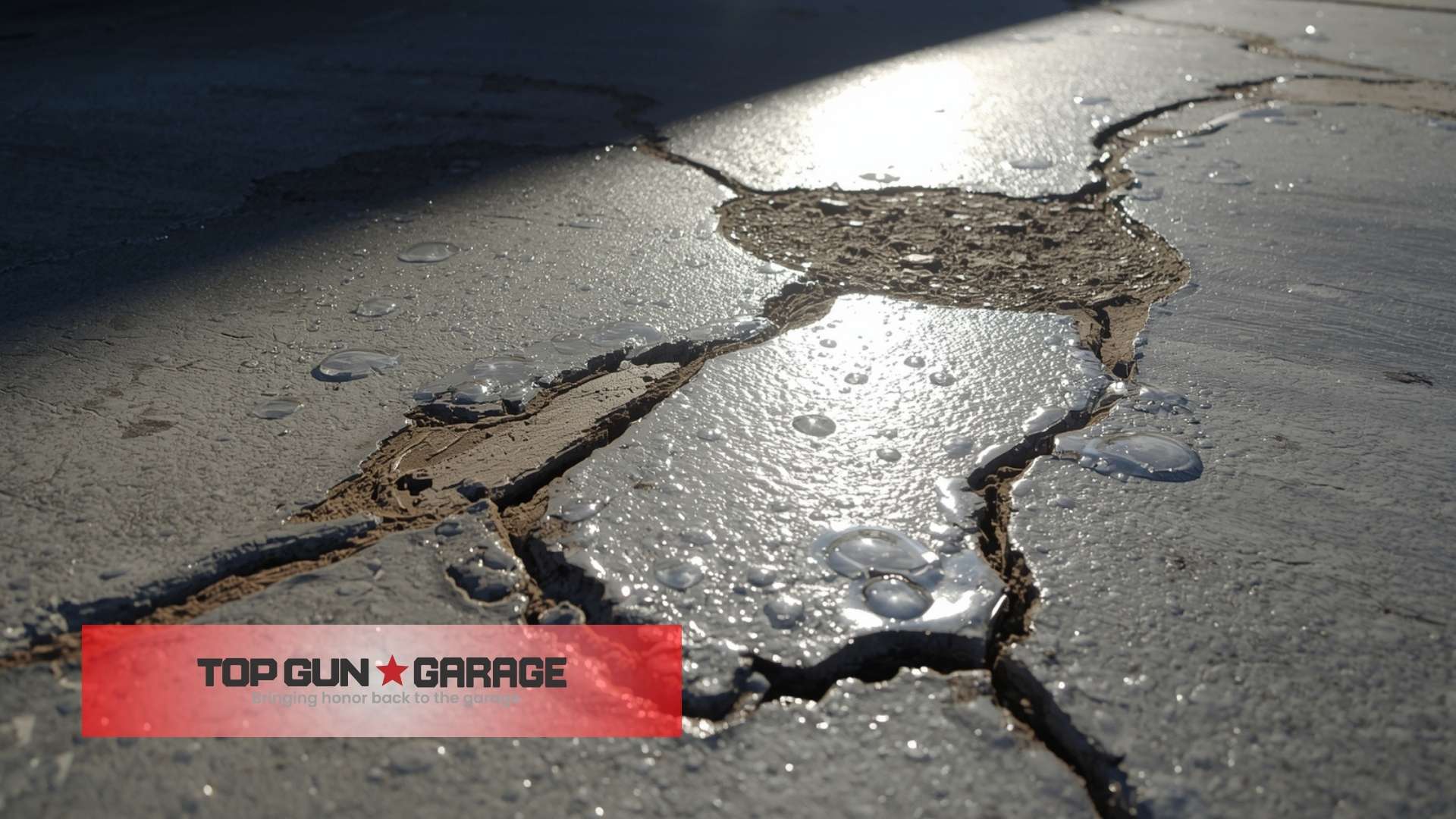
DIY epoxy kits contain thin, water-based or low-solids formulations that lack the thermal stability professional-grade systems provide. These budget products work adequately in air-conditioned retail stores but fail when exposed to sustained heat, humidity, and thermal cycling Fort Myers garages experience daily. The temperature differential between air-conditioned garage interiors and outdoor heat creates expansion and contraction cycles that fracture DIY epoxy’s polymer structure, leading to widespread cracking within 6-12 months.
Florida Summer Humidity and Moisture Failures
Southwest Florida’s 75-80% average humidity creates moisture vapor transmission rates that overwhelm DIY epoxy systems lacking proper moisture barrier protection. Fort Myers concrete slabs continuously release water vapor attempting to escape through the surface, but when DIY coatings block this transmission without adequate vapor barriers, pressure builds until adhesion fails. This moisture-related delamination manifests as bubbling, peeling, and widespread coating separation typically appearing within the first 12-18 months after installation.
DIY epoxy kits rarely include moisture testing protocols or vapor-blocking primers that professional installers use to manage Florida’s high humidity. Homeowners applying these kits over concrete with elevated moisture content unknowingly create time-bombs that will inevitably fail once vapor pressure exceeds the coating’s adhesion strength. The problem intensifies during Florida’s rainy season when ground moisture saturation increases vapor transmission rates by 30-40% compared to dry months.
Surface Preparation Disasters with DIY Kits
Inadequate surface preparation accounts for 70-80% of DIY epoxy failures in Fort Myers, as home improvement kits rely on acid etching instead of proper mechanical grinding. Acid etching creates inconsistent surface profiles, leaves residues that interfere with bonding, and fails to open concrete pores sufficiently for strong mechanical adhesion. Professional installers use diamond grinding equipment that creates uniform surface profiles measuring 1-3 millimeters—essential for achieving the mechanical bond necessary to withstand Florida’s climate challenges.
DIY kits provide minimal guidance about concrete preparation requirements, leading homeowners to skip critical steps like degreasing, crack repair, and contamination removal. Oil stains, previous sealers, and silicone crack fillers prevent epoxy bonding regardless of how thoroughly homeowners clean visible dirt. Fort Myers garages often contain hidden contamination from years of vehicle use, and without professional assessment tools, DIY installers cannot identify these bond-breaking contaminants before applying coating.
Thin DIY Formulations Versus Professional Systems
Consumer DIY epoxy kits apply at thicknesses of 2-5 mils—approximately one-sixth the thickness of professional installations measuring 15-30 mils. This dramatic thickness difference means DIY coatings wear through rapidly under daily vehicle traffic, hot tire stress, and abrasion from foot traffic and equipment. Fort Myers homeowners typically observe visible wear patterns, dull spots, and coating breakdown in high-traffic areas within 6-12 months of DIY installation.
Professional epoxy systems build thickness through multiple layers including primer, base coat, decorative broadcast, and protective topcoat—each serving specific performance functions. DIY kits combine all these layers into single thin application that cannot provide adequate protection, chemical resistance, or durability. The thin-film nature of DIY products also means minor surface imperfections telegraph through the coating, creating visible defects and weak spots that become failure initiation points.
UV Degradation and Color Fading
Florida’s intense sunlight rapidly degrades DIY epoxy lacking commercial-grade UV stabilizers, causing yellowing, chalking, and color fading within the first summer. Fort Myers garages with south-facing orientations or those left open during daytime hours experience accelerated UV damage, with DIY coatings showing visible discoloration within 6-9 months. This photodegradation not only affects appearance but also compromises the coating’s protective capabilities, as damaged surface layers become more porous and vulnerable to chemical intrusion.
Professional epoxy systems incorporate UV-resistant additives and topcoats that maintain color integrity and surface properties even with continuous sunlight exposure. DIY kits prioritize low cost over performance, omitting these expensive UV stabilizers and leaving coatings vulnerable to Southwest Florida’s year-round sun intensity. The yellowing process accelerates during summer months when UV radiation intensity peaks, creating particularly noticeable deterioration on lighter-colored DIY installations.
Installation Errors That Guarantee Failure
Mixing errors represent another common DIY failure mode, as epoxy requires precise two-part mixing ratios and complete blending to cure properly. Incomplete mixing leaves unmixed resin or hardener pockets that never fully cure, creating soft spots and tacky areas that compromise the entire floor. DIY installers working without professional experience frequently under-mix components, apply during unsuitable temperature or humidity conditions, or exceed the product’s pot life before application completes.
Application thickness inconsistencies plague DIY installations, with homeowners applying too thick in some areas (causing excessive heat buildup during cure) and too thin in others (resulting in insufficient protection). Professional installers control mil thickness precisely using calibrated tools and years of experience, ensuring uniform coverage that cures properly and performs consistently. DIY kits provide minimal application guidance, leaving homeowners to guess about proper spreading techniques and coverage rates.
Hot Tire Pickup After Florida Summer
Hot tire pickup emerges as the most visible and frustrating consequence of DIY epoxy failures in Fort Myers. Vehicle tires heated to 180-200°F by Southwest Florida’s scorching pavement transfer this thermal energy directly to garage floors, temporarily softening DIY epoxy and allowing rubber bonding. Once tires cool and DIY coating re-hardens, dark rubber compounds remain embedded in the surface, creating permanent marks that resist normal cleaning methods.
Professional systems use heat-resistant formulations that maintain dimensional stability at temperatures exceeding 200°F, preventing the surface softening that causes rubber bonding. DIY epoxy kits typically soften around 150°F—well below the tire temperatures common during Fort Myers summers—making hot tire pickup virtually inevitable. Homeowners often discover this problem after the first summer, with tire marks accumulating progressively until the garage floor becomes permanently marred.
Peeling and Delamination Patterns
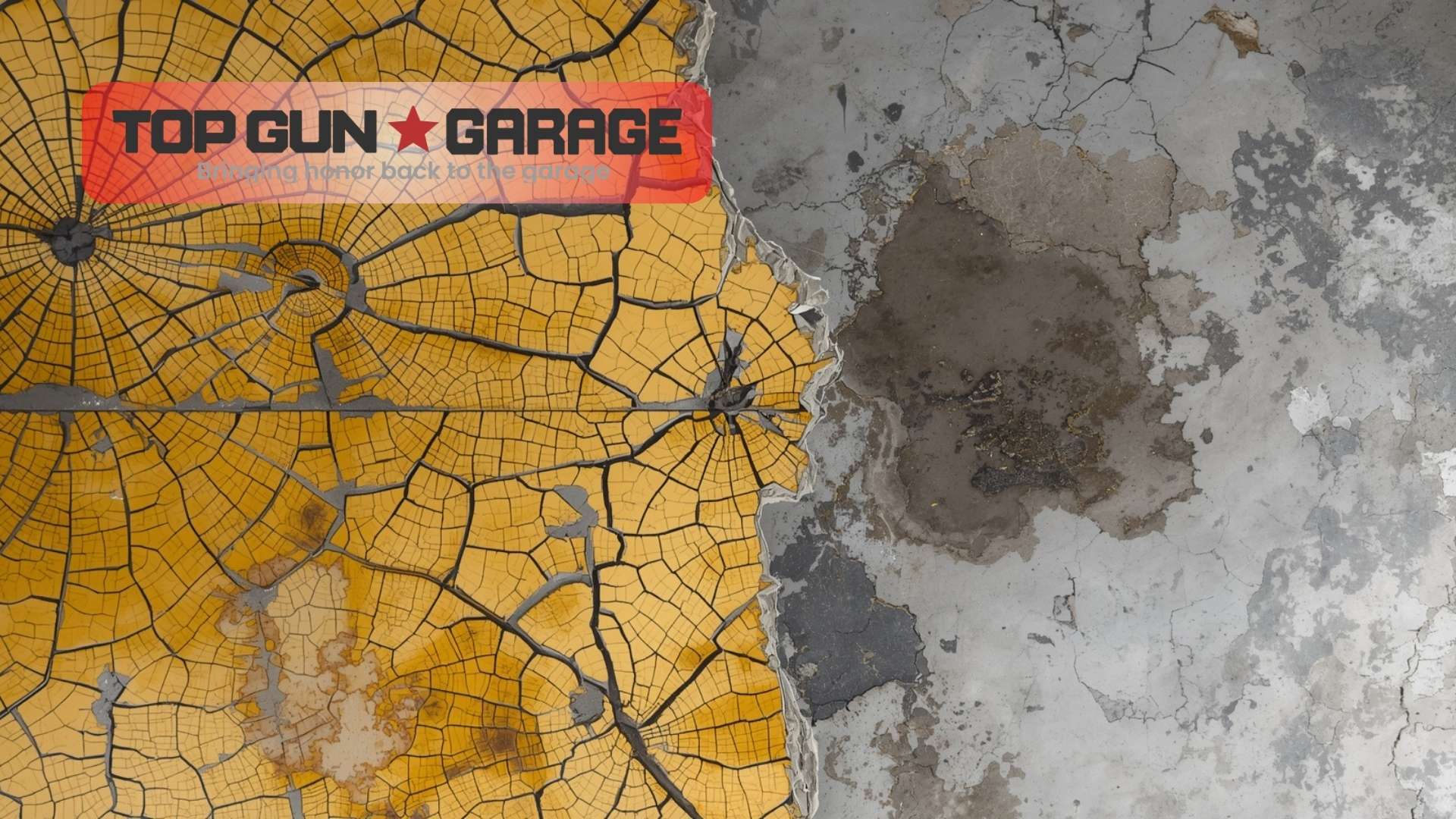
DIY epoxy delamination typically begins at edges, doorway transitions, and areas with hairline concrete cracks, then progressively spreads across the floor surface. Fort Myers’ thermal cycling accelerates this process, as daily temperature swings between air-conditioned interiors and outdoor heat create expansion stresses that pull weakly bonded coatings away from concrete. Within 12-18 months, many DIY installations show widespread peeling requiring complete coating removal and starting over.
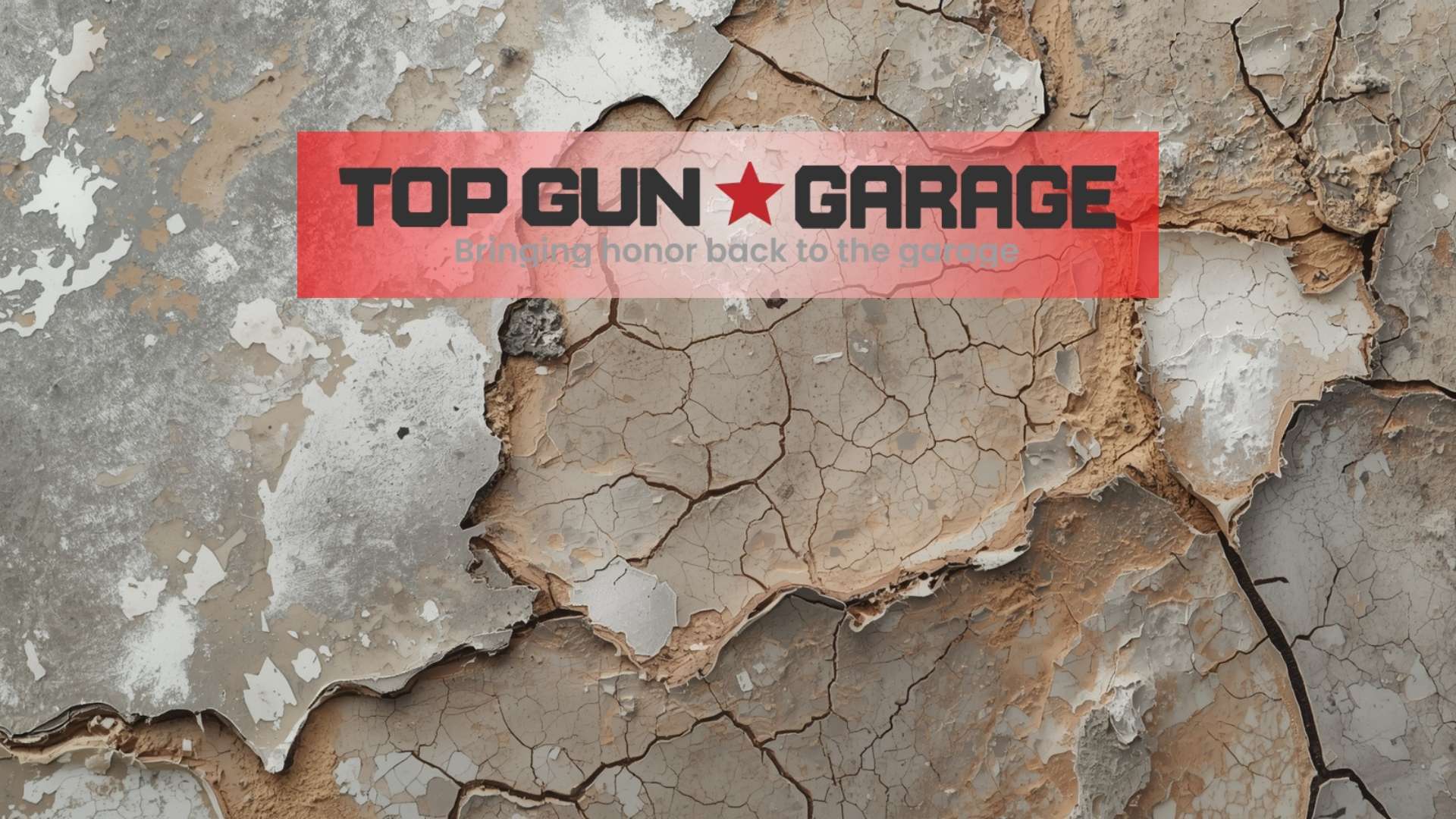
The delamination pattern often reveals inadequate surface preparation, as properly bonded professional coatings resist peeling even under extreme stress. DIY installations applied over sealed concrete, previous coatings, or inadequately profiled surfaces begin lifting within months as moisture vapor and thermal stress exploit weak bond points. Fort Myers’ high humidity accelerates this failure timeline compared to drier climates where the same DIY products might survive 2-3 years.
Cost Analysis: DIY Failure Versus Professional Installation
Initial DIY epoxy kit costs of $200-$500 appear attractive compared to professional Fort Myers installations ranging $2,500-$5,000 for standard two-car garages. However, when DIY projects fail within 18 months, homeowners face coating removal costs ($800-$1,500), concrete repair for damage caused by improper installation ($500-$1,200), and professional installation expenses—totaling $3,800-$7,700. This final cost exceeds the professional installation price homeowners tried to avoid, plus wastes 20-40 hours of personal labor and causes months of garage disruption.
Professional installations deliver 10-15 years of reliable service, making their cost-per-year approximately $200-$400. Failed DIY attempts requiring professional correction within two years cost $2,000-$4,000 annually when accounting for both failed DIY investment and subsequent professional work. Fort Myers homeowners who choose professional installation from the start save money, time, and frustration while enjoying garage floors that perform beautifully throughout their ownership period.
Why Professional Fort Myers Contractors Succeed
Professional Fort Myers contractors understand Southwest Florida’s unique climate challenges and use specialized coating systems engineered specifically for coastal conditions. These experts perform comprehensive moisture testing, mechanical surface preparation, and multi-layer installation processes that address heat, humidity, and UV exposure from the outset. Professional installations include vapor barriers, properly profiled concrete, industrial-grade coatings, and UV-stable topcoats—components DIY kits cannot replicate.
Hiring experienced garage flooring contractors provides access to commercial equipment, manufacturer training, and installation warranties covering both materials and labor. These professionals know precisely how Fort Myers’ climate affects cure times, when moisture barriers are required, and which coating formulations withstand the region’s extreme conditions. Their expertise eliminates the trial-and-error approach DIY installers face, ensuring successful outcomes the first time without costly failures.
Real Fort Myers DIY Horror Stories
Fort Myers Facebook groups and online forums document countless DIY epoxy disasters, with homeowners sharing photos of completely failed floors requiring expensive professional rescue. Common complaints include coatings that peeled within 4-6 months, widespread bubbling from moisture issues, permanent hot tire marks covering traffic areas, and yellowing so severe the floor appears decades old despite recent installation. Many homeowners report spending 30-50 hours on preparation and application only to watch their work literally peel away during the first summer.
One Fort Myers homeowner documented spending $650 on premium DIY kit materials plus three weekends of intensive labor, only to experience complete delamination within seven months. The subsequent professional installation cost $4,200 after coating removal and concrete repairs, totaling $4,850—nearly double the original professional quote of $2,800 the homeowner rejected to save money. These real-world examples demonstrate why experienced Fort Myers contractors consistently recommend professional installation for long-term value and reliable performance.
What to Do with Failed DIY Installations
Failed DIY epoxy requires complete removal before professional installation can proceed, adding $800-$1,500 to project costs depending on coating thickness and bond strength. Attempting to coat over failed DIY installations compounds problems, as delaminated areas telegraph through new layers and moisture issues remain unresolved. Professional contractors use diamond grinding equipment to remove failed coatings, expose fresh concrete, and create proper surface profiles for successful re-installation.
Homeowners with failing DIY installations should contact professional Fort Myers contractors immediately rather than waiting for complete failure. Early intervention sometimes allows contractors to stabilize partially failed coatings or perform spot repairs, potentially saving removal costs. However, most Fort Myers DIY failures require complete removal and starting fresh with properly specified materials, correct surface preparation, and professional installation methods proven effective in Southwest Florida’s demanding climate.
Professional Installation Return on Investment
Professional epoxy garage floors increase Fort Myers home resale value by $3,000-$5,000 according to real estate professionals, often recovering the entire installation cost at sale. Failed DIY installations detract from property value, as buyers view peeling, damaged floors as deferred maintenance requiring immediate attention. The visual appeal and durability of professional installations serve as premium selling features, while DIY failures become negotiating points that reduce offers.
Beyond resale considerations, professional installations deliver daily enjoyment and functionality throughout homeowners’ ownership periods. Fort Myers residents spending 10-15 years in their homes amortize professional installation costs to less than $1 per day minimal expense for beautiful, functional garage spaces. DIY failures create ongoing frustration, embarrassment when guests see deteriorated floors, and constant reminders of money wasted on failed projects.
Frequently Asked Questions
How long do DIY epoxy kits last in Fort Myers? Most DIY epoxy installations in Fort Myers show significant failures within 12-18 months due to heat, humidity, and UV exposure. Inadequate surface preparation, thin formulations, and lack of moisture barriers cause premature delamination, hot tire pickup, and yellowing that professional systems avoid.
Why does DIY epoxy peel after Florida summer? Florida’s 75-80% humidity creates moisture vapor transmission that delaminates DIY coatings lacking proper vapor barriers. Combined with 140°F+ surface temperatures and thermal cycling between air-conditioned interiors and outdoor heat, DIY epoxy adhesion fails within months of installation.
Can I fix failed DIY epoxy myself? No—failed coatings require complete professional removal using diamond grinding equipment before proper reinstallation. Attempting to recoat over failed DIY installations compounds problems, as underlying moisture issues and inadequate surface preparation remain unresolved. Professional contractors ensure successful outcomes.
How much does professional epoxy cost versus DIY? Professional Fort Myers installations cost $2,500-$5,000 for two-car garages versus $200-$500 for DIY kits. However, failed DIY requiring professional correction totals $3,800-$7,700 including removal and repairs significantly more than choosing professional installation initially while wasting personal labor.
What causes hot tire pickup on DIY epoxy? DIY epoxy formulations soften around 150°F, well below the 180-200°F tire temperatures common during Fort Myers summers. This thermal stress allows rubber bonding that creates permanent marks. Professional heat-resistant systems maintain stability above 200°F, preventing hot tire pickup entirely.
Is acid etching enough for Fort Myers garages? No acid etching from DIY kits provides inadequate surface preparation compared to professional diamond grinding. Mechanical grinding creates uniform 1-3mm profiles essential for strong adhesion in Florida’s moisture and heat. Acid etching contributes to 70-80% of DIY failures.
How thick should garage floor epoxy be? Professional systems apply at 15-30 mils thickness through multiple layers, while DIY kits achieve only 2-5 mils. This six-fold thickness difference explains why DIY coatings wear through within 6-12 months while professional installations last 10-15 years under identical conditions.
Can DIY epoxy withstand Florida humidity? DIY kits lack moisture-blocking primers and vapor barriers required for Fort Myers’ 75-80% average humidity. Without proper moisture management, vapor transmission causes bubbling and delamination within 12-18 months. Professional systems include comprehensive moisture mitigation protecting against Florida’s climate.
Why does DIY epoxy turn yellow? DIY formulations lack commercial-grade UV stabilizers, allowing Florida’s intense sunlight to break down molecular bonds and cause yellowing within 6-9 months. Professional systems incorporate UV-resistant additives maintaining color integrity even with continuous sun exposure throughout Florida summers.
Should I attempt DIY epoxy in Fort Myers? No—Fort Myers’ extreme climate demands professional installation expertise, industrial equipment, and specialized coating systems. DIY attempts typically fail within 18 months, requiring expensive professional correction costing more than initial professional installation while wasting significant personal time and effort.
Conclusion
DIY epoxy garage floor kits may tempt Fort Myers homeowners with low initial costs, but Florida’s brutal summer conditions expose these budget products’ fundamental inadequacies within months of installation. The combination of extreme heat causing hot tire pickup, relentless humidity triggering delamination, intense UV radiation creating yellowing, and inadequate surface preparation guarantees premature failure requiring expensive professional correction. Professional installations cost more upfront but deliver 10-15 years of reliable performance through proper surface preparation, industrial-grade materials, moisture management systems, and UV-stable formulations specifically engineered for Southwest Florida’s demanding climate. The true cost comparison clearly favors professional installation, as failed DIY projects ultimately cost more while wasting valuable time and creating ongoing frustration.
Top Gun Garage specializes in Fort Myers garage floor coatings engineered to withstand Southwest Florida’s extreme heat, humidity, and UV exposure. Contact us today for a detailed consultation and discover why Fort Myers, Naples, and Bonita Springs homeowners trust our expertise for garage floors that perform beautifully year after year without the peeling, yellowing, and hot tire pickup that plague DIY installations.