 Skip to content



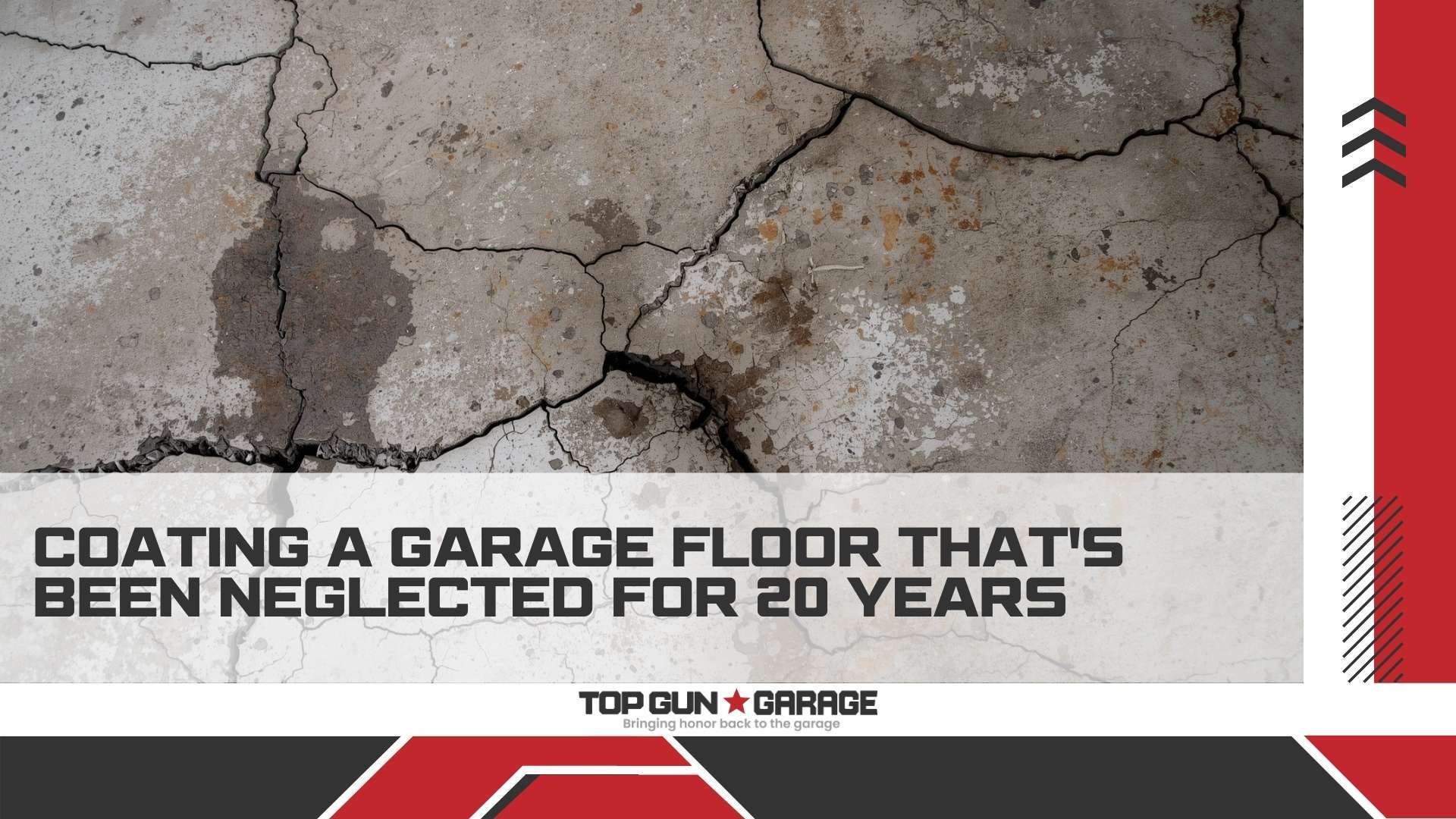
Transforming a garage floor neglected for two decades into a beautiful, durable surface requires understanding the unique challenges of old concrete epoxy coating applications. Aged garage floors accumulate layers of oil stains, surface deterioration, cracks, and moisture damage that demand specialized restoration techniques before any coating system can succeed. Whether you’re dealing with crumbling concrete, deep oil penetration, or structural spalling, professional preparation methods can restore even the most neglected garage floors to like-new condition with proper surface treatment and quality coating systems that last 15+ years.
Overview
This comprehensive guide walks you through every step of restoring and coating a garage floor that’s been neglected for 20 years or more. You’ll learn how to assess concrete condition, remove decades of contamination, repair structural damage, address moisture issues, select appropriate coating systems for aged concrete, and implement professional installation techniques. We’ll cover oil stain removal, crack repair, surface profiling, moisture mitigation, product selection, and maintenance strategies—giving you the knowledge to successfully transform your neglected garage floor into a showroom-quality space.
Key Takeaways
-
Neglected garage floors require aggressive surface preparation including degreasing, grinding, and contamination removal before coating
-
Oil-soaked concrete needs specialized chemical treatments and possible concrete replacement in severely damaged areas
-
Structural repairs including crack filling, spall repair, and joint treatment must precede any coating application
-
Moisture testing reveals hidden vapor transmission issues that cause coating failures on aged concrete
-
Polyurea and polyaspartic systems often outperform epoxy on old concrete due to superior adhesion and flexibility
-
Professional surface profiling to CSP 3-4 ensures proper mechanical bonding on deteriorated concrete surfaces
-
Comprehensive warranties from experienced contractors protect investments in major garage floor restorations
Assessing 20-Year-Old Garage Floor Condition
Decades of neglect create multiple layers of damage that require systematic evaluation before beginning restoration work. Start by documenting all visible issues including oil stains, cracks, spalling, surface dusting, and areas where concrete has deteriorated significantly. Walk the entire floor noting soft spots, hollow-sounding sections when tapped, and regions where aggregate shows through the surface—indicators of advanced deterioration requiring specialized repair approaches.
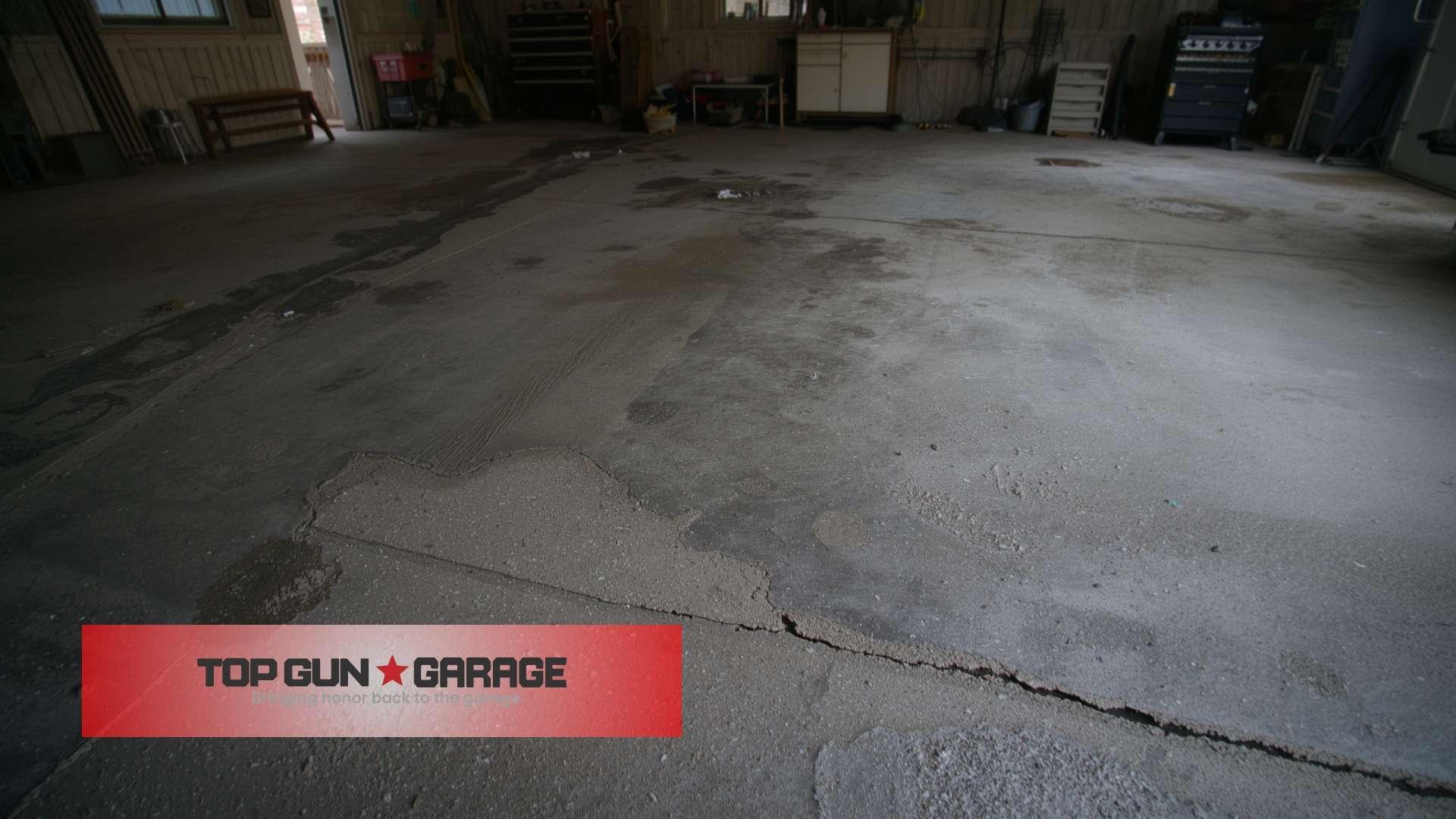
Oil contamination represents the most common and problematic issue with neglected garage floors, as petroleum products penetrate deep into concrete’s porous structure over years of exposure. Test oil penetration depth by applying water to suspected areas—if water beads rather than absorbs, oil saturation extends beyond surface level and requires aggressive removal techniques. Inspect for concrete dusting problems where the surface continuously produces powder, indicating chemical deterioration or inadequate initial finishing that compromises coating adhesion.
Check for signs of previous coating attempts, as failed paint or sealer remnants must be completely removed before new applications. Look for moisture stains, efflorescence (white crystalline deposits), or mold and mildew growth indicating ongoing moisture problems that will destroy new coatings if not addressed. Use a moisture meter to test various floor areas, as 20-year-old concrete may have developed moisture migration patterns requiring vapor barrier systems before coating application.
Deep Cleaning Decades of Contamination
Surface cleaning alone cannot address contamination accumulated over 20 years—neglected floors require industrial-strength degreasing and mechanical cleaning to prepare for coating. Begin with heavy-duty alkaline degreasers specifically formulated for removing years of embedded oil from concrete, applying multiple treatments with dwell times of 30-60 minutes between scrubbing sessions. Use stiff-bristled brushes or floor scrubbing machines to mechanically agitate contaminated areas, forcing cleaning solutions deep into concrete pores.
For severely oil-saturated sections, consider poultice treatments that draw contaminants from deep within the concrete structure over 24-48 hours. Commercial oil-pulling poultices or absorbent clay mixtures applied in thick layers extract petroleum products that surface cleaning cannot reach. Multiple poultice applications may be necessary for areas where vehicles have leaked for years, as complete contamination removal determines coating success.
Hot water pressure washing at 3000+ PSI provides the mechanical force needed to flush loosened contaminants from concrete pores after chemical treatment. Follow deep cleaning protocols that include acid etching to open concrete pores, neutralization with alkaline solutions, and thorough rinsing to remove all chemical residues. Allow floors to dry completely for minimum 48-72 hours before proceeding with repairs, as residual moisture interferes with patching material adhesion and coating performance.
Repairing Structural Damage in Old Concrete
Two decades of neglect often produces significant structural damage requiring comprehensive repair before coating application. Address all cracks wider than hairline thickness using appropriate repair methods—narrow cracks under 1/8 inch respond to crack injection techniques, while wider cracks need routing and filling with flexible polyurea or epoxy repair compounds. Clean all cracks thoroughly, removing loose material, contamination, and ensuring repair materials bond to sound concrete.
Spalling—where concrete surface layers have broken away exposing aggregate—demands removal of all loose material and patching with high-strength repair mortars. Undercut spalled areas to create mechanical keys that lock patches in place, then fill with polymer-modified concrete repair products that bond tenaciously to aged concrete. For extensive spalling covering large areas, consider complete surface resurfacing with self-leveling overlays that create uniform substrate for coating systems.
Control joints and expansion joints deteriorated over 20 years require special attention, as these purposeful breaks in concrete accommodate movement and prevent random cracking. Clean joints thoroughly, remove failed sealant materials, and refill with flexible polyurethane or polyurea joint fillers that maintain elasticity throughout temperature cycles. Proper joint treatment prevents stress transfer to coating systems and eliminates failure points where coatings typically crack first.
Surface Profiling for Maximum Adhesion
Aged concrete surfaces develop dense, contaminated layers that prevent coating adhesion without aggressive mechanical profiling. Diamond grinding represents the gold standard for preparing neglected floors, removing surface contamination while creating the proper surface profile for mechanical bonding. Professional contractors use walk-behind grinders with appropriate diamond segments to achieve CSP 3-4 profiles (medium to coarse sandpaper texture) that provide maximum coating adhesion on challenging substrates.
Shotblasting offers an alternative mechanical profiling method that bombards concrete surfaces with steel shot, fracturing contaminated surface layers and creating uniform profiles. This technique proves particularly effective on extremely hard, dense concrete or floors where concrete age affects chemical bonding capacity. Both grinding and shotblasting remove weak surface layers, open concrete pores, and create the rough texture coating systems need for long-term adhesion.
After mechanical profiling, vacuum all dust thoroughly and verify surface cleanliness using adhesion tests. Apply small coating samples to test areas, allowing full cure, then attempt to remove with putty knives—proper surface preparation prevents removal, while inadequate preparation allows coating to peel easily. Profile depth testing using comparator chips ensures consistency across the entire floor and confirms achievement of manufacturer-specified surface requirements.
Moisture Testing and Mitigation
Twenty-year-old concrete may have developed moisture problems invisible to visual inspection but devastating to coating performance. Conduct comprehensive moisture testing using approved protocols including calcium chloride tests, relative humidity probes, or moisture meters to quantify vapor transmission rates. Test multiple locations across the floor, as moisture migration patterns vary based on drainage, ground water levels, and concrete porosity.
Moisture vapor transmission exceeding coating system tolerances requires installation of moisture barrier systems before decorative coating application. Specialized epoxy or polyaspartic moisture barriers bond to damp concrete and block upward vapor migration that causes coating bubbling, delamination, and failure. These systems prove essential in humid climates or locations where concrete breathes moisture at rates above standard coating tolerances.
For extreme moisture situations where vapor barriers alone prove insufficient, consider concrete sealing systems that penetrate deep into the slab’s structure, blocking moisture pathways at the molecular level. Combination approaches using penetrating sealers followed by topical moisture barriers and vapor-tolerant coating systems provide maximum protection for challenging installations. Address exterior drainage issues, downspout routing, and grading problems that contribute moisture to garage slabs, as eliminating water sources prevents recurring moisture-related coating failures.
Selecting Coating Systems for Aged Concrete
Neglected garage floors present unique challenges that favor certain coating technologies over others. While traditional epoxy systems work well on newer concrete, aged substrates often benefit from polyurea or polyaspartic coatings offering superior flexibility, faster cure times, and better adhesion to challenging surfaces. These advanced systems accommodate minor substrate movement without cracking, resist moisture vapor transmission more effectively, and provide thermal stability preventing hot tire pickup common with epoxy on older concrete.
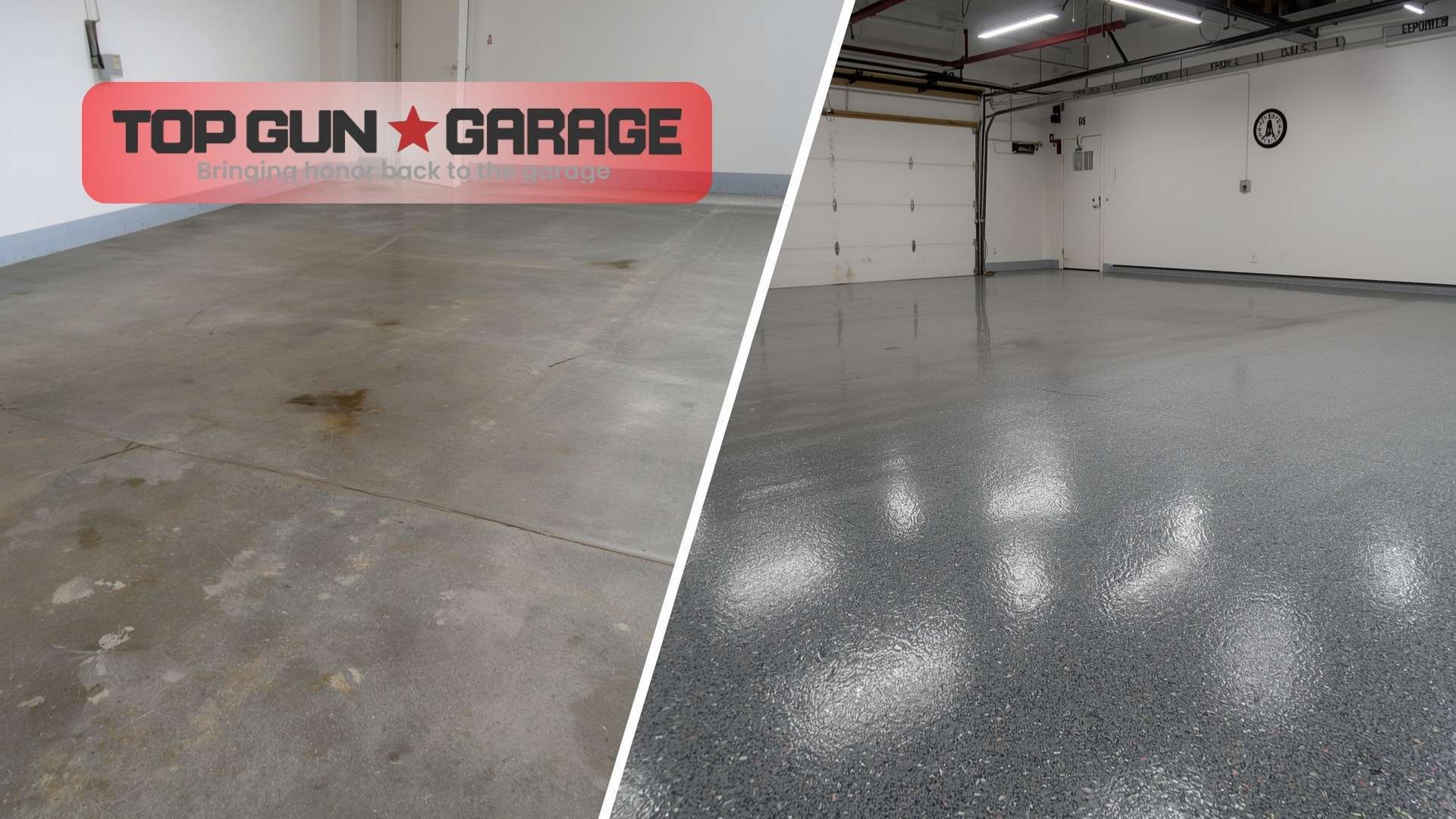
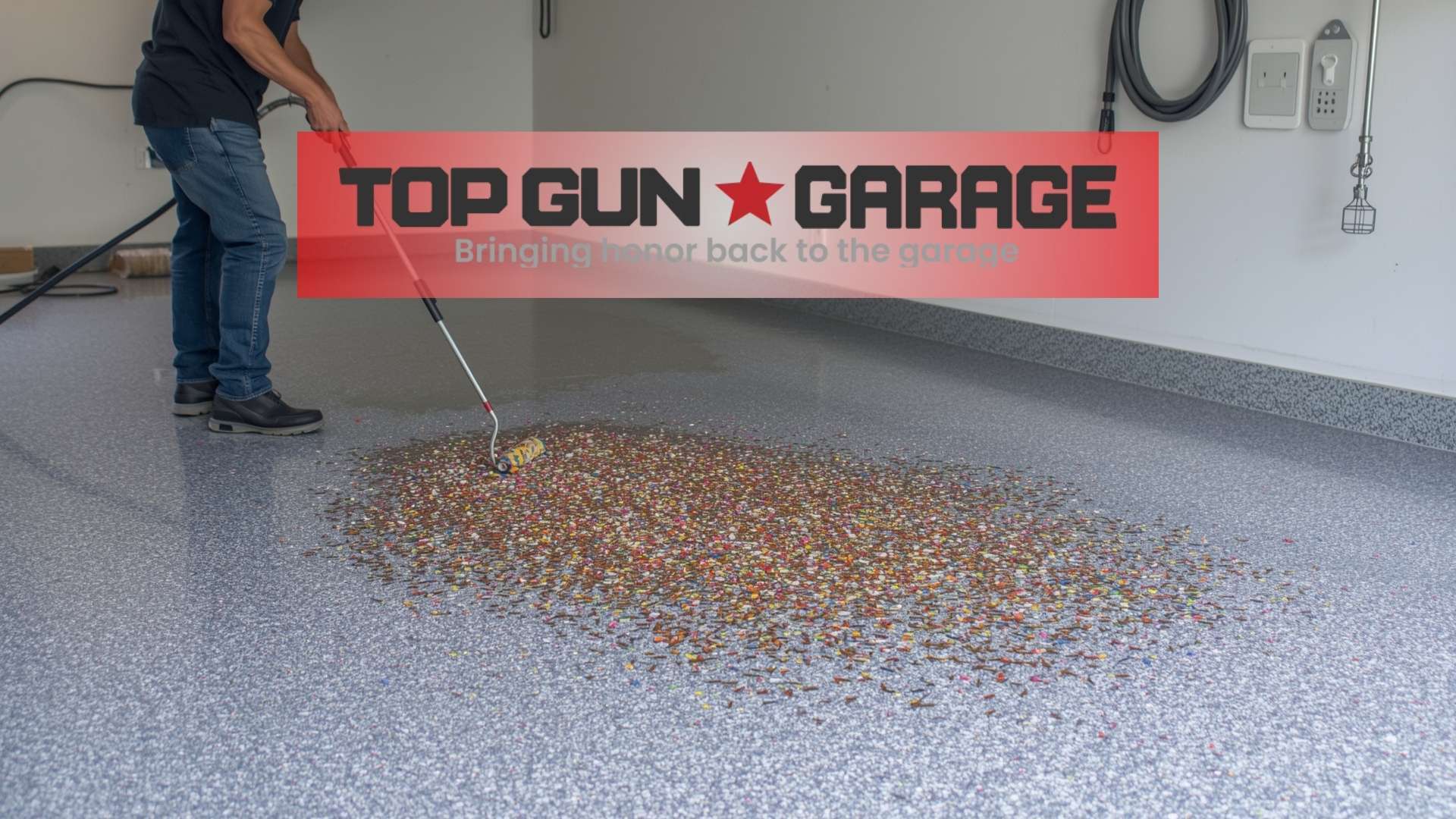
For floors with significant previous damage or inconsistent condition, consider full-flake epoxy systems that provide excellent hide for color variations, patch repairs, and surface imperfections. The decorative flake layer masks substrate inconsistencies while adding slip resistance and visual interest. Alternatively, quartz garage flooring systems deliver exceptional durability and chemical resistance ideal for heavily used spaces with continued potential for oil exposure and mechanical abuse.
Avoid budget DIY coating kits when restoring severely neglected floors, as these products lack the adhesion strength, flexibility, and chemical resistance needed for challenging substrates. Professional-grade coating systems include specialized primers for aged concrete, higher solids content providing thicker protective layers, and UV-stable topcoats maintaining appearance for 10-15 years. The additional investment in quality materials prevents premature failures requiring expensive re-coating within 2-3 years.
Professional Installation Techniques
Successful coating application on 20-year neglected floors demands expertise beyond basic DIY capabilities. Professional installers understand how humidity affects installation timing, proper mixing ratios for aged concrete conditions, and application techniques preventing common failures. They follow installation sequences that cannot be rushed, allowing adequate cure times between primer, base coat, decorative layers, and topcoats.
Temperature control during application proves critical, as aged concrete may require warming to improve coating flow and penetration or cooling to prevent premature curing. Professional contractors monitor how temperature affects epoxy molecular structure and adjust application parameters accordingly. They maintain consistent film thickness across the entire floor, avoiding thin spots that wear prematurely or thick areas that develop internal stresses and crack.
Quality control during installation includes continuous monitoring for bubbles, fish eyes, or coating defects requiring immediate correction. Professionals use specialized tools including spiked shoes for accessing wet coatings, mixing equipment ensuring complete resin/hardener combination, and application tools maintaining uniform coverage. Their experience recognizing potential problems before they occur and implementing corrective measures prevents the coating failures that plague inexperienced installations on challenging substrates.
Understanding the First 72 Hours
The curing period immediately following coating application determines long-term performance, particularly on aged concrete substrates. Follow strict protocols for caring for new epoxy floors during the first 72 hours, maintaining temperature stability, preventing moisture exposure, and avoiding foot traffic or vehicle loads. Chemical crosslinking continues throughout this period, with coating properties developing progressively as cure advances.
Temperature fluctuations during initial cure can create internal stresses leading to premature coating failure. Maintain garage temperatures between 60-90°F throughout the cure period, avoiding overnight temperature drops or excessive daytime heat that disrupts molecular bonding. In humid climates, monitor moisture levels and use dehumidifiers if necessary to prevent surface moisture condensation that creates clouding or adhesion problems.
Understand the difference between surface cure allowing light foot traffic and complete cure required for full vehicle loads. Most professional systems require minimum 24-48 hours before walking on floors and 5-7 days before resuming vehicle use, though cure time variations depend on specific products, temperature conditions, and coating thickness. Rushing the curing process invites damage that compromises long-term performance and may void warranty coverage.
Preventing Future Neglect and Damage
Once you’ve invested in professionally restoring your neglected garage floor, implement maintenance practices preventing future deterioration. Address spills immediately rather than allowing them to penetrate the coating and reach concrete below. Use appropriate maintenance products specifically formulated for coated floors, avoiding harsh chemicals, abrasive cleaners, or acids that damage protective layers.
Inspect floors regularly for signs of wear, particularly in high-traffic areas, vehicle parking zones, and along entrance thresholds where debris accumulates. Early detection of coating thinning allows reapplication of topcoats before substrate exposure occurs, extending floor life dramatically compared to waiting until complete coating failure develops. Most professional installations recommend topcoat renewal every 3-5 years in heavily used garages to maintain protection and appearance.
Consider adding garage organization and storage solutions that minimize floor damage from heavy equipment, chemicals, and mechanical abuse. Wall-mounted systems, ceiling racks, and dedicated storage cabinets reduce floor contact points and simplify cleaning. Implement entrance mats to capture debris before it scratches coating surfaces, and use protective pads under heavy equipment, motorcycles, or storage items preventing point-load damage to coating layers.
Cost Considerations for Restoration Projects
Restoring severely neglected garage floors costs significantly more than coating new concrete due to extensive preparation, repair work, and specialized materials required. Expect professional restoration projects to range $8-$15 per square foot for comprehensive preparation, repairs, moisture mitigation, and quality coating systems—2-3 times the cost of coating newer floors. Standard two-car garages typically require $3,500-$6,500 investments for complete restoration producing 15+ year performance.
Budget separately for structural repairs, as extensive spalling, cracking, or contamination may add $1,000-$3,000 to base coating costs. Consider restoration value versus replacement, especially when concrete damage extends beyond surface layers into structural substrate. In some cases, removing and replacing severely deteriorated concrete sections proves more cost-effective long-term than attempting to restore hopelessly compromised material.
Evaluate restoration investments against increased home value and improved functionality justifying higher project costs. Professionally restored garage floors transform spaces from liability to asset, enhancing property appeal, providing clean usable areas, and eliminating ongoing deterioration damage. Compare restoration costs to garage makeover budgets for complete space transformations, as comprehensive approaches often deliver better value than piecemeal improvements.
When to Call Professional Contractors
While ambitious DIYers may successfully coat newer concrete, 20-year neglected floors typically exceed homeowner capabilities and equipment access. Professional garage flooring contractors bring specialized knowledge, industrial equipment, and proven restoration techniques that dramatically improve success rates on challenging substrates. They accurately assess concrete condition, recommend appropriate repair strategies, and execute installations preventing common failures.
Contractors maintain relationships with coating manufacturers, accessing professional-grade products unavailable to retail customers and receiving technical support for challenging installations. Their experience with aged concrete restoration allows them to anticipate problems, implement preventive measures, and adapt installation procedures to specific substrate conditions. Professional installers provide comprehensive warranties covering both materials and labor, protecting your investment against premature failures common with inexperienced DIY attempts.
Interview multiple contractors experienced with restoration projects, requesting references from similar aged-concrete installations. Review their preparation methods, coating system recommendations, and warranty terms ensuring alignment with your project requirements. Qualified contractors welcome detailed questions, provide transparent pricing, and explain their processes thoroughly—confident in their ability to deliver successful outcomes on even the most challenging neglected garage floors.
Frequently Asked Questions
Can you coat concrete that’s been neglected for 20 years? Yes, neglected concrete can be successfully coated with proper preparation including contamination removal, structural repairs, surface profiling, and moisture mitigation. Professional restoration techniques address oil penetration, cracks, spalling, and deterioration, creating suitable substrates for long-lasting coating systems.
How do you remove 20 years of oil stains from garage floors? Remove embedded oil using industrial degreasers, mechanical scrubbing, poultice treatments that draw contamination from concrete pores, and hot pressure washing. Severely saturated areas may require concrete removal and replacement if contamination extends too deep for chemical extraction methods.
What surface preparation is needed for old concrete? Old concrete requires aggressive mechanical profiling using diamond grinding or shotblasting to achieve CSP 3-4 surface profiles. This removes contaminated surface layers, opens concrete pores, repairs structural damage, and creates the rough texture needed for maximum coating adhesion.
Will epoxy stick to 20-year-old concrete? Quality epoxy systems adhere well to aged concrete when surfaces are properly prepared through contamination removal, mechanical profiling, moisture testing, and primer application. Polyurea or polyaspartic coatings often perform better on old concrete due to superior flexibility and moisture tolerance.
How much does it cost to restore a neglected garage floor? Professional restoration of severely neglected garage floors costs $8-$15 per square foot including preparation, repairs, moisture mitigation, and quality coatings. Standard two-car garages typically range $3,500-$6,500 depending on damage extent and coating system selected.
What coating type works best on old concrete? Polyurea and polyaspartic systems often outperform traditional epoxy on aged concrete due to superior flexibility, faster cure times, better moisture tolerance, and enhanced adhesion to challenging substrates. Full-flake or quartz systems effectively hide substrate imperfections common in restored floors.
How long does restored garage floor coating last? Properly restored garage floors with professional-grade coating systems last 10-15 years under normal use. Longevity depends on preparation quality, coating selection, installation expertise, and ongoing maintenance preventing premature wear and damage.
Can you DIY coat a severely neglected garage floor? While possible, DIY coating of severely neglected floors rarely succeeds without professional equipment, expertise, and access to industrial-grade materials. Complex preparation requirements, specialized repair techniques, and coating application precision favor professional contractor involvement for challenging restoration projects.
What are signs concrete is too damaged to coat? Concrete with extensive deep cracking, major structural settlement, continuous moisture seepage, or deterioration extending throughout slab thickness may require replacement rather than coating. Professional evaluation determines whether restoration or replacement proves more cost-effective long-term.
How do you prevent coating failure on old concrete? Prevent failures through comprehensive moisture testing, aggressive surface preparation achieving proper profiles, complete contamination removal, structural repairs, appropriate coating system selection, professional installation following manufacturer specifications, and proper curing protocols during initial 72 hours.
Conclusion
Coating a garage floor neglected for 20 years presents significant challenges but delivers dramatic transformations when approached with proper preparation, quality materials, and professional installation techniques. Success requires systematic evaluation of concrete condition, aggressive contamination removal, comprehensive structural repairs, moisture mitigation, appropriate coating selection, and meticulous installation procedures. While restoration costs exceed new floor coating expenses, the investment transforms liability into valuable asset, providing beautiful, durable surfaces that enhance property value and functionality for 15+ years. Whether tackling the project yourself or hiring experienced contractors, understanding the complete restoration process ensures realistic expectations and successful outcomes.
Top Gun Garage specializes in restoring severely damaged and neglected concrete floors throughout Naples, Fort Myers, and Bonita Springs. Our expert team brings decades of experience with challenging substrates, comprehensive preparation protocols, and professional-grade coating systems delivering exceptional results. Contact us today for a detailed assessment and discover how we can restore your garage floor to like-new condition with warranties protecting your investment.