 Skip to content

Genuine Garage Floor Coating Services in Lee County, FL
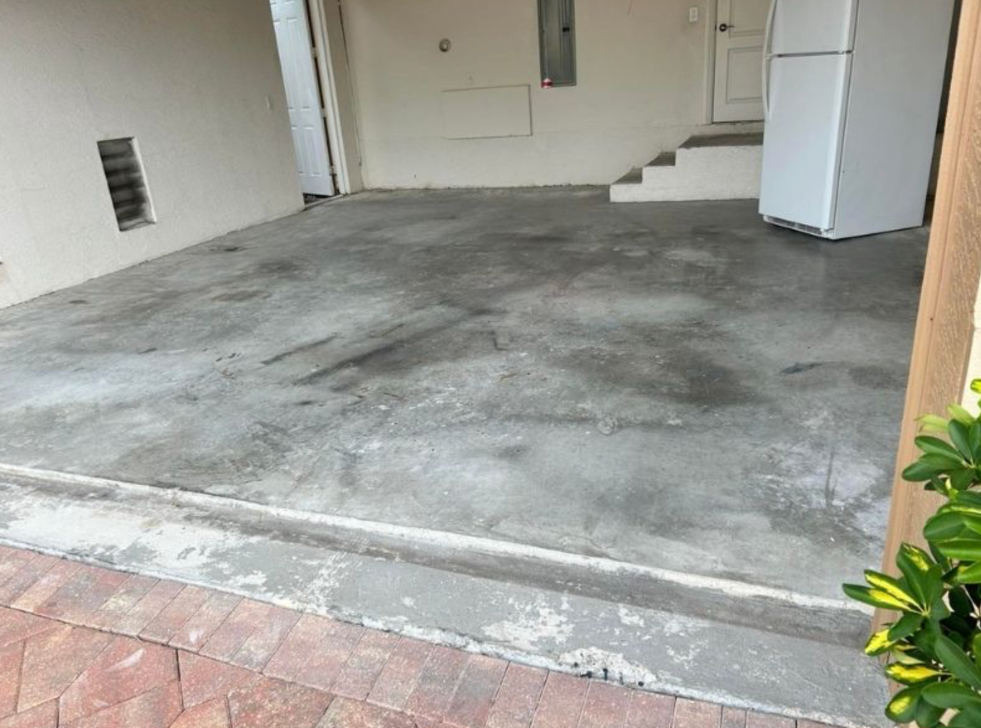
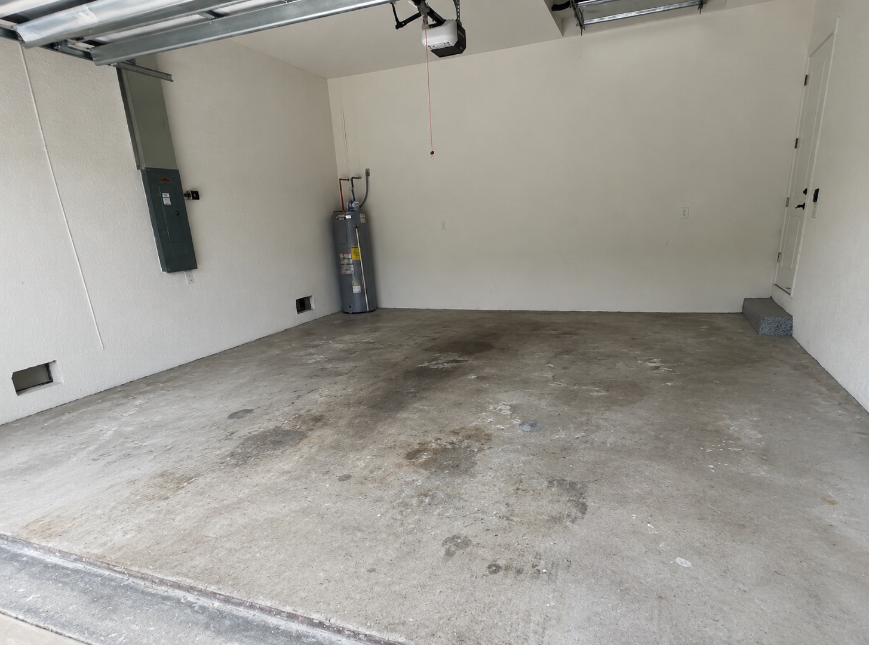
Some garage floors are not merely dirty. Years of oil, cleaners, chemicals, and spills can work into the concrete itself. That changes the coating project because fresh material needs a dependable surface underneath it, not a slab that still carries contamination below the top layer.
Top Gun Garage installs garage floor coatings in Lee County, FL, with those problem areas identified before the finish goes down. Proper preparation, assessment, and the right coating system help reduce adhesion problems while giving homeowners a floor that is easier to clean after everyday spills.


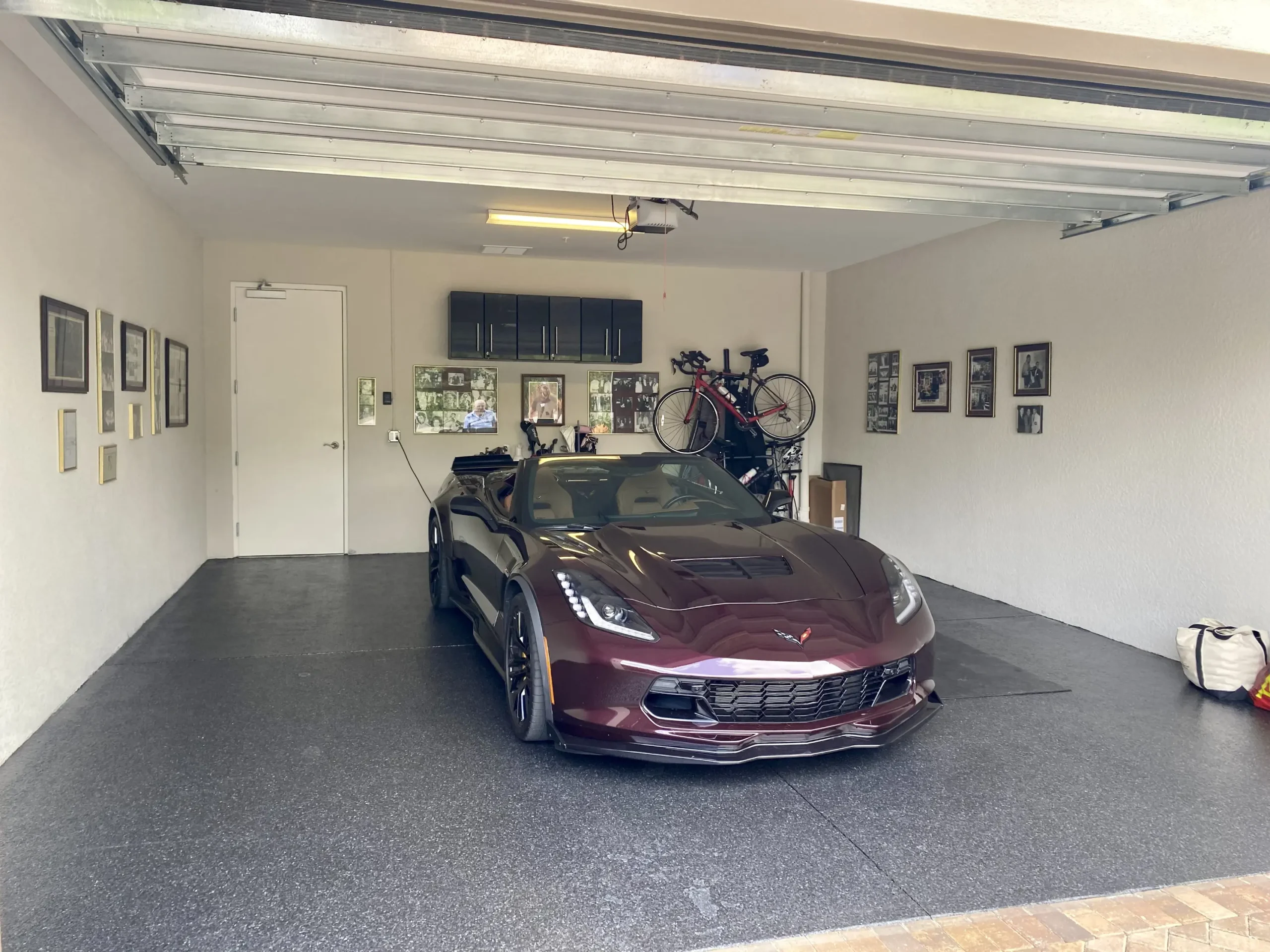
Garage Floor Coatings in Lee County, FL
Oil contamination can create one of the harder preparation problems on an older garage floor. Concrete is porous. A spill that sat for months or years may have penetrated below the visible surface instead of remaining as a simple stain. Grinding removes the upper layer of concrete and exposes fresh material.
However, grinding alone does not guarantee that deeply absorbed contamination has disappeared. Sometimes fresh grinding exposes darker material underneath. In other cases, the surface can still reject water or behave differently around an old spill zone. Those areas need additional attention before coating.
Cleaning, degreasing, repeated preparation, deeper grinding, or other remediation may be considered depending on the contamination and the system being installed. In severe cases, the affected concrete may influence what coating options make sense at all.
Garage coating products are commonly described as chemical-resistant. Resistance does not mean every coating is unaffected by every substance for unlimited exposure time. Oil, household cleaners, bleach, solvents, fertilizers, and pool chemicals each have different chemistry.
A brief spill that gets cleaned promptly is a different situation from leaving concentrated chemical residue sitting on the floor for several days. Homeowners should treat chemical resistance as extra protection, not permission to ignore spills.
Residential Concrete Coatings in Lee County, FL
Patio Coatings
Lee County patios encounter outdoor cleaners, food spills, plant residue, rainwater, sunscreen, and other materials that may remain on the surface after normal use. A coating can make routine washing easier, but chemical resistance still has limits. Strong cleaning products should not be assumed safe for unlimited contact. Existing concrete also needs inspection for sealers, stains, and contamination before installation. Texture, sun exposure, drainage, furniture, and cleaning habits should guide the finished system.
Pool Deck Coatings
Pool deck floors regularly encounter chlorinated water, cleaning agents, and pool-care products. Those conditions make chemical exposure an important part of coating selection. Concentrated chemicals should still be stored and handled carefully because resistance does not mean immunity. Wet traction and barefoot comfort matter as well. Before installation, Top Gun Garage can review cracks, old coatings, repairs, drains, and existing contamination so the new surface starts from properly prepared concrete.
Driveway Coatings
Driveways can collect oil spots, fertilizer residue, lawn products, cleaning chemicals, and outdoor stains over many years. Some contamination may penetrate deeper than a visible surface mark. That can make preparation more involved before a new exterior coating is installed. Grinding may expose additional affected material that needs further treatment. Sun, rain, drainage, existing repairs, and previous sealers should also be assessed so the coating plan reflects the actual driveway rather than an ideal clean slab.
Kitchen Coatings
Kitchen floors encounter food oils, grease, spills, and repeated washing. A suitable concrete coating can create a less porous finished surface, but chemical compatibility still matters during maintenance. Strong cleaners should not be used simply because the floor appears durable. Existing concrete may also contain grease, adhesive, or previous flooring residue that requires removal before coating. Cabinets, thresholds, traffic patterns, and routine cleaning products should all influence the installation and maintenance plan.
Bathroom Coatings
Bathrooms put barefoot traction and water exposure ahead of showroom gloss. A coated concrete floor can create a continuous visual surface, yet the coating itself does not correct poor drainage or replace proper waterproofing where waterproofing is required. Top Gun Garage evaluates slab condition, fixture edges, texture, and cleaning expectations before planning the finished bathroom floor.
Man Cave Coatings
A man cave floor may see food spills, cleaning products, exercise equipment, hobby materials, and other substances depending on how the space is used. A coated surface can make those messes easier to address, but unknown chemicals should still be cleaned. Old concrete may also carry contamination from the room’s previous use. Surface preparation should address those areas before decorative coating begins. Finish selection can then respond to furniture, lighting, equipment, and maintenance expectations.
Commercial Concrete Coatings in Lee County, FL
Warehouse Floor Coatings
Warehouse concrete can absorb oils, lubricants, cleaners, and other operational fluids over years of use. Surface staining may represent deeper contamination that needs attention before recoating. Mechanical grinding can expose the condition underneath, but removal may still be necessary in affected zones. The coating system should also match the chemicals handled in the facility. Traffic, equipment, spill response, sanitation, and existing repairs should all influence preparation and product selection.
Retail Floor Coatings
Retail floors may encounter cleaning chemicals, spilled products, tracked residue, and contamination left beneath previous flooring. A replacement coating should begin with an assessment of what remains on or inside the concrete. Strong cleaning products also deserve consideration after installation because aggressive chemistry can affect finishes differently. The final system should support daily maintenance, customer traffic, entrance conditions, displays, and lighting while giving staff clear guidance about which products are appropriate for regular floor care.
Showroom Floor Coatings
Showroom flooring needs a clean appearance, but contamination can compromise that result before customers ever see it. Previous cleaners or coatings may remain within the slab and affect adhesion. The concrete should be assessed after preparation rather than assuming grinding solves every condition automatically. Once the substrate is dependable, finish and chemical resistance can be matched to the showroom’s maintenance routine, lighting, display movement, and products handled inside the space.
Office Floor Coatings
Office concrete may contain adhesive, cleaners, spill residue, or contamination from prior uses hidden beneath carpet or tile. Removing the visible flooring does not always leave a coating-ready slab. Preparation should identify anything that could interfere with adhesion before the new system begins. After installation, normal cleaning products should also match the coating manufacturer’s recommendations. Break-room spills, traffic, lighting, and adjacent finishes should guide the final surface.
Restaurant Floor Coatings
Restaurant floors deal with different conditions across dining areas, service routes, bars, entrances, and kitchen transitions. One texture may not suit every section. Top Gun Garage considers chair movement, spills, cleaning windows, foot traffic, and operating hours before developing a coating plan that fits the entire Naples restaurant.
Healthcare Facilities Floor Coatings
Healthcare support spaces use disinfectants, cleaners, and sanitation products that may contact flooring regularly. Coating selection should account for those substances and their expected concentration rather than assuming every resin reacts the same way. Existing floors may also contain adhesive, cleaners, or other contamination beneath previous materials. Proper preparation is required before installation. The finished surface should then match room function, cleaning procedures, rolling equipment, lighting, and the maintenance standards used by facility staff.
Pharmaceuticals Floor Coatings
Pharmaceutical environments can expose floors to specialized chemicals, sanitation agents, and process materials that demand careful system selection. Chemical resistance should be verified against the substances actually used rather than inferred from a broad marketing claim. Existing contamination can also affect bonding beneath the new coating. Preparation may involve removal beyond normal grinding in affected areas. Traffic, equipment, cleaning cycles, spill response, and chemical concentration should all be considered before choosing the final flooring build.
Educational Institutions Floor Coatings
Educational buildings can expose floors to cleaners, laboratory materials, art products, food spills, and maintenance chemicals depending on the room. A coating that works well in a classroom may face different exposure in a laboratory or service area. Contamination beneath older flooring also needs removal before installation. Texture, chemical resistance, traffic, furniture, and cleaning methods should therefore be matched to each room instead of applying one standard coating throughout the facility.
Mechanic Shops Floor Coatings
Mechanic shop floors may contain years of oil, lubricants, degreasers, solvents, and other automotive fluids absorbed into the concrete. Those stains deserve careful evaluation because grinding the visible surface may not remove contamination that penetrated deeper. Additional remediation may be required before coating. The finished system also needs chemical resistance suited to the products actually used in the shop. Spill response, work zones, cleaning, and damaged concrete should guide the floor plan.
Breweries Floor Coatings
Brewery floors face cleaning agents, production liquids, ingredients, sanitizers, and repeated washdowns. Different substances can challenge coatings in different ways, so chemical resistance needs to match actual operations. Existing contamination and residue may also require deeper preparation before the new floor bonds properly. Drainage, wet traction, temperature, equipment, cleaning frequency, and chemical concentration should shape the coating system. Staff should still remove spills promptly instead of treating resistance as unlimited protection.
Commercial Kitchens Floor Coatings
Commercial kitchen floors experience grease, detergents, degreasers, sanitizers, food acids, and repeated washing. Concrete around older cooking or prep areas may already contain deeply absorbed oil that complicates recoating. Mechanical preparation should reveal those conditions instead of simply hiding them beneath new material. The coating system should also tolerate the cleaning products used during routine sanitation. Drains, equipment, texture, spill response, and chemical exposure all need consideration before installation.
Dog Kennels Floor Coatings
Kennel flooring needs to withstand repeated sanitation, washdowns, animal accidents, and cleaning chemicals without becoming difficult to maintain. Concentrated disinfectants should still be used according to the coating system’s limits. Existing concrete can also contain organic contamination or residue that requires careful preparation before coating. Texture needs enough grip for paws while remaining practical around hair and cleaning. Drainage, enclosure edges, cleaning products, and washdown schedules should all guide the floor specification.
Church Floor Coatings
Church properties may use cleaners, food-service products, and maintenance chemicals across kitchens, fellowship rooms, classrooms, offices, and utility areas. Concrete in older service spaces can also contain stains or residue from years of use. Preparation should address contamination before applying another finish. The coating system should then match each room’s maintenance routine. A kitchen may need different chemical resistance from an office, while gathering spaces may prioritize appearance and easier routine cleaning.
Storage Facilities Floor Coatings
Storage facility floors can encounter leaked household products, oils, cleaners, fertilizers, and unknown substances left behind after tenants move out. Porous concrete may absorb some of those spills, making a visual stain more than a cosmetic problem. A contractor should assess questionable areas before coating and determine what preparation is required. The finished system can make future cleanup easier, but facility operators should still remove chemical spills promptly and control what materials are stored.
Storefront Floor Coatings
Storefront floors receive regular cleaners along with occasional product spills and residue tracked through entrances. Existing concrete may also contain adhesives or contamination from earlier retail layouts. Proper preparation should remove materials that could interfere with adhesion before decorative coating begins. Cleaning products used after installation should match the coating system rather than relying on stronger chemistry whenever dirt appears. Customer traffic, lighting, entrance moisture, displays, and maintenance frequency should guide the finish.
School Floor Coatings
School concrete may be exposed to disinfectants, art supplies, food spills, maintenance products, and laboratory chemicals depending on the room. One coating specification may not fit every area. Older slabs can also contain adhesive, paint, or contamination beneath previous flooring that needs attention before recoating. Cleaning methods, traffic, furniture, chemical exposure, and room use should all influence the final system. Staff should receive appropriate maintenance guidance once installation is complete.
Hospital Floor Coatings
Hospital support floors may receive strong cleaning products, disinfectants, spills, and repeated sanitation. Chemical resistance should therefore be matched to the actual maintenance products rather than assumed from a generic coating category. Existing floors can also hide adhesive or contamination beneath earlier materials. Surface preparation needs to establish a reliable substrate first. The finished system should then support equipment movement, staff traffic, cleaning frequency, lighting, and the specific function of each coated area.
Industrial Concrete Coatings in Lee County, FL
Facility Floor Coatings
Industrial facility concrete may contain oils, hydraulic fluids, solvents, cleaners, process chemicals, and other contaminants that have penetrated over years of operation. These conditions can require more than standard grinding before coating. The system also needs chemical resistance matched to the substances used on site. Spill concentration, contact time, temperature, traffic, cleaning procedures, equipment, and slab condition should all influence both preparation and the selected floor build.
Aircraft Hangar Floor Coatings
Aircraft hangar slabs can carry old oils, hydraulic fluids, cleaners, solvents, and other residues across wide working areas. Some contamination may penetrate deeper than the visible stain and remain after light surface grinding. Those sections need careful assessment before coating. The finished system should also be selected around the specific chemicals used during maintenance operations. Visibility, equipment movement, cleaning procedures, spill response, lighting, and existing repairs should all influence the final specification.
Public Building Floor Coatings
Public buildings use a range of cleaners and maintenance products across entrances, offices, utility rooms, service spaces, and storage areas. Existing concrete may also contain adhesive, paint, or chemical residue from earlier uses. Proper preparation should address those materials before installation. The finished coating needs to suit the cleaning agents and traffic expected in each room. Entrance, sanitation routines, and maintenance frequency should also influence texture and finish selection.
Why Top Gun Garage Looks Below the Stain
Oil can penetrate concrete instead of sitting only at the surface. Top Gun Garage treats suspicious contamination as an adhesion question, not a problem that disappears once decorative flakes cover it.
Mechanical preparation is essential, but deeply contaminated concrete can require more than one pass or one method. The condition revealed after grinding helps determine what should happen next.
No responsible coating system should be described as immune to every substance. Oil, solvents, bleach, fertilizers, cleaners, and pool chemicals behave differently. Exposure time and concentration matter too.
A resistant coating gives more protection than porous bare concrete, but prompt spill removal remains the smart habit. The floor performs better when chemical exposure is managed instead of ignored.
Lee County Floor Coating FAQs
Can oil soak too deeply into concrete for normal grinding?
Yes. Oil can penetrate below the top surface. Grinding may remove much of the affected concrete, but deeply contaminated areas can require additional cleaning, deeper preparation, or another remediation plan.
How can contractors tell if oil is still affecting the slab?
They can assess staining, surface behavior, contamination revealed during grinding, and how prepared areas respond. The exact method depends on the condition and coating system being considered.
Does chemical resistance mean bleach cannot damage my coating?
No. Chemical resistance has limits based on concentration, exposure time, coating chemistry, and temperature. Strong bleach or other aggressive products should still be cleaned promptly.
Can pool chemicals be stored directly on a coated garage floor?
Containers should be sealed and stored carefully. Concentrated pool chemicals can be aggressive, and spills should be removed promptly rather than left sitting on any decorative floor coating.
What should I do after spilling solvent on a coated floor?
Remove it promptly using a method appropriate for the installed coating and product spilled. Strong solvents can affect some coatings quickly, so prolonged exposure should be avoided.
Start With What Has Already Entered the Concrete
The coating cannot bond to an ideal slab that no longer exists.
Top Gun Garage installs garage floor coatings in Lee County, FL by looking at the contamination, previous use, cleaning history, and actual condition of the floor before selecting the system. That matters when oil and chemicals have already had years to work below the surface.
A better finished floor begins by finding out what the concrete is carrying.
Epoxy Flooring Systems & Finish Options
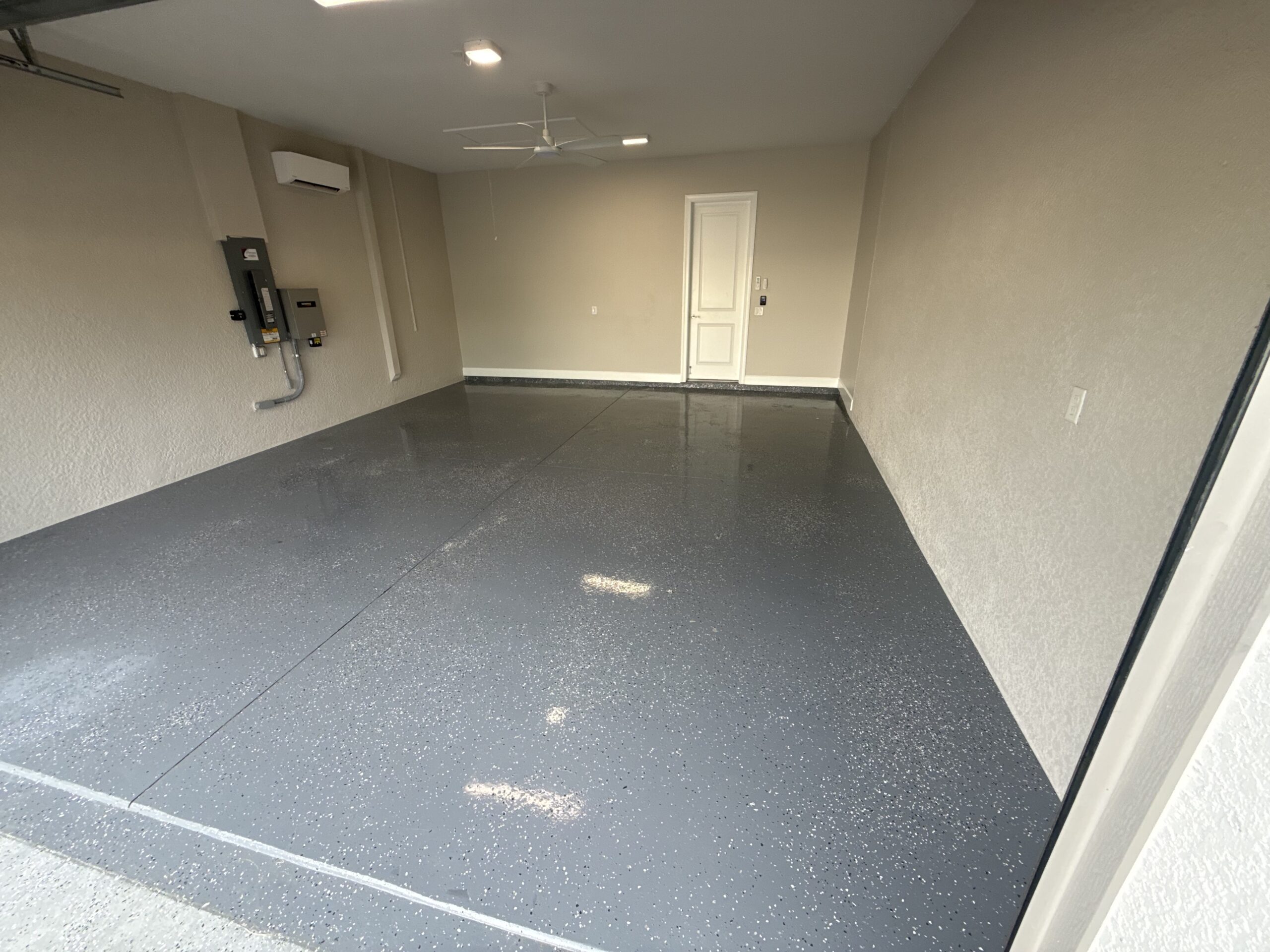
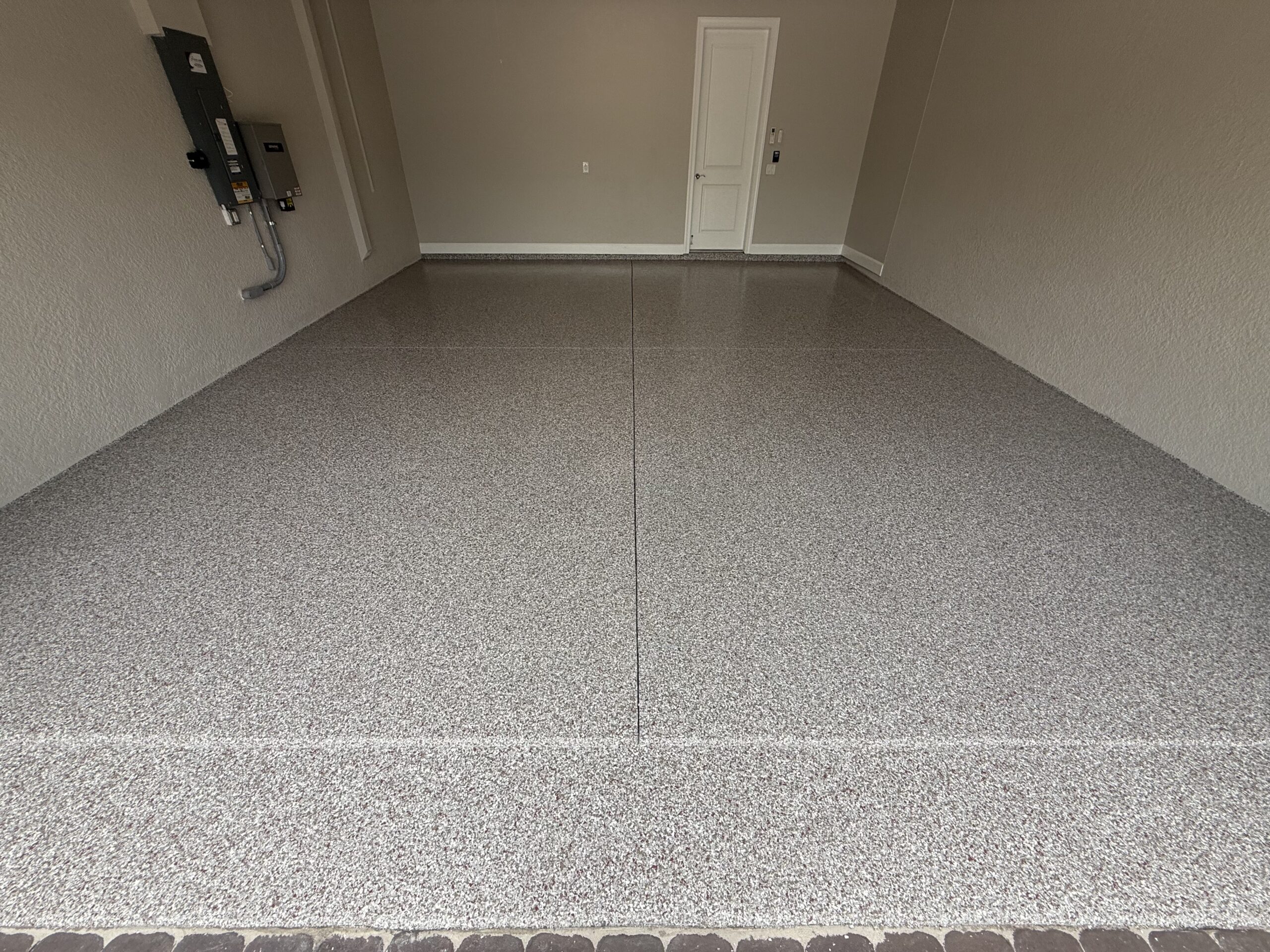
Top Gun Garage works with a full range of coating systems and finishes so every client gets the right combination of look, texture, and long-term performance for their specific space.
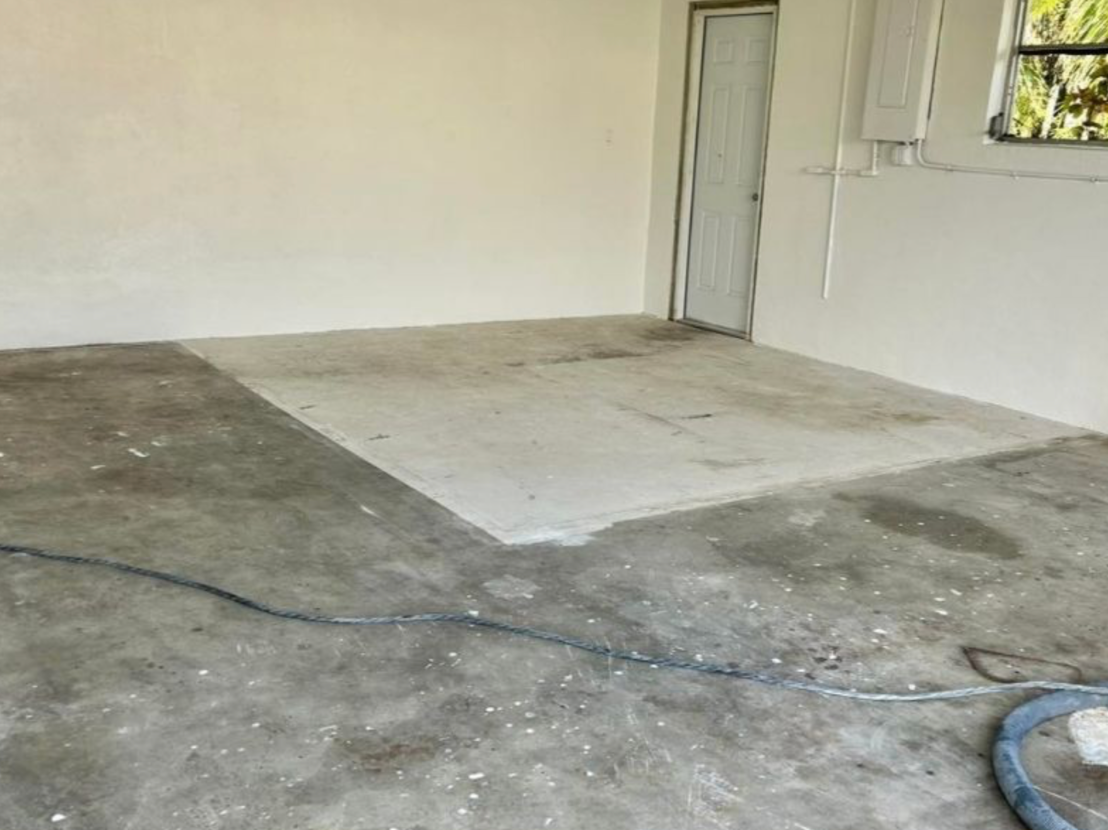

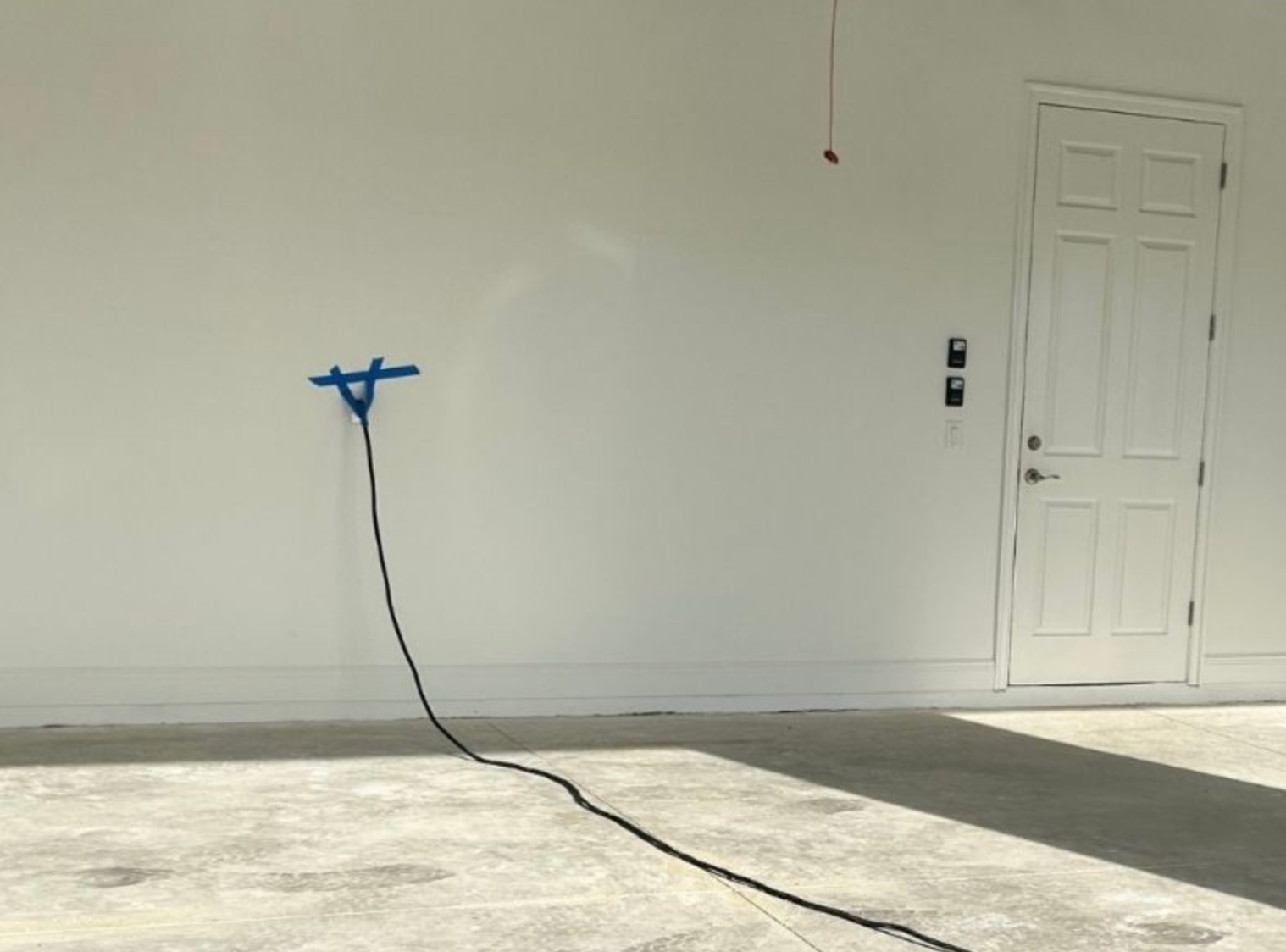


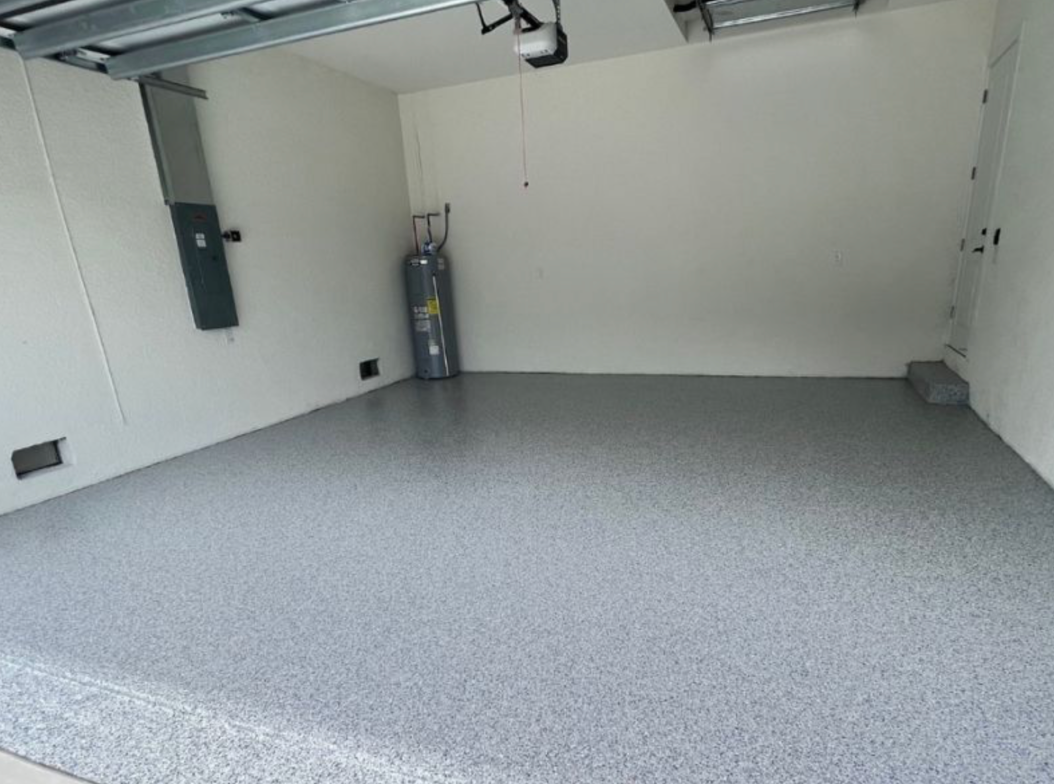
Fort Myers, FL Epoxy Floors From Call to Cure
Top Gun Garage keeps the process simple, honest, and built around your schedule, your concrete, and the way your space is used. From garage floor coatings to commercial concrete floor coatings, every project follows a focused path from first contact to final walkthrough.

Call or Submit a Form
Reach out by phone or complete our contact form to tell us about your project. We’ll answer your questions, discuss your space, and schedule your free estimate.
Call or Submit a Form
Reach out by phone or complete our contact form to tell us about your project. We’ll answer your questions, discuss your space, and schedule your free estimate.

Free ON-SITE APPOINTMENT
We inspect your concrete, recommend the right epoxy floor coating system, and provide a clear, upfront estimate with no pressure or hidden costs.
Free ON-SITE APPOINTMENT
We inspect your concrete, recommend the right epoxy floor coating system, and provide a clear, upfront estimate with no pressure or hidden costs.

PROJECT SCHEDULING
Once approved, we schedule your installation around your availability. Most epoxy floor coating projects are completed in just one day.
PROJECT SCHEDULING
Once approved, we schedule your installation around your availability. Most epoxy floor coating projects are completed in just one day.

SURFACE PREP & INSTALLATION
Every floor is professionally ground before installation to ensure maximum adhesion and durability. We install your coating with precision from edge to edge.
SURFACE PREP & INSTALLATION
Every floor is professionally ground before installation to ensure maximum adhesion and durability. We install your coating with precision from edge to edge.

FINAL WALKTHROUGH
We complete a final quality inspection, review the finished floor with you, and provide your 15-year transferable warranty before the project is complete.
FINAL WALKTHROUGH
We complete a final quality inspection, review the finished floor with you, and provide your 15-year transferable warranty before the project is complete.
Call or Submit a Form
Reach out by phone or complete our contact form to tell us about your project. We’ll answer your questions, discuss your space, and schedule your free estimate.
Call or Submit a Form
Reach out by phone or complete our contact form to tell us about your project. We’ll answer your questions, discuss your space, and schedule your free estimate.
Free ON-SITE APPOINTMENT
We inspect your concrete, recommend the right epoxy floor coating system, and provide a clear, upfront estimate with no pressure or hidden costs.
Free ON-SITE APPOINTMENT
We inspect your concrete, recommend the right epoxy floor coating system, and provide a clear, upfront estimate with no pressure or hidden costs.
PROJECT SCHEDULING
Once approved, we schedule your installation around your availability. Most epoxy floor coating projects are completed in just one day.
PROJECT SCHEDULING
Once approved, we schedule your installation around your availability. Most epoxy floor coating projects are completed in just one day.
SURFACE PREP & INSTALLATION
Every floor is professionally ground before installation to ensure maximum adhesion and durability. We install your coating with precision from edge to edge.
SURFACE PREP & INSTALLATION
Every floor is professionally ground before installation to ensure maximum adhesion and durability. We install your coating with precision from edge to edge.
FINAL WALKTHROUGH
We complete a final quality inspection, review the finished floor with you, and provide your 15-year transferable warranty before the project is complete.
FINAL WALKTHROUGH
We complete a final quality inspection, review the finished floor with you, and provide your 15-year transferable warranty before the project is complete.

Straight-Shot Epoxy Flooring Pricing in Fort Myers, FL
Top Gun Garage believes a great floor should start with a conversation instead of a sales pitch. Fort Myers, FL, property owners get free estimates, upfront project pricing, and 0% financing options on epoxy floor coating and concrete coatings with no pressure, no hidden numbers, and no runaround.
Top Gun Garage does not inflate quotes to leave room for fake discounts. Pricing is built around the actual size, condition, and coating requirements of your specific floor, and every number is explained before any commitment is made. What you see is what you pay.
- Free Epoxy Flooring Estimates
- No-Surprise Project Pricing
- 0% Financing on Eligible Projects
- 15-Year Transferable Warranty
- Florida-Engineered Moisture Coatings
- Most Projects Installed in 1 Day
Contact Top Gun Garage today for honest epoxy floor installation pricing across Southwest Florida, and get a professionally installed floor from a woman-owned concrete coating company that works on every project with a full heart.
Fort Myers, FL Floors, Florida Answers, Real Advice


Colonial Boulevard Corridor: Garage Floor Coatings for Fort Myers’ Central Neighborhoods
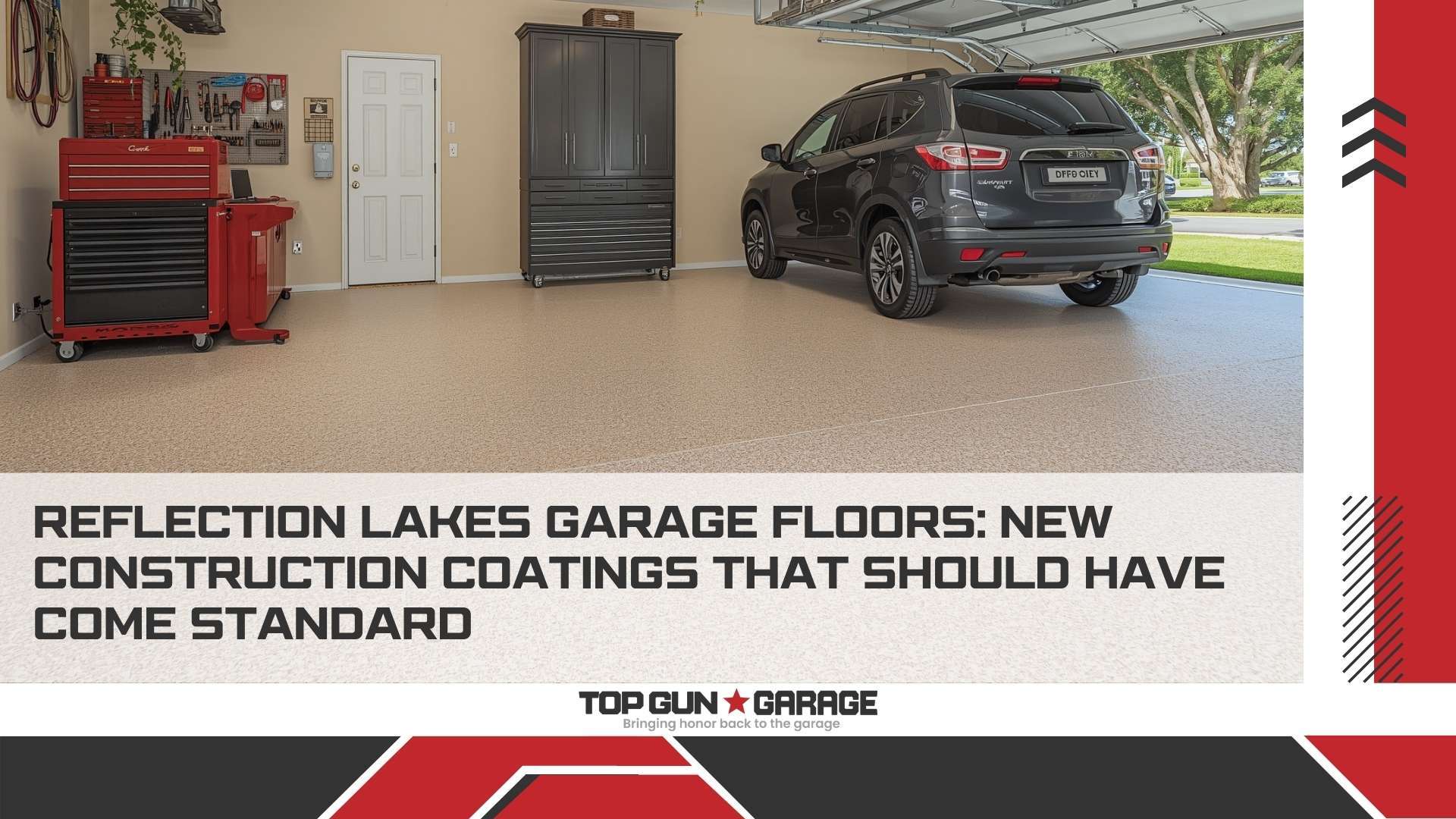
Reflection Lakes Garage Floors: New Construction Coatings That Should Have Come Standard
Real Questions From Fort Myers Floor Owners
What is the best epoxy floor coating company in Fort Myers, FL?
Top Gun Garage is Fort Myers’ trusted, woman-owned epoxy flooring company with a moisture-mitigating system built for Florida, 1-day installs, upfront pricing, and a 15-year transferable warranty on every project. No franchises, no subcontractors, no shortcuts.
Why is my garage floor epoxy peeling after just one year?
Peeling epoxy almost always comes down to inadequate surface preparation. If the concrete was not properly ground and profiled before coating, the epoxy never fully bonds and begins lifting under heat, moisture, and traffic. Top Gun Garage grinds every floor before any coating is applied, which is what makes the difference between a floor that lasts and one that fails.
Is epoxy floor coating worth it for a garage in Fort Myers, FL?
Yes. Fort Myers garages deal with extreme heat, humidity, and ground moisture year-round. A professionally installed epoxy floor coating seals the concrete, resists moisture from below, cleans easily, and holds up under daily use for years. With a 15-year transferable warranty, it is one of the smartest investments a Florida homeowner can make.
How much does epoxy garage floor coating cost in Fort Myers, FL?
Cost depends on the size of the floor, its current condition, and the coating system selected, but expect it to be around $9 to $16 per square foot. Top Gun Garage provides free on-site estimates with clear, upfront pricing and no hidden fees. 0% financing is also available on qualifying projects.
Can you grind down my garage floor and apply an epoxy coating?
Yes, and that is exactly how every Top Gun Garage project starts. Concrete grinding is a non-negotiable part of the process. It opens the surface, removes contaminants, and creates the profile the coating needs to bond properly and last.
What makes the warranty transferable, and why does that matter?
A transferable warranty stays with the property, not the owner. In a market like Southwest Florida, where homes move and property values matter, a warranted epoxy floor coating adds documented, lasting value that carries through to the next owner.
Is epoxy flooring a smart investment for Fort Myers homes near the coast?
Absolutely. Salt air, sand tracked in from the beach, humidity, and UV exposure all wear down uncoated concrete fast. A properly installed epoxy floor coating creates a sealed, cleanable, moisture-resistant surface built to handle coastal Florida conditions without constant maintenance.
Can epoxy coatings handle Florida's summer heat inside a garage with no AC?
Top Gun Garage installs coating systems selected for thermal stability in high-heat environments. An unventilated Southwest Florida garage in July can reach extreme temperatures, and the systems used are rated to handle that without bubbling, softening, or delaminating.
What financing options are available for epoxy floor installation?
Top Gun Garage offers 0% financing on qualifying projects, making it possible to get a professional epoxy floor coating installed now without waiting for the budget to catch up. Ask about current terms when you request your free estimate.
How do I get started with Top Gun Garage?
Call or submit a form online. Top Gun Garage responds quickly, schedules a free on-site estimate, walks through the right coating system for your space, and handles everything from there with clear pricing and no pressure.

Epoxy Flooring Across Fort Myers & Southwest FL
Top Gun Garage brings professional epoxy floor coating and concrete coatings to homeowners and businesses across Southwest Florida, with free estimates, 1-day installs, and a 15-year transferable warranty on every project, wherever you are.
Ready for a professionally installed floor from Top Gun Garage?
Call, email, or submit the form to request your free estimate for epoxy floor coating and concrete coatings across Fort Myers and Southwest Florida.
