 Skip to content




Introduction
Hiring the wrong contractor turns a garage upgrade into an expensive headache. The questions to ask epoxy contractor candidates before signing a contract separate homeowners who get durable, professional results from those stuck with peeling floors and voided warranties. In Southwest Florida, where humidity and heat challenge every coating system, contractor selection matters even more than material choice.
This guide covers the exact questions that reveal contractor experience, installation practices, and business legitimacy. Use these during consultations to identify professionals who deliver quality work versus those cutting corners to offer low prices.
Overview
This article explains 15 essential questions organized into four categories: credentials and experience, materials and process, project specifics, and business practices. Each question includes what the answer should sound like and red flags that indicate problems.
Key Takeaways
- Verify contractor licensing through Florida’s Department of Business and Professional Regulation
- Request specific product specifications, not just generic material names
- Understand the complete installation process, including surface preparation methods
- Get all warranty terms in writing before work begins
- Compare multiple quotes based on scope, not just price
Questions About Credentials and Experience
1. Are You Licensed and Insured in Florida?
Florida requires contractors performing work over $2,500 to hold proper licensing. Ask for their license number and verify it through the state’s license verification system. A legitimate contractor provides this information immediately without hesitation.
Request proof of general liability insurance and workers’ compensation coverage. If a worker gets injured on your property and the contractor lacks coverage, you face potential liability. Quality contractors carry at least $1 million in liability coverage.
2. How Long Have You Been Installing Garage Floor Coatings?
Experience with epoxy floor coatings specifically matters more than general contracting experience. Coating application requires understanding of concrete chemistry, environmental conditions, and material curing times that differ from other construction trades.
Look for contractors with at least five years of focused experience in floor coatings. Ask about their training background and whether they’ve received certification from coating manufacturers.
3. Can You Provide Local References and Photos?
Request contact information for at least three recent customers in your area. Local references matter because Southwest Florida’s climate affects coating performance differently than northern regions. Ask to see projects completed in Naples, Fort Myers, or Bonita Springs.
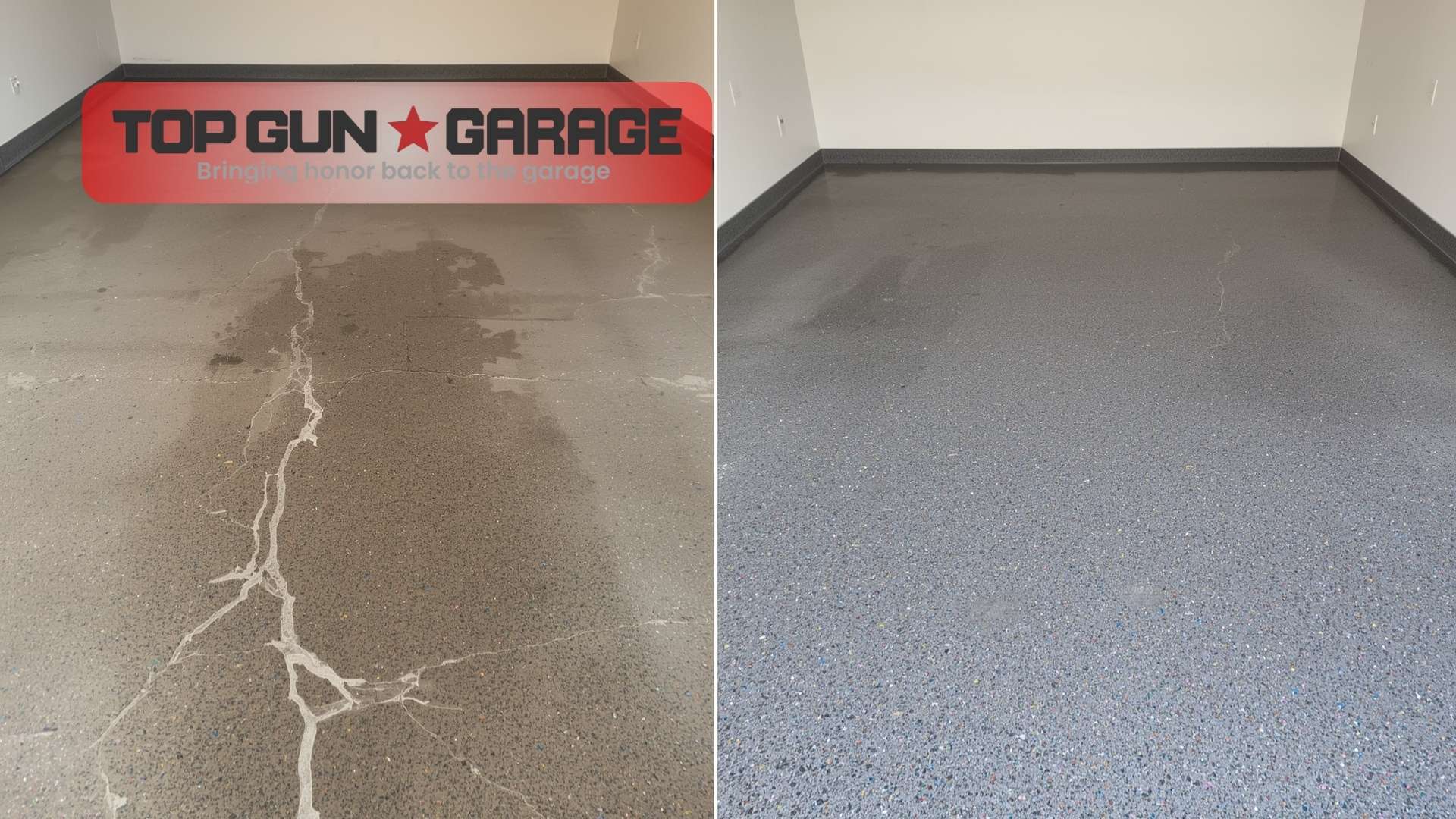
Photos should show before, during, and after images of similar projects. Check their gallery for project variety and quality consistency.
4. Have You Worked on Projects Similar to Mine?
Garage floors require different approaches than commercial spaces or outdoor patios. A contractor experienced with residential garages understands common issues like oil stains, moisture problems, and limited ventilation during installation.
If you have specific needs like accommodating a car lift or creating a home gym space, ask about their experience with those applications.
Questions About Materials and Process
5. What Coating System Do You Recommend and Why?
Professional contractors explain the differences between epoxy and polyaspartic systems, and recommend based on your specific situation. Generic answers like “we use industrial-grade epoxy” without specifics indicate limited product knowledge.
Ask for product data sheets showing the coating’s abrasion resistance, chemical resistance, and UV stability ratings. Quality contractors use professional-grade systems that outperform DIY products from hardware stores.
6. How Do You Prepare the Concrete Surface?
Surface preparation determines coating longevity more than any other factor. Professional contractors use diamond grinding equipment to create a proper surface profile for coating adhesion. This process opens the concrete pores and removes any existing sealers or contamination.
Contractors using acid etching as their primary preparation method often deliver inferior results. While acid etching works for some situations, diamond grinding provides more consistent results, especially on older concrete.
7. How Do You Handle Moisture Issues?
Florida’s humidity creates concrete moisture problems that cause coating failure if not addressed. Ask whether they perform moisture testing before installation and what methods they use.
Professional contractors test moisture levels using calcium chloride tests or relative humidity probes. If moisture levels exceed acceptable ranges, they should recommend solutions like moisture mitigation systems before proceeding.
8. What Is Your Complete Installation Process?
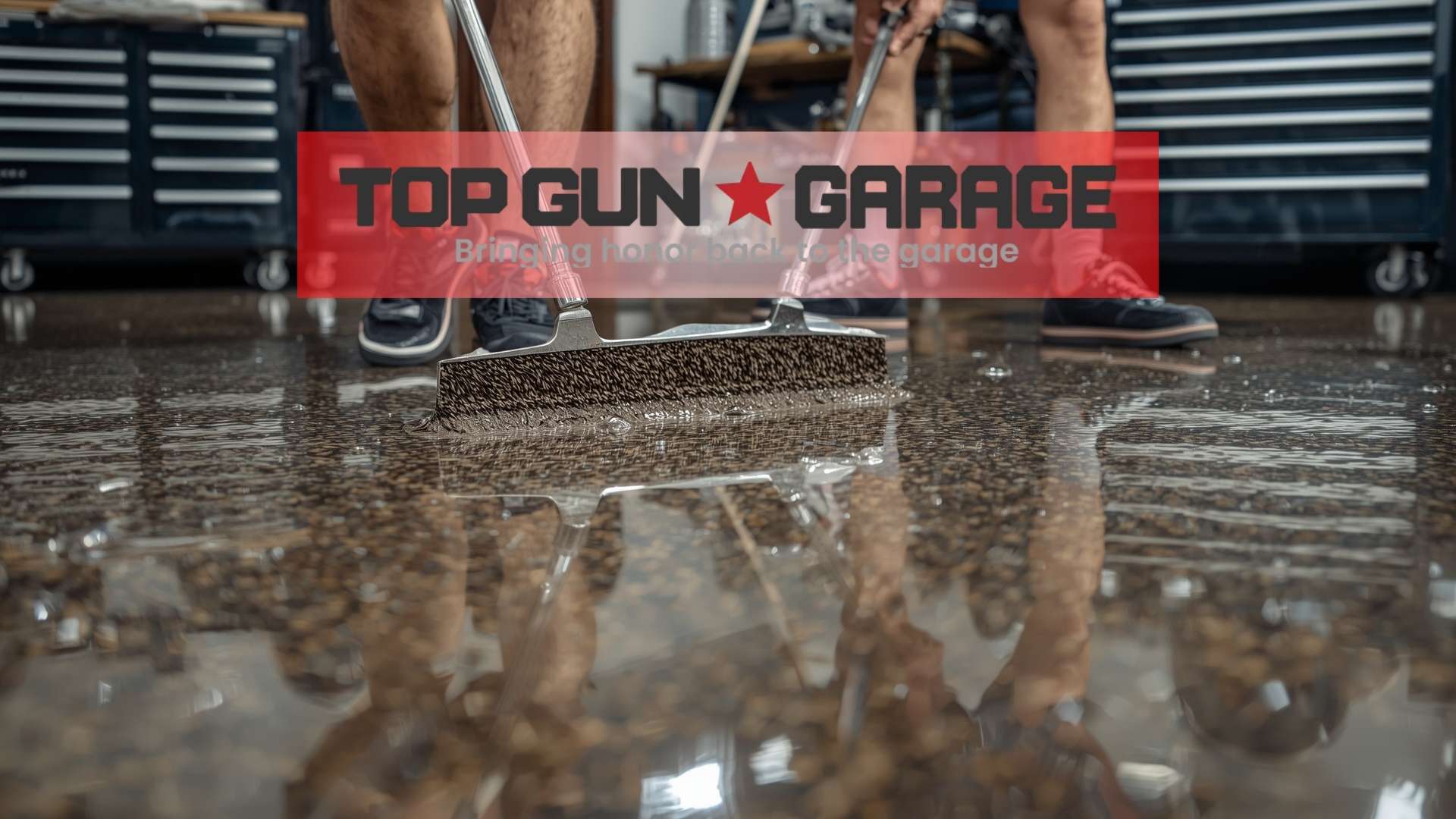
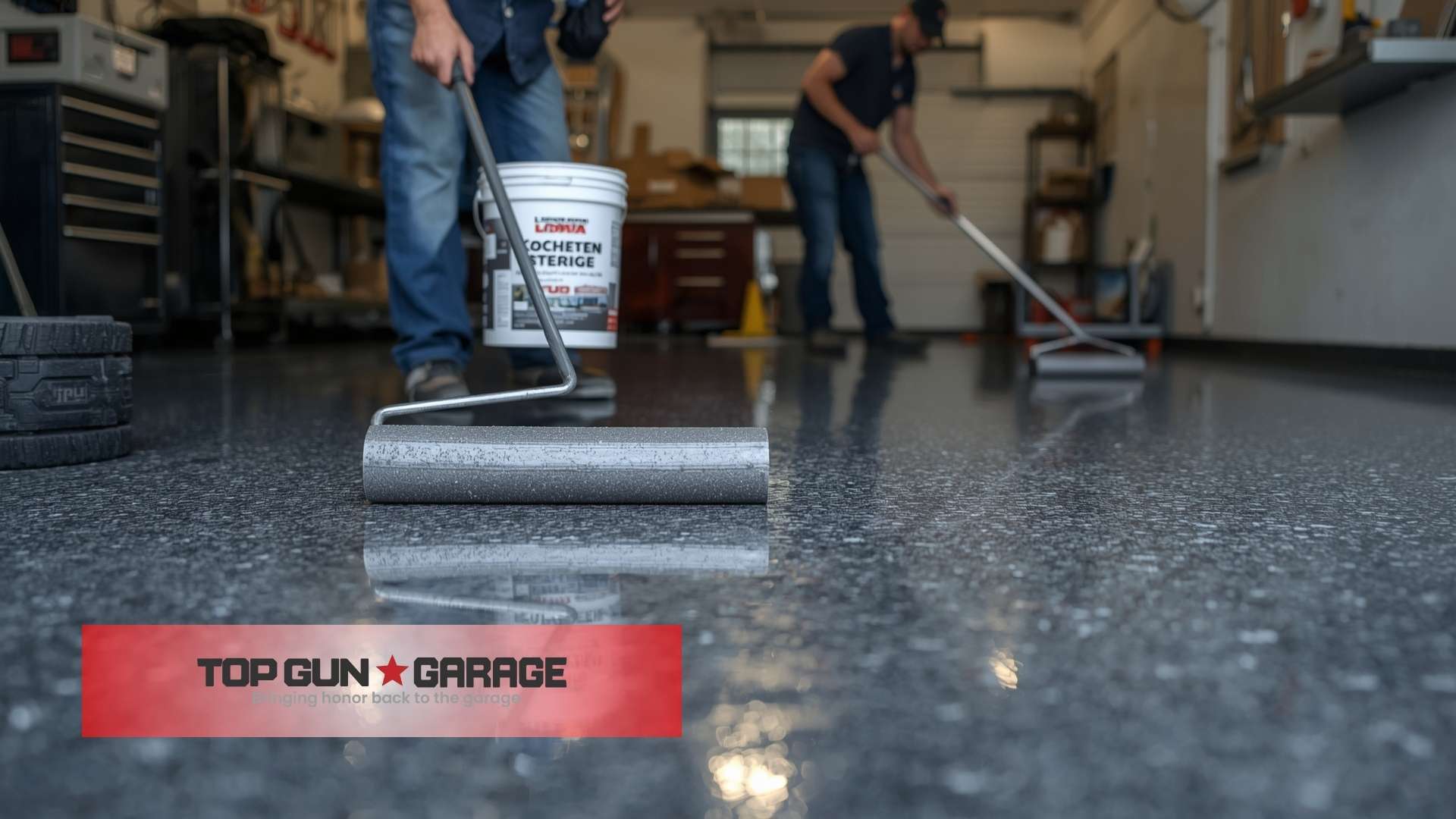
Understanding how the coating process works helps you evaluate contractor thoroughness. A complete process includes concrete repair, surface grinding, cleaning, primer application, base coat, decorative chips or flake application, and topcoat application.
Ask about cure times and when you can walk on the floor versus drive on it. Professional systems typically require 24 hours for foot traffic and 72 hours for vehicles.
Questions About Your Specific Project
9. Will You Inspect My Garage Before Providing a Quote?
Accurate quotes require on-site inspection. Contractors offering quotes based solely on square footage without seeing your garage likely include hidden charges or cut corners during installation.
During inspection, they should check for cracks, spalling, pitting, oil stains, and previous coatings that require removal. Each issue affects preparation requirements and project cost.
10. How Long Will the Project Take?
Standard two-car garage floor coatings typically require one to two days for installation plus cure time. Contractors promising same-day completion often skip preparation steps that ensure coating adhesion.
Ask about the schedule for each phase: preparation, application, and curing. Weather conditions may affect timing, especially during Florida’s rainy season.
11. What Happens If Problems Arise During Installation?
Unexpected issues occur during most projects. Old concrete often reveals hidden damage once grinding begins. Professional contractors explain their approach to unforeseen problems and how they communicate changes affecting cost or schedule.
Get clarification on change order procedures before work begins. Written documentation protects both parties.
Questions About Business Practices
12. What Does Your Warranty Cover?
Warranty terms vary significantly between contractors. Ask for specific written warranty documents covering both materials and workmanship. Understand what actions void the warranty and what the claims process involves.
Compare warranty offerings between contractors. Longer warranties backed by established local businesses provide better protection than lifetime guarantees from companies that may not exist in five years.
13. What Is Your Payment Schedule?
The Federal Trade Commission advises consumers to avoid paying full project costs upfront. Standard payment structures include a deposit (typically 25-50%), progress payment at project midpoint, and final payment upon completion and satisfaction.
Florida law limits contractor deposits in many situations. Be cautious of contractors demanding large upfront payments before materials are delivered.
14. Who Will Actually Perform the Work?
Some contractors subcontract installation to crews with varying experience levels. Ask whether company employees or subcontractors perform the work, and whether the person you’re talking to will supervise the project.
Quality-focused contractors maintain trained crews rather than relying on day laborers or subcontracted workers.
15. Will You Handle Required Permits?
While standard garage floor coatings rarely require permits, some municipalities have specific requirements. Professional contractors know local regulations and handle any necessary paperwork.
Ask whether their work complies with local building codes and what documentation they provide upon completion.
Frequently Asked Questions
What should I do if a contractor refuses to answer these questions? Move on to another contractor. Legitimate professionals welcome detailed questions because it demonstrates you’re a serious customer who values quality work.
How many quotes should I get before deciding? Get at least three written quotes from different contractors. This helps you understand fair pricing for your area and project scope.
Should I choose the lowest bidder? Not automatically. Significantly lower bids often indicate inferior materials, skipped preparation steps, or inexperienced installers. Compare quotes based on what’s included, not just total price.
How can I verify online reviews are legitimate? Look for detailed reviews mentioning specific project aspects. Check multiple platforms including Google, Facebook, and the Better Business Bureau. Contact the local home builders association for complaint records.
What are warning signs of a bad contractor? Red flags include pressure for immediate decisions, cash-only payment demands, no physical business address, unwillingness to provide references, and quotes significantly lower than competitors.
Is epoxy flooring worth the investment? Professional epoxy flooring typically adds value through improved durability, easier maintenance, and enhanced appearance. It often increases home value when properly installed.
How long does professional epoxy last? Quality professional installations last 10-20 years with proper maintenance. Inferior products or poor installation may fail within 2-3 years.
What maintenance does an epoxy floor require? Regular sweeping and occasional mopping with pH-neutral cleaners keeps floors looking new. Avoid harsh chemicals and abrasive cleaning tools. Review proper maintenance procedures for specific recommendations.
Can coating be applied over existing epoxy? Yes, if the existing coating is in good condition and properly prepared. Failing coatings require removal before new application.
When is the best time to schedule installation? Spring and fall offer ideal conditions in Southwest Florida. Moderate temperatures and lower humidity improve curing. Avoid scheduling during peak summer humidity when possible.
Sources
- Florida Department of Business and Professional Regulation – Construction Industry Licensing: https://www2.myfloridalicense.com/construction-industry/
- Federal Trade Commission – How to Avoid Home Improvement Scams: https://www.consumer.ftc.gov/articles/0242-hiring-contractor
Get Your Garage Floor Done Right
Asking these questions protects your investment and ensures professional results. Top Gun Garage welcomes detailed questions because quality work speaks for itself. As a family-owned Southwest Florida company, we provide direct communication with ownership throughout every project.
Get a Free Estimate to see how our coating systems and installation practices compare.