



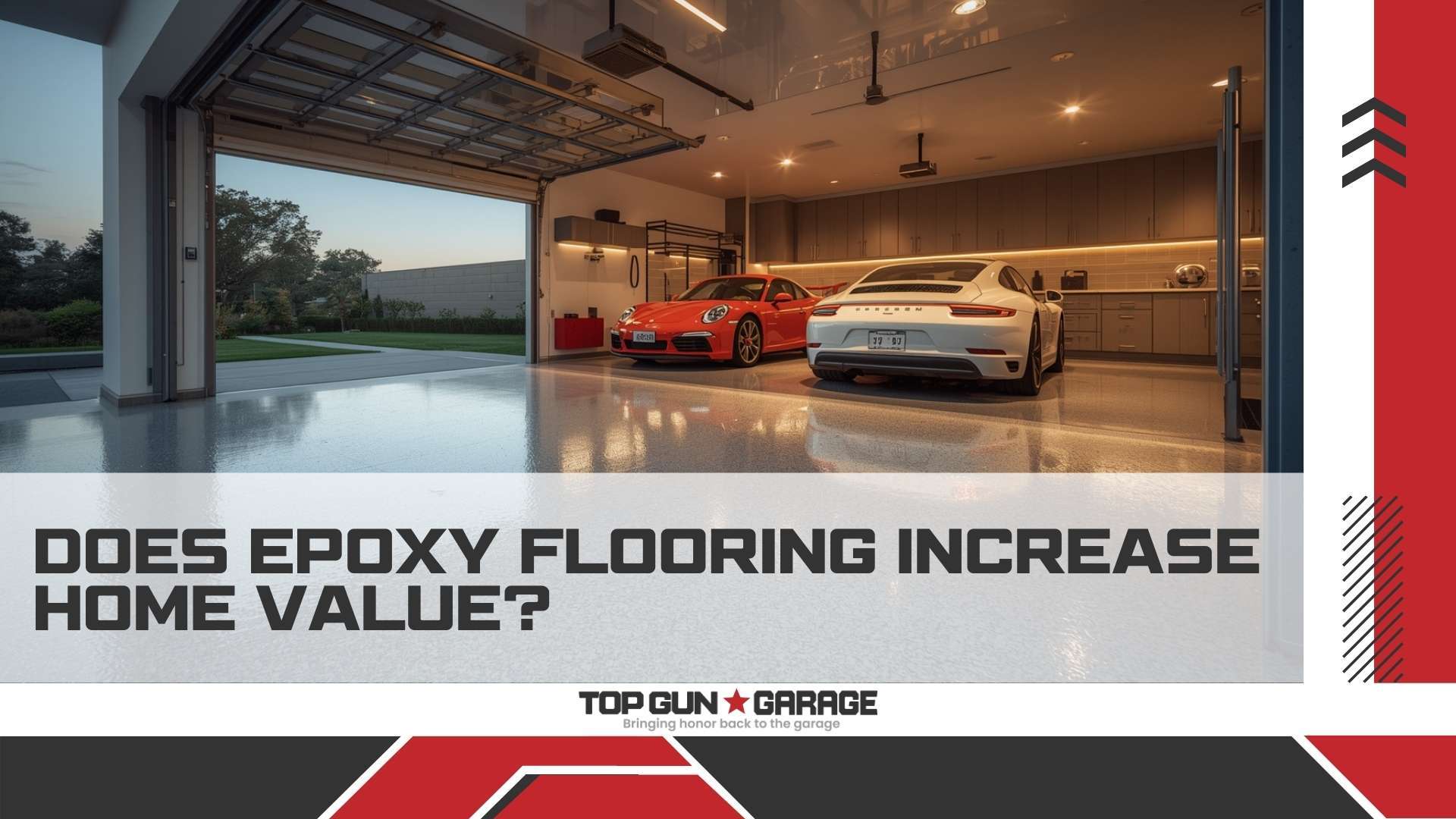
When homeowners consider renovations that boost property value, they often focus on kitchens, bathrooms, or curb appeal improvements. However, one often-overlooked upgrade that can significantly impact your home’s worth is epoxy flooring. This durable, attractive flooring solution has gained tremendous popularity in recent years, particularly for garages, basements, and commercial spaces within residential properties.
The question “does epoxy flooring increase home value” has become increasingly relevant as more homeowners discover the benefits of this versatile flooring option. Unlike traditional concrete floors that can appear dull and industrial, epoxy flooring transforms spaces into polished, professional-looking areas that appeal to potential buyers and add functional value to your property.
Epoxy flooring consists of a two-part system combining epoxy resin with a polyamine hardener. When these components cure, they create an extremely durable, chemical-resistant surface that can withstand heavy traffic, impacts, and various environmental conditions. This durability factor alone contributes significantly to the epoxy flooring home value proposition, as buyers recognize they won’t need to replace or extensively maintain these floors for many years.
The aesthetic transformation that epoxy flooring provides is equally impressive. Available in countless colors, patterns, and finishes, epoxy can mimic expensive materials like marble or granite while providing superior performance characteristics. This visual appeal extends beyond mere aesthetics – it signals to potential buyers that the property has been well-maintained and upgraded with quality materials.
Professional installation by experienced contractors ensures that epoxy flooring delivers maximum value returns. The process involves proper surface preparation, precise mixing of components, and expert application techniques that create a seamless, long-lasting finish. When done correctly, epoxy flooring can last decades with minimal maintenance, making it an attractive feature for value-conscious buyers.
Understanding the various factors that influence how epoxy flooring impacts home value helps homeowners make informed decisions about this investment. From installation costs and quality considerations to market preferences and regional variations, multiple elements determine the ultimate return on investment for epoxy flooring projects.
Key Takeaways
Significant Value Addition: Epoxy flooring typically increases home value by 2-8% when professionally installed in appropriate spaces, with garage applications showing the highest returns on investment.
Durability Factor: The exceptional longevity of epoxy flooring (15-30 years with proper maintenance) appeals to buyers who value low-maintenance features and long-term cost savings.
Aesthetic Enhancement: Modern epoxy systems offer unlimited design possibilities, transforming utilitarian spaces into attractive, finished areas that expand usable living space.
Functional Benefits: Beyond appearance, epoxy flooring provides practical advantages including chemical resistance, easy cleaning, slip resistance, and protection for underlying concrete substrates.
Market Appeal: Homes with epoxy flooring often sell faster than comparable properties, as buyers appreciate move-in-ready spaces that don’t require immediate flooring upgrades.
Cost-Effectiveness: With installation costs ranging from $3-12 per square foot, epoxy flooring offers excellent value compared to other premium flooring options while delivering superior performance.
Professional Installation Importance: Quality installation by experienced contractors ensures maximum value returns and prevents costly failures that could negatively impact property value.
Versatile Applications: While garages show the highest value returns, epoxy flooring in basements, workshops, and utility areas also contributes positively to overall property value assessments.
Overview of Epoxy Flooring Value Impact
The relationship between epoxy flooring and home value operates on multiple levels, combining immediate aesthetic improvements with long-term functional benefits that appeal to today’s discerning buyers. Real estate professionals consistently report that homes featuring quality epoxy flooring installations command higher prices and generate more buyer interest than comparable properties with standard concrete floors.
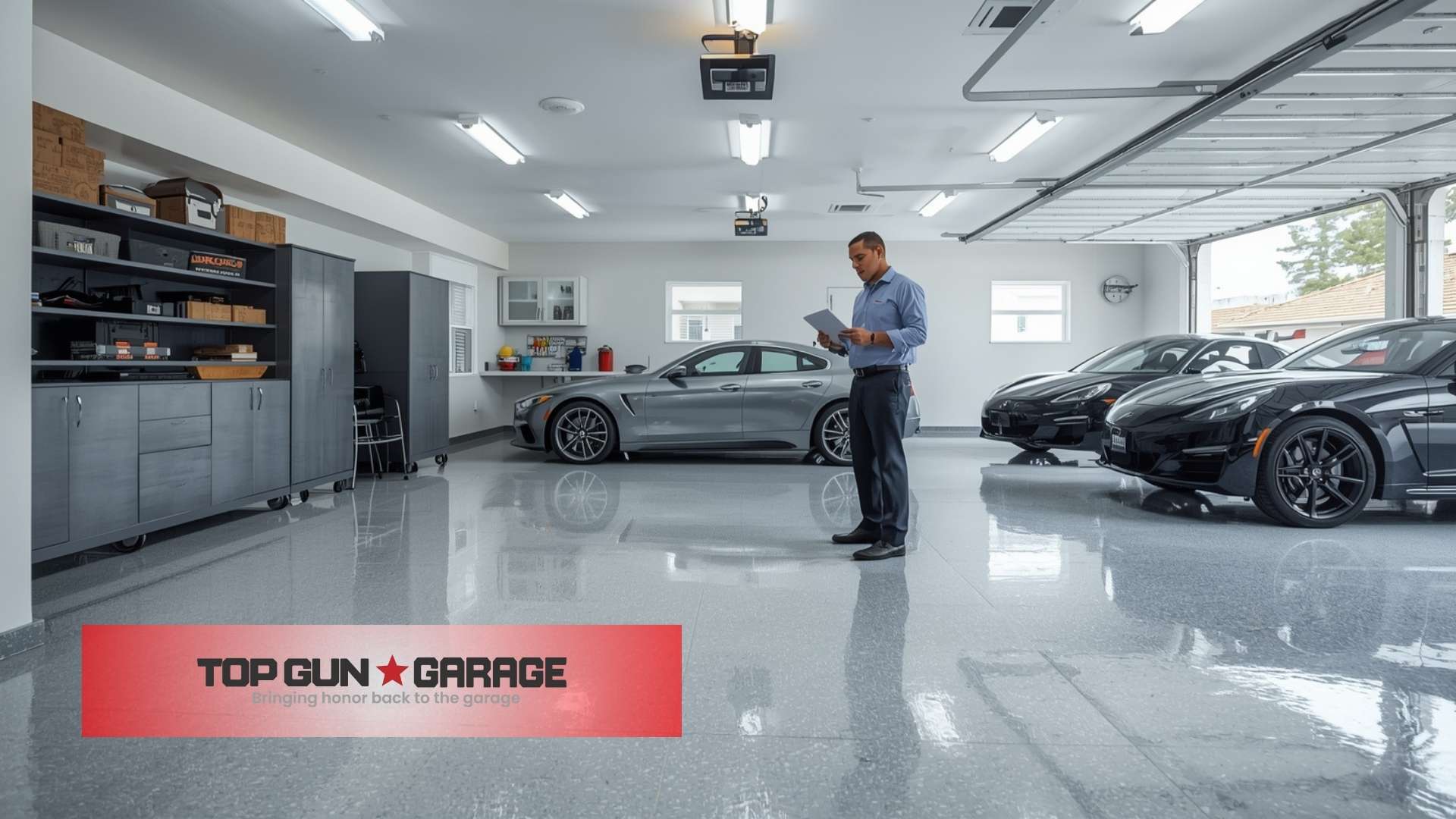
Market research indicates that epoxy flooring installations typically recover 65-85% of their initial cost in immediate property value increases, with the potential for full cost recovery or profit in strong real estate markets. This return on investment compares favorably to many other home improvement projects, particularly when considering the relatively low initial investment required for epoxy flooring.
The value impact varies significantly based on application area, with garage epoxy flooring showing the strongest returns. Garages represent valuable square footage that buyers increasingly view as multipurpose spaces rather than simple vehicle storage. A professionally finished garage with epoxy flooring can serve as a workshop, exercise area, or even entertainment space, effectively expanding the home’s functional living area.
Geographic factors also influence epoxy flooring home value impacts. In regions with harsh weather conditions, buyers particularly appreciate the protective qualities of epoxy flooring, which prevents concrete deterioration from salt, chemicals, and moisture. Similarly, areas with strong DIY cultures or high concentrations of automotive enthusiasts often show premium valuations for homes with epoxy garage floors.
The quality differential between professional and DIY installations significantly affects value returns. While DIY kits exist, professional installations deliver superior durability, appearance, and longevity that appraisers and buyers recognize. Professional contractors ensure proper surface preparation, use commercial-grade materials, and provide warranties that add credibility to the improvement.
Financial Returns and Investment Analysis
Analyzing the financial impact of epoxy flooring requires examining both immediate property value increases and long-term cost benefits that contribute to overall investment returns. Professional appraisers typically add $2,000-8,000 to home valuations for quality epoxy flooring installations, depending on the scope of work and local market conditions.
The cost-to-value ratio for epoxy flooring compares exceptionally well to other home improvements. While kitchen remodels might cost $25,000-50,000 with 60-70% cost recovery, a comprehensive garage epoxy flooring project costing $2,000-5,000 often recovers 70-90% of its cost immediately, with potential for appreciation over time as the flooring ages gracefully.
Long-term financial benefits extend beyond initial value increases. Epoxy flooring eliminates the need for regular concrete sealing, reduces cleaning time and costs, and prevents expensive concrete repairs caused by chemical damage or moisture infiltration. These ongoing savings compound over time, improving the total return on investment.
Insurance considerations also factor into the financial equation. Some insurance companies offer premium reductions for homes with epoxy flooring in garages and basements, recognizing the reduced risk of slip-and-fall accidents and water damage. While these savings may seem modest individually, they contribute to the overall financial benefit of epoxy flooring installation.
Market timing influences value returns significantly. Installing epoxy flooring during strong real estate markets maximizes immediate value gains, while installations during slower markets position properties advantageously for future appreciation. The key lies in understanding that epoxy flooring represents a permanent improvement that continues providing value regardless of short-term market fluctuations.
Regional cost variations affect both installation expenses and value returns. Urban markets with higher labor costs see greater absolute value increases, while rural areas might show higher percentage returns due to lower initial installation costs. Understanding local market dynamics helps homeowners optimize their epoxy flooring investment timing and scope.
Financing options for epoxy flooring projects include cash payments, home equity loans, or inclusion in larger renovation projects. The relatively modest cost of epoxy flooring often allows homeowners to pay cash, avoiding interest charges and maximizing net returns. However, the strong value returns can justify financing for homeowners seeking to maximize their property’s market position.
Aesthetic and Functional Value Additions
The aesthetic transformation that epoxy flooring provides extends far beyond simple floor covering, creating sophisticated spaces that fundamentally change how buyers perceive and value different areas of a home. Modern epoxy systems offer virtually unlimited design possibilities, from subtle solid colors that complement existing décor to dramatic metallic finishes that create stunning visual effects.
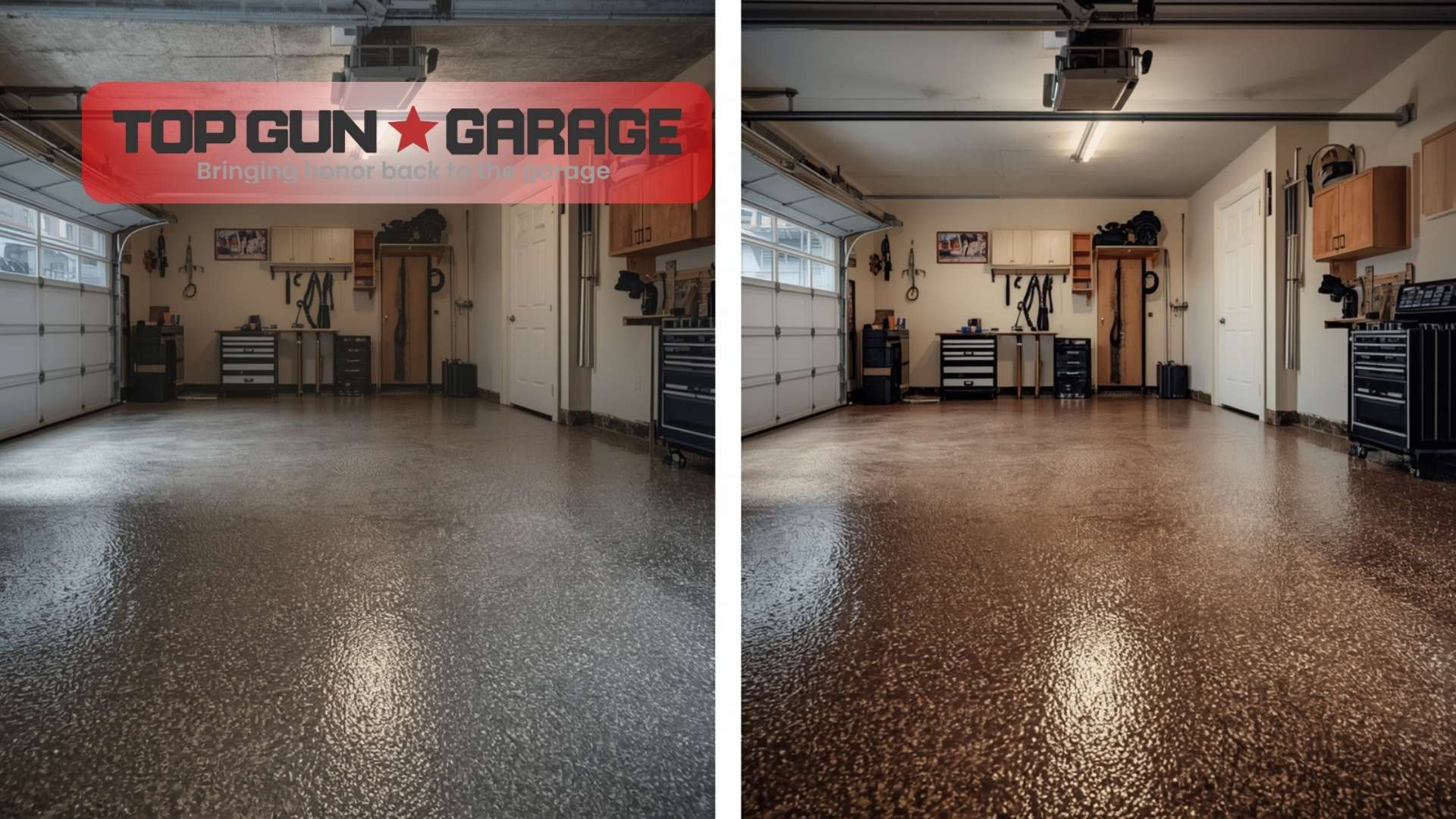
Color psychology plays a crucial role in how epoxy flooring influences perceived value. Light colors like white, light gray, or beige make spaces appear larger and brighter, while darker colors create sophisticated, upscale appearances that suggest luxury and attention to detail. Neutral colors provide the broadest market appeal, ensuring that the flooring enhancement appeals to diverse buyer preferences.
Decorative options including color flakes, metallic additives, and quartz broadcasting create unique visual textures that distinguish properties from standard offerings. These decorative elements don’t just improve appearance – they also provide practical benefits like enhanced slip resistance and additional durability, combining form and function in ways that buyers appreciate.
The seamless nature of epoxy flooring eliminates grout lines, cracks, and joints where dirt and moisture can accumulate. This characteristic creates cleaner, more hygienic spaces that appeal particularly to buyers with allergies or cleanliness concerns. The smooth surface also reflects light more effectively than textured concrete, improving illumination and reducing lighting costs.
Functional benefits significantly contribute to epoxy flooring home value. Chemical resistance protects against automotive fluids, cleaning products, and other substances that would permanently stain or damage concrete. This protection is particularly valuable in garages, where oil stains and tire marks can create unsightly, permanent damage to untreated concrete floors.
Temperature resistance allows epoxy flooring to perform consistently across wide temperature ranges without cracking or deteriorating. This stability is especially important in regions with extreme seasonal temperature variations, where concrete expansion and contraction can cause traditional floor coatings to fail prematurely.
Maintenance simplicity represents a major selling point for busy homeowners. Epoxy floors require only basic cleaning with mild detergents and water, eliminating the need for special treatments, waxing, or periodic refinishing. This low-maintenance characteristic appeals strongly to buyers who value convenience and time savings.
Market Perception and Buyer Appeal
Understanding how potential buyers perceive epoxy flooring helps explain its positive impact on home values and market appeal. Real estate agents consistently report that homes with epoxy flooring generate more showings, receive higher offers, and sell faster than comparable properties with standard concrete floors.
The “wow factor” of quality epoxy flooring creates memorable impressions during property showings. Buyers often comment specifically on attractive epoxy floors, viewing them as indicators of overall property quality and maintenance standards. This positive first impression influences buyers’ perceptions of the entire property, potentially affecting their willingness to pay premium prices.
Move-in readiness represents a significant advantage in competitive markets. Buyers appreciate properties that don’t require immediate improvements or upgrades. Epoxy flooring signals that garage and basement spaces are finished and functional, eliminating buyer concerns about additional costs or renovation projects after purchase.
Demographic trends favor epoxy flooring adoption and value appreciation. Younger buyers, particularly millennials and Gen X homeowners, show strong preferences for low-maintenance, high-performance features. These demographics often prioritize functional improvements over purely cosmetic upgrades, making epoxy flooring’s combination of aesthetics and performance particularly appealing.
Professional perception also influences market value. Home inspectors, appraisers, and real estate professionals recognize quality epoxy installations as legitimate improvements that add tangible value. This professional recognition translates into formal valuation increases and positive marketing messaging that benefits sellers.
Competitive differentiation becomes increasingly important in markets with multiple similar properties. Epoxy flooring provides a distinctive feature that sets properties apart from standard offerings, potentially reducing time on market and supporting higher asking prices. This differentiation is particularly valuable in subdivision markets where homes share similar layouts and features.
The perception of luxury associated with high-quality epoxy flooring influences buyer psychology and price sensitivity. Buyers often associate glossy, seamless floors with upscale commercial spaces or luxury homes, creating positive associations that support premium pricing. This psychological factor can be as important as functional benefits in determining value impact.
Installation Quality and Professional Considerations
The quality of epoxy flooring installation directly correlates with its impact on home value, making professional contractor selection one of the most critical factors in maximizing investment returns. Top Gun Garage specializes in professional epoxy flooring installations that deliver the durability, appearance, and longevity that buyers expect from premium floor systems.
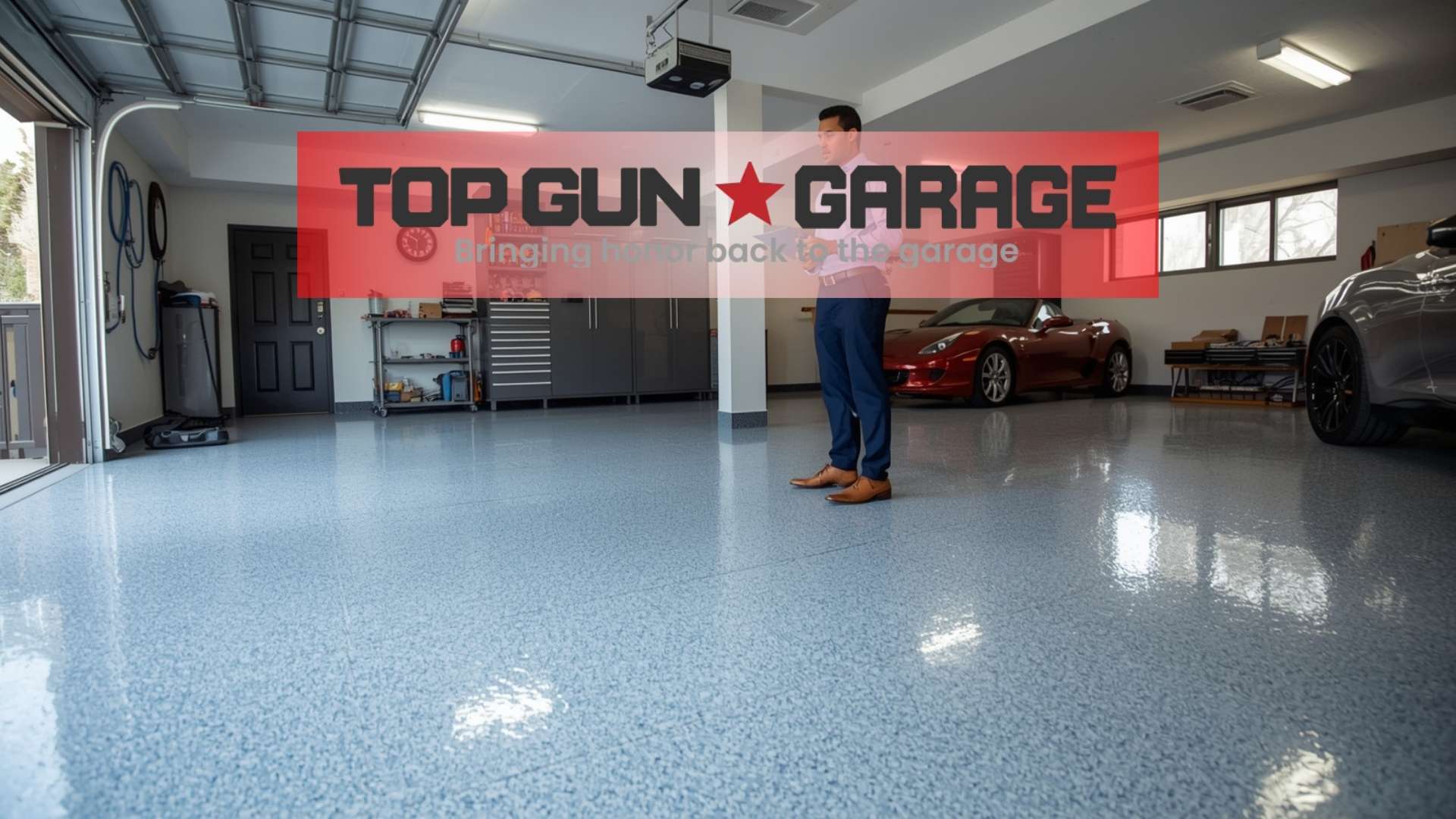
Surface preparation represents the foundation of successful epoxy flooring projects. Professional contractors understand that proper concrete preparation, including cleaning, repair, and profile creation, determines the long-term performance and appearance of the finished floor. Inadequate preparation leads to premature failure, potentially creating negative value impacts that exceed the original installation costs.
Material quality varies significantly between professional and consumer-grade products. Professional contractors use commercial-grade epoxy systems designed for demanding applications, while DIY products often compromise on performance to achieve lower price points. These quality differences become apparent over time, affecting both appearance and durability in ways that influence property values.
Application expertise ensures proper mixing ratios, optimal environmental conditions, and correct curing procedures that maximize epoxy flooring performance. Professional installers understand how temperature, humidity, and timing affect final results, adjusting their procedures to achieve consistent, high-quality outcomes regardless of installation conditions.
Warranty coverage provides additional value and buyer confidence. Professional installations typically include comprehensive warranties covering both materials and workmanship, while DIY installations offer no recourse for problems or failures. These warranties represent tangible value that appraisers and buyers recognize when evaluating properties.
Code compliance and permit requirements vary by location but often apply to significant flooring projects. Professional contractors ensure that installations meet local building codes and obtain necessary permits, protecting homeowners from potential legal issues that could affect property transfers or insurance coverage.
The timing of professional installations can be coordinated with other home improvement projects to maximize overall value returns and minimize disruption. Experienced contractors work efficiently around other trades and can recommend complementary improvements that enhance the overall impact of epoxy flooring installations.
Frequently Asked Questions
How much does epoxy flooring typically increase home value?
Epoxy flooring generally increases home value by 2-8%, with most installations recovering 65-85% of their cost in immediate property value increases. The exact amount depends on the scope of work, local market conditions, and installation quality.
Which areas of the home benefit most from epoxy flooring in terms of value?
Garages show the highest value returns from epoxy flooring, followed by basements and workshop areas. These spaces benefit most because epoxy transforms utilitarian areas into attractive, functional spaces that expand usable living area.
Does epoxy flooring home value increase justify the installation cost?
Yes, epoxy flooring typically provides excellent return on investment compared to other home improvements. The combination of immediate value increases, long-term durability, and reduced maintenance costs creates strong financial justification for quality installations.
How long does epoxy flooring last, and does longevity affect home value?
Professional epoxy flooring installations last 15-30 years with proper maintenance. This longevity significantly contributes to value because buyers recognize they won’t need floor replacement for decades, reducing their long-term ownership costs.
Do buyers really notice and value epoxy flooring during home shopping?
Absolutely. Real estate agents report that buyers frequently comment positively on epoxy flooring and view it as an indicator of overall property quality. The visual impact creates memorable impressions that influence buying decisions.
What’s the difference between DIY and professional installation regarding home value?
Professional installations provide significantly higher value returns due to superior materials, proper application techniques, and warranty coverage. DIY installations often fail prematurely, potentially creating negative value impacts.
Are there regional differences in how epoxy flooring affects home values?
Yes, regions with harsh weather conditions, strong automotive cultures, or high property values typically show greater value appreciation from epoxy flooring. Local market preferences and climate factors influence buyer demand and value recognition.
Should homeowners install epoxy flooring before selling their home?
Installing epoxy flooring before selling can be highly beneficial, particularly in competitive markets. The improvement helps properties stand out, appeals to buyers seeking move-in-ready homes, and often supports higher asking prices while reducing time on market.
Conclusion
The evidence clearly demonstrates that epoxy flooring does increase home value, providing both immediate financial returns and long-term benefits that appeal to today’s buyers. The combination of aesthetic enhancement, functional improvement, and durability creates a compelling value proposition that consistently delivers positive returns on investment.
Professional installation quality remains crucial for maximizing value returns. Working with experienced contractors like Top Gun Garage ensures that epoxy flooring installations meet the highest standards for appearance, durability, and performance. These quality installations provide the foundation for strong value appreciation and buyer appeal.
The epoxy flooring home value equation extends beyond simple cost recovery calculations. The improvement enhances property marketability, reduces time on market, and creates distinctive features that differentiate homes in competitive markets. These intangible benefits often prove as valuable as direct financial returns.
Market trends favor continued appreciation for epoxy flooring value. As buyers increasingly prioritize low-maintenance, high-performance features, epoxy flooring’s appeal continues growing. This trend suggests that current installations will likely appreciate further over time, improving total returns for homeowners who invest in quality epoxy flooring systems.
For homeowners considering this improvement, the combination of immediate value increases, long-term durability, and enhanced functionality makes epoxy flooring an excellent investment choice. The key lies in choosing quality materials, professional installation, and appropriate applications that maximize both performance and value returns in your specific market conditions.