 Skip to content



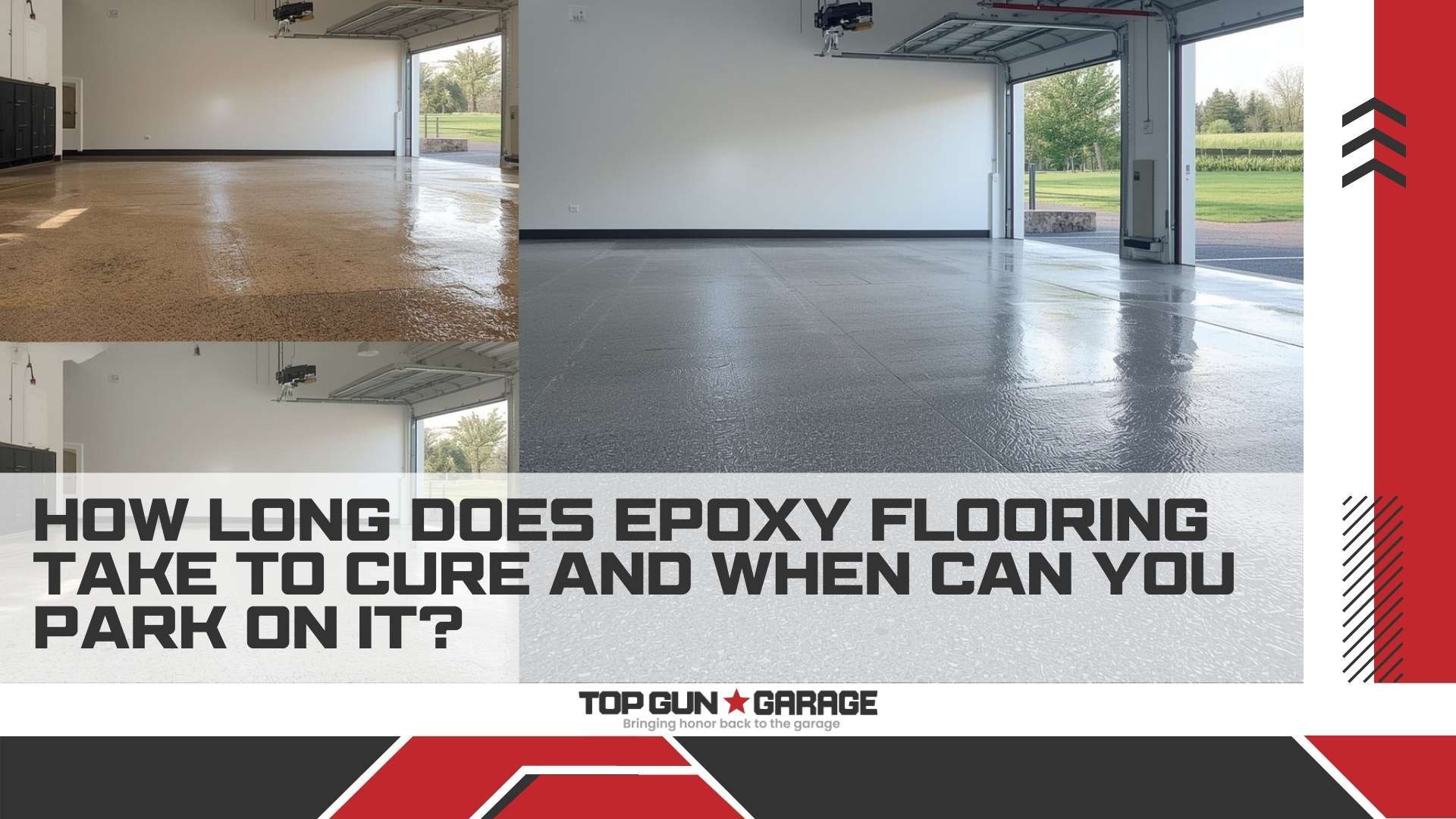
When you’re investing in epoxy flooring for your garage or commercial space, understanding the epoxy flooring curing time is crucial for planning your project timeline and ensuring optimal results. The curing process is more complex than simply waiting for the surface to feel dry to the touch, and rushing this critical phase can compromise the durability and performance of your new floor.
Epoxy flooring has become increasingly popular among homeowners and business owners due to its exceptional durability, chemical resistance, and attractive finish. However, the success of any epoxy installation heavily depends on allowing adequate time for the coating to cure properly. This process involves chemical reactions that continue well beyond the initial application, transforming the liquid epoxy into a hard, resilient surface capable of withstanding heavy traffic and harsh conditions.
The confusion between “dry time” and “cure time” often leads to premature use of epoxy floors, resulting in damage, reduced lifespan, and costly repairs. While an epoxy floor may appear dry and walkable within hours of application, achieving full cure strength requires significantly more time. Understanding this distinction is essential for anyone considering epoxy flooring installation.
Temperature, humidity, epoxy formulation, and coating thickness all play critical roles in determining how long your epoxy floor will take to cure completely. Professional contractors like those at Top Gun Garage understand these variables and can provide accurate timelines based on your specific project conditions and requirements.
This comprehensive guide will walk you through everything you need to know about epoxy curing time explained, from initial tack-free time to full vehicle weight capacity. Whether you’re planning a DIY project or working with professional installers, this information will help you make informed decisions and protect your investment in quality flooring.
Key Takeaways
-
Initial Walk Time: Most epoxy floors can handle light foot traffic within 12-24 hours of application, but this doesn’t indicate full cure strength.
-
Vehicle Parking Timeline: Wait at least 72 hours before parking vehicles on new epoxy flooring, with some formulations requiring up to 7 days for full cure.
-
Temperature Impact: Cooler temperatures significantly extend curing times, while excessive heat can cause curing defects and should be avoided.
-
Humidity Considerations: High humidity levels can interfere with proper curing, potentially leading to surface imperfections and reduced durability.
-
Coating Thickness Matters: Thicker epoxy applications require longer cure times, with decorative flakes or additional topcoats extending the timeline further.
-
Professional vs. DIY: Professional-grade epoxy systems often have different curing characteristics compared to consumer products, typically offering better performance with proper application.
-
Full Chemical Cure: Complete chemical curing can take up to 30 days, though practical use typically begins much earlier based on the application requirements.
-
Environmental Controls: Maintaining proper ventilation and stable environmental conditions during curing is essential for optimal results and can significantly impact timeline expectations.
Understanding Epoxy Flooring Curing Process
The epoxy flooring curing process involves a complex chemical reaction called cross-linking, where the epoxy resin and hardener combine to form a three-dimensional polymer network. Understanding how epoxy bonds at the molecular level reveals the science behind this transformation. This reaction, known as polymerization, begins immediately upon mixing the components and continues for days or even weeks until the coating reaches its maximum strength and durability properties.
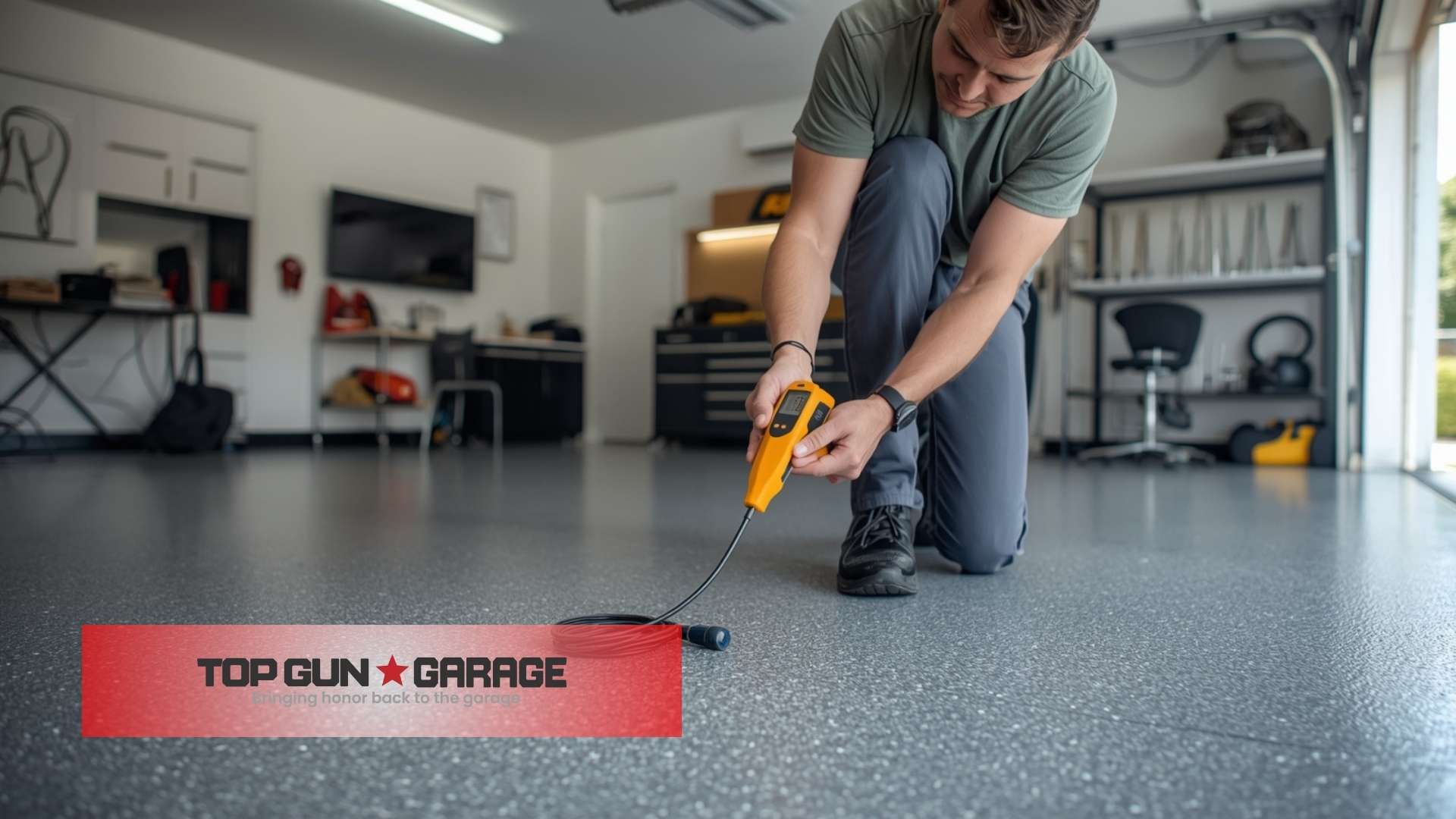
During the initial phase, the mixed epoxy remains workable for a specific pot life, typically ranging from 20 minutes to several hours depending on the formulation and ambient conditions. Once applied to the prepared substrate, the epoxy begins transitioning through several distinct curing stages, each with different characteristics and limitations for use.
The first stage is the gel phase, where the liquid epoxy starts to thicken and lose its ability to flow. This typically occurs within the first few hours and marks the point where the surface should no longer be disturbed. Following the gel phase, the epoxy enters the tack-free stage, where the surface feels dry to light touch but remains soft underneath.
Temperature plays a crucial role throughout this process, with the general rule being that every 18-degree Fahrenheit increase in temperature doubles the reaction rate. Understanding why epoxy floor hardness varies helps explain regional differences in curing. Conversely, cooler temperatures significantly slow the curing process, which is why winter installations often require extended cure times or supplemental heating to achieve proper results.
Understanding these phases helps explain why epoxy flooring curing time varies significantly between projects and why professional contractors emphasize patience during the curing process. Learning why installation sequences can’t be rushed prevents costly mistakes. Rushing this critical period can result in permanent damage to the coating’s integrity and performance characteristics.
Factors Affecting Epoxy Curing Time
Multiple environmental and application factors directly influence how long epoxy flooring takes to cure, making it essential to consider these variables when planning your project timeline. Temperature stands as the most significant factor, with optimal curing occurring between 70-80°F. When temperatures drop below 60°F, the curing process slows dramatically, potentially doubling or tripling the expected timeline.
Humidity levels also play a critical role in epoxy curing time explained. High humidity can interfere with the chemical reaction, particularly in amine-cured systems, leading to surface defects like blushing or carbonate formation. Understanding how Florida humidity changes application windows is crucial for regional projects. Ideal relative humidity levels should remain between 30-50% during application and initial curing phases to ensure optimal results.
The specific epoxy formulation significantly impacts curing characteristics. Fast-cure systems designed for quick turnaround may allow foot traffic within 8-12 hours and vehicle traffic within 24-48 hours. However, these rapid-cure products often sacrifice some performance characteristics compared to standard systems that require longer cure times but offer superior durability and chemical resistance.
Coating thickness represents another crucial variable affecting cure time. Standard epoxy applications typically range from 2-5 mils thick, while decorative systems with color flakes or metallic effects may require multiple coats totaling 10-20 mils or more. Understanding coating thickness requirements ensures optimal performance. Thicker applications trap more heat during the exothermic curing reaction and require additional time for the coating to cure evenly throughout its depth.
Substrate conditions also influence curing performance. Concrete surfaces that are too cold, damp, or contaminated can interfere with proper adhesion and curing. Professional contractors like Top Gun Garage always test substrate conditions before application to ensure optimal curing conditions and long-term performance. Understanding why concrete moisture matters prevents adhesion failures. Proper surface preparation and moisture testing are essential steps that directly impact the final curing timeline and coating quality.
Timeline for Light Traffic and Full Vehicle Use
Understanding the progression from initial application to full-use capability helps set realistic expectations for your epoxy flooring project. The timeline typically follows a predictable pattern, though specific durations vary based on the factors discussed previously. Most professional-grade epoxy systems follow a general schedule that balances cure strength with practical usability requirements.
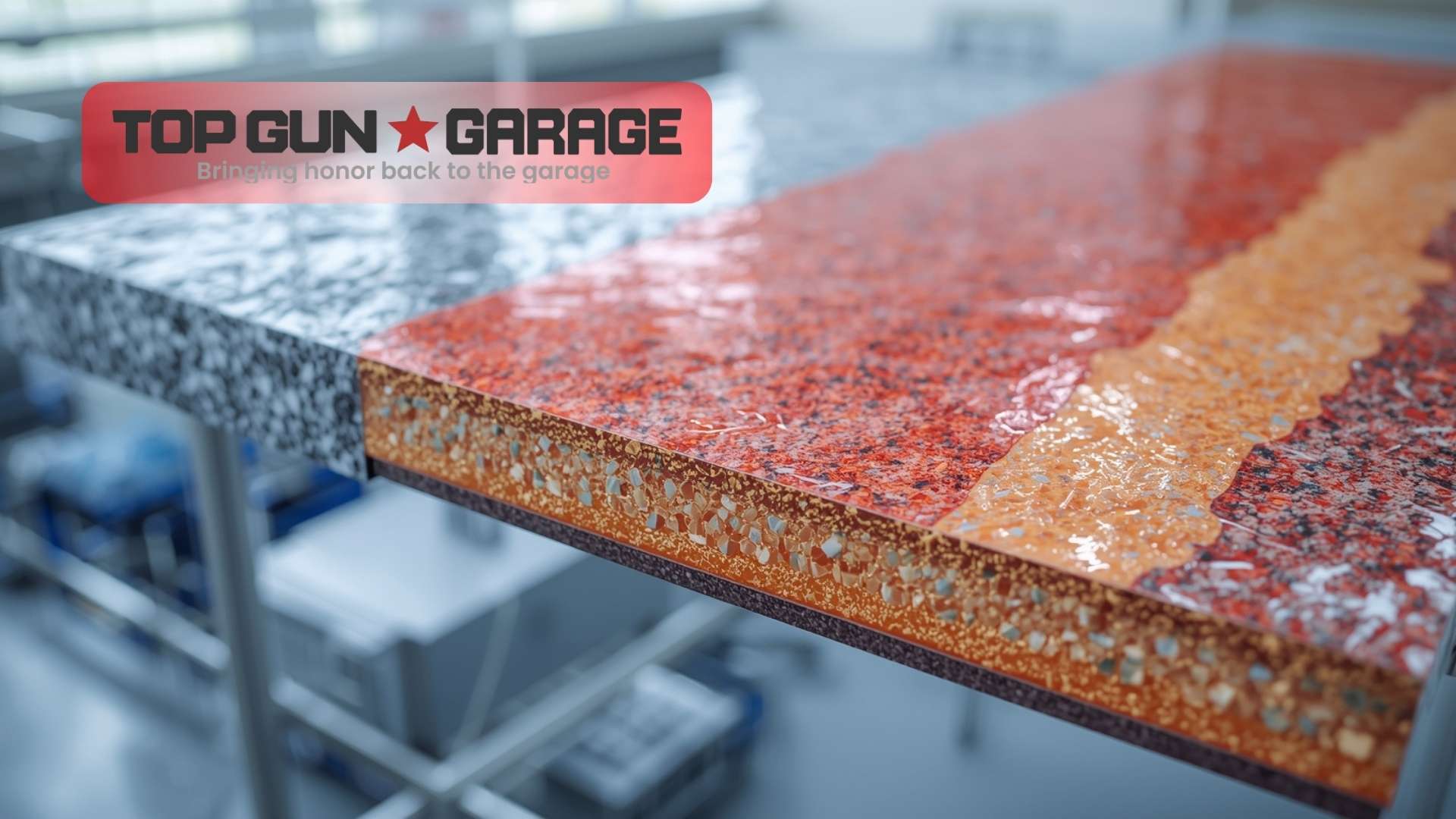
Light foot traffic usually becomes acceptable within 12-24 hours after application, assuming optimal temperature and humidity conditions. During this initial period, the epoxy has achieved sufficient surface hardness to resist damage from normal walking, but heavy objects, dragging, or concentrated loads should still be avoided. This timeframe allows for necessary access while protecting the developing coating integrity.
The critical transition point for vehicle parking typically occurs at the 72-hour mark for standard epoxy systems. At this stage, the coating has developed approximately 80-90% of its ultimate strength, making it capable of supporting vehicle weight without permanent indentation or damage. However, during the first week, it’s advisable to avoid aggressive maneuvers like sharp turns with the parking brake engaged or dropping heavy objects.
Heavy-duty applications, such as commercial garages or industrial facilities, may require extended cure times before full operational use. Understanding the difference between residential and commercial epoxy helps set appropriate timelines. These environments often involve chemical exposure, thermal cycling, and mechanical stress that demand maximum coating performance. Professional contractors typically recommend waiting 5-7 days before subjecting epoxy floors to demanding service conditions.
The complete chemical cure process continues for up to 30 days, during which the epoxy gradually reaches its maximum hardness, chemical resistance, and thermal properties. Understanding how long epoxy floors last with proper curing helps justify patience. While practical use begins much earlier, understanding this extended timeline helps explain why epoxy floors continue to improve in performance over their first month of service. Top Gun Garage provides detailed timelines specific to each project’s conditions and requirements, ensuring clients understand exactly when their floors will be ready for intended use.
Temperature and Humidity Considerations
Environmental conditions during epoxy application and curing significantly impact both the timeline and final quality of your flooring installation. Temperature control represents the most critical factor, as the chemical reaction driving epoxy cure is highly temperature-dependent. Professional installers monitor ambient temperature, substrate temperature, and product temperature to optimize curing conditions and predict accurate timelines.
Cold weather installations present particular challenges for epoxy flooring curing time. When temperatures drop below 60°F, the curing reaction slows substantially, potentially extending cure times by 200-300%. At temperatures below 50°F, some epoxy systems may fail to cure properly, resulting in permanently soft or tacky surfaces. Understanding why epoxy floors require acclimation prevents temperature-related failures. Winter installations often require supplemental heating, specialized cold-cure formulations, or project postponement until favorable conditions return.
Excessive heat also poses problems for epoxy curing. Temperatures above 85°F can accelerate the reaction too rapidly, reducing working time and potentially causing surface defects like cracking, poor leveling, or inadequate penetration into the substrate. Learning about what causes epoxy floor softening in extreme temperatures helps prevent problems. High temperatures also increase the risk of volatile organic compound (VOC) emissions and can create safety concerns for installers working in enclosed spaces.
Humidity management requires equal attention throughout the curing process. High humidity levels above 70% can cause surface contamination in amine-cured epoxy systems, leading to a phenomenon called carbonate blushing that appears as a white, chalky surface film. This contamination not only affects appearance but also reduces the coating’s chemical resistance and durability properties.
Conversely, extremely low humidity below 20% can cause rapid solvent evaporation in some epoxy systems, potentially leading to surface defects or poor flow characteristics. Maintaining stable humidity levels between 30-50% provides optimal conditions for proper curing and surface development. Understanding how proper ventilation affects installation ensures ideal conditions. Professional contractors use dehumidifiers, ventilation systems, and environmental monitoring equipment to maintain ideal conditions throughout the installation and curing process, ensuring predictable timelines and superior results.
Professional Installation vs. DIY Timing Differences
The choice between professional installation and DIY application significantly impacts epoxy flooring curing time and overall project success. Professional contractors like Top Gun Garage use commercial-grade epoxy systems specifically formulated for demanding applications, often featuring different curing characteristics compared to consumer products available at retail stores.
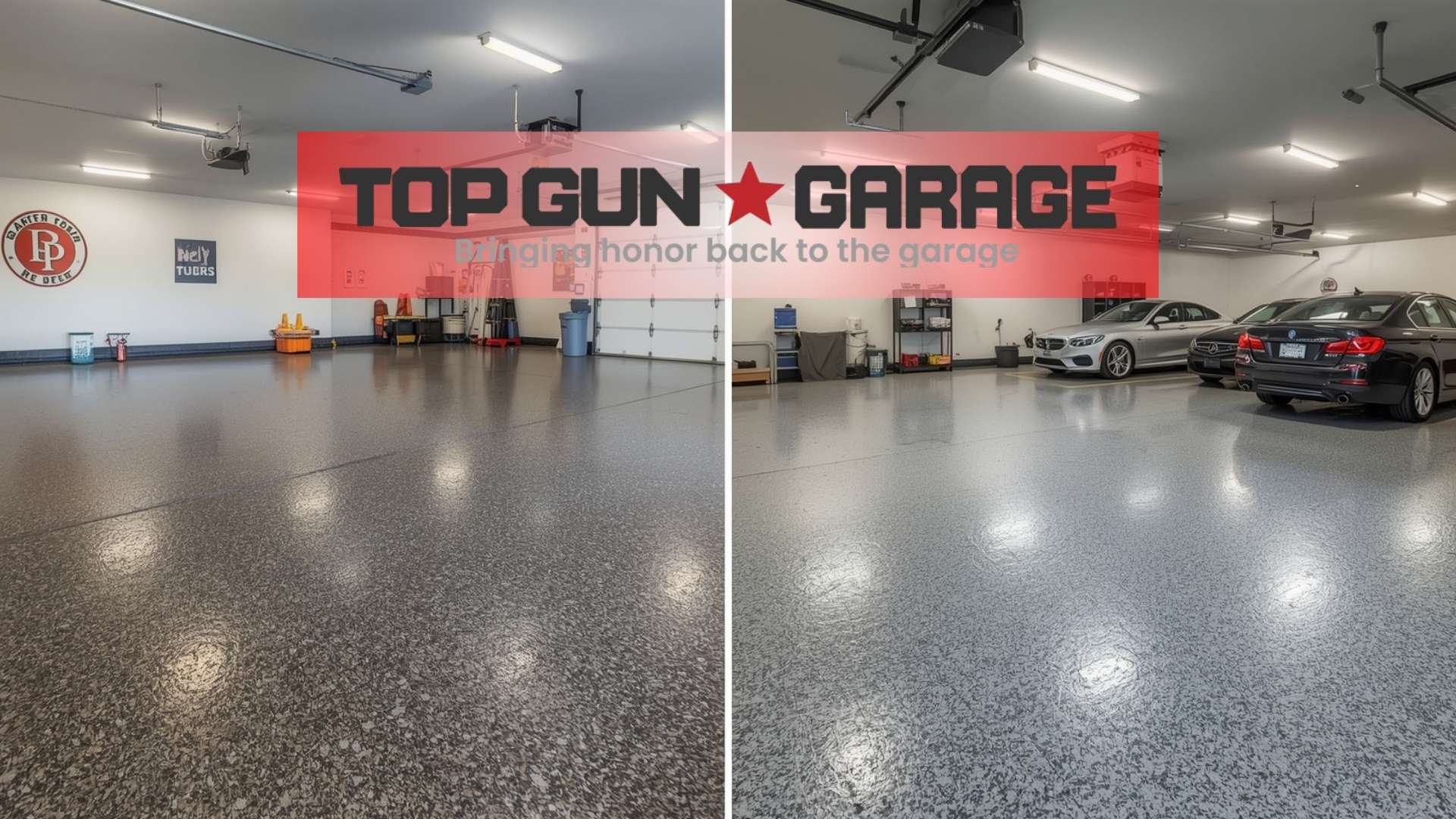
Professional-grade epoxy systems typically offer superior performance but may require longer cure times to achieve their enhanced properties. These systems often incorporate advanced chemistry that provides better chemical resistance, thermal stability, and mechanical properties, but the trade-off involves extended curing schedules. Understanding why professional epoxy floor coating delivers superior results justifies the investment. Professional installers understand these characteristics and plan project timelines accordingly, ensuring clients receive accurate expectations for when their floors will be ready for use.
DIY epoxy products are generally formulated for faster cure times to accommodate homeowner expectations and reduce project complexity. While these systems may allow vehicle traffic within 24-48 hours, they often sacrifice some performance characteristics to achieve rapid curing. The faster cure times can be appealing, but understanding the performance trade-offs helps make informed decisions about product selection.
Environmental control represents another significant difference between professional and DIY installations. Professional contractors have the equipment and expertise to monitor and adjust temperature, humidity, and ventilation throughout the curing process. This control capability allows for more predictable cure times and better final results, even when environmental conditions are less than ideal.
Application thickness and technique also influence curing timelines differently between professional and DIY approaches. Professional installers typically apply epoxy at optimal thickness levels using specialized equipment, ensuring uniform cure rates throughout the coating. DIY applications often result in variable thickness that can create inconsistent curing patterns and unpredictable timeline variations. Understanding how the garage epoxy installation process works reveals professional techniques. The expertise that professional contractors bring to surface preparation, mixing, application, and curing management typically results in more reliable timelines and superior long-term performance, making the investment in professional installation worthwhile for critical applications.
Frequently Asked Questions
How long before I can walk on my new epoxy floor? Most epoxy floors can handle light foot traffic within 12-24 hours of application under optimal conditions. However, avoid wearing shoes with sharp heels or dragging heavy objects during the first 72 hours to prevent surface damage.
When is it safe to park my car on newly installed epoxy flooring? Generally, wait at least 72 hours before parking vehicles on new epoxy flooring. Some high-performance systems may require up to 7 days for full cure strength, so consult with your installer for specific recommendations.
Does cold weather affect epoxy curing time? Yes, cold temperatures significantly slow epoxy curing. Temperatures below 60°F can double or triple cure times, while temperatures below 50°F may prevent proper curing altogether. Professional installers may use heated environments or cold-cure formulations for winter projects.
Can I speed up the epoxy curing process? While gentle heating can accelerate curing, excessive heat can cause defects. The safest approach is maintaining optimal temperature (70-80°F) and humidity (30-50%) conditions. Fast-cure epoxy formulations are available but may sacrifice some performance characteristics.
What happens if I use my epoxy floor too early? Premature use can cause permanent indentations, surface damage, or reduced durability. The coating may appear ready but lack the internal strength needed for intended loads, potentially requiring costly repairs or complete refinishing.
How do I know when my epoxy floor is fully cured? Professional contractors perform hardness tests to verify cure completion. Visual indicators include consistent surface hardness and resistance to thumbnail indentation. Full chemical cure typically takes 30 days, though practical use begins much earlier.
Does humidity affect epoxy curing time? High humidity above 70% can interfere with proper curing and cause surface defects like blushing. Optimal humidity levels between 30-50% ensure proper cure development and surface quality.
Are there different cure times for different epoxy types? Yes, cure times vary significantly between formulations. Fast-cure systems may allow traffic within 24 hours, while high-performance systems may require 5-7 days. Decorative systems with multiple coats typically require longer cure times than single-coat applications.
Conclusion
Understanding epoxy flooring curing time is essential for the success of any epoxy flooring project, whether you’re working with professional contractors or considering a DIY installation. The curing process involves complex chemical reactions that continue well beyond the point where the surface appears dry, and respecting these timelines is crucial for achieving the durability and performance that makes epoxy flooring such a valuable investment.
The key factors affecting cure time – temperature, humidity, coating thickness, and epoxy formulation – all work together to determine when your floor will be ready for various types of use. While light foot traffic typically becomes acceptable within 12-24 hours, vehicle parking requires patience until the 72-hour minimum mark, with some systems requiring even longer cure periods for optimal performance.
Professional installation by experienced contractors like Top Gun Garage offers significant advantages in managing cure times and environmental conditions. Their expertise in product selection, application techniques, and curing management typically results in more predictable timelines and superior long-term performance compared to DIY approaches.
Remember that the complete chemical cure process continues for up to 30 days, during which your epoxy floor gradually reaches its maximum strength and performance characteristics. This extended timeline explains why epoxy floors often improve in performance over their first month of service and why following proper curing protocols is so important for long-term satisfaction with your flooring investment.