 Skip to content




Homeowners comparing garage floor quotes often make costly mistakes by focusing solely on bottom-line pricing without evaluating the complete value proposition. Understanding how to properly perform an epoxy floor quote comparison requires analyzing coating quality, preparation methods, warranty coverage, and contractor expertise not just the final number. Southwest Florida homeowners face unique challenges with humidity and heat that demand specific installation techniques, making quote evaluation even more critical for long-term performance. This comprehensive guide teaches you how to dissect multiple quotes, identify hidden costs, recognize quality indicators, and ultimately select the garage floor solution that delivers the best combination of value, durability, and peace of mind for your investment.
Overview
This article breaks down the essential factors that separate superior garage floor quotes from mediocre ones, helping you make informed decisions that protect your investment. You’ll learn how to decode quote line items, evaluate preparation specifications, assess coating system quality, compare warranty terms, calculate true lifetime costs, and identify red flags that signal potential problems. We’ll cover material specifications, labor quality indicators, timeline considerations, payment structures, and the hidden variables that dramatically affect long-term floor performance and satisfaction.
Key Takeaways
-
Price alone doesn’t determine value—coating quality, preparation methods, and warranties significantly impact long-term cost
-
Detailed quotes specifying materials, preparation steps, and coating brands indicate professional contractors
-
Comprehensive warranties covering labor and materials for 10-15 years demonstrate contractor confidence
-
Surface preparation quality determines 70-80% of coating success and should be thoroughly detailed in quotes
-
Calculate lifetime value by dividing total cost by expected lifespan rather than comparing initial prices
-
Suspiciously low quotes often indicate inferior materials, inadequate preparation, or hidden future costs
-
Professional quotes include moisture testing, proper surface profiling, and climate-appropriate coating systems
Understanding Quote Components Beyond Price
Professional garage floor quotes contain detailed breakdowns showing exactly what you’re paying for at each project stage. Surface preparation methods represent the most critical component, accounting for 40-50% of total project costs and determining whether your floor lasts 3 years or 15 years. Quality quotes specify grinding equipment used, concrete profile depth achieved, crack repair procedures, and whether contractors perform moisture testing before coating application.
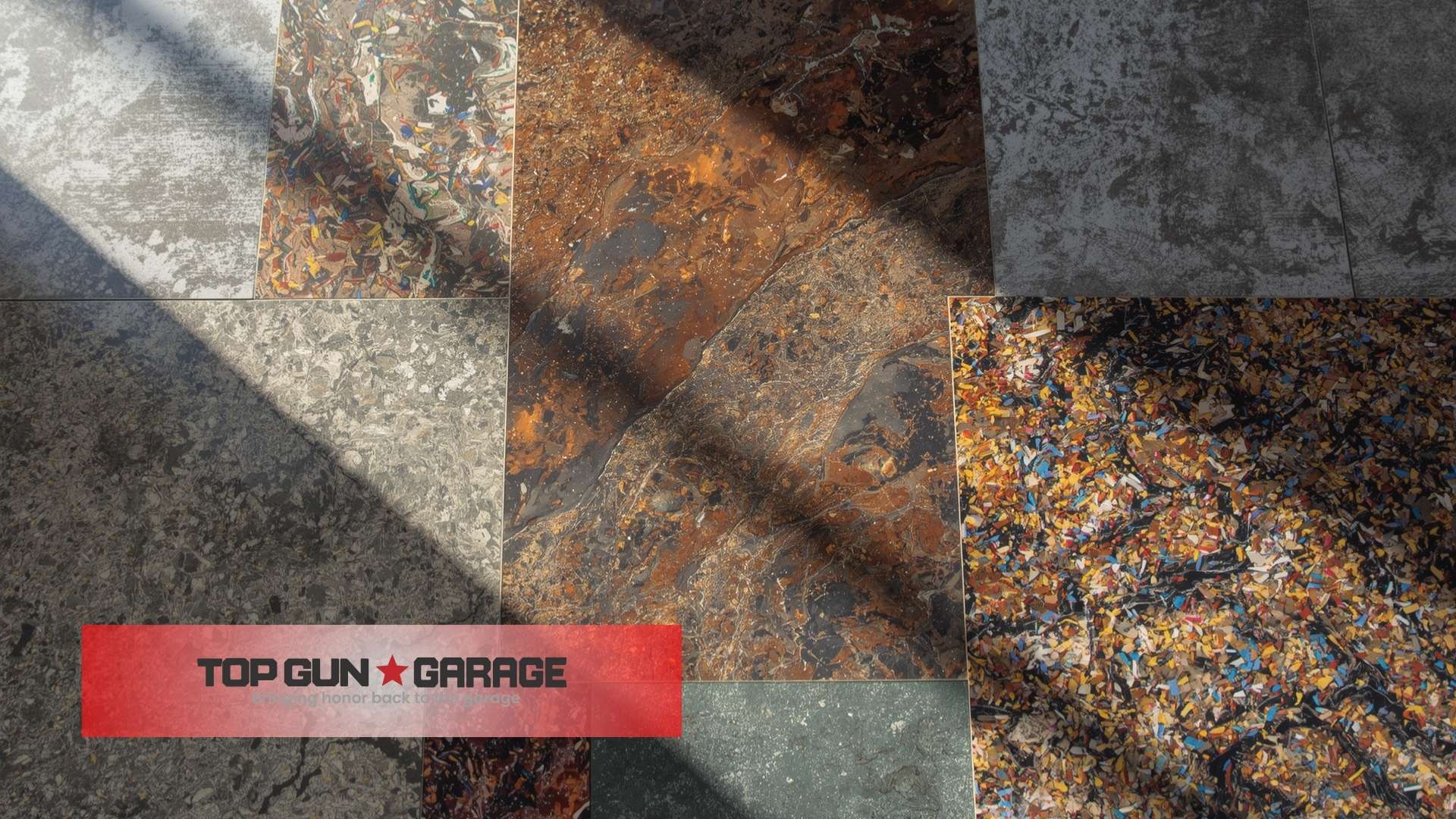
Material specifications separate professional quotes from generic estimates—vague descriptions like “epoxy coating” without brand names, thickness specifications, or system details indicate contractors using whatever products they can source cheapest. Premium quotes identify specific coating manufacturers, product lines, number of coats, mil thickness per layer, and whether systems include polyurea basecoats or moisture barriers for Florida installations. Labor details including crew size, project duration, and cleanup procedures reveal contractor professionalism and help you anticipate disruption to your daily routine.
Evaluating Coating System Quality
The coating system specified in quotes directly determines your floor’s appearance, durability, and resistance to common failure modes like hot tire pickup, yellowing, and delamination. Basic epoxy systems cost $3-5 per square foot but typically last only 3-5 years in demanding climates, while premium polyurea or polyaspartic systems at $8-12 per square foot deliver 10-15 years of service life. Compare coating thickness specifications—professional installations apply minimum 10-15 mils total thickness, whereas budget contractors often use 3-5 mils that wear through quickly under vehicle traffic.
UV stability becomes critical for garages with windows or those used as workshops, as standard epoxy yellows and chalks within 18-36 months of sun exposure. Quality quotes specify UV-stable topcoats or inherently UV-resistant polyurea systems that maintain color integrity for decades. Chemical resistance properties matter for homeowners storing automotive fluids, lawn equipment, or chemicals—ask whether quoted systems resist hot tire pickup, gasoline spills, and cleaning chemicals without softening or staining. Decorative options including color choices, flake systems, metallic finishes, or concrete staining add aesthetic value but shouldn’t compromise coating performance or durability.
Assessing Preparation Specifications
Surface preparation quality determines 70-80% of coating longevity, making this the most important quote section to evaluate carefully. Professional contractors specify diamond grinding to achieve proper concrete profile, typically CSP 2-3 for epoxy and CSP 3-4 for thicker polyurea systems. Inadequate preparation causes 90% of premature coating failures—contractors who skip or minimize grinding detail in quotes likely cut corners during installation as well.
Moisture testing protocols should appear in quotes for Florida installations, where high humidity and vapor transmission cause frequent coating delamination. Professional contractors perform calcium chloride tests or relative humidity testing, then implement moisture mitigation strategies when readings exceed coating tolerance levels. Concrete repairs including crack filling, spall repair, and joint treatment directly affect coating appearance and performance—detailed quotes specify repair methods and materials rather than vague “as needed” language.
Edge preparation, detail work, and proper cleaning procedures complete thorough preparation specifications. Contractors should detail how they handle garage door tracks, control joints, wall edges, and transitions to driveways or living spaces. Inadequate edge work creates vulnerable failure points where coatings peel and moisture infiltrates. Final cleaning methods removing all dust and contaminants ensure coating adhesion—professional contractors use HEPA vacuums and tack cloths rather than simple broom sweeping.
Comparing Warranty Coverage
Warranty terms reveal contractor confidence in their workmanship and materials, serving as perhaps the most reliable quality indicator when comparing quotes. Comprehensive warranties cover both materials and labor for minimum 10-15 years, protecting you from coating failures, delamination, excessive wear, and common issues like hot tire pickup or UV yellowing. Review warranty exclusions carefully—contractors who exclude environmental factors, normal wear, or specific failure modes essentially provide no meaningful protection.
Lifespan expectations vary dramatically by coating system and installation quality, with basic DIY epoxy lasting 1-3 years while professional polyurea systems deliver 15-20 years. Warranty length should align with expected coating lifespan—contractors offering 2-year warranties on systems they claim last 10 years demonstrate lack of confidence in their work. Ask how warranty claims are processed, what documentation you need to maintain, and whether warranty transfers to future homeowners if you sell.
Written warranty documents should accompany quotes, not verbal promises made during consultations. Professional contractors provide clear warranty terms specifying covered issues, claim procedures, and contractor obligations for repairs or replacement. Be extremely cautious of contractors who can’t produce warranty documentation or those whose warranties only cover “manufacturing defects” while excluding installation-related failures.
Calculating True Lifetime Value
Comparing initial quotes without considering expected lifespan and maintenance requirements leads to poor long-term value decisions. A $3,000 epoxy system requiring replacement every 5 years costs $9,000 over 15 years, while a $5,000 polyurea system lasting 15 years delivers superior value despite higher upfront investment. Calculate cost-per-year by dividing total quote by expected lifespan, then factor in maintenance expenses, downtime for replacements, and inflation affecting future recoating costs.
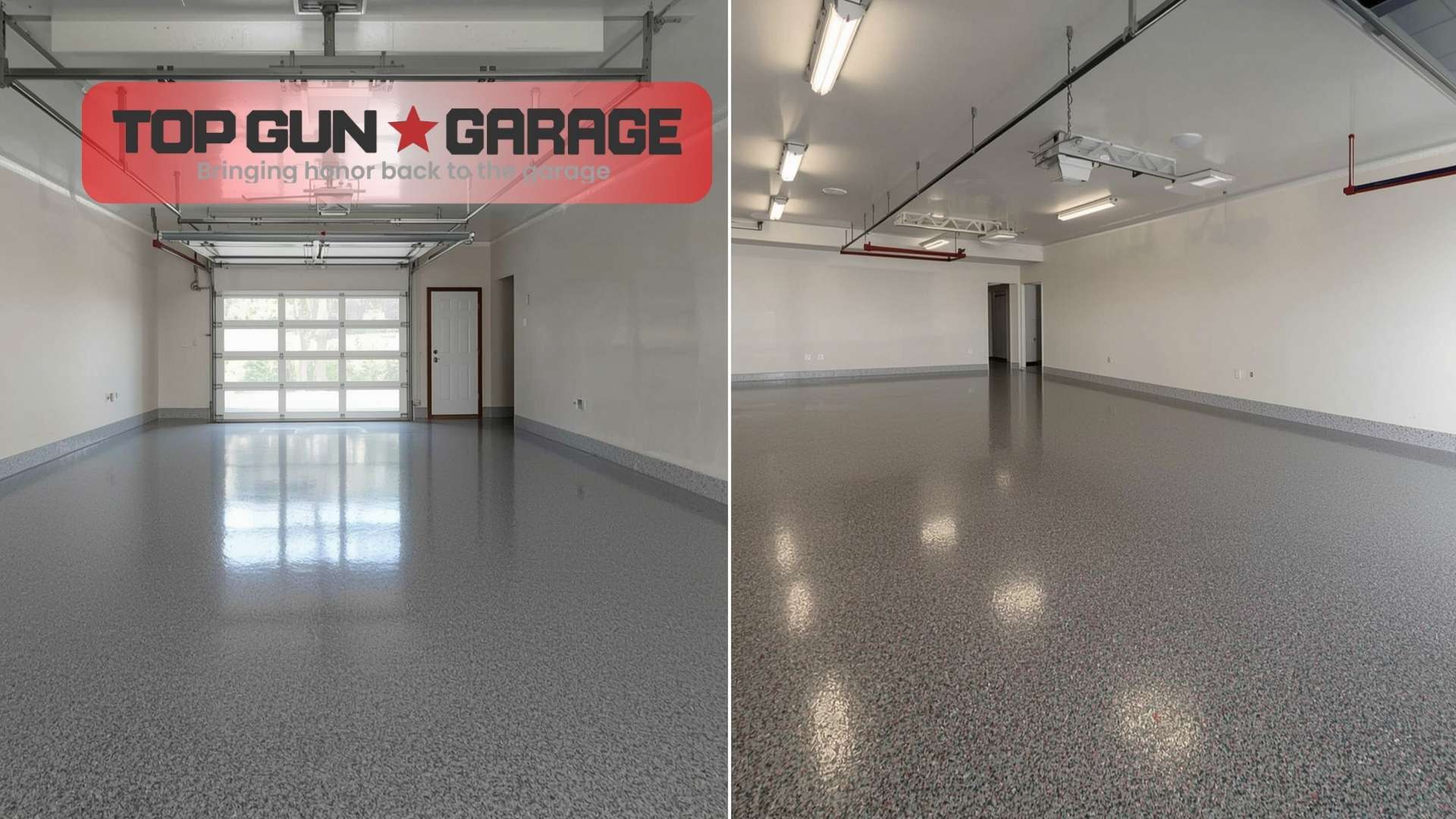
Maintenance requirements vary significantly between coating systems—basic epoxy needs frequent resealing, specialized cleaning products, and extra care preventing tire marks and chemical stains. Premium systems resist staining, require only basic cleaning, and maintain appearance with minimal effort throughout their service life. Factor these ongoing costs into your value calculation when comparing quotes.
Property value considerations add another dimension to lifetime value analysis. High-quality garage floors increase home appeal and resale value, while deteriorated floors detract from property presentation. Professional installations that maintain appearance for 15+ years provide continuous value enhancement, whereas coatings requiring replacement every few years create recurring expenses without sustained benefit.
Identifying Red Flags in Quotes
Suspiciously low quotes—typically 30-50% below competitors—almost always indicate problems that will emerge during or after installation. Budget contractors cut costs through inferior materials, inadequate preparation, minimal crew training, or planning to demand additional payments mid-project for “unforeseen issues.” Professional contractors operate on reasonable profit margins that allow quality materials, proper preparation, and fair wages for skilled installers.
Vague specifications without detailed material brands, preparation methods, or coating system descriptions prevent meaningful quote comparison and give contractors flexibility to substitute inferior products. Professional quotes specify exact coating brands, product lines, application rates, and preparation standards that contractors commit to delivering. Generic language like “standard preparation” or “quality epoxy coating” signals contractors who adapt specifications to maximize profit rather than performance.
Missing license information, insurance certificates, or warranty documentation indicates unprofessional contractors who may lack proper credentials or financial stability to stand behind their work. Legitimate contractors readily provide licensing verification, current insurance certificates, and written warranty terms without hesitation. Pressure tactics demanding immediate decisions, limited-time discounts expiring within 24-48 hours, or cash-only payment requirements represent major warning signs of problematic contractors.
Analyzing Payment Terms and Timeline
Professional payment structures align with project milestones rather than demanding large upfront deposits or full payment before work completion. Typical schedules include 25-30% deposit to secure scheduling and purchase materials, 40-50% at project midpoint after preparation completion, and final 20-25% upon satisfactory completion and your inspection approval. Avoid contractors requesting 50%+ upfront or those demanding full payment before starting work.
Project timelines specified in quotes help you plan for garage access disruption and evaluate contractor efficiency. Professional installations typically require 1-3 days depending on garage size, coating system complexity, and cure times between layers. Extended timelines may indicate contractor scheduling inefficiencies, while unrealistically short schedules could mean rushed preparation or inadequate cure times that compromise coating performance.
Weather contingencies and installation timing considerations matter particularly in Florida, where humidity and temperature affect coating curing. Professional contractors discuss optimal installation windows, how weather might affect scheduling, and their policies for delays due to unsuitable conditions. Quotes should specify temperature and humidity ranges required for proper installation, demonstrating contractor commitment to quality over simply collecting payment.
Questions to Ask Before Accepting
Request detailed explanations of preparation methods including grinding equipment used, concrete profile specifications, and moisture testing procedures. Professional contractors eagerly explain their process, demonstrate expertise through detailed answers, and welcome questions about techniques and materials. Evasive responses or inability to provide specific preparation details indicates insufficient expertise or intentional corner-cutting.
Ask contractors why they recommend specific coating systems for your situation, what alternatives they considered, and how their recommendation addresses your climate and usage patterns. Quality contractors discuss options including solid color systems, flake systems, metallic finishes, and polyurea alternatives, explaining pros and cons of each rather than pushing one universal solution.
Verify contractor experience with installations in similar climates and conditions—Florida-specific expertise matters significantly for preventing moisture-related failures and humidity challenges. Ask for references from recent projects in your area, inquire about installer training and certifications, and confirm they understand regional concrete characteristics affecting coating performance.
Making Your Final Decision
Compare all gathered information including material specifications, preparation details, warranty terms, contractor credentials, and your overall impression of professionalism and expertise. Create a comparison spreadsheet listing key factors—coating system, preparation methods, warranty length, total cost, and cost-per-year—allowing objective evaluation beyond initial price differences. Weight factors according to your priorities, whether that’s maximum durability, aesthetic appeal, shortest installation time, or best overall value.
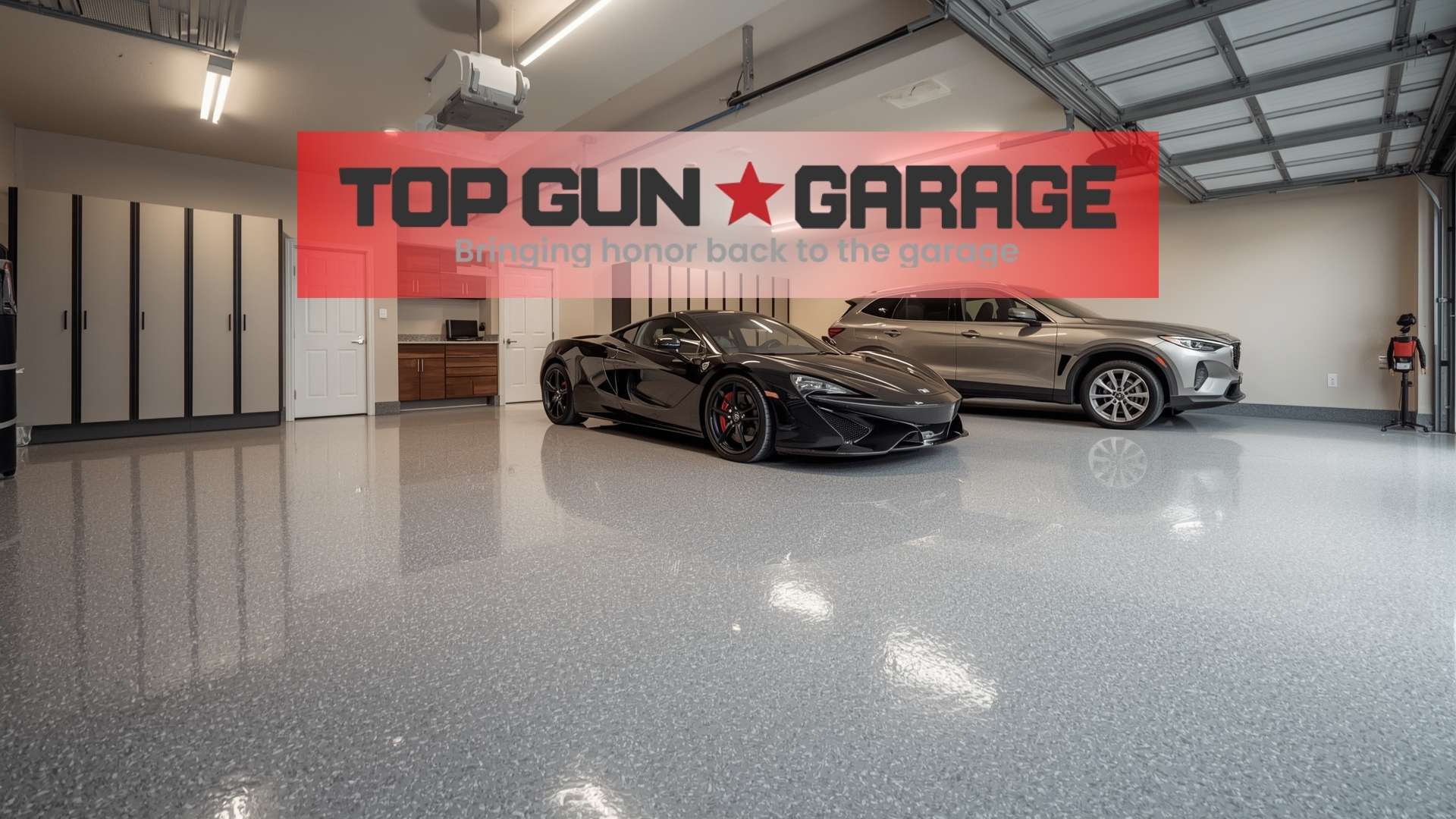
Schedule follow-up consultations with your top 2-3 contractor choices to clarify any remaining questions, negotiate final terms, and ensure complete understanding before signing contracts. Professional contractors welcome this thorough evaluation process, provide additional information willingly, and make negotiations straightforward and transparent. Review final contracts carefully, ensuring all verbal agreements appear in writing, specifications match quote details, and payment terms align with milestones.
Trust your instincts about contractor professionalism, communication quality, and overall comfort level with each company. The contractor-homeowner relationship continues through installation and warranty period, so selecting someone you feel confident communicating with matters beyond just specifications and pricing. Contractors demonstrating patience, thoroughness, and genuine interest in your satisfaction typically deliver superior results and pleasant project experiences.
Frequently Asked Questions
What should be included in a detailed garage floor quote? Professional quotes include itemized preparation methods, specific coating brands and systems, material quantities, square footage calculations, labor costs, warranty terms, payment schedule, project timeline, and contractor license information. Vague quotes lacking these details prevent accurate comparison and signal unprofessional contractors.
How much should garage floor coating cost per square foot? Quality garage floor coatings range $5-12 per square foot depending on coating system, preparation requirements, and decorative options. Basic epoxy costs $5-7, mid-grade systems $7-9, and premium polyurea or polyaspartic $9-12. Quotes below $4 or above $15 warrant careful scrutiny of specifications.
Why do garage floor quotes vary so dramatically? Price variations reflect differences in coating quality, preparation thoroughness, warranty coverage, contractor expertise, and business overhead. Professional contractors using quality materials and proper techniques necessarily charge more than budget operators cutting corners or using inferior products.
Should I always choose the lowest garage floor quote? No—the lowest quote rarely delivers best value when considering longevity, warranty protection, and coating performance. Extremely low quotes typically indicate inferior materials, inadequate preparation, or contractors planning to demand additional payments during installation.
What warranty should garage floor contractors offer? Quality contractors provide 10-15 year warranties covering both materials and labor, including protection against delamination, excessive wear, hot tire pickup, and coating defects. Warranties excluding environmental factors or offering only material coverage provide minimal real protection.
How can I verify coating quality in quotes? Request specific brand names, product line specifications, and technical data sheets for quoted coating systems. Research manufacturer specifications, compare to contractor claims, and verify products are appropriate for your climate and usage patterns.
What preparation methods should quotes specify? Professional quotes detail diamond grinding to specific CSP profiles, moisture testing procedures, crack and spall repair methods, edge preparation techniques, and final cleaning protocols. Vague “standard preparation” language without specifics indicates potential corner-cutting.
Do I need moisture testing for my garage floor? Yes, particularly in Florida where high humidity causes frequent coating failures. Professional contractors perform moisture testing on all installations, implementing vapor barriers when readings exceed coating tolerance levels to prevent delamination.
How long should garage floor installation take? Professional installations typically require 1-3 days depending on garage size and coating system complexity. Surface preparation takes 4-8 hours, coating application 2-4 hours, with cure times ranging from same-day for polyurea to 3-5 days for epoxy.
What red flags should I watch for in quotes? Warning signs include prices 30%+ below competitors, vague specifications without brand names, missing warranty documentation, no moisture testing, cash-only payments, large upfront deposits, and contractors unable to provide licensing or insurance verification.
Conclusion
Effective epoxy floor quote comparison requires analyzing multiple factors beyond initial pricing to identify the best overall value for your investment. By evaluating coating quality specifications, preparation methods, warranty coverage, contractor credentials, and true lifetime costs, you protect yourself from costly mistakes and ensure long-lasting results. The time invested in thorough quote analysis prevents premature coating failures, eliminates hidden costs, and delivers confidence that your garage floor will perform beautifully for 15+ years. Remember that the best deal balances upfront cost with quality materials, professional installation, comprehensive warranties, and contractors who stand behind their work.
Top Gun Garage provides comprehensive quotes specifying exact materials, preparation methods, and warranty coverage, helping you make informed decisions with confidence. Contact us today for a thorough consultation and discover why Naples, Bonita Springs, and Fort Myers homeowners trust our commitment to quality, transparency, and exceptional value that lasts decades.