 Skip to content



Introduction
Choosing the wrong garage floor contractor costs Southwest Florida homeowners thousands of dollars every year. Recognizing epoxy floor contractor red flags before signing a contract protects your investment and saves you from dealing with peeling floors, voided warranties, and disappearing installers. The difference between a professional job and a costly mistake often comes down to noticing warning signs during the sales process.
This guide covers the specific behaviors and tactics that indicate a contractor will deliver problems instead of results. Learn what to watch for during estimates, conversations, and contract reviews so you can confidently identify trustworthy professionals.
Overview
This article identifies warning signs across five categories: sales tactics, pricing red flags, business legitimacy concerns, contract problems, and installation shortcuts. Each section explains why these behaviors matter and what they signal about the contractor’s intentions and capabilities.
Key Takeaways
- High-pressure sales tactics and limited-time offers often indicate predatory business practices
- Quotes significantly below market rates typically mean hidden costs or inferior materials
- Legitimate contractors provide license numbers, insurance certificates, and physical business addresses
- Vague contracts without material specifications create opportunities for bait-and-switch schemes
- Skipping surface preparation guarantees coating failure regardless of product quality
High-Pressure Sales Tactics
Demanding Immediate Decisions
Professional contractors understand that homeowners need time to compare options. Phrases like “this price is only good today” or “I have another customer interested” are manipulation tactics. The Federal Trade Commission warns that scammers pressure you for immediate decisions specifically to prevent you from researching their business or comparing quotes.
Legitimate flooring contractors know their work speaks for itself. They welcome your questions and encourage you to compare estimates from multiple companies. Rushed timelines benefit only those with something to hide.
Unsolicited Door-to-Door Sales
Reputable garage floor contractors rarely go door-to-door soliciting work. This approach typically indicates transient operators who move from area to area, collect deposits, and disappear. After severe weather events, unlicensed contractors often flood affected areas looking for vulnerable homeowners.
The Florida Department of Business and Professional Regulation has taken enforcement action against unlicensed contractors targeting homeowners after hurricanes, resulting in numerous arrests and preventing significant financial losses.
Claiming Leftover Materials
A contractor who claims to have “leftover materials from a nearby job” at a discounted price is using a classic scam tactic. Professional-grade coating systems are mixed project-by-project and have limited working times. There are no usable “leftovers” in legitimate operations.
This tactic creates artificial urgency while disguising the use of inferior products or diluted materials that fail prematurely.
Suspicious Pricing Practices
Quotes Far Below Market Rates
When one estimate comes in dramatically lower than others, something is wrong. Professional epoxy floor coating requires expensive equipment, quality materials, and skilled labor. Contractors cannot legitimately undercut market rates by 40-50% without cutting corners.
Compare this to understanding fair pricing for your area. Extremely low quotes typically result from using water-based consumer products instead of commercial-grade systems, skipping essential preparation steps, thin application that fails within months, or plans to demand additional payments mid-project.
Phone Quotes Without Inspection
Any contractor providing firm pricing without seeing your garage is either planning to increase the price later or using a one-size-fits-all approach that ignores your floor’s actual condition. Professional estimates require evaluating existing cracks, pitting, moisture issues, and previous coatings.
Square footage alone tells nothing about preparation requirements. A floor with extensive damage costs more to prepare properly than a floor in good condition.
Large Upfront Payment Demands
Professional contractors typically request deposits ranging from 25-50% to cover material costs. Demands for full payment before work begins indicate either financial instability or intent to abandon the project. State consumer protection agencies warn against paying contractors in full upfront.
Structure payments around project milestones: deposit at signing, progress payment at project midpoint, and final payment upon satisfactory completion.
Business Legitimacy Concerns
No Verifiable License Information
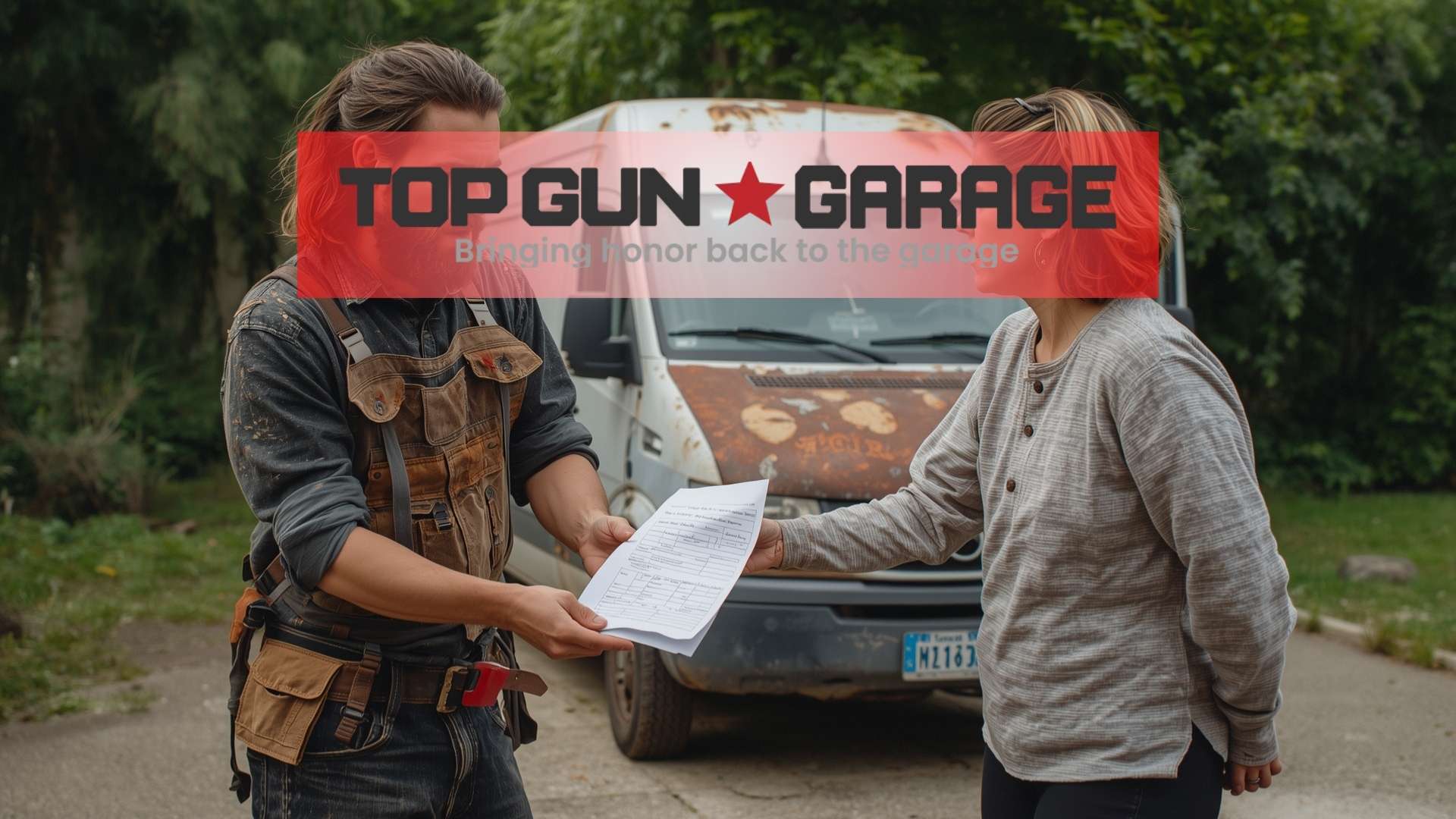
Florida requires contractors performing work over $2,500 to hold proper licensing. Ask for the license number and verify it through the state’s license verification system. Hesitation or excuses when asked for license information signals unlicensed operation.
Unlicensed contractors often do poor quality work, may have criminal backgrounds, and provide no recourse when problems arise. The state cannot discipline someone without a license.
Missing or Suspicious Insurance
Request certificates of insurance showing general liability and workers’ compensation coverage. Call the insurance company directly to verify active coverage. Some contractors provide expired certificates or forge documents entirely.
Without proper insurance, you face liability for any injuries occurring on your property during installation. Quality contractors carry adequate coverage and provide documentation willingly.
No Physical Business Address
Legitimate businesses maintain permanent addresses beyond PO boxes. Contractors operating from unmarked vehicles with only cell phone contact can disappear overnight. Search for the business online and verify they have an established presence in your community.
Check how long they’ve operated in the area. Established companies serving Naples, Fort Myers, Bonita Springs, and surrounding areas build reputations over years.
Suspicious Online Presence
Review the contractor’s online reviews critically. The FTC warns that some companies create fake reviews to mislead consumers. Watch for patterns like: numerous generic 5-star reviews posted within short timeframes, no detailed descriptions of actual work performed, reviews appearing only on the company’s own website, or no presence on established review platforms.
Search the company name with terms like “scam,” “complaint,” or “problem” to uncover issues previous customers experienced.
Contract and Documentation Problems
Verbal-Only Agreements
Never proceed with verbal agreements regardless of how trustworthy someone seems. Written contracts protect both parties and establish clear expectations. Contractors avoiding written agreements either plan to change terms or want no documentation of their promises.
Contracts should specify materials, timelines, payment schedules, and warranty terms. If it’s not in writing, it doesn’t exist.
Vague Material Specifications
Contracts stating only “epoxy floor coating” without specific product names, manufacturers, or specifications allow contractors to substitute inferior materials. Professional contractors specify exactly what products they’ll use, including base coats, color coats, flake systems, and topcoats.
Ask for product data sheets. Professional-grade coatings have published specifications showing thickness requirements, chemical resistance ratings, and performance standards.
Missing Warranty Documentation
Verbal warranty promises mean nothing. Get complete warranty terms in writing, including what’s covered, exclusions, warranty duration, and the claim process. Some contractors offer impressive-sounding warranties knowing they’ll be unreachable when problems arise.
Understand the difference between material warranties from manufacturers and workmanship warranties from the installer. Both matter for long-term protection.
Blank Spaces in Contracts
Never sign contracts with blank spaces. Unscrupulous contractors fill in different terms after you sign. Read every line before signing and ensure all blanks are completed. If pressured to sign incomplete documents, walk away.
Installation Shortcuts and Process Red Flags
Minimal Surface Preparation
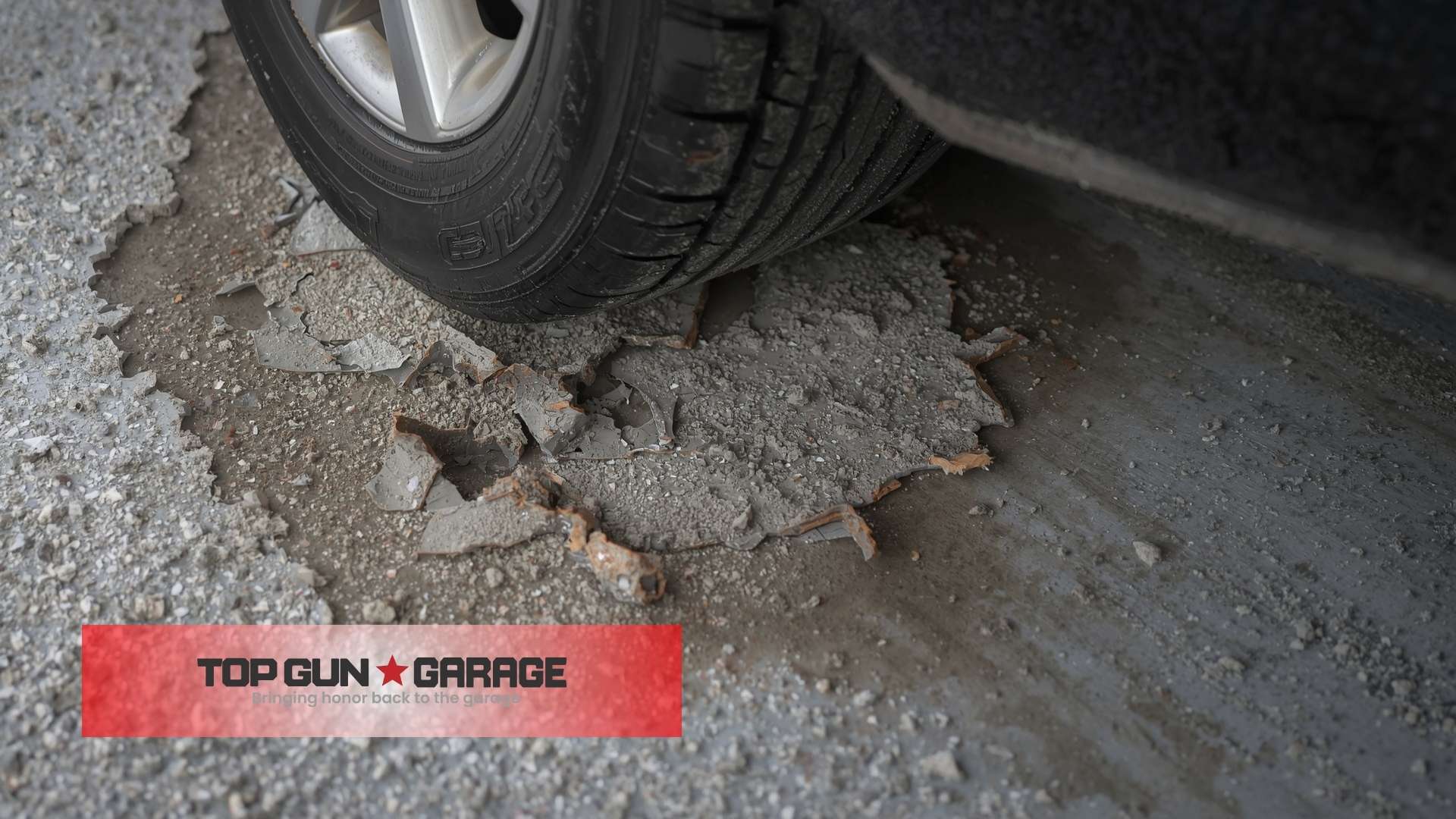
Surface preparation determines coating longevity more than any other factor. Professional contractors use diamond grinding equipment to create proper surface profiles. This process takes time and requires expensive equipment.
Contractors promising same-day completion for typical two-car garages skip essential preparation. Learn how proper coating works to recognize when steps are being skipped. Acid etching alone rarely provides adequate surface preparation for professional coatings.
No Moisture Testing
Florida’s humidity creates moisture problems that cause coating failure. Professional contractors test moisture levels before installation using calcium chloride tests or relative humidity probes. Skipping this step in Southwest Florida’s climate virtually guarantees problems.
If a contractor doesn’t mention moisture testing, they either don’t know proper procedures or don’t care about long-term results.
Unrealistic Timeline Promises
Quality coating systems require proper cure times between layers. Contractors promising complete installation in a few hours are either using single-coat systems that won’t last or applying subsequent layers before proper curing occurs.
Professional installations typically require one to two days of work plus appropriate cure time before vehicle traffic. Understand realistic timelines for proper installation.
No Discussion of Floor Condition Issues
Professional contractors discuss existing floor problems and explain how they’ll address them. Contractors ignoring obvious spalling, settling, or previous coatings either lack knowledge to address them or plan to coat over problems that will resurface.
Frequently Asked Questions
What should I do if I’ve already paid a suspicious contractor? Document everything immediately, including communications and any work performed. File complaints with the Florida DBPR and FTC. Contact your bank about potential fraud recovery if you paid by credit card.
How do I verify a Florida contractor’s license? Visit MyFloridaLicense.com and search using the contractor’s name or license number. Verify the license is current, covers the work type, and matches the business name exactly.
Can I cancel a contract I just signed? Florida’s three-day cooling-off period allows cancellation of contracts signed at your home or locations other than the seller’s permanent place of business. Written cancellation notice is required.
What’s a reasonable deposit for garage floor coating? Deposits typically range from 25-50% of the total project cost. Anything significantly higher, especially demands for full payment upfront, indicates potential problems.
How can I tell if online reviews are fake? Watch for generic language lacking specific details, clusters of reviews posted within short timeframes, reviewers with no other review history, and reviews only appearing on the company’s own platforms.
What does proper surface preparation look like? Professional preparation includes diamond grinding (visible grinding patterns on concrete), crack and damage repair, thorough cleaning, and moisture testing. The process typically takes several hours for a standard garage.
Should I be concerned if a contractor doesn’t pull permits? Standard garage floor coatings rarely require permits, but contractors should know local requirements. Unfamiliarity with local codes may indicate inexperience or non-local operations.
What recourse do I have if the contractor disappears? Report unlicensed activity to Florida DBPR at 866-532-1440. File complaints with the FTC and local consumer protection agencies. Consult an attorney about civil recovery options.
How do legitimate contractors typically communicate? Professional contractors use company email addresses, provide detailed written proposals, respond promptly to questions, and encourage you to research their business before deciding.
What warranty length is standard for professional epoxy? Quality professional installations typically include warranties ranging from 5-15 years depending on the coating system and application. Understand exactly what coverage includes.
Sources
- Federal Trade Commission – How to Avoid Home Improvement Scams: https://consumer.ftc.gov/articles/how-avoid-home-improvement-scam
- Florida DBPR – File a Complaint: https://www2.myfloridalicense.com/file-a-complaint/
Work With a Contractor You Can Trust
Recognizing red flags protects you from costly mistakes. Top Gun Garage operates differently from the contractors described in this article. As a family-owned business in Naples, we welcome your questions, provide detailed written proposals, and encourage you to verify our credentials and reviews.
Get a Free Estimate and experience what working with a transparent, professional contractor looks like.