 Skip to content



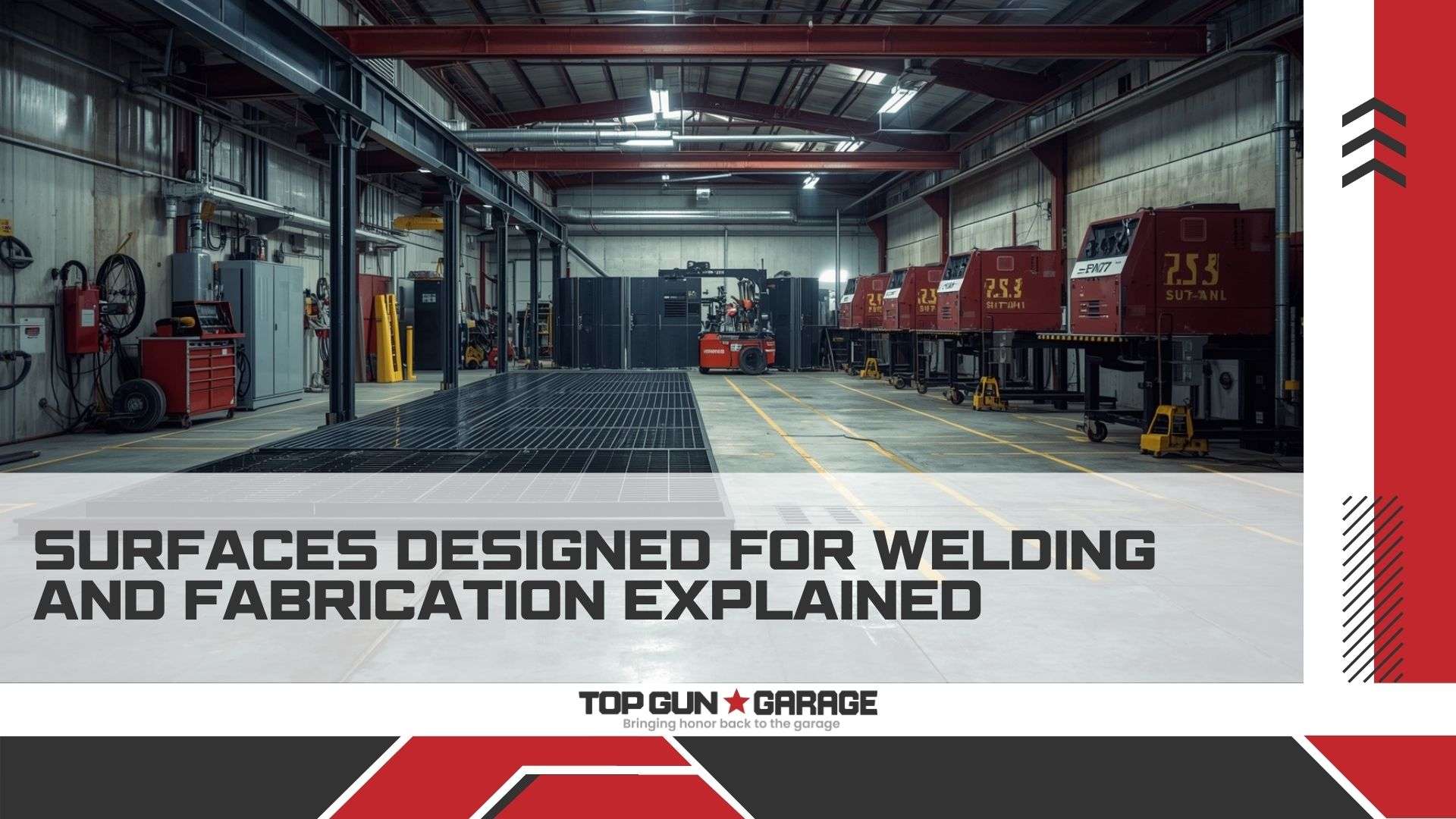
When it comes to professional welding and fabrication work, the foundation of your workspace literally matters. The surfaces designed for welding and fabrication play a crucial role in safety, productivity, and the overall quality of your metalworking projects. Whether you’re operating a small fabrication shop or managing a large industrial facility, understanding the importance of proper welding floor surfaces can make the difference between a successful operation and costly accidents.
Professional welders and fabricators face unique challenges that standard flooring simply cannot address. Hot metal sparks, molten slag, heavy equipment loads, chemical exposure, and the need for electrical grounding all demand specialized surface solutions. The right welding floor surfaces not only protect your investment in equipment and infrastructure but also ensure compliance with safety regulations and create an environment where skilled craftsmen can perform at their best.
At Top Gun Garage, we understand that every spark that hits the floor, every piece of heavy machinery that moves across your workspace, and every safety protocol you implement depends on having the right foundation beneath your feet. The surfaces designed for welding and fabrication must withstand extreme conditions while providing the stability, safety, and functionality that modern metalworking demands.
The evolution of welding and fabrication surfaces has been driven by advances in materials science, safety regulations, and the increasing complexity of modern manufacturing processes. Today’s welding environments require surfaces that can handle not just the traditional challenges of heat and impact, but also the demands of automated welding systems, precision fabrication work, and environmental compliance. From small repair shops to massive shipyards, the principles of proper surface design remain consistent: durability, safety, functionality, and cost-effectiveness.
This comprehensive guide will explore the various types of surfaces designed for welding and fabrication, their specific applications, installation considerations, and maintenance requirements. We’ll examine how different materials perform under various welding conditions, discuss the importance of proper drainage and ventilation integration, and provide practical insights for selecting the right surface solution for your specific needs.
Key Takeaways
Fire Resistance is Paramount: Surfaces designed for welding and fabrication must be non-combustible and able to withstand direct contact with molten metal, sparks, and slag without degrading or creating safety hazards.
Load-Bearing Capacity Matters: Welding floor surfaces must support heavy equipment, large workpieces, and dynamic loads from moving machinery while maintaining structural integrity over time.
Chemical and Heat Resistance: Proper welding surfaces resist damage from cutting fluids, welding gases, cleaning solvents, and extreme temperature fluctuations common in fabrication environments.
Electrical Grounding Considerations: Many welding applications require surfaces that either provide proper electrical grounding or maintain electrical isolation, depending on the specific welding processes being used.
Easy Maintenance and Cleaning: Effective welding floor surfaces allow for easy removal of metal debris, slag, and other contaminants while resisting staining and permanent damage from regular cleaning procedures.
Slip Resistance and Safety: Anti-slip properties are essential for worker safety, especially in environments where cutting fluids, condensation, or cleaning solutions may create slippery conditions.
Drainage and Ventilation Integration: Modern surfaces designed for welding and fabrication often incorporate drainage systems and work with ventilation systems to manage fumes, fluids, and debris effectively.
Cost-Effectiveness Over Time: While initial installation costs vary, the best welding surfaces provide long-term value through durability, reduced maintenance requirements, and improved operational efficiency.
Understanding Welding and Fabrication Surface Requirements
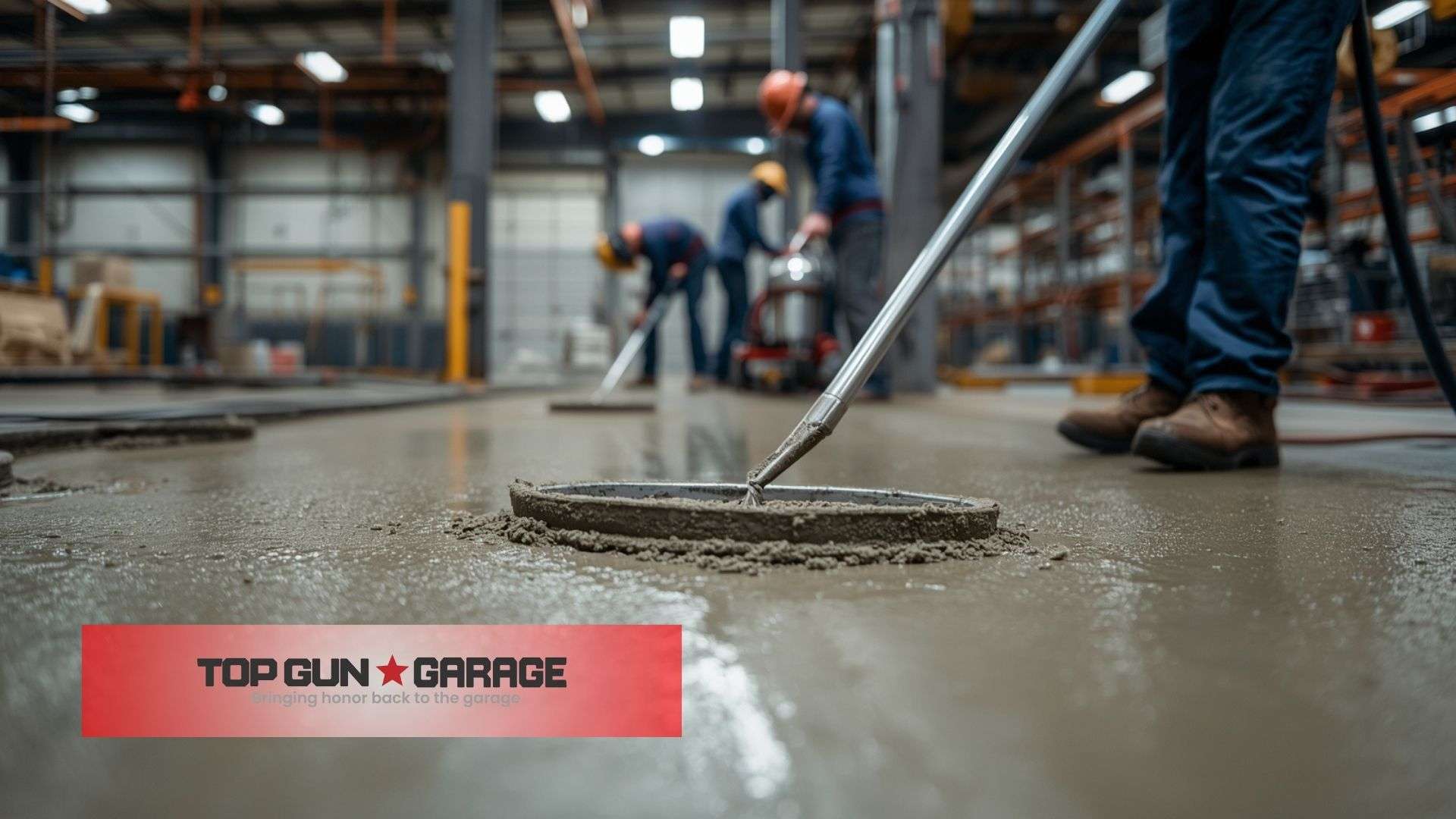
The foundation of any successful welding and fabrication operation begins with understanding the unique demands placed on floor surfaces in these environments. Unlike standard commercial or industrial flooring, surfaces designed for welding and fabrication must withstand a combination of extreme conditions that would quickly destroy conventional materials
 .
.
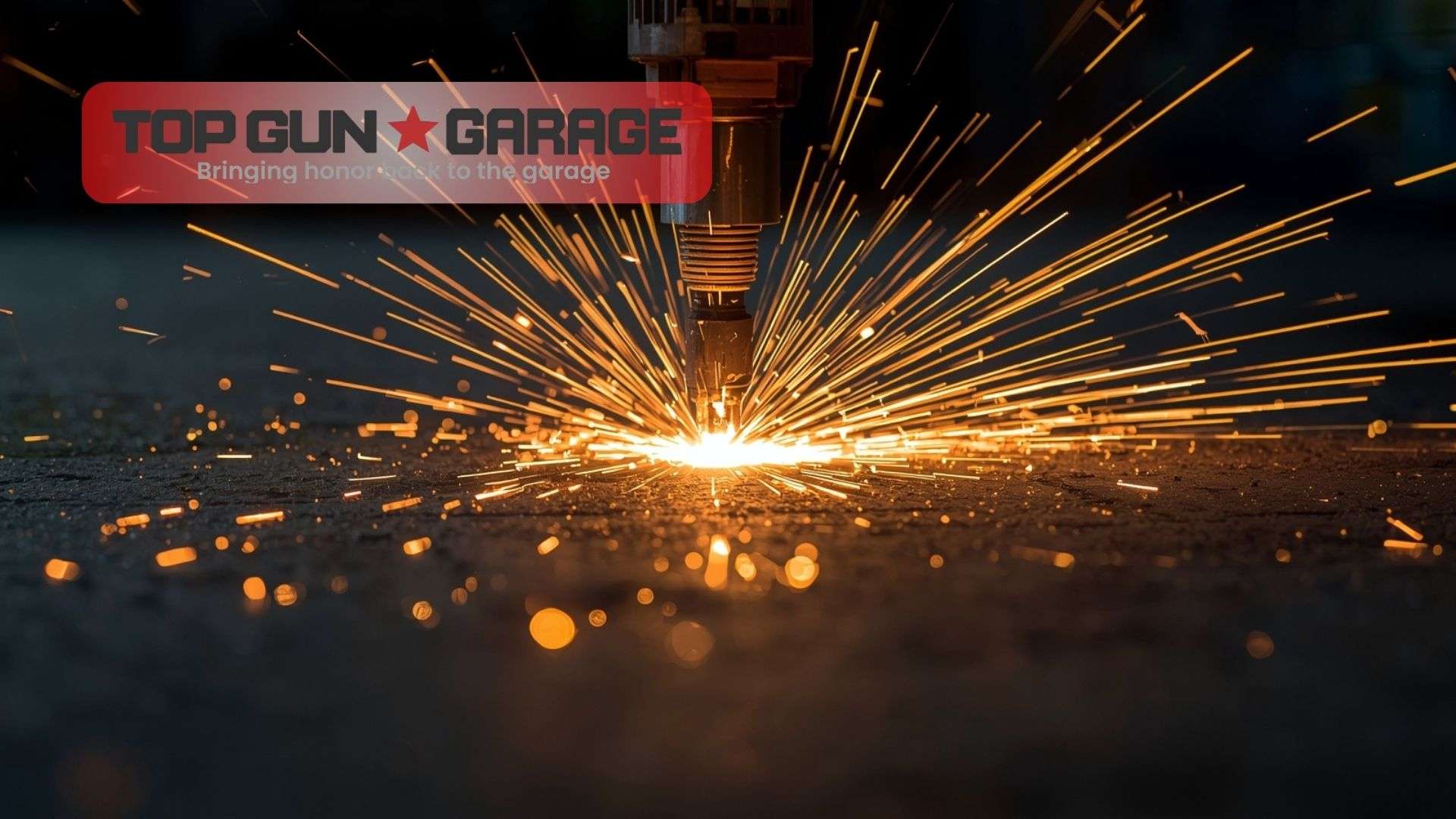
Heat resistance stands as the primary consideration for welding floor surfaces. During typical welding operations, sparks can reach temperatures exceeding 3,000 degrees Fahrenheit, while molten slag and metal droplets maintain temperatures well above 2,000 degrees. These materials don’t simply land on the surface and cool gradually; they often bounce, roll, and create extended contact with the flooring material. A surface that cannot handle this thermal shock will quickly develop cracks, pits, or even ignite if combustible materials are present.
Beyond heat resistance, welding environments generate significant mechanical stresses. Heavy steel beams, large fabricated assemblies, and mobile welding equipment create both static and dynamic loads that standard flooring cannot accommodate. The surface must distribute these loads effectively while maintaining a level, stable work platform. Vibrations from heavy machinery, impact from dropped tools and materials, and the constant movement of equipment across the floor all contribute to the mechanical demands.
Chemical resistance presents another critical requirement often overlooked in surface selection. Modern welding and fabrication operations use various cutting fluids, cleaning solvents, rust preventatives, and other chemicals that can attack inappropriate flooring materials. Additionally, the welding process itself can create chemical reactions that produce corrosive byproducts, requiring surfaces that maintain their integrity under chemical exposure.
Concrete-Based Welding Floor Solutions
Concrete forms the backbone of most professional welding and fabrication floor systems, but not all concrete solutions are created equal. Standard concrete, while non-combustible, lacks the specific properties needed for demanding welding environments. Specialized concrete formulations and surface treatments have been developed to address the unique challenges of welding floor surfaces.
High-temperature concrete mixes incorporate specialized aggregates and additives designed to withstand thermal shock and resist spalling when exposed to molten metal. These formulations often include materials like blast furnace slag, fly ash, or specialized ceramic aggregates that improve heat resistance while maintaining structural integrity. The cement matrix itself may be modified with additives that enhance thermal stability and reduce the likelihood of explosive spalling under extreme heat.
Surface hardeners play a crucial role in transforming standard concrete into effective welding floor surfaces. Metallic hardeners, typically containing iron or steel particles, create an extremely durable surface that can withstand impact and abrasion while providing excellent heat dissipation. These hardeners are applied during the concrete finishing process, becoming an integral part of the surface rather than a coating that might delaminate under stress.
Specialized coatings and sealers designed specifically for welding environments provide additional protection and functionality. Epoxy-based systems formulated for high-temperature applications can provide chemical resistance and easier cleaning while maintaining fire resistance. However, the selection of coatings requires careful consideration of the specific welding processes and temperatures involved, as some coatings may break down or release toxic fumes when exposed to extreme heat.
The installation process for concrete welding floors requires specialized expertise and attention to detail. Proper substrate preparation, mix design, placement techniques, and curing procedures all influence the final performance. Joints must be designed and executed to accommodate thermal expansion while preventing the accumulation of debris that could create fire hazards. The surface finish must balance smoothness for easy cleaning with sufficient texture to provide slip resistance.
Steel Grating and Metal Floor Systems
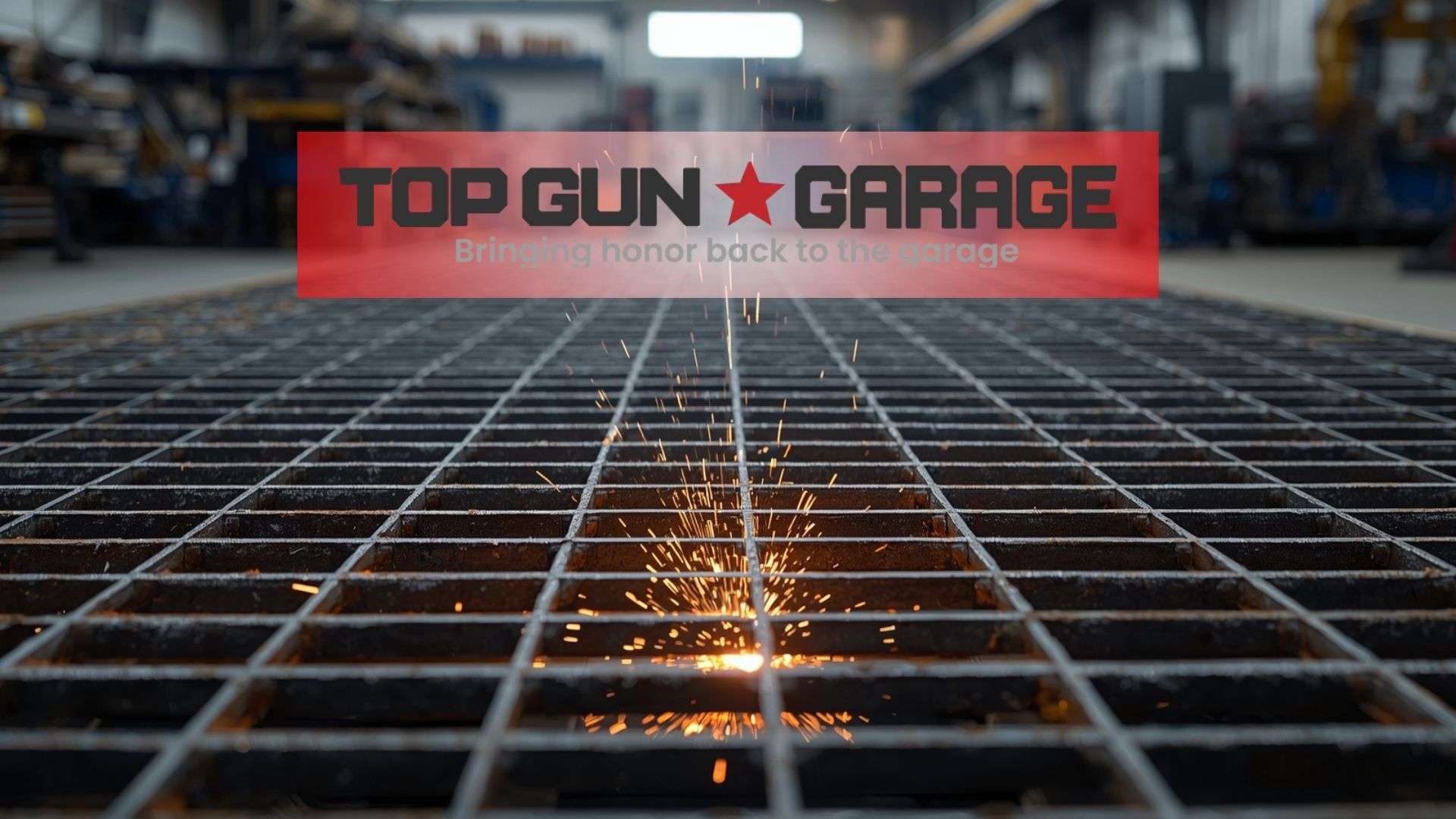
Steel grating systems represent the gold standard for many welding and fabrication applications, offering unmatched durability, heat resistance, and functionality. These systems consist of interlocked steel bars or plates that create a strong, stable work surface while allowing for drainage, ventilation, and easy debris removal. The open design of grating systems addresses many of the challenges inherent in welding environments.
The primary advantage of steel grating lies in its ability to handle molten metal and slag without damage. When hot materials fall through the grating openings, they land on a concrete substrate below where they can cool safely without creating fire hazards or surface damage. This design also facilitates easy cleanup, as debris can be swept or washed through the openings rather than accumulating on the surface.
Various grating configurations are available to meet specific application requirements. Heavy-duty welded grating provides maximum strength for areas with extreme loads, while pressure-locked grating offers excellent durability with easier installation. Serrated grating surfaces provide enhanced slip resistance, crucial in environments where cutting fluids or cleaning solutions may create slippery conditions. The spacing and orientation of grating bars can be customized based on the types of debris expected and the level of fall-through desired.
Installation of steel grating systems requires careful planning and precision execution. The supporting structure must be designed to handle both the weight of the grating and the loads it will carry. Proper drainage below the grating prevents water accumulation and facilitates debris removal. Access panels or removable sections allow for maintenance of utilities and cleaning of the space below the grating.
Maintenance of steel grating systems involves regular inspection for damage, proper cleaning to prevent debris accumulation, and periodic treatment to prevent corrosion. While steel grating is inherently durable, exposure to welding environments can accelerate corrosion if proper maintenance is not performed. Galvanized or stainless steel options provide enhanced corrosion resistance but at higher initial costs.
Specialized Coating Systems for Welding Environments
Advanced coating systems have revolutionized the performance of surfaces designed for welding and fabrication, providing enhanced protection, functionality, and longevity. These specialized coatings go far beyond standard industrial floor paints, incorporating advanced chemistry and application techniques to meet the extreme demands of welding environments.
High-temperature epoxy systems represent one of the most significant advances in welding floor coatings. These formulations use specialized resins and curing agents that maintain their integrity at temperatures far exceeding those that would destroy standard coatings. Some systems can withstand direct contact with molten metal for short periods without permanent damage, while providing excellent chemical resistance and easy cleaning properties.
Polyurethane concrete systems combine the durability of concrete with the chemical resistance and seamless application of advanced polymers. These systems create a monolithic surface that eliminates joints where debris and contaminants might accumulate. The thermal properties can be tailored to specific applications, with some formulations designed to conduct heat away from the surface rapidly, while others provide thermal barrier properties.
Intumescent coating systems provide fire protection by expanding when exposed to high temperatures, creating an insulating barrier that protects the underlying substrate. While not typically used as the primary surface in welding areas, these coatings play important roles in protecting structural elements and creating fire barriers in mixed-use facilities.
The application of specialized coating systems requires careful surface preparation, environmental control, and skilled technicians familiar with the unique requirements of each system. Surface preparation often involves shot blasting or grinding to create the proper profile for adhesion. Environmental conditions during application and curing must be carefully controlled to ensure proper performance. Many systems require multiple coats applied in specific sequences with precise timing between coats.
Quality control during coating application involves monitoring film thickness, checking for defects, and conducting adhesion tests to ensure the coating will perform as expected. Some systems require post-application curing processes involving heat or UV exposure to achieve their full performance characteristics. Proper documentation of the application process is essential for warranty coverage and future maintenance planning.
Design Considerations and Installation Best Practices
The successful implementation of surfaces designed for welding and fabrication requires careful attention to design details and installation practices that go far beyond simply selecting appropriate materials. The integration of flooring systems with building infrastructure, safety systems, and operational requirements demands comprehensive planning and skilled execution.
Substrate preparation forms the foundation of any successful welding floor installation. The existing concrete or structural deck must be evaluated for load-bearing capacity, levelness, and structural integrity. Any defects in the substrate will telegraph through to the finished surface, potentially creating safety hazards or performance problems. Proper preparation may involve crack repair, leveling compounds, or even complete substrate replacement in severely damaged areas.
Drainage design plays a critical role in welding floor performance and safety. Proper drainage prevents the accumulation of cutting fluids, cleaning solutions, and water that could create slip hazards or interfere with welding operations. The drainage system must be designed to handle not only normal operational fluids but also emergency situations such as sprinkler system activation or major spills. Trench drains, area drains, and sloped surfaces must be integrated seamlessly with the flooring system.
Electrical considerations are often overlooked but critically important in welding environments. Some welding processes require electrical grounding through the floor, while others need electrical isolation. The flooring system must be designed to accommodate these requirements without compromising safety or performance. Grounding systems must be properly installed and tested to ensure they meet electrical code requirements and provide safe operation.
Joint design and execution require special attention in welding floor installations. Thermal expansion from welding operations can create significant stresses at joints, leading to cracking or separation if not properly designed. Expansion joints must be located appropriately and detailed to prevent the accumulation of debris while accommodating movement. Control joints help prevent random cracking but must be sealed or designed to prevent debris accumulation.
Integration with building systems such as ventilation, fire suppression, and utilities requires coordination during the design phase. Floor-mounted equipment, utility connections, and access requirements must be planned and accommodated without compromising the integrity of the flooring system. Future flexibility should be considered, as welding operations often evolve and require modifications to floor-mounted systems.
Maintenance and Longevity of Welding Floor Surfaces
The long-term performance of surfaces designed for welding and fabrication depends heavily on proper maintenance practices and proactive care. Even the most durable flooring systems will fail prematurely without appropriate maintenance, while well-maintained surfaces can provide decades of reliable service under demanding conditions.
Daily maintenance routines should focus on debris removal and basic cleaning to prevent the accumulation of materials that could create safety hazards or damage the surface. Metal shavings, slag, and other debris should be removed promptly using appropriate tools and techniques. Magnetic sweepers can effectively remove ferrous debris, while specialized vacuums designed for metalworking environments handle fine particles and dust safely.
Regular deep cleaning involves more intensive procedures to remove embedded contaminants and restore surface properties. This may include pressure washing, chemical cleaning, or mechanical scrubbing depending on the type of surface and contamination present. The cleaning methods and chemicals used must be compatible with the flooring system to avoid damage. Some surfaces may require periodic resealing or recoating to maintain their protective properties.
Inspection and monitoring programs help identify potential problems before they become major issues. Regular visual inspections should look for signs of wear, damage, or deterioration such as cracks, spalling, coating delamination, or joint problems. More detailed inspections may involve testing for adhesion, measuring coating thickness, or checking electrical grounding systems. Documentation of inspection results helps track performance trends and plan maintenance activities.
Repair procedures must be performed promptly and properly to prevent minor issues from becoming major problems. Small cracks or coating defects can often be repaired with minimal disruption to operations if addressed quickly. However, repairs must be performed using compatible materials and proper techniques to ensure they integrate seamlessly with the existing surface. In some cases, temporary protection may be needed during repair curing periods.
Long-term maintenance planning involves budgeting for major maintenance activities such as recoating, resurfacing, or complete replacement. The timing of these activities depends on the specific flooring system, usage patterns, and performance requirements. Proactive planning allows for scheduling during planned shutdowns and ensures that materials and contractors are available when needed. At Top Gun Garage, we work with clients to develop comprehensive maintenance programs that maximize the life and performance of their welding floor investments.
Frequently Asked Questions
What makes a floor surface suitable for welding and fabrication work?
Surfaces designed for welding and fabrication must be non-combustible, heat-resistant, and able to withstand direct contact with molten metal and sparks. They also need to support heavy loads, resist chemicals, and provide safe footing for workers.
How do welding floor surfaces differ from standard industrial flooring?
Welding floor surfaces require specialized materials and treatments to handle extreme temperatures, molten metal contact, and unique safety requirements that standard industrial flooring cannot meet. They often incorporate heat-resistant aggregates, specialized coatings, or metal components.
Can existing concrete floors be upgraded for welding applications?
Yes, existing concrete floors can often be upgraded with specialized coatings, overlays, or surface treatments designed for welding environments. However, the existing substrate must be properly evaluated and prepared to ensure successful results.
What maintenance is required for welding floor surfaces?
Regular debris removal, periodic deep cleaning, and prompt repair of any damage are essential. Specific maintenance requirements vary by surface type, but all welding floors benefit from proactive care and regular inspection.
How long do welding floor surfaces typically last?
With proper installation and maintenance, quality welding floor surfaces can last 15-25 years or more. The actual lifespan depends on usage intensity, maintenance practices, and environmental conditions.
Are there different requirements for different types of welding?
Yes, different welding processes create varying demands on floor surfaces. Heavy fabrication work requires different considerations than precision welding, and some processes may require specific electrical grounding or isolation properties.
What safety considerations are important for welding floor design?
Key safety considerations include fire resistance, slip resistance, proper drainage, electrical safety, and the ability to safely contain and remove hot debris and sparks.
How much do specialized welding floor surfaces cost?
Costs vary widely based on the specific system, area size, and installation requirements. While initial costs may be higher than standard flooring, the long-term value through durability and safety benefits typically justifies the investment.
Conclusion
The selection and installation of appropriate surfaces designed for welding and fabrication represents a critical investment in the safety, productivity, and long-term success of any metalworking operation. From small repair shops to large manufacturing facilities, the foundation beneath your feet directly impacts every aspect of your welding and fabrication work.
Throughout this comprehensive examination, we’ve explored the various options available for welding floor surfaces, from specialized concrete systems to advanced steel grating and cutting-edge coating technologies. Each solution offers unique advantages and is suited to specific applications and environments. The key to success lies in understanding your specific requirements, evaluating the available options thoroughly, and working with experienced professionals who understand the complexities of welding environment flooring.
The investment in proper welding floor surfaces pays dividends through improved safety, reduced maintenance costs, enhanced productivity, and compliance with safety regulations. While the initial cost may seem significant, the long-term value through durability, performance, and risk reduction makes quality flooring systems an essential component of professional welding and fabrication operations.
At Top Gun Garage, we understand that every welding operation is unique, with specific requirements based on the types of work performed, the equipment used, and the operational environment. Our expertise in flooring solutions for demanding industrial applications ensures that your investment in welding floor surfaces will provide the performance, safety, and longevity your operation demands. Contact us today to discuss how we can help you select and install the ideal surface solution for your welding and fabrication needs.