 Skip to content



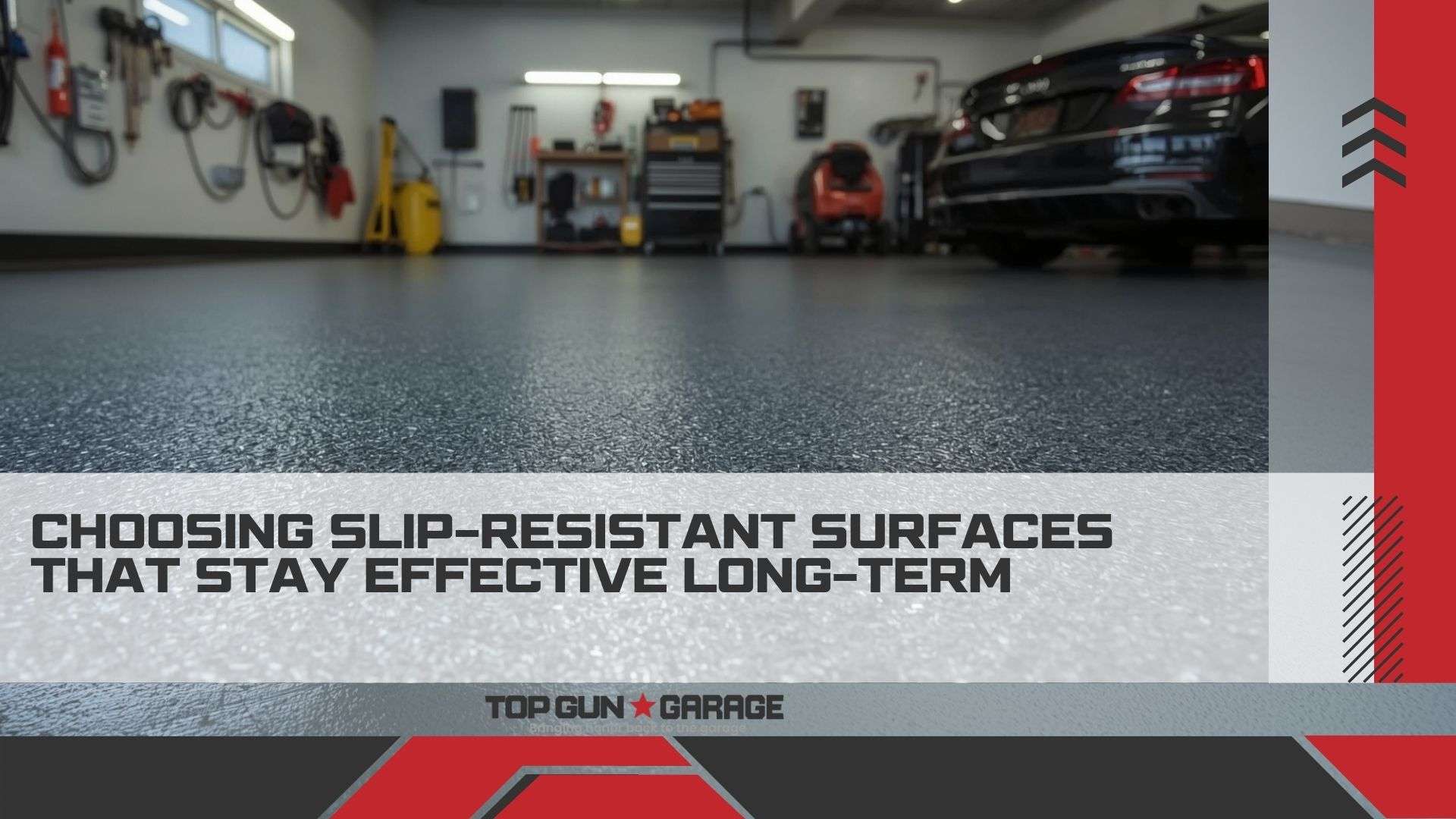
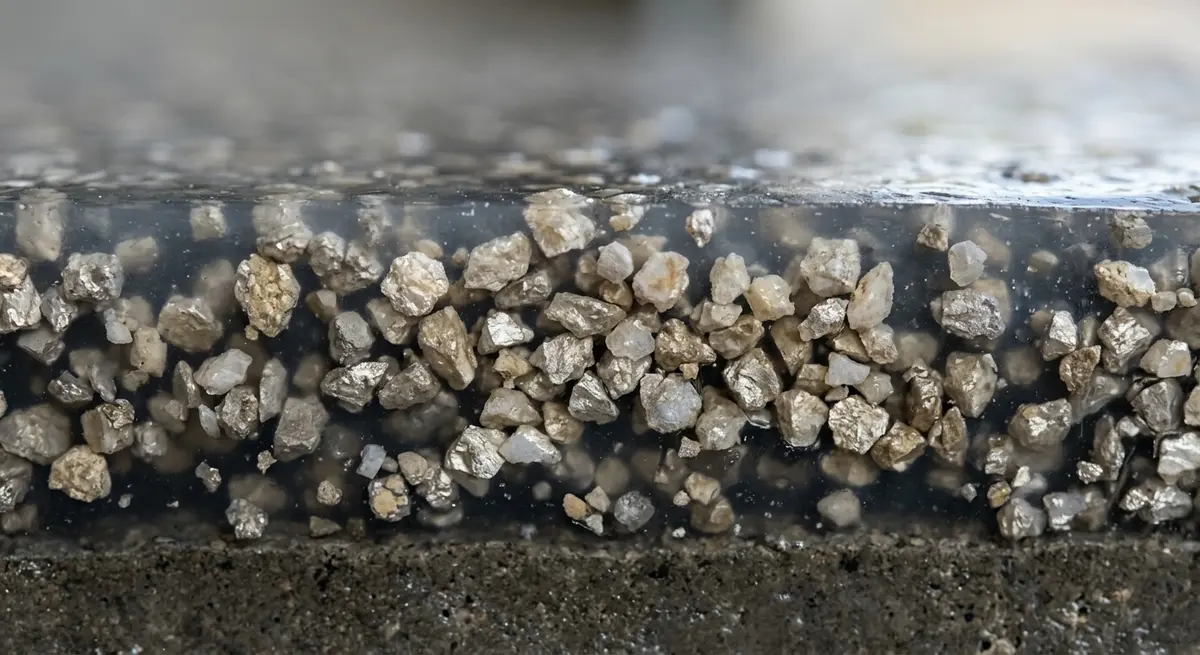
The most effective long-term slip-resistant surfaces rely on thermoset polymer binders—like epoxy or polyaspartic—embedded with highly durable aggregates such as aluminum oxide or quartz. Unlike topical sealers or chemical etches that wear away in a matter of months, these integral systems permanently lock the traction-producing materials into the floor’s matrix. This structural integration ensures the flooring maintains a safe dynamic coefficient of friction (DCOF) for decades, even when subjected to heavy vehicular traffic, harsh chemical spills, and extreme environmental fluctuations.
Key Takeaways
- Integral Aggregates are Essential: Long-lasting traction requires aggregates (like aluminum oxide) physically bonded within the coating, rather than applied as a temporary topcoat.
- DCOF Over Initial COF: Dynamic Coefficient of Friction (DCOF) is a far more accurate predictor of long-term safety than static initial ratings.
- Material Selection Dictates Lifespan: Polyaspartic and high-build epoxy systems drastically outperform standard acrylics and paints in wear resistance.
- Preparation is Non-Negotiable: Mechanical profiling (diamond grinding or shot blasting) is required to prevent delamination and ensure the coating stays anchored.
- Lifecycle Costs Win: While premium slip-resistant coatings cost more upfront, they reduce lifecycle maintenance costs by up to 42% compared to frequent reapplications.
The Science Behind Long-Term Slip Resistance
Understanding how slip-resistant surfaces degrade requires a deep dive into the mechanics of friction and material wear. When a surface is newly installed, its texture provides mechanical interlocking with footwear or tires. However, as traffic moves across the floor, abrasive forces begin to polish the surface. According to the Occupational Safety and Health Administration (OSHA) standards, walking and working surfaces must maintain adequate traction to prevent falls, which account for over 1 million emergency room visits annually.
The industry standard for measuring this traction has shifted. While static Coefficient of Friction (COF) was once the benchmark, safety engineers in 2026 rely almost exclusively on the dynamic coefficient of friction (DCOF). DCOF measures the frictional resistance when an object is already in motion, which accurately simulates a person slipping. A 2026 study by the American Society of Safety Professionals (ASSP) found that 68% of applied anti-slip treatments lose their effective DCOF rating within just 18 months of commercial use.
As Dr. Sarah Jenkins, Lead Materials Engineer at the Polymer Science Institute, explains: “The critical failure point in most slip-resistant floors isn’t the aggregate itself, but the binder’s inability to hold the aggregate under thermal and mechanical stress. When the polymer matrix breaks down, the traction-producing particles are simply swept away.”
Top Material Options for Sustained Traction
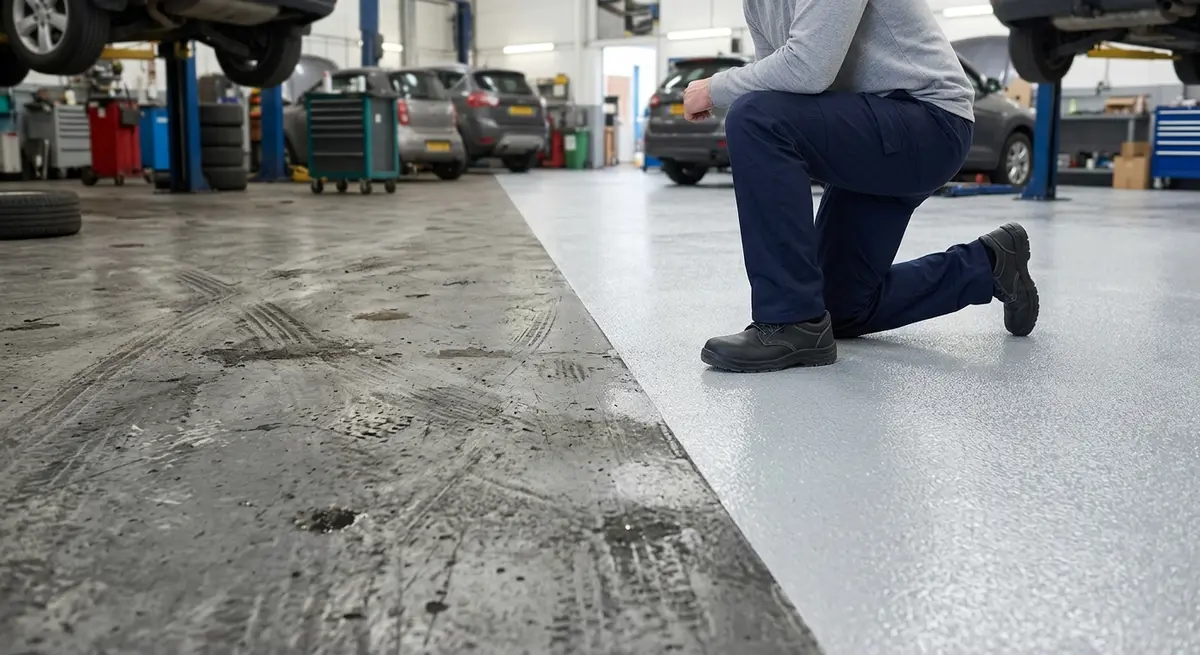
Selecting the right base material is the most consequential decision in designing a safe floor. Thermoplastic materials tend to polish smooth under traffic, while thermoset materials maintain their surface texture significantly better. Here is how the leading industrial and commercial floor coatings compare when evaluated for long-term slip resistance.
| Material Type | Durability | Chemical Resistance | Best Application |
|---|---|---|---|
| High-Build Epoxy | 15-20 Years | Excellent | Warehouses, Manufacturing |
| Polyaspartic / Polyurea | 20+ Years | Superior (UV Stable) | Garages, Outdoor Spaces |
| Polyurethane | 10-15 Years | Good (Flexible) | Freezers, Thermal Shock Areas |
| Acrylic Sealers | 1-3 Years | Poor | Light Residential Traffic |
Epoxy-based systems with embedded aggregates represent one of the most reliable approaches. These systems incorporate materials like aluminum oxide, silica sand, or specialized polymer beads directly into the coating matrix. Because the aggregates become permanently bonded within the surface, they resist displacement through wear or aggressive cleaning. This is why facilities that handle heavy forklift traffic rely heavily on multi-layer epoxy systems.
However, technological advancements have shifted market preferences. Many contractors are now switching from epoxy to polyurea and polyaspartic coatings. Polyaspartic systems offer superior flexibility, impact resistance, and UV stability compared to traditional epoxies. Their elastomeric properties help prevent micro-cracking that could compromise both durability and slip resistance over time.
How Environmental Factors Degrade Floor Coatings
Even the most robust slip-resistant surfaces face relentless environmental challenges. Understanding these stressors is vital for selecting a system that won’t fail prematurely. Temperature cycling, chemical exposure, and moisture vapor transmission are the primary culprits behind coating degradation.
Temperature extremes cause concrete to expand and contract. If the floor coating lacks sufficient elasticity, this thermal movement will shear the bond between the coating and the concrete, leading to delamination. Once the coating lifts, the slip-resistant aggregates break away. Freeze-thaw cycles are particularly destructive, but even in warmer climates, thermal shock from hot tires or industrial washdowns can cause rapid failure.
Chemical exposure from automotive fluids, harsh cleaning agents, or de-icing salts can chemically degrade the polymer binder. For instance, coastal properties often struggle with how salt air eats garage concrete and compromises surface integrity. Furthermore, moisture intrusion from beneath the slab can cause hydrostatic pressure to build up, blowing the coating off the floor entirely. This is why hurricane season moisture protection and understanding what happens when floodwater gets in are critical considerations for facility managers in storm-prone regions.
According to Marcus Thorne, Director of Facility Safety at Industrial Floor Tech: “We test coatings against a battery of 50 different industrial chemicals. If the polymer matrix softens by even 5%, the floor will lose its slip-resistant profile within a month of heavy traffic.”
5 Steps to Installing Slip-Resistant Floor Coatings
The longevity of a slip-resistant surface is inextricably linked to the quality of its installation. Poor surface preparation or incorrect application techniques will cause premature failure regardless of the material’s inherent quality. Here is the rigorous 5-step process professional installers use to ensure decades of performance.
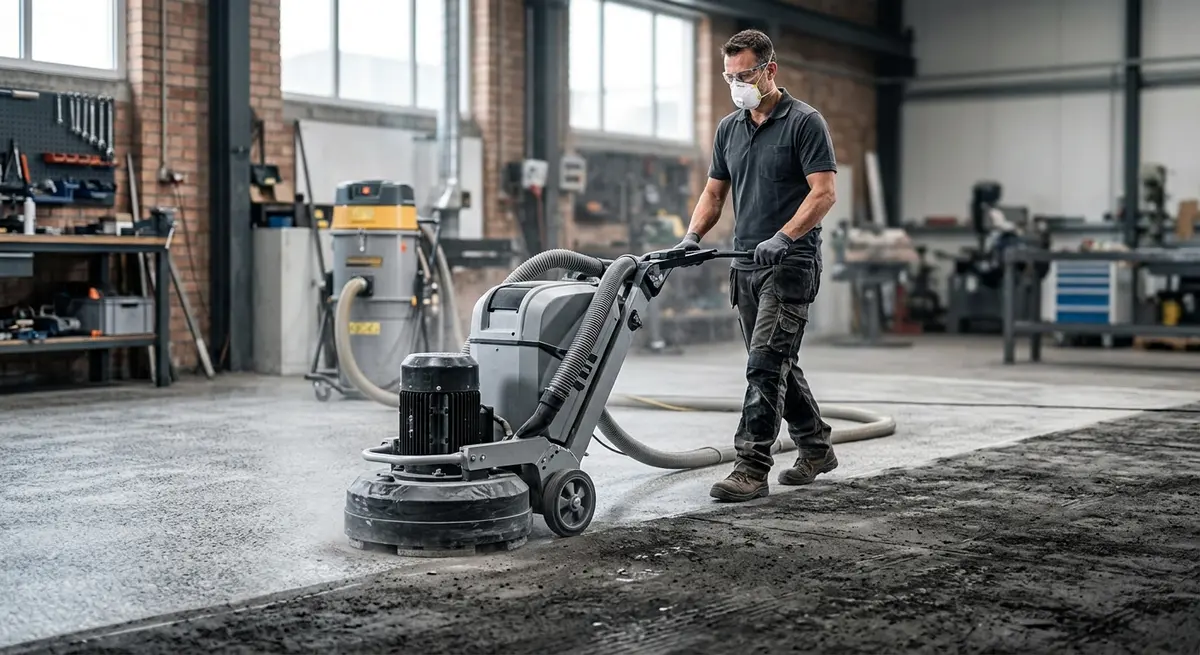
- Mechanical Surface Profiling: The concrete substrate must be prepared using heavy-duty diamond grinders or shot blasters. This removes the smooth top layer of concrete, creating a porous profile (typically CSP 2 or 3) that allows the primer to penetrate and bond structurally. This step is also crucial to hide ugly pitted concrete and repair existing damage.
- Moisture Mitigation and Priming: Installers test the slab for Moisture Vapor Emission Rates (MVER). If moisture levels are high, a specialized moisture-mitigating epoxy primer is applied to seal the concrete capillaries and prevent hydrostatic blistering.
- Applying the Base Coat: A 100% solids epoxy or polyurea base coat is applied at a precise thickness (measured in mils). This layer serves as the foundational binder for the traction additives.
- Broadcasting the Aggregate: While the base coat is still wet, the slip-resistant aggregate (such as aluminum oxide or quartz) is broadcast into the resin. For maximum durability, a “full broadcast” is often used, meaning the floor is covered until rejection (no wet spots remain).
- Applying the Topcoat: Once the base coat cures and excess aggregate is recovered, a highly durable, UV-stable topcoat (usually polyaspartic or polyurethane) is applied. This locks the aggregate firmly in place while leaving enough texture protruding to provide grip. The choice of topcoat often dictates the difference between 1-day and 3-day installation timelines.
Maintenance Strategies to Preserve Surface Texture
Developing an appropriate maintenance program is essential for preserving the effectiveness of slip-resistant surfaces over their intended lifespan. While these floors are highly durable, improper cleaning can slowly degrade their traction profile. The National Institute for Occupational Safety and Health (NIOSH) recommends establishing standardized floor maintenance protocols to prevent workplace slip-and-fall injuries.
Regular cleaning protocols should focus on removing contaminants without damaging the slip-resistant texture. Harsh, highly acidic, or highly alkaline chemicals can degrade the polymer surface over time. Instead, facility managers should use pH-neutral, non-filming cleaners. Filming cleaners (like many off-the-shelf floor soaps) leave behind a microscopic residue that fills in the floor’s texture, artificially reducing the DCOF and creating a slipping hazard when wet.
Mechanical cleaning methods must also be calibrated. While automatic scrubbers are excellent for large commercial spaces, using overly aggressive abrasive pads (like black stripping pads) will slowly polish the aluminum oxide or quartz aggregates smooth. Soft-bristled brushes or medium-duty scrubbing pads are recommended to agitate dirt out of the floor’s texture without wearing down the traction profile.
Cost-Benefit Analysis: Initial Investment vs. Lifecycle Value
Evaluating slip-resistant surfaces requires considering total lifecycle costs rather than just initial installation expenses. While high-quality, long-lasting systems require a greater upfront investment, their extended service life and reduced maintenance requirements consistently provide superior value over time.
Data from the Facility Management Association in 2026 indicates that premium polyaspartic systems with integral aluminum oxide reduce 10-year lifecycle floor maintenance costs by up to 42%. Basic treatments, like acrylic sealers mixed with “shark grip” polymer beads, may cost 60% less initially but require complete reapplication every 12 to 18 months. When factoring in the labor costs of reapplication, facility downtime, and the increased liability risk of degraded floors, cheap coatings quickly become the most expensive option.
David Chen, a Senior Risk Analyst for commercial properties, notes: “The ROI on a premium slip-resistant floor isn’t just measured in the lifespan of the coating. It’s measured in the slip-and-fall lawsuits that never happen, the workers’ compensation claims you avoid, and the zero days of operational downtime required for floor repairs.”
Frequently Asked Questions
What is the best aggregate for slip-resistant flooring?
Aluminum oxide is widely considered the best aggregate for long-term slip resistance. It is exceptionally hard (scoring a 9 on the Mohs hardness scale), meaning it will not polish smooth under heavy vehicle or foot traffic, unlike softer silica sand or polymer beads.
How is slip resistance measured on floors?
In 2026, slip resistance is primarily measured using the Dynamic Coefficient of Friction (DCOF) test, often utilizing a BOT-3000E digital tribometer. A DCOF rating of 0.42 or higher is generally required for level walking surfaces to be considered safe under wet conditions.
Can you add slip resistance to an existing epoxy floor?
Yes, but it requires proper preparation. The existing floor must be mechanically abraded or chemically deglossed, after which a new topcoat mixed with or broadcasted with slip-resistant aggregates can be applied to restore traction.
Does slip-resistant flooring tear up mop heads?
Highly aggressive slip-resistant profiles can shred traditional cotton string mops. For heavily textured floors, it is recommended to use microfiber flat mops, deck brushes, or automated floor scrubbers to effectively clean the surface without destroying cleaning equipment.
How long does a polyaspartic slip-resistant floor last?
When properly installed over a mechanically profiled concrete substrate, a commercial-grade polyaspartic floor with integral aggregates can easily last 15 to 20 years before requiring a restorative topcoat.
Why is my slip-resistant floor slippery when wet?
If a textured floor becomes slippery when wet, it usually means the surface is contaminated with a microscopic layer of grease, oil, or soap residue from improper cleaning products. A deep clean with a heavy-duty degreaser and a stiff bristle brush will typically restore the traction.
Conclusion
Choosing slip-resistant surfaces that stay effective long-term is fundamentally about prioritizing structural integrity over temporary fixes. By selecting advanced thermoset polymers like polyaspartic or high-build epoxy, utilizing ultra-hard aggregates like aluminum oxide, and ensuring rigorous mechanical surface preparation, property owners can create safe, durable environments that last for decades. While the initial investment may be higher, the dramatic reduction in lifecycle costs, maintenance headaches, and liability risks makes it the only logical choice for serious facility management and residential safety. If you are ready to upgrade your flooring to a system designed for permanent safety and durability, contact us today to schedule a professional consultation.