 Skip to content



Key Takeaways
- Epoxy adhesion combines mechanical anchoring and chemical bonding for lasting joints.
- Polymerization transforms liquid resin into a dense, heat-resistant network.
- Cross-linking during curing enhances mechanical properties like tensile strength.
- Surface preparation significantly impacts bond performance and longevity.
- Industrial applications rely on epoxy’s ability to adapt to diverse materials.
Understanding Epoxy Resin and Its Bonding Mechanism
At the heart of durable adhesive solutions lies the intricate chemistry of epoxy resins. These materials combine base resins with hardeners to create bonds that outlast traditional glues. Their versatility stems from customizable formulations, allowing engineers to tailor properties like cure speed and thermal resistance.Chemical Composition and Polymerization
Epoxy resins contain reactive epoxide groups that activate when mixed with amine-based hardeners. This triggers polymerization—molecules link into tightly cross-linked polymers. The result? A rigid 3D network resistant to deformation and environmental stress.Overview of Component Systems
Epoxy adhesives come in three primary configurations:| System Type | Components | Activation Method | Common Uses |
|---|---|---|---|
| One-Component | Pre-mixed resin/hardener | Heat or UV light | Electronics, automotive repairs |
| Two-Component | Separate resin + hardener | Manual mixing | Construction, marine repairs |
| Three-Component | Resin + hardener + filler | Precision mixing | Aerospace, industrial tooling |
What is the Science Behind Epoxy Adhesion
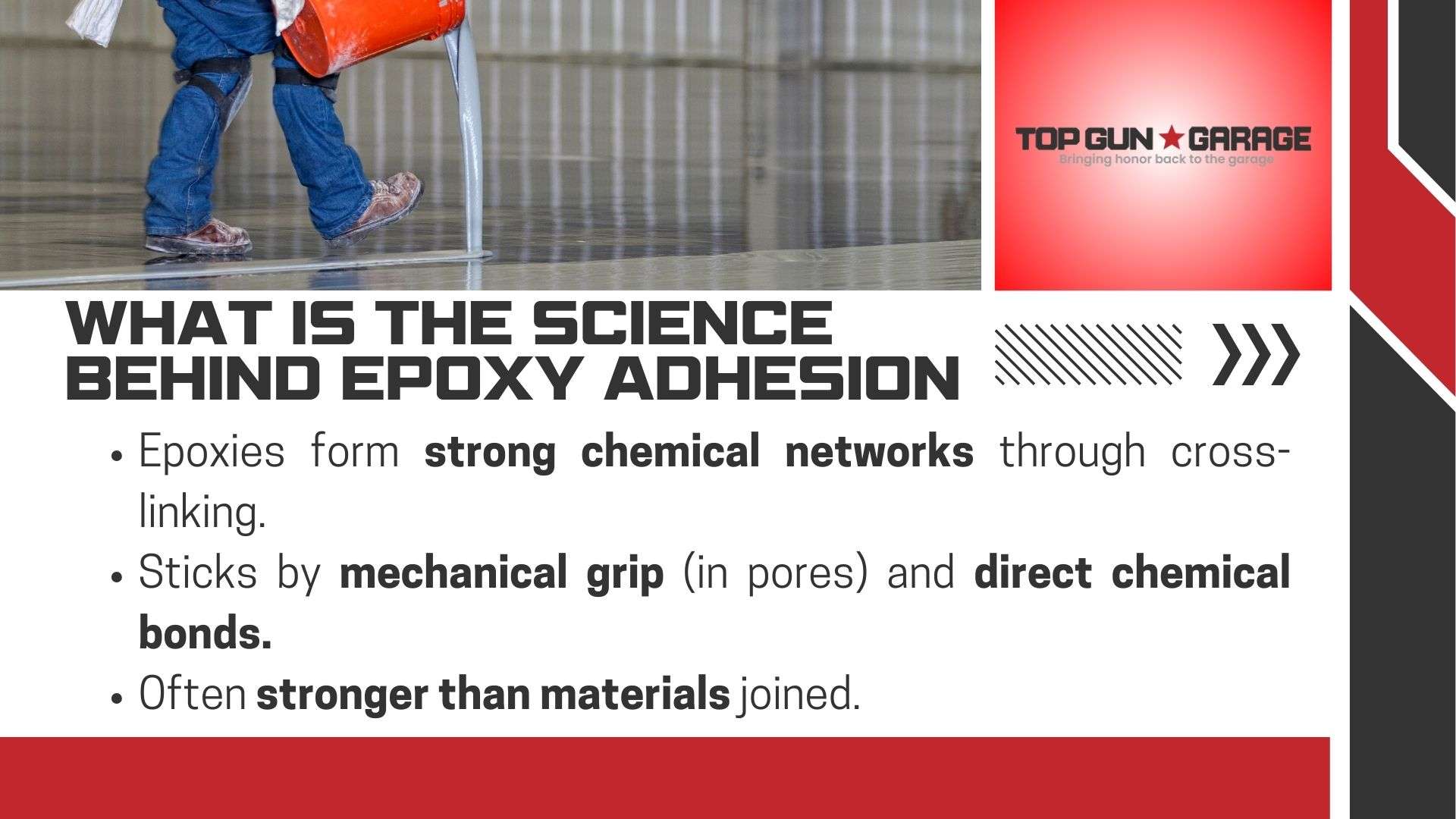 Invisible molecular dances dictate how epoxies form unbreakable bonds. When resin meets hardener, reactive groups trigger a cascade of chemical handshakes. These interactions build three-dimensional networks stronger than steel.
Molecular Interactions and Cross-Linking
Amine hardeners attack epoxide rings in resin molecules during curing. This breaks oxygen-carbon bonds, releasing energy that drives polymerization. Chains rapidly interconnect, forming dense matrices resistant to shear forces. Cross-linking density directly impacts strength. More connections create stiffer structures—ideal for load-bearing joints. Testing shows fully cured resins achieve tensile strengths exceeding 10,000 psi.Mechanical Interlocking versus Chemical Bonding
Liquid epoxies penetrate substrate pores like microscopic anchors. Once hardened, these protrusions resist pull-out forces. Simultaneously, polar hydroxyl groups form covalent bonds with metal oxides or wood fibers. Chemical bonds excel in smooth surfaces where mechanical grip falters. Combined, these mechanisms explain why adhesive failures rarely occur at the bond line—substrates typically break first.Factors Affecting Bond Strength and Surface Preparation
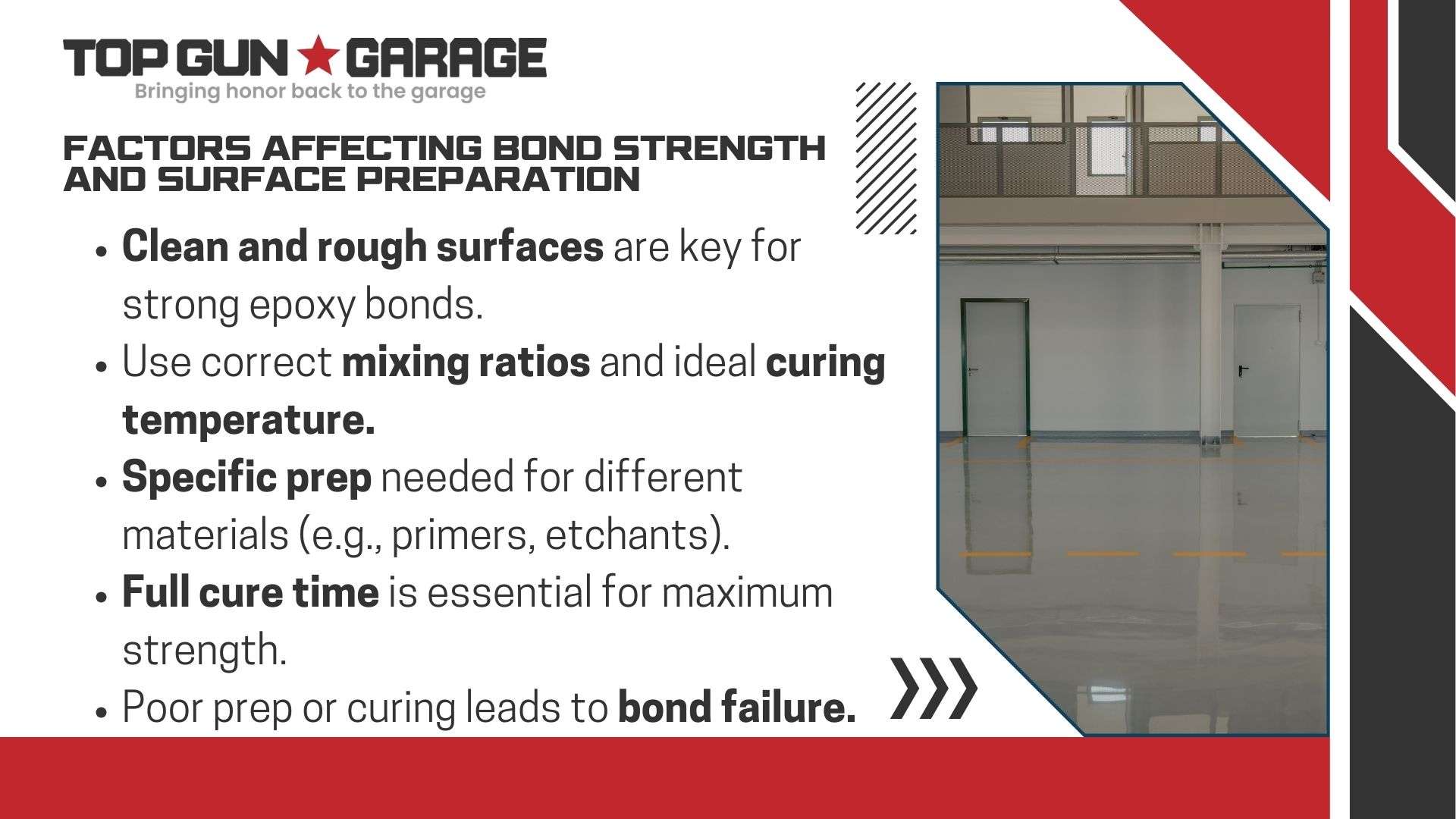 Creating lasting bonds with epoxy hinges on meticulous surface prep and controlled curing. Even high-performance resins fail if applied to dirty or incompatible substrates. Proper techniques unlock the adhesive’s full potential across metals, plastics, and porous materials like wood.
Surface Cleanliness and Energy Levels
Oils, dust, or oxidation layers repel liquid resin, weakening bonds. Professionals use acetone or isopropyl alcohol to degrease metal surfaces. For plastics, plasma treatment increases surface energy, helping epoxy form stronger chemical attachments.Influence of Curing Temperature and Mixing Ratios
Deviating from manufacturer-recommended ratios creates weak spots. A 10:1 resin-to-hardener mix cured at 75°F achieves peak strength in 24 hours. Cold environments slow polymerization, while excess heat causes brittle finishes.| Material | Preparation Method | Ideal Roughness (Ra) |
|---|---|---|
| Steel | Sandblasting (80-grit) | 125-250 µin |
| Aluminum | Phosphoric acid etch | 50-100 µin |
| Wood | Orbital sander (120-grit) | 150-200 µin |
Techniques for Optimal Surface Roughening
Mechanical abrasion creates micro-anchors for resin to grip. For DIYers, 80-120 grit sandpaper works on most materials. Industrial applications often use shot blasting to achieve uniform profiles. Always remove dust post-roughening using compressed air. Substrate characteristics dictate prep methods. Porous concrete needs primer types and their specific applications to prevent air pockets. Non-stick surfaces like Teflon® require specialized etchants. Allowing adequate cure time ensures cross-linking completes, maximizing bond resistance to stress.Epoxy Adhesives in Industrial and DIY Applications
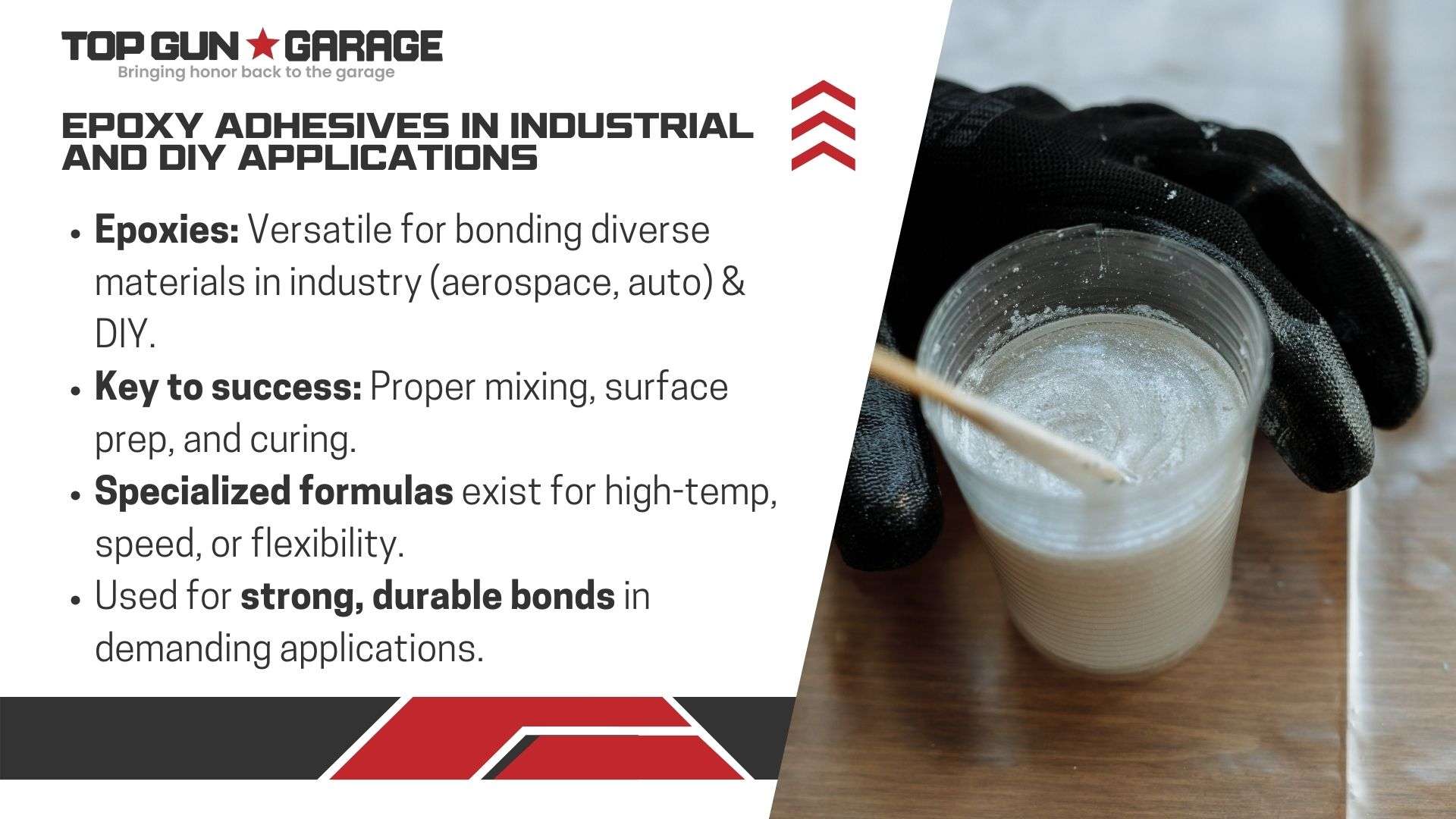 From skyscrapers to home workshops, epoxy products bridge engineering marvels and creative fixes. Their unique properties enable bonds between dissimilar materials—metal to plastic, concrete to wood—with equal reliability. This versatility makes them indispensable across sectors demanding precision and durability.
Applications in Aerospace, Automotive, and Construction
Aerospace engineers rely on epoxy resins to bond carbon-fiber composites in aircraft wings. These lightweight joints withstand extreme pressure shifts while reducing fuel consumption. Automotive technicians use specialized adhesives to repair engine components, leveraging epoxy’s resistance to oil and vibration. Construction teams apply high-strength coatings to protect steel beams from corrosion. For DIYers, two-part epoxies fix cracked patio furniture or secure wooden deck railings. Proper surface roughening ensures bonds outlast seasonal temperature swings. Key factors determine success in these applications:- Mixing ratios tailored to material compatibility
- Surface energy optimization through degreasing
- Cure time adjustments for humid environments
Enhancement Techniques and Innovative Approaches
 Modern engineering challenges demand smarter bonding solutions. Advanced methods now amplify epoxy’s natural capabilities, creating joints that survive extreme conditions. These innovations combine chemistry with material science to push adhesion limits.
Utilization of Adhesive Primers and Coupling Agents
Adhesive primers act as molecular bridges between substrates and epoxy. Thin coatings of silane-based primers improve bonding on metals like aluminum by 40%. They chemically prep surfaces, ensuring deeper resin penetration. Coupling agents like titanates connect dissimilar materials. They form covalent bonds with both organic resins and inorganic surfaces. This technique prevents delamination in fiberglass-reinforced plastics used in wind turbines.Incorporating Functional Fillers for Increased Durability
Adding glass fibers or carbon nanotubes boosts tensile strength by 60% in industrial formulations. Silica fillers enhance abrasion resistance for flooring compounds. Nano-clay particles reduce shrinkage during curing, minimizing stress cracks.| Filler Type | Key Benefit | Common Use |
|---|---|---|
| Ceramic Microspheres | Heat Resistance | Engine Components |
| Graphene Flakes | Electrical Conductivity | Electronics |
| Rubber Particles | Impact Absorption | Automotive Parts |
Practical Insights and Best Practices from Top Gun Garage
Industrial-grade bonds require precision beyond quality materials. Top Gun Garage’s Naples-based technicians share field-tested strategies for maximizing epoxy performance across commercial and DIY projects.Expert Tips and Contact Information
Epoxy floor preparation separates successful bonds from costly failures. For wood substrates, technicians recommend 120-grit sanding followed by vacuum cleaning. Metal surfaces demand acetone wiping to remove oxidation. “Rushing the prep stage causes 70% of adhesion issues,” notes a senior specialist. Mixing ratios prove critical. Use digital scales for small batches—a 5% deviation weakens polymer networks. In humid environments, extend epoxy floor cure time by 15% to prevent moisture interference. Recent marine deck repairs in Florida demonstrated how proper resin selection doubled service life. Avoid these common errors:- Applying epoxy below 60°F without cold-cure formulas
- Ignoring manufacturer pot life guidelines
- Using expired hardeners causing incomplete cross-linking
Conclusion
Mastering epoxy bonding requires blending chemistry with practical technique. Successful joints emerge when molecular cross-linking meets meticulous surface preparation—two factors that dictate long-term durability across industries. Choosing the right resin type ensures compatibility with substrates like wood or metal. Proper mixing ratios activate polymerization, creating dense networks that outperform conventional adhesives. Meanwhile, abrasion techniques and primers optimize surface energy for unshakable mechanical grip. From aerospace composites to DIY repairs, these principles empower professionals and hobbyists alike. Industrial coatings withstand extreme temperatures, while flexible formulations adapt to dynamic loads. Each project benefits from understanding how chemical bonds and material science intersect. Review enhancement methods like coupling agents or nano-fillers before starting your next build. Precision in application transforms ordinary resins into engineering-grade solutions. Let this knowledge guide your approach—how long does professional epoxy last depends on scientifically informed execution.FAQ
How do cross-linking reactions enhance epoxy adhesion?
Cross-linking forms strong covalent bonds during polymerization, creating a dense 3D network. This improves mechanical properties like tensile strength and chemical resistance, ensuring durable bonds between surfaces like metal or wood.
Why does surface roughness matter for epoxy bonding?
Roughened surfaces increase contact area, enabling mechanical interlocking. This boosts bond strength by allowing liquid resin to penetrate micro-pores, enhancing grip on materials such as polymers or coated metals.
What role do curing temperatures play in epoxy performance?
Higher curing temperatures accelerate polymerization, optimizing cross-link density. However, excessive heat can cause uneven curing, reducing bond durability. Proper temperature control ensures balanced chemical reactions and material stability.
How do coupling agents improve epoxy adhesion on low-energy surfaces?
Coupling agents like silanes modify surface energy, promoting chemical bonding between epoxy resins and substrates such as plastics. They bridge organic and inorganic materials, enhancing moisture resistance and long-term adhesion.
Which industries rely heavily on epoxy adhesives?
Aerospace uses epoxies for lightweight composites, automotive for structural bonding, and construction for durable coatings. Their versatility in handling stress, temperature shifts, and environmental exposure drives adoption across sectors.
Can functional fillers alter epoxy resin properties?
Adding fillers like silica or carbon fibers adjusts viscosity, thermal conductivity, or abrasion resistance. These compounds tailor formulations for specific applications, such as heat-resistant coatings or impact-tolerant adhesives.
What best practices ensure optimal epoxy application?
Clean surfaces with solvents to remove contaminants, mix ratios precisely, and apply primers if needed. For expert guidance, contact Top Gun Garage at (239) 488-7000 in Naples, FL, to discuss project-specific solutions.