 Skip to content



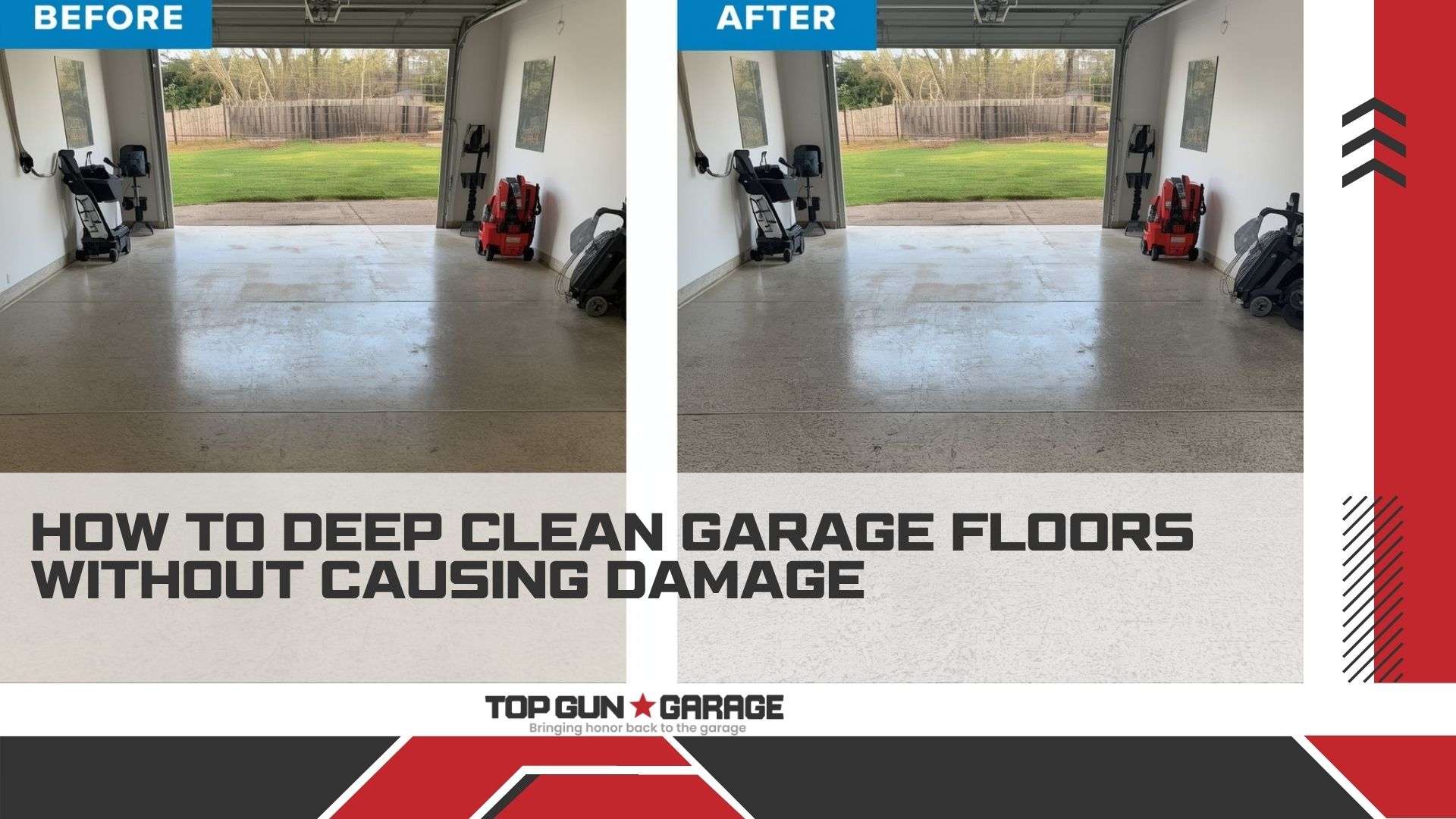
Garage floors endure some of the harshest conditions in any home, constantly exposed to oil spills, grease stains, road salt, dirt, and automotive fluids. Over time, these contaminants can penetrate deep into concrete surfaces, creating unsightly stains and potentially compromising the structural integrity of your flooring. Learning how to deep clean garage floors without damage is essential for maintaining both the appearance and longevity of your investment.
Many homeowners attempt aggressive cleaning methods that can actually cause more harm than good. Using the wrong chemicals, applying excessive pressure, or employing inappropriate tools can lead to surface etching, discoloration, or permanent damage to your concrete floors. The key to successful deep cleaning lies in understanding the nature of your flooring material and selecting appropriate cleaning methods that effectively remove contaminants without compromising the surface.
Deep cleaning concrete garage floors requires a systematic approach that considers the type of stains, the age and condition of the concrete, and any existing sealers or coatings. Unlike regular maintenance cleaning, deep cleaning involves removing years of accumulated grime, penetrating stains, and preparing the surface for potential resealing or refinishing. This process demands patience, proper preparation, and the right combination of cleaning agents and techniques.
The consequences of improper cleaning extend beyond cosmetic damage. Harsh chemicals can weaken concrete over time, while excessive moisture can lead to efflorescence or structural issues. Additionally, using incompatible cleaning products on sealed or coated floors can strip protective layers, leaving your flooring vulnerable to future damage. Understanding these risks is crucial for anyone undertaking a deep cleaning project.
Professional-grade results are achievable for dedicated homeowners who invest time in proper preparation and technique. However, it’s important to recognize when a project exceeds DIY capabilities and requires professional intervention. Factors such as extensive oil penetration, structural damage, or valuable decorative coatings may necessitate expert assessment and treatment to avoid costly mistakes.
Key Takeaways
Preparation is paramount: Successful deep cleaning begins with thorough preparation, including removing all items from the garage, sweeping debris, and identifying the types of stains present. This initial assessment determines the appropriate cleaning strategy and helps avoid damage from using incompatible products or methods.
Chemical selection matters: Different stains require specific cleaning agents, and using the wrong chemicals can cause permanent damage. Oil-based stains need degreasers, rust stains require acid-based cleaners, and organic stains respond to enzymatic cleaners. Always test cleaning products in inconspicuous areas before full application.
Gentle progression works best: Start with the mildest effective cleaning method and gradually increase intensity if needed. Beginning with harsh chemicals or aggressive techniques can cause irreversible damage that could have been avoided with a more conservative approach.
Proper dilution prevents damage: Concentrated cleaning products should always be diluted according to manufacturer specifications. Stronger isn’t always better, and undiluted chemicals can etch concrete surfaces, strip sealers, or create discoloration that’s impossible to reverse.
Timing and temperature affect results: Clean during moderate temperatures and avoid direct sunlight, which can cause cleaning products to dry too quickly and potentially damage surfaces. Allow adequate dwell time for products to work effectively without over-exposure.
Neutralization is essential: After using acidic or alkaline cleaners, proper neutralization and thorough rinsing prevent ongoing chemical reactions that could continue damaging your floors long after cleaning is complete.
Professional help has its place: Recognize when stains are too severe, when specialized equipment is needed, or when the risk of damage outweighs potential savings. Some situations require professional expertise to achieve optimal results without costly mistakes.
Understanding Your Garage Floor Surface
Before beginning any deep cleaning project, it’s crucial to understand the composition and condition of your garage floor surface. Most garage floors consist of concrete, but the age, finishing techniques, and any applied sealers or coatings significantly impact appropriate cleaning methods. Newer concrete typically has a smoother, denser surface that resists stain penetration better than older, more porous concrete that may have developed micro-cracks over time.
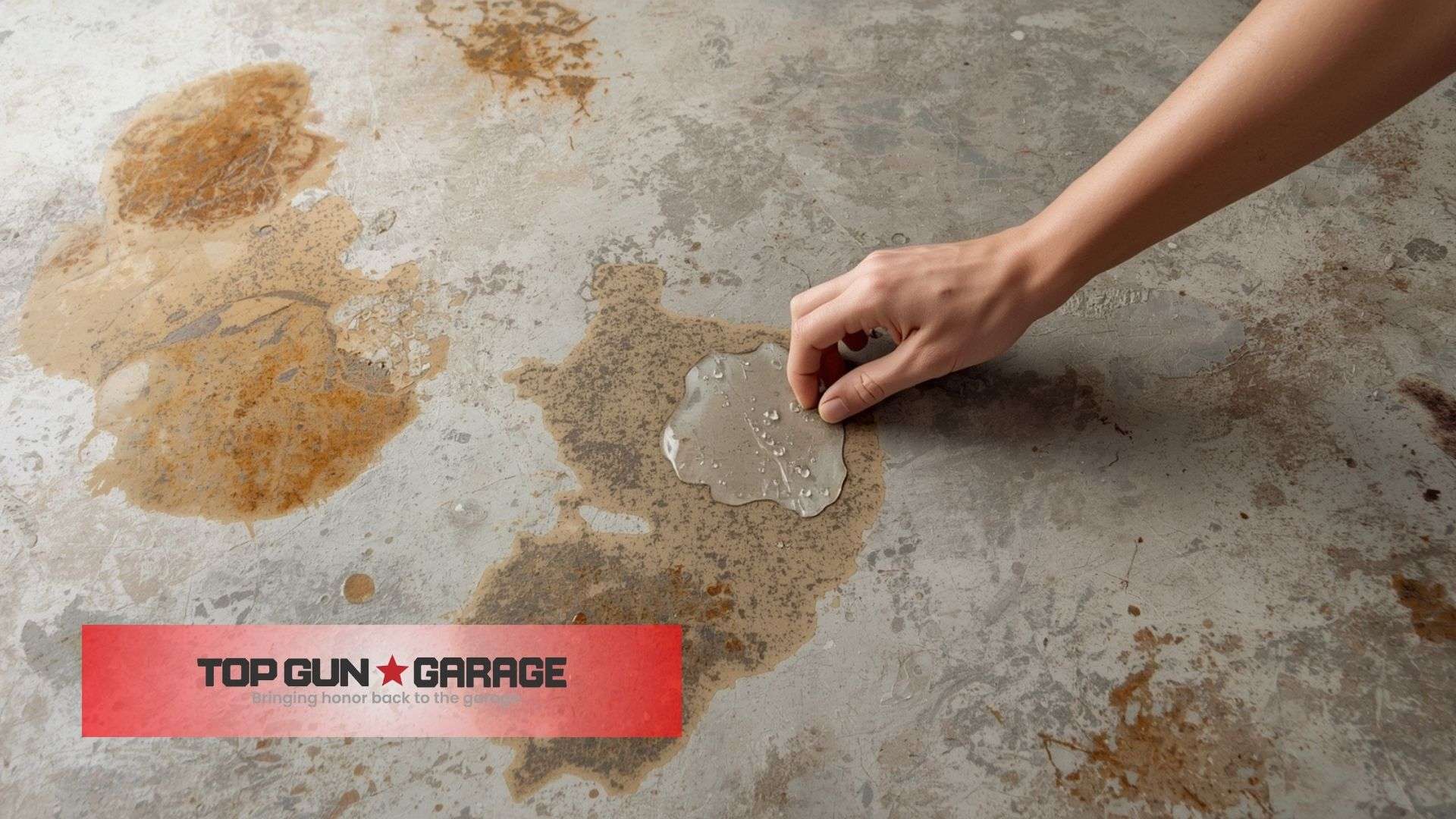
Identifying existing sealers or coatings is essential because many cleaning products can damage or strip these protective layers. Epoxy coatings, polyurethane sealers, and acrylic topcoats each require different cleaning approaches. A simple water test can help determine if your floor is sealed – if water beads on the surface, some type of sealer is present. If water absorbs quickly into the concrete, you’re dealing with unsealed, porous material that will require more aggressive cleaning methods.
The type and severity of stains also influence your cleaning strategy. Fresh oil spots respond differently than years-old penetrated stains. Rust stains require acidic cleaners, while organic matter responds better to enzymatic treatments. Tire marks, paint spills, and chemical stains each demand specific approaches. Taking time to map out different stain types across your garage floor helps you plan an efficient cleaning sequence and gather appropriate materials.
Concrete age and condition affect cleaning intensity limits, much like considerations for why some garage floors age better than others. Newer concrete can typically handle stronger cleaning products and more aggressive techniques, while older concrete may be more susceptible to damage from acids or high-pressure washing. Look for signs of existing damage such as spalling, cracking, or surface deterioration that could worsen with aggressive cleaning methods.
Essential Preparation Steps
Proper preparation forms the foundation of successful deep cleaning and damage prevention. Begin by completely clearing your garage of all vehicles, storage items, and equipment. This provides unrestricted access to the entire floor surface and prevents cleaning products from damaging stored items. Pay special attention to removing any items that could be affected by moisture or chemical vapors during the cleaning process.
Thorough debris removal comes next, starting with a comprehensive sweep to eliminate loose dirt, leaves, and larger particles. Follow this with a detailed inspection to identify oil stains, rust spots, paint drips, and other specific contamination types. Document stain locations and types to plan your cleaning sequence effectively. This mapping process helps ensure you have appropriate cleaning products on hand and can work systematically across the floor.
Ventilation setup is crucial for both safety and effectiveness, particularly important in how proper ventilation affects epoxy installation. Open all garage doors and windows to ensure adequate airflow, especially when using chemical cleaners that may produce fumes. Position fans to create cross-ventilation if natural airflow is limited. Proper ventilation also helps cleaning products work more effectively and ensures faster drying times.
Gather all necessary materials before beginning the actual cleaning process. This includes appropriate cleaning chemicals for different stain types, scrub brushes of varying stiffness, protective equipment such as gloves and eye protection, and neutralizing agents for acidic cleaners. Having everything readily available prevents interruptions during the cleaning process and ensures you can respond quickly if neutralization becomes necessary.
Pre-treat any obvious oil or grease stains with appropriate degreasers, allowing adequate dwell time for the products to penetrate and begin breaking down contaminants. This pre-treatment step significantly improves the effectiveness of your overall cleaning efforts and reduces the need for repeated applications of stronger chemicals. When considering the scope of your project, you might want to explore the benefits of professional expertise versus DIY approaches, as outlined in comprehensive comparison of DIY limitations and professional advantages.
Safe Chemical Selection
Selecting appropriate cleaning chemicals represents one of the most critical decisions in deep cleaning garage floors without causing damage. Different contaminants require specific chemical approaches, and using incompatible products can result in surface etching, discoloration, or chemical burns on concrete surfaces. Understanding the pH levels and active ingredients in cleaning products helps you make informed decisions that effectively clean while preserving your flooring investment.
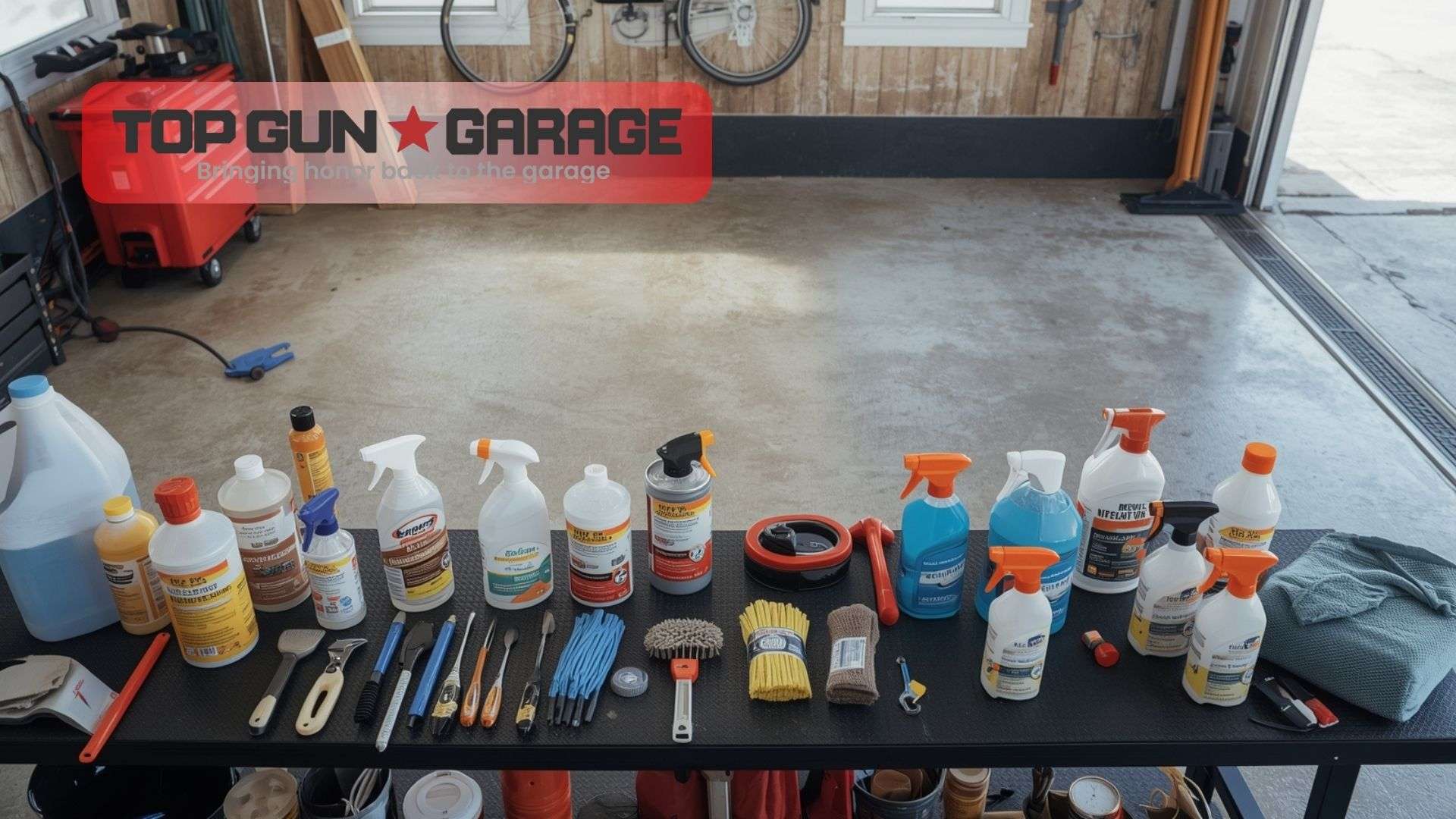
For oil and grease stains, alkaline degreasers work most effectively by breaking down hydrocarbon bonds and lifting contaminants from concrete pores. These products typically have pH levels between 10-13 and should be diluted according to manufacturer specifications. Avoid using undiluted degreasers, as excessive alkalinity can cause concrete to become slippery and may damage certain sealers or coatings.
Rust and mineral stains require acidic cleaners, typically containing phosphoric or muriatic acid. These products are highly effective but also potentially damaging if used incorrectly, as explained by the Environmental Protection Agency’s guidance on chemical safety. Always dilute acidic cleaners to recommended concentrations, test in inconspicuous areas first, and never allow extended contact times beyond manufacturer recommendations. Proper neutralization with alkaline solutions is essential after using acidic cleaners to prevent ongoing chemical reactions.
Organic stains such as mold, mildew, or biological matter respond best to enzymatic cleaners or chlorine bleach solutions. These products break down organic compounds without the harsh chemical action that can damage concrete surfaces. However, chlorine bleach can discolor certain concrete tints or sealers, so testing is always recommended before full application.
Application technique significantly impacts both cleaning effectiveness and damage prevention. Apply chemicals using pump sprayers or mop applications rather than pouring directly onto surfaces, which can create concentrated areas that may cause damage. Work in manageable sections to maintain control over contact times and ensure thorough rinsing before products can cause harm, following principles from what is the proper cleaning process for epoxy. Always wear appropriate protective equipment including chemical-resistant gloves, eye protection, and respiratory protection when working with strong cleaning agents.
Mechanical Cleaning Techniques
Mechanical cleaning methods provide powerful stain removal capabilities when used correctly, but they also present the highest risk of surface damage if applied improperly. Understanding the appropriate tools, techniques, and limitations of mechanical cleaning helps achieve professional results while preserving your concrete flooring. The key lies in matching cleaning intensity to stain severity and surface condition.
Scrub brushes represent the most common mechanical cleaning tool, but brush selection significantly impacts results and potential damage. Soft-bristled brushes work well for general cleaning and delicate surfaces, while medium-bristled brushes handle most common stains effectively. Reserve stiff-bristled brushes for stubborn stains on durable surfaces, and avoid wire brushes entirely unless dealing with extreme contamination on expendable surfaces.
Pressure washing offers excellent cleaning power but requires careful technique to prevent damage. Use wide-angle nozzles rather than concentrated streams, maintain appropriate distances from the surface, and keep the nozzle moving to prevent concentrated pressure in any single area. Start with lower pressures and gradually increase if needed, rather than beginning with maximum pressure that could cause surface pitting or aggregate exposure.
Floor scrubbing machines provide consistent, controlled mechanical action that’s often more effective and less damaging than manual scrubbing. These machines distribute pressure evenly and maintain consistent contact with the surface, reducing the risk of gouging or uneven cleaning patterns. When using mechanical scrubbers, select appropriate pad types for your specific cleaning needs and surface conditions.
Timing mechanical cleaning with chemical applications maximizes effectiveness while minimizing damage risk. Allow chemical cleaners adequate dwell time to soften contaminants before applying mechanical action. This approach reduces the mechanical force required and decreases the likelihood of surface damage. Always rinse thoroughly after mechanical cleaning to remove loosened contaminants and prevent them from re-depositing on the surface.
For particularly challenging projects or when working with valuable flooring surfaces, consider the advantages of professional equipment and expertise, especially for fixing cracked garage floors before coating. Professional contractors have access to specialized tools and possess the experience to handle complex cleaning challenges without risking costly damage to your investment.
Addressing Specific Stain Types
Different contaminants require targeted approaches to achieve effective removal without causing surface damage. Understanding the chemistry behind various stain types and matching appropriate cleaning methods ensures optimal results while protecting your concrete investment. Each stain category presents unique challenges that demand specific treatment protocols.
Oil and grease stains represent the most common garage floor contaminants, requiring alkaline degreasers that break down petroleum-based compounds. Fresh oil spills respond quickly to simple detergent solutions, while deeply penetrated stains may require commercial-grade degreasers with extended dwell times. For particularly stubborn oil stains, poultice applications that draw contaminants from deep within concrete pores provide effective results without aggressive surface treatment.
Rust stains demand acidic cleaners that dissolve iron oxide compounds without etching surrounding concrete. Oxalic acid or specialized rust removers work effectively on most rust contamination. Apply these products carefully, following manufacturer specifications for dilution and contact times, as explained in repairing concrete spalling in Florida garages. Always neutralize acidic cleaners immediately after use to prevent ongoing chemical reactions.
Tire marks consist of rubber compounds that bond with concrete surfaces through heat and friction. These stubborn stains often resist standard cleaning methods, requiring specialized rubber removers or careful application of mild solvents. Mechanical scrubbing with appropriate brushes typically proves more effective than chemical approaches alone for tire mark removal.
Paint spills vary in composition and require different removal strategies depending on paint type. Water-based paints often respond to mechanical scraping and scrubbing, while oil-based paints may require solvent applications. Always test solvent compatibility with your concrete surface before full application, as some products can damage sealers or cause discoloration.
Efflorescence appears as white, powdery deposits caused by mineral salts migrating through concrete. This condition responds to mild acidic cleaners that dissolve salt deposits without damaging concrete. Address underlying moisture issues to prevent recurrence after cleaning.
Post-Cleaning Protection and Maintenance
Completing the deep cleaning process properly ensures long-lasting results and prevents future damage to your garage floors. Post-cleaning procedures are just as important as the cleaning itself, involving thorough rinsing, proper drying, neutralization of any remaining chemicals, and assessment of the floor condition for potential protective treatments.
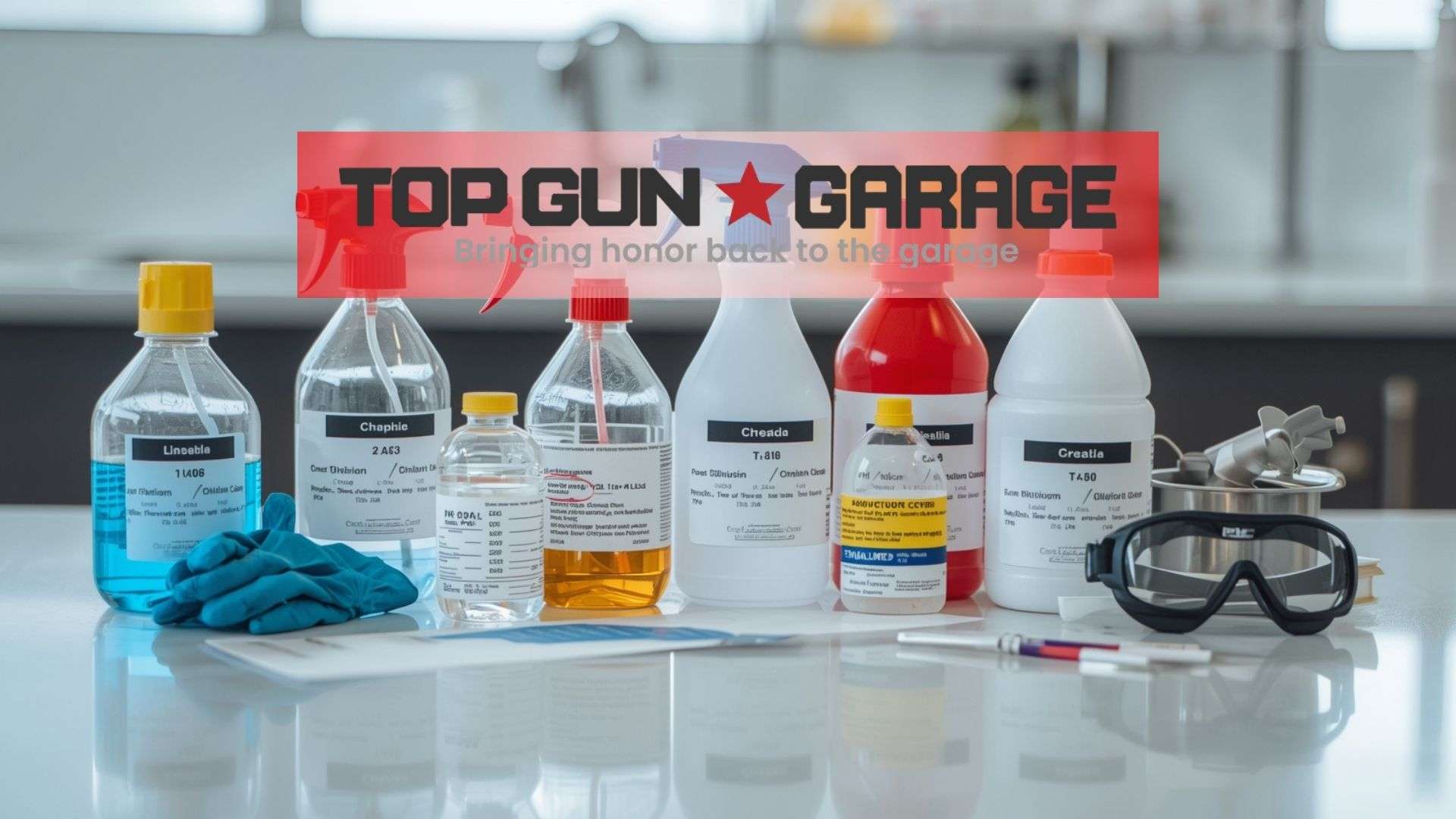
Thorough rinsing removes all cleaning residues that could continue affecting your concrete surface long after the cleaning process ends. Use clean water and ensure complete removal of all chemical cleaners, paying special attention to corners and low areas where residues tend to accumulate. Inadequate rinsing can leave behind chemicals that continue etching concrete or create sticky residues that attract dirt more quickly than before cleaning.
Proper drying prevents moisture-related issues such as efflorescence or mold growth, particularly important in humid climates as discussed in how Southwest Florida humidity affects installation. Ensure adequate ventilation during the drying process and avoid sealing or coating the floor until it’s completely dry. Trapped moisture under sealers can cause adhesion failures, bubbling, or cloudy appearances that require costly remediation.
Neutralization becomes critical after using acidic or strongly alkaline cleaners. Test the floor’s pH using litmus strips or digital meters to ensure neutrality before considering the cleaning complete. If pH levels remain outside the 6-8 range, apply appropriate neutralizing agents and rinse again until proper pH balance is achieved.
Post-cleaning assessment helps determine whether additional treatments would benefit your flooring. Deep cleaning often reveals the true condition of concrete surfaces, making it an ideal time to consider protective sealers, repair minor damage, or plan for future maintenance schedules. Fresh, clean concrete also provides the best foundation for applying protective coatings that can simplify future cleaning efforts, as outlined in understanding different concrete surface preparations.
Establishing a regular maintenance routine helps preserve the results of your deep cleaning efforts and reduces the need for future aggressive cleaning methods. Simple weekly sweeping, prompt spill cleanup, and periodic light cleaning with appropriate products can maintain your garage floor’s appearance and condition for years between deep cleaning sessions, following practices from how Naples homeowners maintain epoxy garage floors.
Protective Coatings After Deep Cleaning
Once your garage floor is thoroughly cleaned and properly prepared, applying protective coatings offers long-term benefits that simplify future maintenance and extend floor life. Deep cleaning creates the ideal surface condition for coating applications, maximizing adhesion and performance. Understanding your coating options helps you select the most appropriate protection for your specific needs and usage patterns.
Epoxy coatings provide exceptional durability and chemical resistance, making them ideal for high-traffic garages exposed to automotive fluids and heavy equipment. These coatings create a seamless, non-porous surface that prevents stain penetration and simplifies cleaning. The deep cleaning process ensures optimal surface preparation for maximum epoxy adhesion, as explained in how concrete is prepared for epoxy.
Polyaspartic coatings offer faster cure times and enhanced UV resistance compared to traditional epoxy systems. These advanced coatings excel in environments requiring rapid return to service or locations with significant sun exposure. The superior durability and stain resistance of polyaspartic systems justify the higher initial investment for many homeowners, as discussed in epoxy vs polyaspartic performance differences.
Concrete sealers provide a more economical protective option that enhances concrete durability without dramatically changing appearance. Penetrating sealers work within concrete pores to increase density and resistance to moisture penetration, while topical sealers create a protective film on the surface. Both types benefit from the clean, contaminant-free surface achieved through deep cleaning.
Staining options allow you to enhance concrete aesthetics while providing some protective benefits. Acid-based and water-based stains penetrate concrete to create permanent color that won’t peel or chip. Deep cleaning ensures even stain penetration and color development, as outlined in when to choose staining over coating.
Application timing requires proper surface preparation and moisture testing to ensure coating success. Allow adequate drying time after deep cleaning, typically 24-72 hours depending on temperature and humidity conditions. Moisture testing confirms that concrete has reached acceptable moisture levels for coating applications, preventing adhesion failures and other moisture-related problems.
Common Mistakes to Avoid
Understanding common cleaning mistakes helps you avoid costly damage and achieve professional-quality results. Many garage floor cleaning problems stem from rushing the process, using inappropriate products, or failing to follow proper procedures. Learning from these frequent errors saves time, money, and frustration while protecting your flooring investment.
Using excessive chemical concentrations represents one of the most damaging mistakes homeowners make. The misconception that stronger solutions clean better leads to surface etching, discoloration, and sealer damage that can cost thousands to repair. Always follow manufacturer dilution specifications and start with weaker solutions, increasing strength only if necessary.
Inadequate rinsing leaves chemical residues that continue affecting concrete long after cleaning appears complete. These residues can cause ongoing surface deterioration, interfere with future coating applications, or create slippery conditions that pose safety hazards. Invest adequate time in thorough rinsing using clean water to remove all cleaning product traces.
Pressure washing too aggressively causes surface damage including aggregate exposure, pitting, and erosion of concrete paste. Maintaining proper distance, using appropriate nozzles, and keeping equipment moving prevents concentrated pressure that can permanently scar concrete surfaces. Start with lower pressures and increase gradually only if needed.
Ignoring existing sealers or coatings when selecting cleaning products can strip protective layers or cause chemical incompatibilities that damage floors. Always identify existing floor treatments and select compatible cleaning products. When uncertain, test in small, inconspicuous areas before proceeding with full-scale cleaning.
Cleaning during extreme temperatures or direct sunlight causes products to dry too quickly, reducing effectiveness and potentially causing surface staining or damage. Schedule cleaning during moderate temperature conditions and avoid direct sun exposure to allow proper dwell times and optimal product performance.
Neglecting personal protective equipment exposes you to chemical burns, respiratory irritation, or other health hazards. Always wear appropriate gloves, eye protection, and respiratory protection when working with chemical cleaners. Ensure adequate ventilation throughout the cleaning process to minimize chemical exposure.
Attempting to remove all stains in a single cleaning session can lead to over-aggressive techniques that damage concrete. Some deeply penetrated stains require multiple treatments or specialized approaches. Accept that complete stain removal may not be possible without damaging the surface, and know when to accept reasonable results rather than risk floor damage.
When to Call Professionals
Recognizing situations that require professional intervention saves money, prevents damage, and ensures optimal results for challenging cleaning projects. While many garage floor cleaning tasks fall within DIY capabilities, certain conditions demand the expertise, equipment, and experience that professional contractors provide. Understanding these distinctions helps you make informed decisions about when to seek professional help.
Extensive oil penetration that has deeply saturated concrete over many years often requires professional equipment and expertise. Commercial-grade extraction systems, specialized chemical treatments, and professional assessment of concrete condition ensure effective contamination removal without surface damage. Attempting to address severe oil penetration with consumer-grade products often proves ineffective and may worsen the problem.
Valuable decorative finishes including stained concrete, polished surfaces, or specialty coatings require professional cleaning to preserve appearance and integrity. Improper cleaning methods can permanently damage these valuable surfaces, and professional contractors have the knowledge and experience to clean effectively while protecting your investment.
Structural damage such as severe cracking, spalling, or delamination requires professional evaluation before attempting cleaning. These conditions may indicate underlying problems that cleaning could exacerbate. Professional assessment identifies necessary repairs and appropriate cleaning methods that won’t worsen existing damage.
Large-scale commercial spaces benefit from professional cleaning services that provide efficiency, consistency, and quality results across extensive floor areas. Professional equipment and systematic approaches ensure uniform cleaning without the time investment required for DIY methods.
Failed DIY attempts that haven’t achieved desired results or have caused surface damage require professional remediation. Continuing unsuccessful DIY efforts often compounds problems and increases ultimate repair costs. Professional evaluation can determine the best path forward and prevent additional damage.
Uncertain surface conditions or unknown previous treatments present risks that professional expertise can navigate safely. Professionals have the experience to identify surface types, existing treatments, and appropriate cleaning methods that homeowners may struggle to determine independently.
Time constraints may make professional cleaning more practical than extended DIY efforts. Professional crews complete jobs efficiently, returning your garage to service quickly while delivering results that justify the investment in professional services.
Frequently Asked Questions
How often should I deep clean garage floors?
Deep cleaning frequency depends on usage patterns and contamination levels, but most garage floors benefit from deep cleaning every 1-2 years. High-traffic garages or those exposed to heavy automotive work may require annual deep cleaning, while lightly used garages might extend the interval to 3 years.
Can I use household cleaners for deep cleaning?
While some household cleaners can handle light cleaning, deep cleaning typically requires specialized products designed for concrete and heavy contamination. Household cleaners often lack the strength to penetrate deep stains and may not be formulated for concrete compatibility.
What’s the biggest cleaning mistake homeowners make?
Using overly aggressive chemicals or techniques without proper testing represents the most common and costly mistake. Starting with harsh methods can cause irreversible damage that could have been avoided with a more conservative approach.
Is pressure washing safe for all floors?
Pressure washing can be safe when used correctly, but older concrete, sealed surfaces, or decorative finishes may be damaged by high pressure. Always test in inconspicuous areas and start with lower pressures before increasing intensity.
How do I know if my floor is sealed?
Perform a simple water test by sprinkling water on the surface. If water beads and doesn’t absorb quickly, your floor likely has some type of sealer. If water absorbs rapidly, you’re dealing with unsealed concrete.
Can deep cleaning damage my garage floor?
Improper deep cleaning can cause damage, but following appropriate procedures and using compatible products minimizes this risk. The key is understanding your floor type and matching cleaning methods to surface conditions.
What should I do if products don’t remove stains?
If initial cleaning attempts fail, avoid immediately escalating to stronger chemicals. Instead, try extended dwell times, repeated applications, or different product types. Persistent stains may require professional assessment to determine the best approach.
When should I call professionals instead of DIY?
Consider professional help for extensive contamination, valuable decorative surfaces, structural damage, or when initial attempts prove ineffective. Professionals have specialized equipment and expertise to handle challenging situations without risking costly damage, as discussed in solving concrete dusting problems permanently.
Conclusion
Successfully deep cleaning garage floors without causing damage requires careful planning, appropriate product selection, and proper technique execution. The investment in time and effort pays dividends through improved appearance, easier maintenance, and extended floor life. Understanding your specific floor conditions and matching cleaning methods accordingly prevents costly mistakes while achieving professional-quality results.
The key to success lies in taking a systematic approach that prioritizes surface preservation while effectively removing years of accumulated contamination. Starting with conservative methods and gradually increasing intensity as needed provides the best balance between cleaning effectiveness and damage prevention. Proper preparation, chemical selection, and post-cleaning procedures work together to ensure lasting results that justify the effort invested.
For those considering future floor protection, exploring options like eco-friendly garage flooring options or understanding secrets to making garage floors last decades can help maintain the results of your deep cleaning efforts. Regular maintenance following deep cleaning helps preserve these results and reduces the need for future aggressive cleaning methods.
At Top Gun Garage, we understand the challenges homeowners face when maintaining their garage floors. Whether you choose to tackle deep cleaning as a DIY project or prefer professional assistance, the most important factor is using appropriate methods that preserve your flooring investment while achieving the clean, attractive results you desire. Remember that some situations exceed DIY capabilities and benefit from professional intervention, ensuring optimal results for your garage flooring investment.