 Skip to content



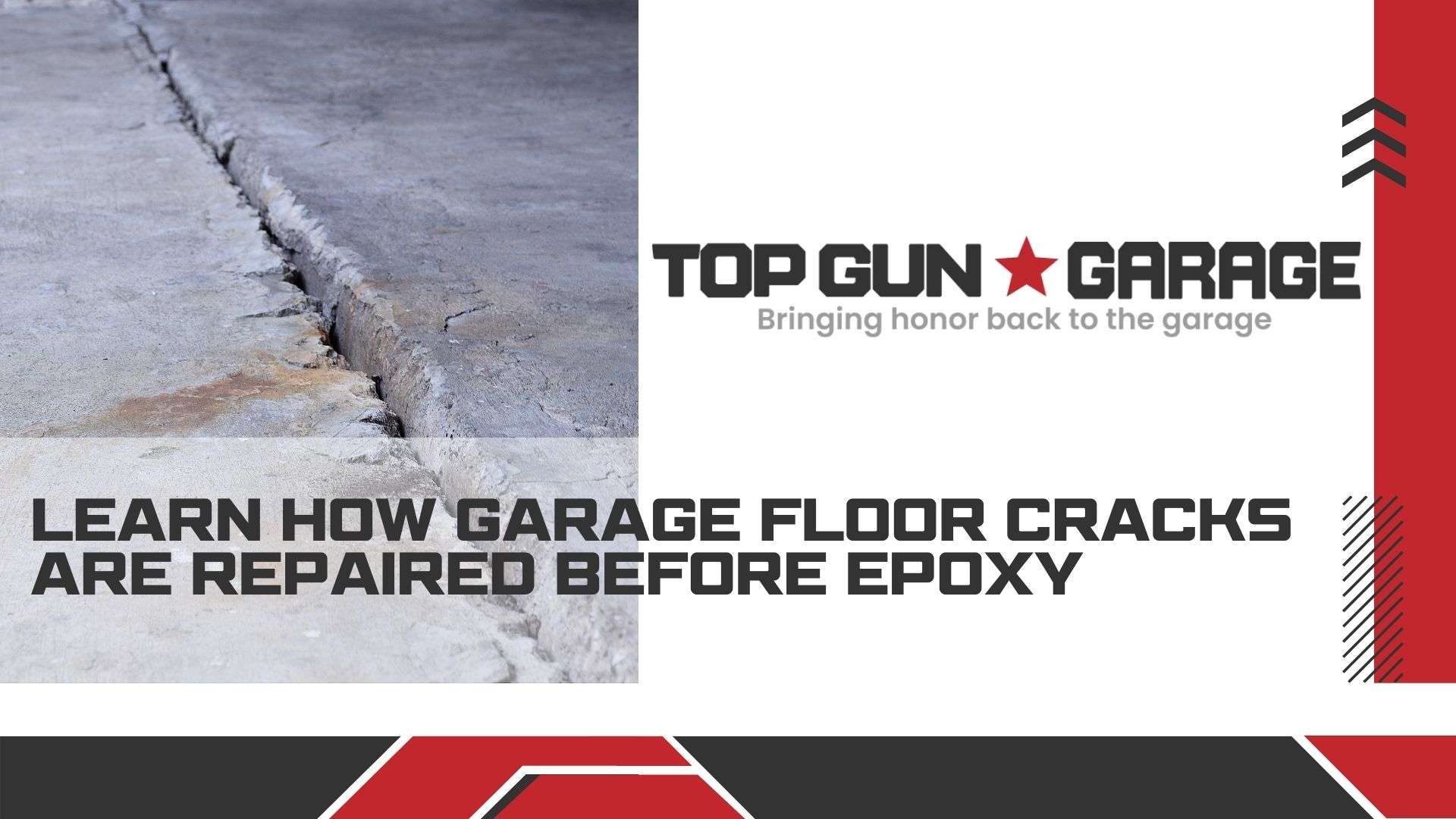
Key Takeaways
- Thorough crack sealing prevents future epoxy coating failures.
- Debris removal ensures proper adhesion of repair materials.
- Industry-grade fillers enhance structural integrity.
- Smoothing techniques eliminate trip hazards and uneven textures.
- Naples-based technicians prioritize climate-resistant solutions.
- Professional methods align with manufacturer warranties.
Introduction to Garage Floor Repair at Top Gun Garage
For over a decade, Top Gun Garage has delivered trusted solutions for residential and commercial surfaces in Southwest Florida. Based in Naples, their team specializes in transforming worn concrete into durable, polished spaces ready for protective coatings. This section explores their approach to foundational repairs and why meticulous prep work matters.Company Overview and Naples, FL Location
Serving Collier County since 2012, Top Gun Garage combines local expertise with advanced repair methods. Their technicians understand Florida’s humid climate, which demands moisture-resistant materials and thorough contaminant removal. Every project begins with vacuuming debris and pressure-washing surfaces to expose structural flaws.Expert Service and Contact Information: (239) 488-7000
Ignoring loose particles or hairline fractures compromises coating adhesion. The company uses industrial-grade fillers to seal imperfections, creating seamless bases for epoxy applications. Homeowners appreciate their transparent process—from initial inspection to final smoothing—ensuring lasting results. For assessments or urgent repairs, call (239) 488-7000.Understanding the Importance of Repairing Floor Cracks
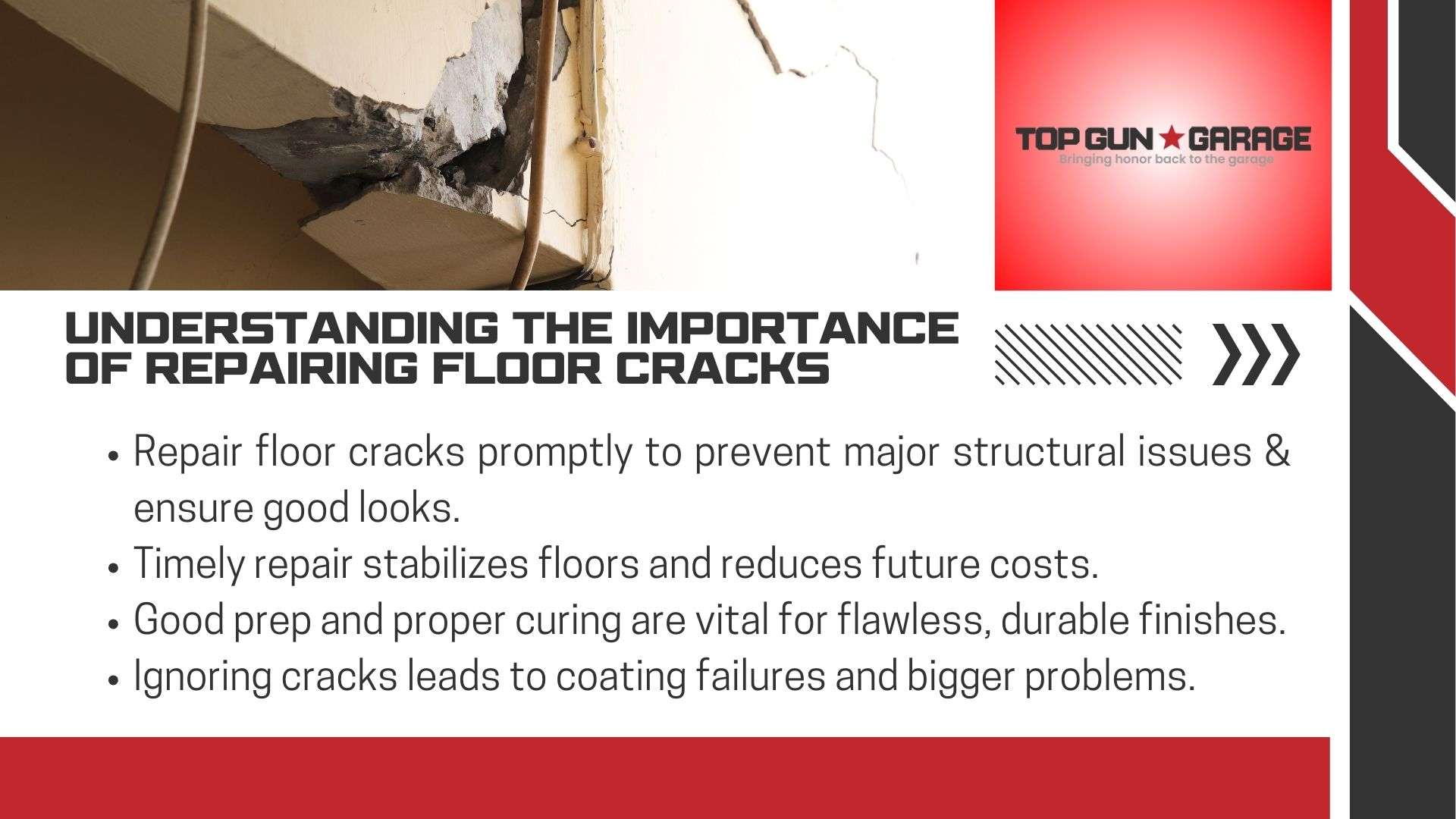 Addressing surface imperfections promptly safeguards both functionality and aesthetics. Left unattended, minor flaws can evolve into major structural concerns, compromising the entire space. Industry studies reveal that 78% of coating failures stem from inadequate prep work, emphasizing the need for precision.
Preventing Future Damage and Structural Issues
Timely intervention stops small cracks from expanding under pressure or temperature changes. Specialized fillers, chosen based on manufacturer specifications, bond securely to stabilize weak areas. This proactive approach minimizes stress points that could lead to costly rebuilding projects.| Repair Timing | Structural Impact | Cost Implications |
|---|---|---|
| Immediate Action | Contains damage | 15-30% lower long-term costs |
| Delayed Repairs | Widespread deterioration | 2-5x higher restoration expenses |
Enhancing Adhesion for a Flawless Epoxy Finish
Smooth surfaces allow protective layers to bond uniformly without bubbles or gaps. Technicians remove contaminants through a multi-step process involving grinding and chemical treatments. This meticulous prep work increases coating durability by 40% compared to basic cleaning methods. Climate-resistant products designed for Florida’s humidity prevent premature peeling. By aligning techniques with industry standards, professionals ensure seamless results that maintain visual appeal for years.How Garage Floor Cracks are Repaired Before Epoxy
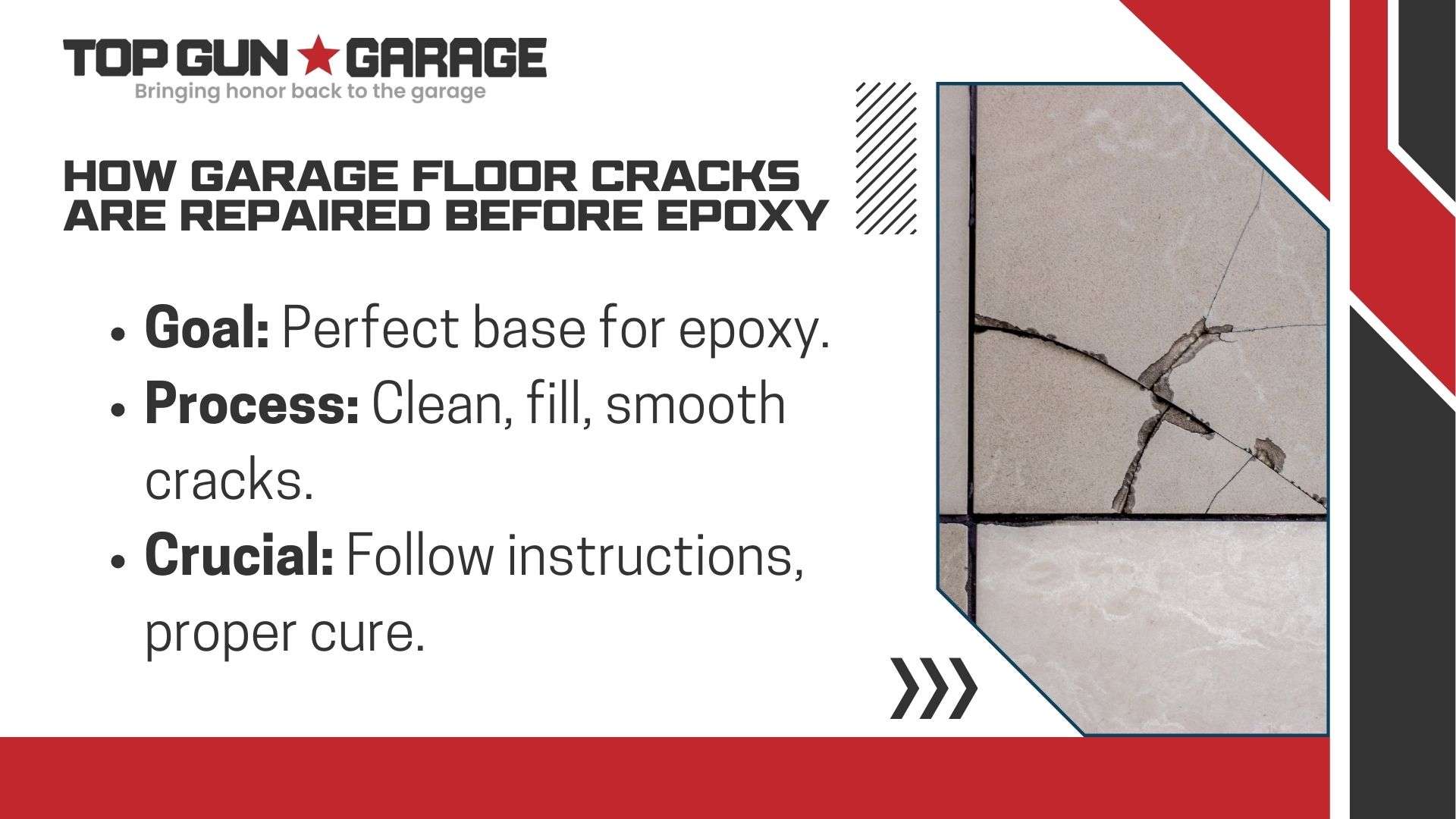 Specialists follow systematic protocols to transform damaged surfaces into pristine bases. Proper execution at this stage determines the longevity and appearance of the final finish. Precision ensures no imperfections interfere with material bonding or visual uniformity.
Step-by-Step Process Overview
- Identify imperfections using bright lighting and tactile inspection methods
- Clean affected areas with industrial vacuums and stiff-bristle brushes
- Apply polymer-based crack fillers using angled trowels for deep penetration
- Smooth surfaces with orbital sanders once materials achieve initial cure
- Verify flatness using laser levels before proceeding to coating stages
Essential Tools and Materials
- Diamond-grit sanding discs (60-80 grit for optimal texture)
- Stainless steel spreading tools with ergonomic handles
- Moisture-resistant patching compounds meeting ASTM standards
- Respiratory protection gear for dust management
Preparing Your Concrete Surface for Effective Repair
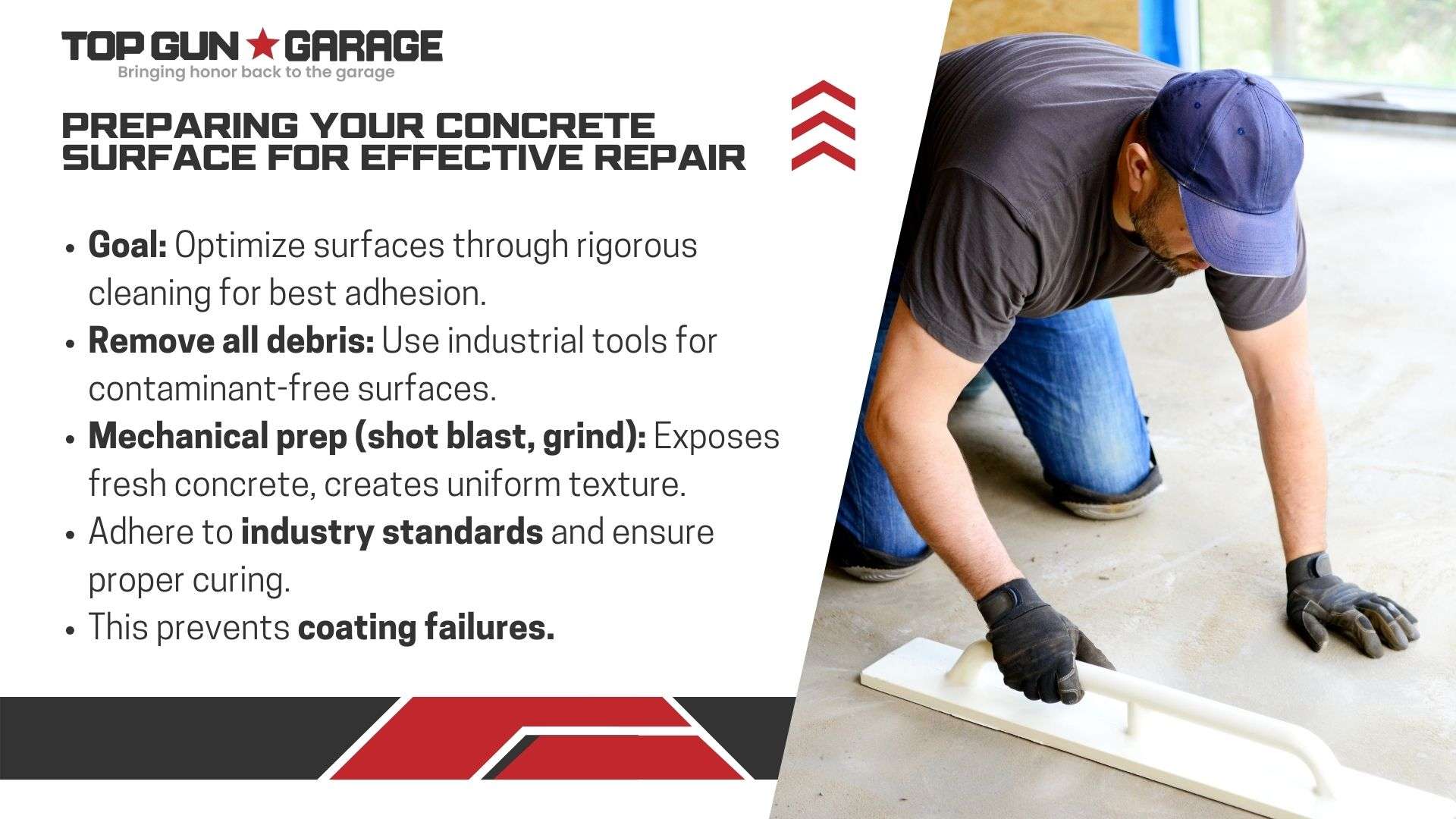 Successful restoration projects begin with rigorous cleaning and surface optimization. Top Gun Garage prioritizes this phase, knowing even microscopic contaminants can undermine adhesion. Their Naples-based team follows a systematic approach to ensure substrates meet exacting standards for protective coatings.
Removing Loose Debris and Contaminants
Technicians start by clearing particulate matter using industrial-grade tools. Stiff wire brushes dislodge stubborn dirt, while pressure washers eliminate oil residues. This step creates contaminant-free surfaces ready for advanced treatments. Specialized vacuums capture fine dust particles often missed during manual cleaning. This attention to detail prevents tiny abrasives from interfering with patching materials later. Proper debris removal takes 30% longer than DIY methods but guarantees optimal bonding conditions.Shot Blasting and Grinding Techniques
Mechanical preparation methods expose fresh concrete for maximum adhesion. Shot blasters propel steel pellets at high velocity, stripping worn layers and opening pores. Diamond grinders then level uneven areas, creating uniform textures across the workspace. These processes remove up to 99% of surface contaminants, according to industry studies. Top Gun Garage uses equipment calibrated for Southwest Florida’s concrete mixes. Their technicians document surface profiles to ensure compatibility with chosen repair materials. By combining these steps with climate-appropriate curing times, the team prevents common coating failures. Every project adheres to ASTM standards, giving Naples homeowners confidence in their revitalized spaces.Techniques for Filling and Smoothing Cracks
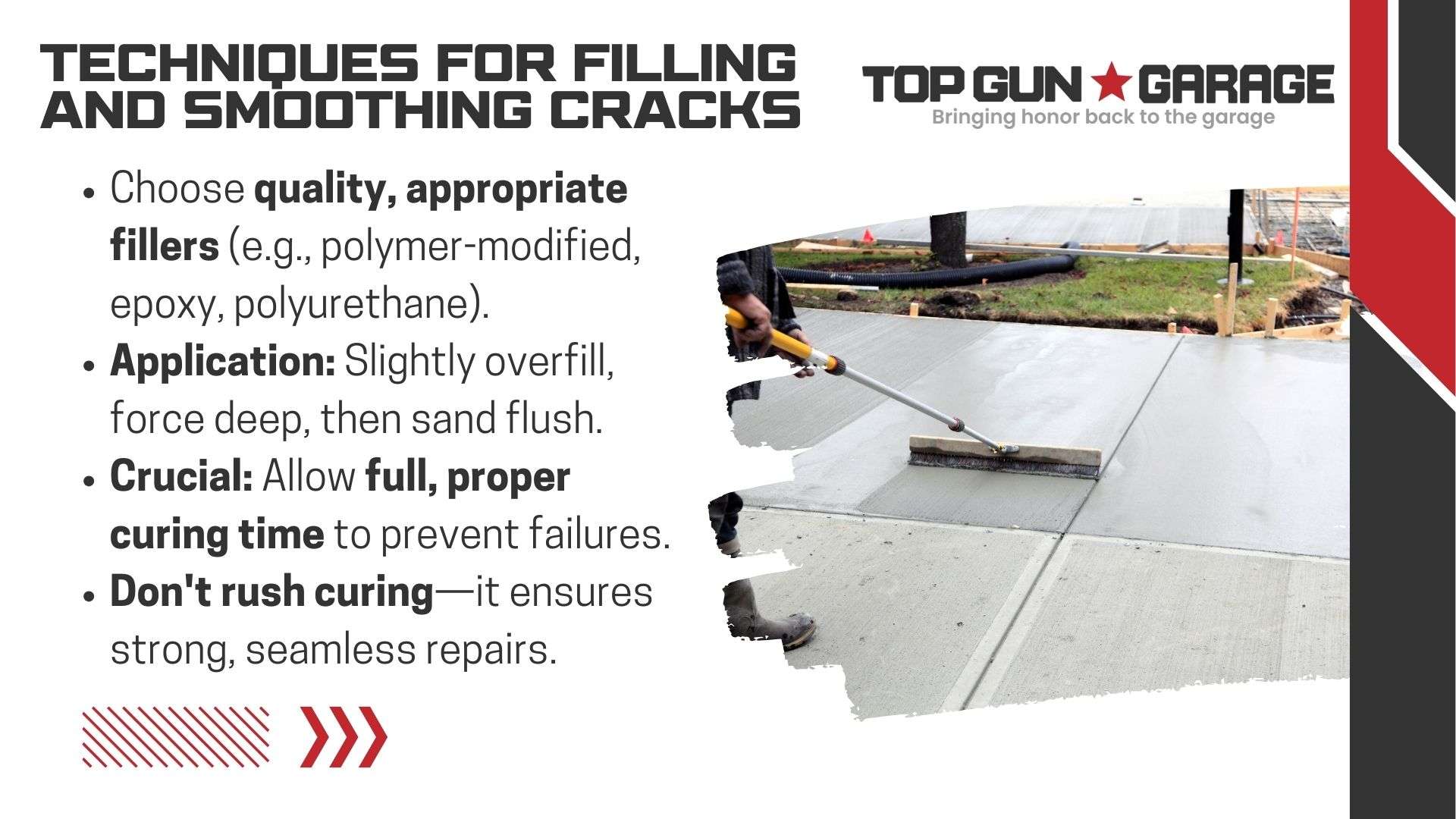 Effective crack restoration requires precision in material selection and application methods. Professionals prioritize products that bond securely while resisting environmental stress. This attention to detail ensures surfaces remain stable under daily use and seasonal changes.
Selecting Quality Crack Fillers and Patchers
High-performance patching compounds prevent shrinkage and maintain flexibility. Industry leaders recommend polymer-modified formulas meeting ASTM C-881 standards. These materials expand and contract with temperature shifts, reducing future separation risks.- Epoxy-based fillers for structural integrity
- Polyurethane options for moisture-prone areas
- Rapid-setting cementitious blends for quick repairs
Application Methods for a Seamless Surface
Technicians overfill cracks slightly to account for material settling. They use V-shaped trowels to force compounds deep into crevices, eliminating air pockets. After initial hardening, excess material gets sanded flush with surrounding surfaces. Critical steps for durable results:- Allow 24-48 curing hours at recommended humidity levels
- Check filled areas with straightedges for deviations
- Reapply thin filler layers if depressions appear
Best Practices for Durable Epoxy Installation
Achieving professional-grade results demands strict adherence to curing protocols and environmental controls. Proper execution at this stage determines whether coatings withstand daily wear or develop premature flaws. These methods ensure seamless finishes that maintain integrity for years.Proper Curing Times and Environmental Considerations
Epoxy requires 24-72 hours to cure fully, depending on product specifications. Ideal temperatures range between 65-85°F with humidity below 85%. Use infrared thermometers to monitor surface conditions.| Temperature | Humidity | Curing Time |
|---|---|---|
| 70°F | 60% | 24 hours |
| 80°F | 75% | 36 hours |
| 60°F | 90% | 48+ hours |
Tips for Long-Lasting Protection and Maintenance
Use microfiber mops and pH-neutral cleaners for routine care. Address spills immediately to prevent staining. For stubborn issues, apply manufacturer-approved spot treatments without abrasive tools. Key maintenance steps:- Sweep high-traffic zones daily
- Apply protective wax annually
- Inspect sealed edges quarterly
Conclusion
A flawless epoxy finish starts with precise groundwork. Every successful installation begins with assessing surface conditions and removing contaminants. Filling imperfections using industry-approved materials creates stable bases for protective coatings. Quality products combined with professional techniques yield durable results. Following manufacturer guidelines ensures materials perform as intended. This type of preparation prevents common issues like peeling or bubbling over time. Top Gun Garage delivers reliable solutions through meticulous processes. Their Naples team uses climate-resistant compounds tailored to Southwest Florida’s humidity. For guaranteed outcomes, trust experts who prioritize proper curing times and surface leveling. Homeowners seeking lasting protection should consult certified technicians. Call (239) 488-7000 for assessments matching strict industry standards. Professional installation remains the smart choice for surfaces facing daily wear. Implement these proven methods to transform worn spaces into resilient, polished areas. The right type of preparation today ensures decades of service from epoxy-coated surfaces.FAQ
Why is repairing cracks essential before applying epoxy coatings?
Unaddressed cracks can compromise adhesion, leading to peeling or bubbling in the epoxy finish. Proper repair prevents moisture intrusion, structural weakening, and ensures a smooth, durable surface for long-lasting results.
What methods prepare concrete surfaces for crack repair?
Professionals use shot blasting or grinding to remove contaminants, loose debris, and old coatings. This creates a clean, textured base that improves bonding for fillers and epoxy products.
Which crack fillers work best for garage floors?
High-quality epoxy-based or polyurethane fillers are ideal, as they resist shrinkage and withstand temperature changes. Brands like Sikaflex or Rust-Oleum offer flexible solutions compatible with concrete substrates.
How long should repaired cracks cure before epoxy application?
Most fillers require 24–48 hours to fully cure, depending on humidity and temperature. Following manufacturer instructions ensures optimal hardening and prevents premature coating failure.
Can DIY repairs match professional results for epoxy floors?
While minor cracks may be addressed with store-bought kits, uneven surfaces or deep fissures often need expert tools like hydraulic patchers. Top Gun Garage in Naples, FL, uses industrial-grade materials for seamless outcomes.
What environmental factors affect crack repair and epoxy installation?
Humidity above 85% or temperatures below 50°F can delay curing. Proper ventilation and climate-controlled conditions ensure adhesives set correctly, minimizing future maintenance issues.
How does shot blasting improve epoxy adhesion compared to acid etching?
Shot blasting mechanically opens pores in concrete without chemical residues, creating a stronger bond. Acid etching risks uneven surfaces and incomplete contaminant removal, reducing coating longevity.