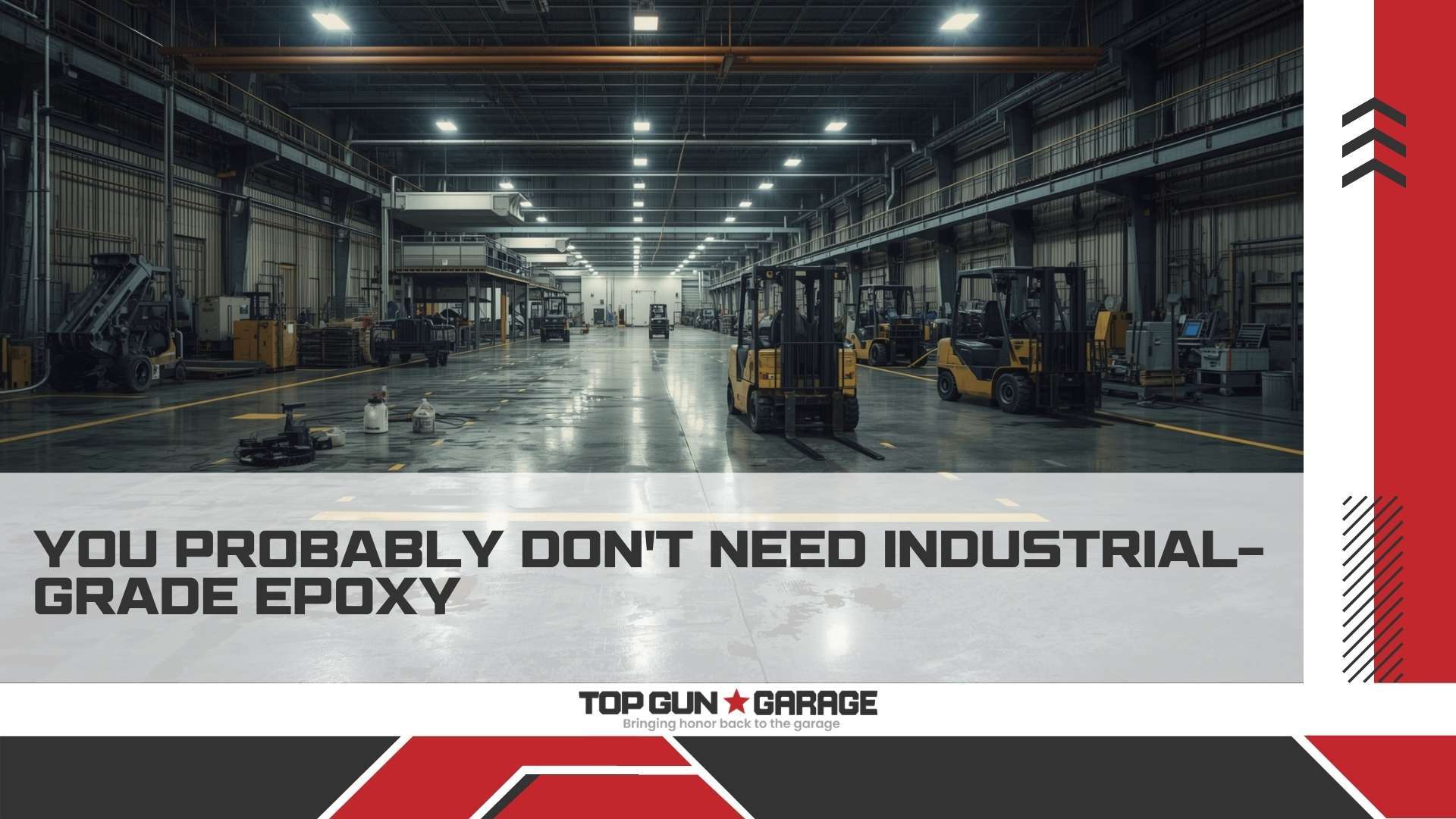
Many homeowners shopping for garage floor coatings get caught up in marketing terms like “industrial-strength” and “commercial-grade.” While these products exist for good reasons, they serve specific purposes most residential garages never encounter. This guide explains the actual differences between industrial epoxy vs residential coatings, helping Southwest Florida homeowners make informed decisions about their garage floors.
Understanding what your garage actually needs prevents overpaying for unnecessary features while ensuring you get adequate protection for your specific situation.
Key Takeaways
Industrial epoxy systems (20-60+ mils thick) are designed for forklift traffic, chemical plants, and heavy manufacturing—not typical home garages
Residential-grade professional coatings (10-20 mils) handle SUVs, light workshop use, and normal household demands effectively
Thickness matters, but proper surface preparation and quality materials matter more for residential applications
Most homeowners benefit from polyaspartic coatings that offer durability without industrial-level overkill
Climate considerations in Southwest Florida often matter more than industrial specifications
What Makes Epoxy “Industrial-Grade”?
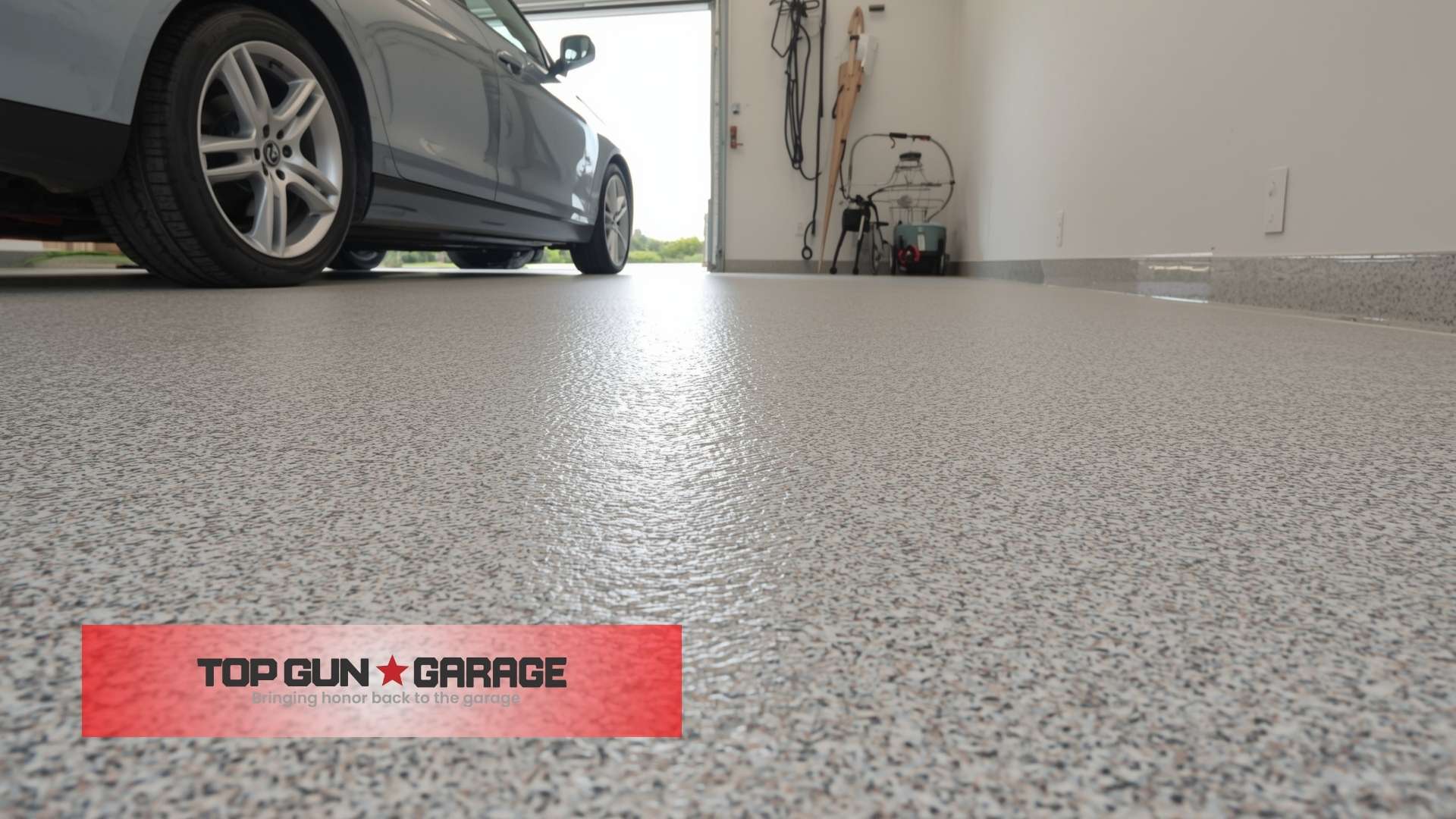
Industrial epoxy systems differ from residential products in several measurable ways. Understanding these differences reveals why most homes don’t require industrial specifications.
Thickness Specifications
Coating thickness, measured in mils (one mil equals 1/1000th of an inch), represents the primary distinction between industrial and residential systems. Industrial floors in warehouses and manufacturing facilities typically require 25-60 mils of coating thickness. Some extreme-duty applications in food processing plants and aircraft hangars use systems exceeding 125 mils—essentially creating a new floor surface over existing concrete.
Residential garage coatings from professional installers typically range from 10-20 mils. DIY kits from home improvement stores often apply at just 3-5 mils, which explains their shorter lifespan. Professional residential systems at 15-20 mils provide more than adequate protection for vehicles, foot traffic, and occasional workshop activities.
Chemical and Abrasion Resistance
Industrial facilities face exposure to harsh chemicals, constant forklift traffic, and mechanical abrasion that residential garages simply don’t experience. Manufacturing plants deal with hydraulic fluids, industrial solvents, and continuous heavy equipment movement. Warehouses see constant pallet jack traffic and steel wheel abrasion.
Your garage handles automotive fluids like oil, brake fluid, and gasoline. A quality residential epoxy coating resists these substances effectively. Unless you’re running a commercial operation from your garage, industrial-level chemical resistance represents an unnecessary expense.
Compressive Strength Requirements
Industrial epoxy mortars achieve compressive strengths of 8,000-12,000 psi to withstand heavy machinery and concentrated loads from forklift wheels. These specifications address scenarios where equipment creates point loads of several thousand pounds per square inch.
Your SUV distributes weight across four tires, creating minimal point pressure compared to industrial equipment. Even heavier vehicles like trucks and RVs don’t approach the stress levels industrial coatings address. Residential-grade systems handle typical vehicle loads without difficulty.
When Do You Actually Need Industrial-Grade Coatings?
Certain situations warrant industrial specifications, even in residential settings. Consider heavier-duty systems if your garage functions as a serious workshop environment with the following characteristics.
Heavy equipment usage changes the equation. If you operate forklifts, scissor lifts, or similar machinery in your space, industrial specifications make sense. Car lifts in home garages may benefit from reinforced coatings in high-stress areas, though full industrial systems remain unnecessary for most collector garages.
Commercial operations in residential spaces require appropriate protection. Running a detailing business, auto service operation, or manufacturing activity from a home garage exposes floors to industrial-type conditions.
Extreme chemical exposure scenarios, such as heavy acid use or industrial solvent storage, benefit from specialized coatings. Standard automotive chemicals don’t qualify for this category.
What Most Southwest Florida Homeowners Actually Need
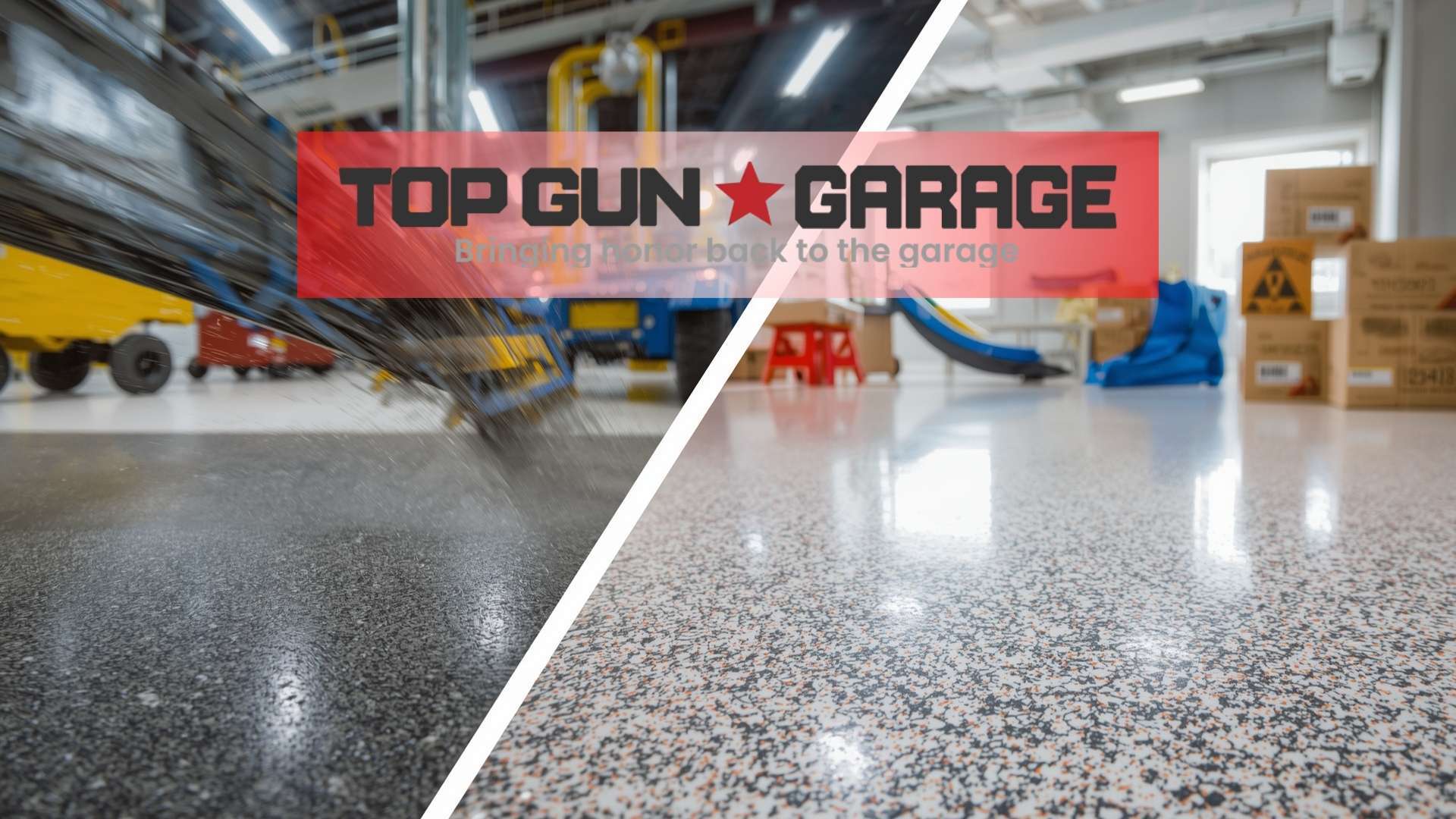
The typical Naples, Fort Myers, or Bonita Springs garage faces different challenges than industrial facilities. Understanding local conditions helps select appropriate protection without overpaying.
Florida Climate Considerations
Southwest Florida’s humidity and temperature fluctuations affect coating performance more than most homeowners realize. Moisture problems in concrete create adhesion issues regardless of coating thickness. A properly applied residential system with moisture mitigation outperforms an industrial coating installed without addressing substrate conditions.
Hot tire pickup, where warm tires lift coating material, concerns Florida homeowners more than industrial abrasion resistance. Quality residential polyaspartic and polyurea systems resist hot tire pickup better than many industrial epoxies designed for different challenges.
Salt damage from coastal proximity and road treatments affects many area garages. Appropriate residential coatings address this concern without industrial specifications.
Typical Residential Use Patterns
Most homeowners use garages for vehicle parking, moderate storage, and light workshop activities. This usage pattern requires coatings that resist automotive fluids and chemicals, handle normal vehicle traffic including SUVs and trucks, provide easy cleaning and maintenance, and offer aesthetic appeal with lasting durability.
Professional residential coating systems meet these requirements effectively. The additional investment in industrial systems provides minimal benefit for typical use while significantly increasing cost.
Comparing Coating Systems for Residential Use
Several coating options serve residential applications well. Each offers different advantages depending on priorities and budget.
Professional Epoxy Systems
Quality professional epoxy applied at 15-20 mils provides excellent durability for residential use. These systems bond chemically to properly prepared concrete, creating long-lasting protection. Epoxy cure times require patience—typically 5-7 days before vehicle traffic—but deliver reliable results.
Epoxy systems work well for garages with moderate use, limited UV exposure, and standard protection requirements. They represent a solid middle ground between DIY products and industrial specifications.
Polyaspartic and Polyurea Coatings
Polyaspartic systems offer advantages that matter more to homeowners than industrial thickness specifications. These coatings cure faster—often allowing vehicle traffic within 24-48 hours. They resist UV yellowing better than standard epoxies, important for garages receiving sunlight. Flexibility helps accommodate concrete movement without cracking.
Polyurea vs epoxy comparisons consistently favor polyurea and polyaspartic systems for Florida residential applications. The performance characteristics match regional conditions better than industrial epoxies designed for factory environments.
DIY Products
Big-box store epoxy kits apply at 3-5 mils—far thinner than professional residential systems. This explains why DIY epoxy fails within 2-4 years for many homeowners. The issue isn’t that these products aren’t “industrial-grade”—they’re not even adequate residential-grade.
Comparing DIY to professional installation reveals that professional residential systems outperform DIY attempts significantly while remaining far below industrial specifications.
Making the Right Investment
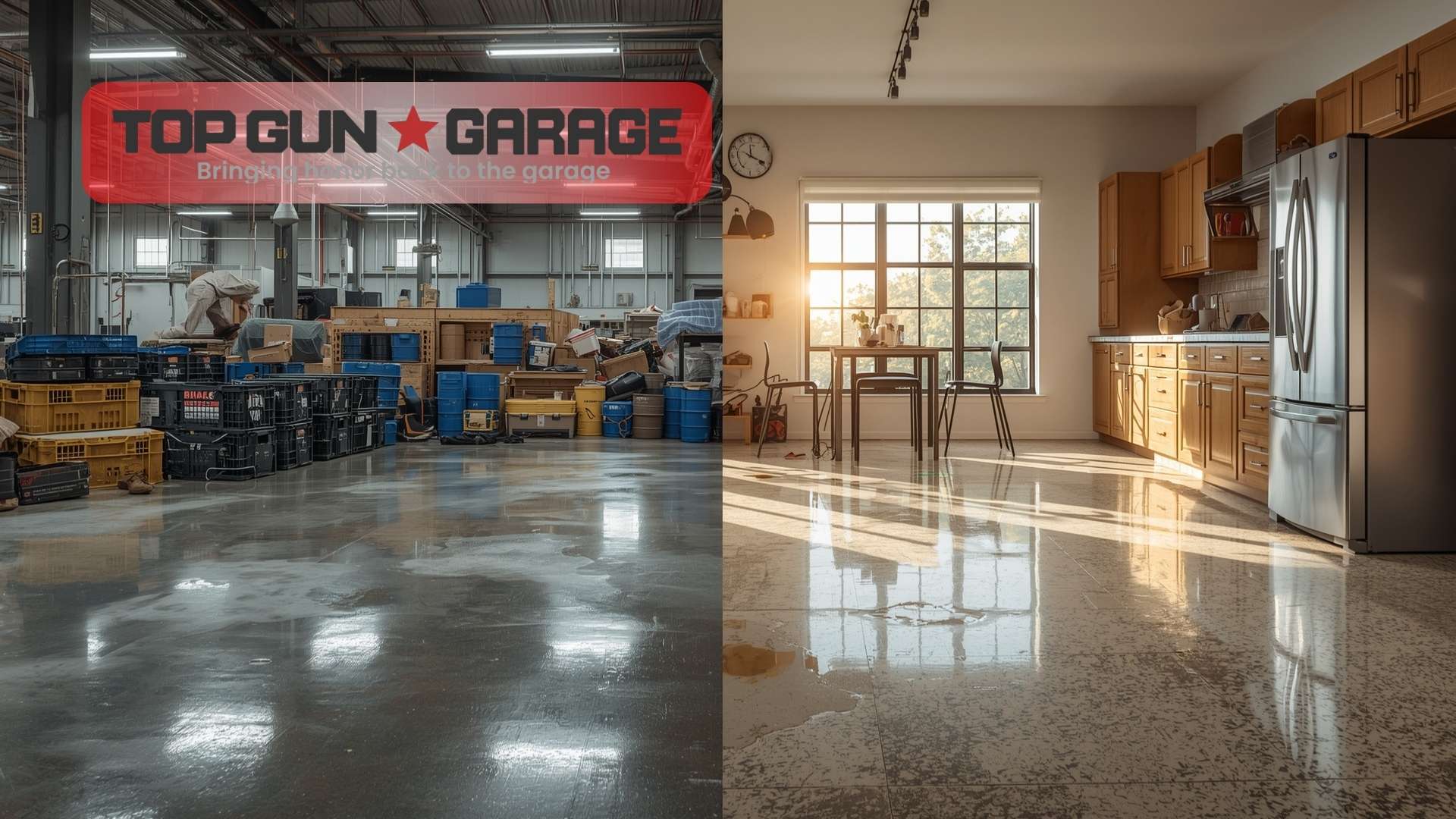
Choosing appropriate floor protection involves balancing performance requirements against budget. Understanding coating costs helps set realistic expectations.
Cost Comparison
Industrial coating systems cost $10-25+ per square foot installed, with extreme-duty systems reaching higher. Professional residential coatings typically run $6-12 per square foot, varying by system type and local market conditions. DIY kits cost $2-4 per square foot in materials but often require reapplication within a few years.
The value calculation favors professional residential systems for most homeowners. Industrial specifications provide diminishing returns without corresponding use requirements. Quality residential coatings offer 10-15+ years of service when properly installed.
Questions to Ask Before Choosing
Honest assessment of your needs prevents overspending. Consider what activities actually happen in your garage. Think about whether you have heavy equipment or commercial operations planned. Evaluate if you’re addressing aesthetic concerns, protection requirements, or both. Determine what timeline works for your project.
A free estimate from a reputable installer includes assessment of your specific conditions and recommendations appropriate to your actual use.
Frequently Asked Questions
What thickness should residential garage epoxy be? Professional residential garage coatings typically range from 10-20 mils total thickness. This provides adequate protection for vehicle traffic, chemical resistance, and normal wear. DIY products at 3-5 mils wear through quickly, while industrial systems exceeding 25 mils offer unnecessary protection for home use.
Will residential epoxy handle my truck or SUV? Quality residential coatings handle all standard vehicles without difficulty. Even heavy trucks and SUVs distribute weight across tires, creating manageable point loads. Industrial specifications address forklifts and heavy machinery, not passenger vehicles.
How do I know if I need industrial-grade coating? Consider industrial specifications only if you operate forklifts or similar equipment, run commercial manufacturing operations, store and regularly expose floors to harsh industrial chemicals, or experience continuous heavy mechanical abrasion.
Does thicker coating mean longer lifespan? Thickness matters less than proper installation and material quality. A well-applied 15-mil residential system outlasts a poorly applied 30-mil industrial coating. Surface preparation determines adhesion success more than thickness alone.
Why do some contractors push industrial products? Higher-priced products generate higher margins. Some contractors genuinely believe industrial specifications serve customers better. Others upsell without consideration of actual requirements. Ask specifically how industrial features address your usage patterns.
What’s better for Florida garages—epoxy or polyaspartic? Polyaspartic systems typically perform better in Florida conditions. UV resistance prevents yellowing, flexibility accommodates thermal movement, and faster cure times reduce installation disruption. Epoxy works well but offers fewer regional advantages.
Can I upgrade from residential to industrial later? Existing coatings require removal or extensive preparation before recoating. Starting with appropriate protection proves more cost-effective than upgrading later. Assess your needs honestly before initial installation.
How long should professional residential coating last? Quality professional residential systems last 10-15+ years with proper maintenance. Some installations remain serviceable for 20+ years. Lifespan depends on use intensity, maintenance practices, and installation quality.
What maintenance do residential coatings require? Regular sweeping and occasional mopping with mild detergent maintains most residential coatings. Promptly clean chemical spills. Avoid harsh solvents that may damage the topcoat. Properly installed systems require minimal maintenance.
Should I get industrial coating for future resale value? Buyers appreciate quality floor coatings but rarely distinguish between professional residential and industrial systems. Appearance, condition, and cleanliness matter more than specification sheets for resale purposes.
Determining the right coating system for your specific situation requires honest assessment of your needs. Top Gun Garage helps Southwest Florida homeowners understand their options without pushing unnecessary industrial specifications. Our family-owned approach means direct communication with owners who prioritize appropriate solutions over maximum sales.
Get a free estimate and discover which coating system actually matches your garage’s requirements.
 Skip to content



 Industrial epoxy systems differ from residential products in several measurable ways. Understanding these differences reveals why most homes don’t require industrial specifications.
 The typical Naples, Fort Myers, or Bonita Springs garage faces different challenges than industrial facilities. Understanding local conditions helps select appropriate protection without overpaying.
 Choosing appropriate floor protection involves balancing performance requirements against budget. Understanding coating costs helps set realistic expectations.