 Skip to content



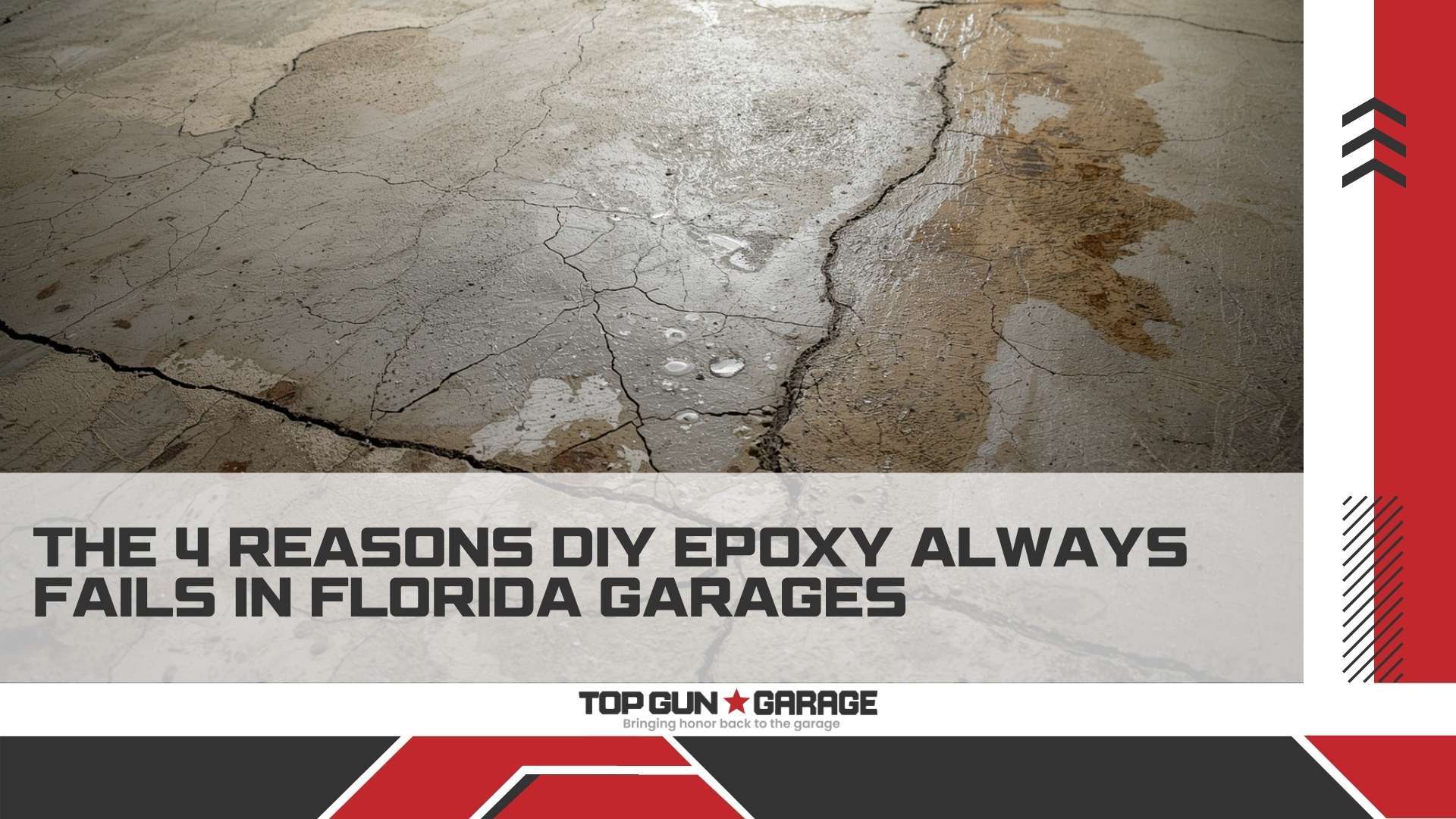
Florida homeowners attempting DIY garage floor projects face a sobering reality—over 70% of DIY epoxy installations fail within 18-36 months due to the state’s unique climate challenges. The combination of extreme humidity, moisture vapor transmission through concrete, inadequate surface preparation, and inferior coating materials creates a perfect storm for premature failure. While big-box store epoxy kits promise professional results for a fraction of the cost, the reality is that DIY epoxy fails Florida installations consistently because these products lack the specialized formulations, proper application techniques, and moisture management protocols required for Southwest Florida’s demanding subtropical environment.
Understanding why DIY epoxy always fails in Florida garages requires examining the fundamental differences between consumer-grade kits and professional coating systems designed specifically for high-humidity coastal regions. From moisture vapor barriers to proper surface profiling techniques, the gap between DIY capabilities and professional requirements explains why homeowners ultimately spend more correcting failed installations than investing in quality work from the start.
Overview
This comprehensive guide reveals the four primary reasons DIY epoxy projects consistently fail in Florida garages, providing homeowners with the knowledge to avoid costly mistakes. You’ll discover how Florida’s humidity causes moisture-related failures, why inadequate surface preparation guarantees coating delamination, how climate extremes accelerate DIY epoxy degradation, and why bargain materials cannot withstand Southwest Florida conditions. We’ll examine real failure modes, compare DIY limitations against professional solutions, and explain the true cost of shortcuts that seem economical initially but lead to complete floor replacement within two years.
Key Takeaways
-
Florida’s 75-85% humidity causes 60% of DIY epoxy failures through moisture vapor transmission
-
DIY surface preparation methods lack the mechanical grinding required for proper coating adhesion
-
Big-box epoxy kits cannot withstand Florida’s temperature extremes, UV exposure, and hot tire pickup
-
Consumer-grade materials use inferior resins that yellow, peel, and deteriorate in subtropical climates
-
Professional installations include moisture testing, vapor barriers, and climate-specific coating systems
-
Failed DIY projects cost homeowners $4,000-$6,000 in removal and proper reinstallation
-
Attempting DIY saves $1,500-$2,500 initially but risks total loss within 18-36 months
Reason 1: Florida Humidity and Moisture Vapor Transmission
The Moisture Problem DIY Kits Cannot Solve
Florida’s relentless humidity creates moisture vapor transmission rates 30-40% higher than other U.S. regions, with concrete slabs constantly releasing water vapor that pushes upward through porous surfaces. DIY epoxy kits provide no solutions for managing moisture barriers or testing vapor emission rates before installation. Professional installers use calcium chloride tests and relative humidity probes to measure moisture levels, applying specialized vapor-blocking primers when readings exceed coating tolerance thresholds.
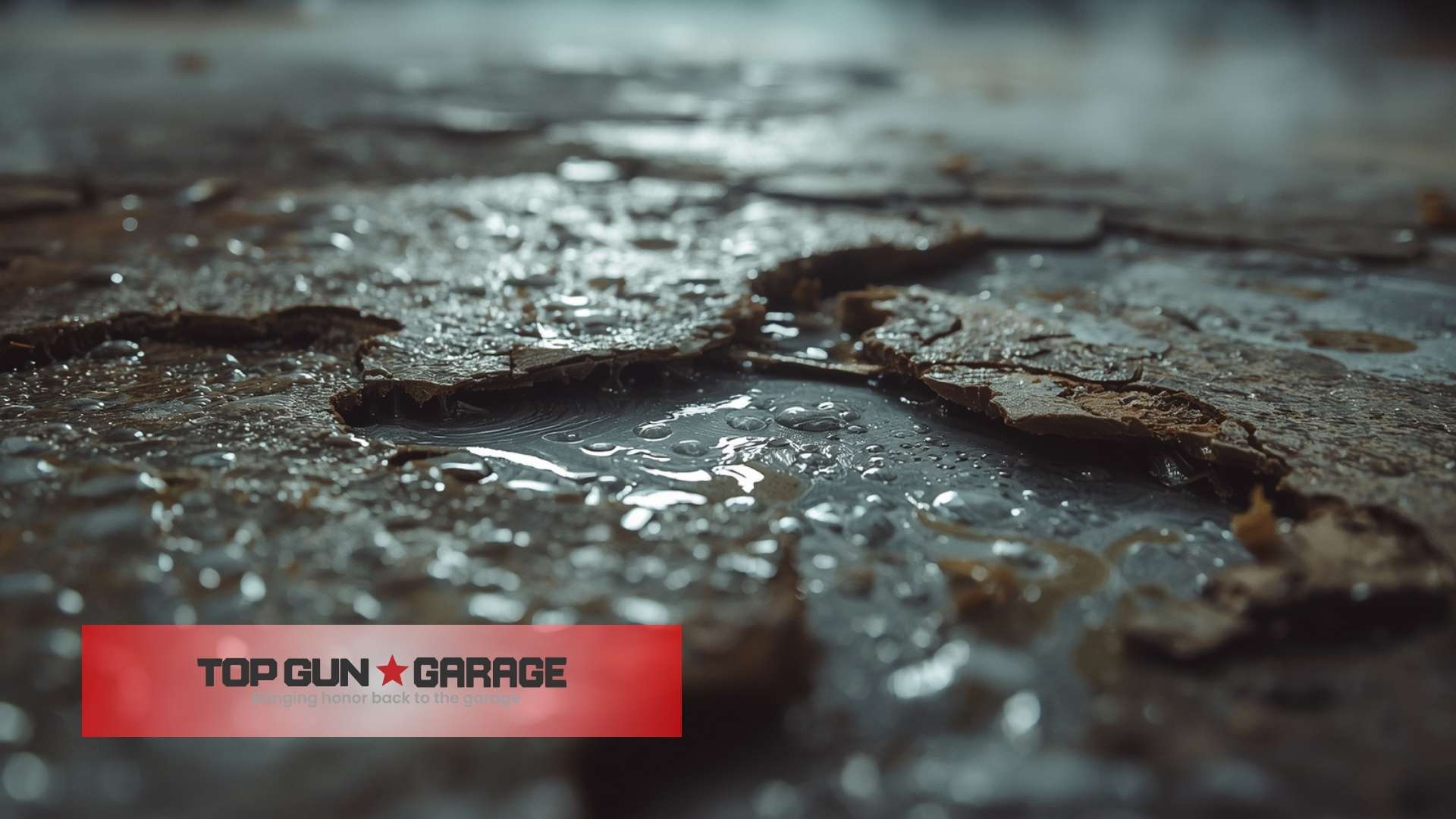
Consumer-grade epoxy formulations lack the flexibility and moisture resistance needed to handle Florida’s vapor pressure. When water vapor accumulates beneath rigid DIY coatings, pressure builds until adhesion fails—typically manifesting as bubbling, blistering, or complete delamination within 12-24 months. One Naples homeowner reported spending $1,800 on a DIY kit only to watch it peel away in sheets after six months, requiring professional removal and reinstallation costing $4,500.
How Professional Systems Handle Moisture
Professional garage floor contractors implement multi-layer moisture management systems that DIY kits cannot replicate. These systems include moisture-blocking primers that chemically bond to damp concrete, creating vapor-retardant foundations that prevent upward moisture migration. Advanced installations incorporate polyurea basecoats with superior moisture tolerance, allowing slight vapor transmission without compromising adhesion.
Coastal Florida regions demand specialized moisture testing protocols before any coating application. Professional installers schedule work during optimal humidity windows, use dehumidification equipment during application, and adjust curing times based on ambient conditions. These climate-controlled processes ensure proper molecular bonding that DIY installations performed during afternoon thunderstorms or peak humidity periods cannot achieve.
Reason 2: Inadequate Surface Preparation
Why DIY Prep Methods Guarantee Failure
Surface preparation determines 70-80% of coating success, yet DIY kits provide minimal guidance and inadequate tools for proper concrete profiling. Big-box store instructions typically recommend acid etching—a method professionals abandoned years ago because it leaves inconsistent surface profiles and chemical residues that prevent proper adhesion. Proper surface preparation requires diamond grinding that opens concrete pores to specific profiles measured by International Concrete Repair Institute standards.
DIY homeowners lack access to professional diamond grinders, shot blasters, and dust extraction systems necessary for adequate surface preparation. Rental equipment typically provides insufficient power or operators lack training to achieve uniform profiles across the entire floor surface. Common DIY preparation failures include incomplete oil stain removal, inadequate crack repair, failure to address concrete spalling, and surface contamination from cleaning products.
Professional Preparation Standards
Professional installers invest in proper surface profiling equipment that creates consistent concrete texture measured by Concrete Surface Profile (CSP) ratings. The process includes comprehensive crack repair, oil stain removal using industrial degreasers, and mechanical grinding to remove surface laitance and contamination. Professional teams conduct moisture testing to identify problem areas requiring additional preparation steps.
Surface preparation for Florida installations must address unique challenges including salt-laden concrete in coastal areas, efflorescence from moisture migration, and concrete age factors affecting chemical bonding. Professional contractors understand how concrete porosity affects epoxy bonding and adjust preparation protocols accordingly. This expertise explains why professionally installed floors achieve 15-year lifespans while DIY attempts fail within two years.
Reason 3: Florida Climate Extremes and UV Exposure
Temperature and Heat Challenges
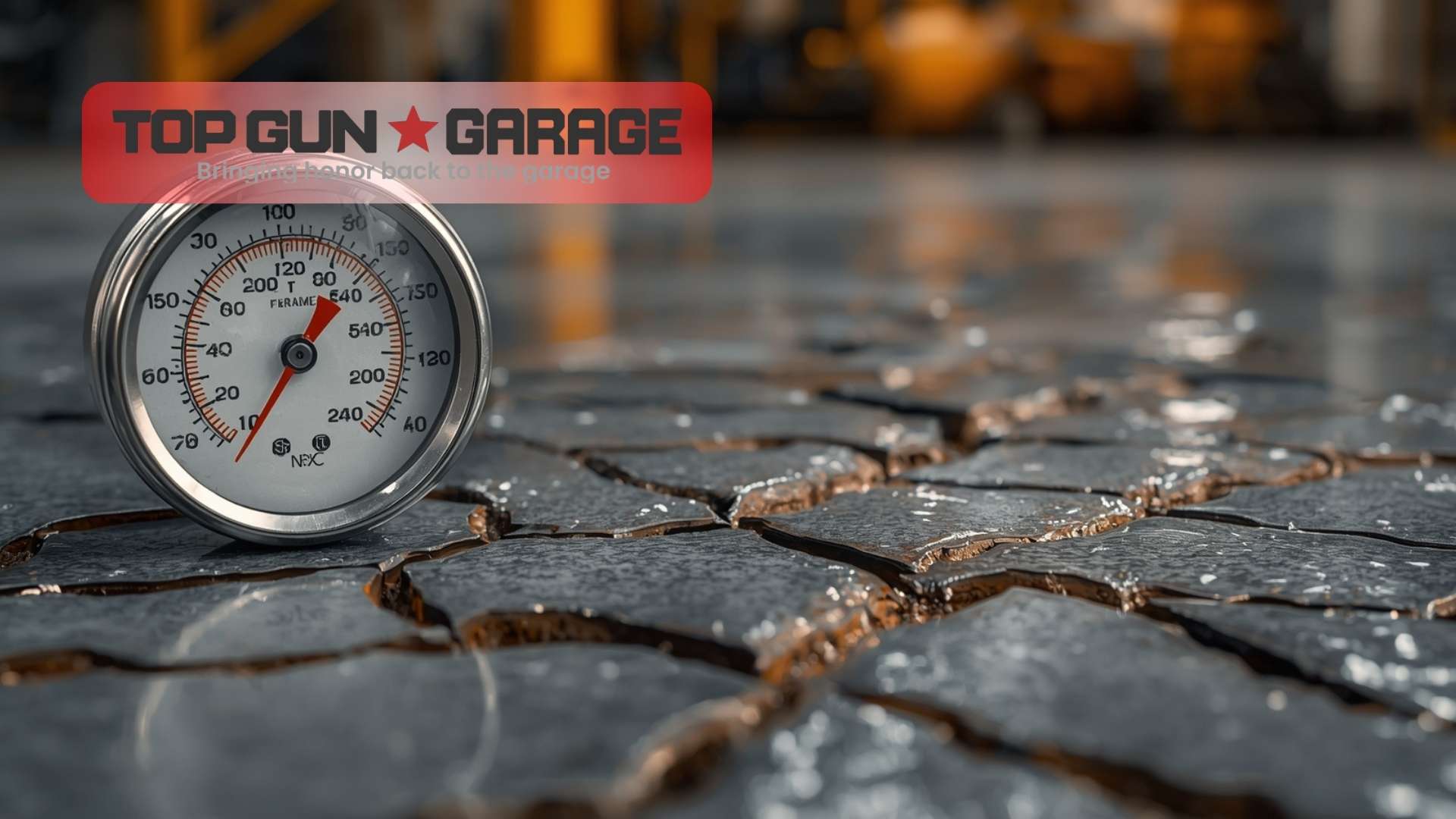
Florida garages experience temperature swings from 60°F overnight to 95°F+ during summer days, creating thermal expansion cycles that stress coatings constantly. DIY epoxy formulations lack the flexibility to accommodate these movements without developing microcracks that admit moisture and accelerate deterioration. The phenomenon of hot tire pickup plagues DIY installations particularly severely, as consumer-grade epoxies soften at temperatures around 140-150°F—easily reached by vehicle tires on Florida pavement.
UV radiation from direct sunlight streaming through garage doors causes rapid yellowing and chalking of DIY epoxy coatings. Most big-box kits lack UV-stable topcoats, resulting in visible color degradation within 12-18 months. Professional systems incorporate UV-resistant polyurea topcoats that maintain color integrity for 10-15 years even with regular sun exposure.
Why DIY Materials Cannot Handle Florida Weather
Consumer-grade epoxy kits formulated for moderate climates fail catastrophically when exposed to Florida’s humidity and heat. The combination of afternoon thunderstorms, salt-laden air, and temperature extremes accelerates chemical breakdown of inferior resins. DIY coatings also lack resistance to mold and mildew common in Florida garages, developing biological growth that discolors and degrades the surface.
Professional coating systems designed specifically for subtropical climates use advanced polyurea chemistry that maintains integrity at temperatures exceeding 200°F. These systems prevent hot tire marks, resist UV yellowing, and handle daily thermal cycling without developing stress cracks. The installation timing also matters critically—professionals schedule work during optimal weather windows that DIY weekend warriors cannot accommodate.
Reason 4: Inferior Materials and Coating Quality
What’s Missing from Big-Box Kits
Consumer-grade DIY epoxy kits contain dramatically lower solids content than professional formulations, resulting in thinner coatings that wear through quickly. Most kits provide single-component or water-based systems that lack the chemical crosslinking necessary for durable performance. Professional installers use 100% solids industrial epoxies applied at proper coating thickness requirements that DIY products cannot achieve.
The decorative flakes included in DIY kits typically cover only 15-30% of the surface, creating sparse appearance rather than the full-broadcast flake systems professionals install. Topcoat quality represents another critical deficiency—DIY kits often include thin polyurethane topcoats or no topcoat at all, leaving the decorative layer unprotected against abrasion and chemical damage. Professional systems feature multiple protective layers including UV-stable polyurea topcoats that DIY installations lack.
The True Cost of Cheap Materials
Homeowners who purchase $200-$500 DIY kits believing they’re saving money versus $2,500-$4,000 professional installations discover the false economy when coatings fail. Failed DIY installations require complete removal—a labor-intensive process costing $800-$1,200—before professional reinstallation. The total cost of DIY attempt plus professional correction typically exceeds $4,500-$6,000, nearly double the original professional installation price.
Material quality differences extend beyond coating chemistry to application tools and accessories. DIY kits provide basic rollers and brushes that create inconsistent application thickness and visible lap marks. Professional installers use specialized squeegees, spiked shoes, and application techniques developed through years of experience. The proper installation methods and curing protocols that professionals follow ensure uniform coating properties throughout the floor.
Common DIY Epoxy Failure Modes in Florida
Bubbling and Delamination
The most common DIY epoxy failure in Florida manifests as widespread bubbling where moisture vapor pushes coatings away from concrete. These bubbles typically appear 6-18 months after installation, starting small and rapidly expanding as pressure increases. Complete delamination follows, with coatings peeling away in sheets that expose unprotected concrete. Professional installations using proper moisture barriers and vapor-tolerant primers prevent this failure mode entirely.
Peeling at Edges and Transitions
DIY installations consistently fail at floor edges, control joints, and transitions where proper preparation and material selection are most critical. These areas experience the highest stress from thermal movement and moisture intrusion, quickly revealing inadequate adhesion. Professional contractors use specialized techniques for addressing transitions, including flexible joint fillers and edge profiling that DIY approaches overlook.
Hot Tire Pickup and Surface Damage
Florida’s extreme heat causes hot tire pickup marks on DIY epoxy within months of installation. Consumer-grade coatings soften when vehicle tires heated to 160-180°F park on the surface, allowing rubber compounds to embed in the epoxy. Professional systems using polyurea technology maintain dimensional stability at temperatures exceeding 200°F, completely eliminating this problem.
The Professional Installation Advantage
Comprehensive Moisture Management
Professional installations begin with thorough moisture testing protocols that determine appropriate coating systems and preparation requirements. Contractors apply moisture vapor barriers specifically formulated for Florida’s high humidity, creating permanent protection against vapor transmission. These systems include multiple redundant layers ensuring coating adhesion remains intact even during peak moisture seasons.
Florida-Specific Coating Systems
Professional contractors use coating systems designed explicitly for Florida’s humidity conditions, incorporating UV-stable resins, flexible polymers, and heat-resistant formulations. These systems include polyurea basecoats that cure rapidly regardless of humidity and topcoats that resist yellowing, hot tire pickup, and chemical damage. The proper installation sequences ensure each layer bonds correctly and achieves full cure before subsequent applications.
Long-Term Performance Guarantees
Professional installations come with comprehensive warranties covering 10-15 years of performance, reflecting confidence in materials and workmanship. These warranties include coverage for adhesion failure, premature wear, hot tire marks, and moisture-related delamination—precisely the failures that plague DIY installations. Contractors also provide maintenance guidance and cleaning protocols that maximize coating lifespan.
What Homeowners Should Do Instead
Recognizing When to Call Professionals
Florida homeowners should recognize that garage floor coating installations in subtropical climates exceed typical DIY capabilities. The specialized equipment, moisture management expertise, climate-specific materials, and proper surface preparation techniques required for successful Florida installations justify professional investment. Attempting DIY to save $1,500-$2,500 risks complete failure requiring full removal and reinstallation costing $4,000-$6,000.
Selecting Qualified Contractors
Homeowners should vet garage floor contractors carefully, verifying experience with Florida climate conditions, moisture management capabilities, and warranty coverage. Ask contractors about their preparation methods, moisture testing protocols, and specific coating systems they recommend for your location. Professional installers readily explain why certain installation sequences cannot be rushed and how humidity affects timing.
Understanding True Investment Value
Professional garage floor installations represent long-term investments that increase home value and provide 15+ years of maintenance-free performance. The cost difference between DIY attempts and professional work becomes negligible when calculated over a 15-year lifespan. Professional floors require only basic maintenance procedures rather than the constant repairs and eventual replacement that DIY installations demand.
Frequently Asked Questions
Why does DIY epoxy fail so quickly in Florida garages? Florida’s 75-85% humidity causes moisture vapor transmission through concrete that DIY coatings cannot manage. Consumer-grade epoxies lack vapor barriers, proper surface preparation, and climate-specific formulations needed for subtropical conditions. Most DIY installations fail within 18-36 months from bubbling and delamination.
Can I use big-box store epoxy kits in Southwest Florida? Big-box DIY kits are designed for moderate climates and consistently fail in Florida’s extreme humidity, heat, and UV exposure. These products lack moisture-blocking primers, UV-stable topcoats, and proper thickness required for coastal environments. Professional Florida-specific systems are necessary for lasting results.
What causes bubbling in DIY garage floor coatings? Bubbling occurs when moisture vapor pushes through concrete and accumulates beneath coatings. Without proper moisture testing and vapor barriers, Florida’s high humidity creates pressure that breaks coating adhesion. This failure mode appears 6-18 months after installation and rapidly worsens.
How much does it cost to fix failed DIY epoxy? Removing failed DIY epoxy and properly reinstalling professional coatings costs $4,000-$6,000 for typical two-car garages. This includes coating removal ($800-$1,200), proper surface preparation, moisture barriers, and professional coating systems. Total exceeds initial professional installation costs.
Why do DIY garage floors develop hot tire marks? Consumer-grade epoxies soften at 140-150°F—temperatures easily reached by vehicle tires on Florida pavement. When hot tires park on softened coatings, rubber compounds embed in the surface. Professional polyurea systems maintain stability above 200°F, preventing this problem.
What surface preparation do professionals use versus DIY? Professionals use diamond grinding to achieve specific concrete surface profiles measured by ICRI standards, removing contaminants and creating proper texture for adhesion. DIY acid etching leaves inconsistent surfaces and chemical residues. Professional prep determines 70-80% of coating success.
Can DIY epoxy withstand Florida’s UV exposure? Big-box epoxy kits lack UV-stable topcoats and yellow significantly within 12-18 months of sun exposure. Professional systems include UV-resistant polyurea topcoats that maintain color integrity for 10-15 years even with direct sunlight exposure through garage doors.
How long do professional garage floors last in Florida? Professional installations using moisture barriers, proper surface preparation, and climate-specific coating systems last 10-15 years in Florida conditions. These floors include comprehensive warranties covering adhesion, wear, and environmental damage that DIY products cannot provide.
What moisture testing should be done before coating? Professional installers use calcium chloride tests and relative humidity probes to measure moisture vapor emission rates. Readings above coating tolerances require specialized vapor-blocking primers. DIY kits provide no moisture testing, leading to adhesion failures.
Is DIY garage floor coating worth the cost savings? DIY attempts appear to save $1,500-$2,500 initially but typically fail within 18-36 months, requiring complete removal and professional reinstallation costing $4,000-$6,000 total. Professional installation from the start costs less long-term and provides 15-year performance.
Conclusion
DIY epoxy fails Florida garages consistently due to four fundamental incompatibilities moisture vapor transmission that consumer-grade coatings cannot manage, inadequate surface preparation that guarantees adhesion failure, climate extremes that accelerate coating degradation, and inferior materials designed for moderate conditions. The false economy of DIY kits becomes apparent when installations fail within 18-36 months, requiring complete removal and professional reinstallation that costs double the original professional price. Florida homeowners who invest in qualified contractors from the start receive moisture-managed, properly prepared, climate-appropriate flooring systems backed by comprehensive warranties—ultimately spending less while enjoying 15+ years of maintenance-free performance that DIY approaches can never achieve.
Top Gun Garage specializes in professional installations engineered specifically for Florida’s demanding climate. Our moisture management protocols, proper surface preparation, and climate-tested coating systems deliver the lasting performance DIY attempts cannot match. Contact us today for a consultation and discover why Naples, Fort Myers, and Bonita Springs homeowners trust our expertise to get it right the first time.