 Skip to content

Informative Flooring Blog for Fort Myers, FL
A floor coating project becomes easier when you understand what actually matters before the estimate arrives. The Top Gun Garage blog gives Fort Myers property owners practical guidance on concrete preparation, coating systems, moisture, finish choices, maintenance, pricing, and installation decisions.
Instead of publishing generic articles around epoxy floor coating, this resource is built to answer the questions homeowners and business owners ask before committing to a project. Expect straightforward concrete flooring tips and useful explanations that help you make a more informed decision.


Fort Myers Homeowners Rave About Top Gun Garage
From Naples & Cape Coral to Bonita Springs & beyond, Southwest Florida chooses Top Gun Garage for epoxy floor coating and garage floor coatings done right the first time. One-day installs, a 15-year transferable warranty, and an owner who treats every floor like it carries her name, because it does.


- charles mcdermott
Began with great consultation and price quote. Associates showed up very punctual, were very clean and conscientious during process. I am very pleased on the quality of work and materials that were used. I highly recommend this company for small and large projects. Owner was pleasure to work with I enjoyed helping small business. Respectfully, Charlie McDermott



- ANGELA ROY
Pictures of before and after speak a thousand words, don’t they? If you are looking for customer satisfaction and a great product, hope these help with your decision on Top Gun Garage…🤗

- Mitch herrick
Outstanding job on all counts. Showed up early and were totally engaged and friendly throughout the entire installation. Professional and courteous. Melvin and Ian were fantastic representatives of the company. Grady, was great to deal with and the end result is beautiful.

- Diane Mathes
We had a great experience with Top Gun. I’m sure some of you can relate when making initial calls with service providers it can take forever to get a reply, but Top Gun responded within the hour to my initial inquiry and I had an appointment set quickly for someone to come to my house for a quote. All my questions were answered thoroughly and I even had questions after they left so I texted and got quick responses. On install day, they arrived on time and even helped me move our garage fridge into the house to get it out of the way. They performed their work and finished within the day. Once completed, they cleaned everything and left no finishing touch undone. My husband and I are very tidy and particular about our stuff so those finishing touches go a long way with us. As instructed, we let it sit for 3 days before moving heavy stuff in and absolutely love how it looks. We went with the Stonehenge color/pattern and it’s perfect for our home.
Start With the Question You Actually Have
Most people do not begin researching flooring because they suddenly want to study coating chemistry.
They have a problem. The garage floor looks worn. A patio needs a better finish. A pool deck feels difficult to maintain. A commercial floor has become harder to clean. The previous coating is peeling. A contractor recommends polyaspartic, but another recommends epoxy.
Those are the questions this blog is meant to answer. Top Gun Garage articles break down flooring topics in plain language so readers can understand what matters before choosing a system.
That can include preparation methods, repair questions, coating layers, texture, maintenance, finish options, installation timing, and how to compare quotes.
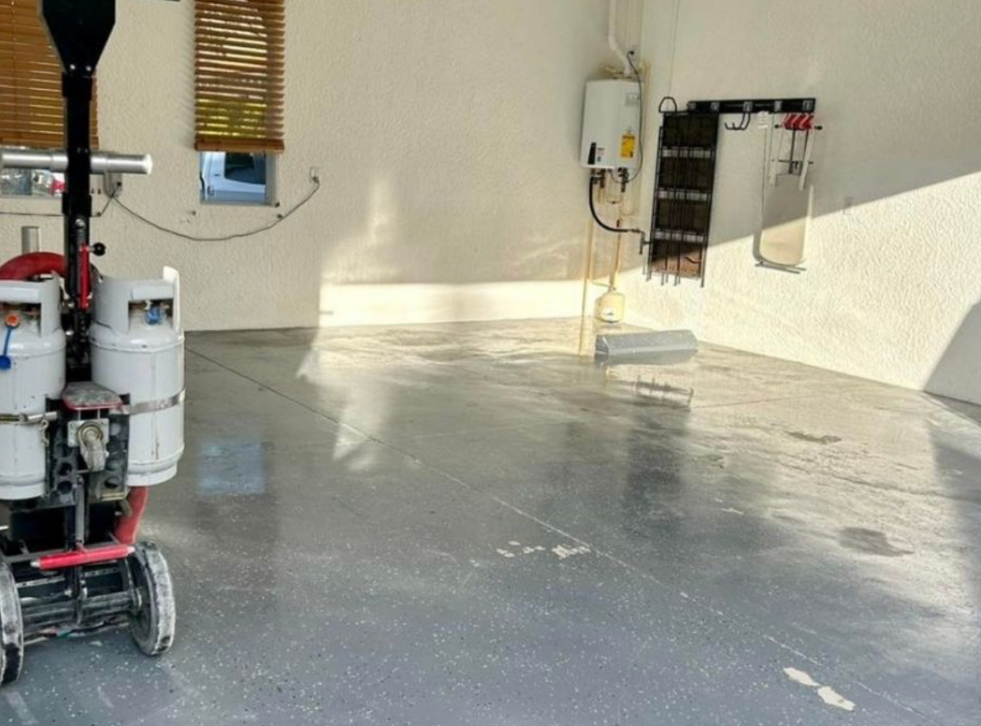
Fort Myers, FL Floors, Florida Answers, Real Advice
Garage Flooring Guides
Garage floors create some of the most common coating questions.
Homeowners want to know how epoxy compares with polyaspartic. They ask if grinding is necessary. They wonder how cracks are repaired and how long they need to stay off the finished floor.
Others are trying to understand why one quote costs much more than another.
The blog covers those questions without reducing every answer to a product recommendation.
Surface preparation deserves particular attention. Peeling and early failure trace back to inadequate prep work more often than any other single cause.
Future garage flooring topics can also cover flake coverage, texture, maintenance, old coatings, slab moisture, new concrete, and when a coating project should be delayed.
Florida Concrete and Moisture
Moisture is one of the most misunderstood parts of concrete flooring.
A slab can look dry on top while vapor moves through it from below. White residue around concrete can also raise questions about efflorescence and moisture movement. That matters in Florida.
Garage coating questions tend to circle back to the same handful of concerns: visible moisture, brand-new slabs, efflorescence around the edges, and which base system fits before anything gets installed.
Top Gun Garage blog content can help readers understand when moisture testing deserves attention, what warning signs may mean, and why covering questionable concrete without investigating first can create trouble later. The point is not to make every slab sound problematic.
Commercial Flooring Knowledge
Business owners usually ask different questions from homeowners. Downtime becomes more important. Cleaning procedures matter more. Traffic patterns may be concentrated instead of random. A restaurant has different flooring concerns from a showroom or warehouse.
Commercial flooring articles can cover restaurant floors, commercial kitchens, healthcare spaces, warehouses, retail environments, offices, storage facilities, schools, and other properties.
The content can also address real operating questions.
- How much texture is practical for a kitchen that gets washed daily?
- How should a warehouse schedule installation around operations?
- What should a business compare when two coating bids describe different systems?
Those are more useful topics than another article claiming one coating is simply the best.
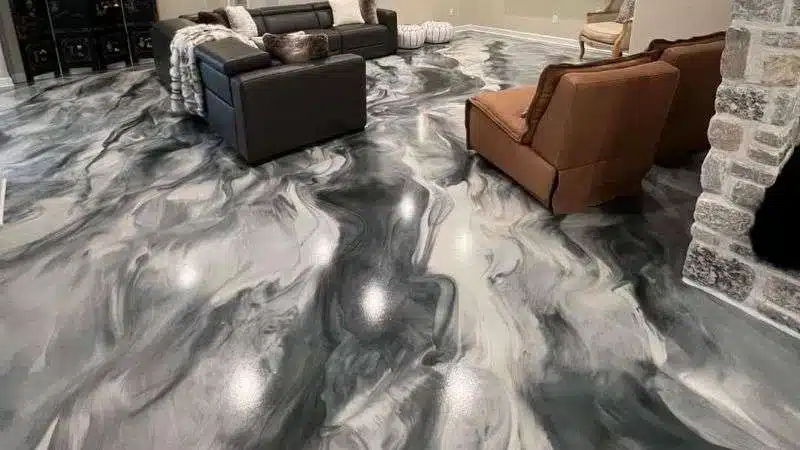

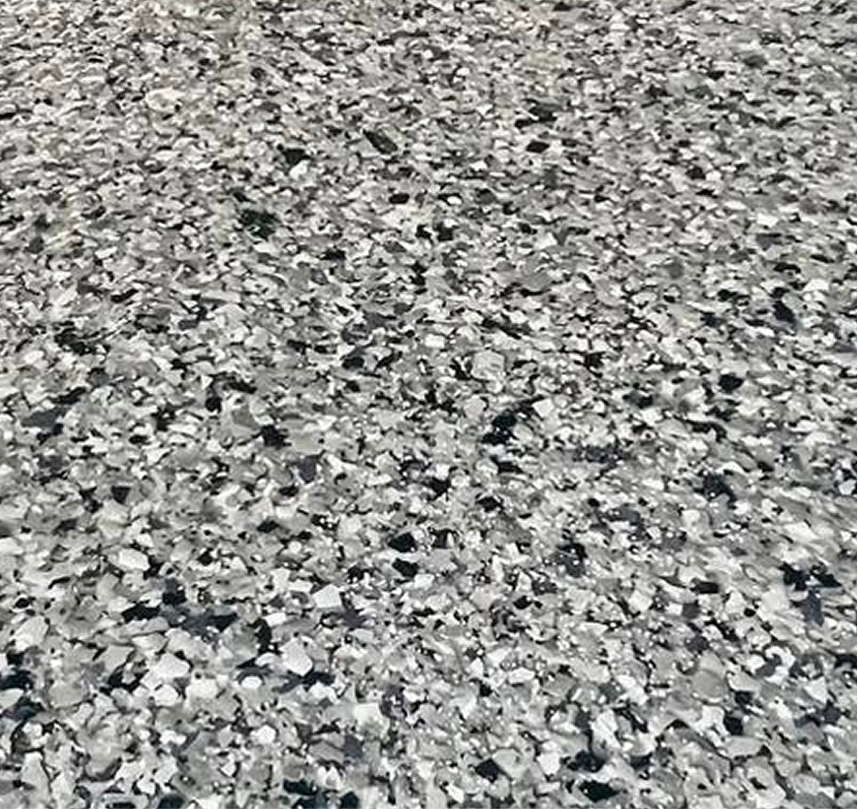
Learn Before Comparing Prices
Floor coating prices make more sense once the scope is understood.
Two estimates can cover the same square footage while including completely different work.
One may include grinding, crack repairs, full flake coverage, a separate topcoat, and moisture provisions.
Another may include far less preparation.
The final numbers cannot be compared honestly without comparing the installation itself.
The Top Gun Garage blog will continue breaking down those differences so readers can understand what they are paying for. That includes pricing factors, installation timelines, system layers, repairs, coating thickness, finish choices, and warranty terms.
Readers who are already considering a project can review the full range of floor coating services.
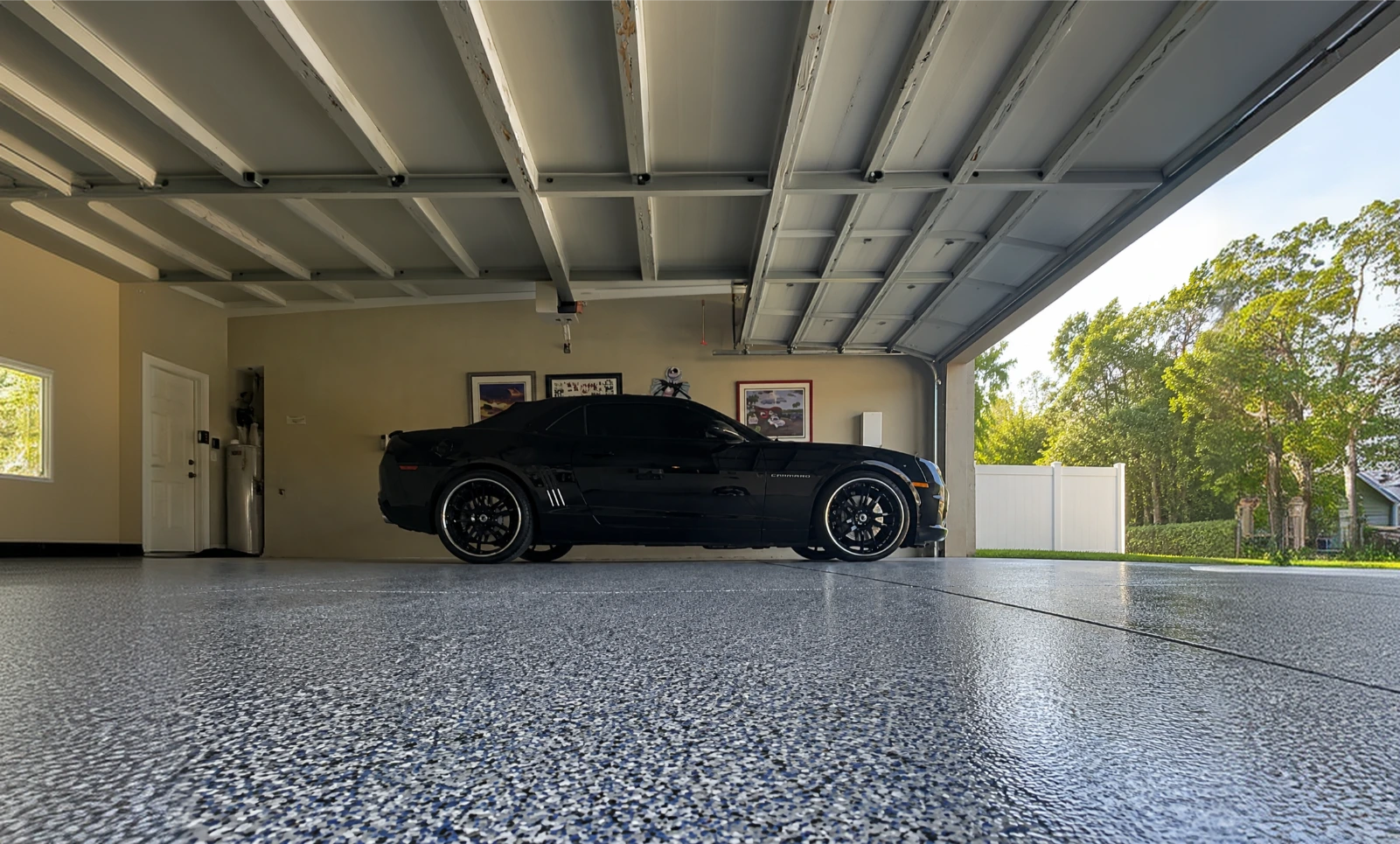
Topics Built Around Southwest Florida
Generic flooring advice can miss important regional details.
Fort Myers and surrounding Southwest Florida communities deal with long periods of heat, intense sunlight, high humidity, heavy rain, and concrete with very different histories. Some slabs are newer.
Others have been repaired several times or previously coated.
Coastal properties can also have a history of storm or water exposure that deserves additional attention before a new system is installed. That gives the Top Gun Garage blog a clear purpose.
Articles can address flooring decisions through the conditions property owners actually encounter in Fort Myers, Cape Coral, Naples, Bonita Springs, Port Charlotte, and surrounding communities.
Why Read Top Gun Garage
The best flooring topics usually begin with something a property owner is already trying to solve. That keeps the content useful instead of filling the blog with broad articles written only to attract search traffic.
Epoxy flooring tips are more valuable when readers understand what each coating actually does. Top Gun Garage content breaks systems into practical differences rather than treating product names like slogans.
Moisture, outdoor UV exposure, pool environments, and warm installation conditions can all affect flooring decisions. Those factors deserve space in a Fort Myers flooring resource.
Top Gun Garage installs residential, commercial, and industrial concrete coatings throughout Southwest Florida. That allows the blog to stay connected to the types of projects people are actually planning.
Flooring Blog FAQs
What flooring topics should I research before requesting a quote?
Start with surface preparation, moisture, system layers, texture, cure time, repairs, warranty terms, and the difference between the available coating materials.
Why does the blog discuss preparation so much?
Because poor preparation can undermine an expensive coating. Current installer and homeowner discussions repeatedly identify inadequate grinding and weak substrate prep as major causes of failure.
Are epoxy flooring tips different for Florida homes?
Some are. Strong UV exposure, high humidity, outdoor concrete, and slab moisture can change product and preparation decisions compared with properties in other climates.
Will the blog cover commercial flooring too?
Yes. Topics can include warehouses, restaurants, healthcare spaces, retail floors, commercial kitchens, schools, offices, and other business environments.
Can blog articles help me compare contractor quotes?
Yes. Learning what should be included in preparation, coating layers, repairs, topcoats, and warranties makes it easier to compare proposals on more than price.
Read First and Coat Smarter
A better flooring project usually starts before installation day. Read the guides that match your space.
Learn which questions matter. Then use that information when you compare systems, finishes, and project scopes. When you are ready to move from research to an actual Fort Myers concrete coating project, Top Gun Garage can help evaluate the floor in front of you.
