 Skip to content



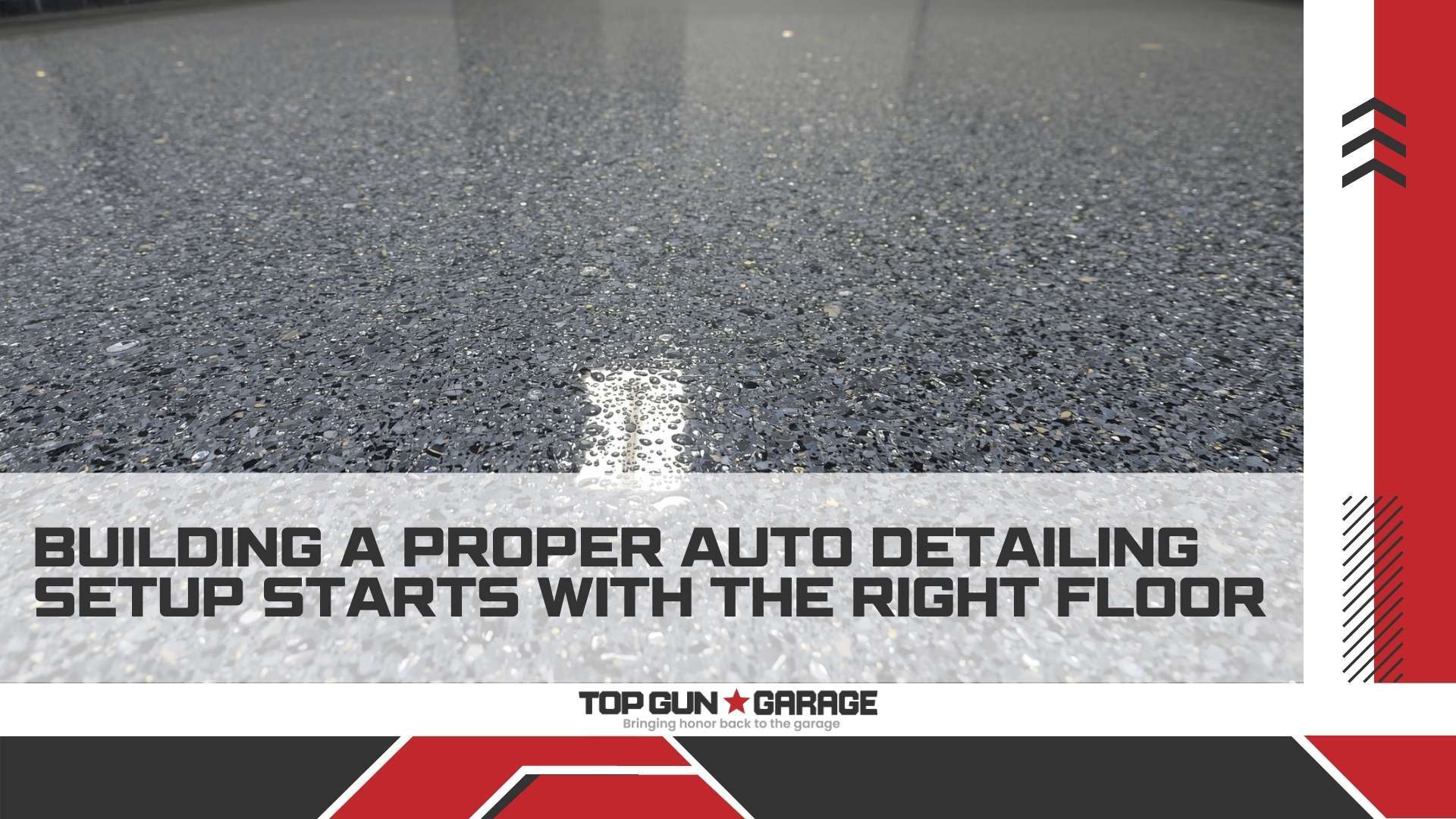
Professional auto detailing demands more from garage flooring than typical residential applications, making the detailing garage floor the foundation of any successful operation. Whether you’re establishing a commercial detailing business in Naples or creating a home-based detailing bay, your floor must withstand constant chemical exposure, water drainage challenges, and heavy equipment traffic while maintaining a professional appearance. The right detailing garage floor coating delivers chemical resistance to harsh cleaners and solvents, prevents slip hazards from wet conditions, provides proper drainage capabilities, and maintains durability under continuous use that would destroy standard concrete or basic epoxy systems within months.
Overview
This comprehensive guide explores the critical flooring requirements for professional auto detailing operations, helping business owners and enthusiasts select coating systems that maximize productivity, safety, and longevity. You’ll discover why standard garage floors fail in detailing environments, the specific performance characteristics detailing floors require, coating system comparisons for professional use, proper drainage and slope considerations, chemical resistance testing, slip prevention strategies, maintenance protocols, and cost analysis for detailing bay installations. These insights ensure your flooring investment supports efficient operations for 10-15 years.
Key Takeaways
-
Auto detailing floors require chemical resistance superior to residential garage coatings
-
Proper drainage slopes of 1-2% prevent water pooling and accelerate bay turnaround
-
Non-slip textures remain essential even when wet from washing and chemical applications
-
Polyurea and polyaspartic systems outperform standard epoxy in detailing environments
-
Seamless, non-porous surfaces prevent chemical absorption and bacterial growth
-
Professional installation with moisture barriers protects against Florida humidity
-
Light-colored floors improve visibility for paint correction and inspection work
Why Standard Garage Floors Fail for Auto Detailing
Typical residential garage floor coatings cannot withstand the unique stresses of professional auto detailing operations. Standard epoxy garage floors deteriorate rapidly when exposed to the combination of harsh chemicals, constant moisture, and abrasive cleaning processes that define detailing work. Detailing shops use pH-extreme cleaners, wheel acid, iron removers, and solvent-based products that etch and discolor basic coatings within 6-12 months of continuous exposure.
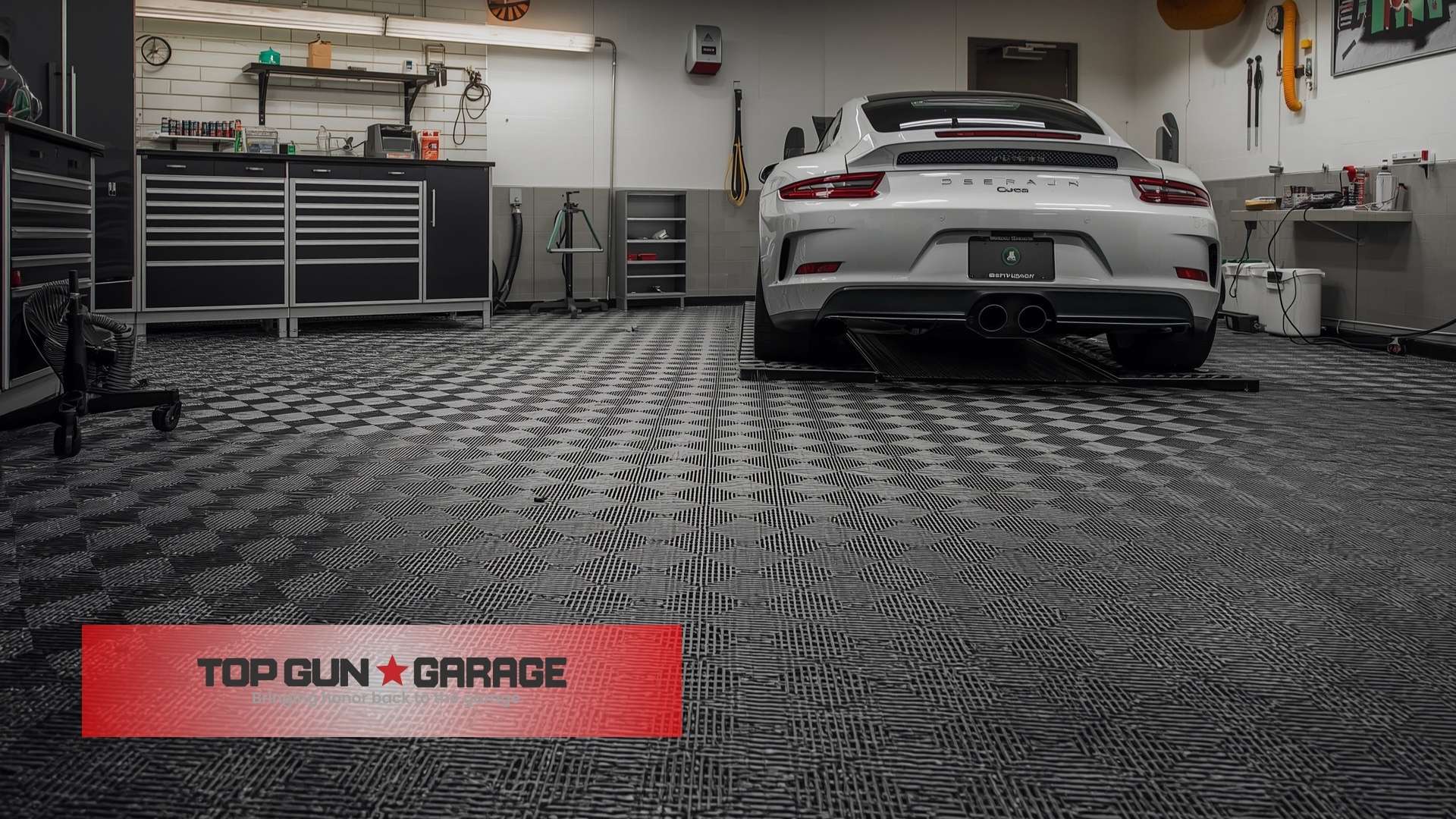
The constant wet conditions in detailing bays create problems that occasional car washing never reveals. Water pooling leads to slip hazards, bacterial growth, and coating delamination as moisture penetrates through compromised surfaces. Standard concrete develops permanent staining from tire cleaners, brake dust removers, and fallout eliminators that penetrate porous surfaces. Without proper chemical resistance and sealing, detailing bay floors become safety hazards and unsightly liabilities that damage professional reputations.
Professional detailers report that basic epoxy floors show visible degradation within the first year when subjected to daily detailing operations. The chemicals used in paint correction, ceramic coating preparation, and engine bay cleaning attack coating molecular structures, causing yellowing, softening, and eventual failure. Florida’s high humidity compounds these issues, as moisture vapor transmission from below combines with surface water exposure to accelerate coating breakdown that would take years in drier climates.
Chemical Resistance Requirements for Detailing Floors
Auto detailing operations expose floors to chemical concentrations and contact durations far exceeding typical garage use. Professional detailers work with concentrated all-purpose cleaners, degreasers with pH levels of 12-14, wheel acids with pH of 1-3, iron removers containing thioglycolic acid, and tar removers with powerful solvents. These products sit on floors during application, spill during mixing, and accumulate in drainage areas where extended contact tests coating integrity.
The chemical resistance hierarchy places polyurea and polyaspartic coatings at the top for detailing applications. These advanced systems resist aggressive chemicals that destroy standard epoxy formulations, maintaining surface integrity even with daily exposure to harsh detailing products. Professional-grade polyurea creates an impermeable barrier that prevents chemical penetration into concrete substrates, protecting the structural slab from the acid and alkaline damage that causes spalling and deterioration.
Testing chemical resistance before selecting a coating system prevents costly failures and premature replacements. Request documentation showing coating performance against specific detailing chemicals you use regularly. Professional installers like those providing garage flooring solutions can demonstrate chemical resistance through sample testing, exposing coating samples to your actual products for 24-72 hours to verify compatibility. This proactive approach identifies potential problems before installation, ensuring your detailing garage floor withstands the unique chemical environment of your operation.
Drainage and Slope Considerations
Proper drainage represents one of the most critical yet frequently overlooked aspects of detailing bay floor design. Professional detailing operations use 20-50 gallons of water per vehicle, requiring efficient drainage to prevent pooling, minimize slip hazards, and accelerate bay turnaround times. Floor slopes of 1-2% guide water toward drains or bay exits, preventing the standing water that creates safety issues and extends drying times between vehicles.
Inadequate drainage creates productivity bottlenecks as detailers wait for floors to dry or constantly squeegee water toward exits. The standing water also concentrates chemicals in low spots, creating areas of intensified coating exposure that fail prematurely. Proper floor preparation includes evaluating and potentially correcting floor slopes before coating application, ensuring water flows efficiently throughout the detailing process.
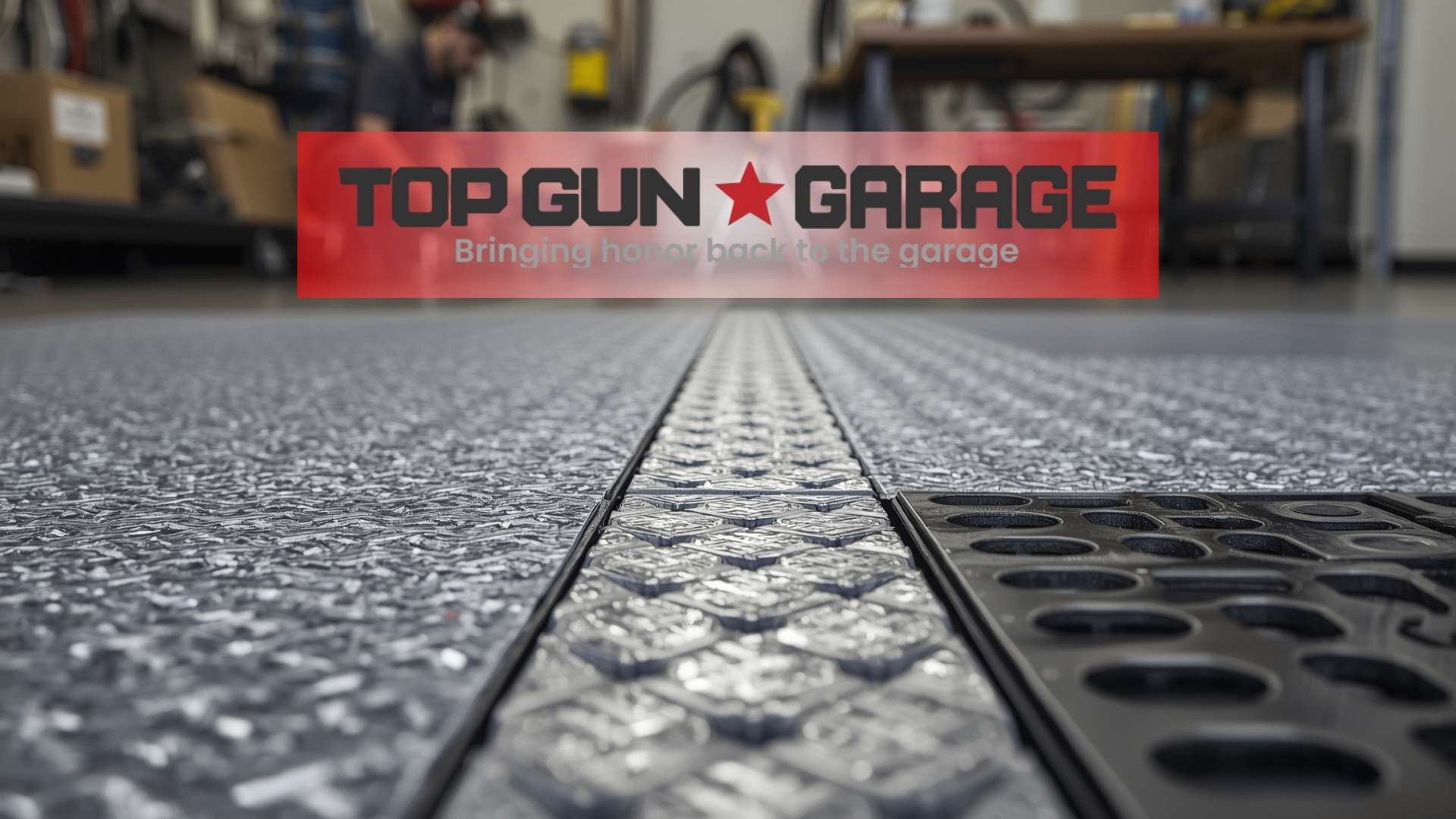
Trench drains or floor drains positioned strategically throughout detailing bays capture water before it travels across entire floor surfaces. These drainage systems reduce the distance water must flow, minimize slip hazard zones, and prevent water from carrying dirt and debris across clean working areas. When planning new detailing facilities or renovating existing spaces, coordinate drainage installation with professional flooring contractors who understand the relationship between slope, drainage placement, and coating selection for optimal performance.
Slip Resistance in Wet Conditions
Safety considerations demand non-slip surfaces throughout detailing operations, where floors remain wet for extended periods during washing, rinsing, and drying processes. Standard smooth epoxy coatings become dangerously slippery when wet, creating liability risks for employees and customers. Professional detailing floors incorporate texture that maintains grip even when saturated with water and soap, protecting workers who move quickly around vehicles during production detailing.
Multiple texturing options provide slip resistance while maintaining cleanability essential for detailing environments. Aluminum oxide additives broadcast into topcoats create durable texture that withstands traffic and cleaning. Orange peel textures applied during installation provide grip without the rough surface that traps dirt and becomes difficult to clean. Professional installers adjust texture levels based on your specific operations—aggressive texture for wash bays, moderate texture for drying and detailing areas.
The balance between slip resistance and cleanability requires careful consideration for detailing applications. Excessive texture traps wax residue, polish dust, and chemical buildup that becomes difficult to remove and appears unprofessional. Modern coating systems offer textured finishes that provide safety without compromising the smooth, cleanable surfaces detailing operations require. Discuss your specific workflow with installers to determine optimal texture specifications that protect workers while supporting efficient cleaning and maintenance.
Coating System Comparisons for Professional Use
Professional detailing operations require coating systems engineered for commercial durability and chemical exposure beyond residential capabilities. Standard residential epoxy, while adequate for occasional car maintenance, fails under the continuous stress of professional detailing operations. Understanding coating system differences helps detailers select appropriate solutions that deliver long-term value rather than requiring frequent replacement.
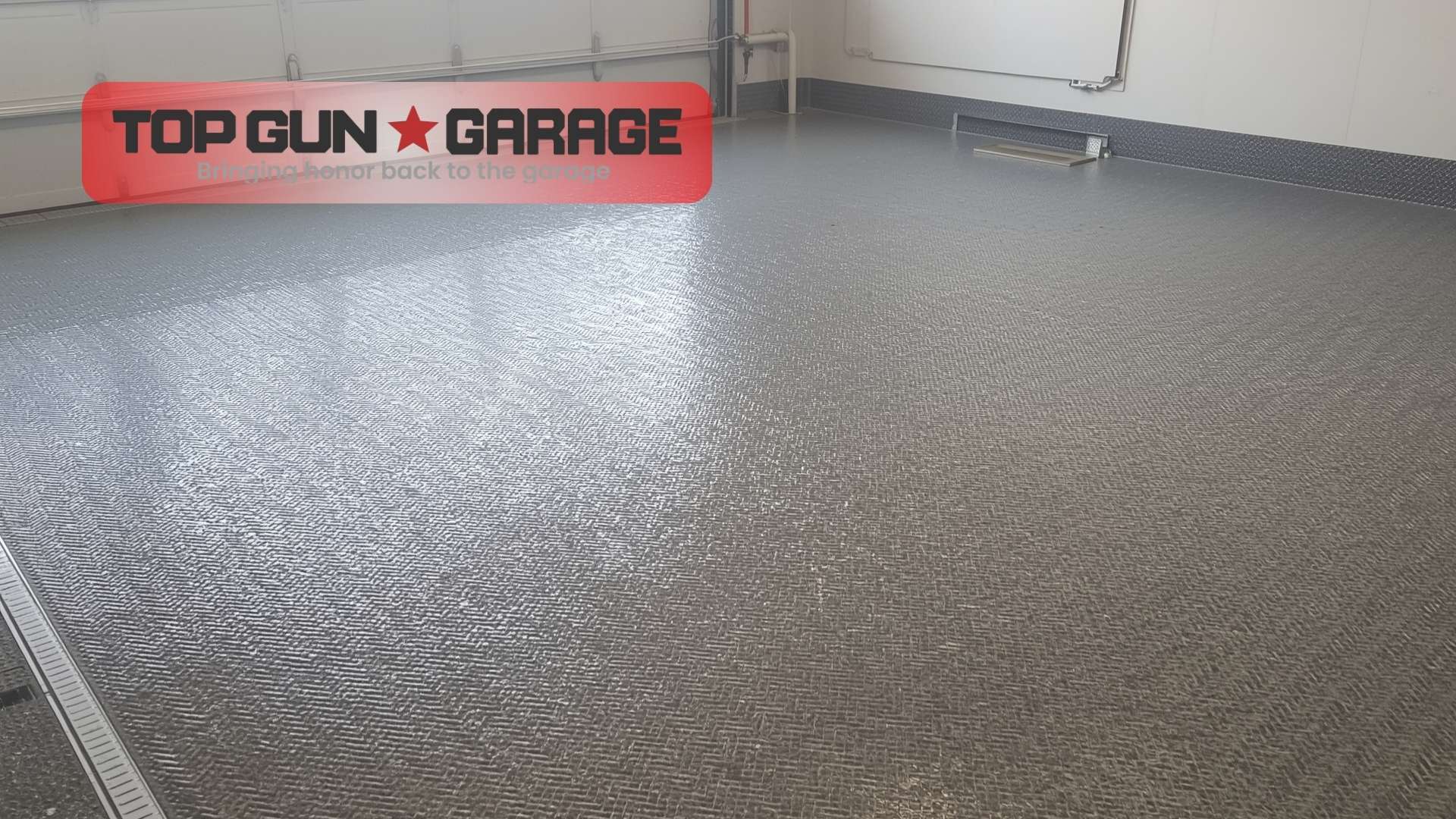
Polyurea basecoat systems provide superior performance for detailing applications through enhanced flexibility, chemical resistance, and rapid cure times that minimize business disruption. These systems bond effectively to properly prepared concrete, resist the moisture issues common in Florida installations, and withstand thermal cycling from equipment and lighting. Polyurea’s flexibility prevents cracking from substrate movement, maintaining the seamless surface essential for proper drainage and cleaning.
Polyaspartic topcoats offer the ultimate protection for detailing bay floors through exceptional UV stability, chemical resistance, and abrasion durability. Unlike epoxy systems that yellow and chalk under UV exposure from open bay doors and skylights, polyaspartic coatings maintain color stability and surface integrity for 10-15 years. The combination of polyurea basecoats with polyaspartic topcoats creates a system specifically engineered for demanding commercial environments where performance determines profitability.
Full-flake epoxy systems present a mid-range option combining decorative appeal with enhanced durability. The vinyl flakes create texture for slip resistance while hiding minor imperfections and tire marks common in detailing operations. However, these systems require high-quality polyaspartic or polyurethane topcoats rather than standard epoxy sealers to achieve the chemical resistance detailing applications demand.
Color Selection and Visibility Benefits
Floor color significantly impacts detailing efficiency, particularly for operations performing paint correction, ceramic coating application, and precision finishing work. Light-colored floors—white, light gray, or beige—reflect ambient and task lighting more effectively than dark surfaces, improving visibility for inspecting paint defects, identifying swirl marks, and evaluating coating application uniformity.
The enhanced lighting provided by reflective floors reduces eye strain during long detailing sessions and decreases supplemental lighting requirements, potentially lowering energy costs. Professional detailers report that light-colored garage floors improve their ability to identify paint imperfections during correction work, leading to better results and fewer rework situations. This visibility advantage justifies light color selection despite showing dirt more readily than darker alternatives.
However, light colors require more frequent cleaning to maintain professional appearance. Daily dust mopping and weekly wet mopping prevent buildup that diminishes the reflective properties and professional image light floors provide. Decorative concrete options offer compromise solutions, incorporating light base colors with contrasting flakes or patterns that hide minor soiling while maintaining good light reflection for detailed work.
Consider your specific detailing services when selecting floor colors. Shops focusing on paint correction and ceramic coatings benefit most from light, reflective surfaces. Operations emphasizing exterior cleaning and basic detailing may prioritize darker colors that hide staining from tires, road grime, and chemical spills, reducing cleaning frequency requirements while maintaining professional appearance.
Installation Requirements for Detailing Operations
Professional detailing floor installation requires specialized preparation beyond typical garage applications to ensure performance under continuous moisture and chemical exposure. Concrete surface preparation must achieve proper profile for coating adhesion while addressing any existing damage from previous use. Diamond grinding or shot blasting creates the surface profile necessary for professional coating systems to bond effectively to concrete substrates.
Moisture testing protocols become especially critical for Florida detailing operations where high humidity and potential groundwater issues threaten coating adhesion. Professional installers perform calcium chloride testing or relative humidity testing to quantify moisture vapor transmission rates from concrete slabs. When testing reveals moisture levels exceeding coating system tolerances, moisture barrier installation becomes necessary before applying decorative coating layers.
Crack repair and joint treatment prevent coating failure at existing concrete weaknesses. Detailing operations subject floors to equipment wheels, pressure washer movement, and chemical intrusion that exploit any coating defects. Professional preparation includes repairing cracked concrete, filling control joints with flexible sealants, and addressing any spalling or surface deterioration before coating application.
Installation timing considerations impact business operations, particularly for established detailing shops replacing existing floors. Rapid-cure polyurea and polyaspartic systems minimize downtime, with some applications allowing vehicle traffic within 24-48 hours. Schedule installations during slower business periods, coordinate with installers to optimize cure sequences, and plan for any additional time needed if moisture mitigation or extensive concrete repairs become necessary.
Maintenance and Cleaning Protocols
Proper maintenance extends detailing garage floor life and preserves the professional appearance that reflects your business quality. Daily cleaning removes the chemical residue, dirt, and standing water that degrade coatings over time. Simple protocols including dust mopping before operations begin and squeegee removal of standing water after washing prevent 80% of the issues that compromise floor performance.
Weekly deep cleaning with pH-neutral cleaners removes accumulated chemicals and prevents buildup that dulls surfaces and reduces slip resistance. Avoid harsh cleaning chemicals or abrasive methods that damage coating surfaces—the irony of using aggressive detailing chemicals to clean floors designed to resist those same chemicals leads to premature coating failure. Professional maintenance approaches balance thorough cleaning with coating preservation, using appropriate products and techniques that remove contamination without attacking coating systems.
Address spills immediately rather than allowing chemicals to remain on floors for extended periods. While professional detailing coatings resist chemical damage far better than residential systems, prolonged exposure to concentrated products eventually impacts any surface. Wipe up spills during operations, rinse areas where chemicals concentrate, and maintain awareness of potential problem zones where drainage issues or workflow patterns create areas of intensified chemical contact.
Periodic inspection identifies developing issues before they require major repairs. Look for areas showing discoloration, texture changes, or coating delamination that indicate potential problems. Professional coating systems include warranties covering defects and premature failures, but maintaining documentation of proper cleaning and addressing issues promptly ensures warranty coverage remains valid. Schedule annual professional inspections to evaluate floor condition and address any maintenance needs proactively.
Equipment Considerations and Floor Protection
The equipment used in detailing operations impacts floor selection and protection strategies. Rolling tool carts, pressure washers, air compressor systems, and detail chairs create point loads and movement patterns that stress floor coatings differently than vehicle traffic alone. Select coating systems with appropriate abrasion resistance for your specific equipment, recognizing that frequent equipment movement across floors accelerates wear in travel paths.
Protect floors in high-traffic equipment paths using strategically placed mats in areas where carts and equipment repeatedly cross. However, ensure mats allow water drainage and don’t trap moisture beneath them, creating conditions that promote coating delamination. Removable rubber mats or garage floor tiles in specific zones balance protection with the drainage and cleaning requirements detailing operations demand.
Consider equipment weight and design when evaluating floor load requirements. While typical detailing equipment creates minimal load concerns for standard concrete slabs, concentrated loads from heavy equipment or lifts require specific floor design consideration. If planning to install vehicle lifts for detailing access or ceramic coating curing areas, coordinate with structural engineers to ensure adequate slab thickness and reinforcement before selecting coating systems.
Equipment maintenance impacts floor cleanliness and coating longevity. Leaking pressure washers, dripping water lines, and poorly maintained equipment create concentrated moisture or chemical exposure in specific floor areas. Regular equipment inspection and maintenance prevent these localized issues that cause premature coating failure in isolated zones, requiring partial floor repairs that disrupt operations and create visible patch areas.
Cost Analysis for Detailing Bay Flooring
Professional detailing garage floor installations represent significant investments requiring careful cost-benefit analysis. Entry-level epoxy systems costing $3-5 per square foot may seem attractive initially but typically require replacement within 2-3 years under detailing operation stress, resulting in higher total ownership costs and repeated business disruption. Professional-grade polyurea or polyaspartic systems costing $8-12 per square foot deliver 10-15 year service life, lower annual costs, and eliminate the revenue loss from repeated floor replacement downtime.
Calculate total cost of ownership over expected floor life rather than focusing solely on initial installation expense. A 1,000 square foot detailing bay coated with $4/sq ft epoxy totaling $4,000 but requiring replacement every 3 years costs $13,333 over 10 years plus three separate installation disruptions. The same bay coated with $10/sq ft professional polyurea totaling $10,000 but lasting 15 years costs less annually while eliminating reinstallation hassles and maintaining consistent professional appearance.
Factor productivity impacts into cost analysis beyond direct flooring expenses. Floors that drain poorly, create slip hazards, or require excessive cleaning reduce detailing throughput and employee efficiency. The enhanced drainage, chemical resistance, and ease of maintenance professional systems provide increase daily vehicle capacity, reduce labor time for floor maintenance, and create safer working conditions that minimize injury risk and insurance costs.
Budget for proper installation including all necessary preparation steps rather than accepting reduced-scope proposals that skip moisture testing, crack repair, or adequate surface profiling. Installation shortcuts create failures requiring complete floor replacement at greater expense than proper initial installation. Experienced garage flooring contractors provide detailed proposals specifying all preparation and installation steps necessary for long-term performance in demanding detailing environments.
Building Multi-Bay Detailing Facilities
Expanding detailing operations from single bays to multi-bay facilities introduces additional flooring considerations affecting workflow, drainage, and zone differentiation. Color-coding different bays using various floor colors or patterns helps employees quickly identify work areas, separate dirty wash bays from clean detailing zones, and maintain organization in busy facilities. Modern decorative options enable facility design that enhances both functionality and professional image.
Coordinate flooring installation across multiple bays to maintain consistent appearance while potentially staggering installation timing to keep portions of your facility operational. Professional installers sequence multi-bay projects to minimize business disruption, completing one bay while others remain operational, then rotating through remaining areas. This phased approach maintains revenue streams during facility upgrades while ensuring consistent results across all bays.
Drainage planning becomes more complex in multi-bay facilities where water from multiple wash areas must flow efficiently without crossing between bays or creating standing water in shared areas. Coordinate with plumbing contractors to install appropriate drainage systems before floor coating application, ensuring slopes direct water properly and drains handle facility-wide water volume during peak operations.
Consider future expansion when planning initial flooring installations. Select coating systems and colors that can extend seamlessly into additional bays as your business grows. Maintaining consistent floor appearance across facilities enhances professional image and simplifies material matching if repairs become necessary. Document exact coating systems, colors, and installation specifications for reference during future expansion or maintenance projects.
Frequently Asked Questions
What makes detailing garage floors different from regular garage floors? Detailing floors require superior chemical resistance to harsh cleaners, acids, and solvents used in professional detailing. They need proper drainage slopes, slip-resistant textures that work when wet, seamless non-porous surfaces preventing chemical absorption, and durability exceeding residential applications. Standard garage coatings fail within 6-12 months under detailing operation stress.
Which coating system works best for auto detailing operations? Polyurea basecoats with polyaspartic topcoats provide optimal performance for detailing applications. These systems offer superior chemical resistance, rapid cure times minimizing downtime, flexibility preventing cracking, and 10-15 year durability. They outperform standard epoxy significantly in environments with constant moisture and aggressive chemical exposure.
How much slope do detailing bay floors need? Professional detailing floors require 1-2% slope toward drains or bay exits for proper water drainage. This slope prevents pooling, reduces slip hazards, accelerates drying between vehicles, and prevents chemical concentration in low spots. Inadequate slope creates safety issues and productivity bottlenecks in professional operations.
Should detailing floors be light or dark colored? Light-colored floors improve visibility for paint correction and detailed inspection work by reflecting more light. White, light gray, or beige surfaces help identify paint defects and reduce eye strain. However, they show dirt more readily and require more frequent cleaning. Dark colors hide staining but reduce visibility for precision work.
How long does professional detailing floor installation take? Professional installations typically require 2-4 days including surface preparation, moisture testing, coating application, and cure time. Rapid-cure polyurea and polyaspartic systems allow vehicle traffic within 24-48 hours. Installation timing depends on bay size, concrete condition, and whether moisture mitigation or extensive repairs are necessary.
What maintenance do detailing floors require? Daily dust mopping and squeegee removal of standing water prevent most issues. Weekly deep cleaning with pH-neutral cleaners removes chemical residue. Address spills immediately rather than allowing prolonged chemical contact. Proper maintenance extends floor life and preserves professional appearance reflecting business quality.
Can existing garage floors be converted to detailing use? Existing floors can be upgraded for detailing if concrete remains structurally sound. Previous coatings must be removed completely through grinding or media blasting. Evaluate concrete for damage, test moisture levels, address any issues, then install professional-grade systems designed for detailing applications. Conversion costs approach new installation pricing.
Do detailing floors need special drainage systems? While not absolutely required, trench drains or floor drains significantly improve operations by capturing water before it travels across entire floor surfaces. Strategic drain placement reduces slip hazard zones, accelerates bay turnaround, and prevents water from carrying contaminants across clean areas. Coordinate drainage with floor slope during planning.
How much do professional detailing floors cost? Professional-grade polyurea or polyaspartic systems cost $8-12 per square foot installed. A 1,000 square foot detailing bay ranges from $8,000-$12,000 depending on concrete condition, preparation requirements, and decorative options. Lower-cost epoxy alternatives require replacement every 2-3 years, resulting in higher total ownership costs over time.
Will floor coatings withstand pressure washer use? Professional detailing floor coatings withstand pressure washer use when properly installed with adequate surface preparation and appropriate coating thickness. Avoid directing high-pressure spray directly at coating edges, joints, or known weak points. Polyurea and polyaspartic systems resist pressure washing significantly better than standard epoxy formulations.
Conclusion
Building a proper auto detailing setup requires flooring systems engineered specifically for the unique demands of professional detailing operations. The right detailing garage floor delivers chemical resistance to aggressive cleaning products, provides proper drainage preventing water accumulation, maintains slip resistance in wet conditions, and withstands continuous use that destroys standard garage coatings. Investing in professional-grade polyurea or polyaspartic systems with proper preparation, drainage consideration, and appropriate texture delivers 10-15 years of reliable performance supporting efficient detailing operations and maintaining the professional image quality work demands.
Top Gun Garage specializes in commercial-grade floor coatings designed for demanding detailing operations throughout Southwest Florida. Contact us today for a detailed consultation and discover how proper flooring transforms your detailing setup into a safer, more efficient, and more professional operation that impresses customers and stands the test of time.