 Skip to content




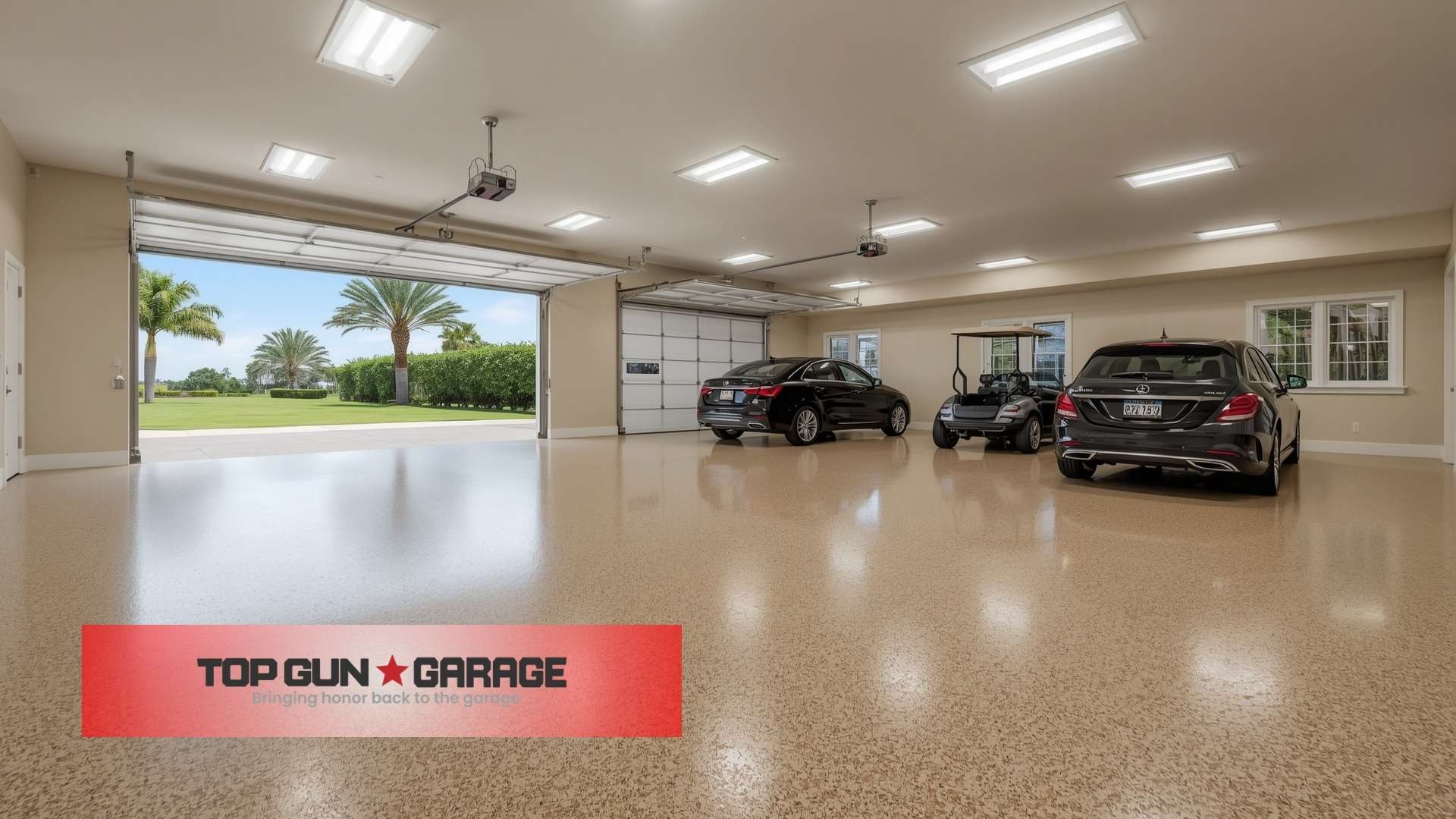
For homeowners in Pine Ridge Estates, where lot sizes often exceed one acre and garages frequently accommodate multiple vehicles, a standard concrete slab simply doesn’t match the caliber of the property. A high-performance floor coating transforms a utilitarian space into a clean, durable, and visually striking extension of the home. The right system resists hot tire pickup, chemical spills, and the relentless Florida humidity while complementing the estate’s architectural character. This guide details the coating technologies, installation processes, and design considerations specific to Naples’ most spacious residential community.
Key Takeaways
- Polyaspartic coatings cure rapidly and offer superior UV stability, making them ideal for Pine Ridge garages with extended open-door hours.
- Full-chip broadcast systems hide imperfections on older slabs common in estate properties built decades ago.
- Proper moisture vapor testing is non-negotiable in Pine Ridge due to the area’s high water table and humidity.
- A professionally coated floor increases resale value and appeals to discerning buyers in the Naples luxury market.
- Maintenance requires only a microfiber mop and pH-neutral cleaner—no waxing or stripping ever.
- Installation on a typical three-car Pine Ridge garage completes in one day with polyaspartic systems.
Why Pine Ridge Estates Demands a Different Floor Coating Standard
Pine Ridge Estates isn’t a typical Naples subdivision. Developed primarily between the 1970s and 1990s, the neighborhood features custom-built homes on lots ranging from one to over four acres. Garages here often span 800 to 1,500 square feet, housing everything from daily drivers to golf carts, classic cars, and extensive workshop setups. According to the Collier County Property Appraiser, the median lot size in Pine Ridge exceeds 1.14 acres, nearly triple the average for Naples residential communities. This scale changes the flooring equation entirely.
A larger slab means more concrete to protect, more expansion joints to address, and a greater surface area exposed to moisture transmission. Many Pine Ridge homes were built before modern vapor barrier standards, so moisture vapor emission rates can exceed 8 pounds per 1,000 square feet over 24 hours—a threshold where standard epoxy systems fail. Research from the American Concrete Institute confirms that moisture-related coating failures account for over 60% of residential floor coating problems in humid climates. Selecting a system engineered for these conditions isn’t optional; it’s essential.
Coating Technologies Suited for Large Estate Garages
Three primary resinous flooring technologies dominate the Naples market, each with distinct performance profiles. Understanding their differences ensures the right specification for a Pine Ridge property.
Polyaspartic Coatings: The Rapid-Cure Champion
Polyaspartic systems have become the preferred choice for occupied estate homes because they cure in hours, not days. A full broadcast system—primer, base coat, decorative flakes, and topcoat—can be installed in a single day. The chemistry tolerates application temperatures from -30°F to 140°F, eliminating the winter installation delays that plague traditional epoxy in Southwest Florida’s occasional cold snaps. As Mark Richardson, Senior Coatings Chemist at Covestro, explains: “Polyaspartic technology represents a step-change in aliphatic polyurea chemistry. The crosslink density delivers abrasion resistance 4x greater than standard epoxy, and the UV stability means no yellowing even in garages with southern exposure.”
For Pine Ridge homeowners who use their garages daily, the rapid return-to-service timeline is critical. Vehicles can park on a polyaspartic floor within 24 hours. The high-gloss finish also amplifies light, reducing the need for additional fixtures in deep garage bays.
High-Solids Epoxy: The Budget-Conscious Workhorse
100% solids epoxy remains a viable option, particularly for garages used as workshops. The thicker build—typically 10 to 20 mils—fills minor surface imperfections and provides excellent chemical resistance. However, epoxy’s Achilles’ heel in Pine Ridge is UV sensitivity. Extended sun exposure through open doors causes ambering over time. A urethane or polyaspartic topcoat mitigates this, but adds cost and complexity. According to data from the Epoxy Flooring Institute, high-solids epoxy systems account for approximately 45% of residential installations nationwide, though that share declines in sunbelt markets like Florida.
Polyurethane Cement: The Heavy-Duty Specialist
For Pine Ridge garages that double as woodworking shops or house heavy equipment, polyurethane cement systems offer unmatched impact and thermal shock resistance. These systems bond tenaciously to concrete and tolerate extreme temperature swings. They’re overkill for a standard collector-car garage but invaluable for serious hobbyists.
Moisture Management: The Pine Ridge Challenge
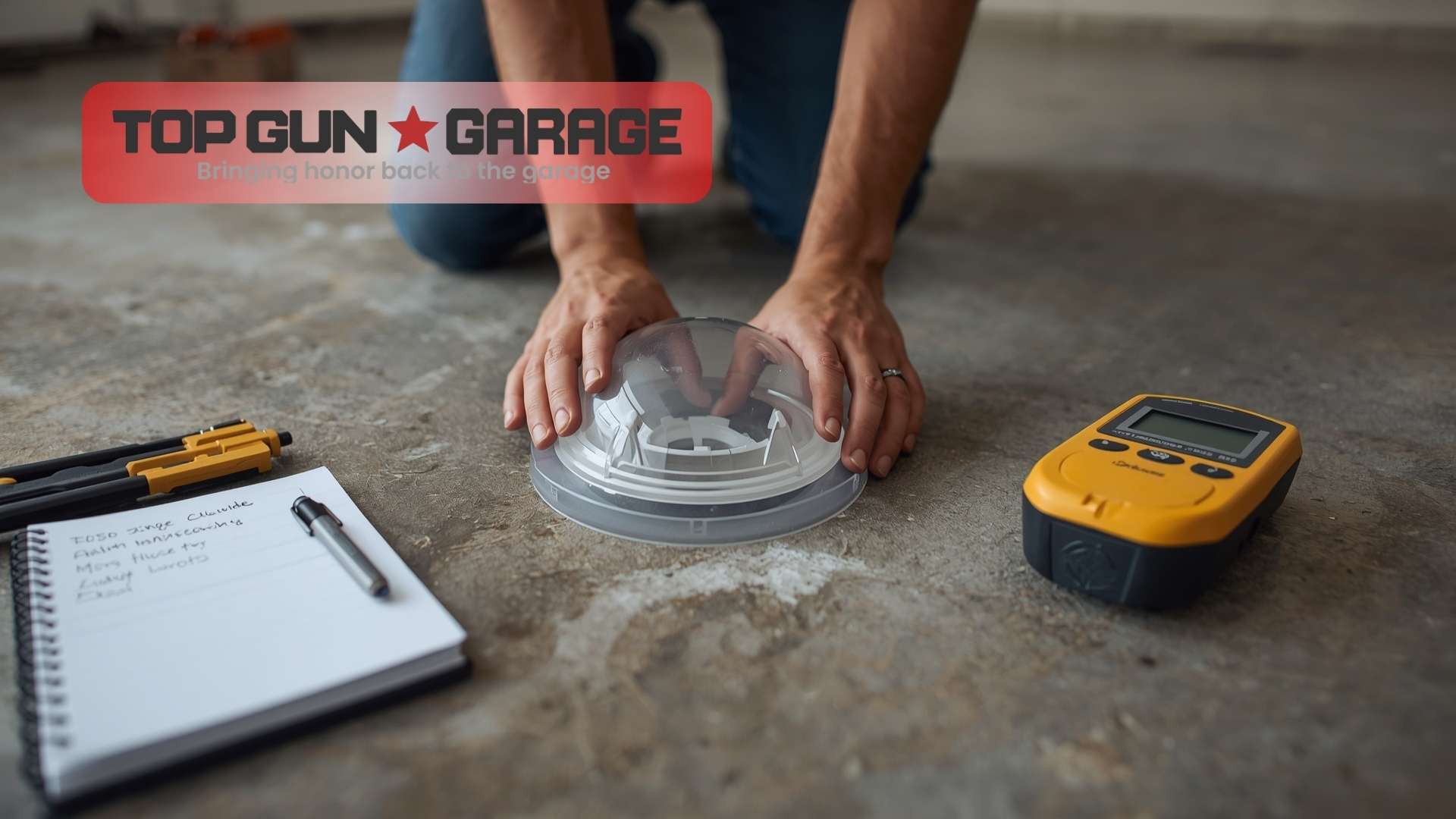
Southwest Florida’s water table sits just a few feet below grade in many areas. Pine Ridge, with its mature landscaping and irrigation systems, presents a particularly challenging moisture environment. Before any coating touches the slab, a calcium chloride moisture test per ASTM F1869 must quantify the vapor emission rate. Readings above 3 pounds per 1,000 square feet require a moisture-mitigating primer or an epoxy moisture barrier.
Skipping this step invites disaster. A study by the Portland Cement Association found that 85% of coating delamination failures in humid regions trace back to unaddressed moisture vapor. In Pine Ridge, where many slabs lack underslab vapor retarders, the risk is acute. A reputable installer drills small holes in the slab, seals a test kit for 60 to 72 hours, and measures the weight gain. This data drives the system specification.
Design Options That Elevate Pine Ridge Properties
A garage floor coating in Pine Ridge isn’t just functional—it’s a design statement. The right aesthetic complements the home’s interior finishes and enhances the overall property presentation.
Full-Chip Broadcast Systems
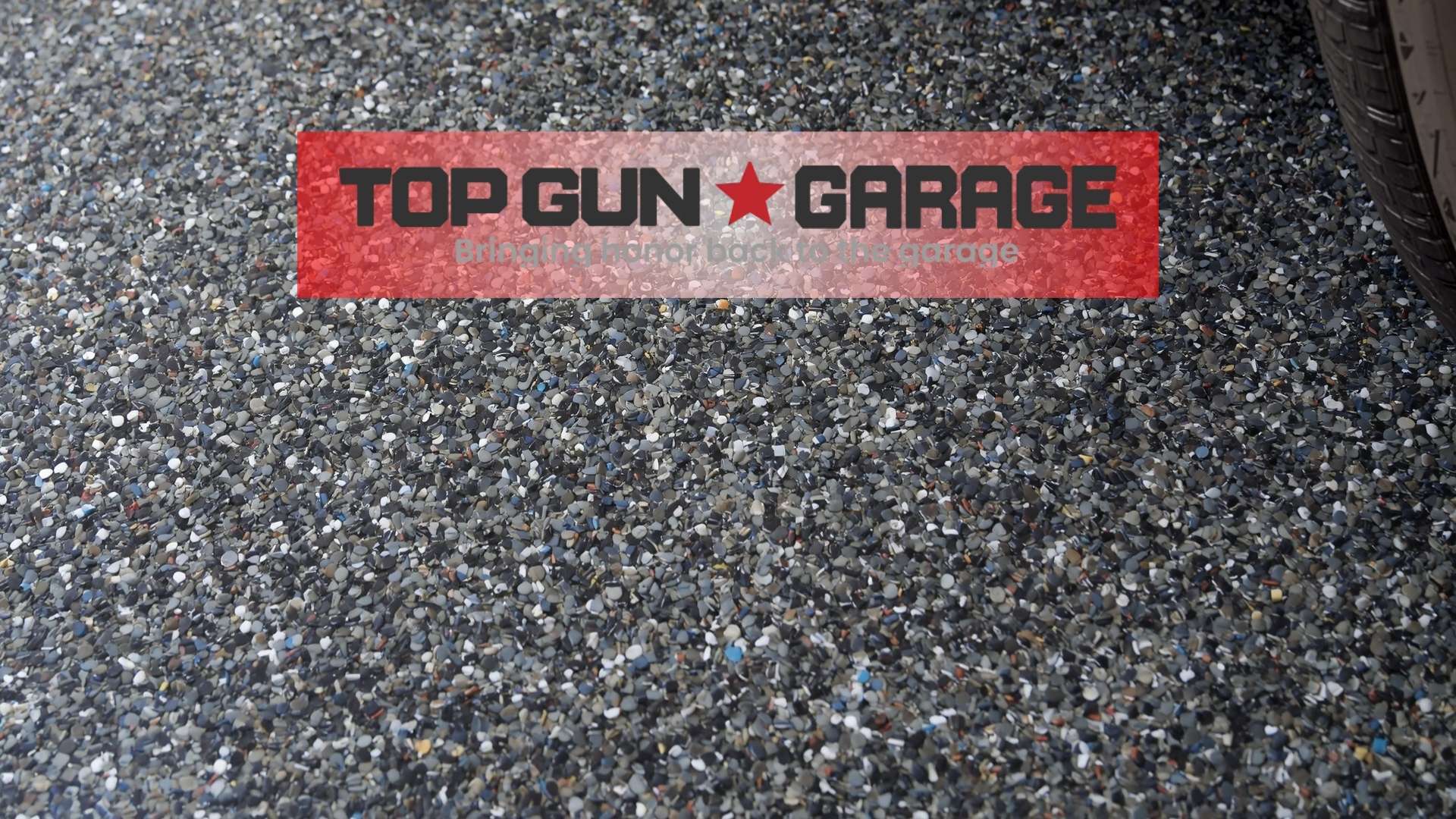
Vinyl chips broadcast to rejection create a textured, slip-resistant surface that hides dirt, tire marks, and concrete imperfections. This system dominates Pine Ridge installations because it masks the cracks and patches common on older slabs. Color blends range from neutral grays and taupes to custom mixes incorporating blues, blacks, and even metallic accents. The chip layer also provides a slight texture that improves slip resistance when floors get wet from pool traffic or afternoon thunderstorms.
Metallic Epoxy Systems
For the showstopper garage, metallic pigments suspended in clear epoxy create a three-dimensional, marbled effect. No two floors look identical. This finish pairs beautifully with high-end Pine Ridge homes featuring contemporary or transitional architecture. The reflective surface amplifies both natural and artificial light, making even windowless garage bays feel expansive.
Quartz Broadcast Systems
Colored quartz aggregate broadcast into a clear binder delivers a speckled, terrazzo-like appearance with exceptional durability. This system works well in Pine Ridge garages that serve as home gyms or entertainment spaces, where aesthetics and hygiene matter equally. The seamless surface resists bacterial growth and cleans with a damp mop.
Installation Process: What Pine Ridge Homeowners Should Expect
A professional installation follows a rigorous sequence. Cutting corners at any stage compromises longevity. Here’s the standard workflow for a Pine Ridge garage:
- Site Preparation and Moisture Testing: The crew removes all items from the garage. They conduct ASTM F1869 moisture testing and inspect the slab for cracks, spalling, or oil contamination. Results dictate primer selection.
- Concrete Profiling: Diamond grinding or shot blasting opens the concrete’s pores, creating a mechanical profile for the coating to grip. Acid etching is obsolete and unsuitable for Pine Ridge slabs due to inconsistent results and environmental concerns. Proper profiling is essential—learn more about how concrete is prepared for coatings.
- Crack and Joint Repair: All cracks, control joints, and spalled areas are filled with a semi-rigid epoxy filler. Expansion joints receive a flexible sealant to accommodate thermal movement.
- Primer Application: A penetrating epoxy or polyaspartic primer seals the surface and promotes adhesion. Moisture-mitigating primers are used when vapor levels exceed thresholds.
- Base Coat and Broadcast: The base resin is squeegeed and back-rolled. Vinyl chips or quartz are broadcast to the desired density while the base is wet.
- Excess Removal and Topcoat: After curing, excess chips are scraped and vacuumed. A clear polyaspartic or urethane topcoat seals the surface, providing UV protection and chemical resistance.
- Cure and Return to Service: Polyaspartic systems accept light foot traffic in 4-6 hours and vehicle traffic in 24 hours. Epoxy systems require 48-72 hours.
For Pine Ridge homeowners who split time between Naples and elsewhere, the rapid cure of polyaspartic systems is a logistical advantage. A snowbird garage floor coating can be installed during a brief visit without disrupting seasonal plans.
Cost Considerations for Large-Format Garages
Pine Ridge garage floor coating costs reflect the square footage and system complexity. A full-chip polyaspartic system on a 1,000-square-foot garage typically ranges from $6.50 to $9.00 per square foot in 2026, including all preparation, materials, and labor. Metallic systems run $10 to $15 per square foot due to the artistry involved. These figures align with data from HomeAdvisor, which reports national epoxy garage floor costs averaging $4 to $10 per square foot, with Florida’s humidity and moisture challenges pushing projects toward the higher end.
| Coating System | Cost per Sq. Ft. (2026) | Cure Time (Vehicle Traffic) | UV Stability | Best For |
|---|---|---|---|---|
| Polyaspartic Full-Chip | $6.50 – $9.00 | 24 hours | Excellent | Daily-use garages, collector cars |
| High-Solids Epoxy | $4.50 – $7.00 | 48–72 hours | Poor (requires topcoat) | Workshops, budget-conscious projects |
| Metallic Epoxy | $10.00 – $15.00 | 48–72 hours | Moderate with urethane topcoat | Show garages, luxury estates |
| Polyurethane Cement | $8.00 – $12.00 | 24–48 hours | Excellent | Heavy equipment, woodworking shops |
Investing in a quality coating also protects against the specific challenges Florida garages face. A properly sealed floor is inherently more pest resistant, denying insects and rodents the cracks and crevices they exploit. It also simplifies hurricane debris cleanup, as a seamless surface allows debris to be swept or hosed away without staining or absorption.
Common Mistakes Pine Ridge Homeowners Should Avoid
Even in a community of discerning homeowners, flooring missteps happen. Awareness prevents costly errors.
- Skipping Moisture Testing: The single most expensive mistake. A coating that blisters or delaminates within months requires complete removal and reinstallation, often doubling the project cost.
- Choosing DIY Kits: Big-box store epoxy kits lack the resin solids, chemical resistance, and UV stability of professional-grade materials. They also don’t include the diamond grinding equipment essential for proper adhesion. The performance differences between epoxy and polyaspartic systems are stark, and DIY products fall far short of both.
- Ignoring Expansion Joints: Pine Ridge slabs move with temperature and humidity cycles. Filling joints with rigid material causes cracking. Flexible sealants are mandatory.
- Inadequate Topcoat Thickness: A thin topcoat wears through quickly under vehicle traffic. The topcoat should be at least 4-6 mils thick for a broadcast system.
- Poor Color Selection: Very dark solid colors show every tire mark and dust particle. Full-chip broadcast systems with medium-toned blends are far more forgiving.
Maintaining a Coated Garage Floor in Pine Ridge
One of the strongest selling points for resinous flooring is the near-zero maintenance requirement. Unlike stained concrete that needs resealing or tile that traps grime in grout lines, a coated floor cleans with minimal effort. A weekly pass with a microfiber dust mop removes sand and debris tracked in from Pine Ridge’s unpaved easements. For deeper cleaning, a pH-neutral cleaner and a damp mop restore the shine without leaving residue.
Harsh chemicals like bleach, degreasers, or acidic cleaners damage the topcoat’s gloss and should be avoided. Spills from vehicles—oil, coolant, transmission fluid—should be wiped promptly, though a quality polyaspartic topcoat resists staining for extended periods. Following a seasonal maintenance routine ensures the floor looks new for decades. The coating’s resistance to Florida heat means no warping, buckling, or thermal degradation even when garage temperatures exceed 100°F in August.
How a Coated Floor Impacts Pine Ridge Property Values
In the Naples luxury real estate market, a finished garage differentiates a listing. According to the National Association of Realtors, a upgraded garage ranks among the top 10 features influencing buyer perception of a home’s maintenance and quality. In Pine Ridge, where homes routinely list between $1.5 million and $5 million, a stained, cracked, or dusty garage floor creates a negative impression disproportionate to the repair cost. Conversely, a gleaming coated floor signals meticulous ownership.
Appraisers don’t assign a specific line-item value to a garage floor coating, but the cumulative effect on marketability is real. A 2026 survey by Zillow found that homes with finished garages sold 8% faster than comparable properties with unfinished garages in Florida markets. For Pine Ridge sellers, a $6,000 to $9,000 floor coating investment can yield a substantial return in buyer interest and offer strength. Explore how epoxy flooring impacts property value in similar luxury Florida markets.
Frequently Asked Questions
How long does a garage floor coating last in Pine Ridge’s climate?
A professionally installed polyaspartic system lasts 15 to 20 years with minimal maintenance. Epoxy systems with a urethane topcoat typically last 10 to 15 years. The primary degradation factors are UV exposure and mechanical abrasion from sandy tires, both manageable with proper topcoat selection.
Can I coat my Pine Ridge garage floor if it has existing cracks?
Yes. Cracks are filled and repaired during the preparation phase. A full-chip broadcast system is particularly effective at hiding repaired cracks, as the chip pattern camouflages the repair lines. Structural cracks indicating foundation issues should be evaluated by an engineer before coating.
Is the coating process disruptive to my household?
For polyaspartic systems, the garage is unusable for approximately 24 hours. The crew typically arrives early morning and completes the installation by late afternoon. There’s no odor migration into the home because polyaspartics are low-VOC and the garage is well-ventilated during application.
Will the coating withstand my golf cart’s tires?
Absolutely. Golf cart tires are non-marking and exert minimal pressure compared to automobiles. A quality polyaspartic topcoat resists scuffing from all tire types. Many Pine Ridge homeowners use their garages for golf cart storage, and the floor handles it effortlessly.
What’s the difference between epoxy and polyaspartic for a Pine Ridge garage?
Polyaspartic cures faster (hours vs. days), resists UV yellowing, and tolerates a wider temperature range during application. Epoxy is less expensive upfront but requires a UV-stable topcoat and longer cure time. For occupied Pine Ridge homes, polyaspartic’s speed and durability justify the premium.
Do I need to empty my garage completely before installation?
Yes. Everything must be removed—vehicles, storage racks, refrigerators, tool chests. The crew needs unobstructed access to the entire slab. Some installers offer moving assistance for an additional fee.
How do I clean a coated garage floor after a hurricane or heavy rain?
A coated floor is non-porous, so water pools on the surface rather than soaking in. Use a squeegee to push water out, then mop with a mild cleaner. The floor’s flood resistance prevents water damage to the slab itself.
Can the coating be applied to my lanai or pool deck as well?
Yes, but the system formulation differs. Exterior surfaces require a UV-stable, slip-resistant topcoat rated for constant sun exposure. Many Pine Ridge homeowners extend their coating from the garage to adjacent pool house floors for a cohesive look.
Conclusion
Pine Ridge Estates represents the pinnacle of Naples residential living, and a garage floor coating should match that standard. The right system—properly specified, tested for moisture, and professionally installed—transforms a bare concrete slab into a durable, beautiful surface that enhances daily life and property value. Whether the priority is a showroom finish for a car collection, a slip-resistant surface for a family garage, or a heavy-duty floor for a workshop, the technology exists to deliver exactly that. The key is working with an installer who understands Pine Ridge’s unique slab conditions and doesn’t compromise on preparation. Contact us today to discuss your Pine Ridge garage floor coating project and receive a detailed, no-obligation assessment.
References
- Collier County Property Appraiser – Lot size and property data for Pine Ridge Estates.
- American Concrete Institute (ACI) – Standards and research on moisture-related coating failures.
- Portland Cement Association – Study on coating delamination and moisture vapor transmission.
- Covestro – Polyaspartic resin technology and performance data.
- HomeAdvisor – National cost data for epoxy and polyaspartic garage floor installations.
- National Association of Realtors – Buyer perception studies on garage upgrades and home value.
- Zillow – 2026 survey on finished garages and home sale velocity in Florida markets.
- Epoxy Flooring Institute – Market share data for residential coating systems.