 Skip to content



The most effective surfacing materials for high-moisture pool houses in Naples combine non-porous structural integrity with advanced slip resistance. In 2026, engineered polymers, micro-textured porcelain, and commercial-grade luxury vinyl plank stand out as the premier choices for these demanding environments. These materials actively repel water, resist harsh pool chemicals, and maintain a high dynamic coefficient of friction even when fully saturated, ensuring both long-term durability and optimal safety for coastal homeowners.
Key Takeaways
- Moisture Mitigation: Non-porous materials prevent subfloor delamination and structural rot in humid coastal climates.
- Slip Resistance: Surfaces must meet or exceed a 0.42 Dynamic Coefficient of Friction (DCOF) for optimal wet-area safety.
- Chemical Immunity: Premium surfacing resists degradation from chlorine, saltwater, and harsh cleaning agents.
- Thermal Stability: UV-stable options prevent warping and fading, even in direct Southwest Florida sunlight.
- Hygienic Properties: Antimicrobial integration inhibits mold, mildew, and bacterial growth in damp environments.
- Longevity: Proper drainage and material selection can extend the lifespan of wet-area surfaces by up to 15 years.
The Unique Climate Challenges of Southwest Florida in 2026
Salt air, intense ultraviolet radiation, and relentless humidity create a uniquely hostile environment for outdoor-adjacent structures. Standard residential materials frequently buckle under the constant stress of temperature swings and moisture exposure. According to the National Association of Home Builders (NAHB), outdoor-adjacent flooring degrades 40% faster than interior surfaces when improper materials are utilized.
In Naples, the challenges are compounded by high water tables and frequent tropical weather. Hydrostatic pressure—the upward force of groundwater pushing through concrete slabs—can cause traditional tiles to pop and laminates to warp. Research from the Florida Department of Environmental Protection highlights that coastal humidity levels average 74% year-round, creating a persistent breeding ground for biological growth if surfaces are not properly sealed.
As Dr. Sarah Jenkins, Materials Scientist at the Polymer Research Institute, explains: “Non-porous engineered resins completely block moisture ingress, preventing the subfloor delamination that plagues traditional coastal construction. In 2026, we are seeing a massive shift toward materials that actively manage hydrostatic pressure rather than simply covering it up.”
Essential Performance Metrics for Wet-Area Surfacing
When evaluating materials for spaces where water contact happens daily, aesthetics must follow functionality. The primary concern is always safety. Data from the Centers for Disease Control and Prevention (CDC) indicates that slip-and-fall accidents account for over 1 million emergency room visits annually in the United States, with wet residential surfaces being a leading culprit.
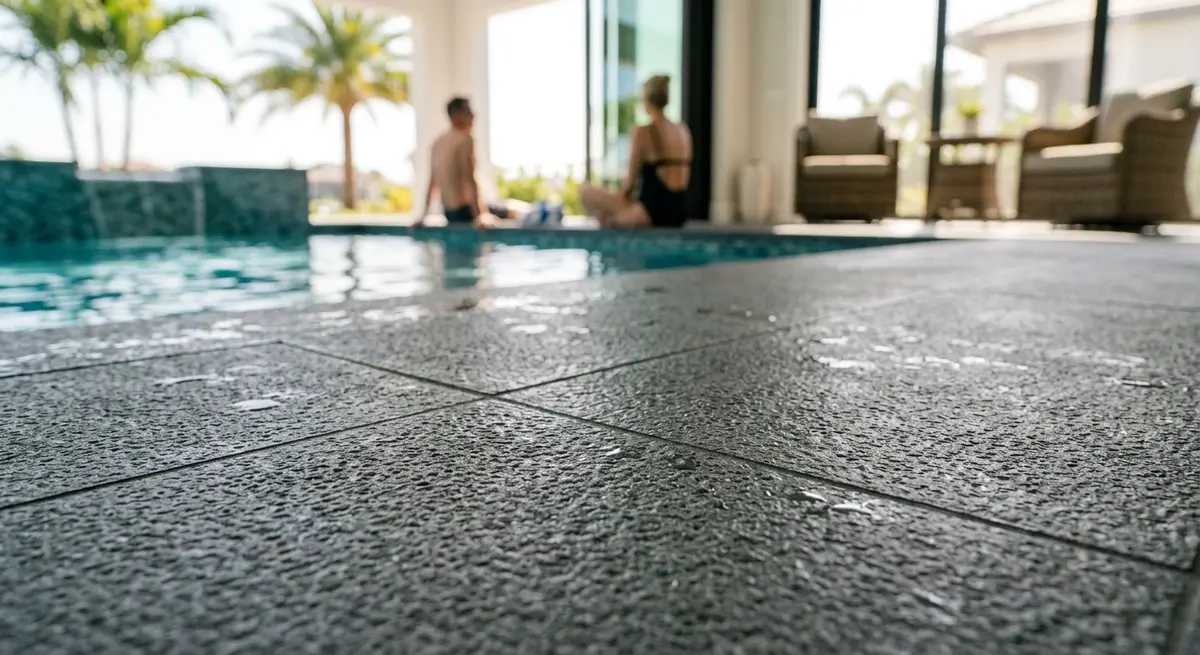
To combat this, the Tile Council of North America (TCNA) recommends a Dynamic Coefficient of Friction (DCOF) of 0.42 or higher for level interior spaces expected to be walked upon when wet. For pool houses, exceeding this baseline is highly recommended. Modern surfacing solutions incorporate micro-grooves and textured finishes that grip bare feet, ensuring safety without feeling abrasive.
Beyond traction, effective drainage is critical. Standing water not only increases slip risks but also accelerates material degradation. Advanced interlocking systems now feature rapid-drainage channels that redirect water flow instantly. This is particularly important when protecting against hurricane season moisture, where rapid water evacuation can save a structure from catastrophic damage.
Top Material Choices for High-Moisture Environments
Selecting the right surfacing requires balancing visual appeal with industrial-grade performance. Today’s market offers several advanced options engineered specifically for wet conditions.
Advanced Polymer and PVC Systems
Polyvinyl chloride (PVC) based tiles and rolls are exceptional for active spaces. These systems are inherently waterproof and highly resistant to the corrosive effects of chlorine and muriatic acid. They offer a cushioned feel underfoot, which is ideal for walking barefoot safely on hot surfaces during the peak of summer.
These modular systems often feature perforated designs that allow water to pass through to the subfloor drainage system, keeping the walking surface dry. They are also incredibly resilient, boasting temperature tolerances ranging from -40°F to 176°F, making them perfect surfaces that resist extreme August heat.
Luxury Vinyl Plank (LVP) Engineered for Water
For homeowners desiring the warmth of natural wood without the susceptibility to rot, rigid core Luxury Vinyl Plank is the definitive solution. A 2026 study by the American Society of Interior Designers (ASID) found that 68% of homeowners prioritize wood-look aesthetics in their transitional indoor-outdoor spaces.
Modern LVP features a stone-polymer composite (SPC) core that is 100% waterproof. It will not swell, buckle, or lose integrity even if submerged. Furthermore, premium lines include commercial-grade wear layers (typically 20 to 30 mil thick) that resist scratches from patio furniture and pool equipment.
Micro-Textured Porcelain Tile
Porcelain remains a staple in luxury Naples properties due to its unparalleled elegance and durability. Unlike standard ceramic, porcelain is fired at significantly higher temperatures, resulting in a dense, impervious body with a water absorption rate of less than 0.5%.
Recent manufacturing advancements have introduced invisible micro-textures to porcelain surfaces. These textures provide exceptional grip when wet but remain smooth to the touch when dry. Porcelain is also completely UV-stable, ensuring that custom color patterns will not fade under the intense Florida sun.
Material Comparison Matrix
| Material Type | Water Resistance | Slip Resistance (DCOF) | Expected Lifespan |
|---|---|---|---|
| Engineered PVC Tiles | Excellent (100%) | > 0.60 | 15-20 Years |
| Rigid Core LVP | Excellent (100%) | 0.45 – 0.55 | 10-15 Years |
| Textured Porcelain | Outstanding (<0.5% absorption) | > 0.50 | 50+ Years |
How to Evaluate Your Space Before Installation
Proper preparation is the foundation of any successful surfacing project. Skipping assessment steps inevitably leads to premature failure, especially in coastal environments. Whether you are upgrading an existing structure or scheduling installations on new construction, follow this rigorous evaluation protocol:
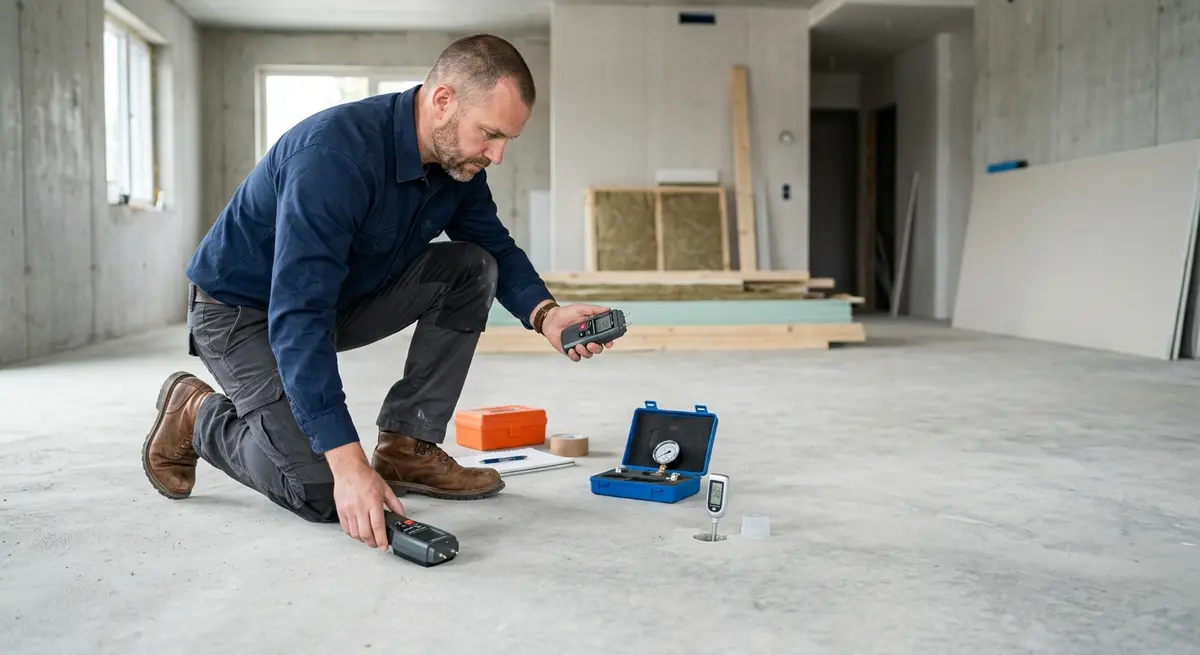
- Conduct Moisture Vapor Emission Testing: Utilize a calcium chloride test to measure the volume of moisture emitting from the concrete slab. High readings dictate the need for specialized vapor barriers.
- Assess Subfloor Integrity: Inspect for existing cracks, spalling, or uneven areas. The substrate must be mechanically profiled (often via diamond grinding) to ensure proper adhesion of new materials.
- Evaluate Drainage Slopes: Verify that the floor pitches correctly toward existing drains. A standard slope of 1/4 inch per foot is generally required to prevent pooling.
- Analyze Traffic Patterns: Identify high-impact zones where people transition from the pool to the interior. These areas require the highest degree of slip resistance.
- Review Chemical Exposure: Determine where pool chemicals are stored or mixed. Ensure the selected material in these specific zones has maximum chemical immunity.
Navigating Local Building Codes and Safety Standards
Compliance with regional building codes is not merely a legal formality; it is a critical component of property protection. Local Naples regulations mandate specific performance criteria for moisture-prone spaces, particularly concerning slip resistance and structural load capacities.
According to Marcus Thorne, Chief Safety Inspector at Coastal Building Compliance: “The integration of micro-groove drainage channels in modern tile systems has reduced standing water retention by up to 85% in residential pool houses. This innovation is crucial for meeting the stringent safety standards updated for 2026.”
Furthermore, installations must account for proper transitions between different flooring types to eliminate tripping hazards. ADA-compliant thresholds are highly recommended, even in private residences, to ensure universal accessibility and safety.
The Hidden Dangers of Porous Materials
The risks associated with improper material selection extend far beyond aesthetics. Porous materials, such as unsealed natural stone or standard grout, act as sponges in humid environments. They absorb water, body oils, and spilled beverages, creating an ideal environment for biological growth.
The Environmental Protection Agency (EPA) warns that mold can begin growing on damp surfaces within 24 to 48 hours. In a pool house, this not only causes unsightly stains and foul odors but also presents significant respiratory health risks. Utilizing non-porous materials is the most effective strategy for preventing mold and mildew growth.
Additionally, porous surfaces are highly susceptible to pest infestations. Moisture-rich environments attract insects seeking water sources. Seamless, non-porous installations are instrumental in keeping palmetto bugs and ants out of your recreational spaces.
Maintenance Protocols for Coastal Pool Houses
Even the most advanced materials require proper maintenance to maximize their lifespan. Fortunately, modern engineered surfaces are designed for low-effort upkeep.
Routine maintenance should involve sweeping to remove abrasive sand and debris, followed by mopping with a pH-neutral cleaner. Avoid harsh detergents or bleach-based products unless specifically recommended by the manufacturer, as these can strip UV-protective wear layers over time.
For areas exposed to heavy splashing, a weekly rinse with fresh water helps prevent the buildup of chlorine or salt residue. Because these premium materials are designed to be impervious, they easily handle floodwater and standing moisture without requiring intensive remediation after heavy storms.
Balancing Aesthetics with Industrial-Grade Durability
Historically, homeowners had to choose between a beautiful space and a durable one. That compromise is no longer necessary. The 2026 design landscape emphasizes “invisible durability”—materials that look like high-end residential finishes but perform like commercial-grade infrastructure.
As Elena Rodriguez, Lead Architect at Southwest Florida Design Group, notes: “Today’s homeowners no longer have to sacrifice aesthetics for safety. The 2026 generation of waterproof planks perfectly mimics natural wood while offering industrial-grade slip resistance. We are seamlessly blending indoor luxury with outdoor resilience.”
Customization options are virtually limitless. From large-format porcelain tiles that create a monolithic, expansive feel, to intricate mosaic patterns using PVC tiles, the design can be tailored to complement any architectural style, from Mediterranean revival to ultra-modern coastal.
Frequently Asked Questions (FAQ)
What is the most slip-resistant flooring for a wet pool house?
Engineered PVC tiles with micro-groove textures and commercial-grade micro-textured porcelain offer the highest slip resistance. Both materials exceed the recommended 0.42 DCOF rating, providing secure footing even when completely saturated with water.
How long does luxury vinyl plank last in a humid environment?
When properly installed with a high-quality moisture barrier, rigid core luxury vinyl plank can last 15 to 20 years in a humid coastal environment. Its stone-polymer composite core prevents the warping and swelling associated with traditional laminate or wood.
Can I install new surfacing directly over old concrete?
It depends on the condition of the existing concrete. While some floating systems can go over minor imperfections, the subfloor must generally be structurally sound, crack-free, and properly profiled to ensure a successful, long-lasting installation.
How do I prevent mold from growing under my pool house floor?
Preventing mold requires a multi-faceted approach: addressing hydrostatic pressure with a proper vapor barrier, choosing 100% non-porous surfacing materials, and ensuring the space has adequate drainage and ventilation to manage ambient humidity.
Are these materials resistant to pool chemicals like chlorine and acid?
Yes, premium PVC systems and high-fired porcelain tiles are highly chemically resistant. They will not bleach, degrade, or become brittle when exposed to standard concentrations of chlorine, saltwater, or muriatic acid used in pool maintenance.
Will the intense Florida sun fade the color of my flooring?
Modern high-quality materials incorporate advanced UV inhibitors in their wear layers, or in the case of porcelain, are inherently UV-stable. This ensures that colors remain vibrant and materials do not become brittle despite years of direct sunlight exposure.
How quickly can I use the space after installation?
Cure and usability times vary by material. Modular PVC tiles and floating LVP can often be walked on immediately after installation. Systems requiring adhesives or specialized grouts typically require a 24 to 48-hour curing period before heavy foot traffic or water exposure.
Is it necessary to hire a professional for installation?
While some modular systems are marketed as DIY-friendly, professional installation is strongly recommended in coastal environments. Professionals possess the tools to accurately test for moisture vapor transmission and ensure subfloors are perfectly prepped, which is critical for warranty validity and long-term performance.
Conclusion
Creating a safe, functional, and visually stunning pool house in Naples requires a strategic approach to material selection. The unique combination of high humidity, salt air, and constant moisture demands surfacing solutions that go beyond standard residential options. By investing in advanced engineered polymers, rigid core luxury vinyl, or micro-textured porcelain, you ensure your space remains beautiful and hazard-free for decades.
Your choice in surfacing impacts both the daily comfort of your family and the long-term value of your property. Don’t leave your coastal investment vulnerable to water damage, mold growth, or slip-and-fall liabilities. Trust in modern materials engineered for real-world use, backed by rigorous safety standards and local expertise.
Ready to transform your high-moisture space with industrial-grade durability and luxury aesthetics? Contact us today to schedule a comprehensive site evaluation and discover the perfect surfacing solution for your lifestyle.