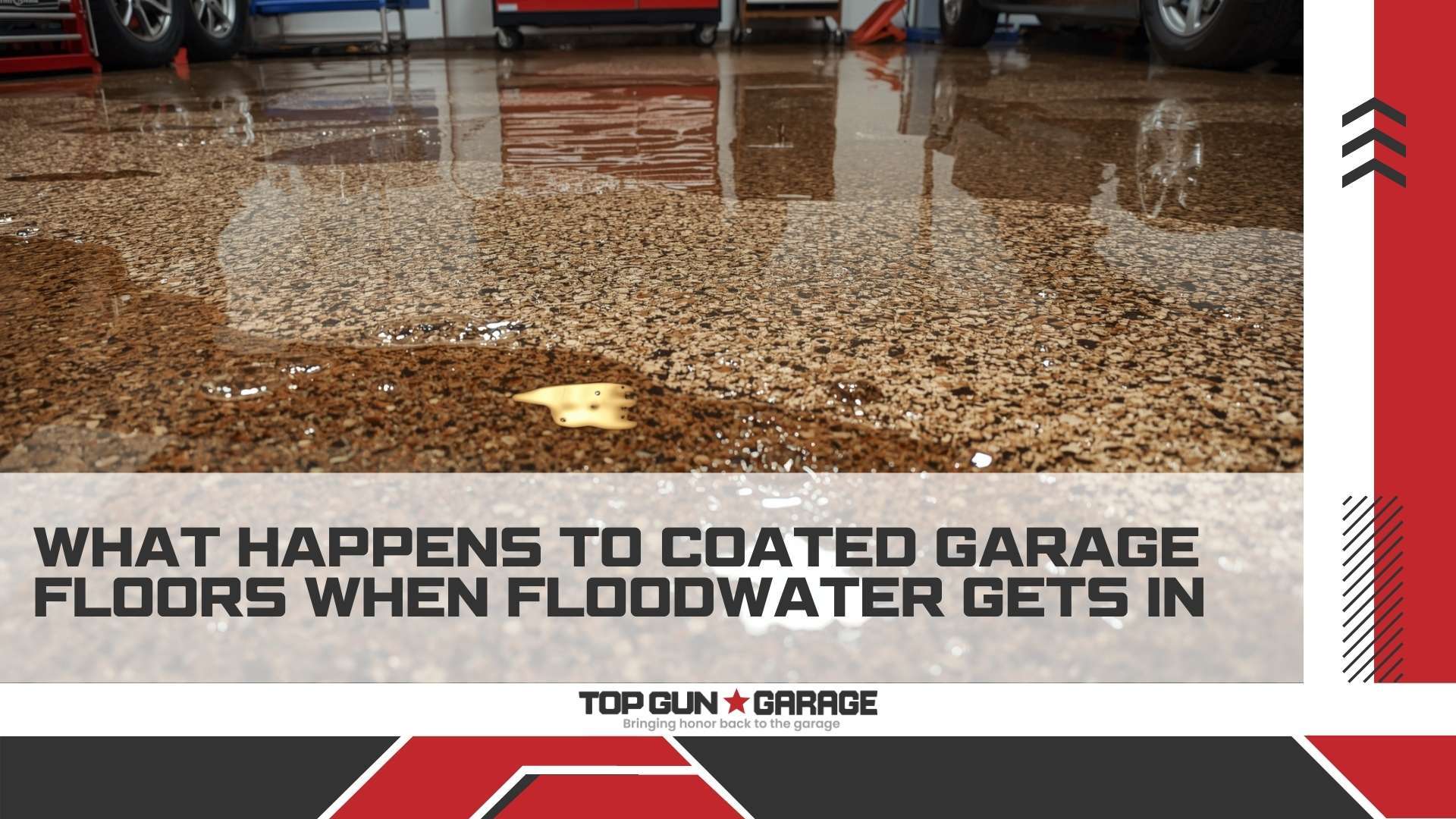
Professionally installed polyaspartic and epoxy garage floor coatings typically survive floodwater intact and can be cleaned and restored to full function within 24 to 48 hours after the water recedes. Unlike porous flooring materials that absorb contaminated water and require complete removal, high-quality garage floor coatings create a seamless, impermeable barrier that prevents floodwater from penetrating the surface or damaging the concrete beneath.
For Southwest Florida homeowners who experienced Hurricane Ian’s 12 to 18 foot storm surge in 2022 or face annual hurricane season threats, understanding how your garage floor coating responds to flooding is critical. According to the National Hurricane Center, Lee County alone saw over 52,000 structures impacted during Hurricane Ian, with the Fort Myers area experiencing the highest storm surge values recorded in 150 years.
This guide explains exactly what happens to professional garage floor coatings during and after flooding, how to properly clean and assess your floor post-flood, and why the right coating system provides genuine flood resistance for Florida garages.
Why Professional Coatings Resist Floodwater While Other Floors Fail
Professional-grade polyaspartic and epoxy coatings create a monolithic, seamless surface that acts as a physical barrier between floodwater and your concrete substrate. According to coating industry testing standards, polyurea and polyaspartic formulations typically achieve water absorption rates below 0.5% and create impermeable films when properly applied at recommended thicknesses of 10 to 20 mils.
The key difference between professional coatings and DIY alternatives lies in three critical factors:
Factor
Professional Coating
DIY Big-Box Kit
Film Thickness
10-20 mils
2-4 mils
Solids Content
87-100%
40-50%
Bond Strength (PSI)
400-500+ PSI
150-250 PSI
Chemical Resistance
Excellent
Moderate
Flood Recovery
Clean and restore
Often requires removal
The higher solids content in professional coatings means less material is lost to evaporation during curing, resulting in a denser, more impervious final film. This matters significantly when floodwater containing sewage, petroleum products, and dissolved contaminants sits on your garage floor for hours or days. Understanding how epoxy thickness affects garage floor lifespan helps explain why professional installations outperform thinner DIY applications during flood events.
What Actually Happens to Your Coated Garage Floor During Flooding
When floodwater enters a garage with a properly installed polyaspartic or epoxy coating, the seamless surface prevents water from reaching the concrete substrate in most areas. However, several factors determine the outcome:
Water Contact Duration
Floodwater that recedes within 24 to 48 hours typically causes minimal damage to quality coatings. Extended submersion beyond 72 hours increases the risk of water penetrating through any micro-imperfections, particularly around edges, control joints, or areas where the coating may have experienced prior damage. According to FEMA guidance on flooded buildings, exterior rooms with good ventilation can dry within 2 to 4 weeks, while interior spaces may require 4 to 6 weeks or longer to return to pre-flood conditions.
Contaminant Exposure
Storm surge from hurricanes is classified as Category 3 contamination (black water) because it contains sewage, chemicals, petroleum products, and biological materials. Professional polyaspartic coatings with high chemical resistance ratings can withstand exposure to these contaminants without degradation. According to industry testing standards, quality polyaspartic formulations demonstrate excellent resistance to acids and bases, with some formulations remaining intact after 30 days of soaking in 5% sulfuric acid or sodium hydroxide solutions.
The chemical resistance properties of polyaspartic coatings make them particularly suited for Florida’s hurricane environment, where floodwater often carries a toxic mixture of substances that would destroy lesser flooring materials.
Hydrostatic Pressure Effects
One critical factor unique to flood events is hydrostatic pressure from beneath the concrete slab. When the water table rises rapidly during storms, water can push upward through the concrete itself, creating pressure that can cause coating delamination if the system lacks adequate moisture mitigation properties. Professional installations in Florida typically include moisture vapor barrier systems that can handle moisture vapor emission rates up to 25 pounds per 1,000 square feet over 24 hours, significantly higher than standard coatings designed for 3 to 4 pounds.
Post-Flood Assessment and Cleaning for Coated Garage Floors
Once floodwater recedes, proper assessment and cleaning determine whether your coated garage floor can be restored or requires professional attention. Follow this systematic approach:
Safety First
Before entering any flood-damaged space, FEMA recommends checking for structural damage, avoiding electrical hazards, and wearing appropriate personal protective equipment including long-sleeved shirts, long pants, rubber gloves, and waterproof boots. Floodwater is contaminated, and even dried residue can pose health risks.
Document Before Cleaning
Take clear photographs and videos of all damage before cleaning. According to the National Flood Insurance Program, early documentation is critical for insurance claims. Capture wide shots and close-ups of walls, floors, and any visible watermarks. Mold can begin forming within 24 to 48 hours of flooding, so act quickly but document first.
Initial Cleaning Steps
Remove standing water using a wet/dry vacuum or squeegee. Direct water toward garage door drains or out the opening.
Clear debris and sediment deposited by floodwater. Storm surge often leaves behind sand, silt, and organic material that must be removed before disinfection.
Wash the surface with clean water and a mild detergent. For coated floors designed for pressure washing systems, a light pressure wash can speed the process.
Disinfect the floor using an EPA-registered disinfectant suitable for flood cleanup. Avoid bleach directly on coatings without manufacturer approval, as some formulations can affect certain coating types.
Allow complete drying before assessing damage. Use fans and dehumidifiers to accelerate drying. The coated surface itself will dry quickly, but underlying concrete may retain moisture for weeks.
Assessing Coating Condition
After cleaning and drying, inspect your coating for these common post-flood issues:
Delamination or bubbling: Indicates water penetrated beneath the coating, typically around edges or damaged areas.
White discoloration: May indicate moisture trapped in the coating film; often resolves as the floor dries completely.
Softening or tackiness: Prolonged chemical exposure may temporarily affect surface hardness. Quality coatings typically recover full hardness after drying.
Staining or discoloration: Petroleum products or tannins may leave marks that require professional cleaning products to remove.
Understanding what causes epoxy floor failures helps distinguish flood-related damage from pre-existing conditions that may have been masked before the flooding event.
Why Southwest Florida Garages Need Flood-Ready Coatings
Southwest Florida’s location in one of the most hurricane-prone regions in the United States makes flood-resistant garage flooring a practical necessity rather than a luxury. Hurricane Ian in 2022 demonstrated this reality with devastating clarity.
According to the U.S. Geological Survey, Hurricane Ian drove 12 to 18 feet of storm surge onto the Southwest Florida coast, the highest recorded in the region in 150 years. The National Hurricane Center reported that in Fort Myers Beach alone, an estimated 900 structures were completely destroyed and 2,200 were damaged. Lee County saw over 52,000 structures impacted, with 5,369 destroyed and 14,245 receiving major damage.
For homeowners in Naples, Fort Myers, Cape Coral, Bonita Springs, Estero, and Marco Island, these statistics underscore why garage floor coating selection matters. A properly installed flood-resistant floor coating system represents one of the few home improvements that can survive a major hurricane intact and require only cleaning rather than complete replacement.
How Coated Floors Compare to Other Flooring After Flooding
FEMA guidelines for flood-damaged buildings specify that porous materials contacted by floodwater typically must be removed rather than cleaned. This includes carpet, pad, most vinyl flooring, and standard concrete that has absorbed contaminated water.
Flooring Type
Water Absorption
Post-Flood Action
Recovery Cost
Polyaspartic Coating
< 0.5%
Clean and disinfect
$50-150
Pro Epoxy Coating
< 1%
Clean and disinfect
$50-150
Bare Concrete
5-10%
Decontaminate, long dry
$500-1,500+
Interlocking Tiles
Traps water beneath
Remove, clean, reinstall
$300-800+
DIY Epoxy Kit
Variable
Often requires removal
$1,500-3,000+
Selecting a Garage Floor Coating for Maximum Flood Resistance
Not all garage floor coatings provide equal flood protection. When evaluating options for a Florida garage, prioritize these characteristics:
Polyaspartic vs. Epoxy for Flood Resistance
Both professional polyaspartic and epoxy coatings provide excellent flood resistance when properly installed. The key differences between polyaspartic and epoxy relate more to installation conditions, cure time, and long-term performance characteristics:
Polyaspartic coatings: 120% elongation for flexibility, UV stable to prevent yellowing, 24-hour return to service, excellent chemical resistance. Research shows polyaspartic coatings retain over 95% of performance after 4,000 hours of accelerated UV testing.
Epoxy coatings: Superior initial bond strength (400-500+ PSI), excellent chemical resistance, lower material cost, longer cure time of 5-7 days for full service.
For flood resistance specifically, polyaspartic’s flexibility provides an advantage. The 120% elongation rating means the coating can expand and contract with concrete movement without cracking, maintaining the waterproof seal even after thermal stress from Florida’s temperature fluctuations.
Critical Features for Flood-Prone Areas
Moisture vapor barrier primer: Essential for Florida’s high water tables. Look for systems rated to handle 15-25 lbs/1,000 sq ft/24 hours MVER.
Minimum 10-mil thickness: Thicker coatings provide more robust barrier protection. Professional installations typically apply 15-20 mils total.
Seamless application: No joints or seams means no entry points for water. The coating should wrap slightly up walls (cove base) for complete protection.
Chemical resistance: Floodwater carries acids, alkaline substances, petroleum, and biological contaminants. The coating must resist all of these.
Professional installation: Proper concrete preparation with diamond grinding creates the ICRI CSP 2-3 surface profile needed for permanent adhesion that survives flood events.
Insurance and Property Value Considerations
Installing a flood-resistant garage floor coating can have implications beyond just protecting your floor. The relationship between epoxy garage floors and flood insurance involves several factors worth considering.
While garage floor coatings themselves typically do not affect flood insurance premiums directly, a properly coated floor that survives flooding with only cleaning required can significantly reduce claim amounts compared to floors requiring complete replacement. This documented durability can support future underwriting discussions and may be relevant for commercial property assessments.
From a property value perspective, hurricane-prone markets increasingly recognize flood-resistant home features as selling points. A professionally installed garage floor coating that affects resale value positively demonstrates to potential buyers that the home was maintained with Florida’s unique climate challenges in mind.
Frequently Asked Questions
Will my epoxy garage floor survive hurricane flooding?
Yes, professionally installed epoxy and polyaspartic garage floor coatings typically survive hurricane flooding intact. The seamless, impermeable surface prevents floodwater from penetrating the coating. After the water recedes, coated floors require only cleaning and disinfection rather than replacement. Coatings with moisture vapor barriers and proper 10-20 mil thickness provide the best flood resistance.
How soon can I use my coated garage after flooding?
Most coated garage floors can return to light use within 24 to 48 hours after cleaning and disinfection, assuming no damage to the coating occurred. Full service can typically resume once the floor and underlying concrete have dried completely. FEMA recommends allowing 2 to 4 weeks for exterior rooms with good ventilation to dry to pre-flood conditions, though the coated surface itself dries much faster.
What cleaning products are safe for flood-damaged epoxy floors?
Use EPA-registered disinfectants approved for flood cleanup on coated garage floors. Mild detergents work for initial cleaning. Avoid undiluted bleach unless the coating manufacturer specifically approves it. For petroleum-based stains from floodwater, use a degreaser designed for coated floors. Always rinse thoroughly with clean water after using any cleaning products.
Can I install flood-resistant coating over my existing garage floor?
Flood-resistant coatings can be installed over existing concrete in most cases, but proper concrete preparation is critical. The existing surface must be profiled using diamond grinding to create proper adhesion. Any previous coatings, sealers, or contaminants must be removed. A professional assessment determines whether your existing concrete can accept a new coating or requires repair first.
How does a coated floor prevent mold growth after flooding?
Coated floors prevent mold growth by eliminating the porous surfaces where mold spores establish. Unlike bare concrete or carpet that absorb moisture and organic contaminants, polyaspartic and epoxy coatings are non-porous and can be fully disinfected. This is critical because mold can begin forming within 24 to 48 hours of flooding according to CDC guidance.
What is the cost difference between replacing a damaged floor and cleaning a coated floor after flooding?
Cleaning and restoring a coated garage floor after flooding typically costs $50 to $150 for supplies and time. Replacing a damaged uncoated concrete floor can cost $1,500 to $5,000 or more, including removal of contaminated material, professional decontamination, drying, and new floor installation. The initial investment in professional coating pays for itself after a single significant flood event.
Protect Your Garage Before the Next Storm
Southwest Florida homeowners know hurricane season brings real flood risk. Installing a professional polyaspartic or epoxy garage floor coating before the next storm protects your investment and simplifies recovery if flooding does occur.
Top Gun Garage serves homeowners throughout Naples, Fort Myers, Cape Coral, Bonita Springs, Estero, Marco Island, and surrounding Southwest Florida communities. Our professional-grade coating systems are specifically designed for Florida’s unique climate challenges, including high humidity, temperature fluctuations, and hurricane season flooding.
Request a free estimate to learn how a flood-resistant garage floor coating can protect your home and simplify your hurricane recovery plan.
 Skip to content



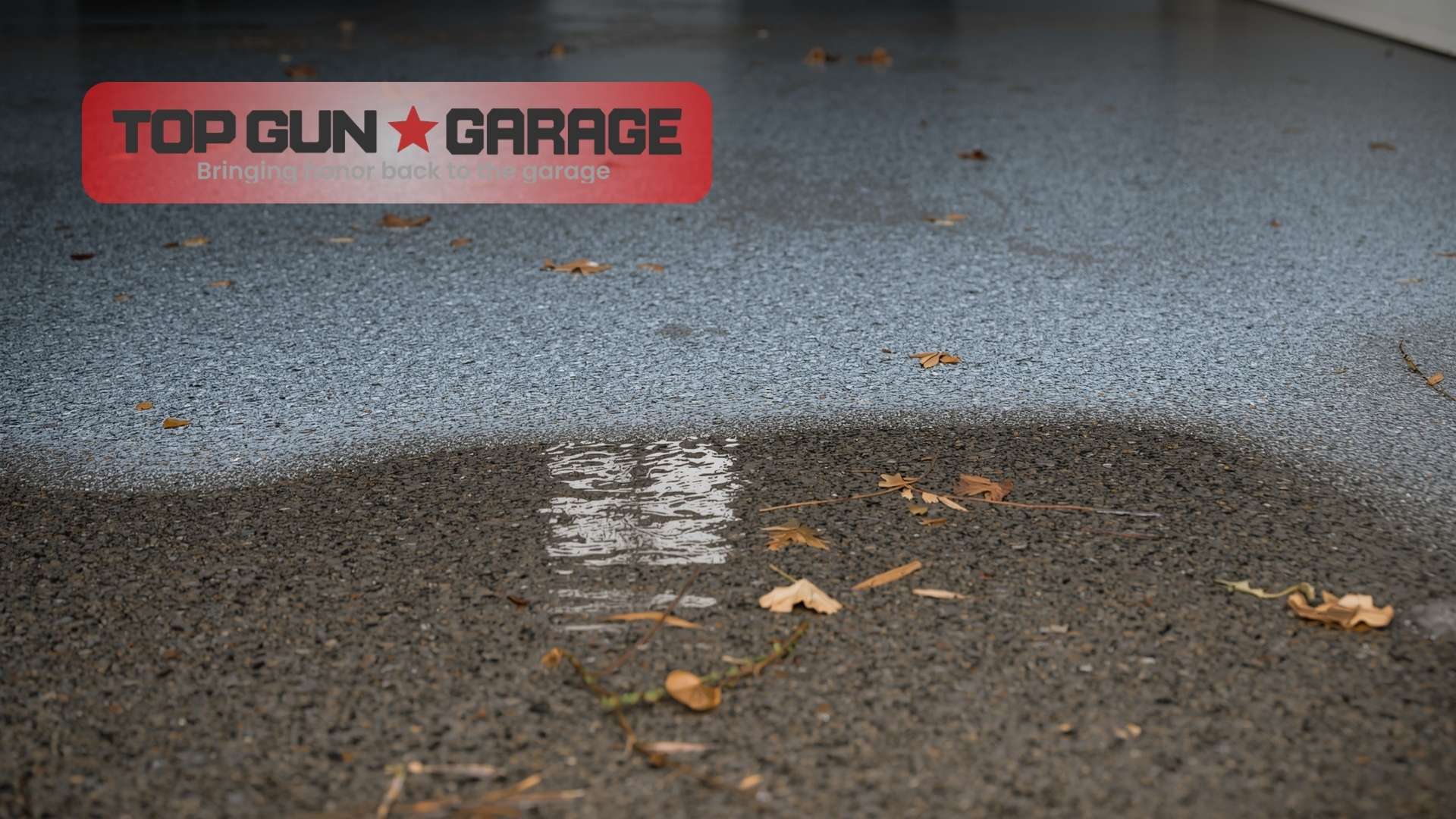 For Southwest Florida homeowners who experienced Hurricane Ian’s 12 to 18 foot storm surge in 2022 or face annual hurricane season threats, understanding how your garage floor coating responds to flooding is critical. According to the National Hurricane Center, Lee County alone saw over 52,000 structures impacted during Hurricane Ian, with the Fort Myers area experiencing the highest storm surge values recorded in 150 years.
This guide explains exactly what happens to professional garage floor coatings during and after flooding, how to properly clean and assess your floor post-flood, and why the right coating system provides genuine flood resistance for Florida garages.
For Southwest Florida homeowners who experienced Hurricane Ian’s 12 to 18 foot storm surge in 2022 or face annual hurricane season threats, understanding how your garage floor coating responds to flooding is critical. According to the National Hurricane Center, Lee County alone saw over 52,000 structures impacted during Hurricane Ian, with the Fort Myers area experiencing the highest storm surge values recorded in 150 years.
This guide explains exactly what happens to professional garage floor coatings during and after flooding, how to properly clean and assess your floor post-flood, and why the right coating system provides genuine flood resistance for Florida garages.
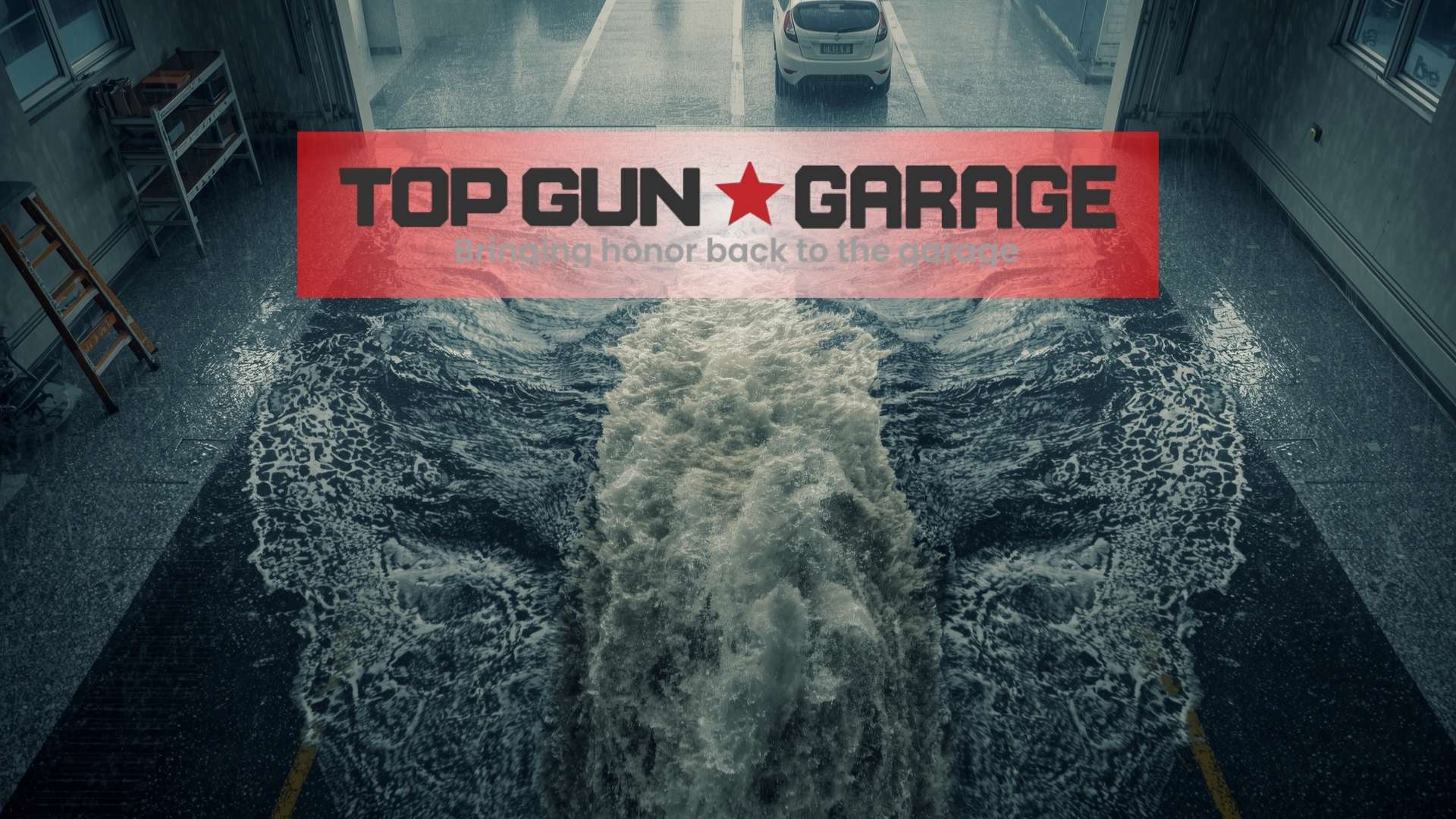 Once floodwater recedes, proper assessment and cleaning determine whether your coated garage floor can be restored or requires professional attention. Follow this systematic approach:
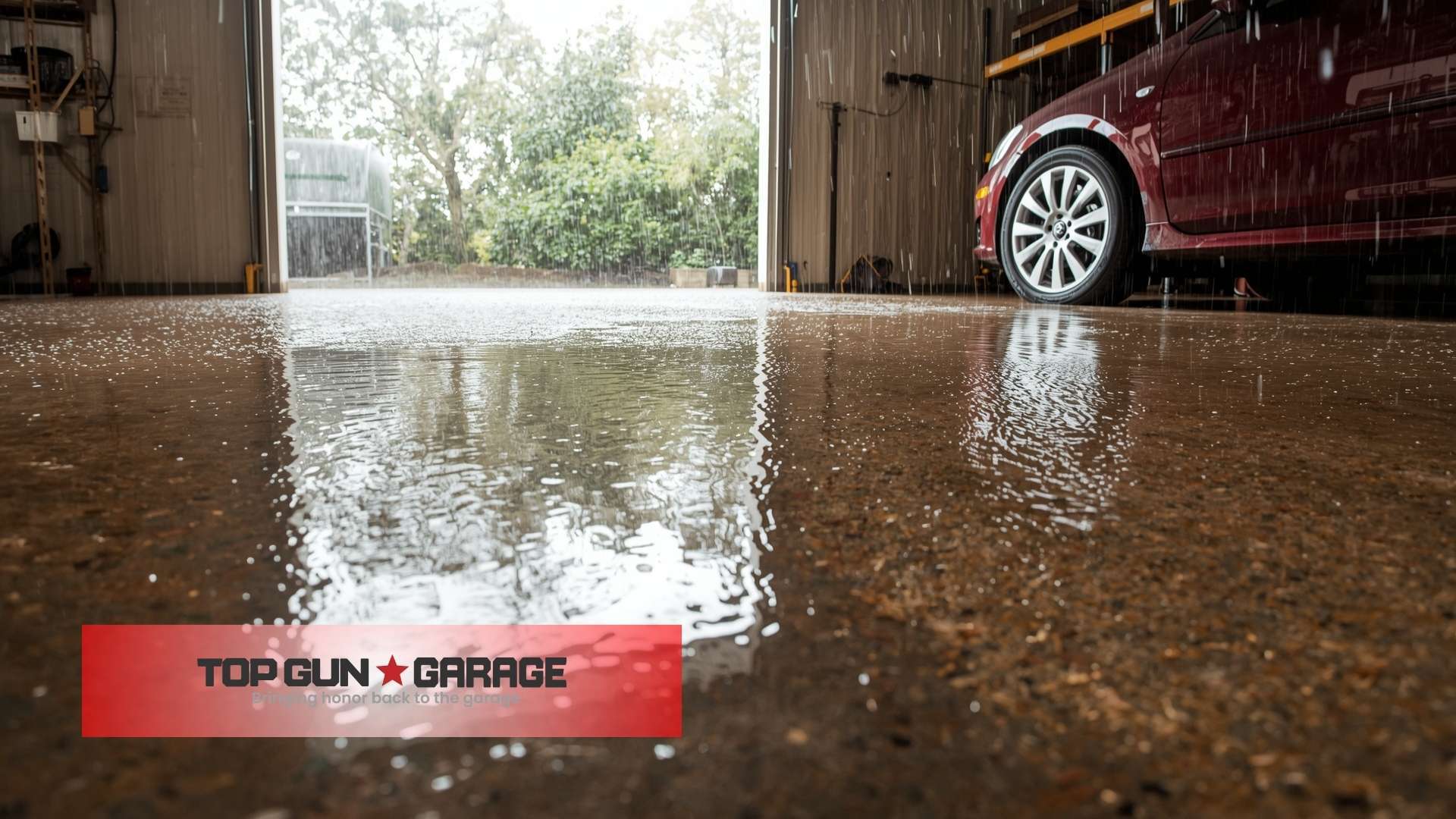 While garage floor coatings themselves typically do not affect flood insurance premiums directly, a properly coated floor that survives flooding with only cleaning required can significantly reduce claim amounts compared to floors requiring complete replacement. This documented durability can support future underwriting discussions and may be relevant for commercial property assessments.
From a property value perspective, hurricane-prone markets increasingly recognize flood-resistant home features as selling points. A professionally installed garage floor coating that affects resale value positively demonstrates to potential buyers that the home was maintained with Florida’s unique climate challenges in mind.
While garage floor coatings themselves typically do not affect flood insurance premiums directly, a properly coated floor that survives flooding with only cleaning required can significantly reduce claim amounts compared to floors requiring complete replacement. This documented durability can support future underwriting discussions and may be relevant for commercial property assessments.
From a property value perspective, hurricane-prone markets increasingly recognize flood-resistant home features as selling points. A professionally installed garage floor coating that affects resale value positively demonstrates to potential buyers that the home was maintained with Florida’s unique climate challenges in mind.