 Skip to content



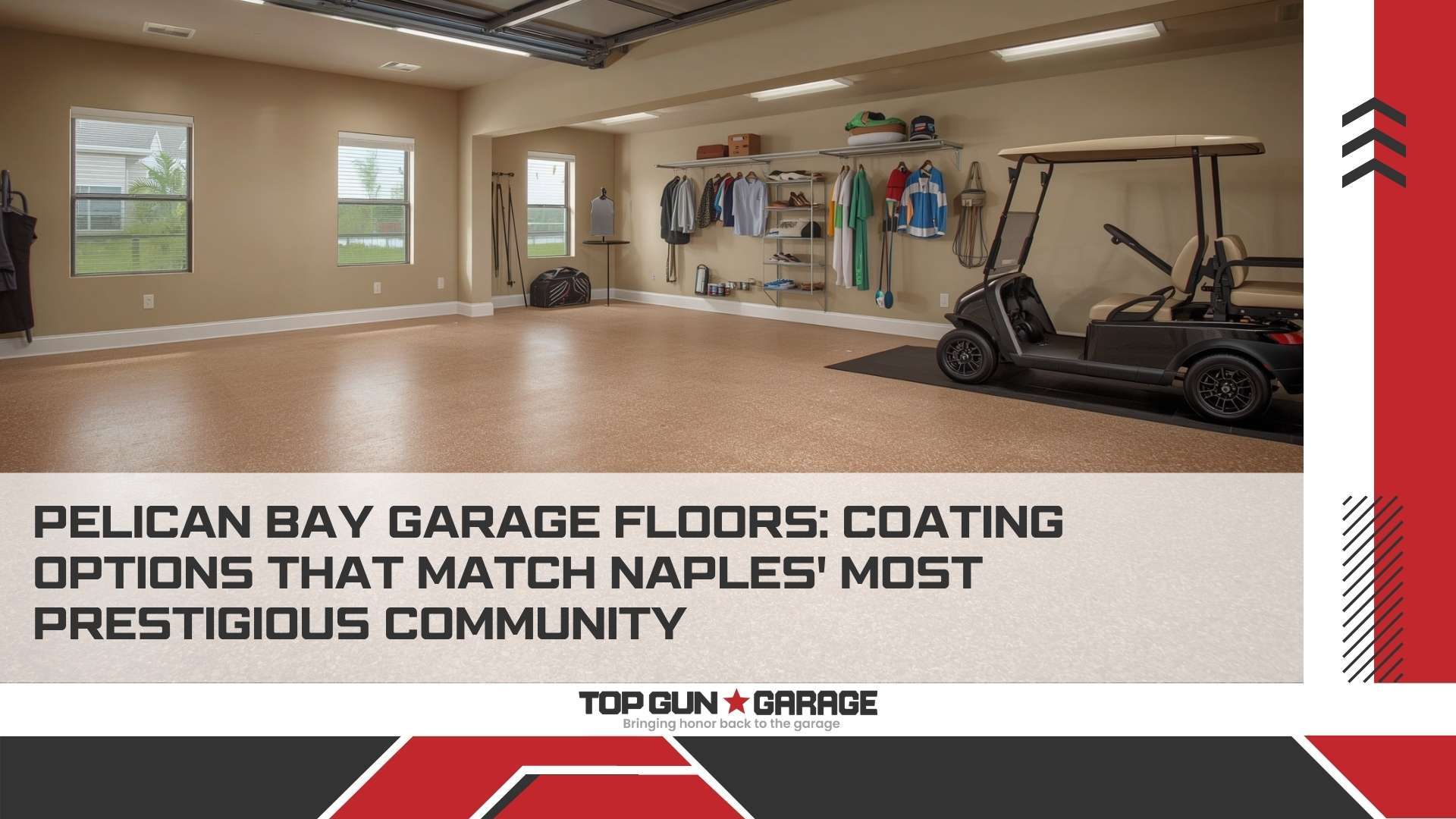
Homeowners in Pelican Bay demand surfaces that reflect the community’s architectural sophistication while withstanding Southwest Florida’s punishing humidity, salt air, and intense UV exposure. A properly specified garage floor coating transforms a utilitarian concrete slab into a showroom-quality surface that resists hot tire pickup, chemical spills, and the inevitable sand tracked in from Vanderbilt Beach. The right system—typically a high-solids epoxy base with a polyaspartic topcoat—delivers a seamless, non-porous barrier that bonds tenaciously to properly prepared concrete, preventing moisture vapor transmission that causes delamination in lesser coatings.
Key Takeaways
- Polyaspartic topcoats cure up to 90% faster than traditional epoxy, allowing same-day return to service in Pelican Bay’s humid conditions.
- Moisture vapor testing is non-negotiable; Southwest Florida’s high water table demands coatings with permeability ratings below 3 lbs/1000 sq ft/24 hrs.
- Full-flake broadcast systems hide imperfections and provide a slip-resistant texture ideal for barefoot traffic from pool areas.
- UV-stable topcoats prevent the ambering that plagues standard epoxies in garages with abundant natural light.
- Professional concrete preparation—diamond grinding or shot blasting—creates the CSP 3-5 profile essential for mechanical adhesion.
- Metallic epoxy systems offer a marble-like aesthetic that complements Pelican Bay’s luxury interiors.
- Expect a 15-20 year service life from a properly installed polyaspartic system, even with daily vehicle traffic.
Why Pelican Bay’s Environment Demands Specialized Floor Coatings
Pelican Bay sits within a microclimate defined by proximity to the Gulf of Mexico. Relative humidity routinely exceeds 80%, and concrete slabs act as giant sponges, continuously wicking moisture from the soil beneath. According to the American Concrete Institute, uncontrolled moisture vapor emission is the leading cause of coating failure in coastal regions. A standard big-box epoxy simply cannot manage the hydrostatic pressure that builds beneath Pelican Bay slabs. The result: blistering, peeling, and efflorescence within months of application.
Salt-laden air accelerates corrosion on uncoated concrete, causing spalling and surface degradation. Research from the National Association of Corrosion Engineers indicates that chloride ion penetration in coastal concrete structures occurs at rates 3-5 times faster than inland locations. A dense, impermeable coating system interrupts this chloride ingress pathway, preserving the structural integrity of the garage slab for decades.
Temperature swings, while less extreme than northern climates, still cause thermal expansion and contraction. A flexible coating with elongation properties above 5% accommodates these micro-movements without cracking. This is where advanced polyaspartic formulations outperform brittle epoxy-only systems, as detailed in our comparison of epoxy versus polyaspartic performance.
Coating System Breakdown: Matching the Right Technology to Pelican Bay Homes
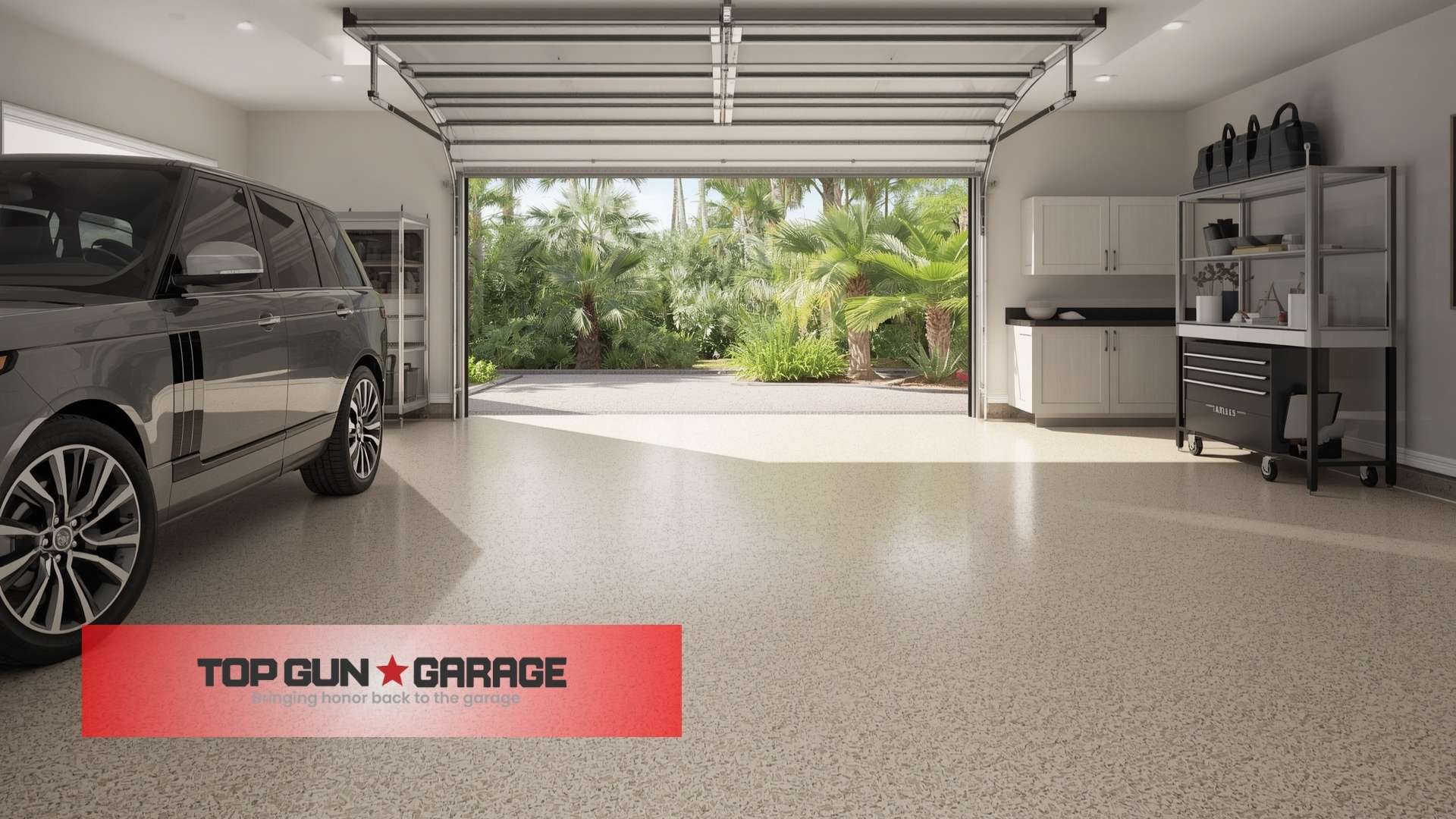
Three primary resinous flooring technologies dominate the Pelican Bay market. Each offers distinct advantages depending on the homeowner’s aesthetic goals, usage patterns, and budget. Understanding the chemistry behind each system ensures an informed decision that delivers lasting performance.
High-Solids Epoxy Base Coats
Epoxy remains the workhorse of garage floor coatings. A 100% solids formulation contains no solvents, meaning it cures to a dense, cross-linked film approximately 10-15 mils thick per coat. This thickness fills minor surface imperfections and creates a tenacious bond to concrete when applied over a properly prepared CSP 3-5 profile. The exothermic curing reaction generates heat, which helps drive the coating into the concrete’s capillary pores, creating a mechanical lock that resists delamination. For Pelican Bay homeowners seeking a balance of cost and durability, a pigmented epoxy base coat topped with a clear aliphatic urethane or polyaspartic provides excellent protection against Florida’s intense heat.
Polyaspartic Topcoats: The Gold Standard
Polyaspartic aliphatic polyurea technology represents a significant advancement over traditional epoxy and urethane topcoats. These coatings cure via a reaction between an aliphatic polyisocyanate and a polyaspartic ester, resulting in a film with exceptional UV stability, chemical resistance, and flexibility. As Dr. Michael Chen, Polymer Chemist at Sherwin-Williams Protective & Marine Coatings, explains: “Polyaspartics achieve full cure in 2-4 hours at 75°F, compared to 18-24 hours for conventional epoxies. This rapid cure minimizes the window during which humidity or dust contamination can compromise the finish—a critical advantage in coastal Florida.”
The fast cure time allows installers to apply a full system—primer, base coat, decorative flakes, and topcoat—in a single day. For Pelican Bay residents with multiple vehicles or limited parking alternatives, this minimizes disruption. The UV stability prevents the yellowing that plagues epoxy topcoats in garages with windows or open doorways, maintaining a crystal-clear finish for years.
Metallic Epoxy Systems
For homeowners seeking a truly distinctive aesthetic, metallic epoxy systems use metallic pigments suspended in a clear epoxy binder. Skilled installers manipulate the pigments during application to create three-dimensional patterns resembling marble, flowing water, or molten metal. The effect complements Pelican Bay’s high-end interior design trends. However, metallic systems require a UV-stable topcoat to prevent ambering, and the installation demands an artisan’s touch. The result is a floor that functions as a piece of art, perfectly suited to a community where garage apartments with stunning floor finishes are increasingly common.
| Feature | Epoxy Base + Urethane Topcoat | Full Polyaspartic System | Metallic Epoxy System |
|---|---|---|---|
| Cure Time (Full System) | 24-48 hours | 4-8 hours | 24-36 hours |
| UV Stability | Moderate (topcoat dependent) | Excellent | Requires UV topcoat |
| Chemical Resistance | Good | Superior | Good |
| Typical Cost per Sq Ft | $4.50 – $6.50 | $6.00 – $9.00 | $8.00 – $12.00+ |
| Service Life | 10-15 years | 15-20 years | 10-15 years |
| Slip Resistance (with flake) | Good | Excellent | Moderate (requires additive) |
The Critical Role of Concrete Preparation in Pelican Bay
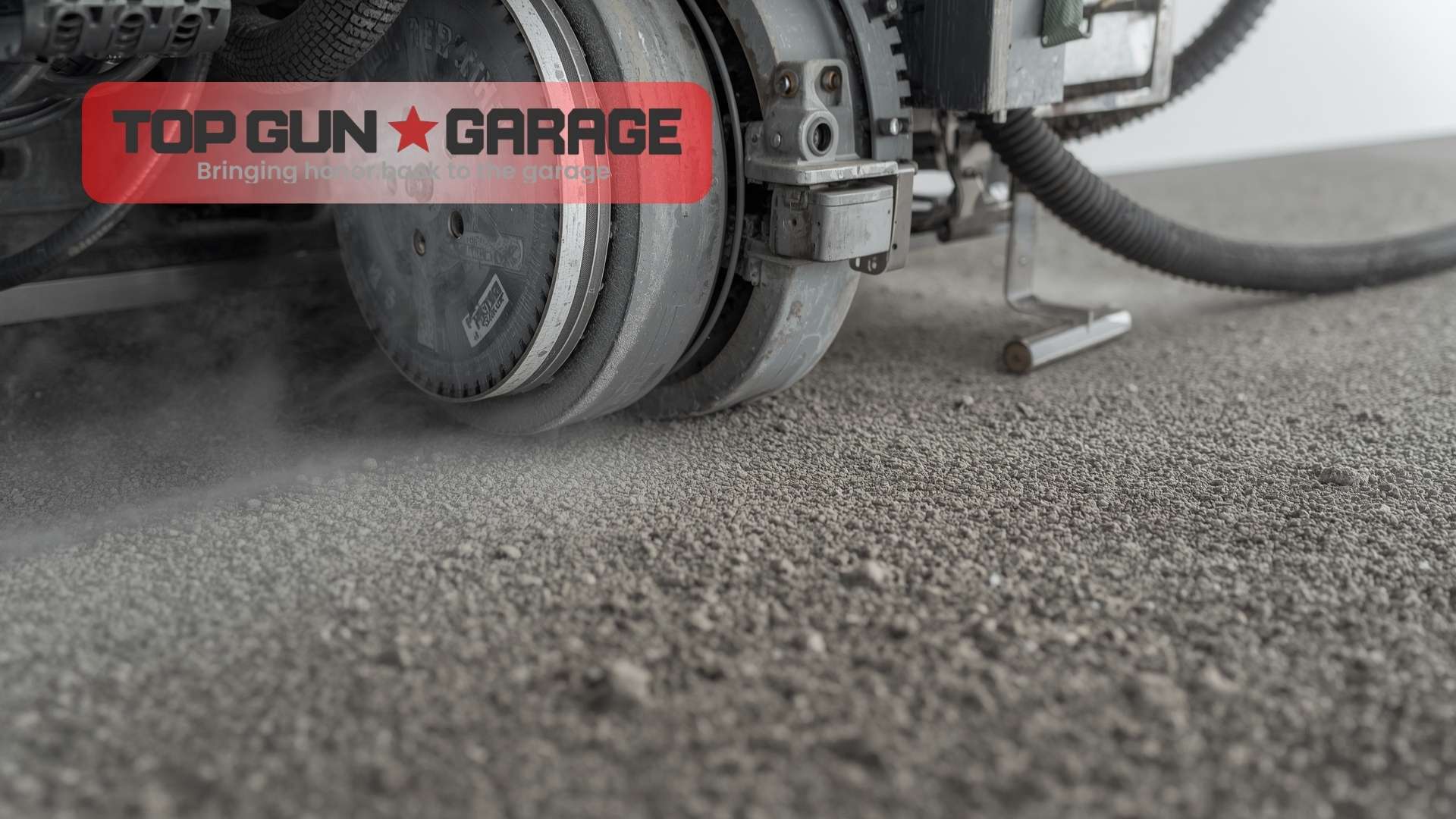
No coating, regardless of its chemical sophistication, can compensate for inadequate surface preparation. The Concrete Surface Profile (CSP) scale, developed by the International Concrete Repair Institute, defines the texture required for coating adhesion. For epoxy and polyaspartic systems, a CSP 3-5 is optimal—roughly equivalent to medium-grit sandpaper. Achieving this profile requires mechanical methods, not acid etching.
Acid etching, once common, is now considered obsolete for professional installations. Muriatic acid reactions are unpredictable, can leave residual salts that cause osmotic blistering, and fail to remove surface laitance effectively. Diamond grinding, using planetary grinders with segmented diamond tooling, removes the weak surface layer, opens the concrete’s pore structure, and creates a uniform profile across the entire slab. Shot blasting propels steel shot at high velocity, achieving a similar result with greater speed on large, open floors. For Pelican Bay garages, which often feature intricate floor plans and built-in cabinetry, diamond grinding offers superior control around edges and obstacles. Learn more about this process in our guide on how concrete is prepared for epoxy.
Moisture Vapor Emission Testing
Before any coating is applied, a calcium chloride test (ASTM F1869) or relative humidity probe test (ASTM F2170) must quantify the slab’s moisture vapor emission rate (MVER). The threshold for most epoxy systems is 3 lbs/1000 sq ft/24 hrs. Readings above this require a moisture-mitigating primer—typically an epoxy designed to suppress vapor transmission. According to data from ASTM International, slabs in Southwest Florida frequently exceed 5 lbs without mitigation, making this step non-negotiable. Skipping moisture testing is the single most common cause of coating failure in Pelican Bay, leading to the kind of damage that necessitates fixing uneven garage floor surfaces.
Design Considerations for Pelican Bay Estates
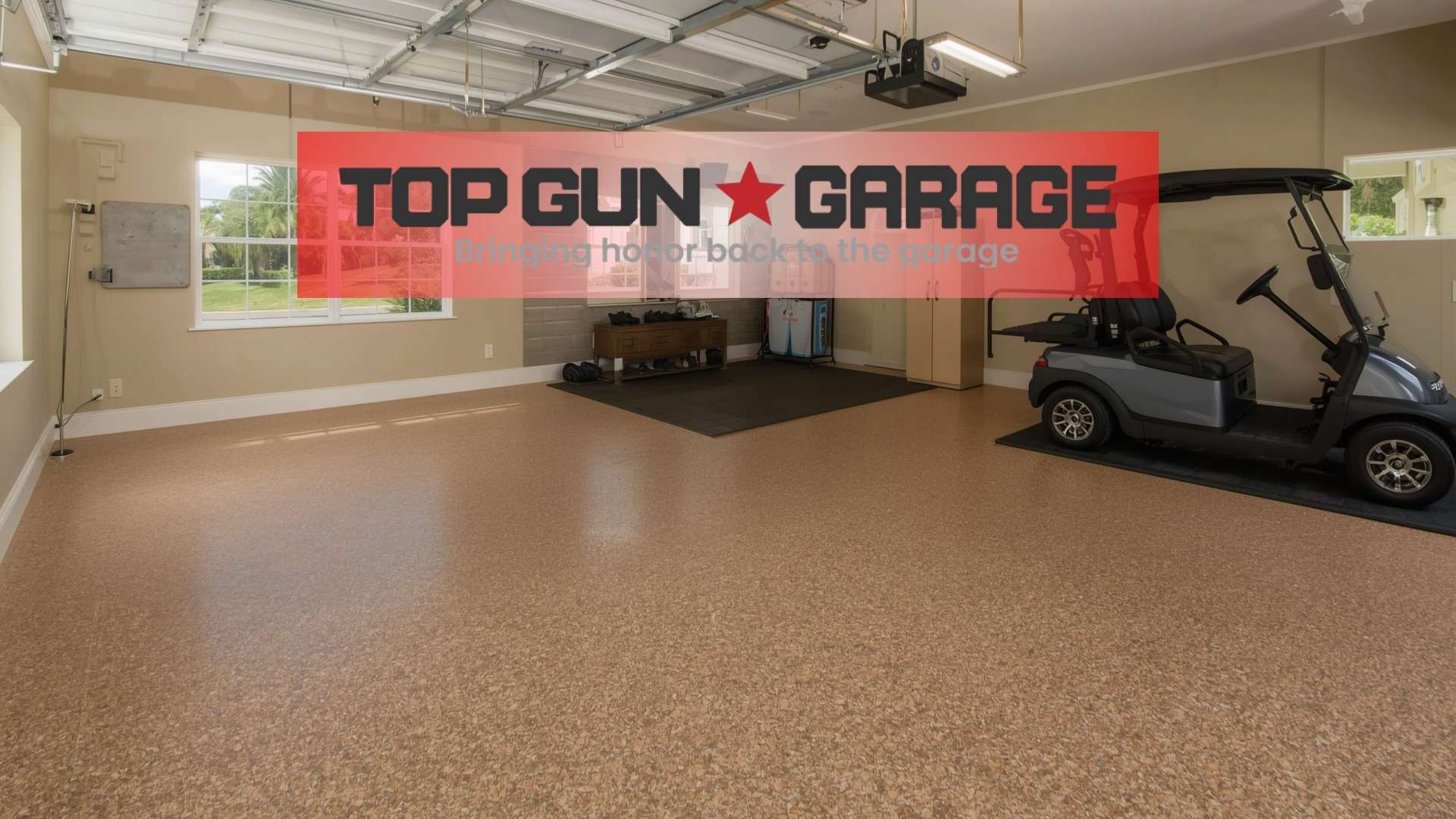
Pelican Bay homes range from elegant coach homes to sprawling waterfront estates. The garage floor should complement the home’s architectural language, not clash with it. Full-flake broadcast systems, where colored vinyl flakes are broadcast to rejection into a wet epoxy base coat, remain the most popular choice. The flakes create a multi-tonal, terrazzo-like appearance that hides dust, tire marks, and minor imperfections. Color blends can be customized to match the home’s exterior palette or interior flooring transitions.
For a more contemporary look, quartz broadcast systems use colored quartz aggregate instead of vinyl flakes. The result is a subtly textured, stone-like surface with exceptional durability. Quartz systems are particularly effective in garages that double as workshops or hobby spaces, where dropped tools and heavy equipment demand maximum impact resistance. The texture also provides natural slip resistance, an important consideration for sandal-safe garage floor coatings in a community where barefoot traffic is common.
Solid-color epoxy floors with a high-gloss finish create a sleek, gallery-like aesthetic that appeals to automotive enthusiasts. The mirror-like surface reflects light, making the garage feel larger and brighter. However, solid colors show every speck of dust and require more frequent cleaning. A satin or matte topcoat can mitigate this while still providing a sophisticated look. As Sarah Williams, Interior Designer at Naples Design Group, notes: “In Pelican Bay, the garage is no longer an afterthought. It’s an extension of the home’s living space. We’re specifying floor coatings that rival the finishes found in the main house, with custom color matching and decorative saw-cut patterns that define zones for parking, storage, and even home gyms.”
Installation Timeline and Logistics
A professional garage floor coating installation in Pelican Bay follows a structured sequence. Understanding this timeline helps homeowners plan for vehicle relocation and access restrictions. Here is a typical schedule for a two-car garage receiving a full polyaspartic system:
- Day 1 – Preparation: Remove all items from the garage. Mechanically grind the concrete surface using a planetary grinder with 30/40-grit diamond tooling. Repair cracks, spalls, and control joints with a high-modulus epoxy filler. Vacuum all dust thoroughly. Conduct moisture testing if not previously performed. Time: 4-6 hours.
- Day 1 – Primer Application: Apply a moisture-tolerant epoxy primer using rollers and squeegees. This coat penetrates the concrete pores and creates a bond bridge for subsequent layers. Cure time: 2-4 hours depending on temperature and humidity.
- Day 1 – Base Coat and Flake Broadcast: Apply the pigmented epoxy or polyaspartic base coat at 100-150 sq ft per gallon. Immediately broadcast vinyl flakes to rejection by hand, ensuring full coverage. Allow the base coat to cure until tack-free. Time: 2-3 hours.
- Day 1 – Excess Flake Removal: Scrape the floor with a floor scraper to remove loose, unbonded flakes. Vacuum thoroughly. This reveals the textured, multi-tonal surface. Time: 1-2 hours.
- Day 1 – Topcoat Application: Apply a clear polyaspartic topcoat using a notched squeegee followed by back-rolling. This encapsulates the flakes and provides the wear surface. The floor is walkable in 2-4 hours and ready for vehicle traffic in 24 hours. Time: 1-2 hours.
Total project duration: 1 day for the installation team, with a 24-hour cure before parking vehicles. This rapid turnaround is a key advantage of polyaspartic technology, especially for Pelican Bay residents who may be coordinating with snowbird garage floor coating schedules during seasonal transitions.
Maintenance Protocols for Long-Term Performance
A professionally installed polyaspartic or epoxy floor requires minimal maintenance, but a consistent routine extends its service life significantly. The non-porous surface prevents stains from penetrating, but abrasive debris—particularly the fine quartz sand prevalent in Pelican Bay—can dull the finish over time if not removed. A soft-bristle broom or microfiber dust mop used weekly removes this grit before it can abrade the topcoat.
For deeper cleaning, a pH-neutral cleaner diluted with water and applied with a damp mop is sufficient. Avoid harsh chemicals like bleach, degreasers with high alkaline content, or acidic cleaners, as these can etch or discolor the surface over time. Spills from automotive fluids should be wiped immediately; while the coating resists chemical attack, prolonged exposure to brake fluid or gasoline can cause softening in some formulations. Our guide on seasonal maintenance routines provides a detailed schedule tailored to Florida’s climate.
Every 3-5 years, consider applying a maintenance topcoat. This refreshes the gloss level and replenishes the wear layer without requiring a full reinstallation. The process involves a light screening of the existing surface, followed by a new clear polyaspartic coat. This proactive approach can double the floor’s aesthetic lifespan, keeping it looking new for decades.
Common Pitfalls and How to Avoid Them
Despite the availability of high-quality materials, coating failures still occur in Pelican Bay. Understanding the root causes helps homeowners vet contractors and specify systems correctly. The most frequent issues include:
- Outgassing Bubbles: Concrete is porous and contains trapped air. As the coating cures and the slab temperature rises, air expands and can form pinholes or bubbles in the wet film. Proper priming and applying coatings during descending temperatures (late afternoon) minimizes this. Experienced installers also back-roll meticulously to release entrapped air.
- Peeling from Hot Tire Pickup: This occurs when the coating softens from the heat of recently driven tires, then the tire’s adhesion pulls the coating from the concrete. Polyaspartic topcoats with higher heat deflection temperatures (above 250°F) resist this phenomenon far better than standard epoxies.
- Blushing or Amine Blush: In high humidity, moisture can react with the curing agent in epoxy coatings, forming a waxy, whitish film on the surface. This blush compromises intercoat adhesion and must be removed before subsequent coats. Polyaspartics, being moisture-insensitive during cure, eliminate this risk entirely.
- Insufficient Film Thickness: A coating system that is too thin—below 10 mils total—lacks the durability to withstand abrasion from sand and tire traffic. A proper system builds 15-25 mils of dry film thickness across primer, base, and topcoat layers.
For Pelican Bay homes in flood-prone zones, additional considerations apply. A coating that resists water immersion prevents the slab from absorbing floodwater contaminants. Explore our options for flood-resistant garage floor coatings to ensure comprehensive protection.
Cost Analysis and Value Proposition
Investing in a premium garage floor coating in Pelican Bay typically ranges from $4.50 to $12.00 per square foot, depending on the system complexity, floor condition, and decorative options. For a standard 500-square-foot two-car garage, this translates to a total investment of $2,250 to $6,000. While this represents a significant upfront cost compared to DIY epoxy kits ($200-$500), the value proposition is compelling when analyzed over the coating’s service life.
A professional polyaspartic system with a 20-year lifespan costs approximately $0.60 per square foot per year. A DIY epoxy that fails after 2 years costs $0.50 per square foot per year—and that excludes the labor and frustration of removal and reapplication. According to a 2026 market analysis by National Association of Realtors, upgraded garage floors rank among the top 10 features that influence buyer perception of a well-maintained home, potentially recouping 60-80% of the installation cost at resale. For Pelican Bay properties where buyer expectations are exceptionally high, a stained or deteriorating garage floor can be a deal-breaker.
Beyond resale value, the coating protects the concrete slab itself. Replacing a spalled, chloride-contaminated garage slab in Pelican Bay can cost $15,000-$25,000. A coating that prevents this damage is effectively an insurance policy against a much larger future expense. As James Rodriguez, General Contractor at Gulfshore Builders, states: “I’ve seen too many Pelican Bay homeowners ignore their garage floors until the concrete is beyond repair. A quality coating installed early in the home’s life is one of the smartest preventative investments you can make.”
Frequently Asked Questions
How long does a garage floor coating last in Pelican Bay’s climate?
A professionally installed polyaspartic system typically lasts 15-20 years with proper maintenance. Epoxy systems with urethane topcoats last 10-15 years. The key factors influencing longevity are concrete preparation quality, coating thickness, UV exposure, and regular cleaning to remove abrasive sand and debris.
Can I apply a garage floor coating myself?
While DIY kits are available, achieving a durable, long-lasting finish in Pelican Bay’s humid, high-water-table environment requires professional-grade surface preparation equipment, moisture testing instruments, and commercial-grade coatings. DIY failures are common due to inadequate concrete profiling and moisture mitigation, often costing more to remediate than the initial professional installation would have cost.
Is a coated garage floor slippery when wet?
Full-flake broadcast systems and quartz systems provide natural slip resistance due to their textured profile. For smooth metallic or solid-color floors, a aluminum oxide or polymer grit additive can be incorporated into the topcoat to achieve a coefficient of friction above 0.6, meeting OSHA recommendations for walking surfaces. This is especially important for slip-resistant surfaces that stay effective long-term.
How soon can I park on a newly coated garage floor?
With a polyaspartic system, light foot traffic is possible in 2-4 hours, and vehicle traffic can resume after 24 hours. Epoxy systems require 24 hours for foot traffic and 48-72 hours for vehicles. Always follow the installer’s specific recommendations, as cure times vary with temperature and humidity.
Will the coating hide existing cracks and stains in my concrete?
Cracks must be repaired and filled prior to coating application. The coating will bridge hairline cracks but cannot hide structural cracks without proper repair. Stains from oil or chemicals should be addressed during preparation; severe contamination may require a primer designed to block stain bleed-through. Flake systems are excellent at disguising minor surface imperfections and color variations.
What colors and finishes are available for Pelican Bay homes?
The color palette is virtually unlimited. Solid epoxy colors can be custom-tinted to match any paint chip. Flake blends range from natural stone tones to bold, contemporary combinations. Metallic systems offer unique, one-of-a-kind patterns. Many Pelican Bay homeowners choose neutral, warm tones that complement the coastal aesthetic and transition seamlessly from outdoor living spaces.
Does a garage floor coating increase home value in Pelican Bay?
Yes. A pristine, professionally coated garage floor signals to buyers that the home has been meticulously maintained. In Pelican Bay’s luxury market, where buyers expect move-in-ready perfection, an upgraded garage floor can differentiate a listing and potentially accelerate the sale. Real estate professionals consistently rank garage upgrades among desirable features for discerning buyers.
How does a coated floor handle hurricane debris and flooding?
A properly installed polyaspartic or epoxy floor creates a seamless, non-porous barrier that prevents water and contaminants from penetrating the concrete. After a storm, debris can be swept or hosed off without damaging the surface. The coating also simplifies hurricane debris cleanup, protecting the underlying slab from staining and moisture intrusion.
Conclusion
Selecting the right garage floor coating for a Pelican Bay home requires balancing aesthetic aspirations with the technical demands of Southwest Florida’s environment. A high-performance polyaspartic system, installed over properly prepared concrete with verified moisture mitigation, delivers a floor that enhances the home’s luxury character while providing decades of durable service. The investment protects the concrete slab, simplifies maintenance, and contributes to the property’s overall value—a combination that resonates deeply in Naples’ most prestigious community.
Every Pelican Bay garage presents unique conditions: varying slab moisture levels, existing coatings or sealers, and specific design preferences. A thorough on-site evaluation by a qualified flooring specialist is the essential first step toward a successful outcome. Contact our team today to schedule a consultation and discover which coating system will transform your garage into a space worthy of your Pelican Bay home.
References
- American Concrete Institute. “Guide to Concrete Floor and Slab Construction.” concrete.org
- National Association of Corrosion Engineers. “Corrosion of Steel in Concrete.” nace.org
- International Concrete Repair Institute. “Selecting and Specifying Concrete Surface Preparation.” icri.org
- ASTM International. “ASTM F1869: Standard Test Method for Measuring Moisture Vapor Emission Rate of Concrete Subfloor.” astm.org
- Sherwin-Williams Protective & Marine Coatings. “Polyaspartic Coating Technology.” sherwin-williams.com
- National Association of Realtors. “Remodeling Impact Report: Outdoor Features.” nar.realtor