 Skip to content



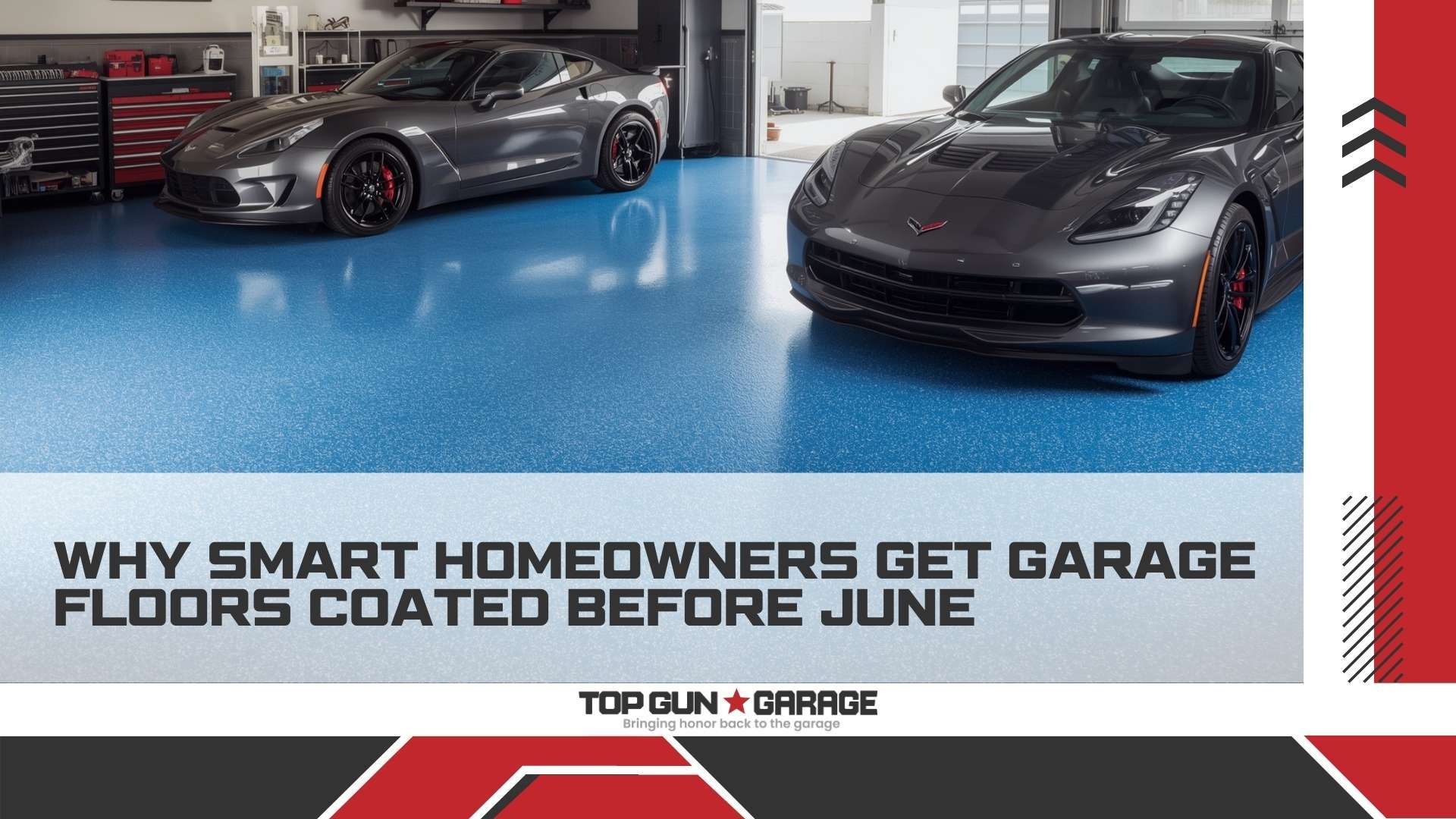
Hurricane season officially starts June 1st in Florida, which means homeowners across Southwest Florida have a limited window to prepare their properties. While most focus on shutters, generators, and emergency supplies, one critical upgrade often gets overlooked: getting your garage floor coating before hurricane season arrives. A professionally installed floor coating transforms your garage from a vulnerable weak point into a storm-ready space that withstands flooding, resists water damage, and simplifies post-storm cleanup.
Overview
This article explains why May is the ideal month to schedule garage floor coating installation in Naples and surrounding communities. You will learn how professional epoxy and polyaspartic coatings protect against water intrusion, why bare concrete fails during storms, and how the right floor system makes hurricane recovery faster and easier. Whether you live in Fort Myers, Bonita Springs, or anywhere in Southwest Florida, this guide will help you understand why timing matters for this home improvement project.
Key Takeaways
- Professional garage floor coatings create a non-porous barrier that prevents water absorption during flooding
- Scheduling installation before June ensures your floor is fully cured before peak hurricane activity begins in August
- Coated floors resist mold growth, staining, and structural damage that affects bare concrete after water exposure
- Post-storm cleanup takes minutes instead of days when water, mud, and debris can be swept or hosed away
- Polyaspartic and epoxy coatings maintain their integrity through repeated flooding cycles without peeling or delamination
Why Timing Matters for Garage Floor Coating
Florida’s hurricane season runs from June 1 through November 30, with peak storm activity occurring between mid-August and late October. September 10 marks the statistical high point for tropical cyclone formation in the Atlantic basin. For homeowners in Southwest Florida, this timeline creates a clear deadline: any major garage improvements should be completed by the end of May.
Professional floor coatings require specific conditions for proper installation and curing. Humidity levels, temperature, and moisture content in the concrete all affect adhesion and final durability. During the rainy season, which typically begins in late May and coincides with hurricane season, afternoon thunderstorms and elevated humidity make installation scheduling more challenging. Completing the project in April or early May provides optimal conditions and ensures full cure time before any potential storms arrive.
The Problem with Bare Concrete During Hurricanes
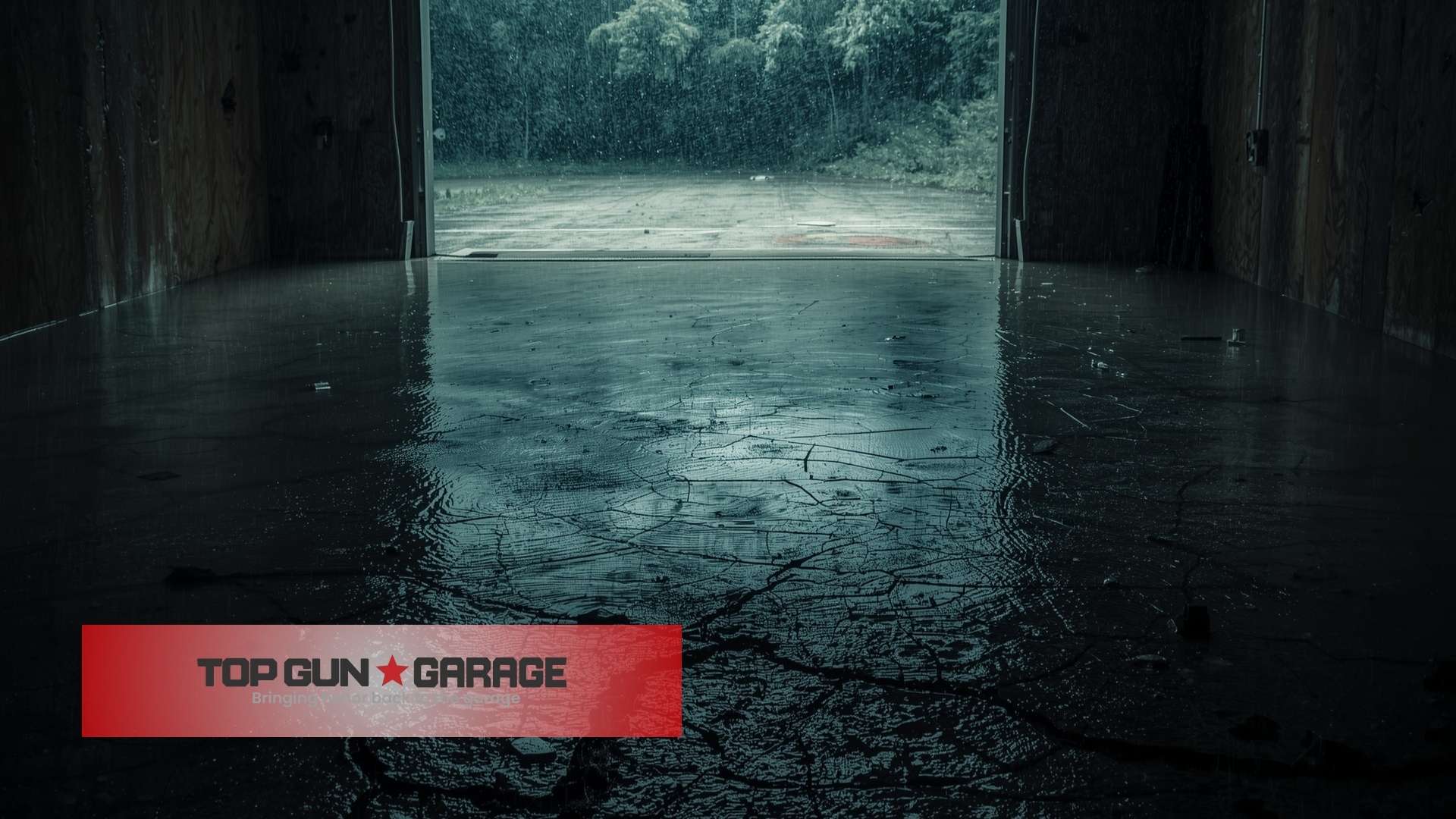
Concrete appears solid and impenetrable, but it is actually a porous material that absorbs water like a sponge. When floodwater enters a garage with an uncoated floor, the concrete soaks up contaminated water, oils, gasoline residue, and organic matter. This absorption creates several serious problems that persist long after the storm passes.
Moisture trapped inside concrete takes weeks or even months to fully evaporate in Florida’s humid climate. This extended dampness creates ideal conditions for mold and mildew growth, which can spread throughout the garage and into the home’s living spaces. The musty odors that develop are difficult to eliminate and may require professional remediation.
Floodwater often contains petroleum products, sewage, fertilizers, and other contaminants. When bare concrete absorbs these substances, they become embedded in the pores and continue releasing volatile compounds long after the floor appears dry. According to FEMA guidelines on flood damage-resistant materials, standard cleaning practices often cannot remove petroleum residues from porous concrete to acceptable safety levels.
Repeated wetting and drying cycles cause concrete to crack, spall, and deteriorate over time. Each hurricane season compounds this damage, eventually requiring expensive repairs or complete slab replacement. A professional coating applied before damage occurs prevents these problems from starting.
How Professional Floor Coatings Protect Against Storm Damage
A properly installed polyaspartic or epoxy floor coating creates a seamless, non-porous barrier over the concrete surface. This barrier fundamentally changes how your garage floor responds to flooding. Instead of absorbing contaminated water, the coated surface allows water to pool on top where it can be easily removed.
Water Resistance
Professional-grade coatings are impermeable to water. When floodwater enters a coated garage, it sits on the surface rather than penetrating the concrete. Once the water recedes or is pumped out, the floor can be cleaned immediately. There is no extended drying period, no trapped moisture, and no opportunity for mold to establish itself in the substrate.
Chemical Resistance
Storm surge and floodwater carry a toxic mixture of substances. Epoxy coatings resist chemicals including gasoline, motor oil, fertilizers, and sewage-contaminated water. These substances wash off the coated surface during cleanup rather than becoming permanently embedded. The floor maintains its integrity and appearance through exposure that would permanently stain or damage bare concrete.
Structural Protection
By preventing water absorption, coatings protect the concrete itself from the freeze-thaw cycles and expansion-contraction stresses that cause cracking. While Southwest Florida does not experience freezing temperatures, the repeated wetting and drying during hurricane season creates similar mechanical stress. A coated floor maintains its structural integrity through multiple storm events.
Simplified Post-Storm Cleanup
After a hurricane passes, the last thing any homeowner wants is an extended cleanup project. Coated garage floors transform what would be a multi-day remediation effort into a simple task that takes less than an hour.
The smooth, sealed surface of polyaspartic and epoxy coatings allows debris, mud, and standing water to be swept, squeegeed, or hosed toward the garage door opening. There is no scrubbing required to remove stains because contaminants cannot penetrate the surface. A quick rinse with clean water and mild detergent restores the floor to its pre-storm condition.
For homeowners who experienced flooding with coated floors during past hurricanes, the contrast with neighbors’ bare concrete garages is dramatic. While others spend days with fans, dehumidifiers, and mold treatments, those with coated floors move directly to other recovery priorities.
Epoxy vs. Polyaspartic: Which Coating Performs Better for Hurricane Protection
Both epoxy and polyaspartic coatings provide excellent protection against water and storm damage. However, each has characteristics that may make it more suitable for specific situations.
Epoxy coatings have been the industry standard for decades. They create an extremely hard, durable surface with excellent chemical resistance. Epoxy adheres well to properly prepared concrete and can fill minor imperfections during application. The main consideration for hurricane preparation is cure time—epoxy typically requires 24 to 72 hours before light foot traffic and up to seven days for full cure.
Polyaspartic coatings cure much faster, often allowing vehicle traffic within 24 hours. This rapid cure time provides flexibility for late-season installation when hurricane threats may already be developing. Polyaspartic coatings also offer superior UV stability, which matters for garages with windows or doors that allow sunlight exposure. Many professional installers now use a hybrid system with an epoxy base coat and polyaspartic topcoat to combine the benefits of both materials.
What to Expect During Professional Installation
Understanding the installation process helps homeowners plan appropriately, especially when scheduling before hurricane season.
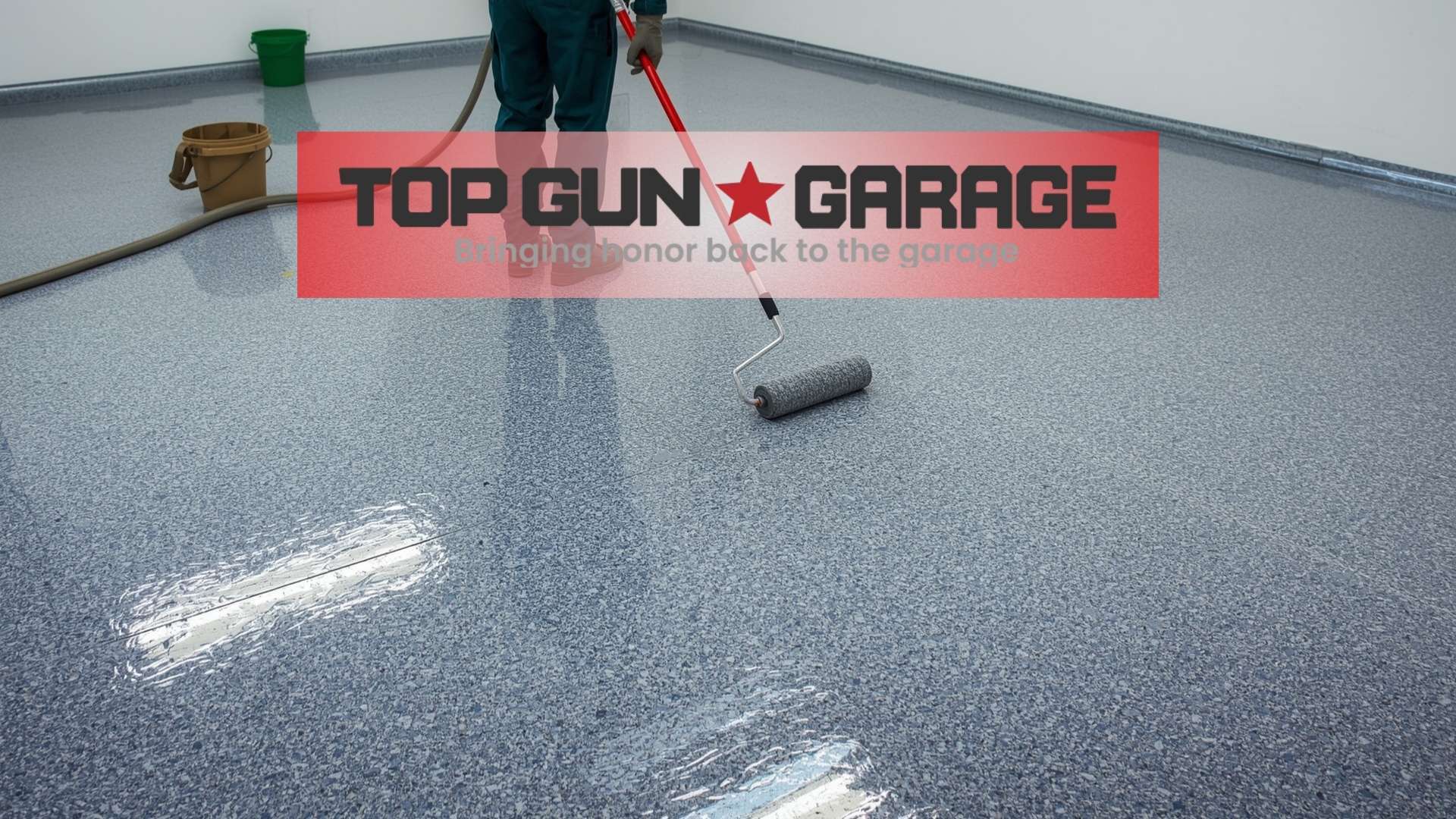
The process begins with concrete preparation, which is the most critical factor for coating longevity. Professional installers use diamond grinding equipment to create a surface profile that allows the coating to mechanically bond with the concrete. This step removes any existing sealers, paints, or contaminants that would prevent proper adhesion.
Any cracks or damaged areas are repaired before coating application. The coating system is then applied in multiple layers, typically including a primer, base coat, decorative flake broadcast, and clear topcoat. Each layer must cure appropriately before the next is applied. Most professional installations are completed within one to two days, with the garage ready for vehicle use within 24 to 72 hours depending on the coating system used.
Frequently Asked Questions
How long does garage floor coating last after flood exposure?
A professionally installed coating maintains its integrity through multiple flooding events. Quality epoxy and polyaspartic systems typically last 15 to 20 years with proper maintenance, even with repeated water exposure.
Can I have my floor coated during hurricane season?
Installation is possible during hurricane season, but scheduling becomes more challenging due to humidity and rain. Coating requires dry conditions during application and initial curing. Planning installation for April or May provides the most flexibility.
Will my coating peel if the garage floods?
Properly installed coatings will not peel from flooding alone. Peeling results from poor surface preparation or moisture issues before installation. Professional installers test for moisture vapor transmission and address any concerns before coating.
How soon after installation can my garage handle flooding?
Most coatings reach full chemical resistance within seven days of application. After this cure period, the floor can withstand prolonged water exposure without damage.
What if my garage already has existing damage?
Professional installers can repair concrete damage before applying coatings. Cracks are filled, spalled areas are patched, and the surface is leveled as needed. Addressing existing damage prevents it from worsening and ensures proper coating adhesion.
Is garage floor coating worth the investment for hurricane protection?
When considering the cost versus potential flood damage remediation, mold removal, and concrete replacement, professional floor coating provides significant long-term value. The coating also adds daily benefits including easier cleaning, improved appearance, and protection from vehicle fluids and chemical spills.
Does floor coating help with moisture problems after storms?
Yes. Coated floors prevent moisture absorption that leads to prolonged dampness and mold growth. The garage dries much faster after flooding because water remains on the surface where it can evaporate or be removed.
What maintenance is required after a hurricane?
Post-storm maintenance involves removing debris, rinsing the floor with clean water, and mopping with a pH-neutral cleaner. Inspect for any damage to the coating surface and contact your installer if repairs are needed.
Can coatings be applied to garage floors that previously flooded?
Yes, but the concrete must be thoroughly dried and tested for moisture content before coating. Previously flooded concrete may require additional preparation steps and potentially a moisture barrier system to ensure proper adhesion.
Do you offer service in my area?
Top Gun Garage serves homeowners throughout Southwest Florida including Naples, Estero, Marco Island, Fort Myers, and surrounding communities.
Sources
- Flood Damage-Resistant Materials Requirements. Technical Bulletin 2, January 2025.
- Florida Division of Emergency Management. Preparing for Hurricane Season.
- Florida Climate Center. Hurricanes. Florida State University.
Prepare Your Garage Before Hurricane Season
Do not wait until a storm is forecast to protect your garage floor. Contact Top Gun Garage today to schedule your free estimate and have your floor coated before June. Our team serves homeowners throughout Southwest Florida and can typically complete installation within two days. Call now to secure your spot on the schedule before the pre-season rush begins.