 Skip to content



Every garage floor in Southwest Florida sits on a concrete slab that may look completely dry on the surface. Yet underneath that solid appearance, moisture vapor could be migrating upward through microscopic pores. Understanding concrete moisture problems with epoxy is essential before any floor coating project. Without proper testing, that shiny new coating could bubble, peel, or delaminate within months.
This article explains how moisture vapor transmission works, warning signs to watch for, three proven testing methods, and what professionals do to ensure lasting results.
Key Takeaways
- Concrete is porous and allows moisture vapor to rise from the ground even when the surface appears dry
- Epoxy creates an impermeable barrier that traps rising moisture, leading to coating failure
- Southwest Florida’s high water table makes moisture testing essential before any floor coating
- Three testing methods exist: plastic sheet test, calcium chloride test, and relative humidity probe test
- Professional installers use moisture mitigation primers when vapor emission exceeds acceptable levels
Why Concrete Moisture Matters for Epoxy Floors
Concrete contains countless tiny channels that allow water vapor to migrate from the ground through the slab toward the surface. This process, called moisture vapor transmission, continues constantly beneath every slab-on-grade garage floor.
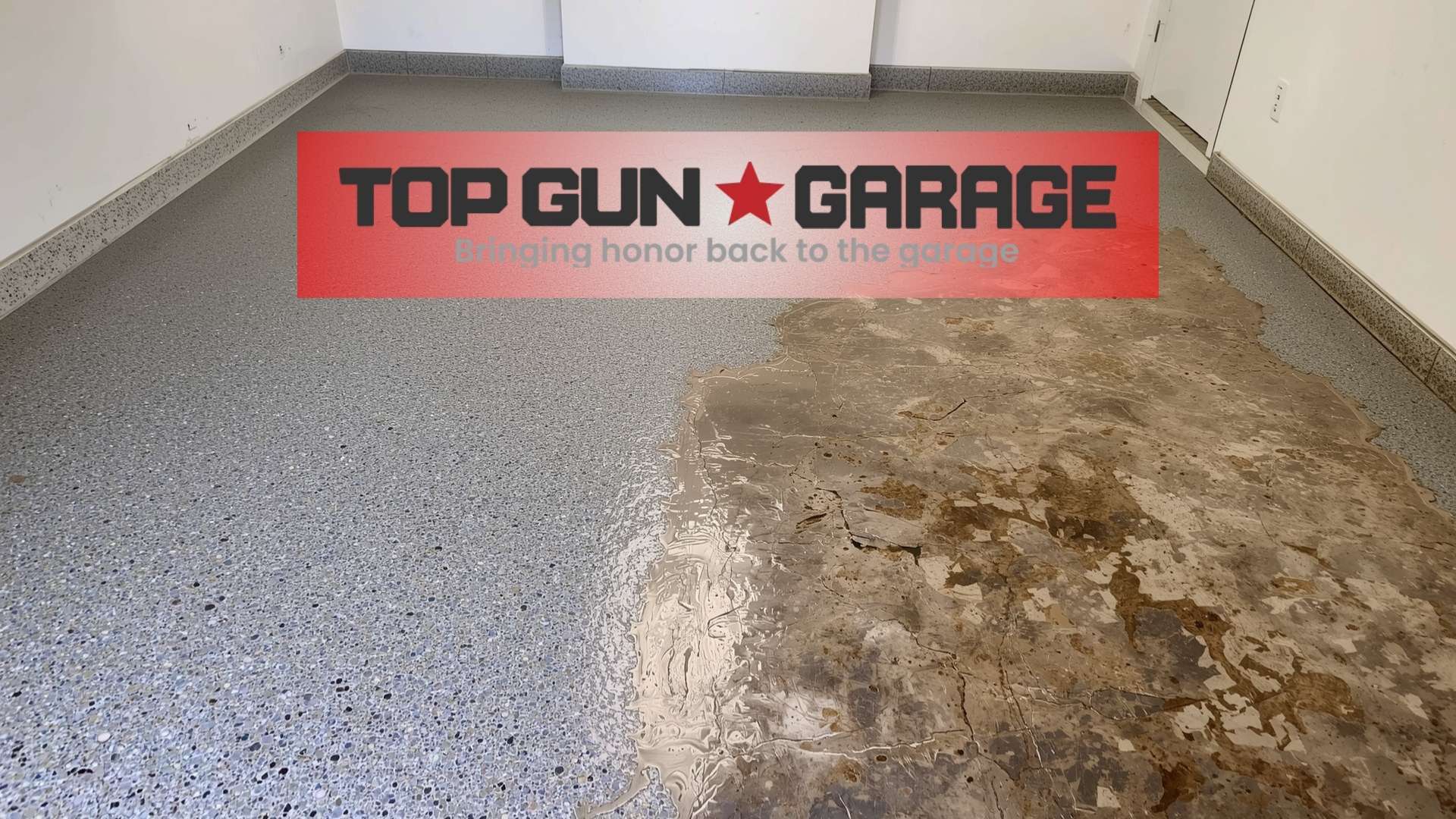
When concrete sits exposed, this vapor simply escapes into the air. Epoxy floor coatings change this equation dramatically. Because epoxy forms an impermeable barrier, it traps rising moisture vapor beneath the surface. The trapped vapor creates pressure that causes bubbling, blistering, and delamination over time.
According to standards from ASTM International, capillary moisture in concrete can be detrimental to coating systems that cannot tolerate moisture on or within the surface boundary.
Florida’s Unique Moisture Challenges
Southwest Florida presents challenges that affect garage floors throughout Naples, Fort Myers, Bonita Springs, and Marco Island. The region’s high water table means groundwater often sits just a few feet below slab level. Florida’s porous soil allows moisture to wick upward through concrete like water through a sponge.
This combination of high humidity, warm temperatures, and elevated water tables makes moisture testing standard practice for any reputable garage flooring contractor.
Warning Signs of Moisture Problems
Several surface conditions suggest moisture problems. White, powdery deposits called efflorescence appear when mineral salts carried by moisture crystallize on the surface. Dark or damp patches that appear and disappear with weather changes indicate moisture moving through the slab. Existing coatings that have bubbled, peeled, or lifted often failed due to underlying moisture not addressed during installation.
High-risk situations include garages at or below exterior grade level, properties near canals or coastal areas, and older homes built before modern vapor barrier requirements. These factors justify thorough testing before investing in professional epoxy installation.
Three Methods to Test for Concrete Moisture
The Plastic Sheet Test
The simplest screening method involves taping a clear plastic sheet to concrete and observing moisture accumulation. This test, standardized as ASTM D4263, provides a quick indication of surface moisture presence.
Tape an 18-inch square of clear polyethylene plastic securely to clean concrete. Seal all edges with duct tape and leave undisturbed for 24-72 hours. Condensation droplets on the plastic or darkening of the concrete indicates moisture vapor is present.
This test works well as preliminary screening but only detects surface moisture. It cannot reveal conditions deeper within the slab.
The Calcium Chloride Test
For quantitative measurement, the calcium chloride test (ASTM F1869) measures moisture vapor emission rate. A pre-weighed dish of calcium chloride is placed on the concrete under a sealed dome for 60-72 hours, then weighed again.
Results are expressed as pounds of moisture per 1,000 square feet per 24 hours. Most epoxy manufacturers require rates below 3 pounds per 1,000 square feet per 24 hours for proper adhesion.
The Relative Humidity Probe Test
The most accurate method (ASTM F2170) uses electronic probes inserted into drilled holes at 40% of slab thickness. After equilibration, probes measure relative humidity inside the concrete rather than just at the surface.
Most coating manufacturers specify maximum readings around 75% RH. Professional floor coating installers often prefer this method because it provides the most complete picture of slab conditions.
Consequences of Ignoring Moisture Problems
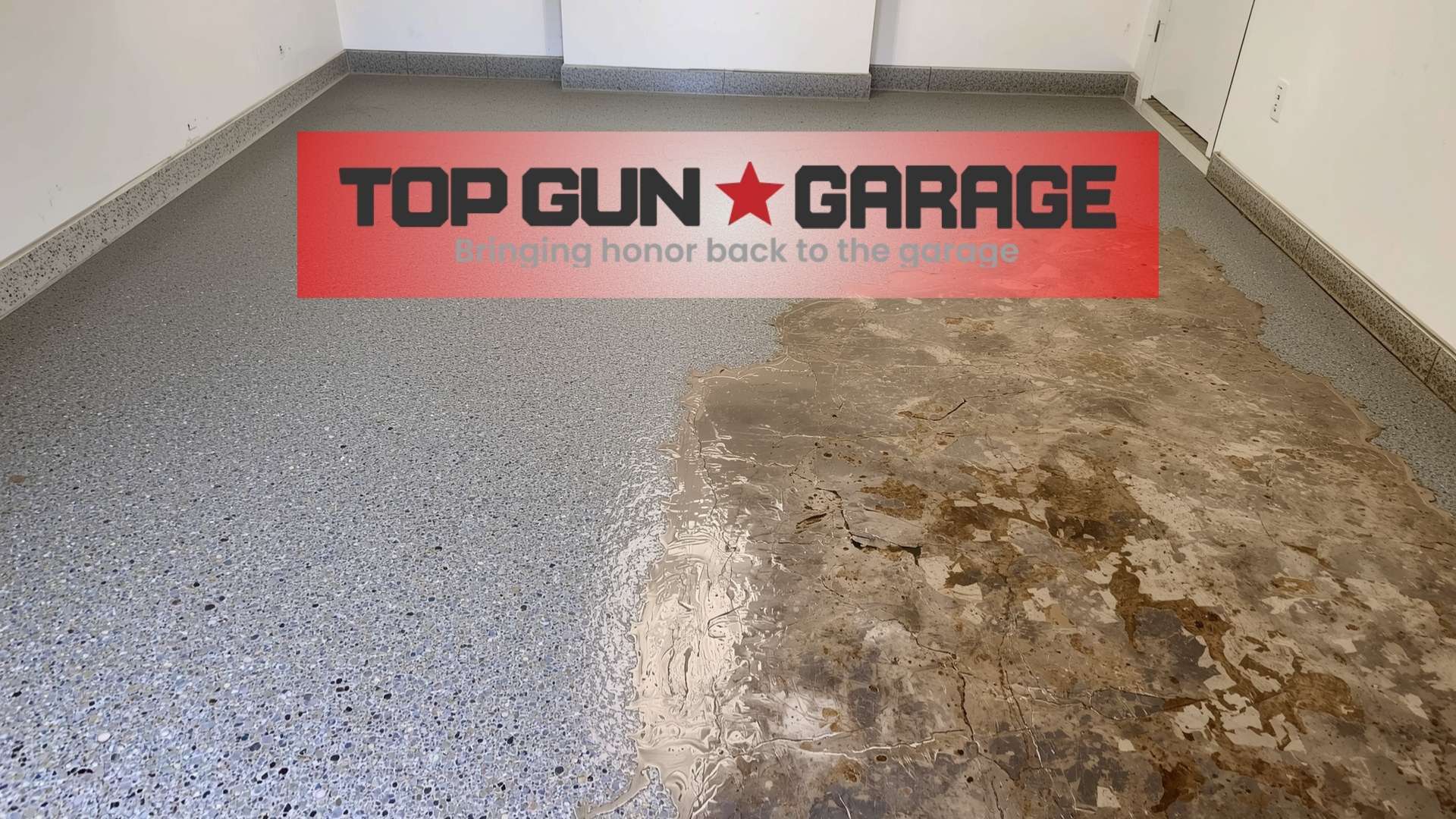
Coating Delamination
Rising moisture vapor creates pressure beneath the impermeable coating layer. This pressure overcomes the adhesive bond, causing sections to lift away from the floor. Delamination often begins at edges and expands until large sections peel away in sheets.
Bubbling and Blistering
Trapped moisture vapor forms individual bubbles beneath the coating surface. These defects appear as raised areas that may rupture, exposing concrete to dirt and further moisture intrusion. Bubbled coatings require complete removalâadditional material cannot simply cover the defects.
Efflorescence and Discoloration
Moisture carries dissolved mineral salts toward the surface. When blocked by an impermeable coating, these salts concentrate and crystallize, creating white discoloration visible through light-colored finishes and generating pressure that accelerates coating failure.
How Professionals Handle Moisture-Compromised Slabs
Moisture Mitigation Primers
Specialized epoxy primers formulated to block moisture vapor transmission provide the most common solution. High-quality primers can block vapor rates up to 20 pounds per 1,000 square feet per 24 hours. The concrete preparation process becomes critical when moisture mitigation is required.
Alternative Coating Systems
When moisture levels are extremely high, alternative systems may provide better results. Polyurea systems tolerate higher moisture levels than traditional epoxies and can often be applied over slabs that would cause standard epoxy to fail.
Frequently Asked Questions
What causes moisture to rise through my garage floor? Concrete contains microscopic channels allowing water vapor to migrate from damp soil through capillary action. Southwest Florida’s high water table increases this migration.
Can I apply epoxy over concrete with moisture problems? Standard epoxy should not be applied over excessive moisture. However, professionals can apply moisture mitigation primers or use moisture-tolerant systems like polyaspartic.
How do I know if my floor has too much moisture? Testing is the only reliable method. Calcium chloride or relative humidity probe tests provide quantitative measurements comparable to coating manufacturer requirements.
Will sealing my garage floor stop moisture problems? Surface sealers may temporarily reduce symptoms but do not address underlying vapor transmission. True mitigation requires specialized barrier primers applied by experienced professionals.
How long should new concrete cure before applying epoxy? Most manufacturers recommend at least 28 days. However, moisture testing rather than time alone should determine readiness, as some slabs retain excessive moisture for months.
What is an acceptable moisture level for epoxy? Most manufacturers specify maximum limits of 75% relative humidity (ASTM F2170) or 3 pounds per 1,000 square feet per 24 hours (ASTM F1869 calcium chloride testing).
Can I test for moisture myself? The plastic sheet test works as preliminary screening. Calcium chloride kits are available for purchase. Relative humidity probe testing typically requires professional equipment.
Why did my previous epoxy coating fail? Failures commonly result from inadequate surface preparation, improper mixing, unfavorable conditions, or unidentified moisture problems. A professional evaluation can identify the specific cause.
How much does moisture mitigation add to project cost? Moisture mitigation typically adds 20-40% to costs depending on severity. This investment prevents far more expensive complete coating failures and reinstallation.
Do vapor barriers under concrete prevent all moisture problems? Properly installed barriers significantly reduce migration, but damage during construction or inadequate materials can compromise effectiveness. Testing confirms actual conditions regardless of existing barriers.
Sources
- ASTM D4263 – Standard Test Method for Indicating Moisture in Concrete by the Plastic Sheet Method: https://www.astm.org/Standards/D4263.htm
- ASTM F2170 – Standard Test Method for Determining Relative Humidity in Concrete Floor Slabs: https://store.astm.org/f2170-19a.html
- Wagner Meters – ASTM F2170 Guidelines: https://www.wagnermeters.com/concrete-moisture-test/concrete-info/10-guidelines-for-astm-f2170-compliance/
- Sherwin-Williams – Preventing Concrete and Epoxy Floor Blistering: https://industrial.sherwin-williams.com/na/us/en/resin-flooring/contractor-center/technical-articles/prevent-blisters-disbonding-concrete-floor-finish.html
Protect Your Investment with Professional Moisture Management
Concrete moisture problems remain invisible until coating failure reveals their presence. Testing before installation identifies conditions that would compromise your floor coating, allowing appropriate solutions from the start.
Top Gun Garage includes moisture evaluation as part of every floor coating project in Southwest Florida. Our direct communication with ownership means your specific site conditions receive proper attention. Get a free estimate and ensure your garage floor coating delivers lasting performance.