 Skip to content




Choosing the right garage flooring contractor can make the difference between a stunning, durable floor that lasts for decades and a costly mistake that requires expensive repairs or complete replacement. Your garage floor endures constant abuse from heavy vehicles, chemical spills, temperature fluctuations, and daily foot traffic, making the selection of a qualified contractor absolutely critical to your project’s success.
Many homeowners rush into garage flooring projects without thoroughly vetting their contractors, often leading to subpar installations, hidden costs, and disappointing results. The garage flooring industry has seen tremendous growth in recent years, with new contractors entering the market regularly. While this increased competition benefits consumers through better pricing and innovation, it also means you need to be more discerning when learning how to choose a garage flooring contractor.
Professional garage floor installation involves much more than simply applying a coating or laying down tiles. The process requires proper surface preparation, knowledge of different flooring materials and their applications, understanding of local climate conditions, and expertise in handling various substrates and existing floor conditions. A skilled contractor will assess your specific needs, recommend appropriate solutions, and execute the installation with precision and attention to detail.
The investment in quality garage flooring typically ranges from several thousand to tens of thousands of dollars, depending on the size of your space and chosen materials. This significant financial commitment demands careful consideration and thorough research before making your final decision. The wrong contractor choice could result in premature floor failure, warranty disputes, and the need for costly remediation work.
Understanding what questions to ask potential contractors will empower you to make an informed decision and avoid common pitfalls that plague many garage flooring projects. These critical inquiries will help you evaluate contractor qualifications, compare proposals effectively, and establish realistic expectations for your project timeline and outcomes.
Key Takeaways
-
Verify comprehensive licensing and insurance coverage – Ensure your contractor carries proper licensing for your area and maintains adequate liability insurance and workers’ compensation coverage to protect you from potential legal and financial risks during the project.
-
Examine detailed portfolios and recent project examples – Request to see extensive before-and-after photos, visit completed projects if possible, and speak directly with recent customers to gauge satisfaction levels and long-term performance of the contractor’s work.
-
Understand warranty terms and ongoing support – Clarify what warranty coverage is provided, duration of coverage, what situations void the warranty, and how the contractor handles warranty claims and ongoing maintenance support.
-
Evaluate surface preparation expertise and procedures – Confirm the contractor follows proper surface preparation protocols including concrete assessment, crack repair, moisture testing, and appropriate cleaning and etching procedures before installation.
-
Compare material options and installation methods – Discuss different flooring materials available, their pros and cons for your specific situation, and ensure the contractor has experience with your chosen flooring type and installation methodology.
-
Review detailed project timelines and cost breakdowns – Obtain comprehensive written estimates that include all materials, labor, preparation work, and potential additional costs, along with realistic timelines for project completion and curing periods.
-
Assess communication style and professionalism – Evaluate how responsive and professional the contractor is during initial consultations, their willingness to answer questions thoroughly, and their ability to explain technical aspects in understandable terms.
Understanding the Garage Flooring Contractor Selection Process
The process of selecting a garage flooring contractor begins long before you start making phone calls or requesting quotes. Successful contractor selection requires understanding your specific needs, researching available options in your area, and developing a systematic approach to evaluate potential candidates. This foundational knowledge will help you ask the right questions and interpret contractor responses effectively.

Start by clearly defining your project goals, budget parameters, and timeline expectations. Consider how you use your garage space currently and how you envision using it in the future. Different flooring solutions work better for different applications – a garage used primarily for vehicle storage has different requirements than one used as a workshop, exercise space, or entertainment area.
Research the various types of garage flooring available, including epoxy coatings, polyurea systems, interlocking tiles, rolled rubber flooring, and polished concrete options. Each material type has distinct advantages, limitations, and installation requirements. Understanding these differences will help you have more informed conversations with potential contractors and evaluate their recommendations more effectively.
The garage flooring industry includes various types of service providers, from large franchise operations to small local specialists. Each category has potential advantages and drawbacks. Large franchises may offer standardized processes and extensive warranties but might lack flexibility or personal attention. Local specialists often provide more customized service and competitive pricing but may have limited resources or varying quality standards.
Develop a list of potential contractors through multiple sources including online research, referrals from friends and neighbors, recommendations from home improvement stores, and local business directories. Plan to contact at least three to five contractors to ensure adequate comparison opportunities and competitive pricing.
Question 1: What Are Your Licensing, Insurance, and Bonding Credentials?
The first and most crucial question to ask any potential garage flooring contractor concerns their legal credentials and insurance coverage. Proper licensing demonstrates that the contractor has met minimum professional standards and is authorized to perform construction work in your area. Insurance coverage protects both you and the contractor from potential accidents, property damage, or other unforeseen circumstances during the project.
Request to see current copies of all relevant licenses, which may include general contractor licenses, specialty flooring contractor licenses, or business operation permits depending on your local requirements. Verify that licenses are current and in good standing by checking with your state’s licensing board or local building department. Some contractors may claim that licensing isn’t required for their type of work, but this should raise immediate red flags requiring further investigation.
Comprehensive insurance coverage should include general liability insurance, which protects against property damage and personal injury claims, and workers’ compensation insurance, which covers contractor employees injured on your property. Request certificates of insurance directly from the contractor’s insurance company rather than accepting copies that could be outdated or falsified. Adequate liability coverage typically ranges from $500,000 to $1 million or more, depending on the contractor’s size and scope of work.
Bonding provides additional protection by guaranteeing that the contractor will complete the work as specified in your contract. If the contractor fails to fulfill their obligations, the bonding company may step in to complete the work or provide financial compensation. While not all contractors carry bonding, it represents an additional layer of protection and demonstrates the contractor’s commitment to professional standards.
Professional contractors will readily provide this information and understand why it’s important to you. Those who hesitate, make excuses, or seem annoyed by these requests should be eliminated from consideration immediately. Remember that working with uninsured or unlicensed contractors can leave you liable for accidents, injuries, or property damage that occurs during the project.
Additionally, verify that the contractor maintains any manufacturer certifications required for the flooring products they plan to use. Many flooring manufacturers require contractors to complete training programs and maintain specific standards to offer full warranty coverage on their products. These certifications demonstrate the contractor’s commitment to staying current with best practices and product knowledge.
Question 2: Can You Provide References and Examples of Recent Work?
Examining a contractor’s portfolio and speaking with previous customers provides invaluable insights into their work quality, professionalism, and customer service approach. A reputable contractor should enthusiastically share examples of recent projects and provide contact information for satisfied customers who are willing to discuss their experiences.

Request to see a comprehensive portfolio that includes projects similar to yours in terms of garage size, flooring type, and complexity. Pay particular attention to the quality of surface preparation, attention to detail in corners and edges, and overall finish appearance. Professional contractors often maintain extensive photo documentation of their projects, including before, during, and after images that demonstrate their process and capabilities.
When possible, ask to visit recently completed projects to see the work in person. This allows you to evaluate the flooring’s appearance, durability, and how well it has held up over time. You can also observe how the contractor handled challenging areas like drains, utility connections, or irregular surfaces that may be present in your garage as well.
Contact at least three to five recent customers to discuss their experiences with the contractor. Prepare specific questions about project timeline adherence, cleanliness during work, communication throughout the process, and satisfaction with the final results. Ask whether they encountered any problems during or after installation and how the contractor addressed any issues that arose.
Inquire about the contractor’s approach to customer service and follow-up support. Professional contractors typically check back with customers after project completion to ensure satisfaction and address any questions or concerns. This ongoing relationship demonstrates commitment to customer satisfaction beyond just collecting final payment.
Be cautious of contractors who cannot provide recent references, claim that previous customers don’t want to be contacted, or only offer references from projects completed many years ago. Current references are essential because they reflect the contractor’s current capabilities, crew quality, and business practices.
Online reviews and ratings can supplement direct references but shouldn’t replace them entirely. Review platforms can provide additional perspectives on contractor performance, but remember that online reviews may not represent the full picture of customer experiences. Focus on patterns in reviews rather than individual complaints or praise.
Question 3: What Is Your Surface Preparation Process and Timeline?
Surface preparation represents the most critical aspect of any garage flooring installation, often determining the long-term success or failure of the entire project. Professional contractors understand that proper preparation cannot be rushed or shortcuts taken, regardless of the flooring material being installed. Understanding their preparation process will help you evaluate their expertise and commitment to quality workmanship.
A comprehensive surface preparation process should begin with thorough assessment of the existing concrete condition, including evaluation of cracks, spalling, oil stains, previous coatings, and overall surface integrity. Professional contractors use various testing methods to determine concrete porosity, moisture levels, and adhesion characteristics that influence material selection and preparation requirements.
Proper mechanical preparation typically involves diamond grinding, shot blasting, or acid etching to create the appropriate surface profile for optimal adhesion. Learning what concrete grinding preparation means helps homeowners understand this critical step. The contractor should explain which method they plan to use for your specific situation and why that approach is most suitable. Different flooring materials require different surface profiles, and experienced contractors understand these requirements thoroughly.
Crack repair procedures should address both active and dormant cracks using appropriate materials and techniques. Simple cosmetic crack filling is insufficient for structural cracks or those that continue to move. Professional techniques for fixing uneven garage floor surfaces ensure long-term stability. Professional contractors can distinguish between different crack types and recommend appropriate repair strategies that prevent future problems.
Oil stain removal requires specialized techniques and products to ensure proper adhesion of new flooring materials. Understanding how to remove oil stains from concrete prevents adhesion failures. Surface contaminants can cause adhesion failures even years after installation, making thorough cleaning and decontamination essential. Ask about their approach to handling stubborn stains and what happens if stains cannot be completely removed.
Moisture testing should be performed to identify potential moisture-related issues that could compromise flooring performance. Understanding why concrete moisture matters prevents costly coating failures. Concrete slabs can retain moisture for months or years after construction, and seasonal moisture variations can affect different flooring materials differently. Professional contractors understand when moisture mitigation is necessary and what products work best in high-moisture environments.
The timeline for proper surface preparation varies significantly depending on garage size, existing conditions, and required repairs. Rushed preparation is a common cause of premature flooring failure, so be suspicious of contractors who promise unrealistically fast completion times. Quality preparation work typically requires one to three days for most residential garages, not including curing time for repairs.
Question 4: What Materials Do You Recommend and Why?
Understanding the contractor’s material recommendations and their reasoning behind those suggestions provides insight into their expertise and whether their proposed solution aligns with your specific needs and expectations. Professional contractors should be able to explain the advantages and limitations of different flooring options and help you make an informed decision based on your priorities and budget.
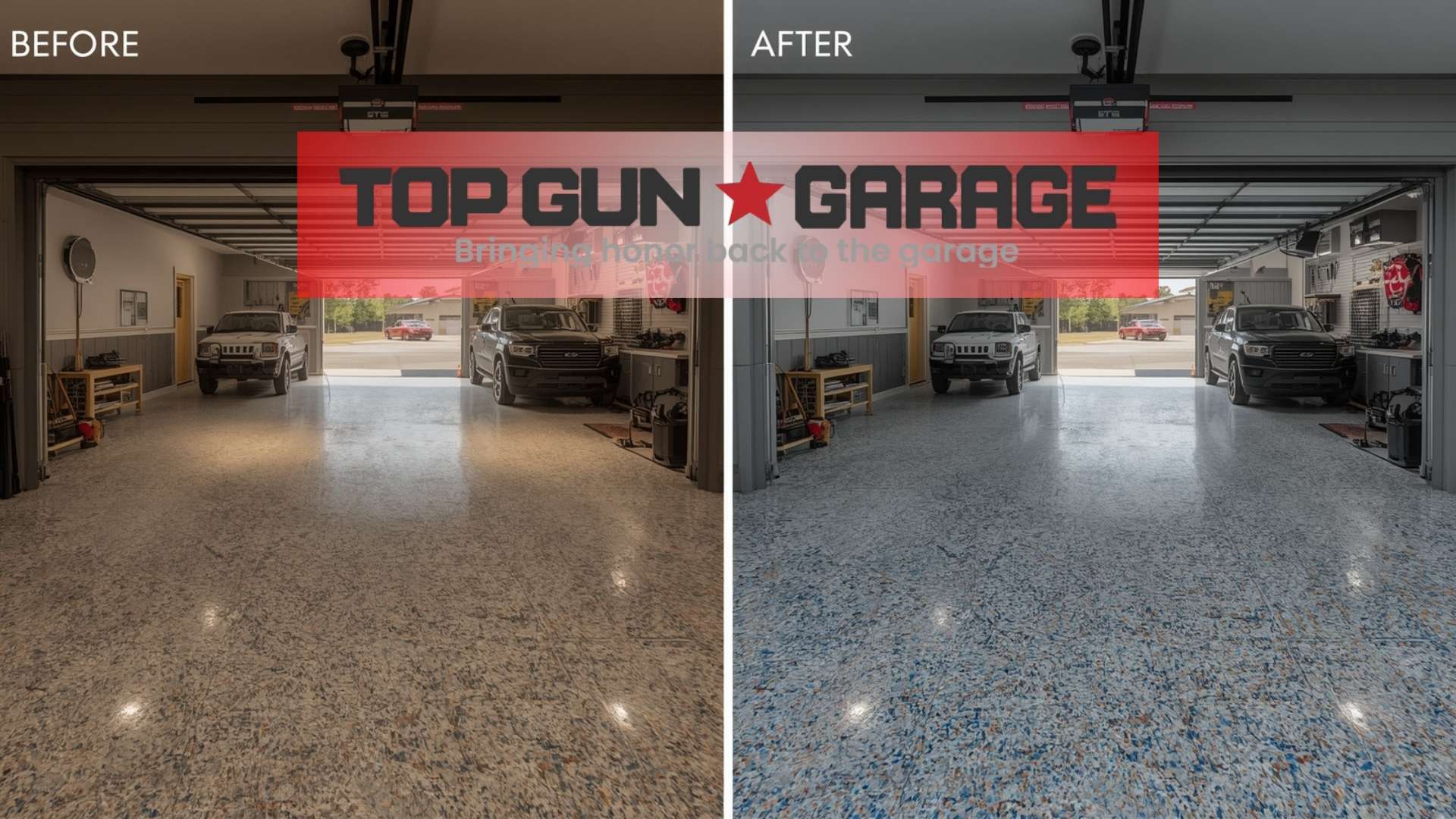
Epoxy coatings remain popular for garage floors due to their durability, chemical resistance, and attractive appearance. However, not all epoxy products are created equal, and application techniques significantly impact performance. Understanding why professional epoxy floor coating matters ensures quality results. Ask about the specific epoxy products they recommend, including solids content, cure time, and expected lifespan. Higher solids content generally indicates better quality and durability, but also higher cost.
Polyurea and polyaspartic coatings offer advantages over traditional epoxy in certain applications, including faster cure times, better UV stability, and superior flexibility. Learning about polyurea basecoat systems reveals their performance benefits. These materials typically cost more than epoxy but may provide better long-term value in specific situations. Professional contractors should understand when these premium materials are worth the additional investment.
Interlocking tile systems provide excellent performance and easy maintenance but require different installation considerations than coating systems. Comparing garage floor tiles versus epoxy helps determine the best solution. Quality tiles should be made from durable materials with secure locking mechanisms and appropriate thickness for garage applications. Ask about tile warranty coverage and replacement procedures if individual tiles become damaged.
Decorative options like color flakes, metallic pigments, or custom patterns can enhance the appearance of your garage floor but may affect durability and maintenance requirements. Exploring modern epoxy flake flooring designs provides aesthetic inspiration. Professional contractors should explain how decorative elements are incorporated into the flooring system and any special care requirements they may create.
The contractor should consider your specific usage patterns when making recommendations. A garage used primarily for vehicle storage has different requirements than one used for woodworking, automotive repair, or as a recreational space. Understanding the best garage floor coating for your climate is essential. Heavy equipment, chemical exposure, and traffic patterns all influence material selection and installation techniques.
Ask about product warranties and what factors might void warranty coverage. Manufacturer warranties typically require proper installation by certified contractors using approved techniques and materials. Understanding warranty terms helps you evaluate the true value of different material options and contractor proposals.
Professional contractors often have relationships with multiple suppliers and can source materials at better prices than retail customers. However, be cautious of contractors who insist on using only one brand or seem unfamiliar with alternative options that might better suit your needs.
Question 5: What Does Your Warranty Cover and How Do You Handle Problems?
Warranty coverage and post-installation support represent crucial factors in contractor selection, as they demonstrate the contractor’s confidence in their work and commitment to customer satisfaction. Understanding exactly what is covered, for how long, and under what conditions helps you evaluate the true value of different contractor proposals and protects your investment over time.
Comprehensive warranty coverage should address both materials and workmanship for specified periods. Material warranties typically come from manufacturers and cover product defects or premature failure under normal use conditions. Workmanship warranties come from contractors and cover installation-related issues like adhesion failures, surface preparation problems, or application defects.
Professional contractors often provide workmanship warranties ranging from one to five years, depending on the flooring type and installation complexity. Understanding how long epoxy floors last with professional installation sets realistic expectations. Longer warranty periods generally indicate greater contractor confidence in their work quality and procedures. However, warranty length means nothing if the contractor doesn’t stand behind their commitments or goes out of business.
Carefully review warranty exclusions and limitations, as these often reveal potential problem areas or maintenance requirements. Common exclusions include damage from chemical spills, mechanical impact, improper maintenance, or normal wear and tear. Learning about preventing premature wear patterns helps maintain warranty coverage. Understanding these limitations helps you maintain your flooring properly and avoid actions that might void warranty coverage.
Ask about the contractor’s process for handling warranty claims and how quickly they respond to customer concerns. Professional contractors should have clear procedures for investigating problems, determining coverage, and completing necessary repairs. Understanding why some garage coatings peel helps identify legitimate warranty issues. Request contact information for their warranty department or designated representative who handles post-installation issues.
Preventive maintenance recommendations should be provided in writing, including specific cleaning products, procedures, and frequency requirements. Implementing seasonal maintenance routines extends flooring lifespan significantly. Proper maintenance significantly extends flooring lifespan and helps maintain warranty coverage. Contractors who don’t provide maintenance guidance may not fully understand long-term flooring performance requirements.
Consider the contractor’s business stability and longevity when evaluating warranty value. A lengthy warranty from a new or financially unstable contractor provides less protection than a shorter warranty from an established business with a track record of honoring commitments. Research the contractor’s business history and reputation in the community.
Some contractors offer extended warranty options or maintenance programs that provide additional protection and service. While these programs involve additional costs, they can provide peace of mind and help maintain your flooring investment over time. Evaluate whether these options provide good value based on your specific situation and risk tolerance.
Why Top Gun Garage Stands Out in Contractor Selection
When evaluating garage flooring contractors using these critical questions, Top Gun Garage consistently demonstrates the professionalism and expertise that discerning homeowners should expect from their flooring contractor. Their comprehensive approach to contractor selection criteria makes them an excellent example of what to look for when learning how to choose a garage flooring contractor.
Top Gun Garage maintains all required licensing and insurance coverage, readily providing documentation to prospective customers without hesitation. Their commitment to legal compliance and proper insurance protection demonstrates professionalism and protects customers from potential liability issues during project execution.
Their extensive portfolio showcases a wide variety of completed projects with detailed before-and-after documentation that illustrates their capabilities across different flooring types and installation challenges. Customer references are readily available and consistently report high satisfaction levels with both the installation process and long-term flooring performance.
Surface preparation receives particular attention at Top Gun Garage, with systematic procedures that address each garage’s unique conditions and requirements. Understanding how concrete is prepared reveals their meticulous approach. Their preparation timeline allows adequate time for proper concrete assessment, necessary repairs, and appropriate surface profiling without rushing critical steps that determine long-term success.
Material recommendations from Top Gun Garage are based on thorough assessment of customer needs, usage patterns, and budget considerations rather than pushing the most expensive options. Their expertise with various flooring systems allows them to match appropriate solutions to specific applications and provide honest guidance about expected performance and maintenance requirements.
Warranty coverage and customer support demonstrate Top Gun Garage’s confidence in their workmanship and commitment to long-term customer satisfaction. Their clear warranty terms, responsive service approach, and comprehensive maintenance guidance help customers protect their flooring investment and maximize its lifespan.
Frequently Asked Questions
How far in advance should I schedule my garage flooring project? Quality contractors typically book projects 2-6 weeks in advance, depending on seasonal demand and project complexity. Spring and fall represent peak seasons for garage flooring work, so schedule earlier during these periods. Emergency availability or immediate scheduling may indicate a contractor with capacity issues or quality concerns.
What factors influence garage flooring project costs most significantly? Surface preparation requirements, garage size, material selection, and existing floor conditions represent the primary cost drivers. Extensive crack repairs, oil stain removal, or previous coating removal can significantly increase project costs. Premium materials and decorative options also impact pricing substantially.
How long does garage flooring installation typically take? Most residential garage flooring projects require 2-5 days from start to finish, including surface preparation, installation, and initial curing. Complex repairs or multiple coating applications may extend timelines. Weather conditions and humidity levels can also affect installation schedules and curing times.
Can garage flooring be installed over existing coatings? Existing coatings typically must be removed to ensure proper adhesion of new flooring materials. Some contractors may claim that coating over existing materials is acceptable, but this approach often leads to premature failure. Proper removal and surface preparation are essential for long-term performance.
What maintenance is required for different garage flooring types? Maintenance requirements vary significantly between flooring types. Coated floors generally require periodic cleaning with appropriate products and occasional recoating of high-wear areas. Tile systems may need individual tile replacement but are otherwise low-maintenance. Professional contractors should provide specific maintenance guidelines for your chosen flooring type.
How do I know if my concrete is suitable for garage flooring? Professional contractors perform concrete assessment including visual inspection, moisture testing, and adhesion testing to determine suitability. Age, condition, previous treatments, and structural integrity all influence flooring options. Some concrete conditions may require remediation before flooring installation can proceed.
What should I do to prepare my garage before contractor arrival? Remove all vehicles, storage items, and equipment from the garage before work begins. Clear access to electrical outlets and water sources that contractors may need. Protect adjacent areas from dust and debris that surface preparation activities will generate. Professional contractors should provide specific preparation instructions.
How do I compare contractor estimates effectively? Compare estimates based on total project scope including materials, labor, preparation work, and timeline rather than just bottom-line pricing. Ensure all estimates include the same work scope and material specifications. Consider contractor qualifications, warranty terms, and reputation alongside pricing when making decisions.
Conclusion
Selecting the right garage flooring contractor requires careful evaluation using systematic questioning and thorough research. The five critical questions outlined in this guide provide a framework for assessing contractor qualifications, comparing proposals, and making informed decisions that protect your investment and ensure successful project outcomes.
Remember that the lowest price rarely represents the best value when it comes to garage flooring installation. Quality workmanship, proper materials, and comprehensive warranty coverage provide better long-term value than cutting corners to save money upfront. Professional contractors understand that their reputation depends on customer satisfaction and long-term flooring performance.
Take time to thoroughly vet potential contractors using these garage flooring contractor tips rather than rushing into decisions based on convenience or aggressive sales tactics. The extra effort invested in proper contractor selection will pay dividends through superior results, fewer problems, and greater satisfaction with your completed project.
Your garage flooring represents a significant investment that should provide years of reliable service and enhanced property value. By asking the right questions and choosing qualified contractors, you can ensure that your project meets expectations and delivers the performance and appearance you desire for your garage space.