 Skip to content



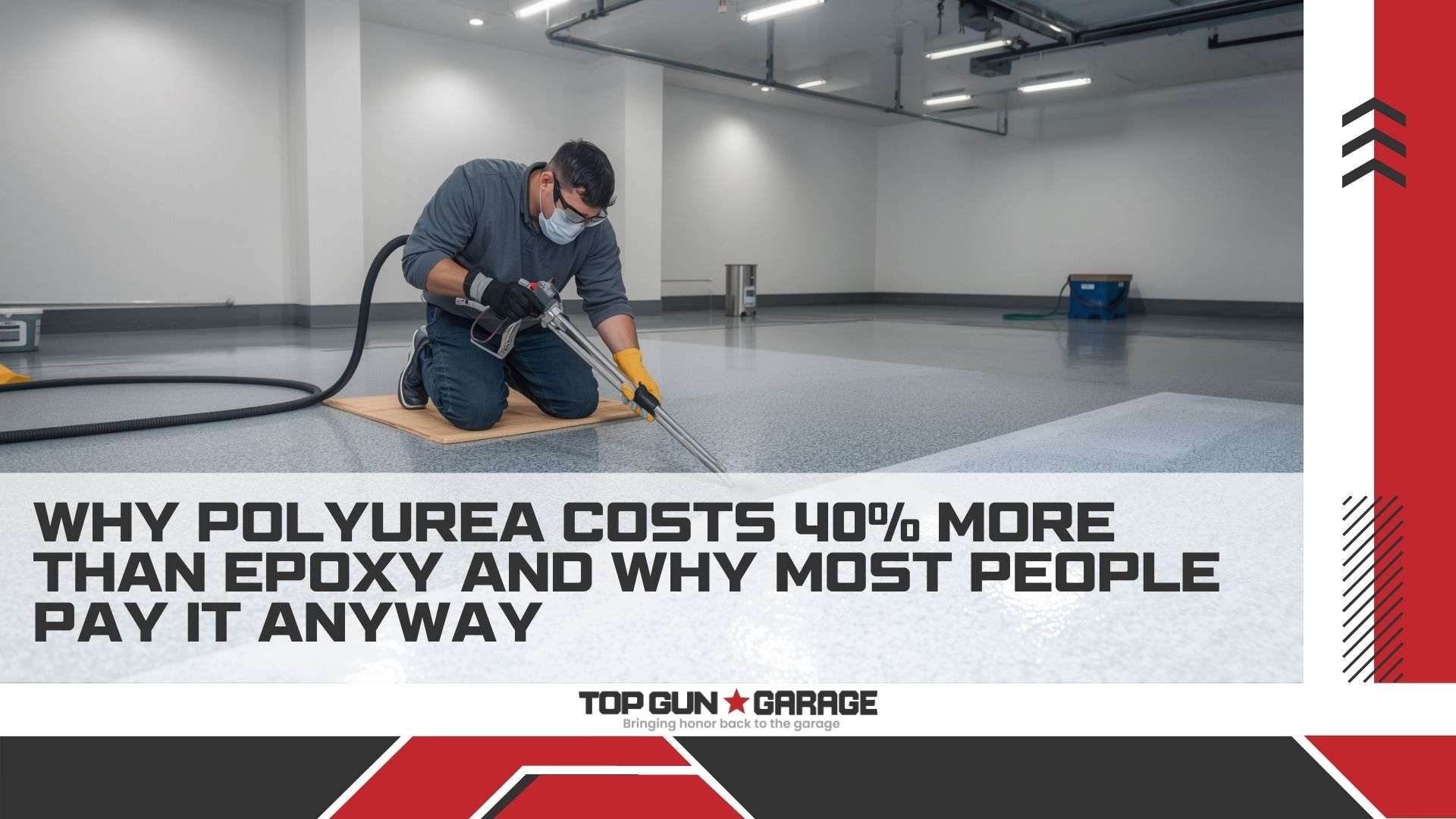
Homeowners researching garage floor coatings quickly discover that polyurea floor cost vs epoxy reveals a significant price difference—typically 30-50% more for polyurea installations. A standard two-car garage coated with basic epoxy ranges from $1,800-$3,000, while comparable polyurea systems cost $2,800-$5,000, creating initial sticker shock that makes budget-conscious buyers hesitate. Despite this substantial upfront premium, over 70% of educated homeowners ultimately choose polyurea after understanding the complete value proposition, lifetime cost analysis, and performance differences that make the investment worthwhile.
Overview
This comprehensive guide breaks down exactly why polyurea costs more than epoxy and reveals why most informed homeowners willingly pay the premium. You’ll discover the material cost differences, installation complexity factors, equipment requirements, and labor expertise that drive higher pricing. More importantly, you’ll learn how lifetime value calculations, durability advantages, warranty coverage, and maintenance savings make polyurea the economically superior choice over 15-year ownership periods—despite costing 40% more initially.
Key Takeaways
-
Polyurea materials cost 2-3 times more than epoxy due to advanced chemistry and specialized formulations
-
Professional polyurea installation requires $15,000-$30,000 spray equipment versus basic mixing tools for epoxy
-
Installer training and certification adds labor costs but ensures proper application and long-term performance
-
15-year polyurea lifespan versus 3-5 years for epoxy means one installation versus three replacements
-
Comprehensive 10-15 year warranties on polyurea versus 2-5 years on epoxy demonstrate manufacturer confidence
-
Lower maintenance costs and superior performance deliver better lifetime value despite higher initial investment
-
Hot tire pickup resistance, UV stability, and moisture tolerance prevent failures common with epoxy
Understanding the Upfront Cost Difference
The primary driver of polyurea’s higher cost stems from raw material expenses that exceed epoxy by 200-300% due to complex manufacturing processes and specialized chemical formulations. Polyurea resins derived from isocyanate and polyol compounds require sophisticated production facilities and quality control that basic epoxy resin and hardener combinations don’t demand. Manufacturers invest heavily in research, development, and testing to create polyurea basecoat formulations that deliver superior flexibility, rapid curing, and environmental resistance.
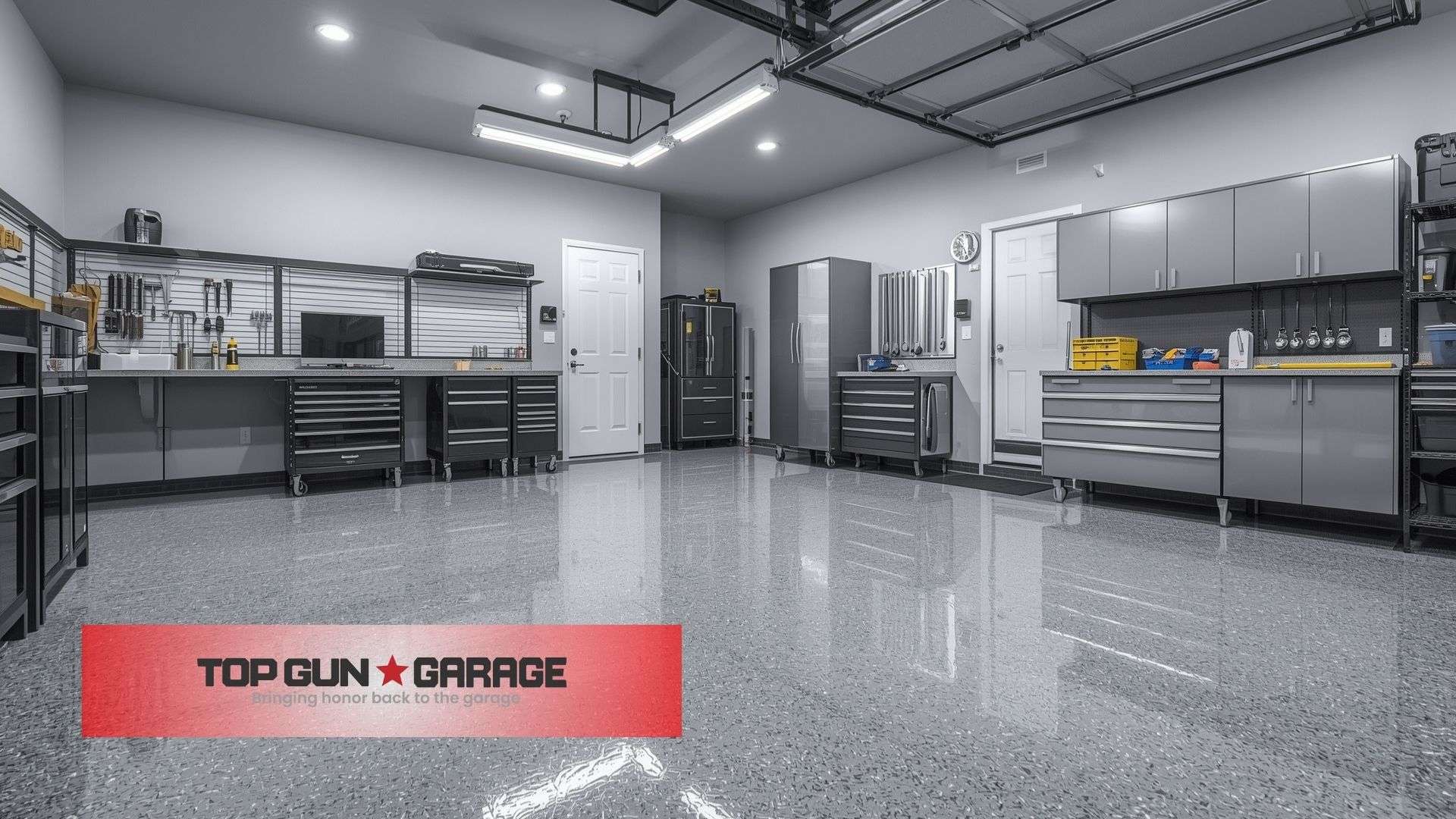
Professional-grade polyurea systems incorporate UV stabilizers, antimicrobial additives, and specialized topcoats that resist yellowing and thermal degradation—components absent from standard epoxy formulations. These performance-enhancing additives significantly increase per-gallon costs while delivering the durability and appearance retention that justify polyurea’s premium positioning. The material science behind polyurea represents genuine technological advancement rather than marketing hype, explaining why even wholesale prices remain substantially higher than epoxy alternatives.
Material Costs: Polyurea vs Epoxy
Polyurea coating materials range from $80-$150 per gallon compared to $40-$70 for quality epoxy systems, with professional-grade formulations at the higher end of each spectrum. A typical 400-square-foot two-car garage requires 6-8 gallons of coating material when properly applied, translating to $480-$1,200 for polyurea versus $240-$560 for epoxy—material costs alone creating $240-$640 differences. These figures exclude primers, moisture barriers, decorative flakes, and topcoats that add another $200-$500 to total material expenses.
The gap widens further when comparing premium polyurea systems incorporating advanced features like enhanced chemical resistance, specialized color pigments, or metallic finish effects. High-end polyurea formulations command $150-$200 per gallon, while premium epoxy tops out around $80-$100 per gallon, maintaining the 40-50% price differential across all quality tiers. Contractors cannot negotiate significant discounts on polyurea materials since manufacturers maintain strict pricing to protect their technology investments and ensure proper installation by trained applicators.
Installation Equipment and Tools
Polyurea application requires specialized spray equipment costing $15,000-$30,000 compared to basic mixing tools and rollers under $500 for epoxy installations. Professional polyurea sprayers feature heated hoses, plural-component pumps, and precise ratio controls that ensure proper chemical mixing and uniform application—technology unnecessary for epoxy that mixes manually and applies with standard paint equipment. Contractors must amortize this substantial equipment investment across multiple projects, adding $300-$600 to each installation’s cost structure.
The complexity of polyurea spray systems demands regular maintenance, replacement parts, and occasional repairs that epoxy application tools never require. Heated hose assemblies alone cost $2,000-$4,000 to replace, while spray gun tips and mixing chambers need frequent servicing to maintain proper operation. These ongoing equipment expenses translate to higher per-project costs that contractors must recover through pricing, contributing to polyurea’s premium over simpler epoxy application methods that virtually any contractor can perform with minimal investment.
Labor Expertise and Training
Installing polyurea correctly requires specialized training and certification that professional contractors invest 40-80 hours obtaining, compared to basic epoxy application techniques learned in a single day. Polyurea’s rapid cure time—often setting within minutes—leaves zero margin for error, demanding experienced installers who precisely control spray patterns, film thickness, and material flow rates. Installation sequences that can’t be rushed become critical when working with polyurea, whereas epoxy’s slower cure times forgive minor mistakes and allow corrections.
Manufacturer certification programs cost $2,000-$5,000 per installer and require ongoing education to maintain active status, expenses that contractors incorporate into labor rates. Certified polyurea installers command $75-$125 per hour versus $45-$75 for general epoxy contractors, reflecting their specialized skills and the higher liability associated with premium installations. The expertise differential becomes apparent in final results—professionally installed polyurea systems consistently outperform even the best epoxy installations because proper application technique matters more with advanced coating technologies.
Surface Preparation Requirements
Both polyurea and epoxy demand thorough surface preparation for optimal adhesion, but polyurea’s superior bonding capabilities allow professional installations over slightly less-than-perfect substrates that would cause epoxy failure. Concrete must be diamond ground to proper profile, cracks repaired, and contaminants removed regardless of coating type, creating $500-$1,200 in preparation costs that apply equally to both systems. However, polyurea’s flexibility and vapor-blocking properties provide more forgiving installation windows, particularly in humid Florida conditions where epoxy struggles.
Polyurea installations in high-moisture environments require specialized moisture barriers and primer systems adding $200-$400 to project costs—expenses sometimes necessary for epoxy but mandatory for polyurea’s full performance potential. Professional contractors invest more time in moisture testing protocols before polyurea applications, ensuring substrate conditions support long-term adhesion and warranty compliance. These additional preparation steps increase labor hours by 2-4 compared to basic epoxy installations, contributing to overall cost differences while ensuring superior outcomes.
Why Homeowners Choose Polyurea Despite Higher Costs
The decision to pay 40% more for polyurea becomes logical when homeowners analyze total ownership costs over realistic timelines rather than focusing solely on initial installation expenses. Polyurea’s 10-15 year lifespan versus 3-5 years for epoxy means one installation costs less than three epoxy replacements over the same period. A $4,500 polyurea floor lasting 15 years costs $300 annually, while $2,800 epoxy requiring replacement every 5 years totals $8,400—$560 per year—making polyurea 46% cheaper long-term.
Beyond pure economics, polyurea eliminates the frustration and disruption of premature coating failures that plague epoxy installations in demanding environments. Homeowners who’ve experienced hot tire pickup marks, UV yellowing, or moisture-related delamination with previous epoxy floors willingly pay premiums to avoid repeating those disappointments. The peace of mind that comes from comprehensive warranties, proven durability, and professional installation quality justifies higher upfront costs for homeowners seeking permanent solutions rather than temporary fixes.
Durability and Lifespan Advantages
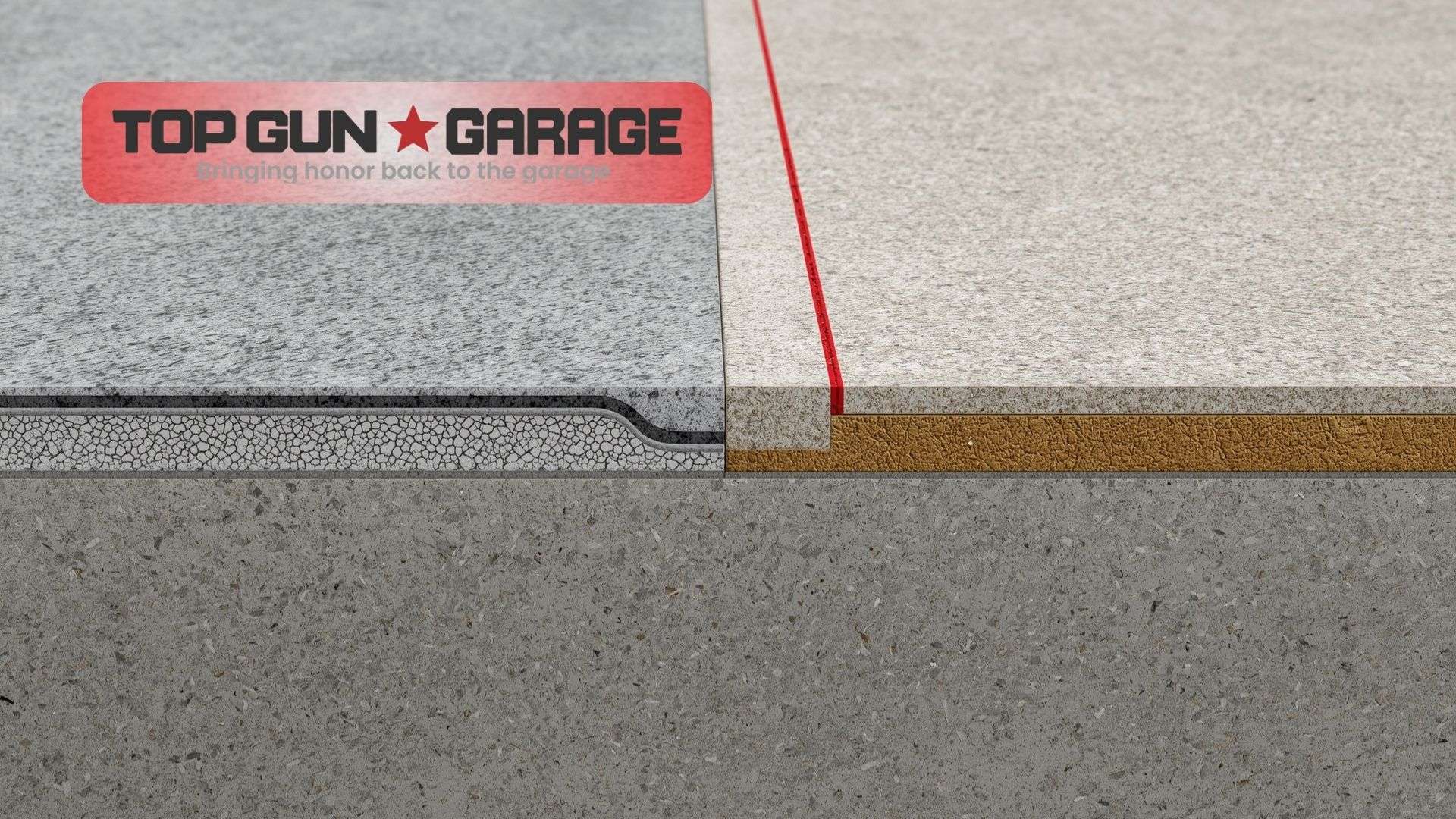
Polyurea’s elastomeric properties allow it to flex with concrete substrate movements without cracking, while rigid epoxy develops microfractures that compromise protective capabilities and accelerate deterioration. Daily thermal cycling, vehicle traffic, and dropped tools gradually degrade epoxy surfaces, but polyurea absorbs these stresses without permanent damage. The result is coating systems that maintain their protective and aesthetic properties three times longer than epoxy under identical conditions, translating directly to superior lifetime value.
Professional polyurea installations in residential garages routinely deliver 10-15 years of service before requiring replacement, with some premium systems exceeding 20 years in well-maintained environments. Comparable epoxy installations show significant wear within 3-5 years, requiring complete recoating to restore appearance and protection. Each recoating cycle involves concrete preparation, old coating removal, and reinstallation expenses that quickly surpass polyurea’s initial premium while subjecting homeowners to repeated garage disruption and inconvenience.
Hot Tire Pickup Resistance
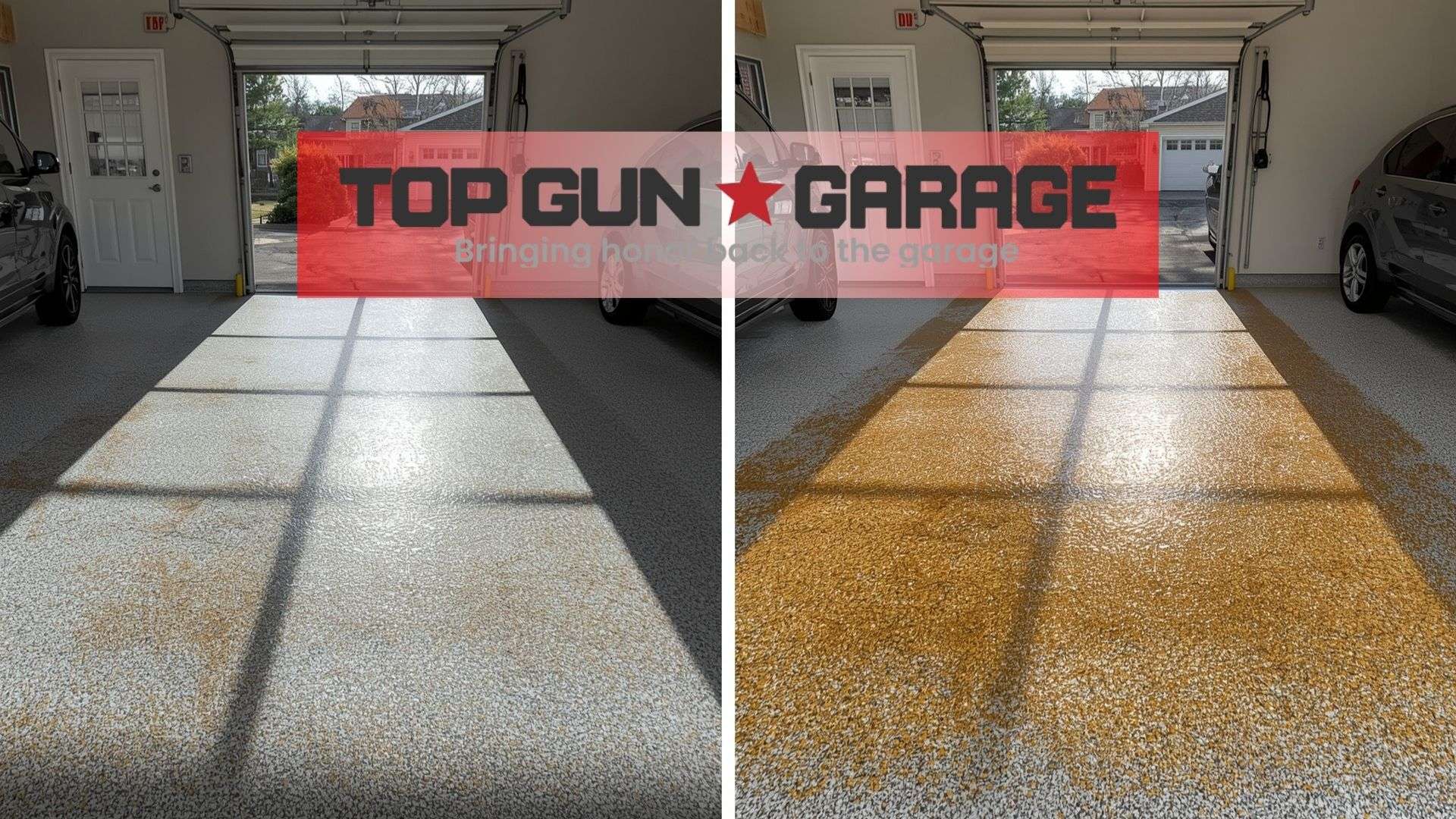
One of epoxy’s most frustrating failures occurs when vehicle tires heated by pavement transfer thermal energy that softens the coating surface, allowing rubber compounds to bond and create permanent dark marks. This hot tire pickup phenomenon affects over 60% of epoxy installations within the first three years, particularly in warm climates where pavement temperatures exceed 140°F. Homeowners discover that even premium epoxy formulations cannot completely prevent this issue, as the chemistry simply lacks sufficient thermal stability.
Polyurea maintains dimensional stability at temperatures exceeding 200°F, preventing the surface softening that causes hot tire pickup regardless of parking duration or tire temperature. This thermal resistance alone justifies polyurea’s cost premium for homeowners tired of unsightly tire marks or those who park vehicles immediately after driving. The elimination of this single failure mode—which no amount of epoxy quality can prevent—provides tangible daily value that makes polyurea’s 40% price increase seem modest considering the frustration it prevents.
UV Stability and Color Retention
Standard epoxy formulations undergo photodegradation when exposed to ultraviolet radiation, causing yellowing, chalking, and color fading within 18-36 months of installation. This deterioration occurs most visibly in garages with south-facing orientations or those left open during daytime hours, where direct sunlight accelerates molecular breakdown. While UV-resistant epoxy additives slow this process, they cannot match polyurea’s inherent UV stability that maintains original appearance for 10-15 years without significant color shift.
Homeowners selecting decorative concrete finishes or custom color schemes particularly value polyurea’s color retention, as their aesthetic investment remains intact throughout the coating’s lifespan. Epoxy floors that looked stunning at installation gradually fade to dull, yellowed versions requiring recoating to restore visual appeal—additional expenses that erode the initial cost savings. Polyurea’s superior UV resistance means garage floors maintain showroom appearance for over a decade, providing ongoing satisfaction that justifies paying more upfront for lasting beauty.
Moisture Vapor Resistance
Florida and other humid climates present severe challenges for garage floor coatings due to high moisture vapor transmission rates that cause premature adhesion failure and delamination. Standard epoxy systems struggle with vapor pressure building beneath coatings, leading to bubbling, peeling, and complete bond failure within 18-36 months despite proper installation. Professional contractors in coastal regions specifically recommend polyurea for its superior moisture management capabilities that prevent these common failure modes.
Polyurea’s 100% waterproof barrier blocks vapor transmission more effectively than epoxy while maintaining flexibility that prevents crack formation when concrete responds to moisture fluctuations. Advanced polyurea systems incorporate specialized primers and moisture barriers that create redundant protection against humidity-related damage, ensuring coating adhesion remains intact throughout service life. For homeowners in high-humidity environments, polyurea’s moisture resistance provides essential protection that basic epoxy cannot deliver regardless of price, making the premium a necessary investment rather than optional upgrade.
Comprehensive Warranty Coverage
Premium polyurea installations include 10-15 year warranties covering materials, labor, adhesion failure, and common performance issues, demonstrating manufacturer confidence in long-term durability. These comprehensive guarantees protect homeowners from unexpected coating failures and provide financial recourse if problems develop within warranty periods. Coverage typically includes defects like premature wear, hot tire pickup, UV yellowing, and moisture-related delamination without environmental exclusions that void protection.
Basic epoxy warranties rarely exceed 2-5 years and often exclude the specific failure modes most common in residential garages—hot tire marks, UV damage, and moisture issues. Even when epoxy warranties exist, they frequently cover only material defects while excluding labor costs that constitute 50-70% of replacement expenses. The warranty differential between polyurea and epoxy reflects genuine performance gaps rather than marketing tactics, with longer coverage periods possible only because polyurea reliably delivers extended service life that epoxy cannot match.
Lower Maintenance Requirements
Polyurea’s non-porous surface resists staining, chemical damage, and contamination more effectively than epoxy, requiring only basic cleaning protocols with pH-neutral cleaners and occasional sweeping. Homeowners report spending 50-70% less time and money on floor maintenance compared to epoxy installations that need specialized cleaners for tire mark removal, periodic resealing, and more frequent deep cleaning. The superior stain resistance and easier maintenance deliver ongoing value throughout ownership that compensates for higher initial investment.
Epoxy floors gradually become more porous as surface layers deteriorate from UV exposure and thermal cycling, increasing susceptibility to staining and requiring more aggressive cleaning methods. The maintenance burden increases over time as epoxy ages, while polyurea maintains consistent cleaning requirements throughout its 15-year service life. Reduced maintenance time and lower cleaning product costs add another dimension to lifetime value calculations that favor polyurea despite the 40% upfront premium.
Same-Day Installation Benefits
Polyurea’s rapid cure time allows professional installers to complete entire garage floor projects in 6-8 hours with same-day access restoration, minimizing disruption to homeowners’ daily routines. Light foot traffic becomes possible within hours, and full vehicle use resumes within 24 hours—convenience that busy families particularly value. This accelerated timeline eliminates the need to relocate vehicles for extended periods or arrange alternative parking during multi-day installations.
Epoxy installations typically require 3-5 days with mandatory cure times between layers, forcing homeowners to park vehicles elsewhere and relocate stored items for nearly a week. In humid climates, weather conditions frequently delay epoxy projects or cause curing problems that extend timelines further, creating scheduling uncertainty and prolonged inconvenience. The installation efficiency of polyurea—completing in one day what epoxy requires five days to accomplish—provides tangible value that partially justifies higher costs by reducing disruption and accelerating return to normal garage use.
Commercial and High-Traffic Applications
Property managers and commercial facility operators consistently choose polyurea for high-traffic environments despite cost premiums because downtime minimization and long-term durability outweigh initial savings from cheaper epoxy alternatives. Retail spaces, warehouses, and commercial garages cannot afford extended closures for coating installations or premature failures requiring emergency repairs. Polyurea’s same-day installation and 10-15 year lifespan reduce both immediate disruption and long-term maintenance costs that impact business operations.
The superior abrasion resistance and impact tolerance of polyurea make it the only viable choice for facilities with forklift traffic, heavy equipment, or constant vehicle movement that would destroy epoxy within 1-2 years. Commercial applications amplify the cost-benefit analysis favoring polyurea—environments where epoxy might last 5 years in residential settings fail within 18-24 months under commercial use, requiring twice as many replacement cycles. The dramatic durability advantage justifies paying 40% more upfront when the alternative involves replacing floors every 2-3 years at similar or higher total cost.
Environmental and Health Considerations
Modern polyurea formulations increasingly incorporate eco-friendly components and low-VOC chemistry that reduce environmental impact and improve indoor air quality compared to traditional epoxy systems. While both coating types have improved significantly regarding volatile organic compound emissions, polyurea’s rapid cure time minimizes off-gassing duration and allows faster return to normal garage use with reduced odor exposure. Health-conscious homeowners value these environmental benefits as additional justification for premium pricing.
The longer lifespan of polyurea also delivers environmental advantages by reducing the frequency of replacement cycles that generate waste, consume resources, and require disposal of old coatings. One polyurea installation over 15 years creates one-third the environmental impact of three epoxy replacements during the same period, aligning with sustainability goals that increasingly influence consumer purchasing decisions. For homeowners prioritizing environmental responsibility alongside performance and value, polyurea’s reduced ecological footprint provides another reason to accept higher initial costs.
Real-World Cost Comparison Over 15 Years
A standard 400-square-foot two-car garage illustrates the lifetime cost advantage of polyurea despite 40% higher upfront pricing. Professional polyurea installation costs $4,500 and lasts 15 years, totaling $300 annually. Comparable epoxy installation costs $2,800 but requires replacement every 5 years, totaling $8,400 over 15 years—$560 annually. Polyurea saves $3,900 over 15 years while eliminating the hassle of two additional replacement projects.
This calculation excludes inflation adjustments that increase future replacement costs, making the actual savings even more substantial. Each epoxy replacement requires surface preparation including diamond grinding, crack repair, and old coating removal adding $400-$800 per cycle—expenses unnecessary with single polyurea installations. Including these preparation costs and assuming 3% annual inflation, the 15-year polyurea advantage grows to approximately $5,000-$6,000 in total savings while providing superior performance throughout.
When Epoxy Makes Financial Sense
Despite polyurea’s compelling advantages, certain scenarios justify choosing epoxy based on specific circumstances and priorities. Homeowners planning to sell properties within 2-3 years may prefer epoxy’s lower upfront cost since they won’t own the property long enough to realize polyurea’s lifetime value advantages. Similarly, rental properties where tenants bear garage appearance consequences might prioritize minimal landlord investment over optimal long-term performance.
Budget constraints sometimes necessitate epoxy selection when polyurea’s 40% premium exceeds available funds, even when homeowners understand the superior value proposition. Garages in mild climates with minimal UV exposure, low vehicle traffic, and consistent moderate temperatures present less demanding conditions where quality epoxy installations can deliver acceptable 7-10 year service life—narrowing the performance gap sufficiently to justify cost savings. Garage makeover projects on tight budgets may start with epoxy while planning future polyurea upgrades when finances allow.
Making the Right Choice for Your Situation
Evaluating whether polyurea’s 40% cost premium makes sense for your specific situation requires honest assessment of priorities, budget, and long-term plans. Homeowners planning to remain in properties for 10+ years, those who’ve experienced epoxy failures previously, and anyone in demanding climates should strongly consider polyurea despite higher initial costs. The combination of superior durability, comprehensive warranties, lower maintenance, and better lifetime value makes the premium worthwhile for most residential applications.
Before making final decisions, obtain detailed written estimates from qualified contractors specializing in both coating types, ensuring quotes include identical square footage, preparation methods, and warranty terms for accurate comparison. Ask contractors about their experience with each system, typical service life in your climate, and what percentage of their customers choose polyurea versus epoxy after understanding the differences. Professional contractors provide objective guidance based on your specific needs rather than pushing higher-priced options, helping you make informed decisions aligned with your priorities and budget.
Frequently Asked Questions
Why does polyurea cost more than epoxy? Polyurea materials cost 2-3 times more than epoxy due to complex manufacturing, advanced chemistry, and specialized formulations. Professional installation requires $15,000-$30,000 spray equipment versus basic tools for epoxy. Installer training, certification, and expertise add labor costs that contribute to 30-50% higher project pricing.
Is polyurea worth the extra cost? Yes for most homeowners—polyurea’s 10-15 year lifespan versus 3-5 years for epoxy means one installation versus three replacements. Over 15 years, polyurea costs approximately $300 annually versus $560 for epoxy including replacements, saving $3,900-$5,000 while delivering superior performance and eliminating reinstallation hassles.
How much does polyurea flooring cost? Professional polyurea garage floor installations range from $6-$12 per square foot depending on decorative options, surface preparation requirements, and coating system quality. Standard two-car garages (400 square feet) typically cost $2,800-$5,000 including materials, labor, preparation, and warranty coverage.
What makes polyurea better than epoxy? Polyurea offers superior flexibility preventing cracks, 200°F+ thermal stability eliminating hot tire pickup, inherent UV resistance maintaining color for 10-15 years, better moisture vapor blocking, rapid same-day installation, and comprehensive 10-15 year warranties versus 2-5 years for epoxy.
How long does polyurea last compared to epoxy? Professional polyurea installations typically last 10-15 years in residential garages versus 3-5 years for epoxy under identical conditions. Superior flexibility, thermal stability, UV resistance, and moisture management allow polyurea to withstand environmental stresses that cause premature epoxy degradation and failure.
Can you install polyurea over existing epoxy? Generally no—proper polyurea installation requires removing existing coatings and diamond grinding concrete to create proper surface profile for optimal adhesion. Attempting to coat over epoxy risks bond failure and premature delamination, negating polyurea’s durability advantages and warranty coverage.
Does polyurea prevent hot tire pickup? Yes, polyurea maintains dimensional stability at temperatures exceeding 200°F, preventing the surface softening that causes hot tire pickup with epoxy. This thermal resistance eliminates rubber bonding and dark tire marks regardless of parking duration or pavement temperature—a problem affecting 60%+ of epoxy floors.
What warranty comes with polyurea floors? Premium polyurea systems include 10-15 year comprehensive warranties covering materials, labor, adhesion failure, premature wear, hot tire pickup, UV yellowing, and moisture-related delamination. Coverage typically includes repair or replacement labor, not just materials like shorter 2-5 year epoxy warranties.
How do maintenance costs compare? Polyurea requires only routine sweeping and occasional mopping with pH-neutral cleaners, while epoxy needs specialized products for tire mark removal, periodic resealing, and more frequent deep cleaning. Homeowners report 50-70% lower maintenance time and costs with polyurea versus epoxy.
When should I choose epoxy instead of polyurea? Epoxy makes sense for properties being sold within 2-3 years, rental properties prioritizing minimal investment, extremely tight budgets, or garages in mild climates with low traffic where quality epoxy can deliver acceptable 7-10 year service. Most long-term homeowners benefit more from polyurea despite higher upfront costs.
Conclusion
The 40% cost premium for polyurea over epoxy reflects genuine material, equipment, and expertise differences that deliver superior long-term value despite higher initial investment. While polyurea’s upfront costs range from $2,800-$5,000 compared to $1,800-$3,000 for epoxy in standard two-car garages, the 10-15 year lifespan versus 3-5 years for epoxy makes polyurea approximately 46% cheaper over realistic ownership periods. Superior thermal stability eliminating hot tire pickup, UV resistance maintaining appearance for over a decade, moisture management preventing humidity damage, comprehensive warranties, and lower maintenance requirements justify the premium for homeowners seeking permanent solutions rather than temporary fixes. Most educated buyers choose polyurea because lifetime value, performance advantages, and eliminated frustration from premature failures far outweigh the 40% price difference that seems significant only when ignoring the complete cost picture.
Top Gun Garage specializes in professional polyurea installations throughout Naples, Fort Myers, and Bonita Springs with comprehensive warranties and transparent pricing. Contact us today for a detailed consultation and discover why Southwest Florida homeowners consistently choose polyurea despite the premium—because superior quality and lasting value always justify the investment.