 Skip to content



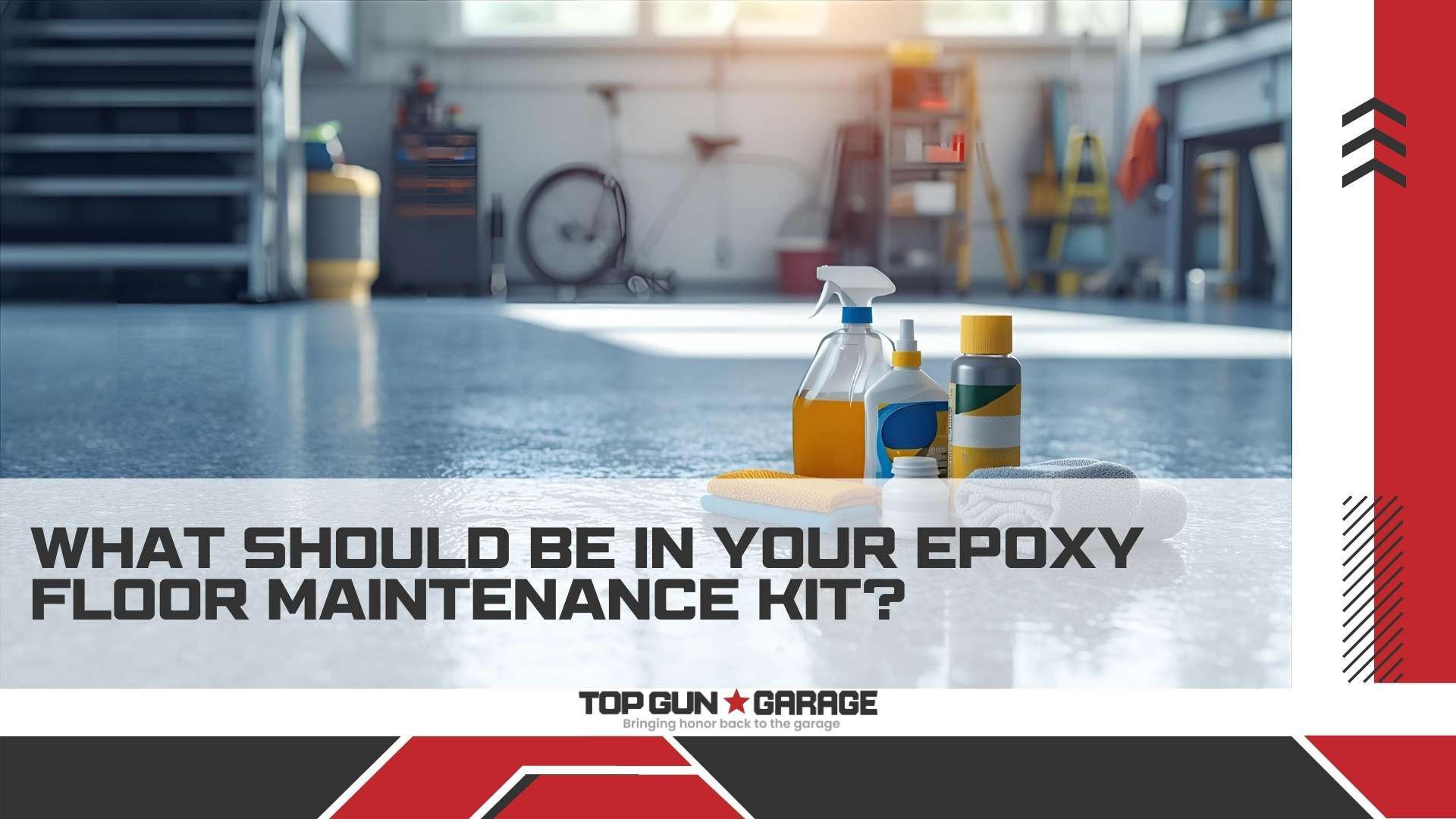
After investing in a high-quality epoxy floor for your Naples garage, protecting that investment requires the right tools and products at your fingertips. Many homeowners assume that epoxy flooring is completely maintenance-free, but while it is incredibly low-maintenance compared to bare concrete, proper care ensures the coating retains its showroom shine and structural integrity for decades. The key to effortless upkeep is assembling a simple maintenance kit with the right supplies.
Having the proper cleaning tools and solutions on hand means you can address spills immediately and perform routine cleaning without second-guessing which products are safe for your floor. Using the wrong chemicals or abrasive tools can dull the finish, strip protective layers, or even cause permanent damage to the coating. By stocking a dedicated maintenance kit, you eliminate guesswork and protect your flooring from common household mistakes that can be costly to repair.
At Top Gun Garage, we believe that education is just as important as installation quality. We want every client to understand exactly how to care for their new floor so it continues to look and perform like new. The supplies needed are surprisingly affordable and readily available at most hardware stores, making proper maintenance accessible to every homeowner regardless of their budget or DIY experience.
This guide will walk you through each essential item that should be in your epoxy floor maintenance kit, explaining why each is important and how to use it effectively. From daily sweeping tools to specialized stain removers, you will learn exactly what to keep in your garage to ensure your floor stays beautiful and functional. Let’s build the perfect maintenance arsenal together.
Key Takeaways
-
pH-Neutral Cleaners Only: Acidic or ammonia-based products can break down the epoxy coating and dull the finish over time.
-
Soft Tools Required: Microfiber mops and soft-bristle brooms prevent scratching the glossy surface during routine cleaning.
-
Act Fast on Spills: Having absorbent materials ready allows you to contain automotive fluids before they cause staining.
-
Seasonal Deep Cleans: A few specialized products can restore shine and remove stubborn grime that accumulates over months.
-
Preventative Measures: Simple additions like walk-off mats and furniture pads drastically reduce wear and maintenance needs.
Daily Cleaning Essentials: Brooms and Dust Mops
The first line of defense for any epoxy floor is regular removal of loose dirt and debris that accumulates naturally from daily use. A soft-bristle push broom or a microfiber dust mop should be your go-to tool for daily or weekly sweeping, depending on garage traffic and usage patterns. These tools gently capture particles without scratching the glossy epoxy surface, preventing the buildup of grit that can act like sandpaper underfoot when ground in by vehicle tires or heavy foot traffic.
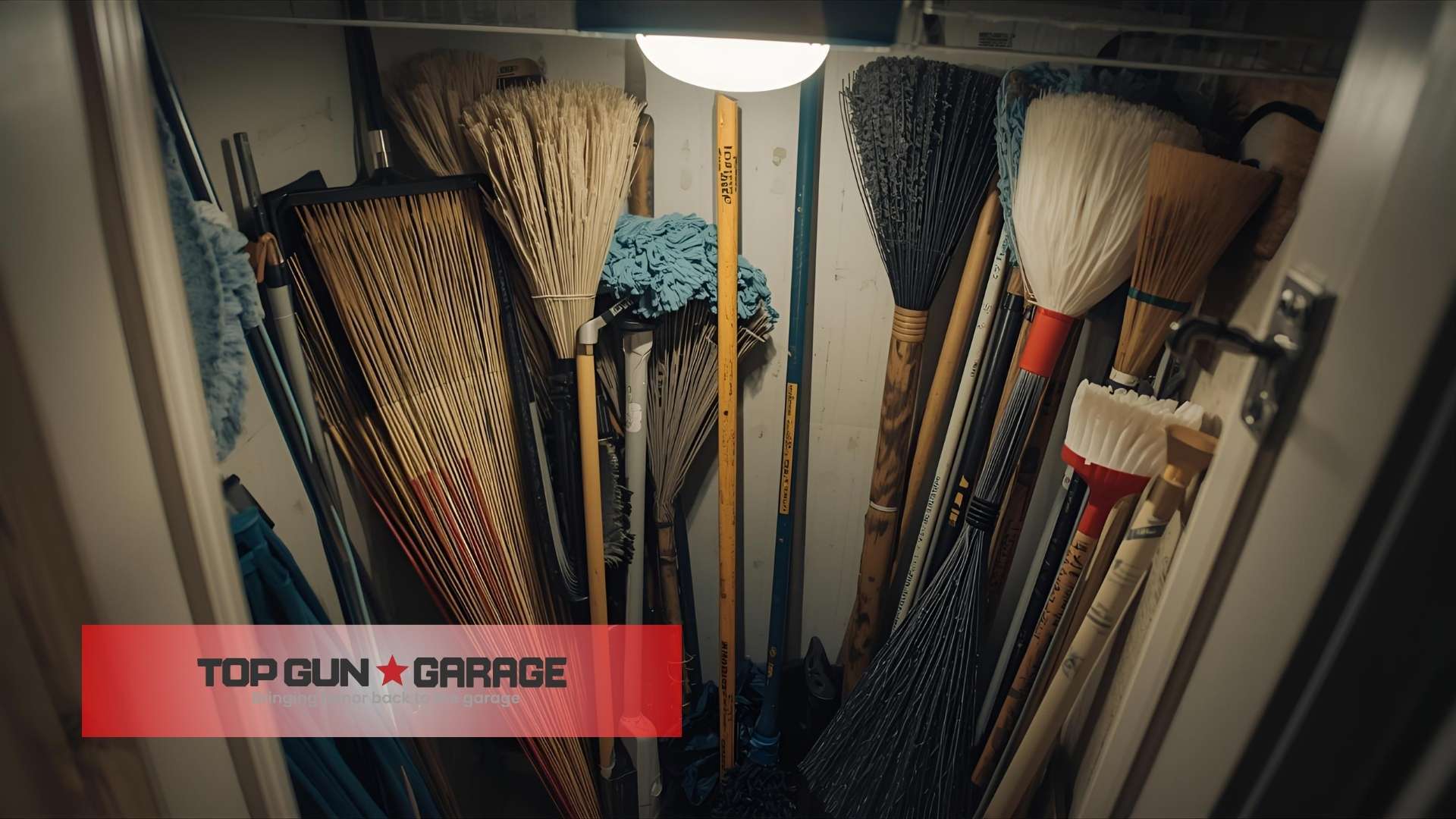
For homeowners in Naples, where sand from the beach and pollen from tropical vegetation are constant environmental concerns, frequent sweeping is particularly important for maintaining floor appearance. These fine particles, if left to accumulate over days or weeks, can be ground into the coating by vehicle tires or foot traffic, creating a dull haze over time that diminishes the reflective properties of the floor. A quick five-minute sweep several times a week keeps the floor looking pristine and prevents this abrasive damage from occurring.
Avoid using stiff-bristled outdoor brooms or shop brooms with metal tips, as these can leave fine scratches on the epoxy surface that accumulate over time. Similarly, vacuums with rotating beater bars designed for carpet can scuff the floor and create permanent marks in the glossy finish. If you prefer to vacuum for convenience, choose a model with a hard-floor setting that uses suction only, or invest in a shop vacuum with a soft brush attachment specifically designed for smooth surfaces.
Establishing this simple daily routine demonstrates reducing dust exposure transforms not just the floor’s appearance but the overall air quality in your garage and adjacent living spaces. By keeping debris at bay, you minimize the need for more intensive cleaning sessions and extend the life of the coating. It is the easiest, most cost-effective way to protect your investment and maintain that showroom appearance day after day.
Weekly Mopping Supplies: pH-Neutral Cleaners and Microfiber
While sweeping handles surface debris effectively, regular mopping is necessary to remove the grime, oils, and residues that accumulate from vehicles and foot traffic over time. The cornerstone of your mopping kit should be a high-quality microfiber mop head, which is gentle on epoxy while being highly effective at lifting dirt, oils, and other contaminants. Microfiber’s unique structure traps particles and oils rather than pushing them around the floor, ensuring a streak-free clean that leaves the surface sparkling.
Pair your mop with a pH-neutral floor cleaner specifically formulated for sealed or coated surfaces to avoid chemical damage. Products marketed as “all-purpose” or “multi-surface” cleaners often contain ammonia, citrus acids, or vinegar, all of which can degrade epoxy over time by breaking down the chemical bonds in the coating. Instead, look for cleaners labeled as pH-neutral, mild, or specifically designed for garage floors or epoxy surfaces. Many automotive stores and flooring suppliers in the Naples area carry these specialized products.
When mopping, use warm (not hot) water and follow the dilution instructions on the cleaner bottle precisely to avoid residue buildup. Over-concentrated solutions do not clean better and can leave a sticky residue that attracts more dirt and creates a dull film on the surface. Work in small sections, rinsing your mop frequently in clean water to avoid redistributing grime across the floor. After mopping, allow the floor to air dry completely or use a dry microfiber cloth to buff away excess moisture and enhance shine.
For stubborn spots or tire marks that resist regular mopping, spot cleaning is more effective than repeatedly mopping the entire floor with stronger solutions. We cover effective techniques for managing tough residues in our guide on chemical spills. Keeping a separate spray bottle of diluted cleaner in your kit allows for quick touch-ups between full cleaning sessions without hauling out the full bucket and mop setup every time.
Spill Response Kit: Towels, Absorbents, and Spot Cleaners
Even the most careful homeowner will eventually face an automotive fluid leak or dropped paint can in the garage during routine maintenance or projects. Having the right response materials in your maintenance kit allows you to act immediately, preventing stains from setting into the epoxy or causing surface discoloration. While epoxy is highly resistant to chemicals, prolonged exposure to certain substances like battery acid or penetrating oils can cause discoloration or surface etching if not addressed promptly.
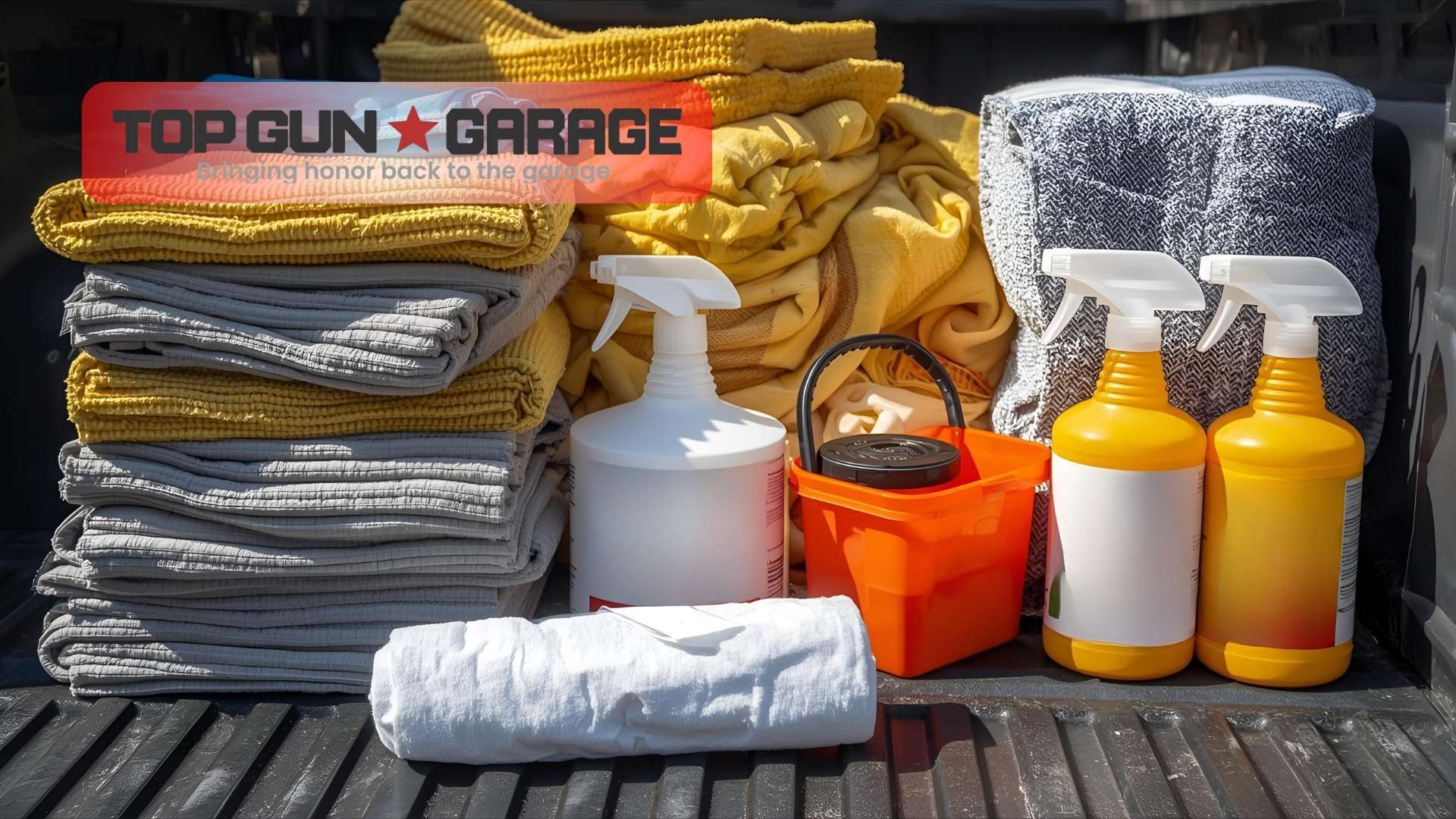
Keep a supply of clean, absorbent shop towels or paper towels specifically designated for spill response in an easily accessible location. When oil, coolant, transmission fluid, or other liquids are spilled, blot them up immediately rather than wiping, which can spread the spill to a larger area and make cleanup more difficult. For larger spills, absorbent materials like cat litter, sand, or commercial absorbent pads can be poured over the liquid to soak it up before sweeping away the saturated material and disposing of it properly.
For sticky or greasy residues that remain after initial cleanup, rubbing alcohol or an ammonia-free glass cleaner can be effective spot treatments for breaking down oils. Apply a small amount to a soft cloth and gently rub the affected area in straight lines (not circles) to lift the stain without spreading it. Always test any new cleaning product on an inconspicuous area first to ensure it does not react negatively with your specific coating formulation or cause unexpected discoloration.
Some persistent stains, such as rust from metal lawn equipment or battery acid from automotive work, may require a mild degreaser or a paste made from baking soda and water for safe removal. Apply the treatment, let it sit for a few minutes to penetrate the stain, then gently scrub with a soft brush and rinse thoroughly with clean water. For best results on maintaining your floor through all seasons and conditions, refer to seasonal maintenance routines.
Protective Accessories: Mats, Pads, and Preventative Tools
The best cleaning is the kind you never have to do, which is why protective accessories are an essential part of your maintenance strategy and overall floor care system. Placing durable walk-off mats at entryways traps dirt, sand, and moisture before it reaches your epoxy floor, significantly reducing the amount of debris that needs to be cleaned regularly. Choose mats with rubber or vinyl backing that won’t trap moisture underneath, which could cause mildew or mold growth in Florida’s humid climate and potentially compromise the coating edges.
For workbenches, tool carts, and storage shelves, invest in furniture pads or rubber feet to prevent scratching when equipment is moved across the floor during reorganization or projects. Even lightweight items can leave scuff marks if dragged across the glossy surface, and heavier equipment can cause gouges or chips if not properly protected. Felt pads designed for hardwood floors work excellently on epoxy and are an inexpensive insurance policy against accidental damage that could require professional repair.
If you use your garage as a workshop or hobby space, consider laying down interlocking rubber mats in high-activity zones where you stand for extended periods. These mats protect the epoxy from heavy tools, provide cushioning for standing comfort during long projects, and can be easily removed for cleaning underneath when dust and debris accumulate. They also prevent damage from dropped items that might chip a bare epoxy surface, especially around workbenches where hand tools and hardware are frequently handled.
Finally, if you park vehicles in the garage during Naples’ rainy season, placing drip pans under the engine compartment can catch leaks and prevent them from ever reaching the floor surface. This proactive measure, combined with understanding home value increases, ensures your garage remains a premium selling feature if you ever decide to move. These simple preventative steps dramatically reduce the frequency and intensity of cleaning required while preserving the coating’s appearance.
Seasonal Deep Cleaning Products: Degreasers and Restorers
While weekly maintenance keeps your floor looking good, seasonal deep cleaning helps restore the original luster and remove buildup that accumulates over months of use. A mild, epoxy-safe degreaser should be part of your extended maintenance kit for these periodic intensive cleanings. These products are stronger than daily cleaners but still formulated to be safe for coated surfaces, allowing you to tackle stubborn grime, road salt residue, and oil films that regular mopping cannot fully remove.

When performing a seasonal deep clean, start by thoroughly sweeping or vacuuming the entire floor to remove all loose debris that could scratch during scrubbing. Mix your degreaser according to package directions and apply it to small sections at a time, allowing it to dwell on the surface for the recommended period to break down accumulated oils and residues. Use a soft-bristle scrub brush or a non-abrasive scrubbing pad to work the solution into textured areas or around floor drains where grime tends to collect.
After scrubbing, thoroughly rinse the floor with clean water to remove all degreaser residue, which can leave a film if not properly rinsed. A wet-dry shop vacuum is incredibly useful for this step, allowing you to extract the dirty water quickly and completely. Follow up with a final rinse using your regular pH-neutral cleaner to neutralize any remaining chemicals and restore the floor’s balanced surface chemistry.
Some homeowners also invest in a floor polish or gloss restorer designed for epoxy coatings to apply after deep cleaning. These products can revitalize the shine on older floors or in high-traffic areas where the topcoat has worn slightly thin over years of use. While not essential for new installations, they become increasingly valuable as your floor ages, helping maintain that professional appearance without the need for recoating. Understanding the importance of coating thickness helps you appreciate how these products work to extend floor life.
Specialized Tools: Soft Brushes, Squeegees, and Scrub Pads
Beyond the basics, a few specialized tools can make certain maintenance tasks significantly easier and more effective without risking damage to your coating. A collection of soft-bristle brushes in various sizes allows you to address different cleaning challenges, from tight corners and floor drain grates to larger areas that need gentle scrubbing. Look for brushes specifically labeled as “non-abrasive” or “safe for coated surfaces” to ensure they won’t scratch the epoxy finish.
A floor squeegee is an invaluable tool for removing standing water after deep cleaning or following vehicle washing inside the garage. Rather than waiting for water to air dry, which can leave water spots or streaks, a squeegee allows you to quickly push water toward the garage door or floor drain for rapid removal. This is particularly useful in Naples’ humid climate, where slow drying can contribute to moisture-related issues or water spots on the glossy surface.
Non-abrasive scrub pads, similar to those used for non-stick cookware, are excellent for addressing stubborn spots without resorting to harsh chemicals or metal brushes. These pads provide enough friction to lift dried-on residues while being soft enough not to scratch or dull the coating. Keep several on hand so you can dedicate different pads to different types of messes, preventing cross-contamination between chemical spills and food-based stains.
Finally, consider adding a spray bottle for creating your own diluted cleaning solution that is always ready for quick touch-ups between full cleaning sessions. Mix your pH-neutral cleaner to the proper ratio and keep it in a clearly labeled bottle within easy reach of your garage workspace. This convenience factor dramatically increases the likelihood that you will address small messes immediately rather than letting them accumulate, which is the secret to maintaining that pristine appearance year-round.
Frequently Asked Questions (FAQ)
1. Can I use vinegar to clean my epoxy floor? No. Vinegar is acidic and can slowly break down the epoxy coating, causing dullness and reducing its lifespan. Always use pH-neutral cleaners instead.
2. How often should I mop my garage floor? For most homeowners, mopping once a week or biweekly is sufficient. High-traffic garages or workshops may benefit from twice-weekly mopping to maintain appearance.
3. What is the best way to remove tire marks? A soft cloth with rubbing alcohol or a non-ammonia glass cleaner usually lifts tire marks effectively. For stubborn marks, a mild degreaser can be used sparingly.
4. Do I need to wax or seal my epoxy floor? Most professionally installed epoxy floors with a polyaspartic topcoat do not require waxing. However, some homeowners apply a commercial floor polish every few years for extra shine.
5. Can I use a pressure washer on epoxy flooring? While epoxy can handle water, high-pressure sprayers can damage edges or force water under the coating if there are any compromised areas. A garden hose is safer.
6. What should I avoid putting on my epoxy floor? Avoid ammonia-based cleaners, citrus degreasers, vinegar, bleach, and abrasive scrubbing pads. These can dull or damage the coating.
7. How do I remove paint spills from epoxy? For wet paint, blot immediately with a damp cloth. For dried paint, gently scrape with a plastic putty knife and finish with a mild cleaner and soft cloth.
8. Is it safe to use salt or ice melt on garage floors in winter? While epoxy resists salt, excessive buildup should be swept or rinsed away regularly to prevent surface residue. Avoid rock salt; use calcium chloride or sand instead.
9. Can I clean my epoxy floor with a steam mop? Steam mops are generally safe for epoxy, but excessive heat over extended periods can potentially soften the coating. Use low-temperature settings if available.
10. Where can I buy pH-neutral cleaners locally? Most hardware stores, home improvement centers, and automotive supply shops in Naples carry pH-neutral or “garage floor” specific cleaners in the cleaning aisle.
Conclusion
Assembling a proper maintenance kit for your epoxy floor is a small, one-time investment that protects a much larger one—your beautiful, durable garage surface. By stocking pH-neutral cleaners, soft cleaning tools, and spill response materials, you eliminate the guesswork from routine care and prevent accidental damage that could compromise the coating’s integrity. These simple supplies empower you to keep your floor looking showroom-fresh with minimal time and effort, ensuring your investment continues to deliver value for decades.
Regular maintenance is not just about aesthetics; it is about preserving the protective qualities of the coating itself and the concrete slab beneath. A well-maintained epoxy floor continues to shield your concrete from moisture, chemicals, and wear, avoiding costly repairs down the road that could require grinding and recoating. The few minutes spent on weekly cleaning are a small price to pay for decades of performance and beauty that enhance your entire property.
Understanding the do’s and don’ts of epoxy care ensures you avoid common mistakes that shorten the life of your floor and diminish its appearance. From choosing the right mop to responding quickly to spills with appropriate materials, each element of your maintenance routine contributes to the longevity of the coating. It is a system designed to be easy, effective, and sustainable for busy Naples homeowners who want their garage to remain a source of pride.
Ready to upgrade your garage with a floor that is as easy to maintain as it is stunning to look at? Contact Top Gun Garage today for a free consultation and discover how our professional epoxy installations, combined with expert care guidance and ongoing support, deliver unmatched value for your Naples home. Let’s create a space you will be proud to maintain and show off for years to come.