



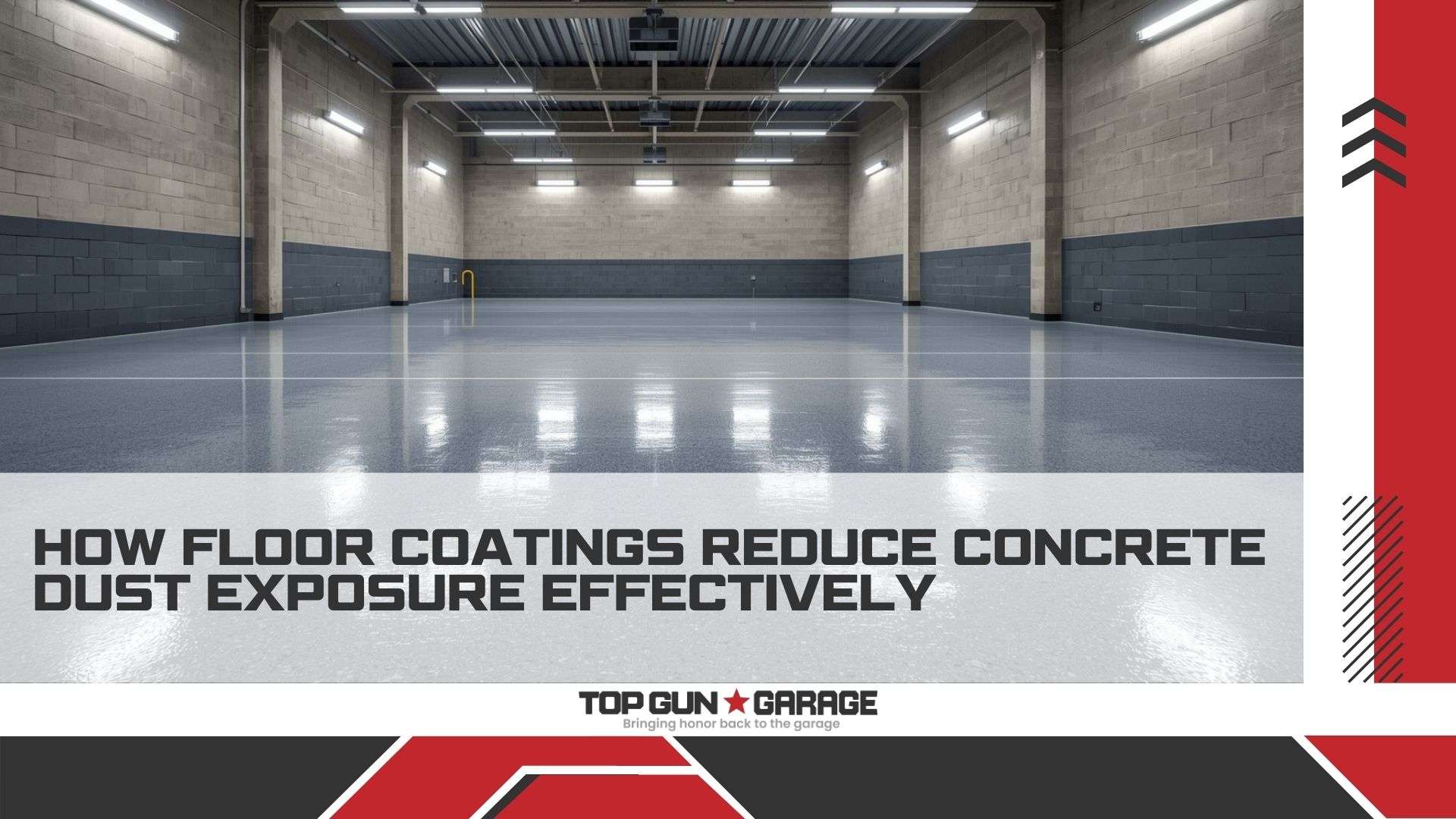
Concrete dust exposure in garages, workshops, and industrial facilities poses serious health risks that many property owners underestimate. When concrete surfaces remain unprotected, they continuously release microscopic particles into the air through normal wear, foot traffic, and equipment movement. These particles, often invisible to the naked eye, can penetrate deep into respiratory systems, causing both immediate irritation and long-term health complications including silicosis, chronic obstructive pulmonary disease, and other respiratory conditions.
Understanding how floor coatings reduce concrete dust exposure is crucial for anyone responsible for maintaining safe indoor environments. Floor coatings create a protective barrier that seals concrete surfaces, preventing the release of harmful dust particles while simultaneously improving the durability and appearance of the flooring. This protective measure is particularly important in spaces where people spend extended periods, such as automotive workshops, manufacturing facilities, and residential garages.
The science behind concrete dust control through floor coatings involves creating an impermeable seal over porous concrete surfaces. Concrete naturally contains silica, a mineral that becomes hazardous when it becomes airborne in crystalline form. Without proper protection, concrete surfaces deteriorate over time, releasing these particles into the breathing zone where they can cause significant health problems.
Professional floor coating applications not only address immediate dust concerns but also provide long-term solutions that reduce maintenance requirements and improve overall air quality. The investment in quality floor coatings pays dividends through reduced cleaning costs, improved worker safety, and compliance with occupational health standards. Modern coating technologies offer various options, from basic sealers to advanced epoxy and polyurethane systems, each designed to address specific dust control needs while enhancing the functional and aesthetic value of the space.
Key Takeaways
Immediate Dust Suppression: Floor coatings create an instant barrier that prevents concrete particles from becoming airborne, reducing respiratory health risks by up to 95% when properly applied and maintained.
Long-term Health Protection: Sealed concrete surfaces eliminate the continuous release of silica dust, protecting occupants from developing serious respiratory conditions including silicosis and lung scarring.
Enhanced Air Quality: Coated floors significantly improve indoor air quality by eliminating one of the primary sources of particulate matter in concrete-floored spaces.
Reduced Maintenance Burden: Sealed surfaces are easier to clean and maintain, requiring less frequent deep cleaning that can disturb settled dust particles and create temporary air quality issues.
Compliance Benefits: Proper floor coatings help facilities meet OSHA standards for respirable crystalline silica exposure, avoiding potential fines and liability issues.
Cost-Effective Solution: The initial investment in floor coatings is significantly lower than ongoing dust control measures, air filtration systems, and potential health-related costs.
Versatile Applications: Modern coating systems work effectively in various environments, from residential garages to heavy industrial facilities, with options suitable for different traffic levels and usage patterns.
Immediate Results: Unlike other dust control methods that require ongoing maintenance, floor coatings provide immediate and lasting results once properly cured and established.
Understanding Concrete Dust and Health Implications
Concrete dust represents one of the most pervasive yet underestimated health hazards in industrial and residential environments. The composition of concrete includes Portland cement, aggregates, and most importantly, crystalline silica, which becomes dangerous when it becomes airborne in respirable particle sizes. These particles, typically measuring less than 10 micrometers in diameter, can penetrate deep into lung tissue where they cause inflammation and scarring.
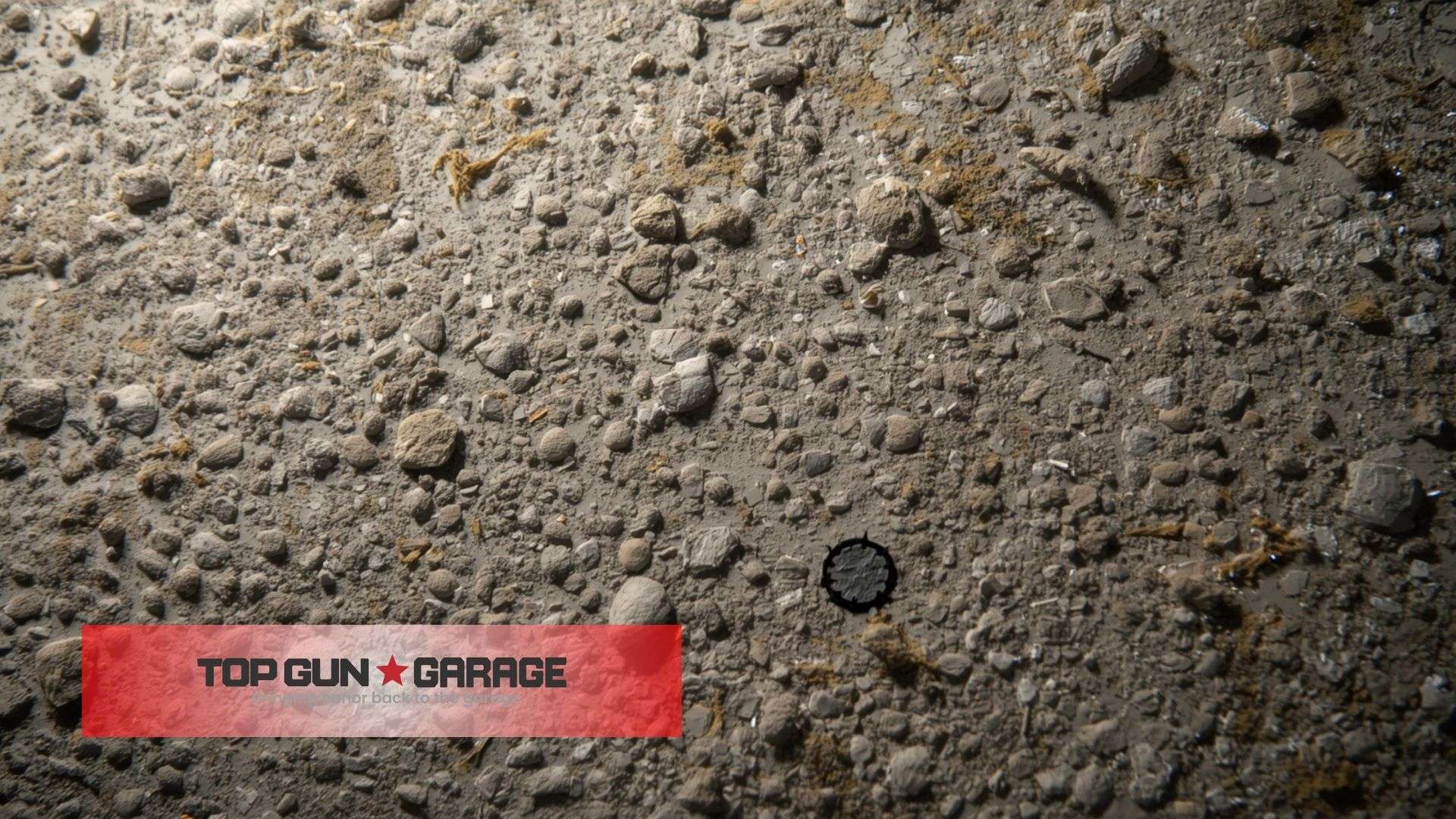
The health implications of prolonged concrete dust exposure are severe and often irreversible. Silicosis, the most well-documented condition, develops when silica particles accumulate in lung tissue, causing progressive scarring that impairs breathing function. Workers and residents exposed to concrete dust also face increased risks of lung cancer, chronic obstructive pulmonary disease, and kidney disease. The Occupational Safety and Health Administration has established strict permissible exposure limits for respirable crystalline silica, recognizing the serious nature of this health threat.
Uncoated concrete surfaces continuously generate dust through normal wear patterns, thermal expansion and contraction, and mechanical abrasion from foot traffic and equipment movement. This process accelerates in high-traffic areas where vehicles, machinery, or heavy equipment operate regularly. The porous nature of concrete means that dust generation occurs not only from surface wear but also from the gradual breakdown of the concrete matrix itself.
Environmental factors compound the dust problem in many facilities. Temperature fluctuations cause concrete to expand and contract, creating micro-cracks that release additional particles. Humidity changes affect the binding properties of concrete, potentially accelerating surface deterioration. Without proper protection, these natural processes ensure that concrete dust remains a persistent problem that worsens over time.
How Floor Coatings Create Effective Dust Barriers
Floor coatings function as comprehensive dust control systems by creating impermeable barriers that seal concrete surfaces at the molecular level. Modern coating technologies, including epoxy, polyurethane, and specialized sealers, penetrate into the concrete substrate while forming a continuous film on the surface. This dual-action approach addresses both existing dust particles and prevents future dust generation from the treated surface.
The application process begins with thorough surface preparation, which removes existing loose particles and creates the proper profile for coating adhesion. Professional contractors use diamond grinding, shot blasting, or chemical etching to prepare surfaces, ensuring optimal bonding between the coating and concrete substrate. This preparation phase is crucial for long-term dust control effectiveness, as poorly adhered coatings may fail prematurely, allowing dust generation to resume.
Epoxy coatings represent the most popular choice for dust control applications due to their excellent adhesion properties and chemical resistance. These systems cure through chemical reaction, creating cross-linked polymer networks that provide exceptional durability and dust suppression capabilities. Polyurethane coatings offer superior flexibility and UV resistance, making them ideal for areas subject to temperature variations or outdoor exposure.
The coating thickness plays a critical role in dust control effectiveness. Thin-film coatings, typically applied at 2-4 mils thickness, provide basic dust suppression suitable for light-duty applications. Medium-build systems, ranging from 5-15 mils, offer enhanced protection for moderate traffic areas. High-build coatings, exceeding 15 mils thickness, provide maximum dust control for heavy industrial applications where equipment operations generate significant mechanical stress.
Advanced coating formulations include specialized additives that enhance dust control properties. Penetrating sealers containing silicate or siliconate compounds react with concrete to form insoluble crystals within the substrate, providing deep protection against dust generation. These systems are particularly effective in areas where thin-film coatings might be impractical due to operational requirements or aesthetic considerations.
Types of Floor Coatings for Optimal Dust Control
Selecting the appropriate floor coating system for dust control requires understanding the specific properties and performance characteristics of different coating types. Epoxy systems dominate the market due to their proven effectiveness in sealing concrete surfaces and preventing dust generation. These coatings cure to form hard, durable surfaces that resist wear and maintain their dust control properties under demanding conditions.
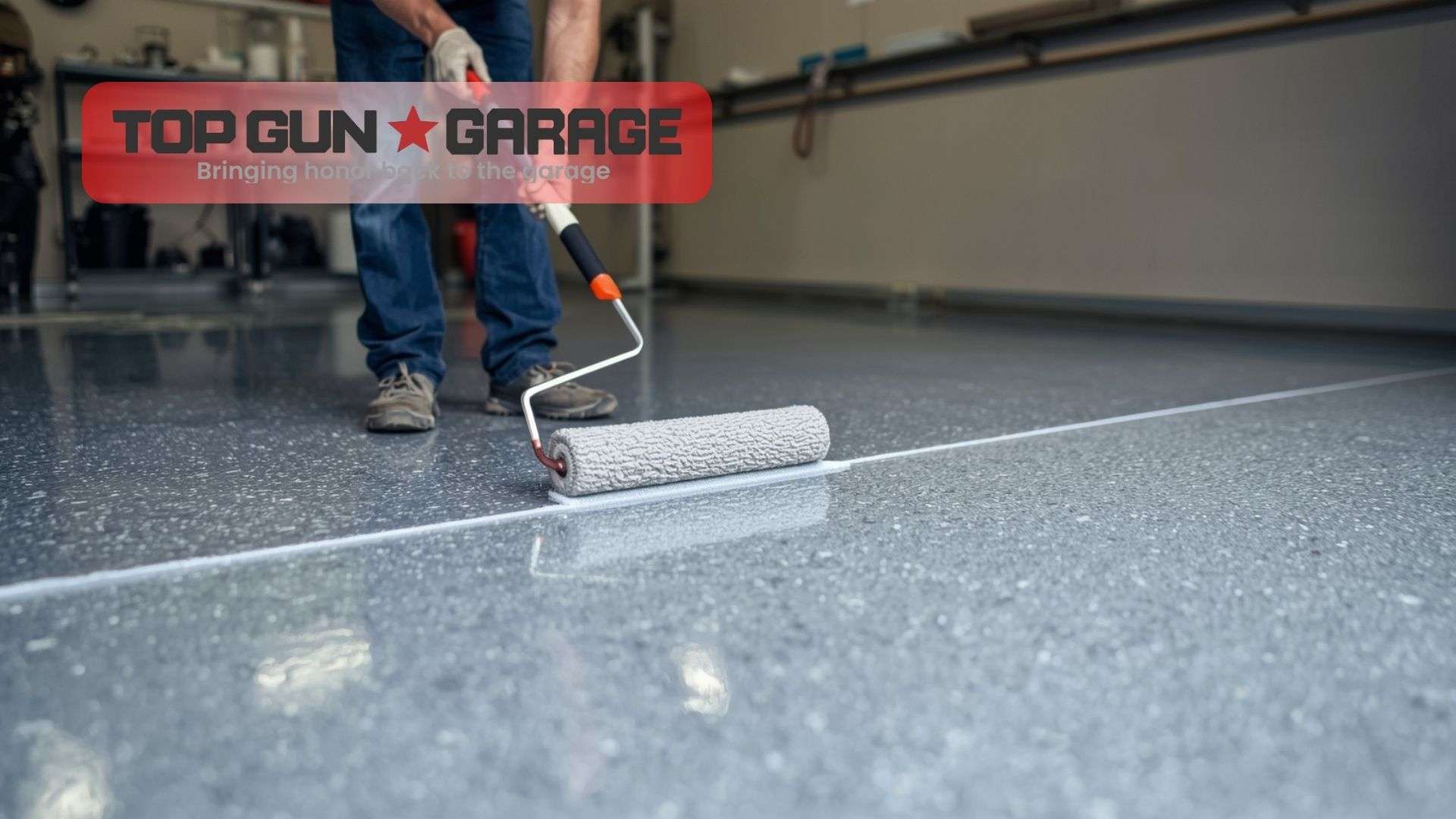
Water-based epoxy coatings offer excellent dust suppression with lower volatile organic compound emissions, making them suitable for occupied spaces and areas with ventilation restrictions. These systems provide good chemical resistance and durability while maintaining easier cleanup and application procedures. Solvent-based epoxy systems deliver superior penetration and adhesion, particularly on challenging substrates or in high-moisture environments.
Polyurethane coatings excel in applications requiring flexibility and thermal shock resistance. These systems maintain their integrity under temperature variations that might cause rigid epoxy coatings to crack, potentially compromising dust control effectiveness. Aliphatic polyurethane topcoats provide excellent UV resistance, preventing yellowing and degradation in areas with natural light exposure.
Polyaspartic coatings represent the latest advancement in fast-cure coating technology, offering exceptional dust control capabilities with rapid return-to-service times. These systems cure completely within hours rather than days, minimizing facility downtime while providing superior performance characteristics. The fast cure properties make polyaspartic coatings ideal for projects requiring immediate dust control implementation.
Penetrating sealers offer a different approach to dust control, working by densifying the concrete surface rather than forming a surface film. Lithium silicate sealers react with concrete to create insoluble crystals that strengthen the surface and reduce dusting. These systems maintain the natural appearance of concrete while providing effective dust suppression for areas where decorative coatings are not desired.
Hybrid systems combining penetrating sealers with topcoat applications provide maximum dust control effectiveness. The penetrating component strengthens the substrate and provides deep dust suppression, while the topcoat delivers surface protection and enhanced durability. This approach is particularly effective in high-traffic industrial environments where dust control is critical.
Application Process and Best Practices
Successful dust control through floor coatings depends heavily on proper application procedures and adherence to established best practices. The process begins with comprehensive surface evaluation to identify potential issues that could compromise coating performance. Moisture testing, surface profile measurement, and contamination assessment ensure that the substrate is suitable for coating application and will provide long-term dust control effectiveness.
Surface preparation represents the most critical phase of the application process, directly impacting the coating’s ability to bond properly and provide effective dust suppression. Mechanical preparation methods, including diamond grinding and shot blasting, remove surface contaminants while creating the proper profile for coating adhesion. Chemical preparation using acid etching or specialized cleaners addresses oil stains, efflorescence, and other chemical contaminants that could interfere with coating performance.
Environmental conditions during application significantly affect coating performance and dust control capabilities. Temperature and humidity must fall within manufacturer specifications to ensure proper curing and film formation. Inadequate environmental controls can result in coating defects such as blushing, poor adhesion, or incomplete cure, all of which compromise dust control effectiveness.
Professional application techniques ensure uniform coating thickness and complete surface coverage essential for effective dust suppression. Experienced contractors use calibrated equipment and systematic application patterns to achieve consistent results. Multiple coat systems require careful attention to recoat windows, ensuring proper inter-coat adhesion while avoiding contamination between coating layers.
Quality control measures throughout the application process verify that dust control objectives will be met. Film thickness measurements confirm adequate coverage, while adhesion testing validates the bond strength between coating and substrate. Visual inspection identifies potential defects that could compromise long-term dust control performance, allowing for corrective action before final cure.
Curing procedures must be strictly followed to achieve optimal dust control properties. Premature traffic or loading can damage uncured coatings, creating weak points where dust generation may resume. Temperature and humidity control during curing ensures complete chemical reaction and maximum coating performance. Professional contractors like Top Gun Garage understand these critical factors and implement comprehensive procedures to ensure optimal dust control results.
Long-term Maintenance and Performance Optimization
Maintaining the dust control effectiveness of floor coatings requires implementing systematic maintenance programs that preserve coating integrity and performance. Regular inspection schedules identify potential issues before they compromise dust suppression capabilities, allowing for proactive maintenance rather than reactive repairs. Visual assessments should focus on areas of high wear, chemical exposure, or mechanical damage where coating failure might first occur.
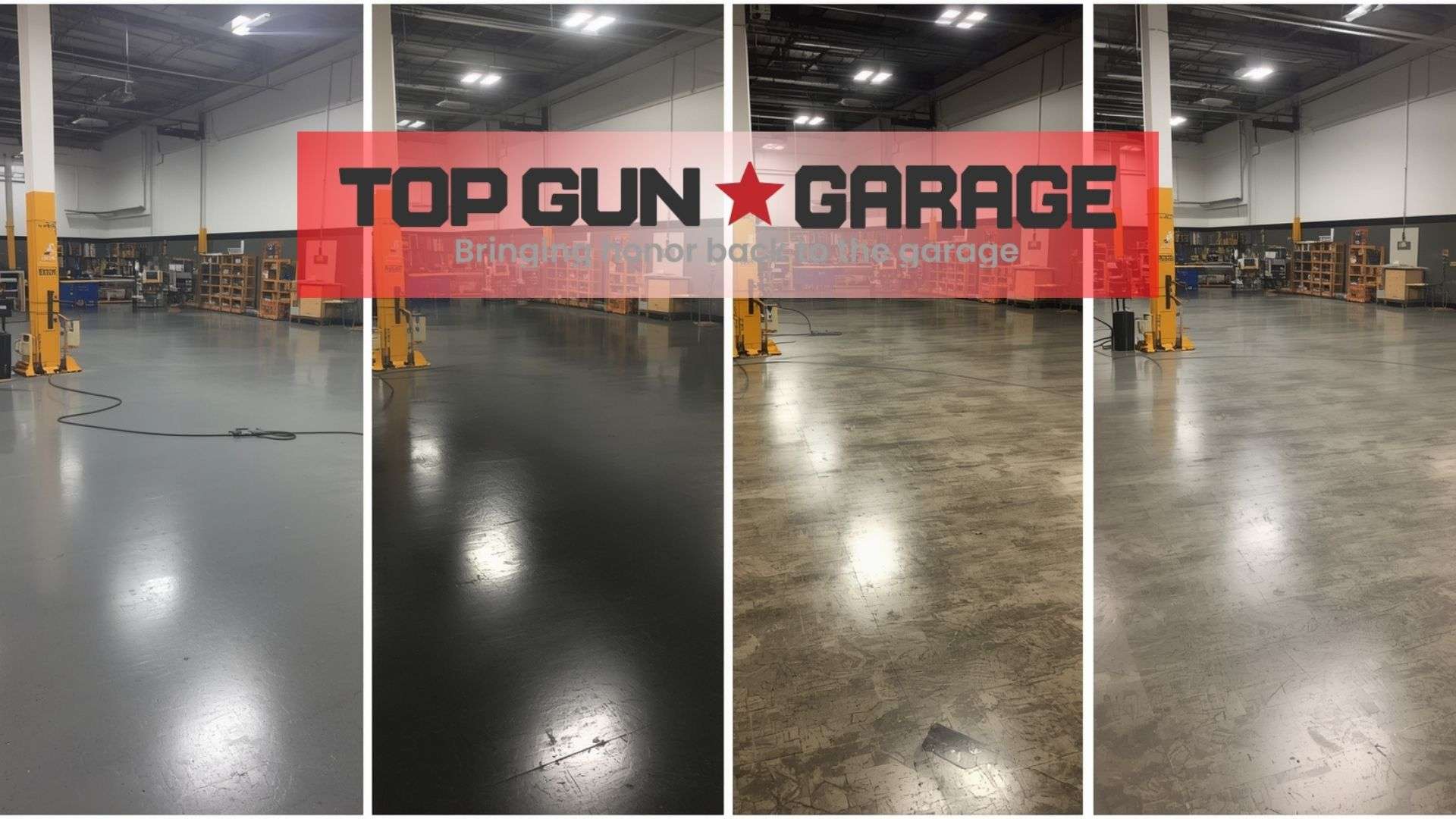
Cleaning procedures play a crucial role in maintaining coating performance and dust control effectiveness. Proper cleaning removes contaminants that could degrade coating properties while avoiding aggressive methods that might damage the protective film. pH-neutral cleaners and appropriate cleaning equipment preserve coating integrity while maintaining the hygienic benefits of sealed surfaces.
Traffic patterns and loading conditions affect coating longevity and dust control performance. Areas subject to heavy equipment traffic, chemical spills, or thermal cycling may require more frequent inspection and maintenance. Understanding these stress factors allows facility managers to implement protective measures and schedule maintenance activities to maintain optimal dust control.
Recoating schedules should be based on performance criteria rather than arbitrary time intervals. Coating thickness measurements, adhesion testing, and visual assessment provide objective data for recoating decisions. Proactive recoating maintains dust control effectiveness while avoiding the costs and health risks associated with coating failure and resumed dust generation.
Documentation of maintenance activities provides valuable data for optimizing long-term dust control strategies. Tracking coating performance, maintenance costs, and air quality measurements helps facility managers make informed decisions about coating selection and maintenance intervals. This data also supports compliance documentation for regulatory requirements related to dust exposure control.
Professional maintenance services ensure that dust control systems continue performing at optimal levels throughout their service life. Companies like Top Gun Garage provide comprehensive maintenance programs that include regular inspection, performance testing, and preventive maintenance to maximize the dust control benefits of floor coating investments.
Frequently Asked Questions
How quickly do floor coatings eliminate concrete dust exposure?
Floor coatings provide immediate dust suppression once fully cured, typically within 24-72 hours depending on the coating type and environmental conditions. The dust control effect is immediate and dramatic, with properly applied coatings reducing airborne particles by 90-95% compared to uncoated concrete surfaces.
What types of facilities benefit most from dust control coatings?
Automotive workshops, manufacturing facilities, warehouses, and residential garages see the greatest benefits from dust control coatings. Any space with concrete floors where people work regularly or where air quality is important can benefit significantly from professional floor coating applications.
How long do dust control floor coatings typically last?
High-quality floor coatings properly applied and maintained can provide effective dust control for 10-20 years or more. The longevity depends on traffic levels, chemical exposure, and maintenance practices, with industrial-grade systems offering the longest service life.
Can floor coatings be applied over existing concrete without major preparation?
Proper surface preparation is essential for effective dust control and coating longevity. While existing concrete can be coated, it must be cleaned, profiled, and prepared according to manufacturer specifications to ensure proper adhesion and performance.
Are there different coating options for different levels of dust control?
Yes, coating systems range from basic penetrating sealers for light dust control to high-build epoxy systems for maximum protection. The choice depends on the severity of dust issues, traffic levels, and performance requirements specific to each application.
What maintenance is required to maintain dust control effectiveness?
Regular cleaning with appropriate products and periodic inspection for damage or wear are the primary maintenance requirements. Most coated floors require minimal maintenance while providing superior dust control compared to uncoated concrete surfaces.
How do floor coatings compare to other dust control methods?
Floor coatings provide permanent dust control at the source, making them more cost-effective than air filtration systems or ongoing dust suppression treatments. They offer immediate results with minimal ongoing maintenance requirements compared to alternative dust control approaches.
Can existing damaged concrete be restored for effective dust control?
Yes, damaged concrete can often be repaired and restored before coating application. Professional contractors can assess concrete condition and recommend appropriate repair procedures to ensure optimal dust control performance from the coating system.
Conclusion
Understanding how floor coatings reduce concrete dust exposure empowers property owners and facility managers to make informed decisions about protecting occupant health and improving indoor air quality. The science is clear: properly applied floor coatings provide immediate and long-lasting dust control that significantly reduces respiratory health risks while improving the functionality and appearance of concrete surfaces.
The investment in professional floor coating systems pays dividends through reduced maintenance costs, improved worker safety, regulatory compliance, and enhanced property value. Modern coating technologies offer solutions for every application, from light-duty residential garages to heavy industrial facilities requiring maximum dust control performance.
Effective concrete dust control through floor coatings requires professional application and proper maintenance to achieve optimal results. The expertise and experience of qualified contractors like Top Gun Garage ensure that dust control objectives are met while maximizing the return on investment in floor coating systems.
The health benefits of eliminating concrete dust exposure cannot be overstated, particularly given the serious and often irreversible nature of silica-related respiratory diseases. Floor coatings represent a proactive approach to health protection that addresses the problem at its source rather than attempting to manage airborne particles after they become a hazard. For anyone responsible for maintaining safe indoor environments, professional floor coatings offer an essential solution for long-term dust control and occupant protection.