 Skip to content




When chemicals accidentally spill on your garage or industrial floor, the type of flooring you have installed can mean the difference between a quick cleanup and costly damage. Epoxy flooring has gained tremendous popularity among homeowners and business owners precisely because of its exceptional resistance to chemical spills and stains. Understanding what happens when various chemicals come into contact with epoxy surfaces is crucial for anyone considering this flooring option or dealing with chemical spills in their workspace.
Chemical spills are an inevitable reality in many environments, from residential garages where automotive fluids leak to industrial facilities handling various substances daily. The way your flooring responds to these spills directly impacts maintenance costs, safety concerns, and the longevity of your investment. Epoxy flooring systems have been specifically engineered to provide superior chemical resistance compared to traditional concrete floors, but the extent of this protection depends on several factors including the type of epoxy system, the specific chemicals involved, and the duration of contact.
The chemical resistance properties of epoxy flooring stem from its molecular structure and curing process. When properly applied, epoxy creates a dense, non-porous surface that forms an effective barrier against most common chemicals. This protective layer prevents substances from penetrating into the underlying concrete, which would otherwise cause permanent staining, structural damage, or create safety hazards. However, not all chemicals react the same way with epoxy surfaces, and understanding these interactions helps property owners make informed decisions about spill response and prevention strategies.
Professional installation plays a critical role in maximizing the chemical resistance of epoxy flooring systems. The preparation process, including proper surface cleaning, crack repair, and primer application, directly affects how well the epoxy bonds to the substrate and maintains its protective properties. When considering whether to tackle flooring installation yourself or hire professionals, it’s worth examining the advantages of professional installation versus DIY approaches to ensure optimal chemical resistance performance.
Key Takeaways
Immediate Protection: High-quality epoxy flooring creates an impermeable barrier that prevents most chemicals from penetrating the surface, allowing for easy cleanup when spills are addressed promptly.
Chemical-Specific Reactions: Different chemicals interact with epoxy surfaces in varying ways, with most automotive fluids, oils, and mild acids having minimal impact, while strong solvents and concentrated acids may cause more significant effects.
Time-Dependent Damage: The duration of chemical contact significantly affects the extent of any potential damage, with immediate cleanup preventing most negative effects regardless of the chemical type.
Surface Quality Matters: The quality of the epoxy installation, including proper surface preparation and application thickness, directly influences the floor’s ability to resist chemical damage.
Temperature Influence: Higher temperatures can accelerate chemical reactions with epoxy surfaces, making prompt cleanup even more critical in heated environments.
Preventive Measures: Understanding chemical resistance helps property owners implement appropriate spill containment and cleanup procedures to maximize floor longevity.
Professional Assessment: Severe chemical exposures may require professional evaluation to determine if recoating or repairs are necessary to maintain the floor’s protective properties.
Understanding Epoxy Chemical Resistance
Epoxy flooring systems derive their exceptional chemical resistance from the cross-linked polymer structure that forms during the curing process. This molecular network creates a dense, non-porous surface that effectively repels most liquids and prevents them from penetrating into the underlying concrete substrate. The degree of chemical resistance varies depending on the specific epoxy formulation, with some systems designed specifically for environments with heavy chemical exposure.
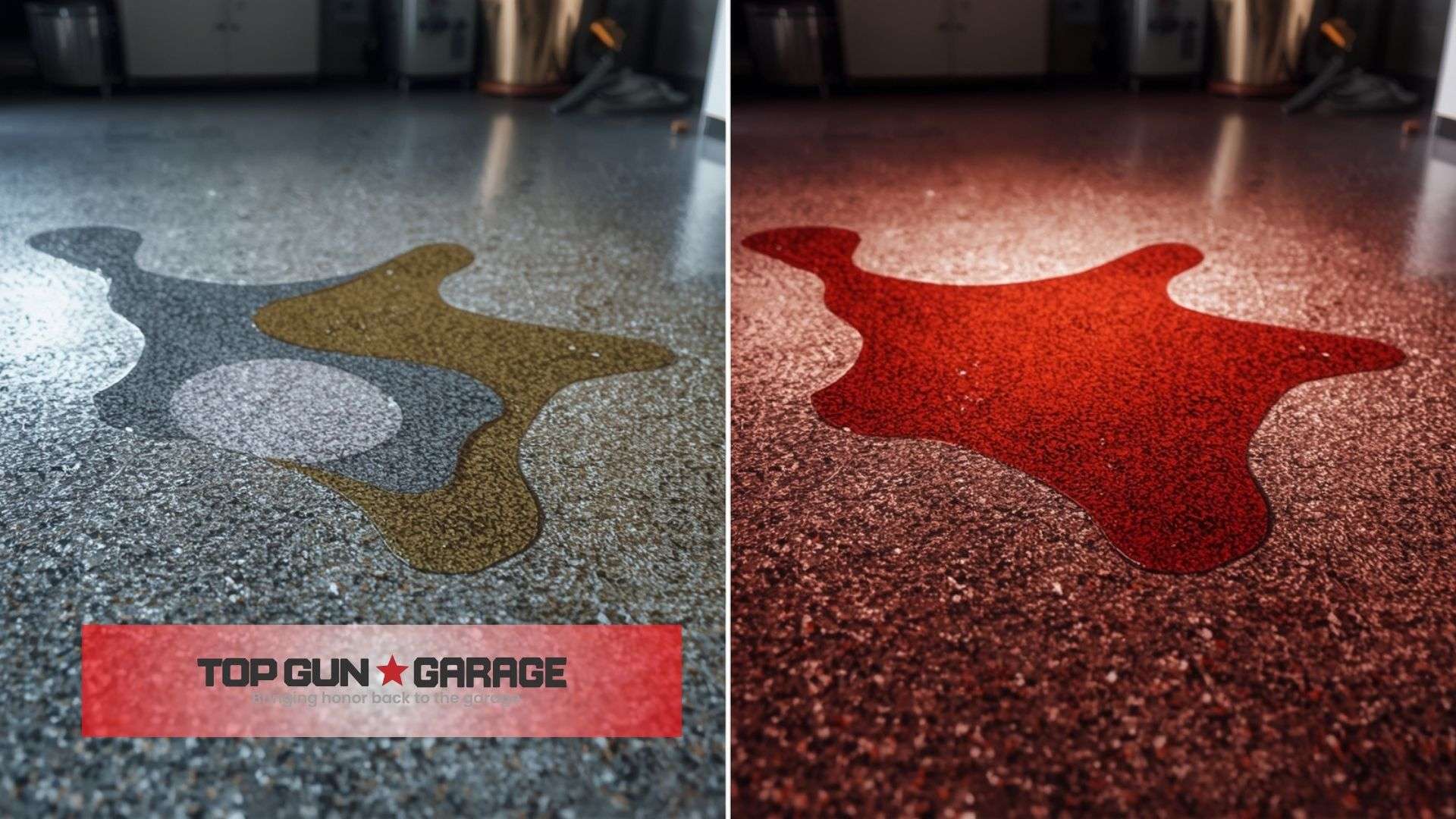
The chemical resistance of epoxy flooring is typically measured using standardized testing procedures that evaluate how different substances affect the surface over specified time periods. These tests consider factors such as discoloration, surface softening, weight loss, and adhesion changes. Most high-quality epoxy systems demonstrate excellent resistance to oils, greases, mild acids, alkalis, and common solvents, making them ideal for automotive, manufacturing, and laboratory applications.
When chemicals come into contact with properly installed epoxy flooring, they typically bead up on the surface rather than being absorbed. This behavior allows for easy cleanup with standard cleaning procedures and prevents permanent staining or damage to the concrete below. The non-porous nature of cured epoxy also prevents bacterial growth and makes sanitization more effective in environments where cleanliness is critical.
However, it’s important to understand that chemical resistance is not unlimited. Prolonged exposure to aggressive chemicals, particularly at elevated temperatures, can eventually affect even the most robust epoxy systems. The key to maintaining optimal performance lies in understanding which chemicals pose the greatest risks and implementing appropriate spill response procedures to minimize contact time and prevent damage.
Common Chemical Spills and Effects
Automotive fluids represent some of the most common chemical spills encountered on epoxy garage floors. Motor oil, transmission fluid, brake fluid, and antifreeze typically have minimal impact on properly cured epoxy surfaces when cleaned up promptly. These substances will bead up on the surface, allowing for easy removal with absorbent materials and standard cleaning solutions. Even if left for extended periods, most automotive fluids will not cause permanent staining or structural damage to high-quality epoxy flooring systems.
Gasoline and other petroleum-based solvents pose a moderate risk to epoxy surfaces, particularly if exposure is prolonged or occurs at elevated temperatures. While brief contact with gasoline typically causes no visible damage, extended exposure may cause slight softening of the epoxy surface or minor discoloration. The key to preventing damage from petroleum products is immediate cleanup and ensuring adequate ventilation to prevent vapor accumulation.
Household chemicals such as cleaning products, paint thinners, and mild acids generally have little effect on epoxy flooring when used as intended. However, concentrated acids, strong alkalis, and aggressive solvents like methylene chloride or acetone can cause more significant damage if left in contact with the surface for extended periods. These substances may cause discoloration, surface softening, or in extreme cases, delamination of the epoxy coating.
Battery acid represents a particular challenge due to its highly corrosive nature. While epoxy flooring provides better protection than bare concrete, sulfuric acid from car batteries can cause etching and discoloration if not cleaned up immediately. The extent of damage depends on the acid concentration, contact time, and temperature. Prompt neutralization with appropriate materials and thorough rinsing typically prevents permanent damage.
Salt solutions and de-icing chemicals, common in colder climates, generally have minimal impact on epoxy surfaces. The non-porous nature of epoxy prevents the freeze-thaw damage that can occur with concrete floors exposed to salt solutions. However, repeated exposure to concentrated salt solutions may eventually cause some surface dulling, particularly if the floor is not regularly cleaned to remove residue buildup.
Factors Affecting Damage Severity
The duration of chemical contact represents the most critical factor in determining whether spills will cause lasting damage to epoxy flooring. Most chemicals that would eventually affect epoxy surfaces can be cleaned up without incident if addressed within minutes of the spill occurring. Even aggressive solvents and acids typically require hours of contact time to cause noticeable damage to properly installed epoxy systems. This time factor provides property owners with a significant advantage in preventing permanent damage through prompt response.
Temperature plays a crucial role in accelerating chemical reactions with epoxy surfaces. Higher temperatures increase the rate at which chemicals can penetrate or react with the epoxy coating, making spills more dangerous in heated environments. Summer garage temperatures or areas near heating equipment can significantly reduce the safe cleanup time for chemical spills. Conversely, cooler temperatures slow these reactions, providing more time for cleanup before damage occurs.
The concentration of the spilled chemical directly affects its potential to damage epoxy surfaces. Diluted solutions of acids, alkalis, or solvents typically cause little to no damage even with extended contact, while concentrated versions of the same chemicals can cause significant effects much more quickly. Understanding the concentration of chemicals in your environment helps determine appropriate spill response procedures and safety measures.
The quality and thickness of the epoxy installation significantly influence chemical resistance performance. Professionally applied systems with proper surface preparation, adequate thickness, and high-quality materials provide superior protection compared to thin or improperly installed coatings. Multiple coat systems with specialized chemical-resistant topcoats offer enhanced protection in environments with frequent chemical exposure.
Surface preparation quality affects how well the epoxy bonds to the concrete substrate and maintains its integrity under chemical attack. Poor surface preparation can lead to adhesion failures that allow chemicals to penetrate beneath the coating, causing more extensive damage than would occur with a properly bonded system. This highlights the importance of professional installation for critical applications.
The age and condition of the epoxy coating also influence chemical resistance. Newly installed systems typically provide maximum protection, while older coatings may have developed microscopic defects that allow chemical penetration. Regular inspection and maintenance help identify areas where recoating may be necessary to maintain optimal chemical resistance.
Immediate Response and Cleanup
The first priority when dealing with any chemical spill on epoxy flooring is ensuring personal safety through appropriate protective equipment and ventilation. Before attempting cleanup, assess the type and quantity of spilled material and ensure you have proper protective gear including gloves, eye protection, and respiratory protection if necessary. Adequate ventilation is particularly important for volatile chemicals that may produce harmful vapors.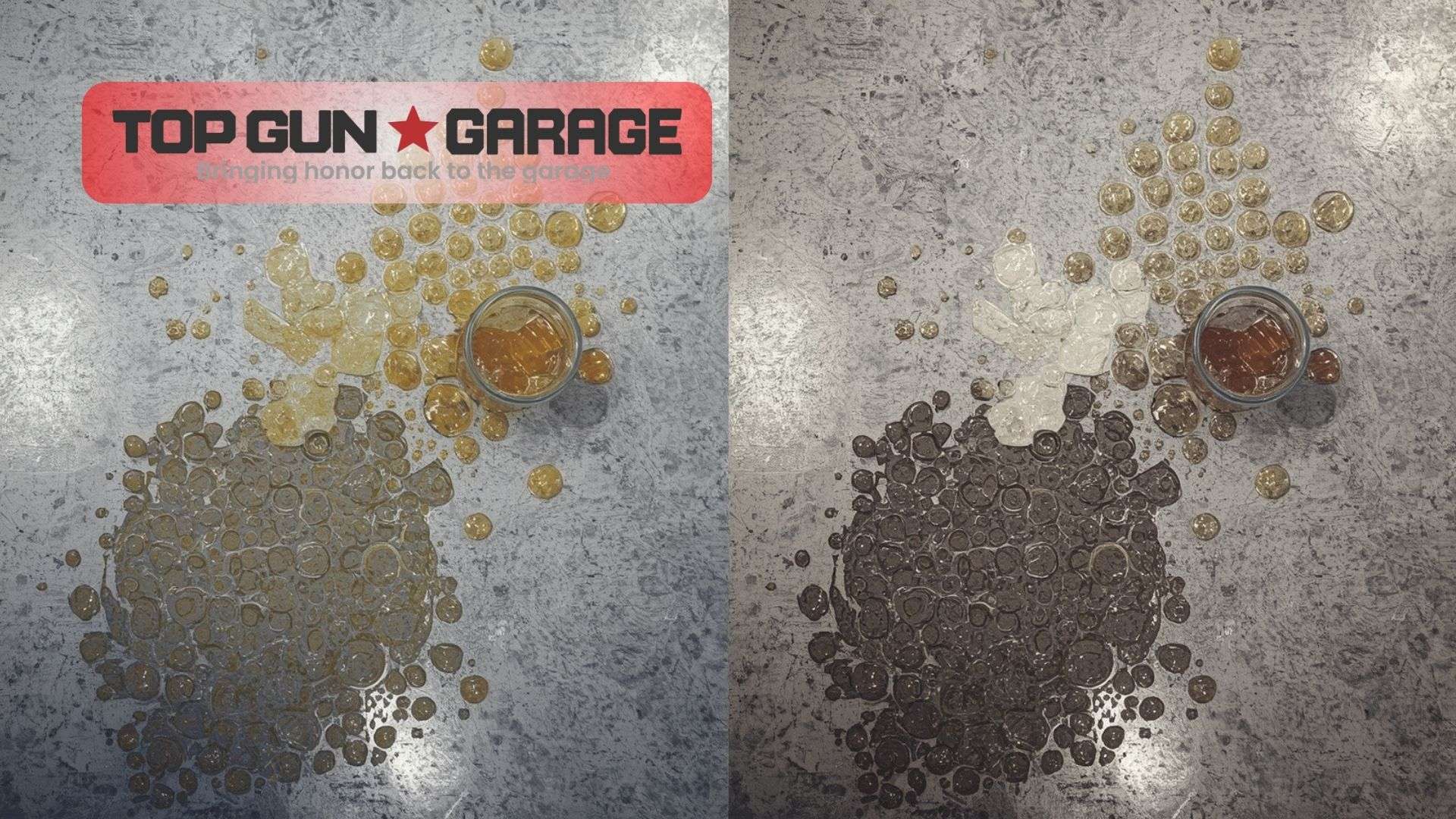
For most liquid spills, immediate containment prevents the chemical from spreading to a larger area and reduces the total surface contact area. Use absorbent materials such as kitty litter, sand, or commercial spill absorbents to contain and absorb the spilled material. Work from the outside of the spill toward the center to prevent spreading, and avoid using materials that might react with the spilled chemical.
Once the bulk of the spilled material has been absorbed and removed, clean the affected area with appropriate neutralizing or cleaning agents. For acidic spills, a mild alkaline solution can help neutralize residues, while alkaline spills may require mild acid treatment. Always test cleaning solutions on an inconspicuous area first to ensure they don’t adversely affect the epoxy surface.
Thorough rinsing with clean water removes cleaning residues and any remaining traces of the original spill. Use adequate water volume to ensure complete removal, and consider using a wet vacuum or squeegee to remove standing water quickly. Proper drying prevents water spots and allows for inspection of the cleaned area to assess any potential damage.
After cleanup, inspect the affected area for any signs of damage such as discoloration, surface softening, or texture changes. Document any observed effects with photographs and notes about the type of chemical, estimated contact time, and cleanup procedures used. This information proves valuable for insurance purposes and helps improve future spill response procedures.
For severe spills involving large quantities of aggressive chemicals or extended contact times, consider consulting with flooring professionals to assess potential damage and determine if repairs or recoating are necessary. Early professional intervention can often prevent minor damage from becoming major problems requiring complete floor replacement.
Long-Term Protection Strategies
Implementing preventive measures significantly reduces the likelihood and severity of chemical spills on epoxy flooring. This includes using drip pans under vehicles, proper storage containers for chemicals, and spill containment systems in areas where chemical use is routine. Regular inspection of storage containers and equipment helps identify potential leak sources before they become major spills.
Regular cleaning and maintenance preserve the chemical resistance properties of epoxy flooring systems. Routine cleaning removes residues that might otherwise accumulate and potentially affect the surface over time. Use pH-neutral cleaners for regular maintenance, and avoid abrasive cleaning methods that might compromise the surface integrity.
Periodic professional inspection helps identify areas where the epoxy coating may be showing signs of wear or damage that could compromise chemical resistance. Early detection of problems allows for targeted repairs that maintain the floor’s protective properties at a fraction of the cost of complete replacement.
Professional Assessment and Repair
When chemical spills cause visible damage to epoxy flooring, professional assessment helps determine the extent of the problem and appropriate repair strategies. Experienced flooring contractors can evaluate whether damage is limited to the surface coating or has penetrated to affect the substrate. This assessment guides decisions about repair methods and helps prevent future problems.
Minor surface damage from chemical exposure can often be addressed through spot repairs or recoating of affected areas. Professional contractors have access to specialized products and techniques that can restore both the appearance and chemical resistance of damaged sections. These targeted repairs are typically much more cost-effective than complete floor replacement while maintaining the overall integrity of the flooring system.
For more extensive damage, complete recoating may be necessary to restore optimal performance. This process involves surface preparation to remove damaged coating, followed by application of new epoxy layers. Professional installation ensures proper adhesion and chemical resistance properties that match or exceed the original system performance.
In cases where chemical exposure has caused substrate damage, more extensive repairs may be required before recoating. This might include concrete repair, crack filling, or surface grinding to create a suitable base for the new epoxy system. Professional contractors can assess substrate conditions and recommend appropriate preparation methods.
Top Gun Garage specializes in professional epoxy flooring installation and repair services, providing expert assessment and solutions for chemical damage issues. Their experienced team understands the complexities of chemical resistance and can recommend appropriate systems for specific applications and exposure conditions.
Prevention remains the most cost-effective approach to managing chemical exposure risks. Professional contractors can provide guidance on appropriate epoxy systems for specific applications, proper maintenance procedures, and spill response strategies that maximize the longevity and performance of your flooring investment.
Frequently Asked Questions
How quickly do I need to clean chemical spills?
Most chemical spills should be cleaned up immediately for best results, but epoxy flooring provides a significant safety margin. Common automotive fluids and mild chemicals typically won’t cause permanent damage for several hours, while aggressive solvents and acids should be addressed within minutes to prevent surface effects.
Will gasoline damage my epoxy floor?
Brief contact with gasoline typically causes no damage to properly installed epoxy flooring. However, prolonged exposure or repeated spills in the same area may cause slight discoloration or surface softening. Immediate cleanup prevents any potential issues.
Can battery acid permanently damage epoxy?
Battery acid is highly corrosive and can cause etching and discoloration if left in contact with epoxy surfaces. However, immediate cleanup and neutralization typically prevent permanent damage. The key is responding quickly and using appropriate neutralizing agents.
What chemicals are most dangerous to epoxy?
Strong solvents like methylene chloride, concentrated acids, and aggressive alkalis pose the greatest risk to epoxy surfaces. These chemicals can cause softening, discoloration, or delamination with prolonged contact. Most common household and automotive chemicals are much less problematic.
How can I tell if a spill damaged my floor?
Look for discoloration, surface softening, texture changes, or areas where the coating appears to be lifting or peeling. Any visible changes in appearance or feel may indicate chemical damage that should be evaluated by a professional.
Is it safe to use strong cleaners on epoxy?
Most commercial cleaning products are safe for epoxy flooring when used as directed. However, avoid products containing strong solvents or acids for routine cleaning. pH-neutral cleaners provide effective cleaning without risking damage to the epoxy surface.
Can damaged epoxy flooring be repaired?
Most chemical damage to epoxy flooring can be repaired through spot treatment or recoating of affected areas. Complete replacement is rarely necessary unless damage is extensive or has affected the concrete substrate. Professional assessment helps determine the most appropriate repair approach.
How does temperature affect chemical damage?
Higher temperatures accelerate chemical reactions and can make spills more damaging in less time. Hot summer conditions or heated garage spaces reduce the safe cleanup time for chemical spills. Cooler temperatures provide more time for cleanup before damage occurs.
Conclusion
Understanding what happens when chemicals spill on epoxy flooring surfaces empowers property owners to make informed decisions about spill response and floor protection strategies. The exceptional chemical resistance of properly installed epoxy systems provides significant advantages over traditional concrete floors, offering protection against most common spills when appropriate cleanup procedures are followed promptly.
The key to maximizing the chemical resistance benefits of epoxy flooring lies in understanding the factors that influence damage severity, including contact time, temperature, chemical concentration, and installation quality. By implementing proper spill response procedures and maintaining the flooring system appropriately, property owners can enjoy decades of reliable protection against chemical damage.
Professional installation and periodic assessment ensure optimal performance and longevity of epoxy flooring systems. When chemical damage does occur, prompt professional evaluation and targeted repairs can restore both appearance and protective properties at a fraction of the cost of complete floor replacement. The investment in quality epoxy flooring pays dividends through reduced maintenance costs, improved safety, and enhanced property value over the long term.