 Skip to content




When it comes to flooring installation, the difference between a professional-grade result and a disappointing outcome often lies in one critical factor: patience with the installation sequence. Every experienced flooring contractor knows that rushing through the carefully orchestrated steps of installation is a recipe for costly mistakes, callbacks, and unsatisfied customers. Yet in today’s fast-paced construction environment, the pressure to complete projects quickly can tempt even seasoned professionals to cut corners or compress timelines.
Understanding why installation sequences can’t be rushed is fundamental to delivering exceptional flooring results that stand the test of time. Each step in the installation process serves a specific purpose, from substrate preparation to final finishing touches. When these steps are compressed or skipped entirely, the integrity of the entire installation becomes compromised, leading to premature failure, aesthetic issues, and significant financial consequences.
The flooring industry has evolved significantly over the past decades, with new materials, adhesives, and installation techniques requiring increasingly precise timing and environmental conditions. Modern flooring systems are engineered to work as integrated solutions, where each component must be properly installed in sequence to achieve optimal performance. This complexity means that installation best practices have become more critical than ever before.
Professional flooring contractors understand that their reputation depends on delivering installations that not only look exceptional upon completion but continue to perform flawlessly for years to come. This long-term perspective requires a commitment to following proven installation sequences, regardless of external pressures to accelerate project timelines. The most successful contractors have learned to educate their clients about the importance of proper timing, helping them understand that quality installations require adequate time for each critical step.
At Top Gun Garage, we’ve witnessed firsthand how proper installation sequencing can make the difference between a flooring project that exceeds expectations and one that requires costly remediation. Our experience has taught us that investing time in proper procedures upfront saves both time and money in the long run, while building the kind of customer satisfaction that drives referrals and repeat business.
Key Takeaways
Substrate preparation cannot be rushed: Proper moisture testing, leveling, and surface preparation require adequate time to ensure optimal adhesion and prevent future failures. Rushing this critical first step often leads to the most expensive installation problems.
Acclimation periods are non-negotiable: Most flooring materials require specific environmental conditioning before installation. Skipping or shortening acclimation periods can result in dimensional instability, gaps, buckling, and premature wear.
Adhesive cure times must be respected: Modern adhesive systems are formulated to achieve specific bond strengths within designated timeframes. Rushing the curing process compromises the structural integrity of the entire installation.
Environmental conditions affect timing: Temperature, humidity, and airflow significantly impact installation sequences. Professional contractors monitor and adjust their schedules based on environmental factors rather than arbitrary deadlines.
Quality control checkpoints prevent costly mistakes: Systematic inspection and testing at each stage of installation helps identify potential issues before they become expensive problems. Rushing eliminates these crucial quality control opportunities.
Tool and material organization improves efficiency: Proper sequencing includes having the right tools and materials ready at each stage. This preparation actually speeds up the overall process while maintaining quality standards.
Client education reduces pressure to rush: When customers understand the technical requirements of proper installation, they become partners in ensuring adequate time is allocated for each critical step.
Understanding Installation Sequence Fundamentals
The foundation of any successful flooring installation lies in understanding that each step builds upon the previous one, creating a systematic approach that cannot be compressed without consequences. Installation sequences have been developed through decades of industry experience, material science research, and field testing to optimize both performance and longevity. These sequences account for the physical and chemical properties of materials, environmental factors, and the practical realities of construction work.

Professional installation sequences begin long before the first piece of flooring is placed. Site assessment, environmental monitoring, and material preparation establish the groundwork for everything that follows. During this preliminary phase, contractors evaluate substrate conditions, test for moisture issues, assess environmental stability, and plan the logistical flow of materials and labor. Rushing through these preparatory steps often creates problems that don’t become apparent until after the installation is complete.
The interdependency of installation steps means that compromising one phase inevitably affects subsequent phases. For example, inadequate substrate preparation can cause adhesive failure, which leads to loose flooring, which creates wear patterns and premature replacement needs. Similarly, improper material acclimation can result in dimensional changes that affect joint spacing, transition installations, and overall aesthetic appearance.
Modern flooring systems are engineered as complete solutions, where manufacturers specify precise installation sequences to achieve warranted performance levels. These specifications aren’t arbitrary suggestions but rather requirements based on extensive testing and real-world performance data. When contractors deviate from these sequences, they not only risk installation failure but may also void material warranties, leaving both themselves and their customers without recourse for defective performance.
The Science Behind Proper Timing
Material science plays a crucial role in determining why installation sequences require specific timing intervals that cannot be compressed. Understanding the physical and chemical processes occurring during installation helps explain why rushing these procedures inevitably leads to suboptimal results. Modern flooring materials and adhesive systems are formulated to achieve specific performance characteristics through carefully controlled curing, bonding, and stabilization processes.
Adhesive chemistry provides perhaps the clearest example of why timing cannot be rushed. Most flooring adhesives undergo complex chemical reactions as they cure, transitioning from liquid to solid states while developing molecular bonds with both the substrate and the flooring material. These reactions occur at rates determined by temperature, humidity, and chemical composition. Attempting to accelerate the process by applying heat, increasing humidity, or proceeding to subsequent steps before adequate cure time compromises the final bond strength and durability.
Moisture dynamics represent another critical timing factor that cannot be rushed. Concrete substrates, wood subfloors, and even manufactured flooring materials contain moisture that must reach equilibrium with the installation environment before permanent installation can proceed. Moisture-related movement continues for weeks or months after installation, and materials that haven’t properly acclimated will experience dimensional changes that create gaps, buckling, cupping, or delamination.
Temperature effects on installation timing extend beyond simple comfort considerations. Most flooring materials expand and contract with temperature changes, and installation should occur when materials are at or near their average service temperature. Installing materials at extreme temperatures, whether hot or cold, creates stress patterns that manifest as performance problems over time. Professional contractors monitor temperature trends and schedule installations during stable environmental periods.
The thermal mass of substrates also affects installation timing. Concrete floors, for example, require time to reach thermal equilibrium with the surrounding environment. Installing flooring over concrete that hasn’t stabilized thermally can result in differential expansion and contraction that damages the flooring system. This is particularly important in new construction, where concrete may still be releasing construction moisture and adjusting to building environmental conditions.
Common Consequences of Rushed Installations
The consequences of rushing installation sequences extend far beyond simple aesthetic issues, often resulting in structural failures that require complete reinstallation. Understanding these potential problems helps illustrate why proper timing is essential for long-term success. The most expensive consequences typically stem from substrate-related issues that weren’t properly addressed during the preparation phase.
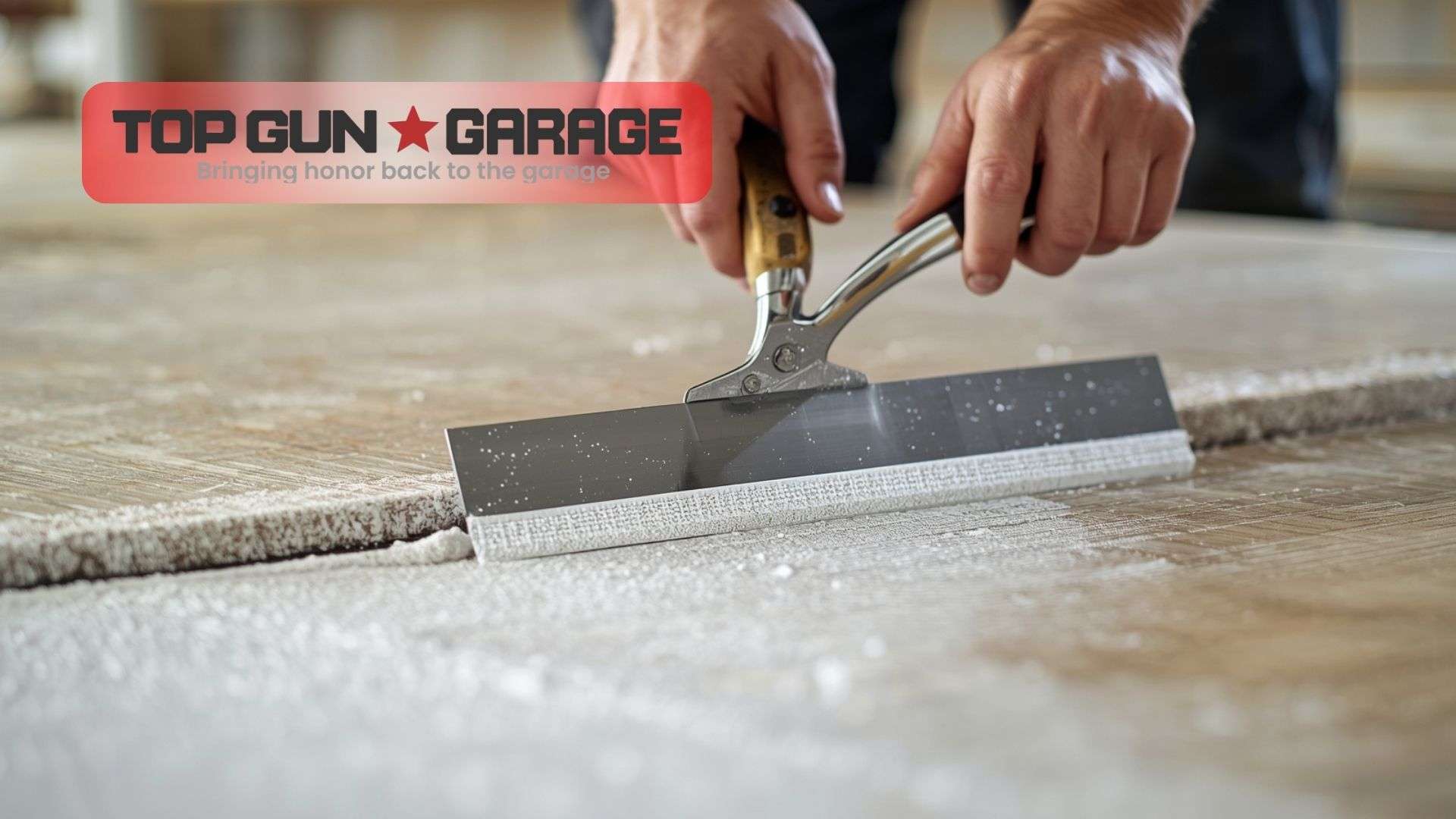
Adhesive failure represents one of the most serious consequences of rushed installation sequences. When adhesives don’t receive adequate cure time, or when they’re applied under improper environmental conditions, they fail to develop the molecular bonds necessary for permanent installation. This failure may not be immediately apparent but typically manifests within the first year of service as loose tiles, lifting seams, or complete delamination. Remediation requires complete removal and reinstallation, often with additional substrate preparation to remove residual adhesive.
Moisture-related problems from rushed installations can be particularly devastating because they often affect large areas and may not become apparent until significant damage has occurred. When materials haven’t properly acclimated, or when substrate moisture issues haven’t been adequately addressed, the resulting dimensional changes can cause buckling, cupping, gaps, or complete system failure. These problems are especially costly because they typically require removal of the entire installation, substrate remediation, and complete reinstallation.
Premature wear patterns often result from installation sequences that were compressed or performed under suboptimal conditions. When flooring materials aren’t properly bonded to the substrate, or when environmental conditions weren’t properly controlled during installation, the resulting stress patterns create uneven wear that significantly reduces the lifespan of the flooring. This type of failure is particularly frustrating because it develops gradually, making it difficult to identify the root cause without detailed analysis.
Quality control issues multiply when installation sequences are rushed because there’s insufficient time for proper inspection and testing at each critical stage. Problems that could be easily corrected during installation become expensive remediation projects after the installation is complete. Professional contractors build quality control checkpoints into their installation sequences specifically to prevent these costly oversights.
Customer satisfaction problems inevitably arise when rushed installations fail to meet performance expectations. Even when initial appearance is acceptable, installations that don’t follow proper sequences often develop problems that require callbacks, warranty work, or complete replacement. These customer service issues damage contractor reputations and can result in lost referrals and negative reviews that affect future business opportunities.
Environmental Factors and Timing Requirements
Environmental conditions play a crucial role in determining installation timing requirements, and these factors cannot be artificially accelerated without compromising installation quality. Professional flooring contractors understand that successful installations require working with environmental conditions rather than against them, which often means adjusting project schedules to accommodate optimal installation windows.
Temperature control affects every aspect of flooring installation, from material handling and storage to adhesive performance and final curing. Most flooring materials and adhesives are specified for installation within specific temperature ranges, typically between 65-85 degrees Fahrenheit. Operating outside these ranges can cause adhesive failure, dimensional instability, and poor material performance. Attempting to rush installations by ignoring temperature requirements inevitably leads to problems that become apparent after the project is complete.
Humidity management requires careful monitoring and often active environmental control during installation. High humidity can prevent proper adhesive curing, cause dimensional swelling in wood materials, and create condensation problems that affect bonding. Low humidity can cause excessive shrinkage, rapid adhesive skinning, and dimensional instability. Professional installations often require several days of stable humidity conditions before, during, and after installation to ensure optimal results.
Airflow patterns within the installation space affect both material acclimation and adhesive curing. Excessive air movement can cause rapid adhesive skinning, uneven curing, and dimensional changes in materials. Insufficient airflow can prevent proper moisture removal and extend curing times beyond practical limits. Balancing these requirements often requires coordination with HVAC systems and may necessitate temporary environmental controls during installation.
Seasonal considerations significantly impact installation timing, particularly for projects involving natural materials or installations in buildings without climate control. Spring and fall typically provide the most stable environmental conditions for flooring installation, while summer and winter extremes can create challenging conditions that require extended acclimation periods and special handling procedures.
Building envelope factors, such as windows, doors, and insulation, affect the stability of environmental conditions during installation. New construction projects may require additional time for building systems to stabilize before flooring installation can proceed. Renovation projects may need temporary environmental controls to maintain proper conditions during installation.
Professional Installation Best Practices
Implementing professional installation best practices requires a systematic approach that prioritizes quality over speed while maximizing efficiency through proper planning and organization. The most successful flooring contractors have developed standardized procedures that ensure consistent results regardless of project size or complexity. These practices have been refined through years of experience and represent the collective knowledge of the flooring industry.
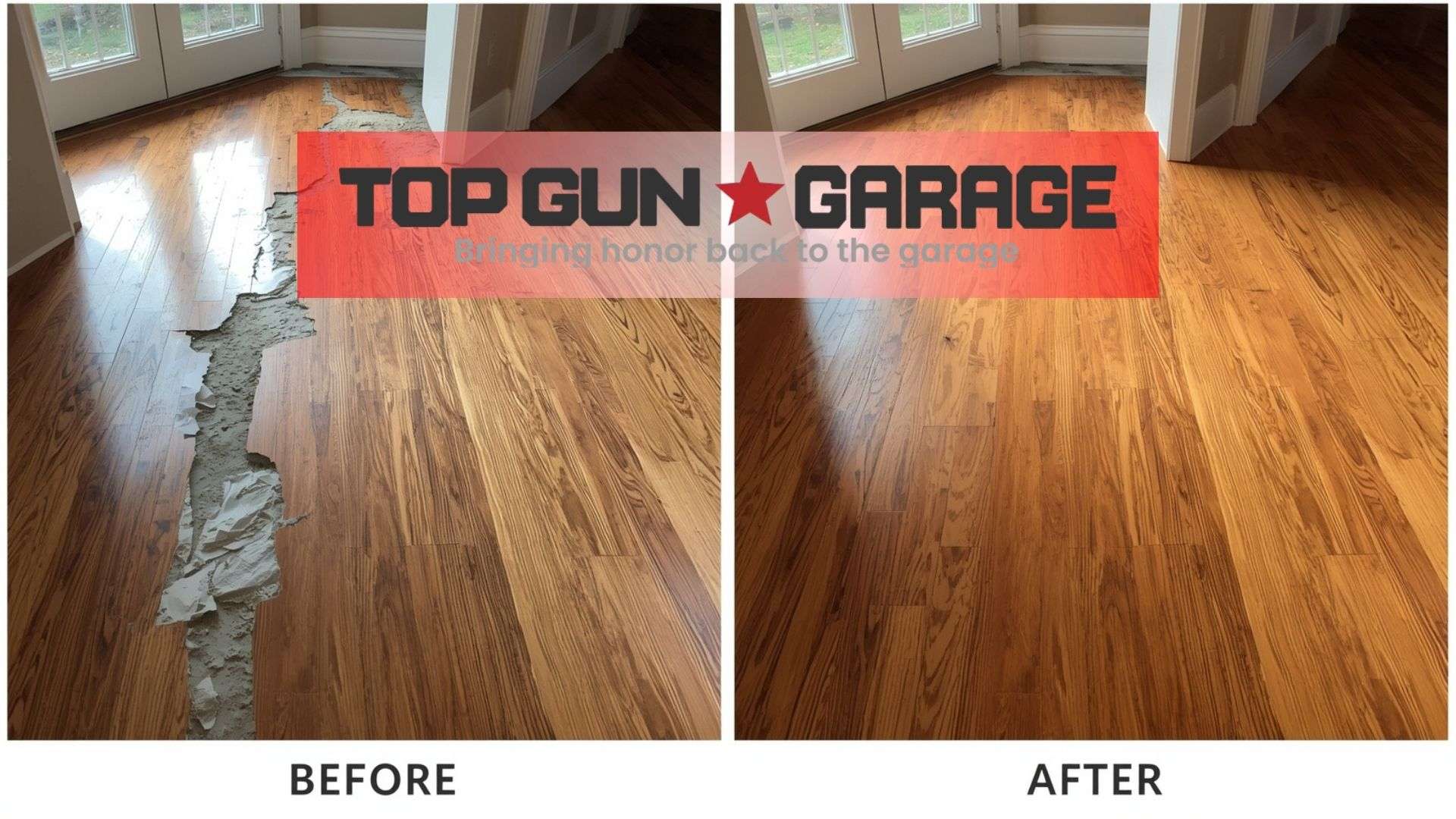
Pre-installation planning forms the foundation of professional installation practices. This phase includes detailed site assessment, material inspection, environmental monitoring, and logistical coordination. Professional contractors invest significant time in planning because they understand that thorough preparation prevents problems that would otherwise require time-consuming corrections during installation. This planning phase cannot be rushed without compromising the entire project.
Material acclimation procedures require strict adherence to manufacturer specifications, which typically involve bringing materials to the installation site and allowing them to reach equilibrium with environmental conditions. This process can take anywhere from 24 hours to several weeks, depending on material type, environmental conditions, and seasonal factors. Attempting to shorten acclimation periods by using artificial heating or cooling typically creates more problems than it solves.
Substrate preparation represents the most critical phase of installation, where problems must be identified and corrected before they affect the finished installation. This includes moisture testing, surface preparation, leveling, and primer application. Each of these steps requires specific cure times and environmental conditions that cannot be compressed without risking installation failure. Professional contractors often spend more time on substrate preparation than on the actual flooring installation.
Quality control protocols should be implemented at every stage of installation, with specific checkpoints for moisture levels, environmental conditions, adhesive application, and installation alignment. These protocols help identify potential problems before they become expensive corrections. Rushing through installations eliminates the time necessary for proper quality control, increasing the likelihood of costly callbacks and warranty issues.
Documentation and testing procedures provide essential records that support warranty claims and help diagnose any problems that may arise after installation. Professional contractors maintain detailed records of environmental conditions, material lot numbers, adhesive batch information, and installation procedures. This documentation requires time to complete properly but provides valuable protection for both contractors and customers.
Frequently Asked Questions
How long does proper flooring acclimation typically take?
Acclimation time varies significantly based on material type and environmental conditions, typically ranging from 24 hours for some vinyl products to 2-3 weeks for solid hardwood. The key is achieving moisture equilibrium between the flooring material and the installation environment.
Can adhesive cure times be accelerated safely?
While some adhesives can be accelerated using approved methods like increased temperature or airflow, most acceleration techniques compromise final bond strength. It’s generally safer to plan for full cure times specified by the manufacturer.
What happens if environmental conditions change during installation?
Significant environmental changes during installation can affect adhesive performance, material dimensions, and overall installation quality. Professional contractors monitor conditions continuously and may pause work until conditions stabilize.
How do I know if substrate preparation is adequate?
Proper substrate preparation should meet specific flatness, moisture, and cleanliness standards outlined in industry guidelines. Testing with appropriate instruments and visual inspection by experienced professionals ensures adequacy.
Why do some flooring failures occur months after installation?
Many installation-related failures develop gradually as materials respond to seasonal changes, building settlement, or inadequate initial preparation. Proper installation sequences help prevent these delayed failure modes.
Can installation sequences vary between different flooring types?
Yes, different flooring materials require specific installation sequences based on their physical properties, adhesive requirements, and performance characteristics. Professional contractors adjust their procedures accordingly.
What role does building age play in installation timing?
New buildings may require extended stabilization periods for concrete curing, HVAC system commissioning, and moisture equilibration. Older buildings may need additional preparation time for substrate remediation.
How do contractors balance speed with quality requirements?
Professional contractors achieve efficiency through better planning, organization, and preparation rather than rushing critical installation steps. Proper sequencing actually improves overall project timelines by preventing costly corrections.
Conclusion
The importance of respecting installation sequences cannot be overstated in today’s competitive flooring industry. While external pressures may encourage contractors to compress timelines, the long-term consequences of rushed installations far outweigh any short-term benefits. Professional contractors who understand why installation sequences can’t be rushed consistently deliver superior results that build customer satisfaction and business success.
At Top Gun Garage, we’ve built our reputation on understanding that quality installations require adequate time for each critical step. Our commitment to following proper installation sequences has resulted in fewer callbacks, higher customer satisfaction, and stronger referral business. We’ve learned that educating customers about installation requirements helps them understand the value of proper timing and creates realistic expectations for project completion.
The flooring industry continues to evolve with new materials and installation techniques, but the fundamental principle remains unchanged: quality installations require proper sequencing and adequate time for each critical step. Contractors who embrace installation best practices and resist the temptation to rush will continue to thrive in an increasingly competitive marketplace. Success comes from building a reputation for excellence, which requires the patience and professionalism to do things right the first time.
Investing in proper installation sequences represents an investment in long-term business success, customer satisfaction, and professional reputation. The contractors who understand this principle will continue to lead the industry in quality, reliability, and customer service.