 Skip to content



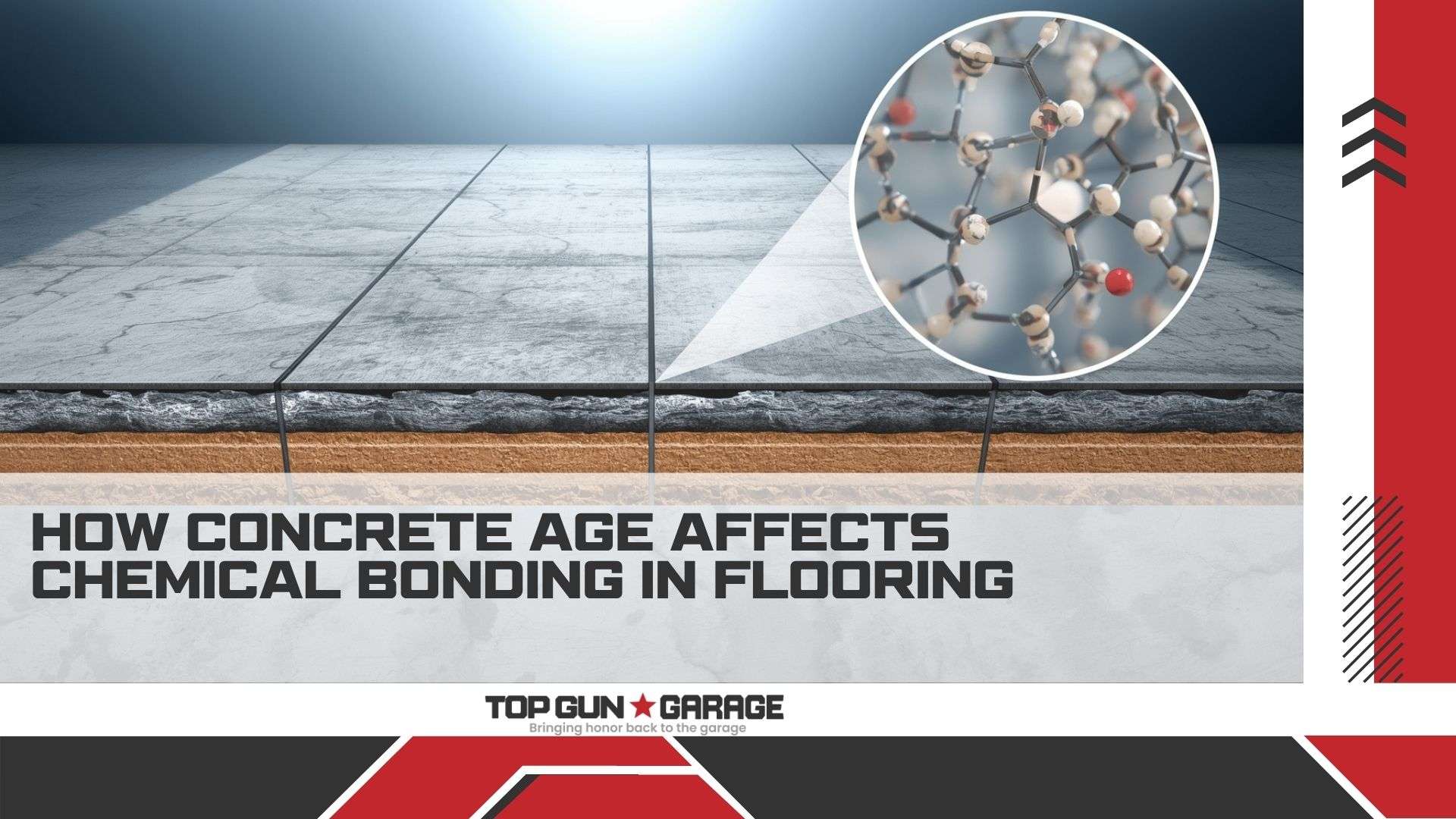
Understanding how concrete age affects chemical bonding is crucial for anyone planning a flooring installation project. The relationship between concrete maturity and its ability to form strong chemical bonds with flooring materials determines the longevity, durability, and performance of your entire flooring system. Whether you’re working with newly poured concrete or dealing with decades-old surfaces, the age of your concrete substrate plays a pivotal role in how well adhesives, sealers, and coating systems will perform.
Concrete undergoes continuous chemical and physical changes throughout its lifespan, starting from the moment water meets cement and continuing for years afterward. These ongoing transformations directly impact the surface characteristics that flooring materials rely on for proper adhesion. Fresh concrete presents unique challenges with its high alkalinity and moisture content, while aged concrete brings its own set of considerations including surface contamination, carbonation, and potential structural changes.
The concrete curing time significantly influences the chemical bonding potential of the surface. During the initial curing period, concrete develops its structural integrity through hydration reactions, but this process also affects surface porosity, pH levels, and moisture transmission rates. These factors collectively determine how well chemical bonding agents can penetrate the substrate and form lasting molecular connections.
Professional flooring contractors understand that successful installations require careful evaluation of concrete age and condition before selecting appropriate bonding systems. The chemical composition of concrete surfaces changes over time, affecting everything from primer selection to adhesive compatibility. Modern flooring systems are engineered to work within specific parameters, and understanding these requirements in relation to concrete age ensures optimal performance and prevents costly failures.
This comprehensive analysis explores the intricate relationship between concrete maturity and chemical bonding effectiveness, providing essential insights for making informed decisions about flooring installations on substrates of varying ages.
Key Takeaways
Concrete age directly impacts bonding potential: Fresh concrete (less than 28 days) has high alkalinity and moisture content that can interfere with adhesive performance, while properly aged concrete (28+ days) provides more stable bonding conditions.
Surface preparation varies with age: Newer concrete may require extended drying time and pH testing, while older concrete often needs contamination removal and surface profiling to achieve optimal bonding.
Chemical compatibility changes over time: The pH levels and surface chemistry of concrete evolve as it ages, requiring different primer and adhesive formulations for optimal chemical bonding performance.
Moisture considerations are age-dependent: Young concrete contains significant residual moisture that must be addressed, while aged concrete may have different moisture transmission characteristics requiring specific testing protocols.
Carbonation affects bonding: Extended exposure to atmospheric conditions causes chemical changes in concrete surfaces that can impact adhesive penetration and bond strength formation.
Professional assessment is crucial: Concrete over several years old requires comprehensive evaluation to identify potential bonding challenges and select appropriate chemical systems.
Timing impacts project success: Understanding optimal timing for flooring installation based on concrete age prevents premature failures and ensures long-term performance of chemical bonds.
Understanding Concrete Maturation
Concrete maturation is a complex process that fundamentally alters the substrate’s chemical bonding characteristics over time. The hydration process begins immediately when cement contacts water, creating calcium silicate hydrate (C-S-H) gel that forms the binding matrix of hardened concrete. This chemical transformation continues for months and even years, gradually changing the surface properties that flooring adhesives and coatings rely upon for effective bonding.
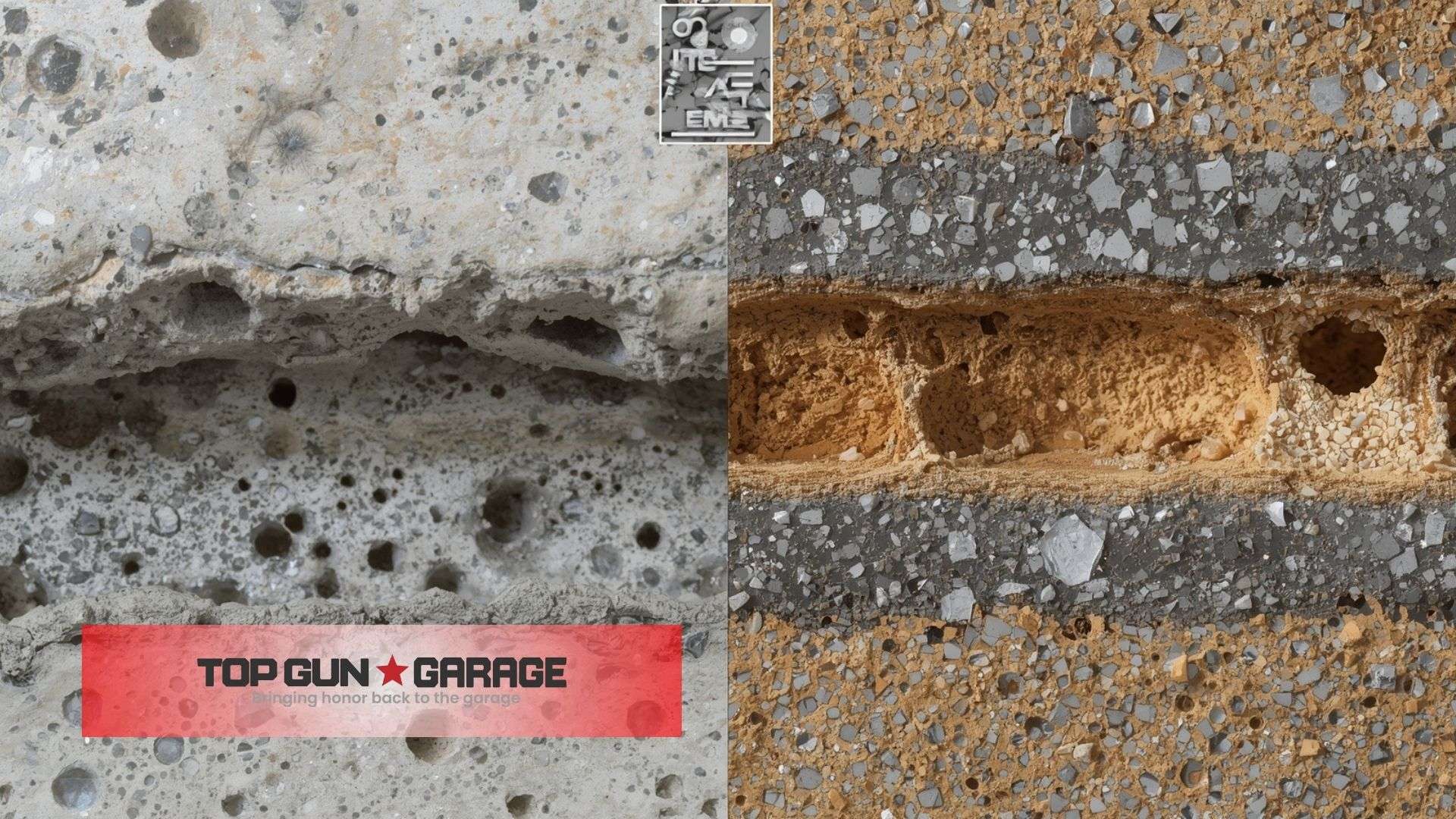
During the initial curing period, concrete exhibits extremely high alkalinity with pH levels often exceeding 12.5. This alkaline environment can be hostile to many flooring adhesives and chemical bonding agents, potentially causing saponification reactions that weaken bond strength. As concrete ages, natural carbonation processes gradually reduce surface alkalinity, creating more favorable conditions for chemical bonding with most flooring systems.
The porosity and surface texture of concrete also evolve significantly with age. Fresh concrete typically has higher surface porosity due to bleeding and the formation of a weak surface layer called laitance. This layer must often be removed through mechanical preparation to expose the stronger substrate beneath, as discussed in how concrete is prepared for epoxy. As concrete matures, surface pores may become partially filled with carbonation products and atmospheric contaminants, requiring different preparation approaches to achieve optimal bonding surfaces.
Moisture dynamics within concrete change substantially as the substrate ages. Young concrete contains significant amounts of residual mixing water and water of convenience that must evaporate before flooring installation. The concrete curing time directly affects moisture vapor transmission rates, which can interfere with adhesive curing and bond formation if not properly managed, as explained in why concrete moisture matters for garage epoxy.
Impact of Fresh Concrete
Fresh concrete presents unique challenges for chemical bonding that require careful consideration and specialized approaches. The high moisture content and alkaline environment of newly placed concrete can significantly impact the performance of adhesives, primers, and coating systems. Understanding these challenges is essential for achieving successful flooring installations on young substrates.
The alkalinity of fresh concrete poses one of the most significant challenges for chemical bonding. With pH levels typically ranging from 12 to 13, fresh concrete can cause chemical reactions that degrade certain adhesive formulations. Epoxy systems, for example, may experience reduced pot life and altered curing characteristics when exposed to highly alkaline surfaces, as detailed in epoxy adhesion explained. This alkaline environment can also lead to color changes in certain flooring materials and may affect the long-term stability of chemical bonds.
Moisture-related issues in fresh concrete extend beyond simple surface dampness. The ongoing hydration process continues to generate heat and consume water, creating dynamic conditions that can interfere with adhesive curing. Excess moisture can prevent proper adhesive penetration into the concrete surface, resulting in weak interfacial bonds, as explained in how moisture affects epoxy installation. Additionally, moisture vapor transmission through fresh concrete can cause adhesive failure, bubbling, or delamination in flooring systems.
The weak surface layer commonly found on fresh concrete, known as laitance, creates additional bonding challenges. This layer consists of fine cement particles, water, and admixtures that rise to the surface during placement and finishing. Laitance has poor cohesive strength and can serve as a weak link in the bonding chain, even if the adhesive successfully bonds to this layer. Professional contractors often address this through mechanical surface preparation or chemical etching to expose the stronger substrate beneath.
When working with fresh concrete, it’s important to consider the benefits of consulting with experienced professionals who understand the complexities involved. For those weighing their options, reviewing information about professional advantages versus DIY approaches can provide valuable insights into managing these challenging substrate conditions effectively.
Chemical Bonding in Aged Concrete
Aged concrete, typically defined as concrete that has cured for several months to years, presents distinctly different chemical bonding characteristics compared to fresh substrates. The maturation process fundamentally alters the surface chemistry, creating both opportunities and challenges for flooring installations. Understanding these changes is crucial for selecting appropriate bonding systems and achieving optimal adhesion performance.
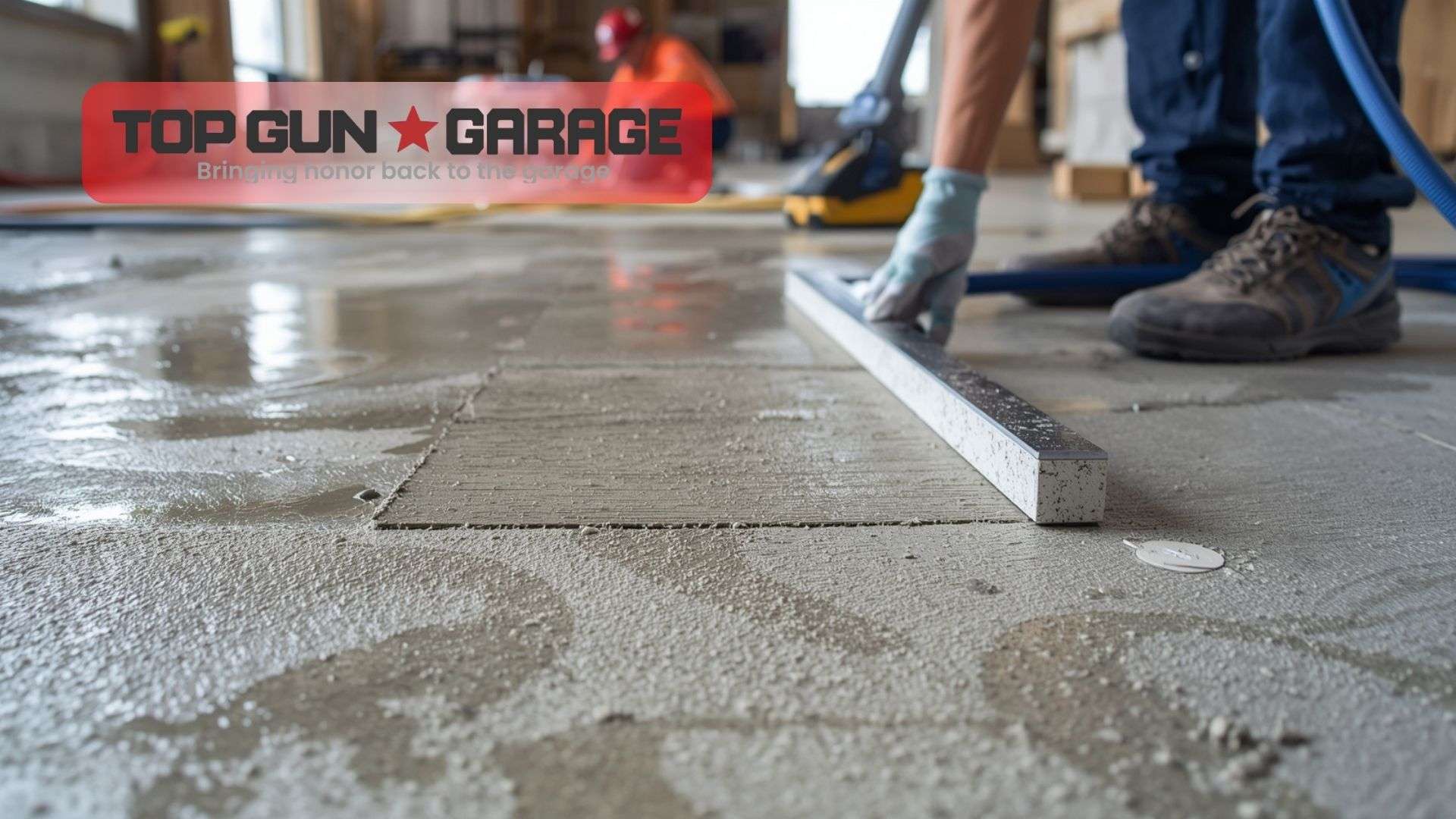
One of the most significant changes in aged concrete is the reduction in surface alkalinity through carbonation. As atmospheric carbon dioxide penetrates the concrete surface, it reacts with calcium hydroxide to form calcium carbonate, gradually lowering the pH from highly alkaline levels to more neutral ranges. This carbonation process typically reduces surface pH to levels between 8 and 10, creating more favorable conditions for many adhesive systems, as discussed in why concrete age matters for epoxy adhesion. However, carbonation also changes the surface porosity and can create a denser surface layer that may require specific preparation techniques.
The pore structure of aged concrete undergoes substantial modification over time. Continued hydration reactions gradually fill some of the original pores with additional cement gel, while carbonation products can further reduce surface porosity, as explained in how concrete porosity affects epoxy bonding. These changes affect the mechanical keying action that many adhesives rely upon for bond strength. While reduced porosity might seem detrimental, it often results in a more stable, less permeable surface that can provide excellent bonding once properly prepared.
Contamination becomes a significant factor in aged concrete surfaces. Years of exposure to oils, cleaning chemicals, atmospheric pollutants, and other substances can create surface films that interfere with chemical bonding, as detailed in how concrete contaminants affect epoxy bonding. These contaminants may not be visible but can dramatically reduce bond strength by preventing intimate contact between the adhesive and the concrete substrate. Professional assessment and appropriate cleaning protocols become essential for achieving reliable chemical bonds on aged surfaces.
The thermal and moisture stability of aged concrete generally improves compared to fresh substrates. The completion of major hydration reactions reduces the potential for dimensional changes that could stress bonded flooring systems. Additionally, aged concrete typically has more predictable moisture transmission characteristics, making it easier to achieve stable installation conditions for flooring applications.
Optimal Timing for Installation
Determining the optimal timing for flooring installation requires careful consideration of concrete age, environmental conditions, and the specific requirements of the chosen flooring system. The concrete curing time plays a critical role in establishing the foundation for successful chemical bonding, and rushing this process can lead to costly failures and performance issues.
The industry standard minimum age for most flooring installations is 28 days, representing the point at which concrete has achieved approximately 90% of its ultimate compressive strength. However, this timeline may need extension depending on environmental conditions, concrete mix design, and the specific bonding requirements of the flooring system, as explained in what is the epoxy curing process in Florida humidity. High humidity, low temperatures, or thick concrete sections may require additional curing time to achieve optimal bonding conditions.
Moisture considerations often drive timing decisions more than structural strength requirements. Concrete continues to release moisture for months after placement, and this moisture must reach acceptable levels before flooring installation. The rate of moisture loss depends on numerous factors including concrete thickness, ambient humidity, air circulation, and the presence of vapor barriers. Professional moisture testing becomes essential for determining readiness, particularly for moisture-sensitive flooring systems.
Environmental factors significantly influence optimal installation timing. Temperature extremes can affect both concrete curing and adhesive performance, making seasonal timing considerations important, as discussed in how seasonal changes affect Naples epoxy floors. Cold weather slows concrete curing and can negatively impact adhesive performance, while excessive heat can accelerate curing but may create thermal stress in bonded systems. Humidity levels affect both moisture loss from concrete and adhesive curing characteristics.
The specific flooring system selected also influences timing requirements. Some advanced adhesive formulations are designed to tolerate higher moisture levels and can be installed on younger concrete, while traditional systems may require extended curing times, as explained in what is the difference between epoxy types Florida. Epoxy-based systems typically require drier, more mature substrates, while some urethane systems offer greater tolerance for residual moisture. Understanding these system-specific requirements helps optimize installation timing for each project.
Testing and Evaluation Methods
Proper testing and evaluation of concrete substrates is essential for predicting chemical bonding performance, regardless of concrete age. Different testing protocols and acceptance criteria apply depending on whether you’re working with fresh, moderately aged, or mature concrete surfaces. Understanding these testing methods helps ensure appropriate preparation and system selection for optimal bonding results.

Moisture testing represents one of the most critical evaluation procedures for concrete of any age. For fresh concrete, calcium chloride tests or relative humidity probes help determine when moisture levels have dropped sufficiently for flooring installation, as detailed in what is floor moisture testing for epoxy installation. The specific moisture limits vary by flooring system, but most require moisture vapor emission rates below 3-5 pounds per 1000 square feet per 24 hours. Aged concrete may require different testing approaches, as surface drying doesn’t always reflect subsurface moisture conditions.
pH testing becomes particularly important when dealing with fresh concrete due to its high alkalinity. Surface pH measurements using calibrated meters or indicator papers help determine if alkalinity levels are compatible with the chosen adhesive system. Fresh concrete typically requires pH levels below 10 for most flooring adhesives, while aged concrete may have naturally reduced pH levels through carbonation. However, some aged concrete surfaces may have alkaline contamination from cleaning products or other sources.
Bond strength testing provides direct evaluation of the concrete surface’s ability to form strong chemical bonds. Pull-off adhesion tests using standardized dollies and calibrated equipment measure the actual bond strength achievable on the prepared surface, following protocols from the American Concrete Institute. These tests are particularly valuable for aged concrete where surface contamination or deterioration may have compromised bonding potential. Minimum bond strengths typically range from 200 to 400 psi depending on the flooring system requirements.
Surface profile evaluation determines if the concrete texture is appropriate for the selected bonding system. Fresh concrete may have excessive texture from finishing operations or insufficient texture due to overworking. Aged concrete often requires mechanical preparation to achieve proper profile depth, as explained in what is the concrete surface profile needed for epoxy. Standardized profile comparators help ensure the surface texture falls within the recommended range for optimal mechanical and chemical bonding.
Contamination assessment becomes increasingly important with concrete age. Oil and grease detection, chloride testing, and general surface cleanliness evaluation help identify potential bonding inhibitors. Advanced testing methods may include infrared spectroscopy or other analytical techniques to identify specific contaminants that could interfere with chemical bonding processes.
Best Practices for Aged Concrete
Achieving optimal chemical bonding on aged concrete requires a systematic approach that addresses the unique characteristics of mature substrates. The accumulated effects of time, environmental exposure, and potential contamination necessitate specific preparation and application techniques to ensure reliable, long-lasting bonds between the concrete and flooring systems.
Surface preparation becomes increasingly critical as concrete ages. The carbonated surface layer, while generally beneficial for reducing alkalinity, may require removal or modification to achieve optimal bonding. Mechanical preparation methods such as diamond grinding, shot blasting, or scarification can expose fresh concrete beneath the carbonated layer while creating the proper surface profile for adhesive penetration, as discussed in understanding different concrete surface preparations. The depth of preparation must be carefully controlled to remove contamination and weak surface layers without over-preparing the substrate.
Contamination removal requires specialized attention on aged concrete surfaces. Years of exposure to oils, cleaning chemicals, and atmospheric pollutants can create invisible barriers to chemical bonding. Effective decontamination may involve multiple steps including degreasing agents, alkaline cleaners, and mechanical scrubbing. Some contaminants may require specialized removal techniques such as steam cleaning or chemical stripping. Thorough rinsing and drying are essential after any cleaning process to prevent residual chemicals from interfering with bonding.
Primer selection becomes crucial for aged concrete applications. The altered surface chemistry of mature concrete may require specific primer formulations designed to penetrate carbonated surfaces and provide optimal adhesion promotion, as explained in why epoxy primer is critical in Florida installations. Some primers are formulated specifically for aged concrete, offering enhanced penetration characteristics and compatibility with the changed surface chemistry. The primer application must be carefully timed and executed according to manufacturer specifications to achieve maximum effectiveness.
Environmental control during installation helps ensure optimal bonding conditions. Aged concrete surfaces may be more sensitive to temperature and humidity variations during adhesive application and curing. Proper ventilation, temperature control, and humidity management create stable conditions that promote complete adhesive curing and bond development. Monitoring these conditions throughout the installation process helps prevent bond-compromising situations.
Quality control measures should include additional testing and verification steps for aged concrete projects. Extended open times, modified application techniques, and enhanced surface preparation may all be necessary to achieve optimal results. Documentation of all preparation steps, environmental conditions, and test results provides valuable information for troubleshooting and warranty purposes.
At Top Gun Garage, we understand the complexities involved in achieving optimal chemical bonding on concrete substrates of varying ages. Our experienced team utilizes advanced testing methods and proven preparation techniques to ensure reliable, long-lasting flooring installations regardless of substrate age or condition.
Frequently Asked Questions
How long should concrete cure before flooring?
Concrete should typically cure for a minimum of 28 days before flooring installation, though this timeline may extend based on environmental conditions and specific flooring system requirements. Moisture testing is more reliable than age alone for determining readiness, as explained in why concrete testing matters before epoxy.
Does old concrete bond better than new?
Aged concrete often provides better bonding conditions due to reduced alkalinity and moisture content, but surface contamination and carbonation may require additional preparation steps to achieve optimal results, as discussed in why some garage floors age better than others.
What pH level is safe for adhesives?
Most flooring adhesives perform best on concrete with pH levels below 10. Fresh concrete often exceeds this level, while properly aged concrete typically falls within acceptable ranges through natural carbonation.
Can flooring be installed on concrete less than 28 days?
Some specialized adhesive systems can be used on younger concrete, but this requires careful moisture and pH testing along with appropriate system selection. Professional consultation is recommended for installations on concrete less than 28 days old.
How does carbonation affect flooring adhesion?
Carbonation generally improves adhesion by reducing surface alkalinity, but it can also create a denser surface layer that may require mechanical preparation to achieve optimal bonding.
What testing is required for aged concrete?
Aged concrete typically requires moisture testing, pH measurement, bond strength evaluation, and contamination assessment to ensure optimal bonding conditions.
Why do installations fail on old concrete?
Common failure causes include inadequate surface preparation, contamination, improper adhesive selection, and failure to address the changed surface chemistry of aged concrete, as explained in what causes epoxy floor delamination in Florida.
How is surface contamination detected?
Contamination detection methods include visual inspection, water break tests, bond strength testing, and specialized analytical techniques depending on the suspected contaminant type.
Conclusion
Understanding how concrete age affects chemical bonding is fundamental to achieving successful flooring installations that stand the test of time. The relationship between concrete maturity and bonding performance involves complex interactions between surface chemistry, moisture dynamics, and environmental factors that continue to evolve throughout the concrete’s lifespan.
Fresh concrete presents challenges with high alkalinity and moisture content that require careful management and often specialized adhesive systems. The concrete curing time plays a crucial role in establishing stable conditions for chemical bonding, with the standard 28-day minimum serving as a baseline that may need adjustment based on specific project conditions. Proper testing and evaluation become essential for determining when concrete has reached appropriate conditions for flooring installation.
Aged concrete offers advantages in terms of reduced alkalinity and moisture stability, but introduces new challenges related to surface contamination and carbonation effects. The systematic approach to surface preparation, contamination removal, and appropriate system selection becomes increasingly important as concrete ages. Professional expertise in evaluating these complex substrate conditions often proves invaluable for achieving optimal results.
The key to success lies in recognizing that concrete age is just one factor in a comprehensive evaluation process. Moisture content, pH levels, surface contamination, and environmental conditions all interact to determine the ultimate success of chemical bonding systems. By understanding these relationships and implementing appropriate testing and preparation protocols, flooring installations can achieve excellent performance regardless of substrate age.
Whether working with fresh or aged concrete, the investment in proper evaluation, preparation, and system selection pays dividends in terms of installation longevity and performance. The complexity of these considerations often makes professional consultation a wise choice for ensuring project success and avoiding costly failures.