 Skip to content




When it comes to flooring installation, one of the most critical yet often overlooked steps is concrete moisture testing. This essential process can mean the difference between a flooring system that lasts for decades and one that fails within months of installation. The importance of concrete moisture testing cannot be overstated, as moisture-related flooring failures cost property owners millions of dollars annually in repairs, replacements, and business disruptions.
Concrete is a porous material that naturally contains moisture, and this moisture content can vary significantly based on factors such as age, environmental conditions, and the concrete’s composition. When flooring materials are installed over concrete with excessive moisture levels, the results can be catastrophic. Adhesive failures, warping, buckling, mold growth, and complete flooring system breakdown are just some of the consequences that can occur when proper moisture testing protocols are ignored.
Professional flooring contractors understand that moisture testing is not just a recommended best practice—it’s an absolute necessity for ensuring long-term flooring performance. The testing process involves measuring the moisture content and moisture vapor emission rate of concrete slabs before any flooring installation begins. This data provides crucial information that guides material selection, surface preparation requirements, and installation procedures.
The concrete moisture testing importance extends beyond simply preventing flooring failures. It also protects warranties, ensures compliance with industry standards, and provides peace of mind for both contractors and property owners. Modern moisture testing methods have evolved to provide accurate, reliable results that help predict how concrete will behave over time, allowing for informed decision-making throughout the flooring installation process.
Understanding the science behind concrete moisture behavior is essential for anyone involved in flooring projects. Concrete continues to cure and release moisture for months or even years after initial placement, and environmental factors such as humidity, temperature, and seasonal changes can significantly impact moisture levels. Without proper testing and mitigation strategies, even the highest-quality flooring materials and expert installation techniques cannot guarantee long-term success.
Key Takeaways
Moisture testing prevents costly failures: Proper concrete moisture testing can prevent adhesive failures, warping, buckling, and other moisture-related flooring problems that can cost thousands of dollars to repair or replace.
Industry standards require testing: Most flooring manufacturers and industry organizations mandate moisture testing as part of their warranty requirements and installation guidelines, making it a contractual necessity for professional installations.
Multiple testing methods available: Various testing methods including calcium chloride tests, relative humidity probes, and surface moisture meters each provide different types of valuable data for comprehensive moisture assessment.
Timing is critical: Moisture testing must be performed at specific stages of the construction process and under controlled environmental conditions to ensure accurate results that reflect real-world performance expectations.
Environmental factors impact results: Temperature, humidity, air circulation, and seasonal changes all affect concrete moisture levels, requiring careful consideration of testing conditions and timing.
Documentation protects all parties: Proper moisture testing documentation protects contractors, property owners, and manufacturers by providing evidence of due diligence and compliance with industry standards.
Professional expertise matters: While some testing procedures may appear straightforward, proper interpretation of results and understanding of mitigation strategies requires professional knowledge and experience.
Understanding Concrete Moisture Dynamics
Concrete moisture behavior is a complex phenomenon that involves multiple physical and chemical processes occurring simultaneously within the concrete matrix. When concrete is initially placed, it contains a specific water-to-cement ratio designed to facilitate proper hydration and curing. However, not all of this water is consumed during the hydration process, and excess moisture must eventually find its way to the surface and evaporate into the surrounding environment.
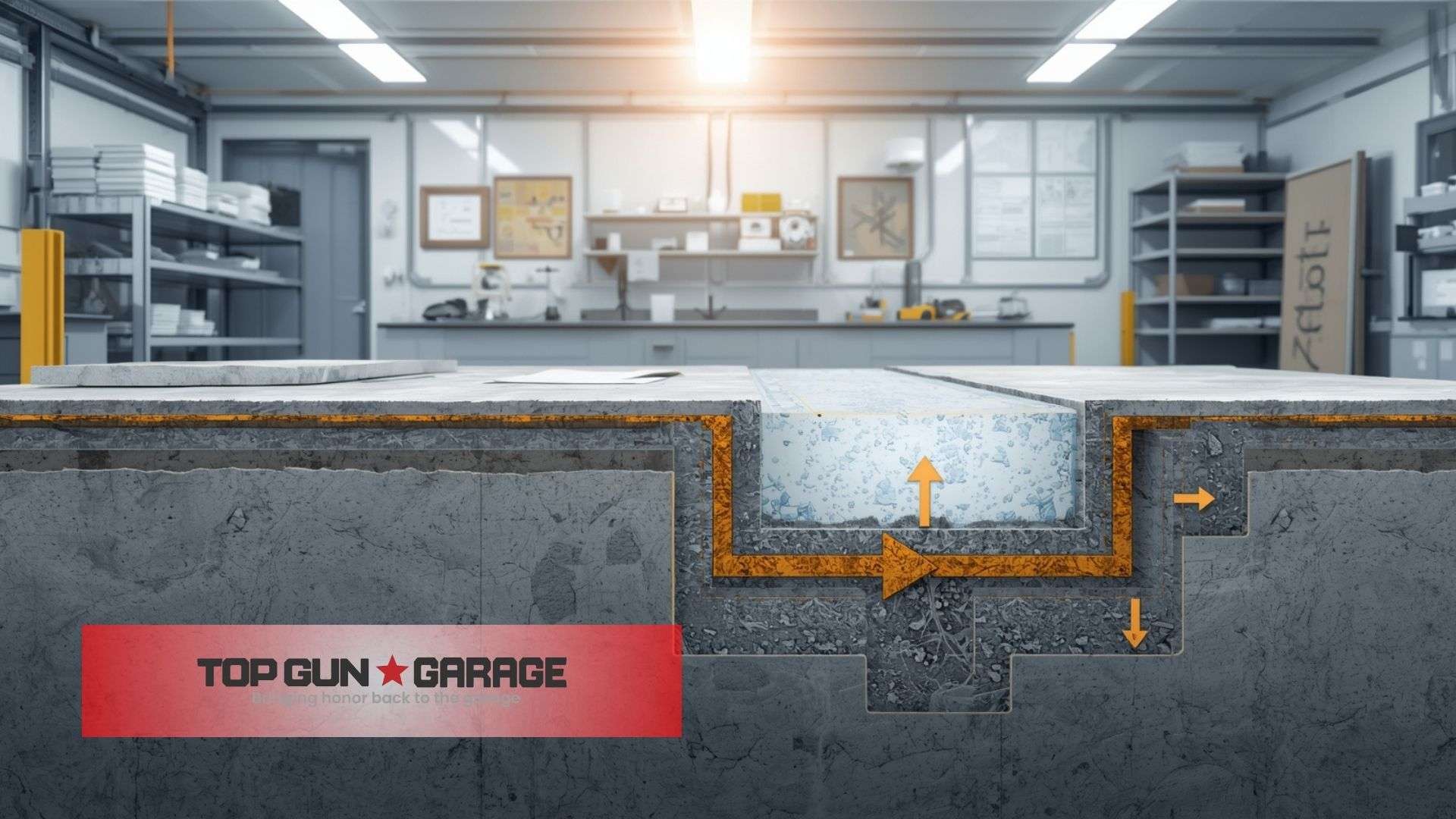
The rate at which moisture moves through concrete depends on numerous factors, including the concrete’s permeability, density, and internal structure. High-quality concrete with low water-cement ratios and proper consolidation will typically have lower permeability and more predictable moisture behavior. Conversely, concrete with higher water content, inadequate consolidation, or contamination may exhibit erratic moisture patterns that can persist for extended periods.
Temperature and humidity conditions play crucial roles in concrete moisture dynamics. Higher temperatures generally accelerate moisture movement and evaporation, while high humidity levels can slow or even reverse the moisture migration process. This is why moisture testing must be conducted under controlled conditions that reflect the actual service environment where the flooring will be installed and used.
The concrete’s age significantly impacts its moisture characteristics. Newly placed concrete typically contains the highest moisture levels and exhibits the most active moisture movement. As concrete ages and continues to cure, moisture levels generally decrease and stabilize, but this process can take months or even years depending on environmental conditions and concrete composition. Understanding these aging effects is crucial for timing moisture tests appropriately and interpreting results accurately.
Seasonal variations can also dramatically affect concrete moisture levels, particularly in buildings without climate control. During humid summer months, concrete may actually absorb moisture from the environment, while dry winter conditions can accelerate moisture loss. These cyclical changes must be considered when planning flooring installations and establishing moisture testing protocols.
Moisture Testing Methods
The evolution of concrete moisture testing has produced several standardized methods, each designed to measure different aspects of moisture behavior and provide specific types of data for flooring professionals. The most widely recognized testing methods include calcium chloride tests, relative humidity measurements, and surface moisture detection, each offering unique advantages and applications depending on project requirements and conditions.
Calcium chloride testing, standardized under ASTM F1869, measures the moisture vapor emission rate from concrete surfaces over a 72-hour period. This test involves placing pre-weighed calcium chloride in sealed containers on the concrete surface and measuring the weight gain due to moisture absorption. The results indicate how much moisture vapor is being emitted from the concrete, providing valuable information about potential adhesive compatibility and long-term flooring performance. While this method has been used successfully for decades, it only measures surface moisture emission and may not reflect deeper moisture conditions within the slab.
Relative humidity testing, governed by ASTM F2170, involves drilling holes into concrete slabs and inserting electronic probes that measure the relative humidity within the concrete matrix. This method provides a more comprehensive picture of moisture conditions throughout the slab depth and is considered by many professionals to be more predictive of long-term moisture behavior. The test requires a 72-hour equilibration period after probe installation, followed by actual humidity measurements that can be correlated with flooring manufacturer specifications.
Surface moisture meters offer rapid, non-destructive testing capabilities that can quickly identify areas of concern or verify surface dryness before more comprehensive testing. These electronic instruments use various technologies including electrical impedance, microwave, and infrared sensors to detect moisture at or near concrete surfaces. While surface meters cannot replace comprehensive moisture testing, they provide valuable screening capabilities and can help optimize the placement of more detailed tests.
Advanced moisture testing technologies continue to emerge, including continuous monitoring systems that track moisture levels over extended periods and provide real-time data on moisture trends and environmental influences. These systems are particularly valuable for critical applications where moisture control is paramount and for research purposes where detailed moisture behavior data is needed for analysis and modeling.
When considering professional installation services, it’s important to understand the advantages of working with experienced contractors who have the knowledge and equipment necessary to perform comprehensive moisture testing and interpret results accurately.
Consequences of Inadequate Testing
The ramifications of skipping or improperly conducting concrete moisture testing can be severe, affecting not only the immediate flooring installation but also creating long-term problems that can persist for years. Moisture-related flooring failures represent one of the most common and costly issues in the flooring industry, with repair and replacement costs often exceeding the original installation investment by significant margins.

Adhesive failure is perhaps the most immediate and visible consequence of excessive concrete moisture. When moisture vapor pressure beneath flooring materials exceeds the adhesive’s ability to maintain bond strength, delamination occurs. This can manifest as bubbling, lifting, or complete separation of flooring materials from the substrate. In severe cases, entire sections of flooring may need to be removed and replaced, along with surface preparation and adhesive remediation of the concrete substrate.
Dimensional instability in flooring materials represents another serious consequence of moisture-related problems. Many flooring products, particularly those containing organic materials, are susceptible to expansion and contraction when exposed to varying moisture levels. This can result in warping, cupping, buckling, or gapping that not only affects the flooring’s appearance but can also create safety hazards and functional problems for building occupants.
Mold and mildew growth present health and safety concerns that extend far beyond cosmetic issues. When moisture becomes trapped beneath flooring materials, it creates ideal conditions for biological growth that can affect indoor air quality and pose health risks to building occupants. Remediation of mold problems often requires extensive flooring removal, substrate treatment, and environmental testing that can be extremely disruptive and expensive.
The financial implications of moisture-related flooring failures extend beyond direct repair costs. Business interruptions, lost productivity, temporary relocation expenses, and potential liability issues can multiply the total cost impact significantly. Additionally, insurance coverage for moisture-related problems is often limited or excluded entirely, leaving property owners responsible for the full cost of remediation and replacement.
Warranty voidance represents another significant risk when proper moisture testing protocols are not followed. Most flooring manufacturers require documented evidence of appropriate moisture testing as a condition of warranty coverage. Failure to provide this documentation can result in complete warranty voidance, leaving property owners without recourse when problems develop.
Industry Standards and Best Practices
The flooring industry has developed comprehensive standards and guidelines for concrete moisture testing to ensure consistent, reliable results across different projects and applications. These standards, developed by organizations such as ASTM International, the American Concrete Institute (ACI), and various flooring manufacturer associations, provide detailed protocols for testing procedures, equipment requirements, and result interpretation.
ASTM F1869 and F2170 represent the primary standards for concrete moisture testing in North America, with each addressing different testing methodologies and applications. These standards specify not only the testing procedures themselves but also requirements for technician training, equipment calibration, environmental conditions during testing, and documentation protocols. Compliance with these standards is typically required for warranty coverage and is considered the minimum acceptable practice for professional flooring installations.
International standards such as those developed by ISO and various European organizations provide additional guidance for global projects and applications. These standards often incorporate different environmental conditions, material specifications, and performance expectations that reflect regional construction practices and climate conditions. Understanding the applicable standards for specific projects is crucial for ensuring appropriate testing protocols and result interpretation.
Flooring manufacturer specifications often exceed minimum industry standards, reflecting the specific performance requirements and material characteristics of individual products. These specifications may include more stringent moisture limits, additional testing requirements, or specific environmental conditions that must be maintained during and after installation. Professional contractors must be familiar with manufacturer requirements for all products being considered for specific applications.
Quality assurance protocols extend beyond basic testing requirements to include documentation, record-keeping, and ongoing monitoring procedures. Proper documentation should include detailed test results, environmental conditions during testing, photographic evidence of test locations, and technician certifications. This documentation serves as crucial evidence of due diligence and compliance with industry standards.
Training and certification requirements for moisture testing technicians ensure consistent, reliable results across different projects and contractors. Various organizations offer certification programs that cover testing procedures, equipment operation, result interpretation, and troubleshooting techniques. Investing in proper training and maintaining current certifications is essential for contractors who regularly perform moisture testing services.
Moisture Mitigation Strategies
When moisture testing reveals levels that exceed acceptable limits for intended flooring materials, various mitigation strategies can be employed to address the problem and enable successful flooring installation. The selection of appropriate mitigation methods depends on factors such as moisture levels, project timeline, budget constraints, and performance requirements for the finished flooring system.
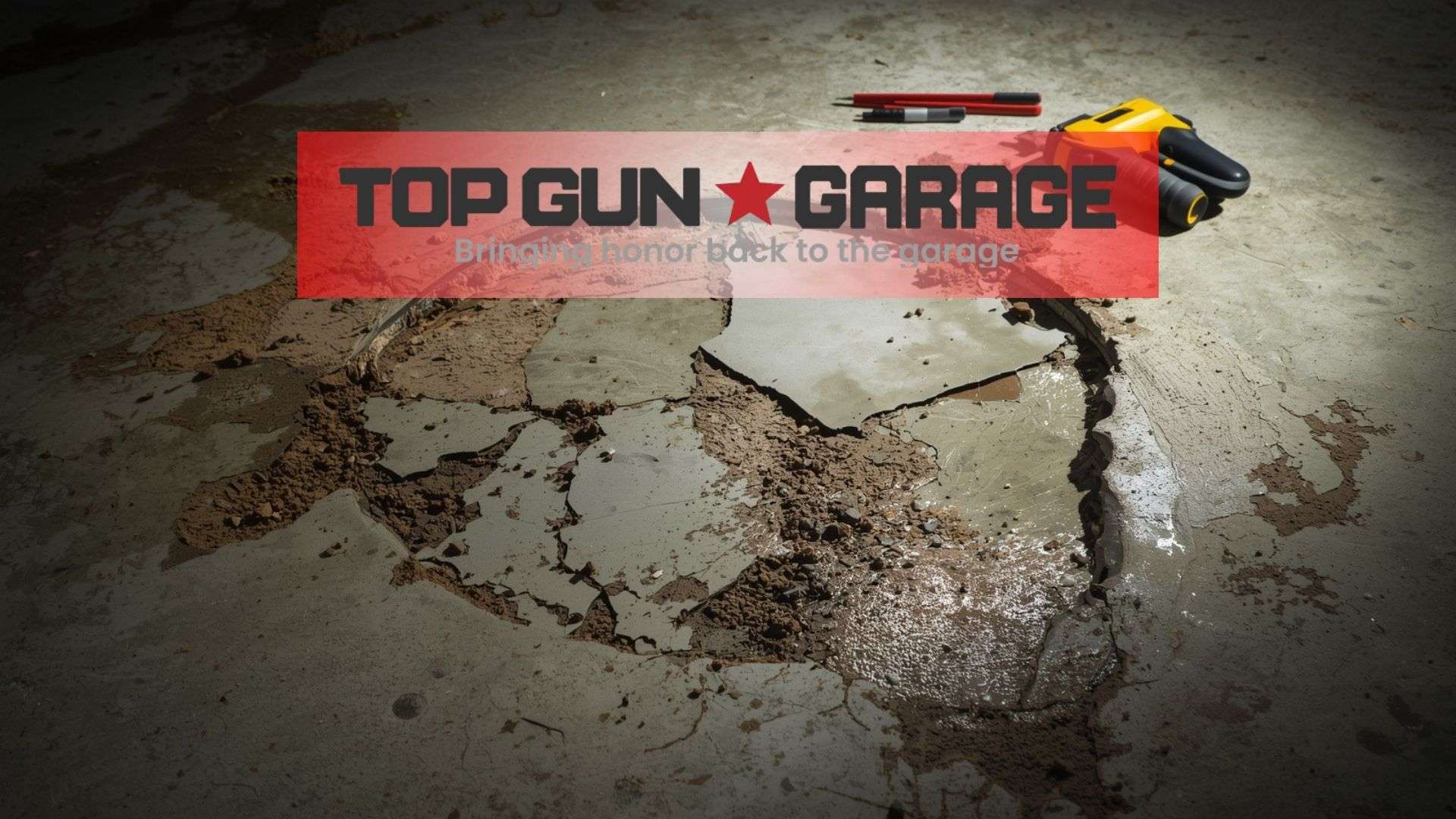
Surface preparation techniques can sometimes reduce moisture emission rates by densifying or sealing the concrete surface. Mechanical grinding, shot blasting, or chemical etching can remove surface contaminants and open the concrete pore structure, potentially improving moisture movement and reducing vapor pressure. However, these methods must be carefully evaluated as they can sometimes increase moisture emission by exposing more porous concrete beneath the surface.
Moisture vapor barriers and sealers represent common mitigation approaches that can effectively block moisture transmission from concrete to flooring materials. Epoxy-based moisture vapor barriers create impermeable membranes that prevent moisture movement, while penetrating sealers work by filling concrete pores and reducing permeability. The selection of appropriate barrier systems requires careful consideration of moisture levels, flooring compatibility, and long-term performance expectations.
Dehumidification and environmental control can sometimes reduce concrete moisture levels sufficiently to meet flooring requirements. Industrial dehumidifiers, increased air circulation, and temperature control can accelerate moisture evaporation from concrete surfaces. However, this approach requires time and may not be effective for deeply embedded moisture or in situations where ongoing moisture sources exist.
Advanced mitigation technologies include crystalline waterproofing systems, moisture-reactive urethane sealers, and specialized primer systems designed to tolerate higher moisture levels. These products often incorporate innovative chemistry that can react with moisture to form protective barriers or provide enhanced adhesion under challenging conditions. Evaluation of these systems requires careful consideration of manufacturer specifications and long-term performance data.
Alternative flooring systems designed for high-moisture environments may provide solutions when mitigation is not practical or cost-effective. Floating floor systems, mechanically fastened products, and specialized adhesives formulated for high-moisture conditions can sometimes enable successful installations without extensive moisture mitigation. However, these solutions must be carefully evaluated to ensure they meet performance requirements and aesthetic expectations for specific applications.
At Top Gun Garage, our experienced team understands the critical importance of proper moisture testing and mitigation strategies for ensuring long-lasting flooring installations. We utilize state-of-the-art testing equipment and follow industry best practices to identify potential moisture issues early in the project planning process, allowing for appropriate mitigation measures and material selection decisions that protect our clients’ investments.
Frequently Asked Questions
How long does concrete moisture testing take?
Most standardized moisture tests require 72 hours for accurate results, including equilibration time for relative humidity probes and exposure time for calcium chloride tests. However, surface moisture screening can provide immediate preliminary information, and some advanced testing methods may offer faster results under specific conditions.
Can moisture testing be performed on any concrete type?
Moisture testing can be performed on most concrete types, but the testing approach may need to be modified based on concrete age, composition, and surface treatments. Very young concrete, lightweight concrete, and concrete with surface sealers or coatings may require specialized testing protocols or extended testing periods.
What moisture levels are acceptable for flooring installation?
Acceptable moisture levels vary significantly depending on the flooring material and adhesive system being used. Typical limits range from 3-5 pounds per 1000 square feet per 24 hours for calcium chloride tests, or 75-85% relative humidity for RH testing, but specific manufacturer requirements should always be consulted.
Is moisture testing required for all installations?
While not legally mandated, moisture testing is required by most flooring manufacturers for warranty coverage and is considered standard practice for professional installations. The cost of testing is minimal compared to potential failure costs, making it a worthwhile investment for virtually all concrete flooring projects.
Can environmental conditions affect test results?
Yes, temperature, humidity, air circulation, and barometric pressure can all influence moisture test results. Testing should be performed under controlled conditions that reflect the actual service environment, and significant environmental changes during testing may require retesting.
How many moisture tests are needed?
The number of tests depends on slab area, concrete conditions, and project requirements. Industry guidelines typically recommend one test per 1000 square feet for areas under 10,000 square feet, with additional tests for larger areas or when conditions vary significantly across the project.
What happens if moisture levels are too high?
When moisture levels are too high, options include waiting for additional drying time, implementing moisture mitigation measures, or selecting alternative flooring materials designed for higher moisture conditions. The best approach depends on project timeline, budget, and performance requirements.
Can moisture problems develop after installation?
Yes, moisture problems can develop after installation due to changes in environmental conditions, plumbing leaks, groundwater infiltration, or seasonal variations. This is why proper initial testing and ongoing maintenance are both important for long-term flooring performance.
Conclusion
The importance of concrete moisture testing for flooring longevity cannot be overstated in today’s construction environment. As flooring materials become more sophisticated and performance expectations continue to rise, the need for accurate, comprehensive moisture assessment has become more critical than ever. Professional contractors who understand and implement proper moisture testing protocols protect their clients’ investments while building reputations for quality and reliability.
The concrete moisture testing importance extends far beyond simple compliance with industry standards. It represents a fundamental aspect of quality assurance that affects every subsequent phase of the flooring installation process. From material selection and surface preparation to adhesive application and long-term maintenance, moisture testing data guides decision-making and helps ensure optimal performance outcomes.
Modern testing technologies and methodologies provide unprecedented accuracy and reliability in moisture assessment, but they require proper implementation and interpretation by knowledgeable professionals. The investment in quality testing equipment, technician training, and comprehensive testing protocols pays dividends through reduced callbacks, warranty claims, and customer satisfaction issues.
As the flooring industry continues to evolve, moisture testing will undoubtedly remain a cornerstone of professional installation practices. Property owners and contractors who prioritize proper moisture testing demonstrate their commitment to quality and long-term performance, setting the foundation for flooring systems that will provide years of reliable service and aesthetic appeal.