 Skip to content



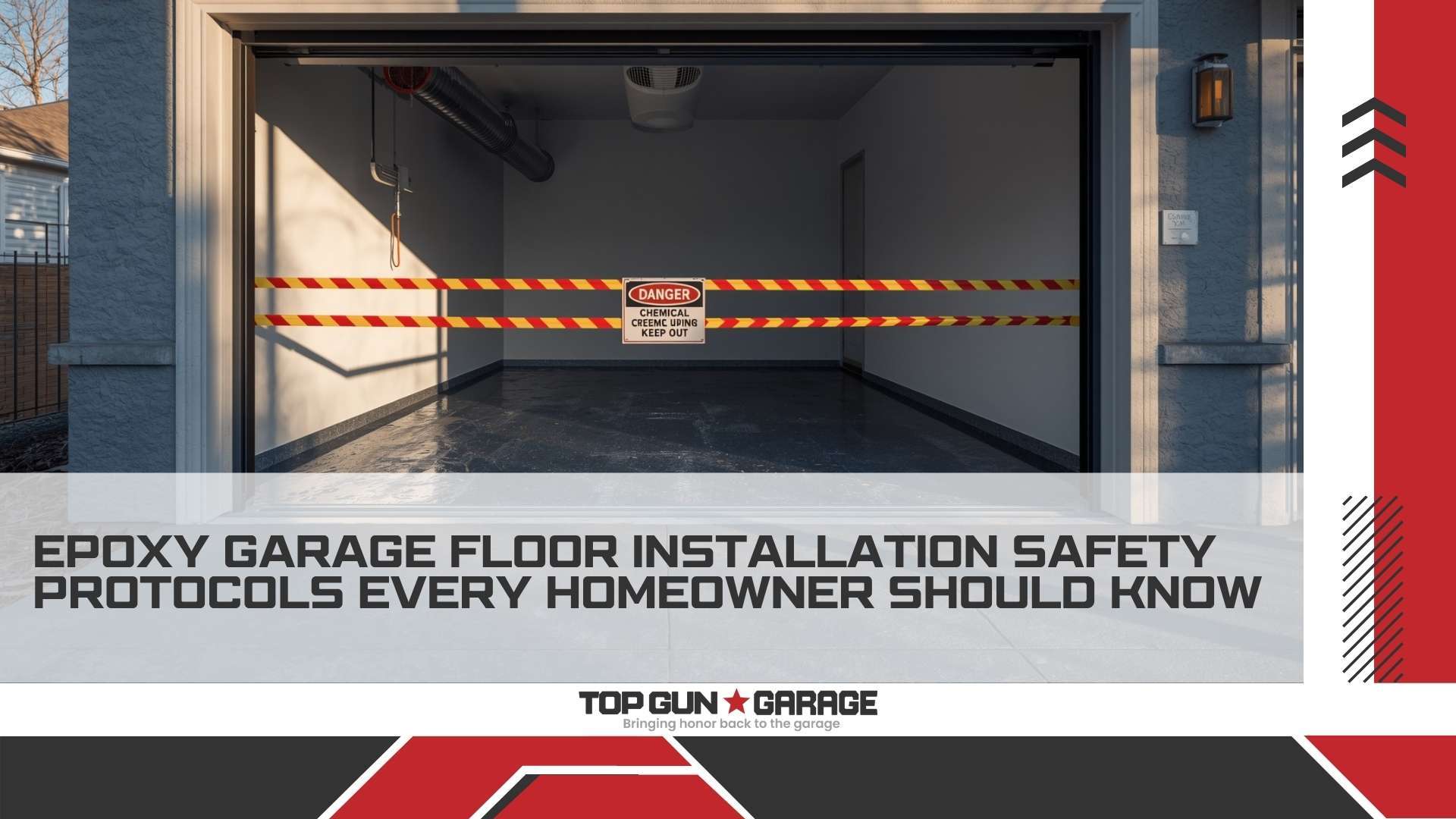
Applying an epoxy coating transforms a dull, stained concrete slab into a high-performance surface that resists chemicals, impacts, and abrasion. However, the installation process involves reactive chemicals that demand rigorous safety measures. Without proper protocols, homeowners risk respiratory irritation, chemical burns, fire hazards, and long-term health complications. The most critical safety rule is this: never begin an epoxy application without full personal protective equipment, continuous mechanical ventilation, and a thorough understanding of the product’s Safety Data Sheet. Cutting corners on safety during the 24 to 72 hours of active curing can turn a rewarding home improvement project into a dangerous ordeal.
Key Takeaways
- Two-part epoxy systems release volatile organic compounds (VOCs) that require forced-air ventilation for at least 48 hours.
- Full PPE — including organic vapor respirators, nitrile gloves, and eye protection — is non-negotiable during mixing and application.
- Surface grinding creates respirable crystalline silica dust; always use a HEPA-filtered dust extraction system.
- Flammable vapors from solvents and curing agents demand that all ignition sources be eliminated from the work zone.
- Moisture vapor transmission through the slab can cause delamination and create slip hazards; always test the concrete before coating.
- Children, pets, and anyone with respiratory conditions must vacate the premises for the full curing period.
- Proper disposal of epoxy waste prevents environmental contamination and complies with local hazardous waste regulations.
Understanding the Chemical Hazards in Epoxy Systems
Modern epoxy garage floor coatings are typically two-component systems consisting of an epoxy resin and a hardener, often an amine or polyamide compound. When mixed, these components undergo an exothermic reaction that cross-links the polymers into a durable, thermoset plastic. According to the Occupational Safety and Health Administration (OSHA), uncured epoxy resins and hardeners can cause occupational asthma, allergic contact dermatitis, and severe eye damage. The Centers for Disease Control and Prevention (CDC) reports that epoxy resin systems are among the leading causes of work-related skin disease in the construction sector. Homeowners must treat these materials with the same respect as industrial chemicals.
Volatile organic compounds (VOCs) are the primary airborne hazard. Even “low-VOC” or “100% solids” formulations emit some vapor during curing. Research from the Environmental Protection Agency (EPA) indicates that indoor VOC levels can spike to 1,000 parts per billion during floor coating applications — ten times higher than baseline. Short-term exposure causes headaches, dizziness, and throat irritation. Chronic exposure is linked to liver and kidney damage. The amine blush that sometimes forms on curing epoxy is itself a skin irritant. Understanding these risks is the first step toward mitigating them.
Essential Personal Protective Equipment for Epoxy Work
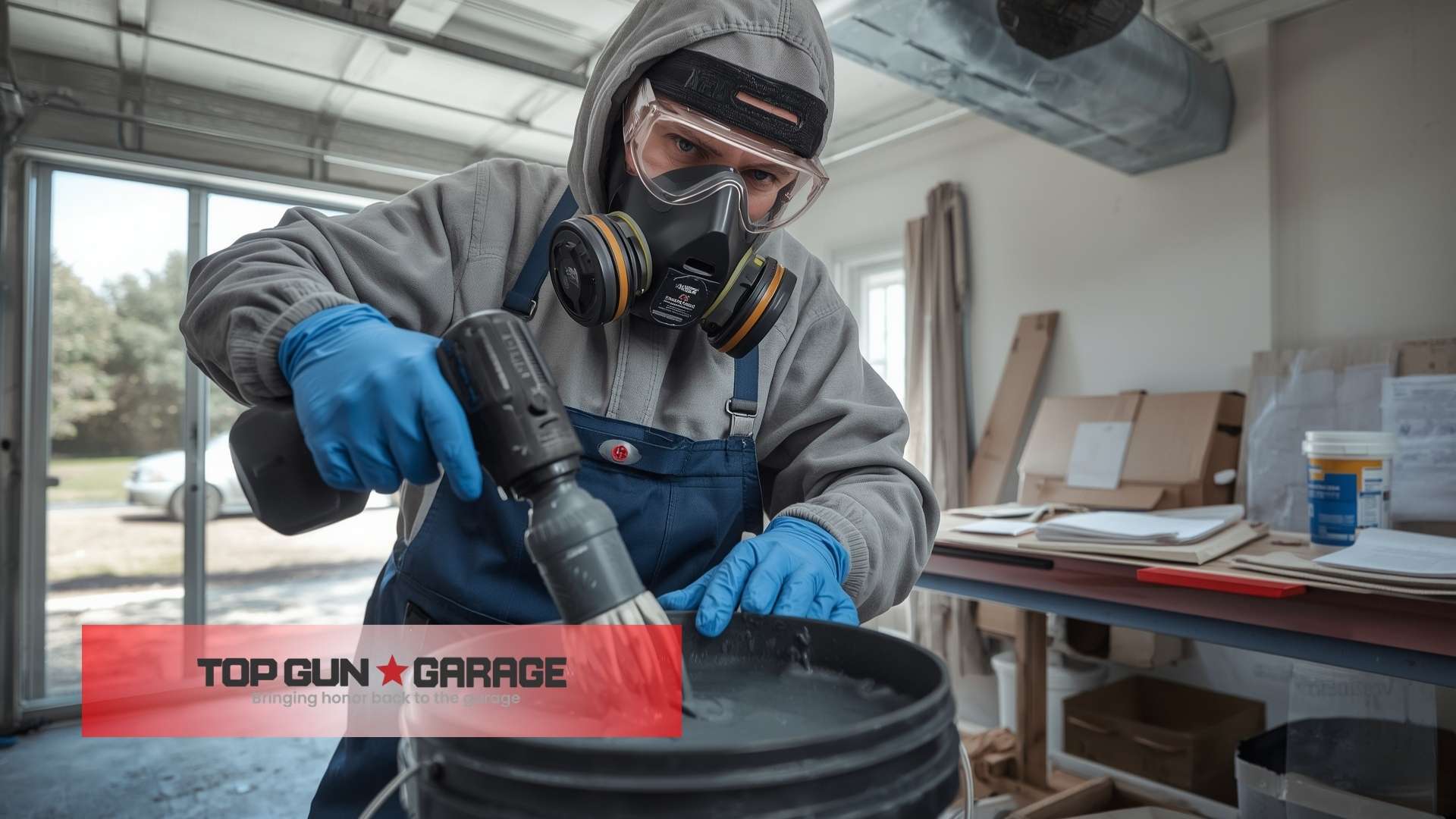
Standard dust masks or surgical masks offer zero protection against organic vapors. As Dr. Elena Torres, a certified industrial hygienist with the American Industrial Hygiene Association, explains: “For epoxy applications, you need a half-face or full-face respirator equipped with organic vapor cartridges and a particulate pre-filter. The cartridges must be rated for amines and solvents, and they should be replaced according to the manufacturer’s breakthrough schedule — typically after eight hours of continuous use.” A properly fitted N95 mask is insufficient; it does not filter chemical fumes.
Skin protection is equally critical. Nitrile gloves with a minimum thickness of 6 mils provide a barrier against epoxy penetration. Latex and vinyl gloves degrade rapidly upon contact with amine hardeners. Wear long-sleeved clothing made of tightly woven fabric, and consider disposable Tyvek coveralls for extensive applications. Chemical splash goggles, not just safety glasses, protect against splashes during mixing. According to a 2024 study published in the Journal of Occupational and Environmental Hygiene, 78% of epoxy-related emergency room visits involved eye or skin exposure that could have been prevented with proper PPE.
Ventilation Requirements and Air Quality Management
Natural ventilation — opening the garage door and windows — is the bare minimum and often inadequate. The exothermic curing reaction generates heat, which accelerates off-gassing. A negative-pressure ventilation setup is far more effective. Position a high-capacity exhaust fan, rated at least 1,500 cubic feet per minute (CFM), in a doorway or window to pull contaminated air out of the garage. Create a cross-draft by opening an intake vent or window on the opposite side. This setup prevents vapor accumulation in dead air zones.
For attached garages, the risk of vapor intrusion into living spaces is significant. The EPA’s Indoor Air Quality guidelines recommend sealing the door between the garage and the house with painter’s tape and plastic sheeting. Turn off central HVAC systems that draw return air from the garage area. Continuous monitoring with a handheld VOC meter, which can be rented from equipment suppliers, provides real-time data. Levels should remain below 0.5 parts per million for safe occupancy. Maintain active ventilation for at least 48 hours after the final coat, or until the floor is fully cured and odor-free.
Concrete Surface Preparation: The Dust and Silica Risk
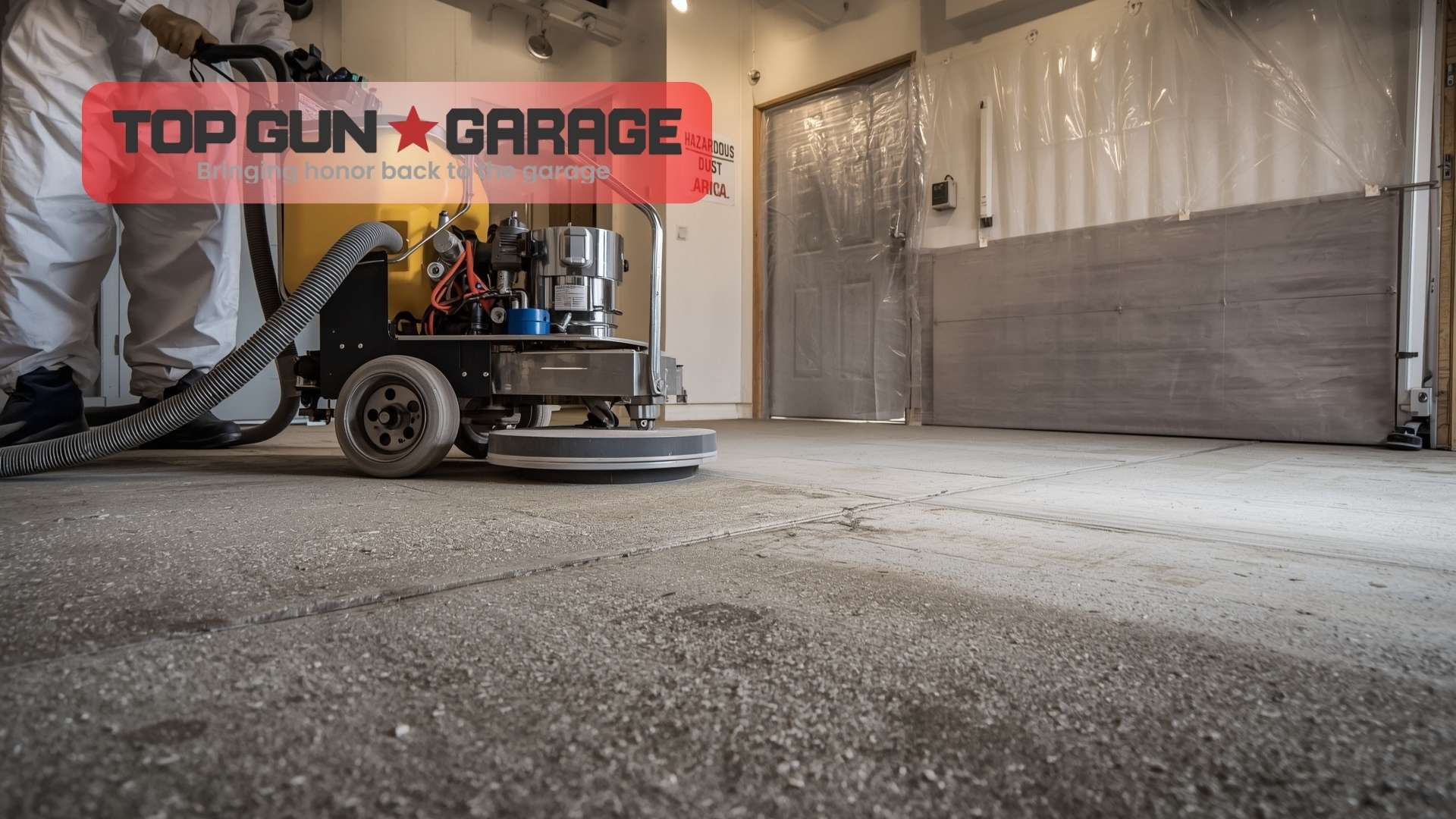
Proper adhesion requires mechanical profiling of the concrete surface, typically through diamond grinding or shot blasting. This process generates massive amounts of respirable crystalline silica dust. OSHA’s Silica Standard (29 CFR 1926.1153) mandates that exposure be limited to 50 micrograms per cubic meter over an eight-hour time-weighted average. Prolonged inhalation of silica dust causes silicosis, an irreversible and often fatal lung disease. The National Institute for Occupational Safety and Health (NIOSH) identifies concrete grinding as a high-risk activity.
Homeowners must use a grinder equipped with a HEPA-filtered dust extraction system. A standard shop vacuum, even with a fine-dust filter, will exhaust the smallest, most dangerous particles back into the air. The HEPA filter must capture 99.97% of particles at 0.3 microns. Wet grinding methods suppress dust but create a slurry that requires proper containment and disposal. Always wear a respirator with P100 particulate filters during surface preparation, even with dust extraction. Isolate the work area with plastic sheeting to prevent silica dust from migrating into the home.
Fire and Explosion Prevention During Installation
Many epoxy systems contain flammable solvents such as xylene, toluene, or methyl ethyl ketone. The curing reaction itself generates heat, which can accelerate vaporization. The National Fire Protection Association (NFPA) classifies these materials as Class I flammable liquids. A single spark from a pilot light, electrical switch, or static discharge can ignite accumulated vapors. The flash point of some epoxy thinners is below 73 degrees Fahrenheit, meaning they can ignite at room temperature.
Before starting, extinguish all pilot lights on gas water heaters, furnaces, and dryers located in or near the garage. Unplug all non-essential electrical devices. Use explosion-proof lighting and fans rated for hazardous locations. Ground all metal containers and equipment to prevent static buildup. Keep a Class B fire extinguisher — rated for flammable liquids — within immediate reach. Never smoke, vape, or use open flames in the work zone. The risk is not theoretical; the U.S. Chemical Safety Board has documented multiple residential explosions linked to improper use of floor coating chemicals.
Moisture Testing and Slip Hazard Mitigation
Concrete is porous and transmits moisture vapor from the ground. If the slab’s moisture vapor emission rate exceeds 3 pounds per 1,000 square feet per 24 hours, an epoxy coating is likely to delaminate. This creates not only a costly failure but also a serious trip and slip hazard. The ASTM F2170 standard specifies using in-situ relative humidity probes, while the ASTM F1869 calcium chloride test measures emission rates. According to the American Concrete Institute, over 60% of coating failures on ground-level slabs are attributable to excessive moisture.
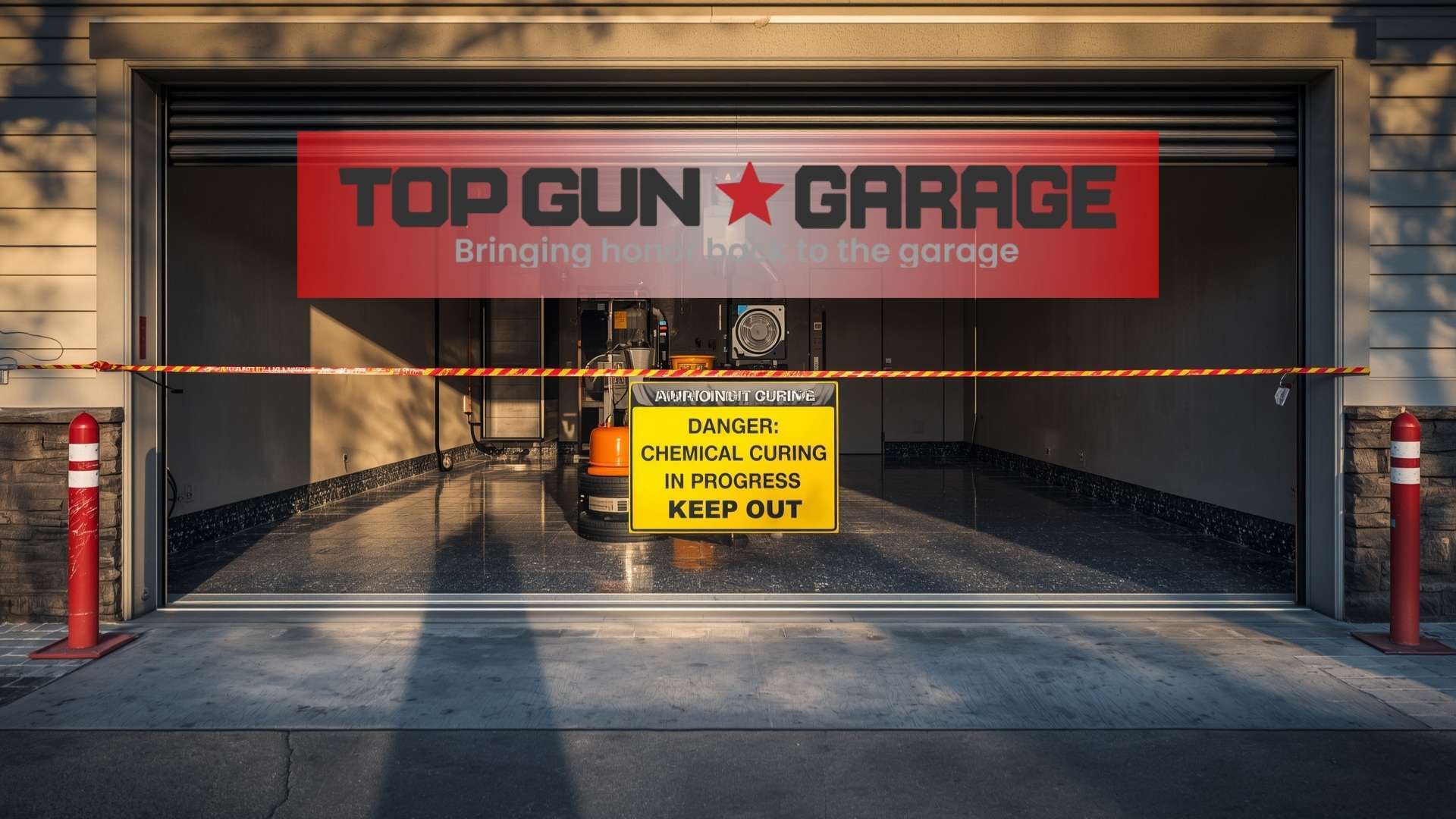
During application, wet epoxy is extremely slippery. Cordon off the work area and post warning signs. After curing, the high-gloss finish can become treacherously slick when wet or oily. Incorporate a slip-resistant additive — such as aluminum oxide grit or polymer beads — into the final clear coat. These additives create a micro-textured surface that maintains grip without compromising cleanability. For a deeper dive into long-term slip resistance, see our guide on slip-resistant surfaces that stay effective long term.
Step-by-Step Safety Protocol for DIY Application
- Read the Safety Data Sheet: Obtain the SDS for every product in the system. Note the hazardous ingredients, exposure limits, and first-aid measures.
- Prepare the Space: Remove all vehicles, tools, and stored items. Seal HVAC vents and the door to the house with 6-mil plastic sheeting and tape.
- Set Up Ventilation: Install an exhaust fan rated at 1,500+ CFM. Open an intake vent on the opposite wall. Test airflow with a smoke pencil.
- Don PPE: Put on a fitted organic vapor respirator, chemical splash goggles, 6-mil nitrile gloves, long sleeves, and pants.
- Eliminate Ignition Sources: Extinguish pilot lights, unplug appliances, and ground all equipment.
- Grind with Dust Control: Use a HEPA-extraction grinder. Wear a P100 respirator. Contain and dispose of silica dust properly.
- Mix in a Designated Area: Mix epoxy components in a well-ventilated spot, away from the main application area if possible, to minimize vapor concentration.
- Apply with Care: Work in sections, maintaining a wet edge. Avoid splashing. Keep the ventilation running continuously.
- Monitor Air Quality: Use a VOC meter to ensure levels stay below 0.5 ppm. If levels rise, increase ventilation and take breaks.
- Cure Safely: Maintain ventilation for 48-72 hours. Keep the area sealed and off-limits. Dispose of used PPE, mixing containers, and waste as hazardous material.
Common Mistakes That Compromise Safety
One of the most frequent errors is underestimating the importance of a moisture barrier. Homeowners in humid climates often skip the moisture vapor test, leading to blistering and peeling within months. This failure not only wastes the investment but creates a surface that can cause falls. For those in coastal regions, understanding how humidity interacts with coatings is essential; our article on Fort Myers epoxy flooring humidity explores this dynamic in detail.
Another critical mistake is rushing the recoat window. Epoxy systems have a specific window — often 12 to 24 hours — during which the next coat must be applied to achieve a chemical bond. Missing this window requires sanding the cured surface to create a mechanical profile, which reintroduces dust hazards. Applying a topcoat too early can trap solvents, leading to bubbling and a compromised finish. Always follow the manufacturer’s technical data sheet to the minute. Relying on touch alone is unreliable; use a surface thermometer and a relative humidity gauge to confirm conditions are within spec.
Protecting Vulnerable Household Members
Children, pregnant women, elderly individuals, and those with asthma or chemical sensitivities face heightened risks from epoxy emissions. The developing respiratory systems of children are particularly susceptible to VOC-induced inflammation. A 2023 report from the World Health Organization emphasized that there is no safe exposure threshold for certain epoxy hardeners for sensitive populations. The only reliable protection is complete evacuation during the application and curing phases. Plan for the family to stay elsewhere for at least three days.
Pets are also at risk. Dogs and cats have faster metabolic rates and are closer to the floor, where vapors concentrate. Birds are exquisitely sensitive to airborne toxins and can die from exposure levels that seem negligible to humans. Relocate all pets to a boarding facility or a friend’s home. Do not allow them back into the garage until the floor is fully cured and the space has been thoroughly ventilated for an additional 24 hours. The same principles apply when considering garage flooring that reduces allergens — the installation process itself can temporarily worsen indoor air quality.
Waste Disposal and Environmental Safety
Uncured epoxy, solvent-laden rags, and empty containers are classified as hazardous waste in most jurisdictions. Pouring leftover mixed epoxy down a drain contaminates water supplies and is illegal. The Environmental Protection Agency enforces strict penalties for improper disposal under the Resource Conservation and Recovery Act. Cured epoxy, however, is inert and can be disposed of as regular construction debris. The key is to ensure all material is fully reacted and hardened before disposal.
To safely dispose of liquid epoxy, mix the remaining resin and hardener in a small container and allow it to fully cure in a well-ventilated area away from the house. The exothermic reaction will generate heat; place the container on a non-flammable surface. Once solid, it can go in the trash. Solvent-soaked rags pose a spontaneous combustion risk. Place them in a water-filled, sealed metal container and deliver them to a household hazardous waste collection facility. For commercial-scale projects, the protocols are even more stringent, as detailed in our overview of epoxy flooring for commercial spaces.
Comparing Epoxy Safety to Alternative Flooring Systems
Polyaspartic and polyurea coatings have gained popularity as faster-curing alternatives to epoxy. From a safety standpoint, they present a different risk profile. Polyaspartics typically have lower VOC content but cure so rapidly — often within one to two hours — that the off-gassing period is compressed into a shorter, more intense window. The application requires even more precise timing and ventilation control. As Mark Chen, a coatings chemist with 20 years of industry experience, notes: “The speed of polyaspartic systems means the applicator is exposed to a higher concentration of vapors in a shorter time. PPE and ventilation are just as critical, if not more so.”
The table below compares key safety attributes of common garage flooring options:
| Flooring Type | VOC Level During Install | Primary PPE Required | Curing Time (Safe Re-entry) | Slip Resistance (Wet) |
|---|---|---|---|---|
| 100% Solids Epoxy | Low to Moderate | Organic vapor respirator, nitrile gloves | 48-72 hours | Low (unless additive used) |
| Solvent-Based Epoxy | High | Organic vapor respirator, full skin coverage | 72+ hours | Low to Moderate |
| Polyaspartic | Low to Moderate | Organic vapor respirator, nitrile gloves | 4-24 hours | Moderate (with additive) |
| Acrylic Sealer | Moderate | Organic vapor respirator, gloves | 24-48 hours | Moderate |
| Interlocking Tiles | None | None (dust mask for cutting) | Immediate | High (textured surface) |
For a deeper technical comparison of resinous systems, review our analysis of epoxy vs polyaspartic performance differences.
Long-Term Safety: Maintaining a Hazard-Free Epoxy Floor
Once cured, an epoxy floor is chemically inert and safe for daily use. However, the surface characteristics can change over time. The gloss finish can become slippery when contaminated with oil, water, or fine dust. Establish a routine cleaning protocol using a microfiber dust mop and a pH-neutral cleaner. Avoid harsh chemicals like bleach or acid-based cleaners, which can etch the surface and create uneven wear patterns. Spills should be cleaned immediately to prevent staining and slip hazards.
Inspect the floor annually for signs of wear, such as peeling, blistering, or loss of gloss. These defects not only compromise the floor’s protective function but can also create tripping hazards. In high-traffic garages, the clear coat may wear thin after five to seven years. Recoating before the base color coat is exposed prevents more extensive and costly repairs. For homeowners in regions with extreme weather, understanding how seasonal shifts affect the floor is crucial; our guide on how seasonal changes affect epoxy floors provides region-specific insights.
When to Call a Professional Installer
While a meticulous DIYer can safely install an epoxy floor, certain scenarios demand professional intervention. If the concrete slab has active cracks, oil contamination, or a failed previous coating, the preparation required goes beyond what rental equipment can handle. Professionals use industrial-grade shot blasters and scarifiers that achieve a consistent profile without generating uncontrolled dust. They also have the training to handle chemical emergencies, such as a hardener spill or an adverse reaction.
As Sarah Lindstrom, a project manager at a leading coatings firm, states: “We invest thousands of dollars in air monitoring equipment, explosion-proof ventilation, and ongoing safety training. A homeowner simply cannot replicate that level of risk management on a weekend project. The cost of a professional installation includes peace of mind that the job was done without endangering anyone’s health.” For those considering a professional approach, understanding the benefits of professional epoxy floor coating is a valuable starting point.
Frequently Asked Questions
Can I stay in my house during epoxy floor installation?
For attached garages, it is strongly recommended to vacate the home during application and for at least 48 hours afterward. Vapors can infiltrate living spaces through gaps in drywall and door seals, even with plastic sheeting. Sensitive individuals should stay away for 72 hours or until a VOC meter confirms safe levels.
What type of respirator do I need for epoxy fumes?
You need a half-face or full-face respirator with organic vapor cartridges specifically rated for amines and solvents. Particulate pre-filters (P100) are also necessary if grinding concrete. Standard N95 masks do not protect against chemical vapors. Cartridges must be replaced regularly per the manufacturer’s guidelines.
How do I know if my concrete is too moist for epoxy?
Perform a calcium chloride test (ASTM F1869) or an in-situ relative humidity probe test (ASTM F2170). If the moisture vapor emission rate exceeds 3 pounds per 1,000 square feet per 24 hours, or internal relative humidity is above 75%, the slab requires a moisture mitigation system before coating.
Is epoxy flooring safe for pets after it cures?
Yes, fully cured epoxy is inert and non-toxic. The danger is during the liquid and curing phases. Pets must be kept away from the area until the floor is completely hard and odor-free, typically 72 hours. Their proximity to the floor and faster metabolism make them more vulnerable to vapors.
Can epoxy fumes ignite?
Solvent-based epoxy systems contain flammable liquids that can ignite if vapor concentrations reach the lower explosive limit. Pilot lights, electrical sparks, and static electricity are all potential ignition sources. Always eliminate these sources and use explosion-proof equipment when working with flammable coatings.
What should I do if I get epoxy on my skin?
Immediately remove contaminated clothing and wash the area with soap and water. Do not use solvents like acetone or paint thinner, as they can drive the chemical deeper into the skin. If a rash, blistering, or severe irritation develops, seek medical attention. Always consult the product’s SDS for specific first-aid instructions.
How do I dispose of leftover epoxy and containers?
Mix leftover resin and hardener together in a small container and let it fully cure in a safe, ventilated location. Once solid, it can be disposed of with regular trash. Empty containers with residue should be taken to a household hazardous waste facility. Never pour liquid epoxy down drains or into the ground.
Conclusion
Epoxy garage floor installation delivers a durable, attractive surface that enhances both the function and value of a home. However, the chemical processes involved demand unwavering attention to safety. From the initial concrete grind to the final cure, every step carries specific risks that can be managed with the right knowledge, equipment, and discipline. Prioritizing ventilation, wearing proper PPE, and respecting the chemical nature of the materials transforms a potentially hazardous project into a controlled, successful upgrade. The protocols outlined here are not optional — they are the foundation of a job done right.
If you are considering an epoxy floor for your garage and want to ensure the highest safety standards are met, professional consultation is invaluable. Contact our team today to discuss your project and learn how expert installation eliminates risk while delivering a flawless finish.
References
- Occupational Safety and Health Administration (OSHA) – Silica Standard and Chemical Hazards
- Centers for Disease Control and Prevention (CDC) – Epoxy Resin Systems and Occupational Skin Disease
- Environmental Protection Agency (EPA) – Indoor Air Quality and VOC Emissions
- National Fire Protection Association (NFPA) – Flammable Liquid Classification
- National Institute for Occupational Safety and Health (NIOSH) – Respirable Crystalline Silica
- American Concrete Institute (ACI) – Moisture-Related Coating Failures
- World Health Organization (WHO) – Chemical Sensitivity and Indoor Air Quality
- American Industrial Hygiene Association (AIHA) – Respiratory Protection Guidelines