



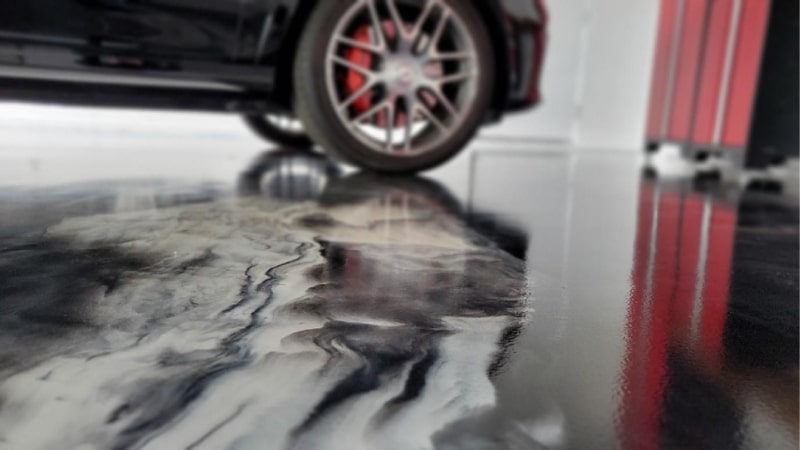
Professional epoxy floor coating services provide superior durability, advanced surface preparation, and access to commercial-grade polyaspartic and polyurea materials that DIY kits simply cannot match. By utilizing heavy-duty diamond grinders and rigorous moisture mitigation techniques, certified installers ensure a permanent chemical bond to the concrete substrate. This professional approach eliminates the risk of hot-tire pickup, premature delamination, and chemical staining, resulting in a high-performance surface engineered to last for decades.
Key Takeaways
- Superior Adhesion: Professional installations utilize mechanical diamond grinding to achieve the necessary Concrete Surface Profile (CSP), preventing peeling and delamination.
- Commercial-Grade Materials: Experts use 100% solids epoxy and advanced polyaspartic topcoats, which are significantly more durable than water-based DIY kits.
- Moisture Mitigation: Professional contractors perform calcium chloride testing to detect and treat hidden moisture issues before applying the coating.
- Faster Return to Service: With 2026 polyurea technology, professional installations can often be completed in a fraction of the time, allowing vehicle traffic within 24 hours.
- Long-Term Cost Efficiency: While the upfront investment is higher, professional coatings outlast DIY alternatives by up to 15 years, saving money on frequent reapplications.
The Hidden Risks of DIY Floor Coatings in 2026
The allure of a weekend home improvement project often leads property owners to big-box store epoxy kits. However, the reality of these consumer-grade products is starkly different from commercial applications. According to 2026 data from the National Association of Home Builders (NAHB), home improvement errors cost homeowners over $1.5 billion annually, with flooring failures representing a significant portion of that expense.
Consumer-grade kits typically contain water-based epoxies with a low solids contentâoften around 50%. As the water evaporates during the curing process, the coating shrinks, resulting in a micro-thin layer of protection that is highly susceptible to abrasion and chemical damage. Within 12 to 18 months, many DIY floors experience hot-tire pickup, a phenomenon where the heat from car tires melts the inferior resin, peeling it away from the concrete.
“We see hundreds of failed DIY projects every single year. The cost to strip a failed garage floor coating often exceeds the price of the original installation,” states Marcus Thorne, Senior Technical Advisor at the National Floor Safety Institute (NFSI). “Homeowners end up paying twice for a job that should have been done right the first time.”
Why Surface Preparation Dictates Coating Lifespan
The most critical differentiator between amateur and professional epoxy floor coating services is surface preparation. The American Concrete Institute (ACI) dictates that concrete must be mechanically profiled to achieve a specific Concrete Surface Profile (CSP) of 2 or 3 for optimal resin adhesion. Acid etching, the method provided in most DIY kits, is insufficient for removing dense laitance, oil stains, or existing sealers.
Professional installers utilize heavy-duty planetary diamond grinders equipped with HEPA vacuums. This machinery physically removes the top microscopic layer of the concrete, opening the pores and allowing the epoxy primer to wick deep into the substrate. This mechanical bond is capable of withstanding over 400 PSI of pull-off strength.
Furthermore, professional grinding is the only effective way to hide ugly pitted concrete and level out minor imperfections. “Surface preparation is the invisible foundation of any successful floor coating. Skipping diamond grinding is the number one reason DIY kits delaminate within the first year,” explains Dr. Richard Kessler, Materials Engineer. Additionally, professional contractors adhere strictly to Occupational Safety and Health Administration (OSHA) regulations regarding silica dust extraction, protecting both the workers and the property environment.
Material Science: Commercial-Grade Resins vs. Water-Based Kits
The chemical composition of floor coatings has evolved dramatically. In 2026, the industry standard for professional applications has shifted heavily toward 100% solids epoxy primers paired with advanced polyaspartic or polyurea topcoats. These commercial-grade materials contain zero water or solvents, meaning they cure through a direct chemical reaction rather than evaporation.
This 100% solids formulation results in a dry film thickness (DFT) that is often 4 to 5 times thicker than a standard DIY application. The increased thickness provides superior impact resistance, preventing the concrete from chipping when heavy tools or equipment are dropped. Furthermore, these advanced resins are formulated with UV inhibitors, ensuring the floor will not yellow or amber when exposed to direct sunlight.
“In 2026, the shift from traditional epoxies to advanced polyurea systems demands specialized application equipment that the average homeowner simply cannot access,” notes Sarah Jenkins, Director of Operations at the Resin Flooring Association. Understanding the nuances of polyaspartic vs epoxy cure times is essential, as polyaspartic materials can cure in as little as 45 minutes, requiring a highly coordinated, multi-person crew to apply flawlessly.
Comparing the True Costs: Professional vs. DIY
When evaluating the investment in your property, it is crucial to look beyond the initial price tag. The table below outlines the stark differences between professional services and DIY approaches.
| Feature | Professional Coating Services | DIY Store-Bought Kits |
|---|---|---|
| Surface Preparation | Mechanical Diamond Grinding (CSP 2-3) | Chemical Acid Etching (Often Ineffective) |
| Material Composition | 100% Solids Epoxy / Polyaspartic Topcoat | 50% Water-Based or Solvent-Based Epoxy |
| Expected Lifespan | 15 to 20+ Years | 1 to 3 Years |
| Hot-Tire Resistance | Excellent (Will not peel) | Poor (Highly prone to peeling) |
| Warranty Protection | Comprehensive (Often 15+ years or Lifetime) | Limited (Usually covers material defects only) |
The Professional Installation Process: Step-by-Step
Achieving a flawless, permanent floor coating requires a systematic approach. Professional teams follow a rigorous, multi-step protocol to ensure optimal adhesion and aesthetic perfection.
- Moisture Testing and Assessment: Before any equipment is unloaded, technicians measure the Moisture Vapor Emission Rate (MVER). If the concrete emits more than 3 lbs of moisture per 1,000 square feet, a specialized moisture-mitigating primer is required. Identifying hidden concrete moisture problems early prevents catastrophic blistering down the road.
- Mechanical Diamond Grinding: The entire surface is ground using heavy-duty planetary grinders. This removes the smooth top layer of concrete, exposing the porous aggregate beneath. Edges and corners are meticulously ground using specialized hand tools.
- Crack and Spall Repair: Any existing damage, including settling cracks or spalling, is chased with a diamond blade and filled with a rapid-curing polyurea filler. Fixing a settling garage floor ensures the final coating remains seamless and structurally sound.
- Primer and Base Coat Application: A 100% solids epoxy or polyurea base coat is squeegeed and back-rolled across the floor. This layer acts as the primary binder, sinking into the open pores of the concrete.
- Flake Broadcast and Topcoat: For decorative finishes, vinyl flakes are broadcast to rejection into the wet base coat. Once cured, the excess is scraped away, and a clear, UV-stable polyaspartic topcoat is applied. Depending on the system chosen, homeowners should understand the differences between 1-day and 3-day installation timelines to set proper expectations for their return to service.
Advanced Safety, Compliance, and Environmental Standards
Modern professional floor coatings are engineered with safety and environmental compliance at the forefront. The Environmental Protection Agency (EPA) heavily regulates the emission of Volatile Organic Compounds (VOCs) in building materials. Professional-grade 100% solids epoxies and polyaspartics are ultra-low or zero-VOC, ensuring that indoor air quality remains safe during and after the installation process.
Furthermore, slip resistance is a critical factor, especially in environments prone to moisture or spills. Professional installers can customize the Coefficient of Friction (COF) by incorporating specialized anti-slip aggregates, such as aluminum oxide or glass spheres, into the final topcoat. This ensures the surface meets or exceeds commercial safety standards, providing peace of mind for both residential homeowners and commercial facility managers.
However, the industry is not without its bad actors. It is vital for consumers to know how to spot a bad garage floor contractor. Unlicensed operators often cut corners by skipping moisture tests, using diluted materials, or failing to properly grind the concrete, leading to inevitable floor failure.
Long-Term Durability and Warranty Protection
When you invest in professional epoxy floor coating services, you are purchasing long-term peace of mind. The cross-linked polymer structure of commercial resins provides unparalleled resistance to automotive fluids, including brake fluid, motor oil, and antifreeze. Unlike bare concrete, which acts like a sponge, a professionally coated floor is completely non-porous. Spills can be wiped up effortlessly without leaving permanent stains.
While some facility managers may debate the need for industrial-grade epoxy vs residential formulations, the truth is that today’s premium residential installations utilize the exact same chemistry found in airplane hangars and manufacturing plants. This robust durability is why reputable professional contractors confidently offer warranties extending 15 years or even for the lifetime of the home.
Frequently Asked Questions (FAQ)
How long does a professional epoxy floor coating last?
When installed correctly with mechanical diamond grinding and commercial-grade materials, a professional epoxy or polyaspartic floor coating can last 15 to 20 years in a residential setting. Commercial lifespans vary based on traffic but typically exceed 10 years.
Can I park my car on the floor immediately after installation?
No. While advanced polyaspartic topcoats cure quickly and allow for foot traffic within 4 to 6 hours, it is universally recommended to wait a full 24 to 48 hours before parking vehicles on the surface to ensure the resin has reached its maximum hardness.
Will a professional coating fix my cracked concrete?
Yes. Professional installers use specialized diamond blades to chase out existing cracks, which are then filled with a structural polyurea mending compound. Once the base coat and flakes are applied, the repaired cracks become completely invisible.
Why is diamond grinding better than acid etching?
Acid etching only cleans the very surface of the concrete and often leaves behind a powdery residue (laitance) that prevents adhesion. Mechanical diamond grinding physically removes the top layer, opening the concrete’s pores to allow the epoxy primer to penetrate deeply and form a permanent chemical bond.
Are professional floor coatings slippery when wet?
While high-gloss topcoats can be slippery when wet, professional installers mitigate this risk by broadcasting anti-slip additives, such as aluminum oxide, into the final clear coat. This provides a textured grip that significantly improves traction without sacrificing aesthetics.
What is the difference between epoxy and polyaspartic coatings?
Epoxy is an excellent, highly adhesive primer that bonds tenaciously to concrete. Polyaspartic is a newer, more advanced polymer that is highly UV-resistant, flexible, and cures much faster. The best professional systems often use an epoxy base coat paired with a polyaspartic topcoat for maximum durability.
Conclusion
Choosing professional epoxy floor coating services over a DIY approach is an investment in the longevity, safety, and aesthetic value of your property. By leveraging advanced 2026 material science, rigorous mechanical surface preparation, and expert application techniques, professional contractors deliver a seamless, high-performance surface that stands the test of time. Attempting to cut costs with consumer-grade kits almost always leads to premature failure, hot-tire pickup, and expensive remediation.
If you are ready to transform your concrete surfaces with a permanent, commercial-grade solution, do not leave the job to chance. Contact us today to schedule a comprehensive site assessment and discover how our expert installation team can elevate your space.