 Skip to content



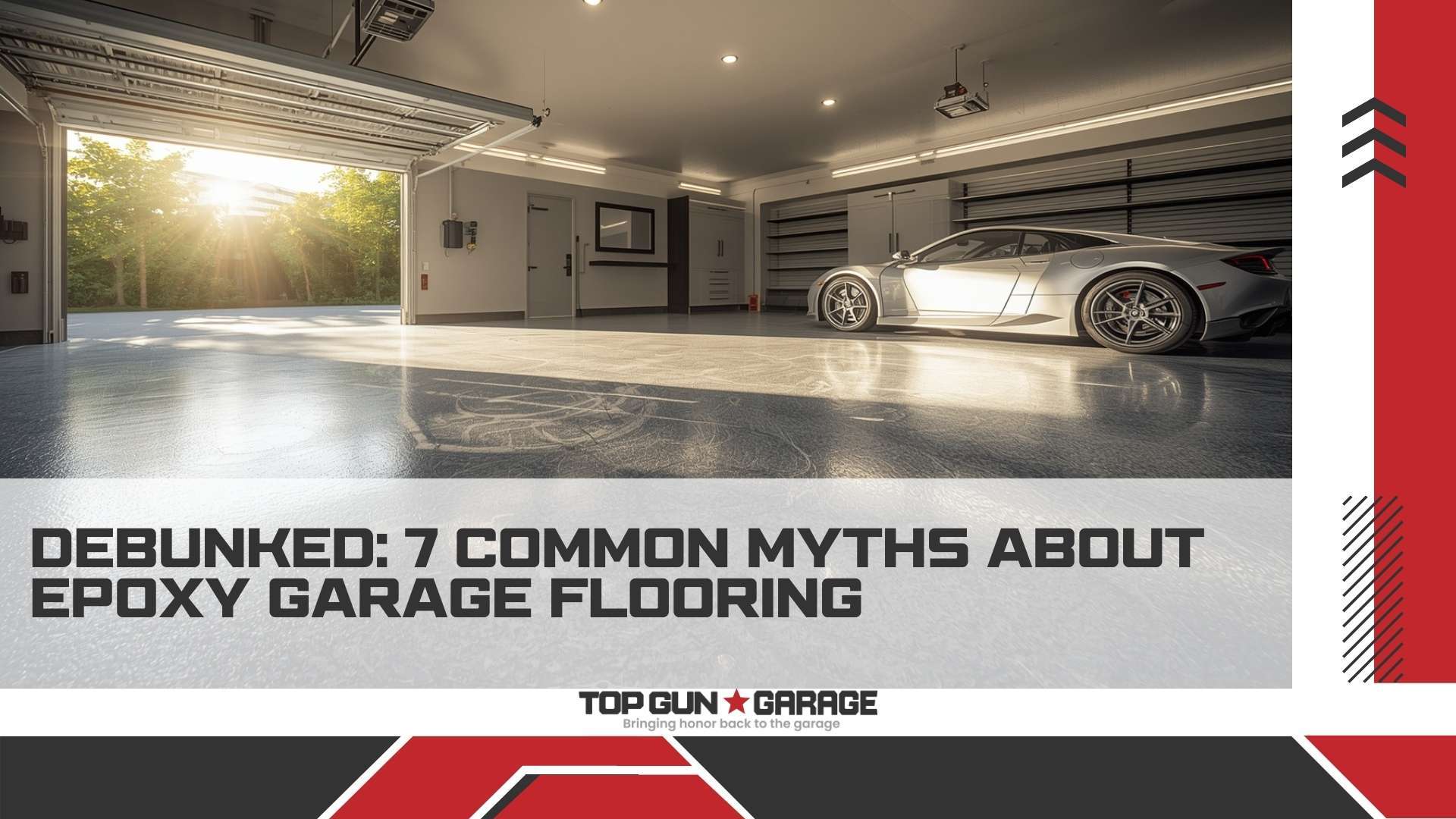
When it comes to common epoxy flooring myths, misinformation spreads quickly through online forums, casual conversations with neighbors, and even from contractors who lack proper training in modern coating systems. These misconceptions can prevent Naples homeowners from making informed decisions about their garage floors, often leading them to choose inferior alternatives or avoid epoxy altogether based on outdated or simply false information. The truth is that epoxy flooring technology has advanced dramatically over the past decade, addressing many of the legitimate concerns that existed with older formulations and application methods.
Understanding the reality behind these persistent myths is essential for any homeowner considering a garage floor upgrade in Southwest Florida. Some myths stem from experiences with cheap DIY kits that bear little resemblance to professional-grade systems, while others are based on installations from years ago when materials and techniques were less refined. The result is a cloud of confusion that obscures the genuine benefits and realistic expectations of modern epoxy flooring installed by qualified professionals using commercial-grade materials.
At Top Gun Garage, we encounter these misconceptions daily when consulting with potential clients who have done online research or talked to friends about their garage projects. Our goal is always to provide accurate, science-based information that empowers homeowners to make decisions based on facts rather than fiction. We believe that an educated customer is a satisfied customer, and transparency about both the capabilities and limitations of epoxy flooring builds the trust necessary for a successful project.
This comprehensive guide will systematically debunk seven of the most common myths about epoxy garage flooring, providing clear explanations backed by industry knowledge and real-world experience. From concerns about durability and maintenance to questions about cost and installation complexity, we will separate fact from fiction so you can confidently evaluate whether epoxy is right for your Naples garage. Let’s cut through the noise and get to the truth about modern garage floor coatings.
Key Takeaways
-
Professional vs DIY: Most negative experiences stem from DIY kits, not professional installations with commercial-grade materials.
-
Durability Facts: Properly installed epoxy can last 15-20+ years in residential settings with normal use and basic maintenance.
-
Maintenance Reality: Epoxy requires less maintenance than bare concrete, not more, and simple cleaning keeps it pristine.
-
Climate Concerns: Modern formulations handle Florida’s humidity and heat when installed with proper moisture testing and prep.
-
Cost Truth: Professional epoxy offers better long-term value than cheaper alternatives that require frequent replacement.
Myth 1: All Epoxy Coatings Are the Same
One of the most damaging misconceptions is that all epoxy products deliver the same performance regardless of price point or source, leading many homeowners to choose based solely on cost. The reality is that epoxy coatings span a massive quality spectrum, from thin water-based retail kits that provide minimal protection to industrial-grade 100% solids systems engineered for commercial warehouse environments with forklift traffic and chemical exposure. These products differ fundamentally in their chemical composition, solids content, thickness when applied, and resulting durability, making direct comparisons between a big-box store kit and professional materials completely meaningless.
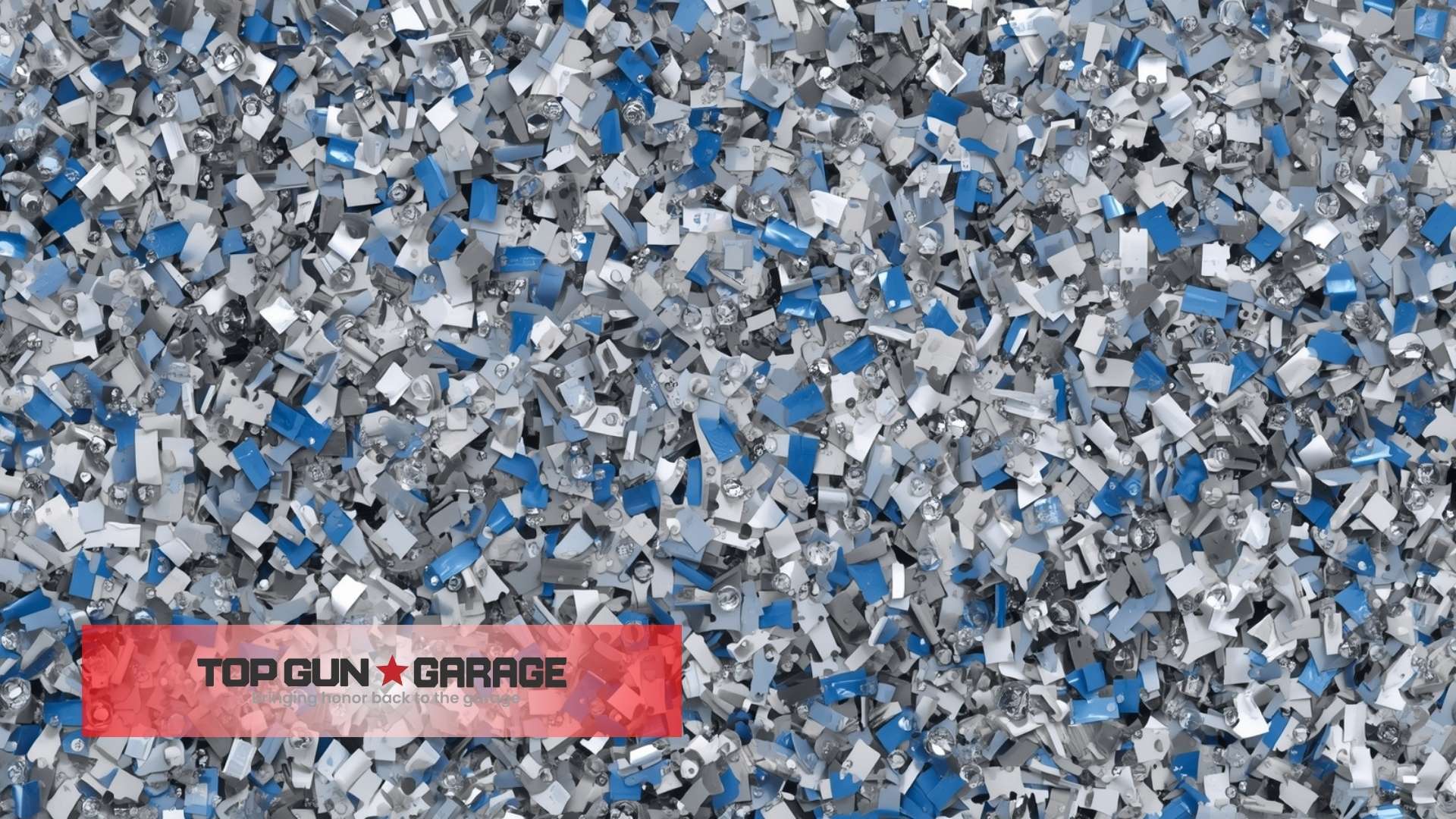
Water-based epoxy kits sold at retail stores typically contain only 30-50% solids by volume, with the remainder being water that evaporates during curing, leaving behind a thin film that offers limited protection against abrasion, chemicals, and hot tire pickup. In contrast, professional 100% solids epoxy systems contain no water or solvents to evaporate, meaning the entire volume applied becomes protective coating, resulting in thickness measurements of 10-20 mils compared to the 2-4 mils achieved by DIY products. This five-fold difference in thickness directly translates to dramatically different performance and longevity in real-world garage environments.
The chemical formulation also varies significantly between product categories, with professional systems using advanced amine hardeners and epoxy resins that create stronger cross-linking and better adhesion to concrete substrates. These commercial-grade materials are specifically engineered to withstand the thermal cycling from hot vehicle exhausts, resist yellowing from UV exposure through open garage doors, and maintain flexibility to accommodate concrete movement without cracking or delaminating. Retail products rarely incorporate these advanced chemistry improvements, relying instead on basic formulations that have remained largely unchanged for decades.
Understanding these fundamental differences is crucial when evaluating contractor quotes or considering DIY options, as comparing costs without considering material quality leads to poor decisions. The lowest price per square foot is meaningless if the coating fails within two years, requiring complete removal and reapplication that ultimately costs more than a professional installation would have initially. For detailed insights into how coating chemistry affects performance, explore our guide on epoxy molecular bonding to understand what really determines quality.
Myth 2: Epoxy Floors Are Impossible to Maintain and Stain Easily
Another persistent myth that discourages homeowners from choosing epoxy is the belief that these floors require constant, intensive maintenance to keep clean and are prone to permanent staining from automotive fluids or household chemicals. The truth is precisely the opposite: properly installed epoxy flooring is one of the lowest-maintenance surfaces available for garage environments, requiring far less care than bare concrete, tile, or painted floors. The seamless, non-porous nature of cured epoxy prevents liquids from soaking in and creates a surface that can be cleaned with simple sweeping and occasional mopping using mild, pH-neutral cleaners.
This myth likely originates from experiences with poorly applied coatings that had insufficient surface preparation, resulting in adhesion failure that creates rough, damaged areas where dirt and oils can accumulate in voids and damaged sections. When epoxy delaminates or develops chips due to improper installation, the exposed edges and gaps do become dirt traps that are difficult to clean and give the appearance of a high-maintenance surface. However, this is a failure of installation technique and surface prep, not an inherent characteristic of quality epoxy flooring applied over properly prepared concrete with adequate moisture testing and profiling.
Regarding staining concerns, professional-grade epoxy with a polyaspartic topcoat is highly resistant to chemicals including motor oil, transmission fluid, brake fluid, gasoline, antifreeze, and most household cleaners that might be stored in a garage. While extremely aggressive chemicals like battery acid or paint stripper can potentially cause discoloration if left to sit for extended periods without cleanup, normal automotive fluids can be wiped up even days after spilling without leaving permanent marks. The key is understanding that resistance does not mean immunity, and prompt cleanup of any spill using appropriate methods prevents issues.
The maintenance reality for epoxy floors involves simple dust mopping or sweeping several times per week to remove tracked-in sand and dirt, followed by occasional wet mopping using warm water and a pH-neutral cleaner to remove any residual grime or tire marks. This routine takes minutes to complete and is far less demanding than maintaining bare concrete, which constantly dusts and stains, or tile floors with grout lines that trap dirt and require scrubbing. For comprehensive guidance on proper care that takes minutes per week, reference our article on seasonal maintenance routines that keep floors pristine.
Myth 3: Epoxy Cannot Survive Florida’s Humidity and Heat
Many Naples homeowners have been told that epoxy flooring simply cannot perform in Florida’s challenging climate, with extreme humidity causing delamination and intense heat making the coating soft or sticky under vehicle tires. This myth contains a kernel of historical truth but ignores the significant advances in both materials and installation techniques that have specifically addressed moisture and thermal challenges in humid, hot climates like Southwest Florida. Modern epoxy systems, when properly specified and installed with appropriate moisture testing and mitigation, perform exceptionally well in tropical and subtropical environments including coastal areas with high water tables.
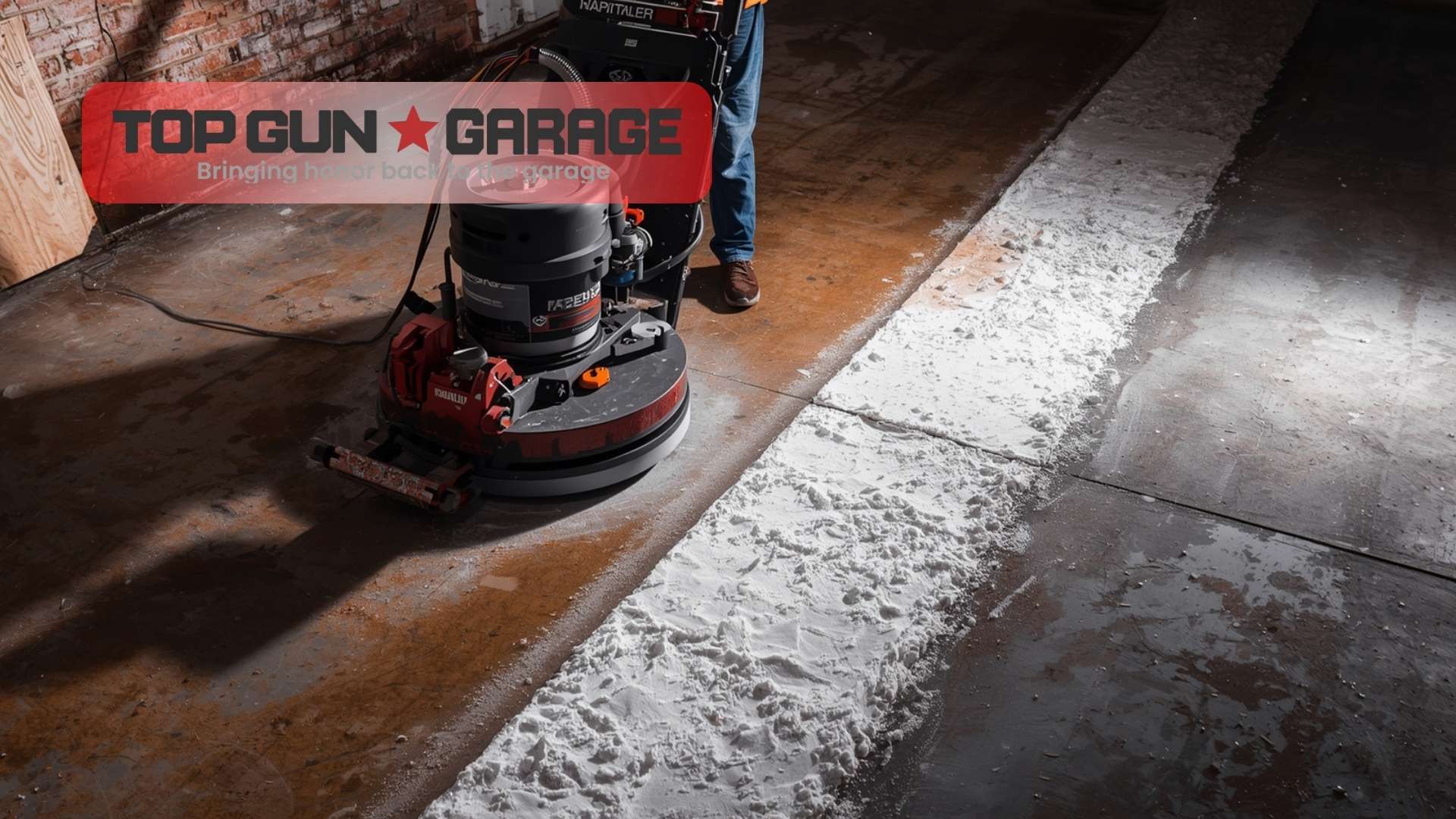
The legitimate concern that gives this myth credibility is that moisture vapor transmission from concrete slabs can indeed cause coatings to delaminate or develop bubbles if the concrete contains excessive moisture that was not identified and addressed during preparation. This is particularly relevant in Florida where many garages are built on grade without vapor barriers and groundwater levels are high year-round, creating conditions where moisture constantly moves upward through the slab. However, professional installers address this through comprehensive moisture testing using calcium chloride tests or electronic meters, followed by application of moisture-mitigating primers when readings exceed manufacturer specifications for standard coatings.
Regarding heat concerns, professional-grade polyaspartic topcoats are specifically formulated to resist softening and hot tire pickup even when vehicle tires, which can reach temperatures exceeding 150°F during summer driving, make contact with the floor surface immediately after parking. These advanced topcoats remain hard and non-tacky at temperatures far exceeding what occurs in residential garages, preventing the tire marking and surface damage that can occur with lower-quality epoxy-only systems or retail DIY products that lack protective topcoats. The chemistry of polyaspartic coatings includes UV stabilizers and heat-resistant resins that maintain integrity in extreme conditions.
The key distinction is between products designed for controlled indoor environments and those engineered specifically for variable conditions including temperature extremes and moisture exposure. Professional contractors serving Florida markets select materials that are proven in local conditions, not generic products designed for northern climates. For detailed information on selecting systems appropriate for Southwest Florida, consult our comprehensive guide on the best coatings for humidity that explains climate-specific requirements.
Myth 4: Epoxy Floors Are Always Slippery When Wet
Safety concerns about slippery surfaces when wet are frequently cited as reasons to avoid epoxy flooring, with many homeowners imagining a dangerously slick surface similar to ice that poses fall risks during rainy weather when vehicles track in water. While it is true that a perfectly smooth, glossy epoxy surface without any texture can become slippery when wet, professional installations routinely incorporate multiple strategies to enhance traction and create safe walking surfaces even in wet conditions. This myth persists because people imagine worst-case scenarios without understanding the customization options available in modern coating systems.
The most common method for improving traction is incorporating decorative color flakes into the base coat, which are then sealed with a clear topcoat to create a textured surface that provides grip even when wet. These flakes, typically made from acrylic or vinyl materials, create thousands of tiny raised points across the floor surface that break up water films and provide excellent slip resistance without sacrificing the easy-to-clean properties that make epoxy attractive. Full-broadcast flake systems, where chips completely cover the base coat, offer maximum texture and traction while also hiding minor imperfections and wear patterns that might develop over time.
For even greater slip resistance in garages where water intrusion is a concern, such as those used for vehicle washing or in areas with frequent rainstorms, anti-slip additives can be mixed into the final topcoat. These additives, typically aluminum oxide particles or polymer beads, are nearly invisible but significantly increase the coefficient of friction to create a safer walking surface. The amount of additive can be adjusted based on desired traction levels, from subtle texture suitable for barefoot use to aggressive grip appropriate for commercial environments, allowing customization to your specific needs and safety concerns.
It’s important to note that properly textured epoxy floors are actually less slippery when wet than many common alternatives including polished concrete, ceramic tile, or painted surfaces that offer no texture whatsoever. Bare concrete can also become surprisingly slick when wet due to surface oils and fine dust that create a lubricating layer, especially in garages where vehicles leak fluids regularly. For specific information about creating safe surfaces that resist slipping, read our detailed guide on slip-resistant garage flooring that explains testing standards and safety features.
Myth 5: You Cannot Apply Epoxy Over Old or Damaged Concrete
A common misconception that prevents homeowners from pursuing epoxy installation is the belief that their garage concrete is too old, too damaged, or too stained to accept a coating, leading them to assume expensive concrete replacement is necessary before flooring can be upgraded. In reality, epoxy coatings can successfully be applied over concrete of virtually any age as long as proper preparation and repairs are performed to address structural issues and ensure adequate adhesion to the substrate. Age alone is not a disqualifying factor; the condition and preparation of the surface are what determine success or failure of the coating system.
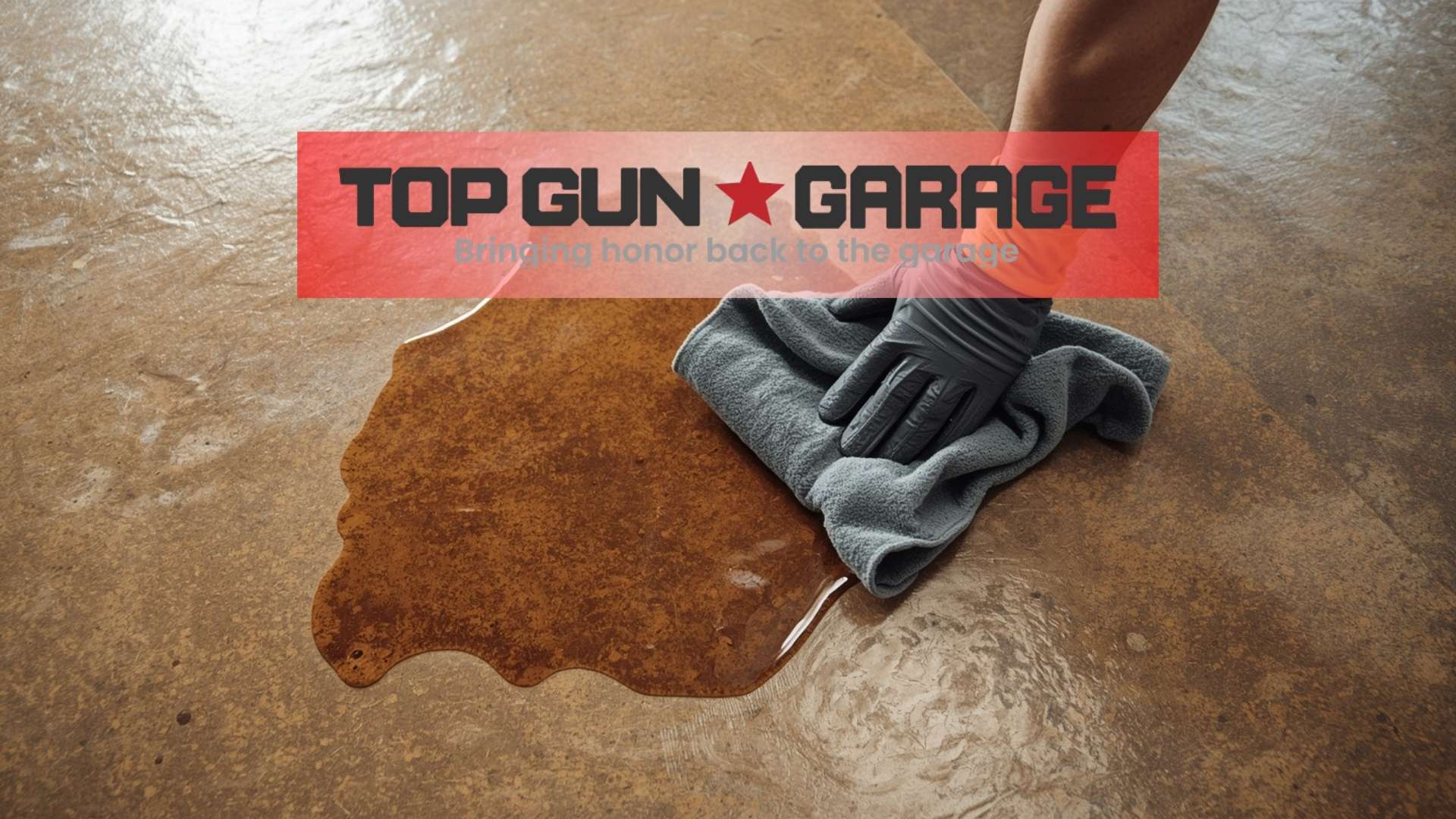
Professional installers routinely work with concrete slabs that are decades old, heavily stained from years of automotive use, or have developed minor cracks and surface damage from settling or thermal cycling. The key is thorough evaluation of the substrate to identify issues that need addressing, followed by appropriate repairs using compatible epoxy or polyurea fillers that restore structural integrity and create a smooth base. Cracks can be filled and sealed to prevent further movement, spalled areas can be patched to restore surface level, and even significant damage can be repaired if the underlying slab structure remains sound and stable.
Oil contamination, one of the most common concerns with older garage floors, is addressed through aggressive surface preparation using diamond grinding equipment that removes the contaminated surface layer and exposes fresh, clean concrete underneath. This mechanical preparation is far more effective than chemical degreasers alone, as it physically removes the affected material rather than just cleaning the surface. Similarly, old paint or sealers that might prevent epoxy adhesion are ground away during this prep process, creating the rough, open profile necessary for strong mechanical bonding of the new coating system.
The rare situations where epoxy is not recommended involve concrete that is structurally unsound with extensive cracking indicating ongoing foundation movement, slabs with severe moisture issues that cannot be mitigated, or surfaces that are actively deteriorating due to chemical contamination or salt damage. In these cases, concrete repair or replacement may be necessary before coating, but these represent extreme conditions rather than typical garage scenarios. For detailed information on what can and cannot be repaired, consult our guide on fixing uneven surfaces that explains repair capabilities.
Myth 6: Epoxy Installations Are Quick DIY Weekend Projects
Perhaps the most costly myth for homeowners is the belief promoted by retail product marketing that epoxy installation is a simple weekend DIY project that anyone can complete with basic tools and no special training or experience. While it is technically possible for a skilled DIYer to achieve acceptable results under ideal conditions, the reality is that proper epoxy installation requires specialized knowledge, experience-based judgment, appropriate equipment, and often several days of work when preparation and curing times are factored in. The gap between marketing promises and actual requirements leads to countless failed DIY installations that ultimately require professional remediation at significant additional cost.
Surface preparation alone, which is the most critical factor determining long-term success, requires equipment that most homeowners do not own and techniques that take experience to master properly. Diamond grinders or shot blasters needed to adequately profile concrete cost thousands of dollars to purchase or hundreds to rent, and using them effectively without creating uneven surfaces or damaging the slab requires skill developed over many projects. Acid etching, often suggested as a DIY alternative, frequently provides inadequate surface profile on dense or sealed concrete and can leave residues that interfere with coating adhesion if not thoroughly neutralized and rinsed.
The coating application itself presents numerous opportunities for mistakes that compromise the final result, from improper mixing ratios that prevent proper curing to inconsistent thickness that creates weak spots to poor edge work that leads to premature peeling. Environmental factors including temperature and humidity must be carefully managed, as coatings applied in conditions outside manufacturer specifications may not cure properly or achieve full strength. Professional installers monitor conditions continuously and adjust techniques as needed, while DIY applicators often work whenever they have free time regardless of whether conditions are suitable for coating application.
Time requirements are also dramatically underestimated in DIY scenarios, with homeowners imagining they can prep, coat, and return to using their garage in a single weekend. The reality typically involves a full day or more for proper preparation including grinding and repairs, another day for coating application, and then mandatory cure times of 24-48 hours for light traffic and up to a week for full strength, depending on products used. This multi-day project ties up the garage and often extends over multiple weekends when issues or weather delays occur. For insight into why proper installation cannot be rushed, read our article explaining why installation sequences matter for long-term success.
Myth 7: Professional Epoxy Installation Is Too Expensive for Average Homeowners
The final major myth that prevents many homeowners from enjoying the benefits of quality garage flooring is the perception that professional epoxy installation is prohibitively expensive and only appropriate for luxury homes or commercial facilities with large budgets. While professional installation does cost more upfront than purchasing a DIY kit from a retail store, this comparison ignores the dramatically different quality of materials used, the expertise and equipment involved, the included warranty protection, and most importantly, the long-term cost comparison when replacement frequency is considered over the life of your home.
Professional garage floor coating typically ranges from $5 to $12 per square foot depending on the size of the area, the specific materials selected, design complexity including custom colors or patterns, and geographic location, with most Naples area two-car garages costing between $2,000 and $4,000 for complete professional installation. This investment includes comprehensive surface preparation using commercial equipment, premium materials not available at retail, expert application by trained installers, and warranty coverage that protects against defects or premature failure. When amortized over the 15-20+ year lifespan of a professional installation, the annual cost becomes quite modest at $100-$200 per year for a durable, beautiful garage floor.
In contrast, DIY kits costing $200-$500 from retail stores may seem economical initially, but when they fail within 2-3 years due to inadequate materials or improper application, the true cost includes not only repeated product purchases but also the time and labor spent on multiple installations. Additionally, failed DIY coatings must be completely removed before professional installation can proceed, adding $2-$3 per square foot in grinding costs to strip the old material and re-prepare the surface. Many homeowners who attempt DIY ultimately spend as much or more than professional installation would have cost initially, while suffering through years of unsatisfactory appearance and performance before finally hiring professionals.
The value proposition extends beyond just the coating itself to include the enhanced usability of the garage space, the increased property value that quality flooring provides, and the peace of mind from warranty protection against unexpected issues. A professionally coated garage floor transforms the space from a dingy, dust-generating storage area into a clean, attractive extension of your living space that you are proud to show visitors and that contributes to overall home value. For detailed information on the investment value of quality flooring, explore our analysis of home value increases from garage upgrades.
Frequently Asked Questions (FAQ)
1. How long does professional epoxy flooring really last? With proper installation and basic maintenance, professional-grade epoxy systems typically last 15-20 years or more in residential garages, significantly longer than DIY alternatives.
2. Can epoxy be applied in Naples’ humid climate? Yes, when proper moisture testing and mitigation techniques are used, modern epoxy systems perform excellently in Florida’s humidity and heat.
3. Will my epoxy floor yellow in the sun? Quality polyaspartic topcoats include UV stabilizers that prevent yellowing even with direct sunlight exposure through open garage doors for hours daily.
4. Is epoxy toxic after it cures? Once fully cured, epoxy flooring is inert and non-toxic, making it safe for homes with children, pets, and family members with chemical sensitivities.
5. Can I use my garage during installation? No, the garage must be empty during installation and remain unused during curing, typically requiring 24-48 hours before vehicle traffic can resume.
6. Does epoxy require special cleaning products? Standard pH-neutral floor cleaners work perfectly. Avoid acidic cleaners like vinegar or alkaline products like ammonia that can damage the coating over time.
7. Will epoxy crack like concrete? Properly installed epoxy has flexibility that allows it to move with the concrete without cracking, though severe foundation issues affecting the slab may telegraph through.
8. Can epoxy be repaired if damaged? Yes, localized damage can often be repaired by professionals through spot grinding and patch coating, though extensive damage may require full recoating.
9. Is epoxy environmentally friendly? Modern 100% solids and water-based epoxy systems have low VOC emissions, and the long lifespan reduces waste compared to frequently replaced alternatives.
10. What if I want to change colors later? Existing epoxy can be recoated with new colors after proper preparation, or completely removed through grinding if you want to start fresh with a different system.
Conclusion
Dispelling these common epoxy flooring myths reveals that many of the concerns preventing homeowners from choosing this excellent garage flooring option are based on outdated information, experiences with inferior DIY products, or simple misunderstandings about modern coating technology and proper installation practices. Professional-grade epoxy systems installed by experienced contractors deliver durability, low maintenance, and aesthetic appeal that far exceeds the capabilities of the retail DIY kits that have unfortunately shaped many people’s perceptions of what epoxy flooring can be. Understanding the reality behind the myths empowers you to make informed decisions based on facts rather than fiction or hearsay from neighbors.
The key takeaway is that quality matters tremendously in garage flooring, and the difference between a successful, long-lasting installation and a disappointing failure often comes down to proper material selection, thorough surface preparation, and expert application by trained professionals. While budget considerations are certainly valid when planning any home improvement project, choosing epoxy flooring based solely on lowest upfront cost without considering long-term performance and replacement frequency is a false economy that ultimately costs more in time, money, and frustration. The small additional investment in professional installation pays dividends through decades of reliable performance and satisfaction.
Modern epoxy technology has evolved to address the legitimate limitations and challenges that existed in earlier formulations, with innovations in chemistry, application techniques, and moisture management making these systems suitable for virtually any residential garage including those in challenging climates. The coating systems we install today bear little resemblance to the products available even a decade ago, yet myths based on those older materials persist and discourage homeowners from enjoying the benefits of current technology. Educating yourself about what is truly possible with modern materials breaks through the mythology and opens up options you may have dismissed.
Ready to experience the reality of professional epoxy flooring and see firsthand how it transforms your garage? Contact Top Gun Garage today for a free consultation where we will address any remaining concerns, evaluate your specific garage conditions, and provide an honest assessment of what epoxy can deliver for your Naples home. Let’s turn your garage into the functional, beautiful space it deserves to be with a floor that performs as beautifully as it looks for decades to come.