 Skip to content



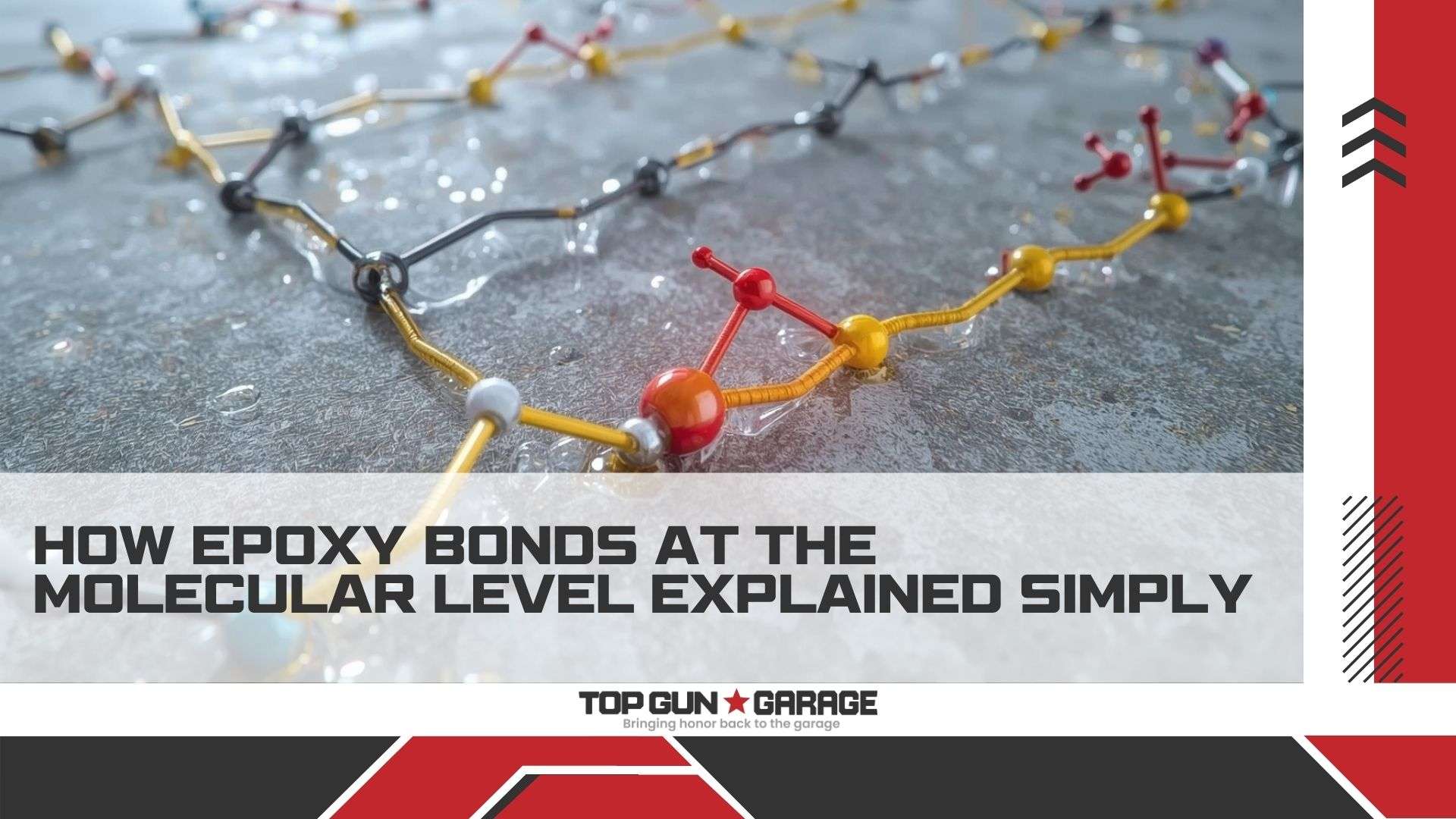
When you walk across a perfectly smooth, glossy garage floor that seems to shimmer under the lights, you’re witnessing the remarkable result of one of chemistry’s most fascinating bonding processes. Epoxy flooring has become the gold standard for residential garages, commercial warehouses, and industrial facilities, but few people understand the incredible molecular science that makes these surfaces so durable and long-lasting.
Understanding how epoxy bonds at the molecular level isn’t just academic curiosity—it’s the key to appreciating why epoxy floors can withstand decades of heavy traffic, chemical spills, and extreme temperature fluctuations. This molecular bonding process transforms liquid components into an incredibly strong, seamless surface that can handle whatever life throws at it.
The science behind epoxy bonding involves a complex dance of molecules that occurs when resin and hardener components are mixed together. This chemical reaction, known as polymerization, creates cross-linked polymer chains that form an incredibly strong three-dimensional network. What makes this process truly remarkable is how these molecules don’t just stick to the surface—they actually penetrate into the concrete substrate and form chemical bonds at the microscopic level.
For property owners considering epoxy flooring, this molecular understanding explains why epoxy systems consistently outperform other flooring options in terms of durability, chemical resistance, and longevity. The bonding process creates a surface that’s not just painted on top of concrete, but actually becomes part of the substrate itself through chemical adhesion.
At Top Gun Garage, we’ve seen firsthand how this molecular bonding science translates into real-world performance. Floors that were installed years ago continue to look pristine because the epoxy bonding process creates such a strong foundation. This isn’t just about applying a coating—it’s about creating a permanent transformation of your concrete surface through advanced chemistry.
Key Takeaways
Cross-linking polymerization creates permanent bonds: The epoxy bonding process involves a chemical reaction that forms three-dimensional polymer networks, creating bonds that are stronger than the concrete substrate itself.
Molecular penetration ensures lasting adhesion: Epoxy molecules don’t just sit on the surface—they penetrate into the concrete’s porous structure, creating mechanical and chemical bonds that prevent delamination.
Temperature and timing affect bond strength: The molecular bonding process is highly sensitive to environmental conditions, with optimal temperature and humidity ranges ensuring maximum cross-linking density.
Surface preparation is crucial for molecular bonding: Proper concrete preparation removes contaminants and creates the ideal surface profile for epoxy molecules to penetrate and bond effectively.
Curing time allows complete polymerization: The full strength of epoxy bonds develops over several days as the cross-linking process continues at the molecular level, creating increasingly stronger polymer networks.
Chemical resistance comes from molecular structure: The cross-linked polymer network created during bonding provides exceptional resistance to chemicals, oils, and solvents that would damage other flooring materials.
Professional application ensures optimal bonding: The complexity of the molecular bonding process requires precise mixing ratios, application techniques, and environmental controls that professional installers understand and manage.
Understanding the Fundamentals of Epoxy Molecular Structure
The foundation of epoxy’s incredible bonding strength lies in its unique molecular structure and the way these molecules interact with both each other and the concrete substrate. Epoxy resins are characterized by their epoxide groups—three-membered rings containing two carbon atoms and one oxygen atom. These reactive groups are what make the entire bonding process possible.
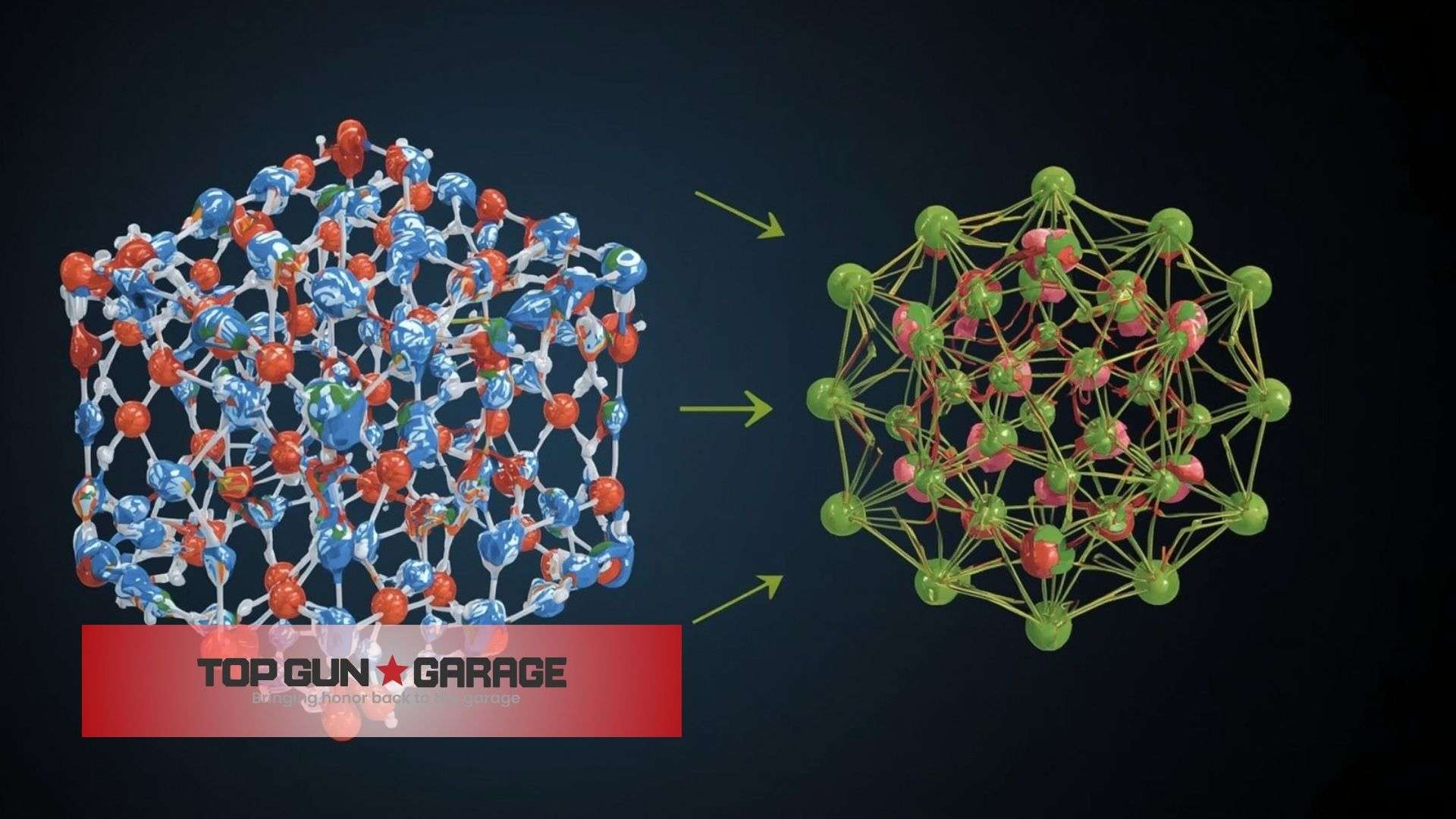
When epoxy resin is mixed with a hardener (typically an amine-based compound), these epoxide rings open up and form new chemical bonds. This isn’t a simple physical mixing—it’s a fundamental chemical transformation that creates entirely new molecular structures. The process begins immediately upon mixing and continues for hours or even days, depending on the specific formulation and environmental conditions.
The molecular weight of epoxy resins plays a crucial role in determining the final properties of the cured system. Lower molecular weight resins tend to penetrate deeper into concrete pores, creating stronger mechanical bonds, while higher molecular weight resins provide better chemical resistance and durability. Professional epoxy systems often use carefully balanced combinations to optimize both penetration and performance.
What makes epoxy particularly effective for flooring applications is how these molecules interact with the calcium hydroxide present in concrete. This interaction creates both mechanical bonds (physical interlocking) and chemical bonds (actual molecular connections) that work together to create an incredibly strong adhesive system. The result is a bond that’s often stronger than the concrete substrate itself, which explains the science behind epoxy adhesion.
Understanding how concrete porosity affects bonding helps explain why surface preparation is so critical to the molecular bonding process. The concrete’s pore structure provides pathways for epoxy penetration and mechanical interlocking.
The Cross-Linking Polymerization Process
Cross-linking polymerization is the heart of the epoxy bonding process, and understanding this mechanism helps explain why epoxy floors perform so exceptionally well over time. Unlike thermoplastic materials that can be melted and reformed, epoxy undergoes a thermosetting reaction that creates permanent three-dimensional polymer networks.
The process begins when amine molecules from the hardener attack the epoxide rings in the resin. This nucleophilic attack opens the three-membered ring and creates a new carbon-nitrogen bond. Each amine molecule can react with multiple epoxide groups, and each epoxide group can connect to different polymer chains, creating an increasingly complex three-dimensional network.
As the cross-linking reaction progresses, the material transitions from a liquid to a gel state, and finally to a solid thermoset polymer. During this transformation, the molecular mobility decreases dramatically, and the material develops its characteristic strength, hardness, and chemical resistance. The density of cross-links directly correlates with the final mechanical properties of the cured epoxy.
Temperature plays a critical role in this process. Higher temperatures accelerate the reaction rate and can increase the final cross-link density, leading to improved mechanical properties. However, temperatures that are too high can cause the reaction to proceed too quickly, potentially trapping air bubbles or creating internal stresses. Understanding what is the epoxy curing process in different climates helps optimize bonding conditions.
The stoichiometry—the precise ratio of resin to hardener—also critically affects the cross-linking process. Too much resin leaves unreacted epoxide groups that can compromise chemical resistance, while excess hardener can result in unreacted amine groups that may cause discoloration or reduced durability. Professional-grade epoxy systems are formulated with precise ratios to ensure optimal cross-linking.
Learning how temperature affects molecular structure provides insights into optimizing the curing process for maximum bond strength. Environmental conditions during curing significantly impact the final polymer network.
Adhesion Mechanisms: How Epoxy Bonds to Concrete
The adhesion between epoxy and concrete involves multiple mechanisms working simultaneously to create an incredibly strong bond. Understanding these mechanisms helps explain why proper surface preparation is so critical and why epoxy floors can last for decades when properly installed.
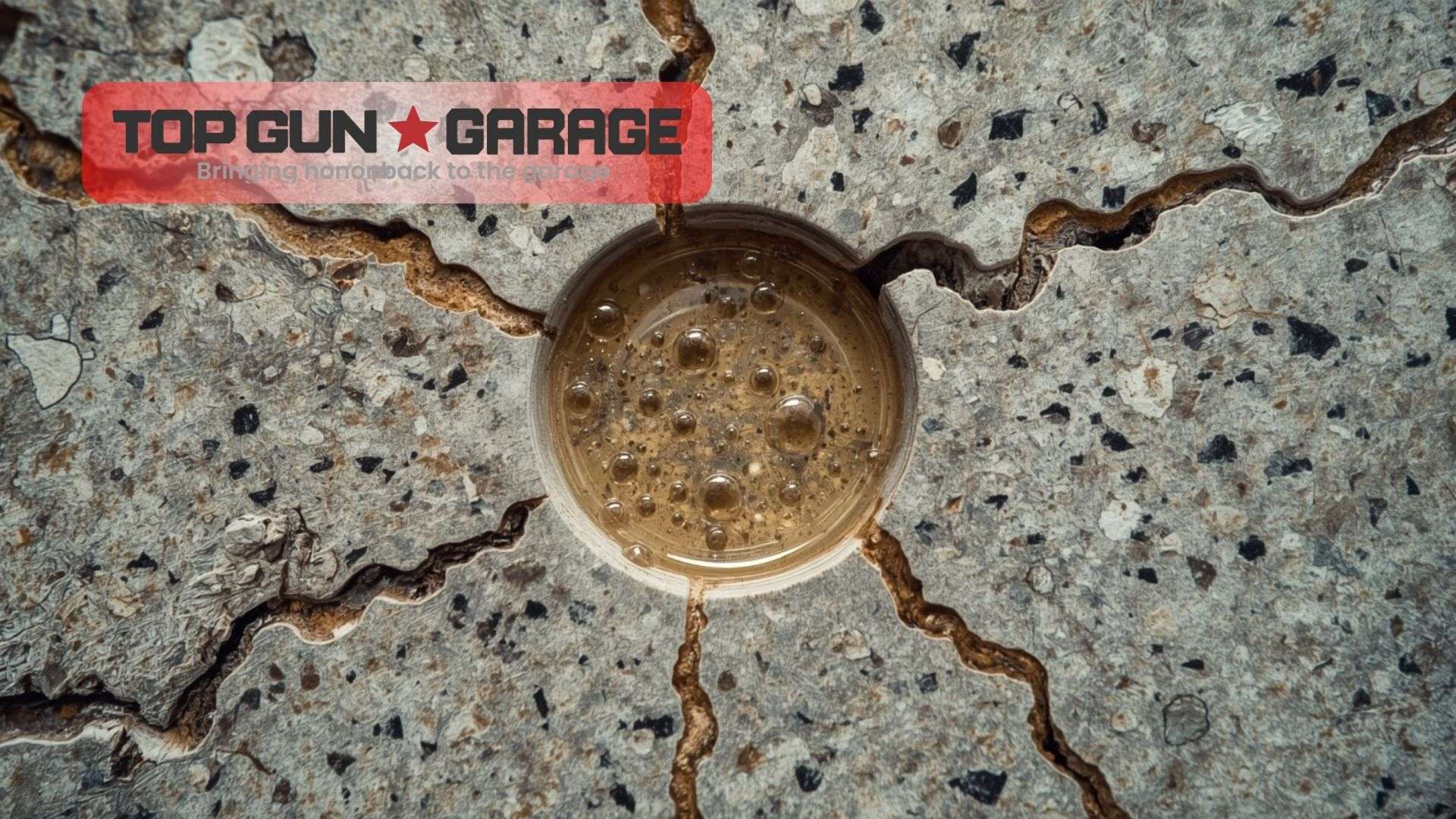
Mechanical adhesion occurs when epoxy penetrates into the porous structure of concrete. Concrete naturally contains numerous microscopic pores, capillaries, and surface irregularities that provide mechanical interlocking opportunities. When liquid epoxy is applied to properly prepared concrete, it flows into these spaces and, upon curing, creates countless mechanical anchors that resist separation forces.
Chemical adhesion represents an even stronger bonding mechanism. The hydroxyl groups present on concrete surfaces can form hydrogen bonds with epoxy molecules. Additionally, the alkaline nature of concrete can catalyze certain epoxy reactions, creating actual chemical bonds between the epoxy and concrete. These chemical interactions create bonds that are much stronger than simple mechanical interlocking.
Surface energy and wetting also play crucial roles in adhesion. For optimal bonding, the epoxy must completely wet the concrete surface, meaning it must spread evenly without beading up. This requires clean, properly prepared surfaces free from oils, dust, or other contaminants that could interfere with molecular contact. Understanding what concrete surface profile is needed ensures optimal epoxy wetting. The surface profile created during preparation also increases the available bonding area.
The penetration depth of epoxy into concrete typically ranges from a few micrometers to several millimeters, depending on the concrete porosity, epoxy viscosity, and application conditions. This penetration creates what’s essentially a gradient zone where the properties gradually transition from pure concrete to pure epoxy, eliminating sharp interfaces that could become failure points.
Professional installation ensures all these adhesion mechanisms work optimally. Understanding DIY limitations versus professional advantages helps homeowners recognize when professional expertise is essential for achieving proper adhesion. Achieving proper adhesion requires precise control of surface preparation, environmental conditions, and application techniques that come with experience and specialized equipment.
Environmental Factors Affecting Molecular Bonding
The molecular bonding process in epoxy systems is highly sensitive to environmental conditions, and understanding these factors is crucial for achieving optimal bond strength and long-term performance. Temperature, humidity, and air quality all play significant roles in determining how effectively epoxy molecules cross-link and bond to concrete substrates.
Temperature affects both the reaction rate and the final degree of cross-linking. At lower temperatures, the molecular motion slows down, reducing the frequency of molecular collisions needed for cross-linking reactions. This can result in incomplete curing and reduced bond strength. Conversely, temperatures that are too high can cause the reaction to proceed so rapidly that working time is severely limited, and internal stresses may develop as the material cures.
The ideal temperature range for most epoxy systems falls between 60-80°F (15-27°C). Within this range, the reaction proceeds at a controlled rate that allows for proper application while ensuring complete cross-linking. Some specialized formulations are designed for lower or higher temperature applications, but these require careful handling and may have different performance characteristics.
Humidity presents another critical factor because moisture can interfere with the epoxy bonding process in several ways. High humidity can cause amine blush—a waxy film that forms on the surface when amine molecules react with carbon dioxide and moisture in the air. This film can prevent subsequent coats from bonding properly and may require removal before additional applications.
Moisture in the concrete substrate can also cause problems. If concrete contains excessive moisture, it can interfere with epoxy penetration and create osmotic pressure that may eventually cause delamination. Understanding why concrete moisture matters helps prevent bonding failures. This is why moisture testing is a standard part of professional epoxy installation procedures.
Air quality factors, including dust and chemical vapors, can also affect bonding. Dust particles can become trapped in the curing epoxy, creating weak points in the polymer network. Chemical vapors from solvents or other sources may interfere with the cross-linking reaction or cause surface defects. Professional installations typically involve controlling the work environment to minimize these contamination risks.
Understanding what affects epoxy cure time in different environmental conditions helps optimize installation timing. Regional climate factors significantly impact the bonding process.
The Role of Surface Preparation in Molecular Bonding
Surface preparation is perhaps the most critical factor in achieving strong molecular bonds between epoxy and concrete. The preparation process not only cleans the surface but also creates the optimal conditions for both mechanical and chemical adhesion at the molecular level.
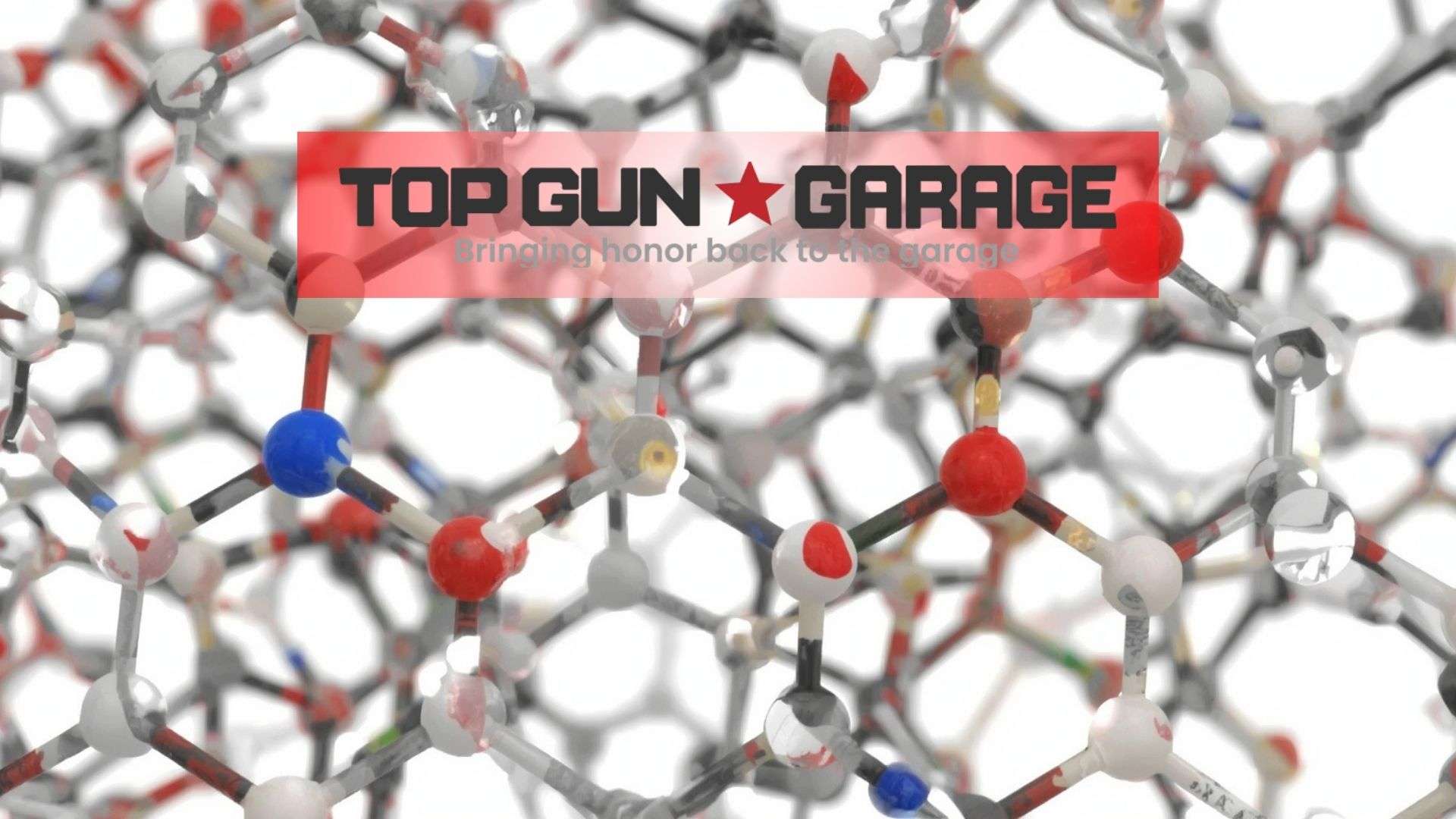
Concrete surfaces as they come from the finishing process often have a weak surface layer called laitance—a mixture of cement particles, water, and fine aggregates that rises to the surface during finishing. This layer has poor cohesive strength and can prevent epoxy from bonding directly to the stronger concrete beneath. Removing this layer through mechanical preparation exposes fresh, strong concrete that provides an ideal bonding substrate.
The mechanical preparation process, typically involving diamond grinding or shot blasting, serves multiple purposes at the molecular level. It removes contaminants, opens the concrete’s pore structure to allow deeper epoxy penetration, and creates a surface profile that increases the available bonding area. Understanding what concrete grinding preparation means helps ensure proper surface conditioning. The ideal surface profile provides numerous anchor points while maintaining sufficient smoothness for proper epoxy flow and leveling.
Chemical contamination removal is equally important for molecular bonding. Oils, greases, curing compounds, and other chemical contaminants can create barriers that prevent epoxy molecules from making direct contact with the concrete. Even microscopic amounts of contamination can significantly reduce bond strength. Understanding how concrete contaminants affect bonding emphasizes the importance of thorough cleaning. Professional preparation often involves both mechanical and chemical cleaning methods to ensure complete contamination removal.
The concrete’s pH level also affects molecular bonding. Fresh concrete is highly alkaline, with pH levels often exceeding 12. While some alkalinity can actually benefit epoxy bonding by catalyzing certain reactions, extremely high pH levels may interfere with proper curing. Aged concrete typically has more moderate pH levels that are ideal for epoxy bonding.
Porosity and surface texture created during preparation directly influence how deeply epoxy can penetrate into the concrete. Deeper penetration creates more mechanical anchoring points and increases the contact area for chemical bonding. However, excessive porosity can cause the epoxy to be absorbed too deeply, potentially leaving insufficient material on the surface for proper film formation.
The timing between surface preparation and epoxy application also matters. Freshly prepared concrete surfaces are most receptive to epoxy bonding, but they must be completely clean and dry. Delays between preparation and application can allow dust accumulation or surface carbonation that may reduce bond strength. Understanding why concrete preparation determines success reinforces the importance of proper timing. Professional installers understand these timing considerations and plan their work accordingly.
Frequently Asked Questions
How long does it take for epoxy to achieve full molecular bonding? The epoxy bonding process occurs in stages, with initial bonding happening within hours but full molecular cross-linking continuing for several days. Most epoxy systems achieve sufficient bonding for light foot traffic within 24 hours, but full chemical resistance and maximum bond strength typically develop over 7-14 days as the cross-linking process completes.
Can temperature changes affect existing epoxy bonds? Once fully cured, epoxy bonds are quite stable across normal temperature ranges. However, extreme temperature cycling can create thermal stresses due to different expansion rates between epoxy and concrete. Quality epoxy systems are formulated with flexibility agents to accommodate normal thermal movement without bond failure. Understanding the temperature tolerance of epoxy helps set realistic expectations.
Why do some epoxy floors fail at the bond line? Bond line failures typically result from inadequate surface preparation, contamination, or improper application conditions that prevented optimal molecular bonding. Moisture in the substrate, insufficient cleaning, or applying epoxy outside recommended temperature and humidity ranges are common causes of bonding failures. Learning what causes epoxy delamination helps prevent these issues.
How does the molecular bonding process differ between different epoxy types? Different epoxy formulations use varying resin and hardener chemistries that affect the cross-linking process. 100% solids epoxies create denser cross-link networks, while water-based systems may have different penetration characteristics. Understanding the difference between epoxy types helps optimize selection. The fundamental bonding mechanisms remain similar, but the final polymer structure and properties can vary significantly.
Can damaged epoxy bonds be repaired at the molecular level? Once epoxy has fully cured, the cross-linked polymer network cannot be reversed or reformed. However, new epoxy can bond to existing epoxy if the surface is properly prepared. The bond between old and new epoxy relies primarily on mechanical adhesion rather than the chemical bonding that occurs with concrete.
What role does concrete age play in epoxy bonding? Concrete age significantly affects bonding potential. New concrete (less than 28 days) may still be releasing moisture and has high alkalinity that can interfere with epoxy curing. Understanding why concrete age matters helps optimize installation timing. Concrete aged 30-90 days typically provides optimal bonding conditions, while very old concrete may require more aggressive preparation to expose fresh bonding surfaces.
How do additives affect the molecular bonding process? Additives like anti-slip aggregates, color flakes, or metallic pigments can influence the bonding process by affecting epoxy flow, penetration, and cross-linking density. Professional-grade additives are designed to be compatible with the epoxy chemistry, while improper additives can interfere with molecular bonding and reduce performance.
Is the molecular bonding process the same for vertical and horizontal surfaces? The fundamental chemistry remains the same, but gravity affects how epoxy flows and penetrates vertical surfaces. Vertical applications often require modified formulations with higher viscosity to prevent sagging while still allowing adequate penetration for proper bonding. The cross-linking process proceeds normally once the epoxy is in place.
Conclusion
Understanding how epoxy bonds at the molecular level reveals why this flooring technology has become the preferred choice for demanding applications from residential garages to industrial facilities. The complex interplay of cross-linking polymerization, mechanical adhesion, and chemical bonding creates a flooring system that truly becomes part of the concrete substrate rather than just sitting on top of it.
The science behind epoxy bonding demonstrates that successful installation requires much more than simply mixing two components and applying them to concrete. Every aspect of the process—from surface preparation and environmental control to proper mixing and application techniques—directly affects the molecular bonding process and ultimately determines the long-term performance of the floor.
At Top Gun Garage, our deep understanding of these molecular processes allows us to consistently deliver epoxy floors that exceed our clients’ expectations for durability, appearance, and longevity. When you understand the science behind the bonding process, it becomes clear why professional installation makes such a significant difference in the final result.
The molecular bonding process that occurs when epoxy cures represents one of the most effective ways to transform ordinary concrete into a high-performance surface. This transformation happens at the microscopic level but delivers benefits that are immediately apparent and continue for decades. Whether you’re considering epoxy flooring for your garage, warehouse, or commercial space, appreciating the molecular science behind the process helps explain why epoxy continues to be the gold standard for concrete floor protection and enhancement.