 Skip to content




An uneven garage floor isn’t just an eyesore—it’s a safety hazard that can turn your workspace into a danger zone. Whether you’re dealing with cracks, settling, or improper installation from years past, these surface irregularities create trip hazards, make it difficult to move equipment, and can even cause water pooling that leads to moisture problems. For homeowners who use their garage as a workshop, storage area, or even a home gym, having a level, safe surface is absolutely essential.
The good news is that fixing uneven garage floor surfaces is entirely achievable with the right approach, tools, and techniques. From minor settling issues to more significant structural problems, there are solutions available for every type of floor irregularity. Understanding the root causes of your uneven floor and selecting the appropriate repair method can transform your garage from a frustrating obstacle course into a functional, safe workspace that serves your needs for years to come.
Professional contractors see these issues regularly, and the solutions have evolved significantly over the past decade. Modern materials and techniques make it possible to achieve professional-grade results that not only look great but provide the durability and safety you need. Whether you’re considering a DIY approach or planning to hire professionals, understanding the process and options available will help you make informed decisions about your garage floor project.
The investment in leveling your garage floor pays dividends in both safety and functionality. A properly leveled surface reduces the risk of accidents, makes cleaning easier, improves drainage, and can even increase your property value. Plus, once you have a level foundation, you open up possibilities for upgraded flooring materials like epoxy coatings, tiles, or specialized garage flooring systems that require a smooth substrate to perform properly.
Key Takeaways
Safety First: Uneven garage floors create significant trip hazards and can cause serious injuries, especially when carrying tools or heavy equipment. Addressing these issues should be a priority for any homeowner using their garage as an active workspace.
Multiple Solution Options: From self-leveling compounds for minor irregularities to complete concrete grinding and resurfacing for major problems, there’s a solution for every type of uneven floor situation.
Professional Assessment Matters: While some minor leveling projects can be DIY-friendly, having a professional evaluate your floor helps identify underlying structural issues that could worsen over time if not properly addressed.
Proper Preparation is Critical: Success in any floor leveling project depends heavily on thorough surface preparation, including cleaning, crack repair, and moisture testing before applying any leveling materials.
Long-term Investment Value: A properly leveled garage floor not only improves immediate safety and functionality but also serves as the foundation for future flooring upgrades and can increase property value.
Timing and Weather Considerations: Most leveling materials are sensitive to temperature and humidity, making proper timing and environmental conditions crucial for achieving professional results.
Cost-Effective Prevention: Addressing minor leveling issues early prevents them from developing into major structural problems that require expensive repairs or complete floor replacement.
Understanding Uneven Garage Floor Problems
Garage floors develop unevenness for various reasons, and identifying the specific cause is crucial for selecting the most effective repair strategy. The most common culprit is settling, which occurs when the soil beneath the concrete shifts or compresses over time. This natural process can create low spots, cracks, and slopes that make the floor both unsafe and impractical for daily use.
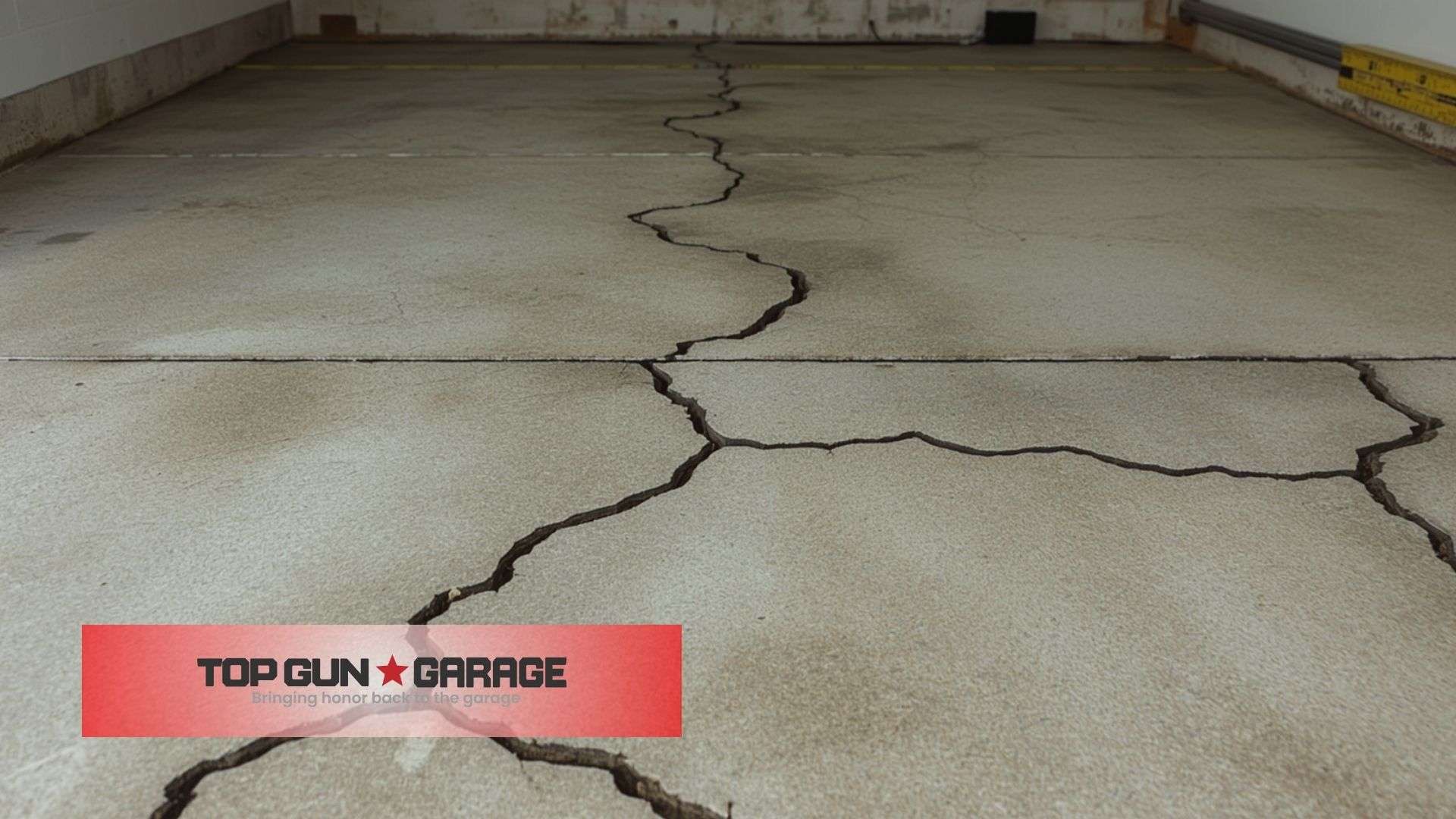
Poor initial installation also contributes to many uneven floor problems. When concrete is poured without proper site preparation, adequate reinforcement, or appropriate finishing techniques, the resulting surface may have inherent irregularities that worsen with age. These installation-related issues often manifest as high and low spots across the floor surface, creating an uneven workspace that’s difficult to navigate safely.
Water damage and freeze-thaw cycles represent another significant factor in floor deterioration. When moisture penetrates concrete and then freezes, the expansion can create cracks and surface irregularities. Similarly, poor drainage around the garage foundation can lead to soil erosion beneath the slab, causing sections to settle unevenly and creating dangerous surface variations, which is why understanding how proper garage floor drainage works is essential.
Heavy vehicle traffic and equipment storage can also contribute to floor problems over time. Repeated loading and unloading of heavy items, combined with vehicle weight concentrated on specific areas, can cause localized settling or surface wear that creates uneven conditions. Understanding these various causes helps homeowners make informed decisions about both repair strategies and future prevention measures.
Self-Leveling Compound Solutions
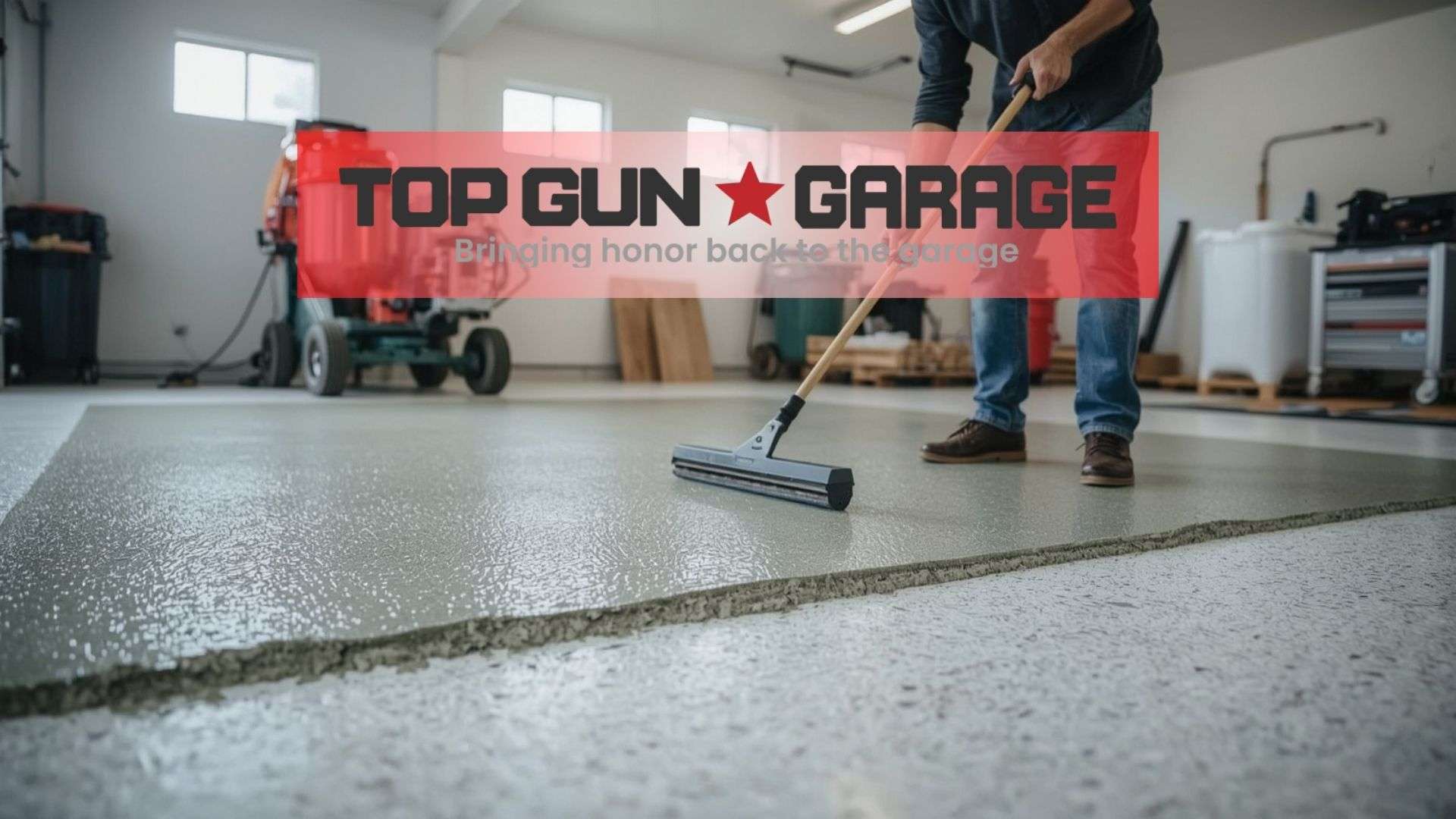
Self-leveling compounds offer an excellent solution for addressing minor to moderate floor irregularities without the expense and complexity of major concrete work. These specialized materials are designed to flow into low areas and create a smooth, level surface that cures to provide a durable, long-lasting foundation. Modern self-leveling products have improved significantly in recent years, offering better flow characteristics, faster cure times, and enhanced durability for garage applications.
The application process begins with thorough surface preparation, which is absolutely critical for success. This involves deep cleaning to remove all dirt, oil, grease, and loose debris, followed by crack repair and priming of the existing concrete surface. Proper preparation ensures that the self-leveling compound bonds effectively with the existing floor and provides the smooth finish you’re seeking, particularly when understanding how self-leveling epoxy works.
When selecting a self-leveling compound, consider factors like the depth of irregularities you need to address, cure time requirements, and the intended use of your garage space. Some products are designed for thin applications up to 1/4 inch, while others can handle deeper irregularities up to several inches. Professional-grade compounds typically offer superior flow characteristics and durability compared to consumer-grade options.
Application technique plays a crucial role in achieving professional results. The compound must be mixed according to manufacturer specifications and applied quickly before it begins to set. Using proper tools like gauge rakes and spiked rollers helps ensure even distribution and eliminates air bubbles that could compromise the final surface quality. For those considering this approach, understanding the DIY limitations versus professional advantages provides comprehensive guidance on achieving professional results with self-leveling compounds.
Concrete Grinding and Resurfacing Techniques
For more severe unevenness or when a complete surface renewal is desired, concrete grinding and resurfacing provides a comprehensive solution that can transform even badly damaged floors into smooth, level surfaces. This approach involves using specialized diamond grinding equipment to remove high spots, smooth rough areas, and create a uniform surface profile that serves as an ideal foundation for subsequent treatments.
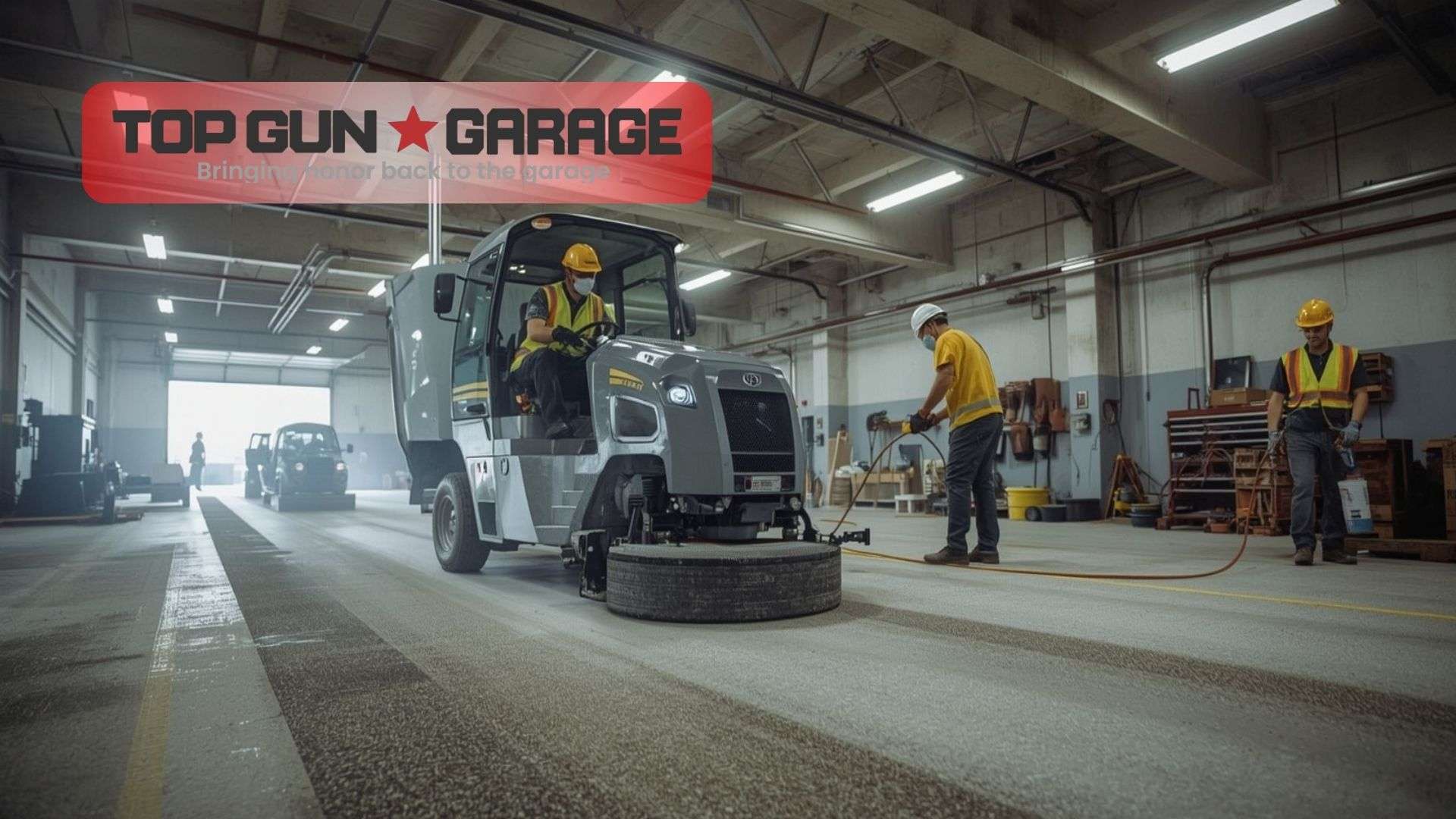
The grinding process requires professional-grade equipment and expertise to achieve optimal results. Diamond-embedded grinding wheels systematically remove surface irregularities while creating the proper texture for bonding with overlay materials. This mechanical approach is particularly effective for floors with significant high spots, surface scaling, or areas where previous coatings have failed and need complete removal.
Following the grinding process, concrete resurfacing materials are applied to create the final smooth surface. These specialized overlays are typically polymer-modified and designed to provide superior bonding, durability, and finish quality compared to standard concrete. The combination of mechanical preparation and advanced overlay materials creates a floor system that can withstand heavy use while providing the level surface essential for a safe workspace, especially when understanding what concrete grinding preparation means.
Professional contractors have access to dust collection systems and specialized equipment that make this process much more manageable than attempting it as a DIY project. The expertise required to properly operate grinding equipment, select appropriate overlay materials, and achieve consistent results across the entire floor surface makes this an area where professional advantages become apparent for your flooring project. The investment in professional services typically pays for itself through superior results and long-term durability.
The surface profile created during grinding is critical for ensuring proper adhesion of subsequent coatings or treatments. Understanding the concrete surface profile needed helps ensure that resurfacing materials bond properly and perform as intended. This technical aspect of surface preparation significantly impacts the longevity and performance of the finished floor.
Advanced Repair Methods for Severe Unevenness
When dealing with severe settling, structural issues, or extensive damage, advanced repair methods may be necessary to restore your garage floor to a safe, functional condition. These approaches often involve addressing underlying soil problems, structural reinforcement, and comprehensive reconstruction of damaged areas. While more involved than surface-level solutions, these methods provide long-term stability and peace of mind for homeowners facing significant floor problems.
Mudjacking, also known as slabjacking, represents one effective approach for addressing settling issues. This process involves pumping a specialized grout mixture beneath the concrete slab to lift and level settled areas. Modern polyurethane foam injection offers advantages over traditional mudjacking, including lighter weight, faster cure times, and superior long-term stability. These methods can often restore severely settled floors without the expense of complete replacement.
In cases where the existing concrete is beyond repair, partial or complete replacement may be the most cost-effective long-term solution. This approach allows for proper site preparation, updated reinforcement, and modern concrete mixtures that provide superior durability and longevity. While more expensive initially, replacement eliminates ongoing maintenance issues and provides a fresh foundation for decades of reliable service.
Structural reinforcement techniques, including the installation of additional rebar, fiber reinforcement, or post-installed anchoring systems, can address underlying weakness that contributes to ongoing settling or cracking. Professional structural assessment helps identify these issues and develop comprehensive repair strategies that address both immediate problems and long-term stability concerns.
Crack repair becomes essential before any leveling work can proceed successfully. Understanding how garage floor cracks are repaired before applying new coatings or leveling compounds ensures that underlying damage doesn’t compromise the finished result. Professional assessment can distinguish between cosmetic cracks and those indicating more serious structural issues.
Moisture Management and Testing
Moisture issues can significantly complicate floor leveling projects and compromise long-term results if not properly addressed. Before beginning any leveling work, it’s essential to assess and address potential moisture problems that could affect material adhesion and performance.
Understanding why concrete moisture matters helps homeowners recognize when professional moisture testing is necessary. Excessive moisture vapor transmission can cause self-leveling compounds and overlays to fail, resulting in delamination, bubbling, or premature deterioration.
Professional moisture testing services provide accurate assessment of vapor emission rates and help determine whether moisture mitigation systems are necessary. Learning what floor moisture testing involves helps homeowners understand this critical preparatory step. In cases where moisture levels exceed acceptable limits, vapor barrier systems or moisture-blocking primers may be required before leveling work proceeds.
Drainage considerations also play a crucial role in long-term floor performance. Understanding why garage floor drainage matters helps prevent future settling and moisture problems. Proper drainage around the garage foundation and within the floor system itself helps maintain structural integrity and prevents conditions that lead to future unevenness.
Professional Installation vs DIY Considerations
The decision between professional installation and DIY repair depends on several factors, including the severity of your floor problems, your skill level, available time, and budget considerations. While minor leveling projects using self-leveling compounds may be within the capabilities of experienced DIY enthusiasts, more complex repairs typically require professional expertise and specialized equipment to achieve satisfactory results.
Professional contractors bring significant advantages to garage floor leveling projects, including access to commercial-grade materials, specialized equipment, and years of experience dealing with various floor problems. They can quickly assess underlying issues, select appropriate repair strategies, and execute the work efficiently while ensuring compliance with local building codes and industry best practices.
DIY approaches work best for minor irregularities in floors that are otherwise structurally sound. Success requires careful attention to surface preparation, material selection, and application techniques. However, mistakes in DIY floor leveling can be expensive to correct and may compromise the long-term performance of your garage floor. Understanding concrete preparation methods helps DIYers recognize when projects exceed their capabilities.
Cost considerations extend beyond initial material and labor expenses to include long-term performance and warranty coverage. Professional installations typically include warranties that protect your investment, while DIY projects place the responsibility for any issues squarely on the homeowner. Additionally, professionals can often complete complex projects much faster than DIY approaches, minimizing disruption to your garage use and reducing the overall project timeline.
At Top Gun Garage, we’ve seen countless examples of both successful DIY projects and situations where professional intervention was necessary to achieve the desired results. Our experience has shown that honest assessment of project complexity, combined with realistic evaluation of skills and available time, leads to the best outcomes for homeowners. Whether you choose professional installation or decide to tackle the project yourself, proper planning and execution are essential for creating a safe, level garage floor that serves your needs for years to come.
Frequently Asked Questions
How do I know if my garage floor unevenness requires professional repair? If you notice significant settling, cracks wider than 1/4 inch, or areas where water pools consistently, professional evaluation is recommended. Minor surface irregularities may be suitable for DIY repair, but structural issues require expert assessment. Understanding why concrete repairs are needed helps identify when professional intervention is necessary.
What’s the typical cost range for leveling an uneven garage floor? Costs vary significantly based on the repair method and floor size. Self-leveling compound applications typically range from $3-8 per square foot, while comprehensive grinding and resurfacing can cost $8-15 per square foot. Severe structural repairs may cost more depending on the extent of work required.
How long does it take for floor leveling materials to cure completely? Most self-leveling compounds allow foot traffic within 4-6 hours but require 24-48 hours before heavy equipment use. Complete cure for maximum durability typically takes 7-28 days depending on the specific product and environmental conditions. Understanding what affects epoxy cure time provides insight into curing conditions.
Can I install new flooring over a recently leveled garage floor? Yes, but timing is important. Most leveling materials need to cure completely before installing additional flooring materials. Always follow manufacturer recommendations for cure times and surface preparation requirements for your chosen flooring system.
What causes garage floors to become uneven over time? Common causes include soil settling beneath the slab, freeze-thaw cycles, poor initial installation, water damage, and heavy loading from vehicles or equipment. Identifying the underlying cause helps prevent future problems.
Is it necessary to move everything out of the garage before floor leveling? Yes, complete removal of vehicles, equipment, and stored items is necessary for proper surface preparation and material application. This also ensures safety during the repair process and allows for thorough cleaning and assessment of the entire floor area.
How can I prevent future unevenness after repairing my garage floor? Proper drainage around the garage foundation, prompt repair of small cracks, regular cleaning to prevent chemical damage, and avoiding excessive point loads help maintain floor integrity. Regular inspection allows early detection of potential problems. Understanding secrets to making floors last decades provides comprehensive maintenance guidance.
What’s the difference between self-leveling compound and concrete resurfacing? Self-leveling compounds are designed to flow and level automatically, making them ideal for minor irregularities. Concrete resurfacing typically involves mechanical preparation followed by overlay application, suitable for more extensive surface problems and providing greater durability for heavy-use applications.
Conclusion
Creating a safe, level garage floor is an investment in both functionality and safety that pays dividends for years to come. Whether you’re dealing with minor settling issues or more significant structural problems, understanding your options and selecting the appropriate repair strategy ensures the best possible outcome for your specific situation. From self-leveling compounds for minor irregularities to comprehensive grinding and resurfacing for major problems, modern materials and techniques make it possible to transform even problematic floors into smooth, durable surfaces.
The key to success lies in proper assessment, thorough preparation, and selecting the right approach for your specific needs and skill level. While some projects are well-suited for DIY completion, others benefit significantly from professional expertise and specialized equipment. Taking the time to understand these differences and make informed decisions helps ensure your garage floor repair project delivers the safety, functionality, and durability you need.
Remember that addressing floor problems early prevents them from developing into more serious and expensive issues down the road. Regular inspection and prompt attention to developing problems, combined with proper maintenance practices, help preserve your investment and maintain the safe workspace you’ve created. With the right approach and execution, your leveled garage floor will provide years of reliable service while enhancing both the safety and value of your property.