 Skip to content



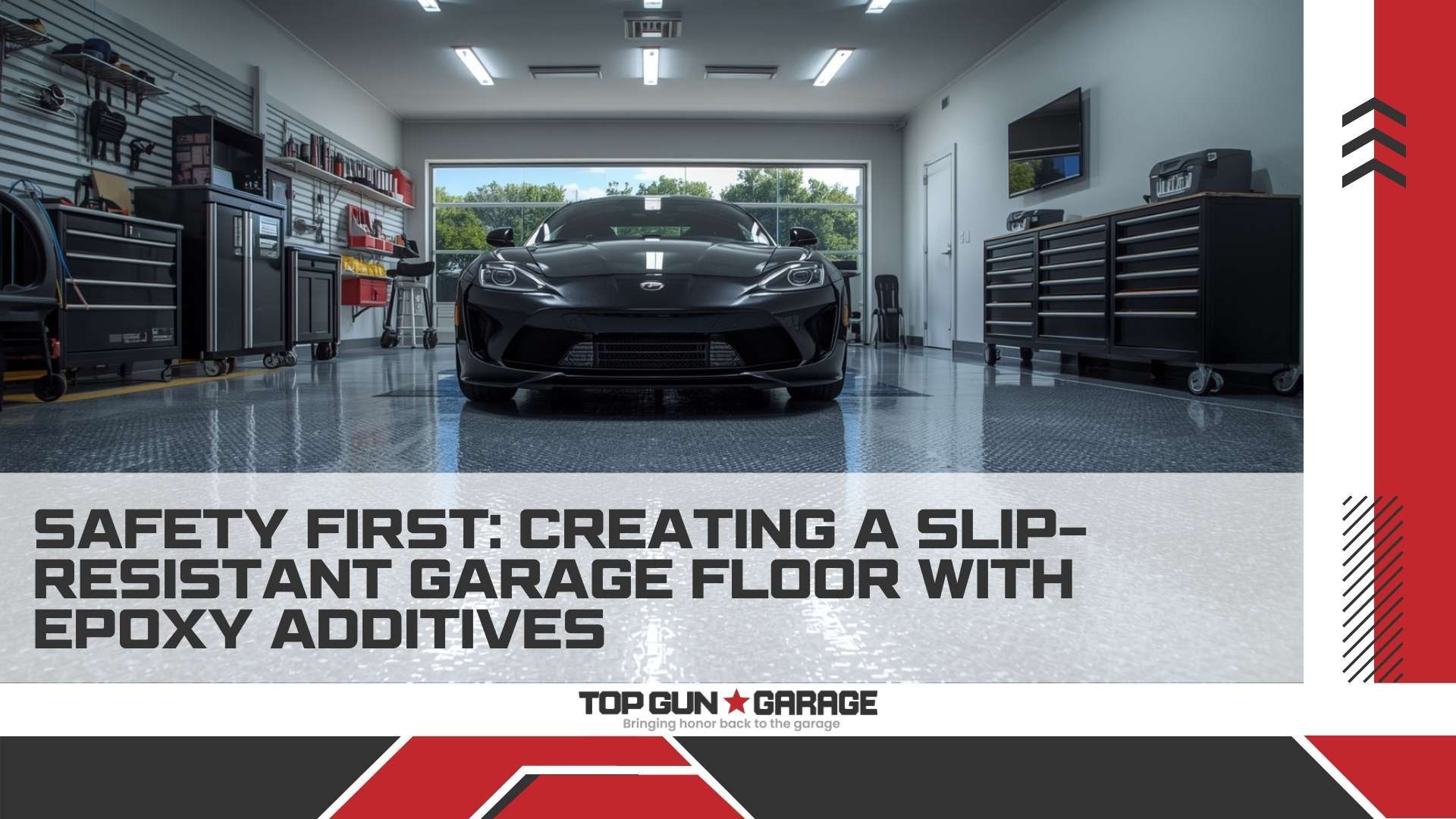
Garage safety often takes a backseat to aesthetics and functionality, but it shouldn’t. Every year, thousands of accidents occur in residential and commercial garages due to slippery floor surfaces. Whether it’s from oil spills, water tracked in from vehicles, or general moisture accumulation, traditional concrete floors can become treacherous hazards that put property owners at significant risk.
The solution lies in implementing proper slip resistant garage flooring that doesn’t compromise on durability or appearance. Modern epoxy flooring systems with specialized anti-slip additives have revolutionized garage safety, offering property owners the perfect combination of protection, performance, and visual appeal. These advanced flooring solutions transform ordinary concrete surfaces into professional-grade, slip-resistant platforms that can handle everything from daily vehicle traffic to heavy equipment storage.
Understanding the importance of slip resistance goes beyond simple accident prevention. Insurance claims, liability issues, and potential injuries all stem from inadequate flooring choices. Professional contractors recognize that today’s slip resistant flooring options provide comprehensive solutions that address safety concerns while delivering the durability and maintenance benefits that property owners demand.
The garage environment presents unique challenges that require specialized flooring approaches. Temperature fluctuations, chemical exposure from automotive fluids, heavy load-bearing requirements, and frequent moisture exposure all contribute to creating conditions where standard flooring materials fail. Epoxy systems with properly selected anti-slip additives address each of these challenges while maintaining the clean, professional appearance that modern property owners expect.
Investment in quality slip-resistant flooring pays dividends through reduced maintenance costs, improved safety records, and enhanced property values. The initial investment in professional-grade materials and installation quickly offsets potential costs associated with accidents, insurance claims, and premature flooring replacement. Smart property owners recognize that cutting corners on garage flooring safety creates long-term liabilities that far exceed the cost of proper installation.
Key Takeaways
Safety Investment Returns: Slip resistant garage flooring significantly reduces accident risks while providing long-term cost savings through reduced maintenance and liability exposure. Professional-grade epoxy systems with anti-slip additives offer superior protection compared to basic coating options.
Additive Selection Matters: Different anti-slip additives provide varying levels of texture and slip resistance. Aluminum oxide offers maximum durability, while polymer beads provide gentler texture suitable for bare foot traffic. Proper selection depends on specific usage requirements and safety needs.
Professional Installation Critical: Achieving optimal slip resistance requires proper surface preparation, correct additive ratios, and experienced application techniques. DIY installations often fail to achieve specified safety ratings and may void manufacturer warranties.
Maintenance Simplicity: Quality slip resistant flooring options actually simplify cleaning and maintenance routines. Sealed epoxy surfaces resist staining and allow easy cleanup of spills, while textured surfaces help hide minor dirt and debris between cleanings.
Customization Flexibility: Modern epoxy systems accommodate various aesthetic preferences while maintaining safety standards. Color options, decorative flakes, and texture levels can be customized to match specific design requirements without compromising slip resistance.
Durability Standards: Professional-grade slip-resistant flooring systems provide decades of service life under normal garage conditions. Proper installation and quality materials ensure consistent performance and maintained safety ratings throughout the flooring’s lifespan.
Understanding Slip-Resistant Garage Flooring Fundamentals
Slip resistance in garage flooring systems depends on creating controlled surface texture that provides adequate traction without compromising durability or cleanability. The science behind effective slip resistant garage flooring involves understanding coefficient of friction measurements, surface texture patterns, and how different additives interact with various contaminants commonly found in garage environments.
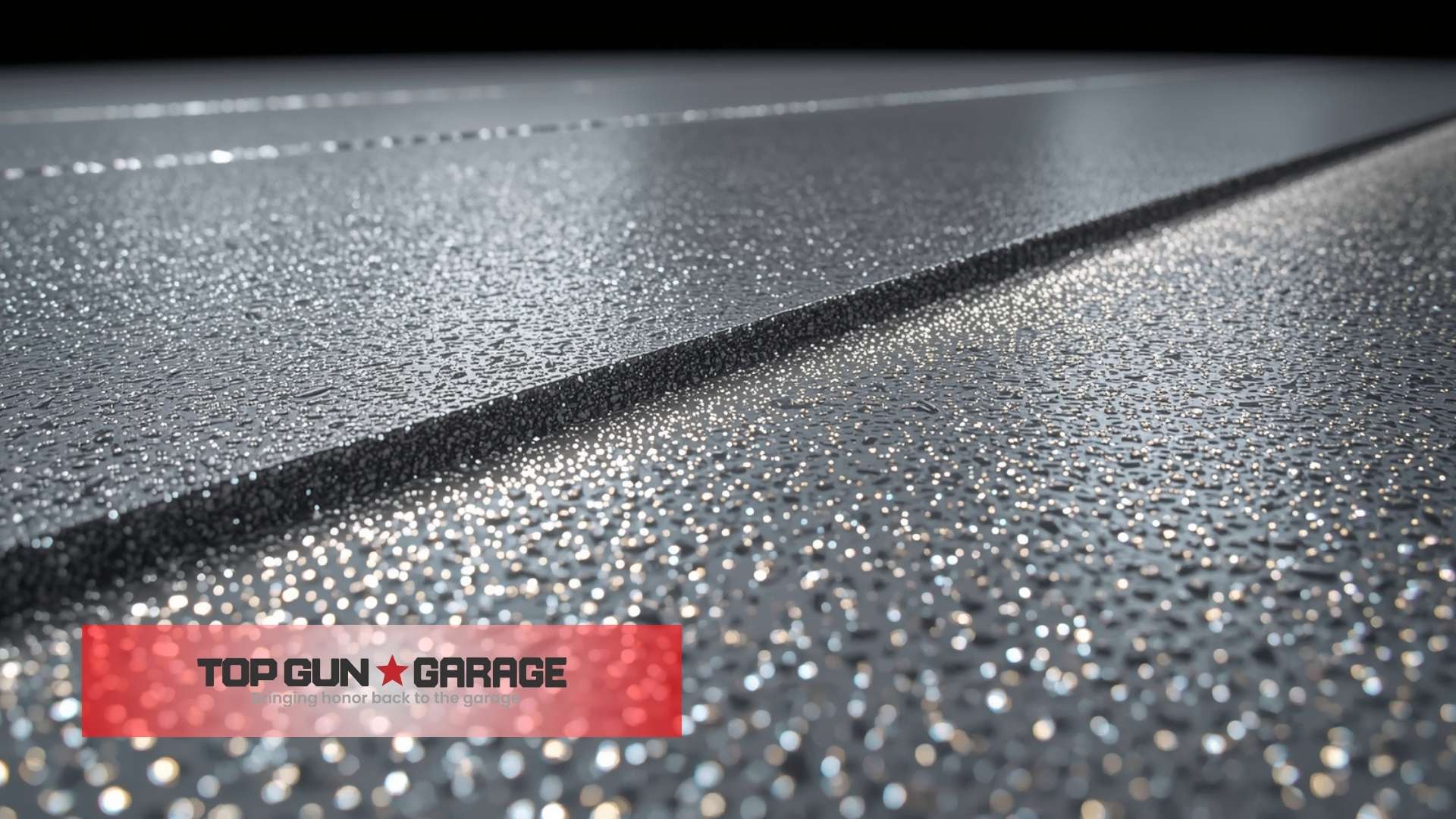
Professional-grade epoxy systems achieve slip resistance through carefully engineered additive integration that creates microscopic and macroscopic surface irregularities. These textures interrupt the smooth surface that allows liquids to create slip hazards while maintaining the chemical resistance and durability characteristics that make epoxy ideal for garage applications. The key lies in balancing adequate texture with practical maintenance requirements.
Testing standards for slip resistance provide objective measurements that help property owners and contractors select appropriate flooring systems. The Americans with Disabilities Act (ADA) specifies minimum coefficient of friction requirements, while industry standards from organizations like the National Floor Safety Institute provide additional guidance for specific applications. Understanding these standards ensures that selected flooring systems meet both safety and legal requirements.
Environmental factors significantly influence slip resistance performance in garage settings. Temperature variations affect how additives perform, while chemical exposure from automotive fluids can alter surface characteristics over time. Quality slip resistant flooring options account for these variables through additive selection and system design that maintains performance under varying conditions.
Types of Anti-Slip Additives for Epoxy Systems
Aluminum oxide represents the gold standard for anti-slip additives in professional garage flooring applications. This extremely hard, angular material creates aggressive texture that provides excellent traction even when contaminated with oils or water. The sharp edges of aluminum oxide particles cut through surface films to maintain grip, making it ideal for commercial garages and high-traffic areas where maximum slip resistance is required.
Polymer beads offer a gentler alternative that provides effective slip resistance with reduced harshness underfoot. These spherical additives create texture through controlled surface irregularity rather than sharp edges, making them suitable for residential garages where bare foot traffic might occur. The smooth nature of polymer beads also facilitates easier cleaning while maintaining adequate safety performance for most applications.
Silica sand provides an economical option for basic slip resistance in budget-conscious projects. While not as durable or effective as specialized additives, properly graded silica sand can improve traction significantly compared to smooth epoxy surfaces. The key lies in selecting appropriate particle sizes and ensuring even distribution throughout the coating system for consistent performance.
Crushed walnut shells and other organic additives offer environmentally conscious alternatives for specific applications. These materials provide moderate slip resistance while maintaining biodegradability and reduced environmental impact. However, organic additives typically require more frequent maintenance and may not provide the longevity expected in demanding garage environments.
Combination additive systems blend different materials to achieve specific performance characteristics. For example, combining aluminum oxide for maximum traction with polymer beads for improved cleanability creates systems that balance aggressive slip resistance with practical maintenance requirements. Professional contractors often develop custom blends tailored to specific client needs and usage patterns.
Application Techniques for Maximum Safety Performance
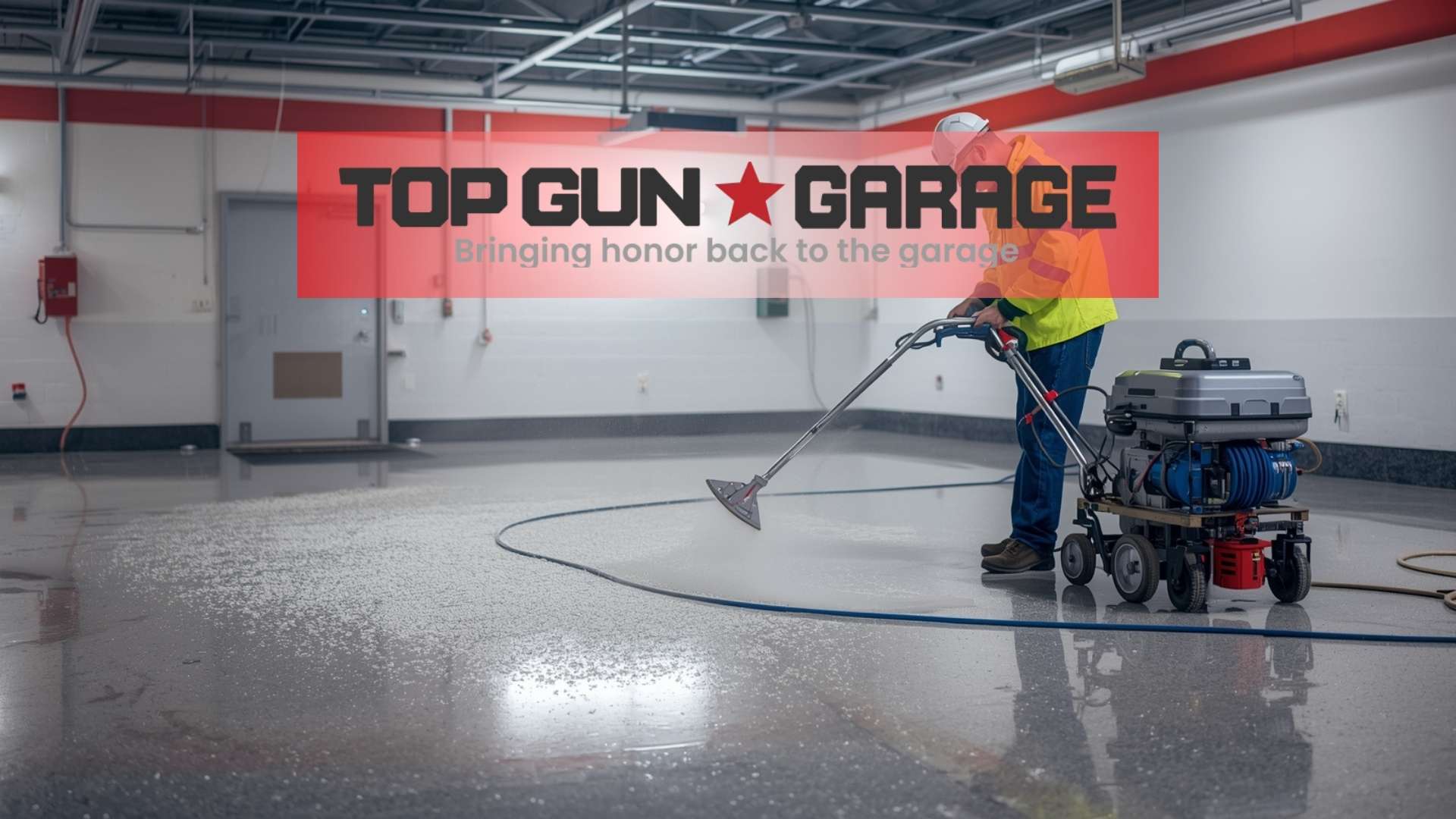
Surface preparation forms the foundation of effective slip resistant garage flooring installation. Proper concrete preparation includes thorough cleaning, crack repair, and surface profiling to ensure optimal adhesion and even additive distribution. Inadequate preparation leads to premature failure and compromised safety performance, making this phase critical to long-term success.
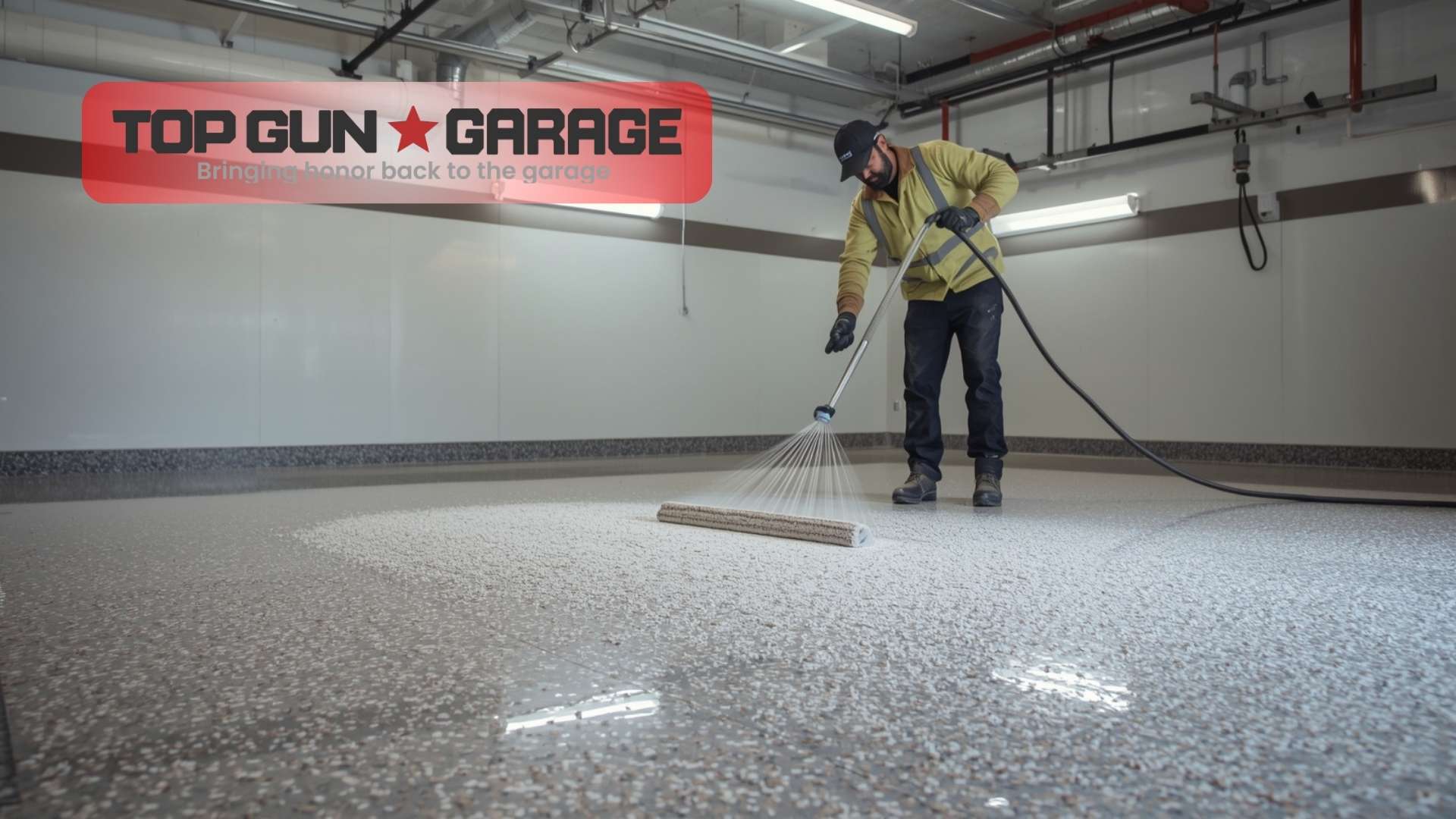
Additive incorporation methods significantly impact final texture and slip resistance characteristics. Broadcast application involves sprinkling additives onto wet epoxy, allowing natural settling and partial embedding. This technique provides maximum texture but requires careful control to achieve even distribution. Mixed-in additives are blended with epoxy before application, creating more uniform but potentially less aggressive texture.
Environmental conditions during application affect both curing and additive performance. Temperature and humidity levels influence epoxy viscosity, which impacts how additives settle and embed in the coating. Professional contractors monitor conditions carefully and adjust application techniques to ensure optimal results regardless of environmental variables.
Quality control measures throughout the application process ensure consistent slip resistance across the entire floor surface. This includes monitoring additive coverage rates, checking for even distribution, and verifying proper embedding depths. Professional installations include documentation of these parameters to ensure warranty compliance and performance verification.
Curing procedures play a crucial role in developing final slip resistance characteristics. Proper curing allows epoxy to achieve full hardness while maintaining additive integrity. Rushed curing or improper conditions can compromise both durability and safety performance, making adherence to manufacturer specifications essential for optimal results.
Maintenance and Longevity of Slip-Resistant Surfaces
Regular cleaning protocols preserve slip resistance while maintaining the aesthetic appeal of epoxy garage flooring. Effective maintenance involves removing contaminants that can fill texture voids and reduce traction, while avoiding harsh cleaning methods that might damage additive particles. Professional-grade slip resistant flooring options are designed to withstand normal cleaning procedures while maintaining safety performance.
Inspection schedules help identify potential issues before they compromise safety performance. Regular visual assessments can detect areas where additives might be wearing away or where contamination is building up. Early identification allows for targeted maintenance that preserves overall system performance and extends service life significantly.
Contamination management addresses the specific challenges of garage environments where oils, coolants, and other automotive fluids can affect slip resistance. Quality epoxy systems resist penetration by these contaminants, while proper texture design helps channel liquids away from high-traffic areas. Understanding how different contaminants interact with slip-resistant surfaces guides effective cleaning strategies.
Restoration techniques can renew slip resistance in areas experiencing heavy wear or contamination. Localized reapplication of additives, surface cleaning with specialized equipment, or partial system renewal can restore safety performance without complete floor replacement. Professional contractors can assess wear patterns and recommend appropriate restoration approaches.
Performance monitoring through objective testing ensures that slip resistance remains within acceptable parameters throughout the flooring’s service life. Portable slip resistance meters allow periodic verification of safety performance, while visual inspection protocols help identify trends that might indicate developing issues. This proactive approach prevents safety compromises and extends system life.
Cost-Benefit Analysis and Return on Investment
Initial investment in quality slip resistant garage flooring must be evaluated against long-term benefits including reduced liability exposure, lower maintenance costs, and improved property values. Professional-grade systems typically cost more upfront but provide superior performance and longevity that justify the investment through reduced total cost of ownership.
Insurance considerations play a significant role in the financial equation for slip-resistant flooring. Many insurance providers offer premium reductions for properties with documented safety improvements, while claims history related to slip-and-fall accidents can significantly impact coverage costs. Proactive safety investments often pay for themselves through reduced insurance expenses alone.
Maintenance cost comparisons reveal significant advantages for quality slip resistant flooring options over alternative solutions. Sealed epoxy surfaces resist staining and damage, reducing cleaning time and material costs. The durability of professional-grade systems also eliminates frequent replacement costs associated with inferior flooring options.
Property value enhancement represents another important financial consideration for residential and commercial property owners. Quality garage flooring systems are increasingly viewed as essential amenities that influence property values and marketability. Professional installations with proper documentation provide verifiable improvements that support higher property valuations.
Productivity benefits in commercial settings where slip-resistant flooring reduces accident-related downtime and workers’ compensation claims can be substantial. Safe working environments improve employee confidence and efficiency while reducing costs associated with workplace injuries. These operational benefits often provide the strongest justification for investing in professional-grade flooring systems.
At Top Gun Garage, we understand that investing in slip resistant garage flooring represents a commitment to safety, quality, and long-term value. Our experience with various slip resistant flooring options allows us to recommend systems that provide optimal performance for specific applications while delivering the reliability and durability that property owners demand. We work closely with clients to ensure that their flooring investment provides maximum return through improved safety, reduced maintenance, and enhanced property value.
Frequently Asked Questions
How long does slip-resistant epoxy flooring last in garage environments?
Professional-grade slip resistant garage flooring typically provides 15-20 years of service life under normal residential use, while commercial applications might see 10-15 years depending on traffic levels. Proper installation and maintenance significantly impact longevity, with quality systems often exceeding expected service life when properly cared for.
Can anti-slip additives be added to existing epoxy floors?
Yes, slip resistance can be added to existing epoxy floors through broadcast application of additives followed by a clear topcoat. However, this approach may not provide the same performance as systems where additives are integrated during initial installation. Professional assessment determines the best approach for specific situations.
What level of slip resistance is appropriate for residential garages?
Residential garages typically require moderate slip resistance with coefficient of friction values between 0.6-0.8. This provides adequate safety for normal use while maintaining comfortable walking surfaces. Commercial applications often require higher values depending on specific usage and regulatory requirements.
How do anti-slip additives affect cleaning and maintenance?
Quality slip resistant flooring options actually simplify maintenance by hiding minor dirt and providing surfaces that resist staining. Textured surfaces may require slightly more thorough cleaning to remove debris from texture voids, but overall maintenance requirements are typically reduced compared to untreated concrete.
Are there different additives for different types of contamination?
Yes, additive selection can be optimized for specific contamination types. Aluminum oxide performs well with oil contamination, while polymer beads might be better for areas with frequent water exposure. Professional contractors can recommend appropriate additives based on expected contamination types.
What happens if the slip-resistant coating wears away over time?
Professional-grade systems are designed so that additives wear at the same rate as the surrounding epoxy, maintaining consistent slip resistance throughout the coating’s life. If localized wear occurs, targeted restoration can renew slip resistance without complete system replacement.
Can slip-resistant flooring be customized for appearance?
Modern slip resistant flooring options offer extensive customization including color selection, decorative flakes, and various texture levels. These aesthetic options can be incorporated without compromising safety performance, allowing property owners to achieve desired appearances while maintaining slip resistance.
How is slip resistance tested and verified?
Slip resistance is measured using standardized testing equipment that determines coefficient of friction values. Professional installations often include testing documentation to verify compliance with safety standards and provide baseline measurements for future reference.
Conclusion
Creating truly safe garage environments requires thoughtful selection and proper installation of slip resistant garage flooring that addresses the unique challenges of these spaces. The combination of advanced epoxy systems with carefully chosen anti-slip additives provides comprehensive solutions that protect property owners while delivering the durability and aesthetic appeal that modern applications demand.
Success in slip-resistant flooring depends on understanding the relationship between additive types, application techniques, and long-term performance requirements. Professional contractors bring expertise in material selection, installation procedures, and quality control that ensures optimal results and long-term reliability. The investment in professional installation pays dividends through consistent performance and extended service life.
The variety of available slip resistant flooring options allows customization for specific needs while maintaining essential safety characteristics. From aggressive aluminum oxide systems for maximum traction to gentler polymer bead applications for mixed-use spaces, modern technology provides solutions for virtually any garage application. Understanding these options enables informed decisions that balance safety, functionality, and aesthetic requirements.
Long-term value creation through quality slip-resistant flooring extends beyond immediate safety benefits to include reduced maintenance costs, improved property values, and enhanced operational efficiency. These comprehensive benefits justify investment in professional-grade systems and expert installation that delivers reliable performance throughout the flooring’s service life.