 Skip to content



Getting quotes for a garage floor coating should be straightforward. You describe your space, contractors visit, and numbers arrive. But knowing what to look for in an epoxy floor quote separates homeowners who get lasting results from those who end up paying twice. Most quotes in Southwest Florida look similar on paper—square footage, color selection, and a final price. What they leave out matters more than what they include.
The difference between a coating that lasts fifteen years and one that peels within eighteen months often comes down to details buried in fine print or missing entirely. Surface preparation methods, material specifications, and warranty coverage vary dramatically between contractors. Understanding these differences before signing protects your investment and prevents the frustration of watching your new floor fail.
Overview
This guide walks through the critical elements that separate comprehensive garage floor quotes from incomplete ones. Southwest Florida’s climate creates unique challenges—humidity, heat, and moisture vapor transmission—that make thorough preparation and proper materials essential. Homeowners in Naples, Fort Myers, Bonita Springs, and surrounding areas face conditions that expose shortcuts quickly. By understanding what questions to ask and what specifications to demand, you can evaluate quotes accurately and choose a contractor whose work will hold up against Florida’s demanding environment.
Key Takeaways
- Surface preparation methods directly determine coating longevity—diamond grinding creates proper adhesion while acid etching often fails in Florida conditions
- Warranty exclusions matter more than warranty length; many “lifetime” warranties exclude moisture damage and hot-tire marks
- Material specifications should list solids percentage, coating thickness, and number of layers—vague descriptions hide inferior products
- One-day installations typically use fast-curing products that sacrifice bond strength for convenience
- Concrete repair and crack treatment should appear as separate line items with specific methods described
Surface Preparation: The Foundation Most Quotes Gloss Over
Surface preparation accounts for roughly 70% of a coating’s success or failure. Yet many quotes mention it only briefly or describe it in vague terms like “floor prep included.” This ambiguity should raise immediate concerns. Professional contractors specify exactly how they will prepare your concrete because the method directly affects adhesion strength and coating durability.
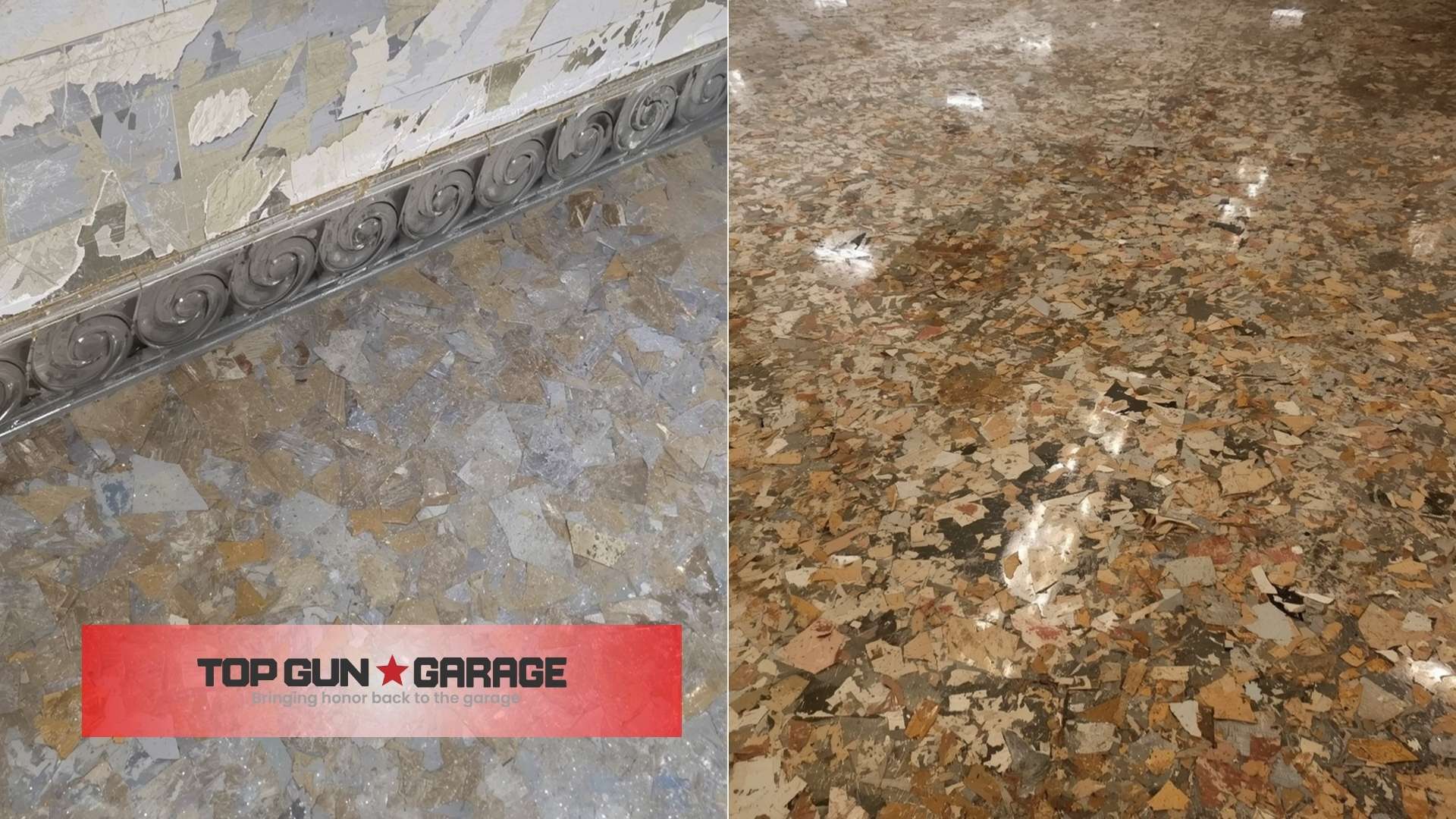
Diamond grinding remains the industry standard for garage floors. Walk-behind grinders with diamond tooling remove the smooth top layer of concrete—called the “cream layer”—and create a surface profile that allows coatings to bond mechanically. Industry specifications call for a Concrete Surface Profile (CSP) of 2 to 3 for most epoxy systems. Quotes should reference this measurement or describe the grinding process in specific terms.
Acid etching—sometimes presented as an equivalent alternative—produces inconsistent results. While less expensive, acid etching rarely achieves adequate profile depth, especially on older Florida concrete that may have been sealed or contaminated over time. Quotes that list acid etching as the primary preparation method signal a contractor cutting corners on the most critical step.
Edge and corner preparation requires separate attention. Large grinders cannot reach perimeter areas, so professional installers use angle grinders with diamond cup wheels along walls and around obstacles. If your quote does not mention edge preparation, ask specifically how those areas will be treated. Edges often fail first when improperly prepared.
Moisture Testing and Vapor Barriers
Florida’s humidity creates persistent moisture challenges for garage floors. Water vapor moves through concrete slabs constantly, and excessive moisture vapor transmission (MVT) causes coating delamination, bubbling, and peeling. Professional quotes should include moisture testing as a standard pre-installation step.
The calcium chloride test measures moisture vapor emission rate, expressed in pounds per 1,000 square feet over 24 hours. Most coating manufacturers require readings below 3 to 5 pounds before installation. Quotes should specify what happens if testing reveals elevated moisture levels. Some contractors include vapor barriers as a contingency; others treat it as an additional cost.
A quote that makes no mention of moisture testing in Southwest Florida should prompt questions. Contractors who skip this step gamble with your floor’s longevity. If moisture problems exist, even the most carefully applied coating will eventually fail. Knowing your concrete’s condition before installation allows proper system selection and prevents costly callbacks.
Material Specifications That Actually Matter
Quotes often list “epoxy” or “polyaspartic” without further detail. These broad categories contain enormous quality variations. A thorough quote specifies solids percentage, coating thickness per layer, and the complete system composition. These details determine how your floor performs under daily use.
Solids Content
Epoxy and polyaspartic coatings come in varying solids percentages. A 100%-solids epoxy contains no solvents and builds full thickness when applied. Lower-solids products (50% or less) evaporate significantly during curing, leaving a thinner film. Professional-grade systems typically use 100%-solids epoxy for the base coat. Your quote should state the solids percentage for each layer.
Total System Thickness
Thickness directly affects durability. Residential garage floors benefit from total system thickness of 15 to 20 mils minimum. Some contractors achieve this with a single thick layer; others build thickness through multiple thinner applications. Either approach works when materials are compatible, but quotes should specify final coating thickness in mils or millimeters.
UV Stability
Standard epoxy yellows when exposed to ultraviolet light. For garages with windows or doors that remain open, UV-stable topcoats prevent color changes over time. Polyaspartic and aliphatic polyurethane topcoats resist UV degradation. If your garage sees significant sunlight, ensure your quote includes UV-stable materials in the finish coat.
Warranty Coverage: Reading Beyond the Headlines
A “lifetime warranty” sounds comprehensive until you read the exclusions. Many garage floor warranties exclude the two most common failure modes: moisture-related damage and hot-tire pickup. These exclusions effectively void coverage for problems that actually occur. Evaluating warranty quality requires examining what’s covered, not just how long coverage lasts.
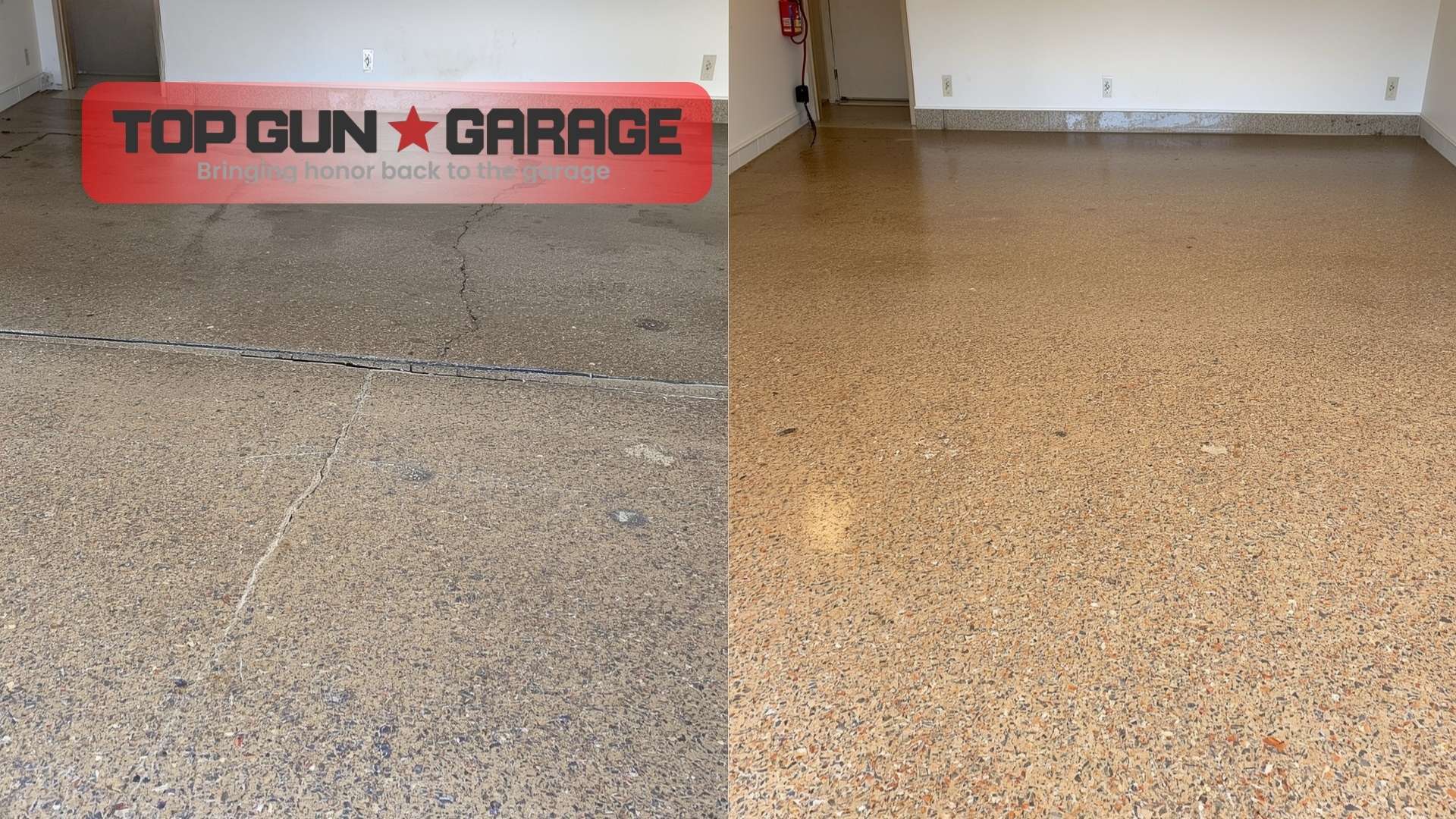
Hot-tire pickup happens when plasticizers from warm tires transfer to or soften coating surfaces. Quality polyaspartic topcoats resist this phenomenon, and contractors confident in their systems include hot-tire coverage in their warranties. If a quote promotes hot-tire resistance but the warranty excludes tire damage, the marketing doesn’t match the guarantee.
According to the Federal Trade Commission’s guidance on warranties, written warranties must clearly describe covered items, exclusions, and the process for making claims. Request a sample warranty document before signing any contract. Compare exclusion lists across quotes—shorter exclusion lists generally indicate greater contractor confidence.
Also verify whether warranties transfer if you sell your home. Non-transferable warranties provide less long-term value and may affect resale considerations. Some warranties require annual inspections or specific maintenance to remain valid—understand these conditions before committing.
Concrete Repair and Crack Treatment
Existing damage affects coating performance. Cracks, spalling, and pitting require treatment before coating application. How contractors address these issues varies significantly, and quotes should detail the approach. Vague language like “minor repairs included” leaves too much open to interpretation.
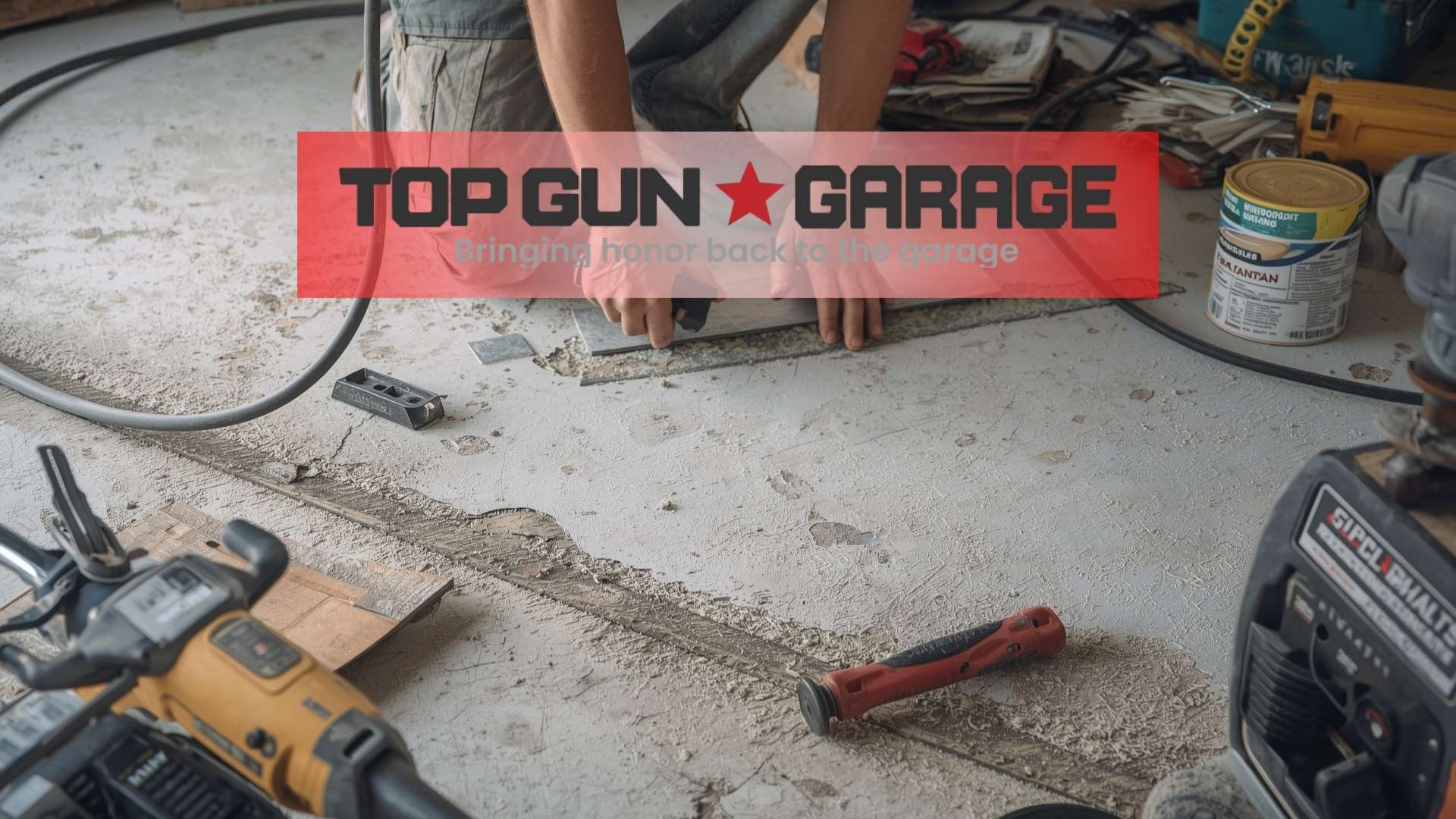
Professional crack repair typically involves routing cracks to create clean edges, then filling with epoxy-based materials compatible with the coating system. Larger repairs may require epoxy mortar mixed with silica sand. Concrete patching compounds—cheaper but less effective—can create bond failure points later.
Control joints (the lines cut into garage floors to control cracking) need specific attention. Some contractors coat over joints; others fill them first. Neither approach is universally correct, but the quote should explain what will happen and why. Understand that concrete movement beneath any coating may cause cracks to telegraph through—warranties often exclude this scenario.
Installation Timeline and Cure Schedules
One-day installations appeal to busy homeowners but often compromise quality. Fast-curing polyaspartic or polyurea base coats allow same-day completion but may not penetrate concrete as deeply as slower-curing epoxy primers. This trade-off affects long-term adhesion, particularly in Florida’s challenging moisture environment.
A two-day installation typically allows for a slow-cure, 100%-solids epoxy base coat that bonds deeply into the concrete substrate, followed by polyaspartic topcoats the next day. This approach balances adhesion strength with reasonable project duration. Your quote should explain the installation process and timing for each layer.
Cure times before foot traffic and vehicle traffic differ. Most systems allow walking after 24 hours but require 3 to 5 days before parking vehicles. Quotes should specify these timelines clearly. If a contractor promises vehicle traffic within 24 hours, question whether the system provides adequate cure strength or if they’re overpromising.
What Should Appear on Every Quote
Complete quotes include specific line items and details that allow meaningful comparison. When reviewing proposals, look for these elements:
- Surface preparation method: Diamond grinding, shot blasting, or other mechanical preparation—not just acid etching
- Moisture testing: Method used and what happens if readings exceed acceptable levels
- Material specifications: Product names, solids percentages, and layer thicknesses
- System composition: Base coat, broadcast media (flakes), and topcoat types
- Concrete repair scope: What’s included versus what triggers additional charges
- Cure schedule: When you can walk on the floor and when vehicles can return
- Warranty terms: Coverage duration, specific inclusions, and exclusions
- Payment terms: Deposit amount and when final payment is due
Quotes missing several of these elements may indicate inexperience or intentional vagueness. Professional contractors provide detailed proposals because they understand that informed customers become satisfied customers.
Red Flags That Signal Problems Ahead
Certain patterns in quotes suggest potential issues with installation quality or contractor reliability:
- Prices dramatically below market rates: Quality materials and thorough preparation cost money. Extremely low quotes often mean inferior products or skipped steps.
- Pressure to sign immediately: “This price is only good today” tactics prevent proper comparison shopping.
- No site visit before quoting: Accurate quotes require seeing your specific concrete condition. Remote quotes based solely on square footage miss critical factors.
- Reluctance to provide references: Established contractors have satisfied customers willing to share their experiences.
- Vague warranty language: If a contractor won’t provide written warranty details before you commit, their confidence in their work may be limited.
Southwest Florida-Specific Considerations
Homeowners in Naples, Fort Myers, Bonita Springs, Estero, and Marco Island face environmental conditions that test garage floor coatings severely. Florida’s humidity affects both installation timing and long-term performance. Contractors experienced with local conditions adjust their processes accordingly.
Temperature fluctuations between air-conditioned spaces and non-conditioned garages create thermal stress. Quality coatings accommodate expansion and contraction without cracking or delaminating. Ask contractors how their systems handle temperature changes typical in Southwest Florida.
Coastal proximity brings salt air exposure. While coating surfaces resist salt well, underlying concrete may contain chlorides from years of exposure. Experienced local contractors recognize these conditions and account for them in their system recommendations.
Frequently Asked Questions
What is the typical cost range for professional garage floor coating in Southwest Florida?
Professional installations typically range from $5 to $12 per square foot depending on system complexity, concrete condition, and material choices. Extremely low quotes often indicate inferior materials or inadequate preparation. Request detailed pricing breakdowns to understand what you’re actually getting.
How long should a quality garage floor coating last?
Properly installed professional systems last 15 to 20 years or longer with normal residential use. Longevity depends heavily on surface preparation quality and material specifications. DIY kits and budget installations often fail within 2 to 5 years. Learn more about coating lifespan factors.
What’s the difference between epoxy and polyaspartic coatings?
Epoxy provides excellent adhesion and chemical resistance, making it ideal for base coats. Polyaspartic cures faster, offers superior UV stability, and resists hot-tire marks better than standard epoxy. Most professional systems combine both: epoxy base for adhesion and polyaspartic topcoats for durability.
Can garage floor coatings be applied over existing paint or sealer?
Existing coatings must be completely removed through diamond grinding before applying new systems. Coating over old paint or sealer causes adhesion failure. Professional contractors include complete removal in their surface preparation process.
Why does surface preparation cost vary so much between quotes?
Diamond grinding requires industrial equipment and trained operators, while acid etching needs only chemical supplies. The additional cost of proper preparation reflects the investment in equipment and expertise that produces lasting results.
What should I do before the installation crew arrives?
Remove all items from the garage, including wall-mounted objects that could interfere with edge work. Ensure electrical outlets are accessible for equipment. Inform the contractor of any known moisture issues or previous coating failures.
Are one-day installations as durable as multi-day installations?
One-day systems use fast-curing products that may not penetrate concrete as deeply as slower-curing alternatives. In Florida’s moisture-prone environment, deeper penetration often improves long-term performance. Ask contractors about their specific products and why they chose them. Understanding why DIY fails helps clarify these differences.
How do I verify a contractor’s experience and quality?
Request references from recent projects similar to yours. Ask to see warranty claim history. Check for proper licensing and insurance. Review photos of completed work, paying attention to edges, corners, and areas around floor drains. Visit the contractor’s gallery to see examples of their work.
Will my warranty cover issues that develop after the first year?
Review specific warranty terms carefully. Many warranties cover materials longer than workmanship. Understand what proof you need to file a claim and how the contractor handles disputes. The strongest warranties come from contractors who remain accessible and responsive years after installation.
What maintenance does a coated garage floor require?
Quality coatings require minimal maintenance—regular sweeping and occasional mopping with pH-neutral cleaners. Avoid harsh chemicals and abrasive tools. Proper maintenance practices keep your floor looking new and preserve warranty coverage.
Sources
FTC Consumer Advice on Warranties
Get a Detailed Quote You Can Trust
Top Gun Garage provides comprehensive quotes that answer every question covered in this guide. Our proposals detail surface preparation methods, material specifications, warranty coverage, and cure schedules—no vague language or hidden exclusions. We serve homeowners throughout Naples, Fort Myers, Bonita Springs, Estero, Marco Island, and surrounding Southwest Florida communities. Get a Free Estimate and see the difference a thorough approach makes.