Florida’s unique climate presents distinct challenges for garage concrete maintenance, with high humidity, frequent temperature fluctuations, and seasonal storms creating the perfect conditions for concrete spalling. This deterioration process affects thousands of Florida homeowners annually, transforming once-smooth garage floors into hazardous, unsightly surfaces that compromise both safety and property value.
Concrete spalling occurs when the surface layer of concrete begins to chip, flake, or break away from the underlying structure. In Florida garages, this problem is particularly prevalent due to the state’s aggressive environmental conditions, including salt air exposure in coastal areas, intense UV radiation, and the constant cycle of wet and dry seasons that cause concrete to expand and contract repeatedly.
Understanding the process of repairing concrete spalling in Florida garages is essential for homeowners who want to maintain their property’s integrity and value. The repair process involves more than simply patching visible damage; it requires a comprehensive approach that addresses underlying causes, prevents future deterioration, and ensures long-lasting results that can withstand Florida’s demanding climate.
Professional concrete repair specialists recognize that Florida’s environmental factors create unique challenges not found in other regions. The combination of high humidity levels, frequent rainfall, and intense heat creates conditions where traditional repair methods may fail if not properly adapted to local conditions. This is why selecting the right repair techniques, materials, and timing becomes crucial for successful outcomes.
The cost of ignoring concrete spalling in Florida garages extends beyond aesthetic concerns. Damaged concrete can create safety hazards, reduce property values, and lead to more extensive structural problems if left untreated. Water infiltration through spalled concrete can reach reinforcing steel, causing rust and expansion that further damages the surrounding concrete structure.
Successful concrete spalling repair in Florida requires understanding the specific factors that contribute to deterioration in the state’s climate. From selecting appropriate repair materials that can withstand humidity and temperature variations to timing repairs during optimal weather conditions, every aspect of the process must be carefully planned and executed to ensure lasting results.
Key Takeaways
Climate-Specific Challenges: Florida’s high humidity, salt air exposure, and temperature fluctuations create unique conditions that accelerate concrete spalling, requiring specialized repair approaches and materials designed for subtropical environments.
Early Detection Saves Money: Identifying concrete spalling in its initial stages allows for less invasive and more cost-effective repairs, preventing the need for complete floor replacement and protecting underlying structural elements from further damage.
Proper Surface Preparation is Critical: Successful repairs depend on thorough cleaning, removal of loose material, and proper surface preparation that ensures new repair materials bond effectively with existing concrete substrates.
Material Selection Matters: Choosing repair materials specifically formulated for Florida’s climate conditions, including polymer-modified compounds and moisture-resistant sealers, significantly improves repair longevity and performance.
Timing Affects Success: Scheduling repairs during Florida’s dry season and avoiding extreme temperature conditions ensures optimal curing and bonding of repair materials, leading to more durable results.
Professional Assessment Recommended: Complex spalling damage often requires professional evaluation to identify underlying causes, assess structural integrity, and develop comprehensive repair strategies that address root problems.
Prevention Extends Lifespan: Implementing regular maintenance schedules, proper drainage solutions, and protective coatings significantly reduces the likelihood of future spalling and extends the overall lifespan of garage concrete floors.
Safety Considerations: Concrete spalling creates trip hazards and can indicate structural problems that require immediate attention to prevent accidents and protect property value in Florida’s competitive real estate market.
Understanding Concrete Spalling in Florida’s Climate
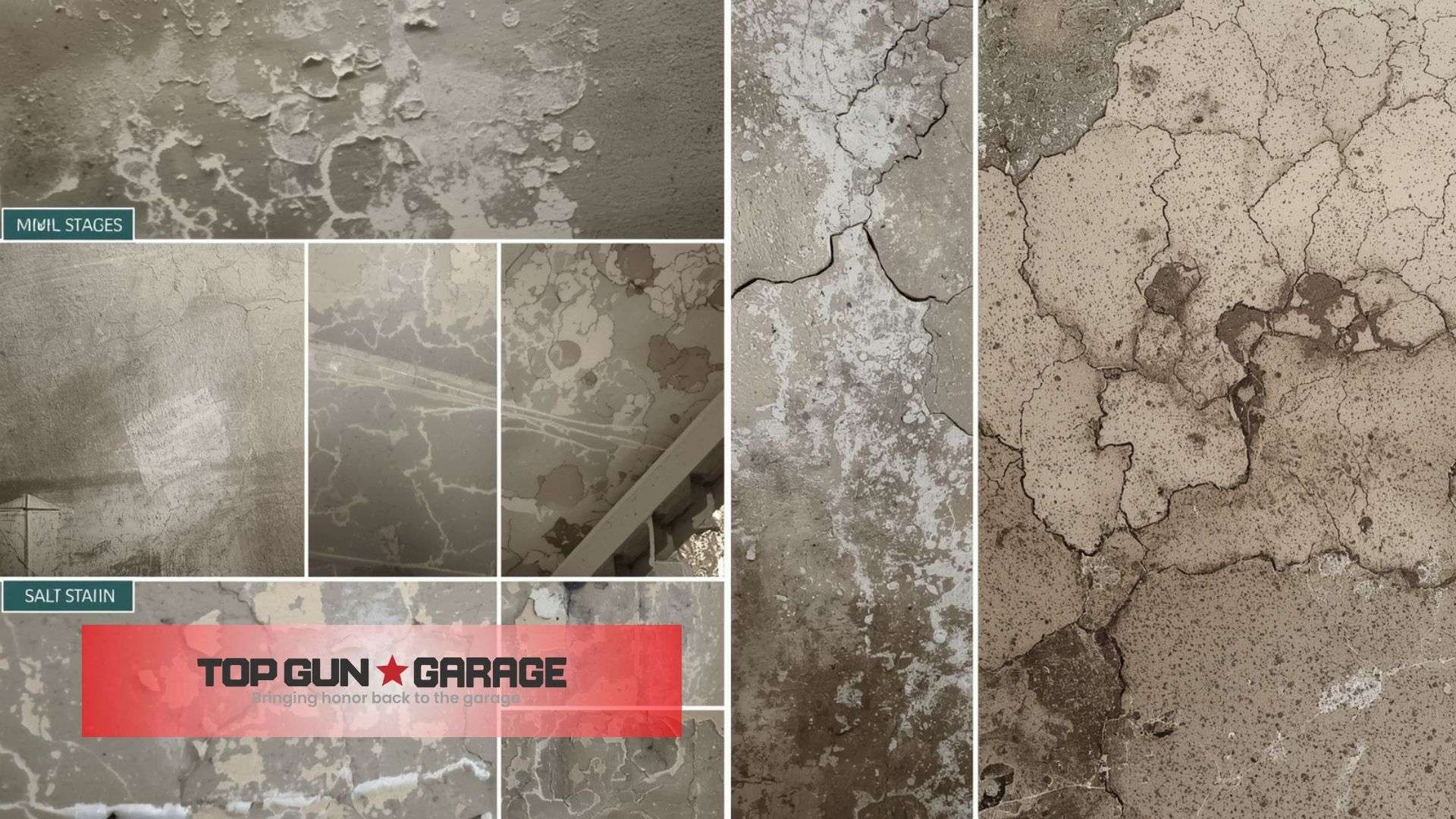
Concrete spalling represents one of the most common structural issues affecting Florida garages, with the state’s subtropical climate creating an environment where concrete deterioration occurs more rapidly than in temperate regions. The process begins when environmental factors cause the concrete surface to weaken, leading to the characteristic flaking, chipping, and breaking away of the surface layer.
Florida’s coastal proximity exposes concrete to salt-laden air that penetrates the porous concrete surface, causing chemical reactions that weaken the material over time. Inland areas face different but equally challenging conditions, including frequent thunderstorms that saturate concrete with moisture, followed by intense sunshine that causes rapid drying and thermal stress.
The freeze-thaw cycle, while less common in Florida than northern states, still affects concrete in certain regions during winter months. Even minor temperature fluctuations can cause concrete to expand and contract, creating micro-cracks that allow moisture penetration and accelerate the spalling process. This cyclical damage accumulates over time, eventually resulting in visible surface deterioration.
Understanding the specific mechanisms of concrete spalling in Florida helps homeowners recognize early warning signs and take preventive action. Surface discoloration, small cracks, and minor flaking often precede major spalling events, providing opportunities for intervention before extensive damage occurs. Regular inspection and maintenance become essential components of concrete preservation in Florida’s challenging environment.
The composition of Florida’s native soil and groundwater also contributes to concrete deterioration. High mineral content in groundwater can cause chemical reactions with concrete components, while expansive clay soils common in many Florida regions create shifting foundation conditions that stress concrete slabs and contribute to cracking and spalling.
Essential Tools and Materials for Spalling Repair
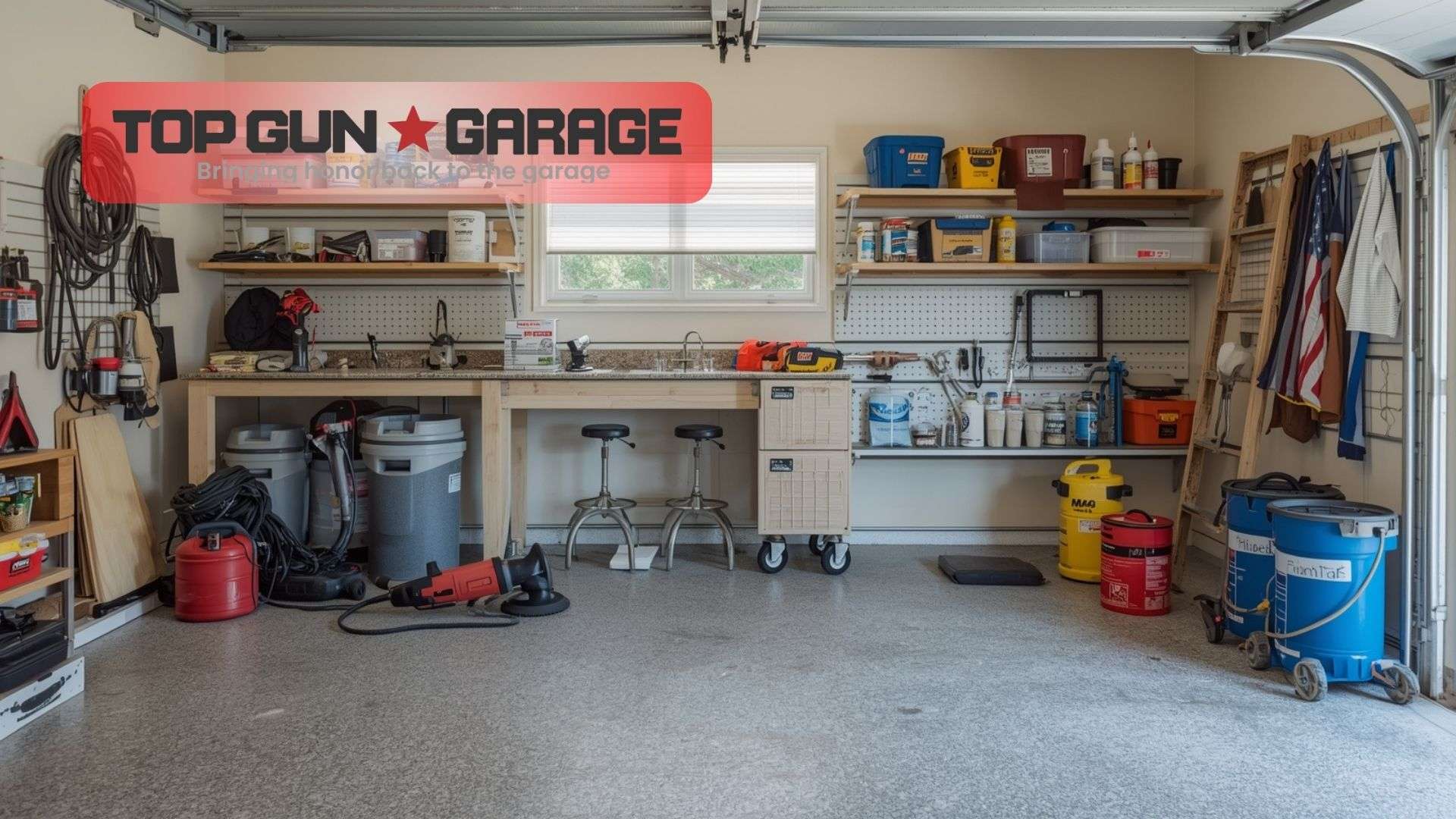
Successful concrete spalling repair in Florida requires specific tools and materials designed to withstand the state’s demanding environmental conditions. The selection of appropriate equipment and supplies directly impacts repair quality, durability, and long-term performance, making careful material choice essential for lasting results.
Surface preparation tools form the foundation of any successful repair project. Angle grinders equipped with diamond blades effectively remove loose concrete and create clean edges around damaged areas. Wire brushes, both manual and powered, help clean debris from cracks and crevices, while pressure washers remove dust, dirt, and loose particles that could interfere with repair material bonding.
Repair materials must be specifically formulated for Florida’s high humidity and temperature variations. Polymer-modified repair compounds offer superior adhesion and flexibility compared to standard concrete mixes, allowing them to accommodate thermal expansion and contraction without cracking. These specialized materials often include additives that improve moisture resistance and reduce permeability.
Bonding agents play a crucial role in ensuring new repair materials adhere properly to existing concrete. Epoxy-based bonding agents provide excellent adhesion in humid conditions, while acrylic bonding agents offer good performance at a lower cost. The choice between different bonding systems depends on the extent of damage and environmental exposure conditions.
Protective equipment becomes particularly important in Florida’s climate, where high temperatures and humidity can create challenging working conditions. Respirators protect against dust and chemical vapors, while eye protection prevents injury from flying debris during surface preparation. Heat-resistant gloves and appropriate clothing help workers manage the physical demands of outdoor concrete work in Florida’s intense sunshine.
Measuring and mixing tools ensure proper material preparation and application. Digital scales provide accurate material proportioning, while mechanical mixers ensure thorough blending of repair compounds. Trowels, floats, and finishing tools allow for proper application and surface texturing that matches existing concrete appearance.
Curing and protection materials help new repairs achieve optimal strength and durability. Curing compounds prevent rapid moisture loss during the critical early curing period, while plastic sheeting and wet burlap provide alternative curing methods. In Florida’s intense sun, shading materials become essential for preventing rapid drying that can compromise repair quality.
Step-by-Step Repair Process for Florida Conditions
Repairing concrete spalling in Florida garages requires a systematic approach that accounts for the state’s unique environmental challenges. The repair process begins with thorough assessment and planning, followed by careful execution of each step to ensure optimal results that will withstand Florida’s demanding climate conditions.
The initial assessment phase involves documenting the extent of damage, identifying underlying causes, and determining the most appropriate repair strategy. This evaluation should occur during dry conditions when the full extent of damage is visible and accessible. Photographs and measurements help track repair progress and provide documentation for insurance purposes if applicable.
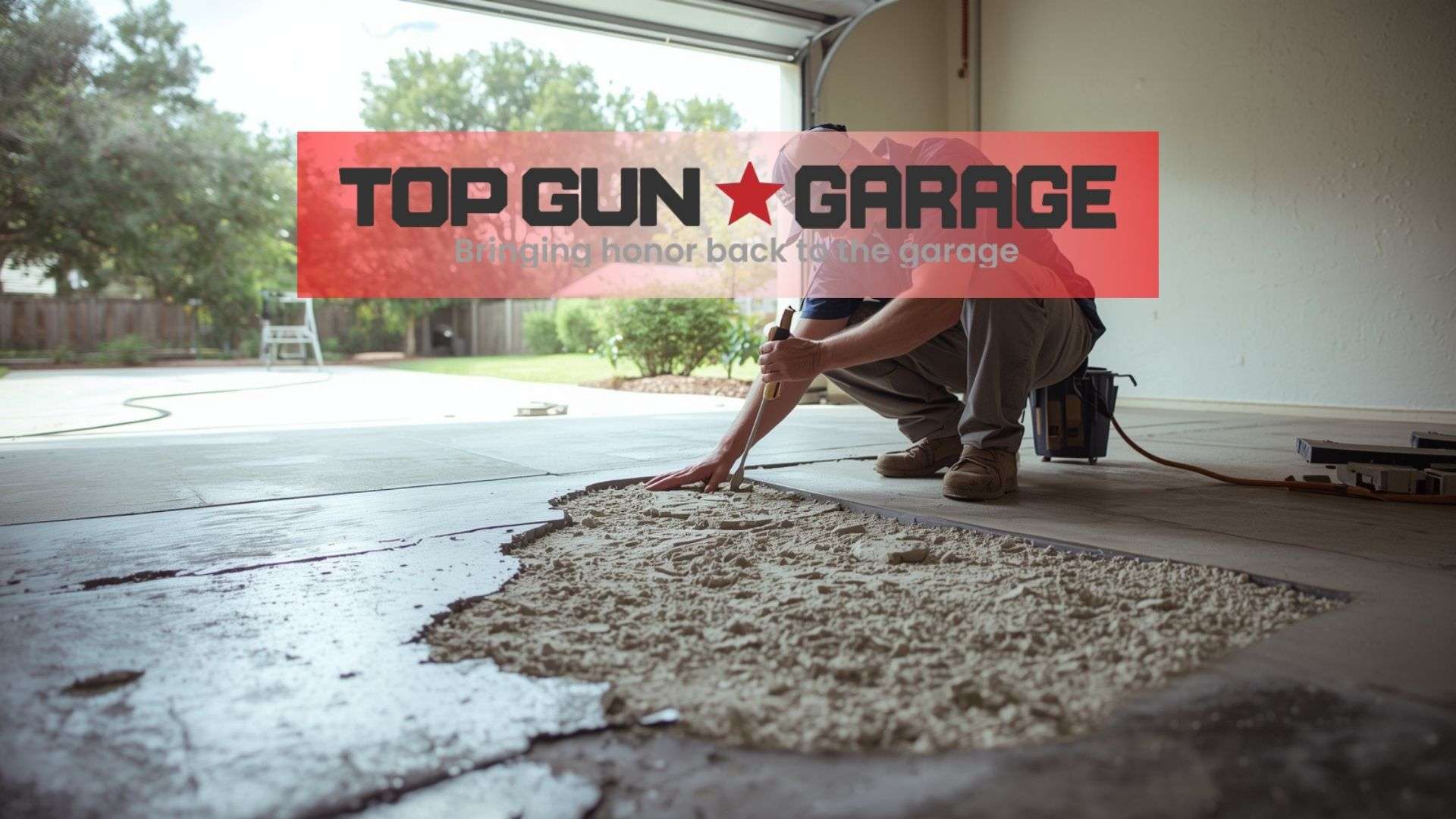
Surface preparation represents the most critical phase of the repair process. All loose, damaged, or deteriorated concrete must be completely removed using mechanical methods such as chipping hammers, grinders, or pressure washing. The goal is to reach sound, solid concrete that can provide a stable foundation for repair materials. Inadequate surface preparation is the leading cause of repair failure in Florida’s challenging environment.
Cleaning follows surface preparation, with thorough removal of dust, debris, and any contaminants that could interfere with bonding. Pressure washing with clean water effectively removes loose particles, but the surface must be allowed to reach the proper moisture condition before applying repair materials. In Florida’s humid climate, this may require extended drying time or the use of absorbent materials.
Priming and bonding agent application creates the critical interface between existing concrete and new repair materials. The bonding agent must be applied according to manufacturer specifications, with attention to coverage rates, application methods, and timing requirements. Florida’s humidity can affect bonding agent performance, making proper timing and environmental conditions essential for success.
Repair material mixing and application require careful attention to manufacturer specifications and environmental conditions. High temperatures can accelerate setting times, while humidity can affect curing characteristics. Working in smaller batches and adjusting mixing procedures for local conditions helps ensure optimal material performance and workability.
Finishing and texturing match the repair to existing concrete appearance and functionality. Proper finishing techniques prevent surface defects that could become future failure points, while appropriate texturing ensures consistent appearance and slip resistance. The finishing process must be completed before initial set occurs, requiring efficient work practices in Florida’s accelerated curing conditions.
Curing and protection represent the final critical phase of the repair process. Proper curing ensures that repair materials achieve their designed strength and durability characteristics. In Florida’s intense sun and heat, protection from rapid moisture loss becomes essential, often requiring shading, continuous moisture application, or chemical curing compounds specifically designed for hot weather conditions.
Selecting Weather-Resistant Repair Materials
The selection of appropriate repair materials represents a critical decision point that directly impacts the longevity and performance of concrete spalling repairs in Florida’s challenging environment. Standard repair materials often prove inadequate for Florida’s combination of high humidity, temperature extremes, and aggressive environmental conditions, making specialized material selection essential for successful outcomes.
Polymer-modified repair mortars offer superior performance compared to traditional cement-based materials in Florida applications. These advanced formulations incorporate synthetic polymers that improve adhesion, flexibility, and moisture resistance while maintaining compatibility with existing concrete substrates. The polymer modification allows repairs to accommodate thermal movement without cracking, a crucial characteristic in Florida’s variable temperature conditions.
Rapid-setting repair materials provide advantages in Florida’s unpredictable weather patterns, allowing repairs to achieve initial strength before afternoon thunderstorms or unexpected weather changes. However, rapid-setting materials require careful handling and application techniques, as Florida’s high temperatures can accelerate setting times beyond manageable limits. Temperature-compensated formulations help maintain workability in hot conditions.
Fiber-reinforced repair compounds incorporate synthetic or steel fibers that provide additional tensile strength and crack resistance. These materials prove particularly valuable in Florida applications where thermal stress and moisture cycling create conditions that promote cracking in conventional repair materials. The fiber reinforcement helps distribute stresses and prevent crack propagation.
Moisture-tolerant repair systems allow application to damp substrates, providing flexibility in Florida’s humid environment where achieving completely dry conditions can be challenging. These specialized materials use chemical formulations that can displace surface moisture and achieve proper bonding even in less-than-ideal moisture conditions, extending the working season for repair projects.
Chemical-resistant repair materials protect against the aggressive chemical environment found in many Florida locations. Coastal areas expose concrete to chloride attack from salt air, while urban environments may involve exposure to automotive chemicals, deicing salts, and other aggressive substances. Selecting materials with appropriate chemical resistance helps ensure long-term durability.
Self-leveling repair compounds simplify application and improve surface quality in large-area repairs. These materials flow to create smooth, level surfaces without extensive finishing work, reducing labor requirements and improving consistency. The self-leveling characteristics prove particularly valuable in garage applications where smooth, functional surfaces are essential for vehicle access and storage.
Shrinkage-compensated materials address the tendency of repair materials to shrink during curing, which can create weak interfaces and future failure points. These specialized formulations include expansive agents that counteract normal shrinkage, maintaining tight contact with existing concrete and reducing the risk of debonding or crack formation at repair edges.
Professional Techniques for Long-Lasting Results
Professional concrete repair specialists employ advanced techniques and methodologies specifically adapted for Florida’s environmental conditions to ensure repairs achieve maximum longevity and performance. These professional approaches go beyond basic patching methods to address underlying causes and implement comprehensive solutions that prevent future deterioration.
Structural analysis forms the foundation of professional repair approaches, involving detailed assessment of loading conditions, substrate quality, and environmental factors that contribute to spalling. Professional contractors use specialized equipment such as concrete scanners, core sampling tools, and strength testing devices to evaluate existing conditions and design appropriate repair strategies.
Environmental monitoring during repair operations ensures optimal conditions for material application and curing. Professional contractors track temperature, humidity, wind speed, and other environmental factors that affect repair material performance. This monitoring allows for real-time adjustments to application techniques and curing procedures to optimize results.
Advanced surface preparation techniques employed by professionals include shot blasting, hydrodemolition, and chemical cleaning methods that create optimal bonding surfaces. These methods remove not only loose material but also surface contaminants and weak concrete that might not be apparent during visual inspection. The result is a clean, profiled surface that maximizes repair material adhesion.
Quality control procedures implemented by professional contractors include material testing, application monitoring, and post-repair evaluation to ensure compliance with specifications and performance standards. These procedures involve regular testing of repair materials, documentation of application conditions, and follow-up inspections to verify repair performance over time.
Phased repair strategies allow professionals to address large or complex spalling problems systematically while maintaining garage functionality. This approach involves dividing repair areas into manageable sections, completing repairs in sequence, and allowing adequate curing time between phases. Phased repairs also permit evaluation of initial repair performance before proceeding with remaining work.
Integration with building systems ensures that concrete repairs work harmoniously with drainage, ventilation, and other building components. Professional contractors consider how repairs affect water flow, vapor transmission, and thermal performance to prevent unintended consequences that could compromise building performance or create new problems.
Long-term maintenance planning represents a key component of professional repair services, involving development of inspection schedules, preventive maintenance procedures, and performance monitoring protocols. This proactive approach helps identify potential problems before they become serious and extends the service life of both repairs and original concrete elements.
Documentation and warranty services provided by professional contractors offer peace of mind and legal protection for property owners. Comprehensive documentation includes material specifications, application procedures, environmental conditions, and quality control test results that provide a complete record of repair work and support warranty claims if problems develop.
Preventive Maintenance and Protection Strategies
Implementing comprehensive preventive maintenance and protection strategies represents the most cost-effective approach to managing concrete spalling in Florida garages. These proactive measures address the environmental factors that contribute to concrete deterioration while extending the service life of both original concrete and repair work through systematic care and protection.
Regular inspection schedules form the cornerstone of effective preventive maintenance, allowing early detection of problems before they progress to serious spalling damage. Monthly visual inspections should focus on identifying surface cracks, discoloration, and other early warning signs of deterioration. Annual professional inspections provide more detailed evaluation using specialized equipment and expertise to assess conditions not apparent during routine observation.
Moisture management strategies prove essential in Florida’s humid environment, where excess moisture accelerates concrete deterioration through multiple mechanisms. Proper drainage systems prevent water accumulation around garage floors, while vapor barriers and ventilation systems control humidity levels within the garage space. Addressing moisture sources early prevents the conditions that promote spalling development.
Protective coating systems provide a barrier between concrete surfaces and aggressive environmental conditions. Penetrating sealers reduce moisture absorption while allowing vapor transmission, preventing the buildup of internal pressure that can cause spalling. Film-forming coatings offer protection against chemical exposure and surface wear while providing aesthetic enhancement.
Crack sealing programs address minor cracks before they allow moisture penetration and freeze-thaw damage. Regular application of appropriate crack sealers prevents water infiltration while maintaining the flexibility needed to accommodate thermal movement. This proactive approach prevents minor cracks from developing into major spalling problems.
Load management practices protect concrete from excessive stress that can contribute to cracking and spalling. Proper vehicle positioning, weight distribution, and impact protection help prevent damage from normal garage use. Understanding load limitations and implementing appropriate protective measures extends concrete service life significantly.
Chemical protection strategies address exposure to automotive fluids, deicing chemicals, and other aggressive substances common in garage environments. Prompt cleanup of spills, use of protective mats, and application of chemical-resistant coatings help prevent chemical attack that can weaken concrete and promote spalling.
Climate control measures help moderate the environmental conditions that contribute to concrete deterioration. Garage ventilation systems reduce humidity levels and temperature extremes, while insulation and air sealing help stabilize environmental conditions. These improvements benefit both concrete preservation and overall building performance.
Professional maintenance services provide expertise and equipment not available to most property owners, ensuring that preventive measures are properly implemented and maintained. Regular professional maintenance visits can identify developing problems, perform specialized treatments, and update maintenance procedures based on changing conditions and new technologies.
Top Gun Garage specializes in comprehensive concrete repair and maintenance services specifically designed for Florida’s challenging environment. Their experienced team understands the unique factors that affect garage concrete in the state and provides customized solutions that address both immediate repair needs and long-term preservation goals. With extensive experience in Florida concrete applications, Top Gun Garage offers the expertise and reliability needed for successful spalling repair and prevention programs.
Frequently Asked Questions
What causes concrete spalling in Florida garages more than other states?
Florida’s unique combination of high humidity, salt air exposure, frequent temperature fluctuations, and intense UV radiation creates particularly aggressive conditions for concrete deterioration. The state’s subtropical climate causes repeated expansion and contraction cycles, while coastal proximity introduces chloride contamination that accelerates chemical deterioration processes.
How can I tell if concrete spalling in my garage requires professional repair?
Professional repair becomes necessary when spalling covers large areas, exposes reinforcing steel, creates safety hazards, or continues to progress despite DIY repair attempts. Deep spalling that extends more than half an inch into the concrete or affects structural elements requires professional assessment and specialized repair techniques.
What time of year is best for concrete spalling repairs in Florida?
The optimal time for concrete repairs in Florida is during the dry season, typically from November through April, when humidity levels are lower and rainfall is less frequent. Avoid repairs during summer months when high humidity and frequent afternoon storms can interfere with proper curing and material performance.
How long do concrete spalling repairs typically last in Florida’s climate?
Properly executed repairs using appropriate materials can last 10-20 years in Florida’s climate, depending on environmental exposure, traffic loads, and maintenance practices. Professional repairs with high-quality materials and proper surface preparation generally achieve longer service life than DIY repairs using standard materials.
Can I prevent concrete spalling from occurring in my Florida garage?
While complete prevention may not be possible in Florida’s aggressive environment, regular maintenance including sealing, crack repair, moisture control, and protective coatings can significantly reduce the likelihood and severity of spalling. Early intervention and consistent care provide the best protection against serious deterioration.
What are the costs associated with professional concrete spalling repair in Florida?
Repair costs vary widely based on damage extent, accessibility, material requirements, and local labor rates. Minor repairs may cost a few hundred dollars, while extensive restoration can reach several thousand dollars. Professional assessment provides accurate cost estimates based on specific project requirements and conditions.
How does salt air affect concrete spalling near Florida’s coast?
Salt air introduces chloride ions that penetrate concrete and cause chemical reactions with reinforcing steel, leading to rust formation and expansion that cracks surrounding concrete. Coastal garages require more frequent maintenance and specialized protective treatments to combat this accelerated deterioration process.
What maintenance should I perform after concrete spalling repairs are completed?
Post-repair maintenance includes regular cleaning, prompt crack sealing, reapplication of protective coatings, moisture control, and periodic professional inspections. Following manufacturer recommendations for maintenance schedules and using appropriate cleaning products helps maximize repair longevity and performance in Florida’s challenging environment.
Conclusion
Repairing concrete spalling in Florida garages requires a comprehensive understanding of the state’s unique environmental challenges and the specialized techniques needed to achieve lasting results. The combination of high humidity, temperature fluctuations, salt air exposure, and intense UV radiation creates conditions where standard repair approaches often prove inadequate, making informed material selection and proper application techniques essential for success.
The investment in proper concrete spalling repair extends far beyond immediate aesthetic improvements, protecting property values, ensuring safety, and preventing more extensive structural damage that could require costly replacement. Florida homeowners who address spalling problems promptly using appropriate methods and materials can expect decades of reliable service from their garage floors, while those who delay or use inadequate repair techniques often face recurring problems and escalating costs.
Professional expertise becomes particularly valuable in Florida’s challenging environment, where the margin for error is reduced by aggressive environmental conditions. Experienced contractors understand the subtle factors that affect repair success and can implement strategies that account for local climate conditions, material performance characteristics, and long-term durability requirements. This expertise proves especially important for complex repairs or situations where previous repair attempts have failed.
The future of concrete spalling repair in Florida continues to evolve with advances in material technology, application techniques, and understanding of environmental factors. New polymer-modified materials, advanced surface preparation methods, and improved protective systems offer enhanced performance and durability compared to traditional approaches. Staying informed about these developments helps property owners make better decisions about repair strategies and material selection.
Ultimately, successful concrete spalling repair in Florida garages depends on combining proper assessment, appropriate materials, skilled application, and ongoing maintenance into a comprehensive approach that addresses both immediate needs and long-term preservation goals. By understanding the unique challenges presented by Florida’s climate and implementing proven solutions, homeowners can maintain functional, attractive garage floors that provide years of reliable service despite the state’s demanding environmental conditions.
 Skip to content




 Florida’s coastal proximity exposes concrete to salt-laden air that penetrates the porous concrete surface, causing chemical reactions that weaken the material over time. Inland areas face different but equally challenging conditions, including frequent thunderstorms that saturate concrete with moisture, followed by intense sunshine that causes rapid drying and thermal stress.
The freeze-thaw cycle, while less common in Florida than northern states, still affects concrete in certain regions during winter months. Even minor temperature fluctuations can cause concrete to expand and contract, creating micro-cracks that allow moisture penetration and accelerate the spalling process. This cyclical damage accumulates over time, eventually resulting in visible surface deterioration.
Understanding the specific mechanisms of concrete spalling in Florida helps homeowners recognize early warning signs and take preventive action. Surface discoloration, small cracks, and minor flaking often precede major spalling events, providing opportunities for intervention before extensive damage occurs. Regular inspection and maintenance become essential components of concrete preservation in Florida’s challenging environment.
The composition of Florida’s native soil and groundwater also contributes to concrete deterioration. High mineral content in groundwater can cause chemical reactions with concrete components, while expansive clay soils common in many Florida regions create shifting foundation conditions that stress concrete slabs and contribute to cracking and spalling.
Florida’s coastal proximity exposes concrete to salt-laden air that penetrates the porous concrete surface, causing chemical reactions that weaken the material over time. Inland areas face different but equally challenging conditions, including frequent thunderstorms that saturate concrete with moisture, followed by intense sunshine that causes rapid drying and thermal stress.
The freeze-thaw cycle, while less common in Florida than northern states, still affects concrete in certain regions during winter months. Even minor temperature fluctuations can cause concrete to expand and contract, creating micro-cracks that allow moisture penetration and accelerate the spalling process. This cyclical damage accumulates over time, eventually resulting in visible surface deterioration.
Understanding the specific mechanisms of concrete spalling in Florida helps homeowners recognize early warning signs and take preventive action. Surface discoloration, small cracks, and minor flaking often precede major spalling events, providing opportunities for intervention before extensive damage occurs. Regular inspection and maintenance become essential components of concrete preservation in Florida’s challenging environment.
The composition of Florida’s native soil and groundwater also contributes to concrete deterioration. High mineral content in groundwater can cause chemical reactions with concrete components, while expansive clay soils common in many Florida regions create shifting foundation conditions that stress concrete slabs and contribute to cracking and spalling.
 The initial assessment phase involves documenting the extent of damage, identifying underlying causes, and determining the most appropriate repair strategy. This evaluation should occur during dry conditions when the full extent of damage is visible and accessible. Photographs and measurements help track repair progress and provide documentation for insurance purposes if applicable.
Surface preparation represents the most critical phase of the repair process. All loose, damaged, or deteriorated concrete must be completely removed using mechanical methods such as chipping hammers, grinders, or pressure washing. The goal is to reach sound, solid concrete that can provide a stable foundation for repair materials. Inadequate surface preparation is the leading cause of repair failure in Florida’s challenging environment.
Cleaning follows surface preparation, with thorough removal of dust, debris, and any contaminants that could interfere with bonding. Pressure washing with clean water effectively removes loose particles, but the surface must be allowed to reach the proper moisture condition before applying repair materials. In Florida’s humid climate, this may require extended drying time or the use of absorbent materials.
Priming and bonding agent application creates the critical interface between existing concrete and new repair materials. The bonding agent must be applied according to manufacturer specifications, with attention to coverage rates, application methods, and timing requirements. Florida’s humidity can affect bonding agent performance, making proper timing and environmental conditions essential for success.
Repair material mixing and application require careful attention to manufacturer specifications and environmental conditions. High temperatures can accelerate setting times, while humidity can affect curing characteristics. Working in smaller batches and adjusting mixing procedures for local conditions helps ensure optimal material performance and workability.
Finishing and texturing match the repair to existing concrete appearance and functionality. Proper finishing techniques prevent surface defects that could become future failure points, while appropriate texturing ensures consistent appearance and slip resistance. The finishing process must be completed before initial set occurs, requiring efficient work practices in Florida’s accelerated curing conditions.
Curing and protection represent the final critical phase of the repair process. Proper curing ensures that repair materials achieve their designed strength and durability characteristics. In Florida’s intense sun and heat, protection from rapid moisture loss becomes essential, often requiring shading, continuous moisture application, or chemical curing compounds specifically designed for hot weather conditions.
The initial assessment phase involves documenting the extent of damage, identifying underlying causes, and determining the most appropriate repair strategy. This evaluation should occur during dry conditions when the full extent of damage is visible and accessible. Photographs and measurements help track repair progress and provide documentation for insurance purposes if applicable.
Surface preparation represents the most critical phase of the repair process. All loose, damaged, or deteriorated concrete must be completely removed using mechanical methods such as chipping hammers, grinders, or pressure washing. The goal is to reach sound, solid concrete that can provide a stable foundation for repair materials. Inadequate surface preparation is the leading cause of repair failure in Florida’s challenging environment.
Cleaning follows surface preparation, with thorough removal of dust, debris, and any contaminants that could interfere with bonding. Pressure washing with clean water effectively removes loose particles, but the surface must be allowed to reach the proper moisture condition before applying repair materials. In Florida’s humid climate, this may require extended drying time or the use of absorbent materials.
Priming and bonding agent application creates the critical interface between existing concrete and new repair materials. The bonding agent must be applied according to manufacturer specifications, with attention to coverage rates, application methods, and timing requirements. Florida’s humidity can affect bonding agent performance, making proper timing and environmental conditions essential for success.
Repair material mixing and application require careful attention to manufacturer specifications and environmental conditions. High temperatures can accelerate setting times, while humidity can affect curing characteristics. Working in smaller batches and adjusting mixing procedures for local conditions helps ensure optimal material performance and workability.
Finishing and texturing match the repair to existing concrete appearance and functionality. Proper finishing techniques prevent surface defects that could become future failure points, while appropriate texturing ensures consistent appearance and slip resistance. The finishing process must be completed before initial set occurs, requiring efficient work practices in Florida’s accelerated curing conditions.
Curing and protection represent the final critical phase of the repair process. Proper curing ensures that repair materials achieve their designed strength and durability characteristics. In Florida’s intense sun and heat, protection from rapid moisture loss becomes essential, often requiring shading, continuous moisture application, or chemical curing compounds specifically designed for hot weather conditions.
 Structural analysis forms the foundation of professional repair approaches, involving detailed assessment of loading conditions, substrate quality, and environmental factors that contribute to spalling. Professional contractors use specialized equipment such as concrete scanners, core sampling tools, and strength testing devices to evaluate existing conditions and design appropriate repair strategies.
Environmental monitoring during repair operations ensures optimal conditions for material application and curing. Professional contractors track temperature, humidity, wind speed, and other environmental factors that affect repair material performance. This monitoring allows for real-time adjustments to application techniques and curing procedures to optimize results.
Advanced surface preparation techniques employed by professionals include shot blasting, hydrodemolition, and chemical cleaning methods that create optimal bonding surfaces. These methods remove not only loose material but also surface contaminants and weak concrete that might not be apparent during visual inspection. The result is a clean, profiled surface that maximizes repair material adhesion.
Quality control procedures implemented by professional contractors include material testing, application monitoring, and post-repair evaluation to ensure compliance with specifications and performance standards. These procedures involve regular testing of repair materials, documentation of application conditions, and follow-up inspections to verify repair performance over time.
Phased repair strategies allow professionals to address large or complex spalling problems systematically while maintaining garage functionality. This approach involves dividing repair areas into manageable sections, completing repairs in sequence, and allowing adequate curing time between phases. Phased repairs also permit evaluation of initial repair performance before proceeding with remaining work.
Integration with building systems ensures that concrete repairs work harmoniously with drainage, ventilation, and other building components. Professional contractors consider how repairs affect water flow, vapor transmission, and thermal performance to prevent unintended consequences that could compromise building performance or create new problems.
Long-term maintenance planning represents a key component of professional repair services, involving development of inspection schedules, preventive maintenance procedures, and performance monitoring protocols. This proactive approach helps identify potential problems before they become serious and extends the service life of both repairs and original concrete elements.
Documentation and warranty services provided by professional contractors offer peace of mind and legal protection for property owners. Comprehensive documentation includes material specifications, application procedures, environmental conditions, and quality control test results that provide a complete record of repair work and support warranty claims if problems develop.
Structural analysis forms the foundation of professional repair approaches, involving detailed assessment of loading conditions, substrate quality, and environmental factors that contribute to spalling. Professional contractors use specialized equipment such as concrete scanners, core sampling tools, and strength testing devices to evaluate existing conditions and design appropriate repair strategies.
Environmental monitoring during repair operations ensures optimal conditions for material application and curing. Professional contractors track temperature, humidity, wind speed, and other environmental factors that affect repair material performance. This monitoring allows for real-time adjustments to application techniques and curing procedures to optimize results.
Advanced surface preparation techniques employed by professionals include shot blasting, hydrodemolition, and chemical cleaning methods that create optimal bonding surfaces. These methods remove not only loose material but also surface contaminants and weak concrete that might not be apparent during visual inspection. The result is a clean, profiled surface that maximizes repair material adhesion.
Quality control procedures implemented by professional contractors include material testing, application monitoring, and post-repair evaluation to ensure compliance with specifications and performance standards. These procedures involve regular testing of repair materials, documentation of application conditions, and follow-up inspections to verify repair performance over time.
Phased repair strategies allow professionals to address large or complex spalling problems systematically while maintaining garage functionality. This approach involves dividing repair areas into manageable sections, completing repairs in sequence, and allowing adequate curing time between phases. Phased repairs also permit evaluation of initial repair performance before proceeding with remaining work.
Integration with building systems ensures that concrete repairs work harmoniously with drainage, ventilation, and other building components. Professional contractors consider how repairs affect water flow, vapor transmission, and thermal performance to prevent unintended consequences that could compromise building performance or create new problems.
Long-term maintenance planning represents a key component of professional repair services, involving development of inspection schedules, preventive maintenance procedures, and performance monitoring protocols. This proactive approach helps identify potential problems before they become serious and extends the service life of both repairs and original concrete elements.
Documentation and warranty services provided by professional contractors offer peace of mind and legal protection for property owners. Comprehensive documentation includes material specifications, application procedures, environmental conditions, and quality control test results that provide a complete record of repair work and support warranty claims if problems develop.