 Skip to content




Garage floor coatings have revolutionized how homeowners view and utilize their garage spaces, transforming dull concrete floors into attractive, durable surfaces that resist stains, chemicals, and wear. However, one of the most frustrating problems that can occur with these coatings is edge peeling, where the coating begins to lift and separate from the concrete along the perimeter of the garage floor. This issue not only compromises the aesthetic appeal of your newly coated floor but can also lead to more extensive coating failure if left unaddressed.
Edge peeling is particularly problematic because it often starts small and gradually spreads inward, creating an entry point for moisture, dirt, and chemicals that can work their way under the coating. What begins as a minor cosmetic issue can quickly escalate into a major problem requiring complete coating removal and reapplication. Understanding why some garage coatings peel at edges is crucial for both preventing this issue during initial installation and addressing it effectively when it occurs.
The causes of garage coating peeling at edges are multifaceted, ranging from improper surface preparation and moisture issues to application errors and environmental factors. Many homeowners assume that edge peeling is simply a sign of a low-quality coating, but the reality is that even premium coatings can experience edge failure when proper installation protocols aren’t followed. The edge areas of a garage floor present unique challenges during both preparation and application phases, requiring special attention and techniques that differ from treating the main floor area.
Environmental factors also play a significant role in edge peeling, as these areas are often subject to temperature fluctuations, moisture infiltration from walls or foundations, and mechanical stress from thermal expansion and contraction. Additionally, the junction between the floor and wall creates a natural stress point where different materials meet, potentially leading to differential movement that can compromise coating adhesion over time.
Key Takeaways
Proper surface preparation is critical: Edge areas require meticulous cleaning, profiling, and priming to ensure optimal adhesion, as these zones are particularly susceptible to contamination and moisture issues that can compromise coating performance.
Moisture control is essential: Vapor transmission through concrete edges, especially near walls and foundations, is a leading cause of coating failure, making moisture testing and mitigation strategies crucial for long-term success.
Application technique matters: Edge areas require specialized application methods, including proper primer coverage, adequate film thickness, and careful attention to curing conditions to prevent premature failure.
Temperature and humidity management: Environmental conditions during application and curing significantly impact coating adhesion, with edge areas being particularly sensitive to temperature fluctuations and high humidity levels.
Quality materials make a difference: Using appropriate primers, high-quality base coats, and compatible topcoats specifically designed for concrete substrates can dramatically reduce the likelihood of edge peeling.
Professional installation advantages: Experienced contractors understand the nuances of edge preparation and application, often preventing issues that commonly occur with DIY installations through proper technique and quality control measures.
Early intervention prevents major problems: Addressing edge peeling promptly through proper repair techniques can prevent the issue from spreading and requiring complete coating replacement.
Understanding Edge Peeling in Garage Coatings
Edge peeling represents one of the most common failure modes in garage floor coatings, characterized by the gradual lifting and separation of the coating material from the concrete substrate along the perimeter areas of the floor. This phenomenon typically begins as small areas of delamination near walls, corners, or transitions to other flooring materials, but can quickly progress inward if the underlying causes aren’t addressed promptly.
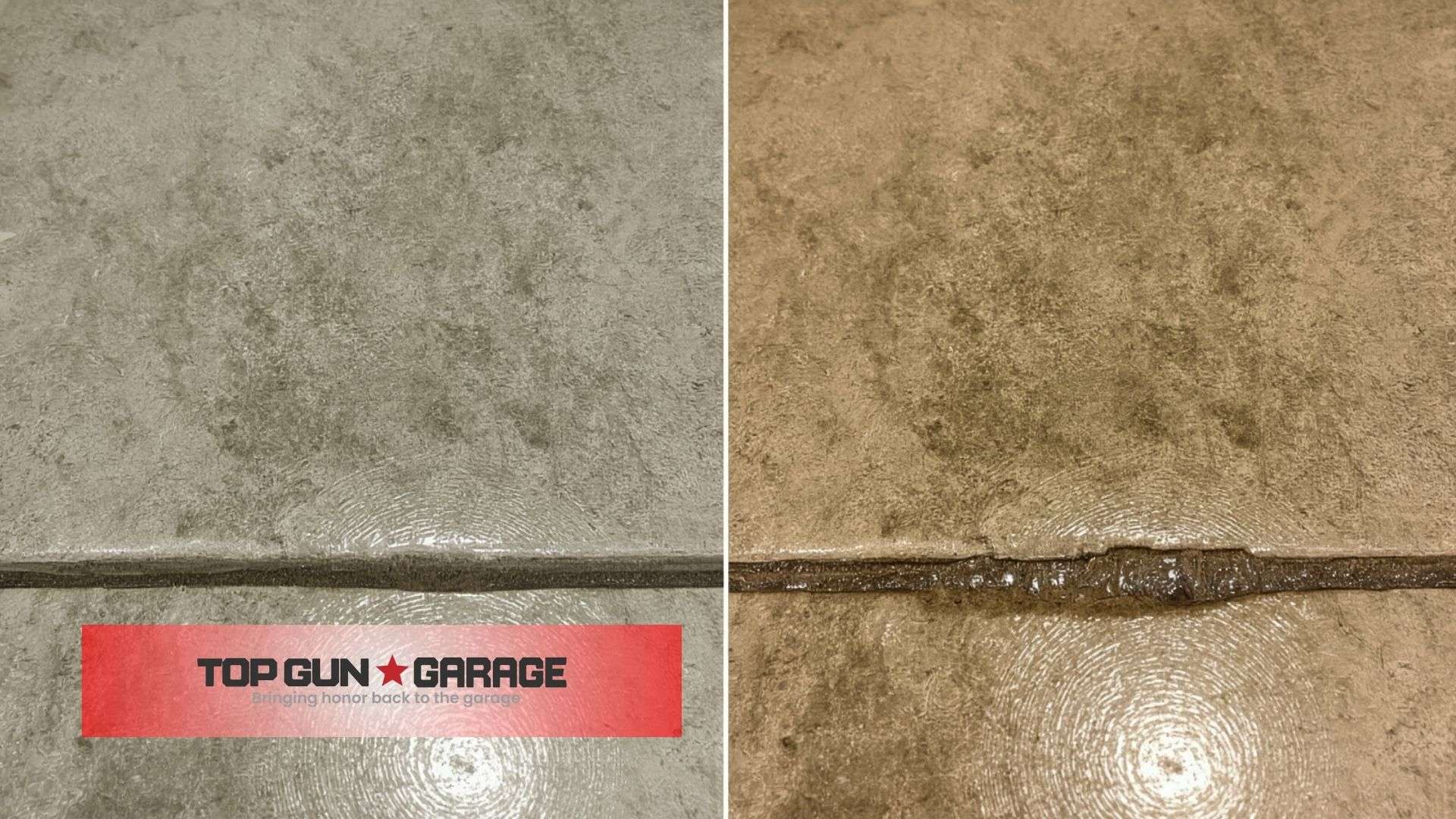
The edge zones of a garage floor present unique challenges that distinguish them from the main floor area. These areas are subject to different stress patterns, moisture exposure, and environmental conditions that can compromise coating adhesion. Unlike the central floor area, which typically experiences uniform loading and environmental conditions, edges must contend with thermal bridging from walls, potential moisture infiltration from foundations, and mechanical stress from the natural expansion and contraction of different building materials.
Understanding the mechanics of edge peeling requires recognizing that coatings rely on both mechanical and chemical adhesion to remain bonded to the substrate. Mechanical adhesion occurs when the coating penetrates into the microscopic pores and surface texture of properly prepared concrete, while chemical adhesion involves molecular bonding between the coating and substrate. Edge areas are particularly vulnerable to adhesion failure because they’re often more difficult to prepare adequately and are subject to environmental stresses that can overcome the adhesive forces.
The progression of edge peeling typically follows a predictable pattern, starting with microscopic separation at the coating-substrate interface, followed by visible lifting or curling of the coating edges, and eventually spreading inward as moisture and contaminants work their way under the compromised coating. This process can be accelerated by factors such as thermal cycling, moisture exposure, and mechanical stress from foot traffic or equipment movement. Learning about what causes epoxy floor delamination in Florida helps homeowners understand these progression patterns.
Primary Causes of Edge Peeling
The causes of garage coating peeling at edges can be broadly categorized into preparation-related issues, application problems, environmental factors, and material-related concerns. Understanding these root causes is essential for both preventing edge peeling during initial installation and developing effective repair strategies when problems occur.
Inadequate surface preparation stands as the leading cause of edge peeling in garage coatings. Edge areas are notoriously difficult to clean and profile properly, often harboring contaminants such as oil stains, concrete curing compounds, or previous coating residues that can interfere with adhesion. The junction between floor and wall creates crevices where cleaning equipment may not reach effectively, leaving behind substances that act as bond breakers between the coating and concrete substrate.
Moisture-related issues represent another major category of edge peeling causes. Concrete is naturally porous and can transmit water vapor from below or from adjacent building elements. Edge areas are particularly susceptible to moisture problems because they’re often in contact with foundation walls that may have higher moisture content or poor vapor barriers. When moisture vapor pressure beneath the coating exceeds the adhesive strength of the coating system, delamination occurs, typically starting at the most vulnerable points along the edges. Understanding how moisture affects epoxy installation in Naples provides deeper insight into these complex interactions.
Application-related factors also contribute significantly to edge peeling problems. These areas require special attention during coating application, including proper primer coverage, adequate film thickness, and careful feathering techniques to ensure smooth transitions. Many coating failures at edges result from insufficient primer penetration, uneven application thickness, or failure to account for the different absorption rates of concrete in edge areas compared to the main floor surface.
Environmental stresses unique to edge areas include thermal cycling effects, where temperature differences between the floor and adjacent walls create differential expansion and contraction. This movement can create stress concentrations at the coating-substrate interface, particularly when the coating system lacks sufficient flexibility to accommodate the movement. Additionally, edge areas may experience different humidity levels and air circulation patterns that can affect coating curing and long-term performance.
Moisture and Vapor Transmission Issues
Moisture-related problems represent perhaps the most challenging aspect of preventing edge peeling in garage coatings, as they often involve complex interactions between the concrete substrate, environmental conditions, and coating properties. Concrete naturally contains moisture and can act as a pathway for water vapor transmission from below or from adjacent building elements, creating conditions that can compromise coating adhesion over time.
Vapor transmission through concrete occurs when moisture in the substrate or subgrade creates pressure that pushes against the coating from below. This hydrostatic pressure can exceed the adhesive strength of the coating system, particularly at vulnerable points such as edges where stress concentrations naturally occur. The problem is often exacerbated in edge areas because these zones may be in contact with foundation walls or other building elements that have different moisture characteristics than the main floor slab.
Identifying moisture problems before coating application requires comprehensive testing using methods such as calcium chloride tests, relative humidity probes, or plastic sheet testing. However, edge areas present unique testing challenges because standard test locations may not accurately represent the moisture conditions in these critical zones. Professional installers often conduct additional testing near edges and corners to ensure that moisture levels are within acceptable limits for the specific coating system being applied. For detailed guidance, explore what is floor moisture testing for epoxy installation.
Addressing moisture issues in edge areas often requires specialized mitigation strategies beyond those used for the main floor area. These may include the installation of moisture vapor barriers, the use of moisture-tolerant primer systems, or the implementation of drainage improvements to reduce hydrostatic pressure. In some cases, addressing edge moisture problems may require modifications to building elements such as improving foundation drainage or installing vapor barriers along wall-floor junctions. Understanding how moisture barriers work under Florida epoxy installations helps homeowners appreciate the complexity of proper moisture management.
The timing of coating application relative to concrete moisture conditions is particularly critical in edge areas. Even when overall floor moisture levels are acceptable, edge areas may retain higher moisture content due to their proximity to walls or foundations. This differential moisture content can create conditions where the main floor area cures properly while edge areas experience adhesion problems due to excessive moisture interference during the critical bonding phase.
Surface Preparation and Contamination Factors
Proper surface preparation in edge areas requires techniques and attention to detail that go beyond standard floor preparation procedures. The junction between floor and wall creates unique challenges for cleaning, profiling, and contamination removal that can significantly impact coating adhesion if not addressed properly. Edge areas are particularly susceptible to contamination accumulation and often require specialized cleaning techniques to achieve the surface conditions necessary for optimal coating performance.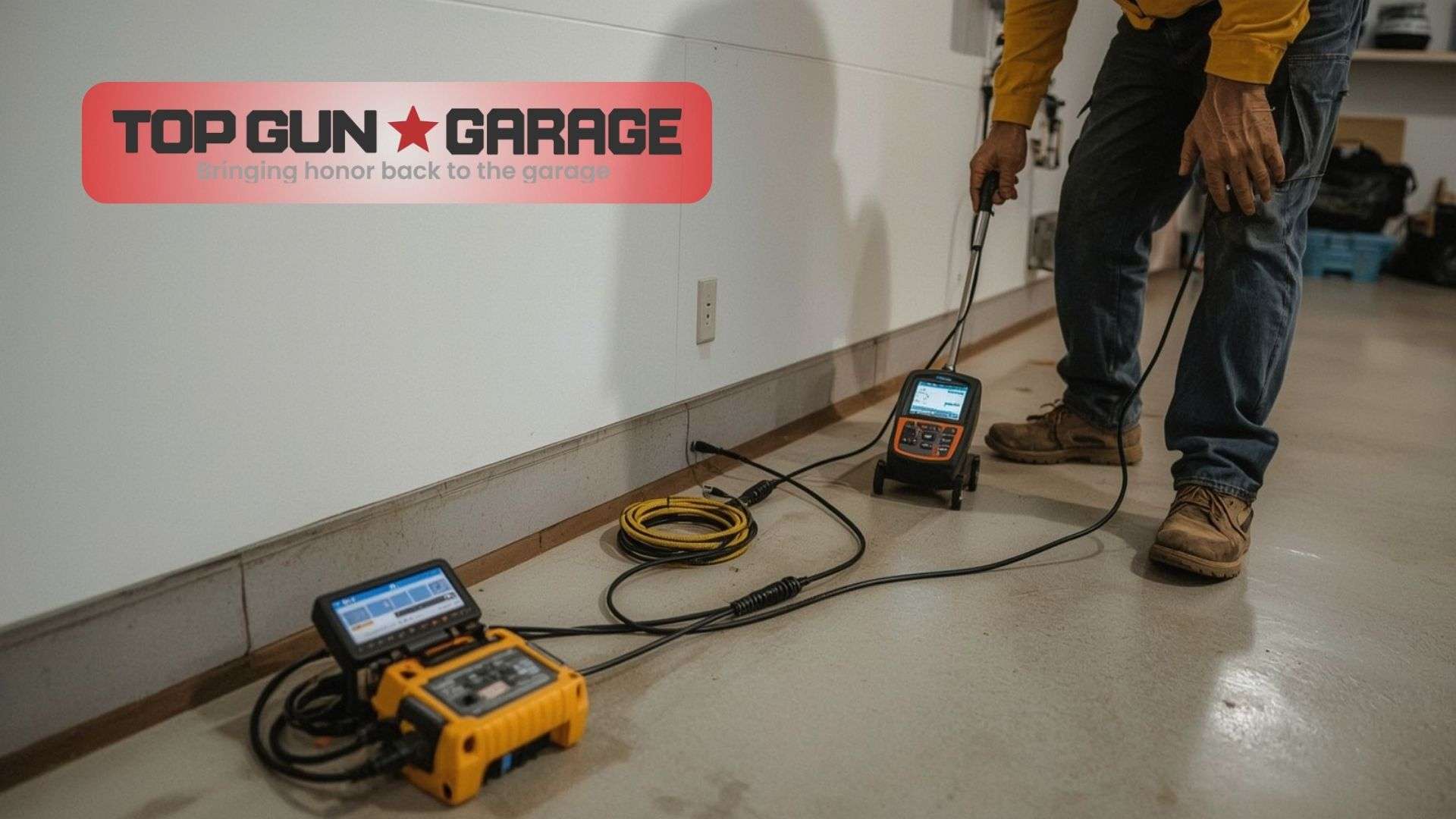
Contamination in edge areas can take many forms, including oil and grease deposits that migrate toward walls, concrete curing compounds that concentrate in corners, previous coating residues that are difficult to remove completely, and dirt or debris that accumulates in crevices. These contaminants act as bond breakers, preventing the coating from achieving proper adhesion to the concrete substrate. The confined nature of edge areas makes thorough contamination removal more challenging than on open floor surfaces.
Mechanical preparation of edge areas often requires specialized tools and techniques that differ from those used on main floor areas. Standard grinding or shot-blasting equipment may not reach effectively into corners or along wall junctions, necessitating the use of smaller, more maneuverable tools such as angle grinders with diamond cups or specialized edge preparation equipment. The goal is to achieve uniform surface profile and cleanliness that matches the preparation quality of the main floor area. Understanding why concrete preparation determines coating success clarifies the critical importance of this step.
Chemical contamination removal in edge areas may require more aggressive cleaning agents or longer contact times than used on the main floor surface. Oil and grease stains that have penetrated deeply into the concrete pores require thorough degreasing with appropriate solvents or alkaline cleaners, followed by complete residue removal to prevent interference with coating adhesion. The confined nature of edge areas can make thorough rinsing more challenging, requiring careful attention to ensure all cleaning residues are completely removed.
Profile verification in edge areas is equally important but more challenging than on main floor surfaces. The surface profile achieved through mechanical preparation must be consistent and adequate for the specific coating system being applied. Edge areas may require different preparation techniques or additional passes with preparation equipment to achieve the target profile, particularly in areas where standard equipment cannot operate effectively. For technical details, consult what is the concrete surface profile needed for epoxy.
Application Techniques and Environmental Controls
Successful coating application in edge areas requires modified techniques and enhanced environmental controls compared to standard floor coating procedures. The confined nature of edge areas, combined with their increased susceptibility to environmental factors, demands careful attention to application methods, timing, and curing conditions to prevent premature failure and ensure long-term performance.
Primer application in edge areas represents a critical phase that often determines the success or failure of the entire coating system. Edge areas may have different absorption characteristics than the main floor surface, requiring adjusted primer application rates or multiple primer coats to achieve adequate penetration and sealing. The primer must effectively seal the substrate, provide a stable foundation for subsequent coats, and accommodate any differential movement between the floor and adjacent building elements. Learn more about why epoxy primer is critical in Florida installations.
Base coat application techniques for edge areas must account for the increased difficulty of maintaining consistent film thickness and avoiding application defects such as holidays or thin spots. The confined nature of these areas makes it challenging to use standard application tools effectively, often requiring smaller rollers, brushes, or specialized applicators to ensure complete coverage. Additionally, edge areas are more susceptible to application defects such as air entrapment or inadequate wetting of the substrate.
Environmental control during application and curing is particularly critical in edge areas because these zones may experience different temperature and humidity conditions than the main floor area. Air circulation patterns, thermal bridging from walls, and localized humidity variations can all impact coating performance in edge areas. Professional installers often implement enhanced environmental monitoring and control measures specifically for edge areas to ensure optimal curing conditions. For guidance on timing, explore how humidity affects garage floor installation timing.
The curing process in edge areas requires extended monitoring because these zones may cure at different rates than the main floor surface. Factors such as reduced air circulation, thermal mass differences, and varying substrate conditions can all affect curing kinetics. Understanding these differences and adjusting application schedules accordingly can prevent problems such as incomplete cure, surface defects, or premature loading that can compromise coating performance.
Professional Solutions and Repair Strategies
Addressing edge peeling in garage coatings requires a systematic approach that identifies and corrects the underlying causes while implementing repair techniques that restore both function and appearance. Professional repair strategies go beyond simply applying new coating over failed areas, instead focusing on comprehensive solutions that prevent recurrence of the problem.
The repair process typically begins with thorough assessment and diagnosis to identify the root causes of the edge peeling. This evaluation includes moisture testing, contamination analysis, and examination of the original preparation and application methods. Understanding why the original coating failed is essential for developing an effective repair strategy that addresses the underlying issues rather than merely treating the symptoms.
Preparation for edge repair often requires more extensive work than the original installation, as failed coating material must be completely removed and the substrate must be restored to acceptable condition. This process may involve mechanical removal of loose coating, aggressive cleaning to remove any remaining contamination, and re-profiling of the concrete surface to achieve proper texture for coating adhesion. In some cases, substrate repairs such as crack filling or surface leveling may be necessary before coating repair can proceed.
Material selection for edge repairs requires careful consideration of the specific conditions that contributed to the original failure. This may involve upgrading to higher-performance primer systems, using moisture-tolerant coating formulations, or implementing multi-coat systems that provide enhanced durability and flexibility. The repair materials must be compatible with any existing coating that remains in good condition while providing superior performance in the challenging edge environment.
Application techniques for edge repairs often differ significantly from new installation procedures, requiring specialized methods to achieve proper adhesion and seamless integration with existing coating areas. This may include modified surface preparation techniques, adjusted application methods, and enhanced quality control measures to ensure that the repair areas meet or exceed the performance of the original installation. Professional contractors bring experience and specialized equipment that can make the difference between a successful long-term repair and a recurring problem that requires repeated attention. Understanding the DIY limitations versus professional advantages in flooring becomes clear when tackling complex edge repairs.
At Top Gun Garage, we’ve seen firsthand how proper diagnosis and repair of edge peeling issues can restore garage floors to like-new condition while preventing future problems. Our approach emphasizes identifying and addressing root causes rather than quick fixes, ensuring that our clients receive durable solutions that stand the test of time. We understand that edge peeling can be frustrating for homeowners who invested in coating their garage floors, and we’re committed to providing comprehensive solutions that restore both function and appearance.
Frequently Asked Questions
What are the first signs that my garage coating might start peeling at the edges?
Early warning signs include small areas of coating that appear to be lifting or curling along the edges, particularly near walls or corners. You might notice the coating feels loose when stepped on, or see small chips or flakes beginning to separate from the main coating surface. Discoloration or bubbling along edge areas can also indicate underlying adhesion problems.
Can I prevent edge peeling if I’m planning to coat my garage floor myself?
While DIY coating is possible, preventing edge peeling requires meticulous attention to surface preparation, moisture testing, and application techniques that can be challenging for inexperienced installers. The complexity of properly preparing and coating edge areas often makes this a situation where professional expertise becomes particularly valuable for achieving long-term success.
How long does edge peeling typically take to develop after coating installation?
Edge peeling can develop anywhere from a few weeks to several years after installation, depending on the underlying causes. Moisture-related failures often appear within the first year, while preparation-related issues might take longer to manifest. Environmental factors and usage patterns also influence the timeline for edge peeling development.
Is edge peeling always a sign of poor installation quality?
Not necessarily. While installation issues are a common cause, edge peeling can also result from building-related factors such as foundation moisture problems, structural settling, or environmental conditions that weren’t apparent during installation. However, experienced professionals know how to identify and address these risk factors during the installation process.
Can edge peeling spread to affect the entire floor coating?
Yes, edge peeling can progressively spread inward if not addressed promptly. Once the coating edge is compromised, moisture and contaminants can work their way under the coating, gradually undermining adhesion in adjacent areas. Early intervention is crucial to prevent minor edge issues from becoming major coating failures.
What’s the difference between edge peeling and normal wear patterns?
Edge peeling involves actual separation of the coating from the substrate, often appearing as curled or lifted edges that can be physically manipulated. Normal wear typically shows as surface abrasion, color changes, or gradual thinning without actual delamination. Edge peeling usually creates distinct boundaries where the coating has separated, while wear patterns tend to be more gradual and uniform.
Are certain types of garage coatings more susceptible to edge peeling than others?
Some coating types are indeed more prone to edge peeling, particularly single-component systems or coatings with limited flexibility. Higher-performance systems with proper primers and multiple coats generally show better edge adhesion, but proper preparation and application remain the most critical factors regardless of coating type.
How much does professional edge peeling repair typically cost compared to full recoating?
Professional edge repair costs vary depending on the extent of the problem and underlying causes, but typically represent a fraction of full recoating expenses when addressed promptly. However, extensive edge peeling that has spread significantly may require more comprehensive repair approaches that approach the cost of partial or complete recoating, making early intervention economically advantageous.
Conclusion
Understanding why some garage coatings peel at edges empowers homeowners and contractors to take proactive measures that prevent this common but frustrating problem. The causes of garage coating peeling are multifaceted, involving complex interactions between surface preparation, moisture conditions, application techniques, and environmental factors that require careful attention and expertise to address effectively.
The key to preventing edge peeling lies in recognizing that edge areas present unique challenges that require specialized preparation and application techniques. From thorough contamination removal and proper surface profiling to moisture testing and environmental controls, every aspect of the coating process must be executed with precision to ensure long-term success. The investment in proper preparation and professional installation techniques pays dividends in terms of coating longevity and performance.
For homeowners experiencing edge peeling issues, prompt action is essential to prevent the problem from spreading and requiring more extensive repairs. Professional diagnosis and repair services can often restore coating integrity while addressing the underlying causes that led to the original failure. The expertise and specialized equipment that professionals bring to these challenging repairs often make the difference between a successful long-term solution and a recurring problem.
Moving forward, the garage coating industry continues to develop improved materials and application techniques that enhance edge performance and reduce the likelihood of peeling issues. However, the fundamental principles of proper preparation, moisture control, and skilled application remain the cornerstones of successful garage coating projects. By understanding these principles and working with experienced professionals when appropriate, homeowners can enjoy the benefits of beautiful, durable garage floor coatings that maintain their integrity and appearance for years to come.