 Skip to content




Your flooring represents one of the most significant investments in your home, yet many homeowners overlook the crucial role that seasonal maintenance routines that extend life play in preserving this valuable asset. Just as you wouldn’t neglect regular oil changes for your car or seasonal HVAC maintenance, your floors require dedicated attention throughout the year to maintain their beauty, functionality, and longevity.
The changing seasons bring unique challenges that can dramatically impact your flooring’s condition. From the muddy boots and salt residue of winter to the increased humidity and UV exposure of summer, each season presents specific threats that require targeted maintenance strategies. Without proper seasonal care, even the highest-quality flooring materials can deteriorate prematurely, leading to costly repairs or complete replacement years before their expected lifespan.
Professional flooring contractors understand that preventive maintenance is far more cost-effective than reactive repairs. The difference between floors that last decades versus those that require replacement within a few years often comes down to consistent, season-appropriate care routines. These maintenance practices aren’t just about aesthetics—they’re about protecting the structural integrity of your flooring investment and maintaining your home’s value.
Seasonal flooring maintenance encompasses everything from adjusting cleaning routines to accommodate weather-related debris to implementing protective measures against temperature and humidity fluctuations. Each type of flooring material—whether hardwood, luxury vinyl, tile, or carpet—responds differently to seasonal changes and requires tailored maintenance approaches to achieve optimal longevity.
Understanding the science behind seasonal flooring damage empowers homeowners to take proactive steps that prevent common issues such as warping, cracking, fading, and premature wear patterns. The investment of time and effort in seasonal maintenance routines pays dividends not only in extended flooring life but also in maintained home value, improved indoor air quality, and the continued enjoyment of beautiful, functional floors throughout your home’s lifetime.
Key Takeaways
Seasonal Temperature Control: Maintaining consistent indoor temperatures between 60-80°F year-round prevents expansion and contraction damage that can cause gaps, warping, and cracking in hardwood and laminate flooring materials.
Humidity Management: Keeping relative humidity levels between 30-50% using humidifiers in winter and dehumidifiers in summer protects all flooring types from moisture-related damage including cupping, crowning, and mold growth.
Protective Barrier Systems: Implementing seasonal entrance mats, area rugs, and furniture pads prevents scratches, dents, and premature wear patterns while protecting against salt, sand, and moisture tracked in during different seasons.
Cleaning Protocol Adjustments: Adapting cleaning frequencies and methods based on seasonal challenges—such as increased cleaning during muddy spring months or UV protection during bright summer periods—maintains flooring appearance and integrity.
Professional Inspection Scheduling: Annual or bi-annual professional assessments can identify potential issues before they become costly problems, ensuring maintenance efforts are properly targeted and effective.
Material-Specific Seasonal Care: Different flooring materials require unique seasonal approaches—hardwood needs humidity control, tile requires grout maintenance, and carpet benefits from deep cleaning schedules aligned with seasonal allergen patterns.
Preventive Refinishing Schedules: Planning refinishing and deep maintenance treatments during optimal seasonal conditions maximizes results and minimizes disruption to household routines while extending overall flooring lifespan significantly.
Understanding Seasonal Flooring Challenges
The relationship between seasonal changes and flooring performance is more complex than many homeowners realize. Each season brings distinct environmental conditions that can either support or undermine your flooring’s longevity, making it essential to understand these challenges before developing effective maintenance strategies.
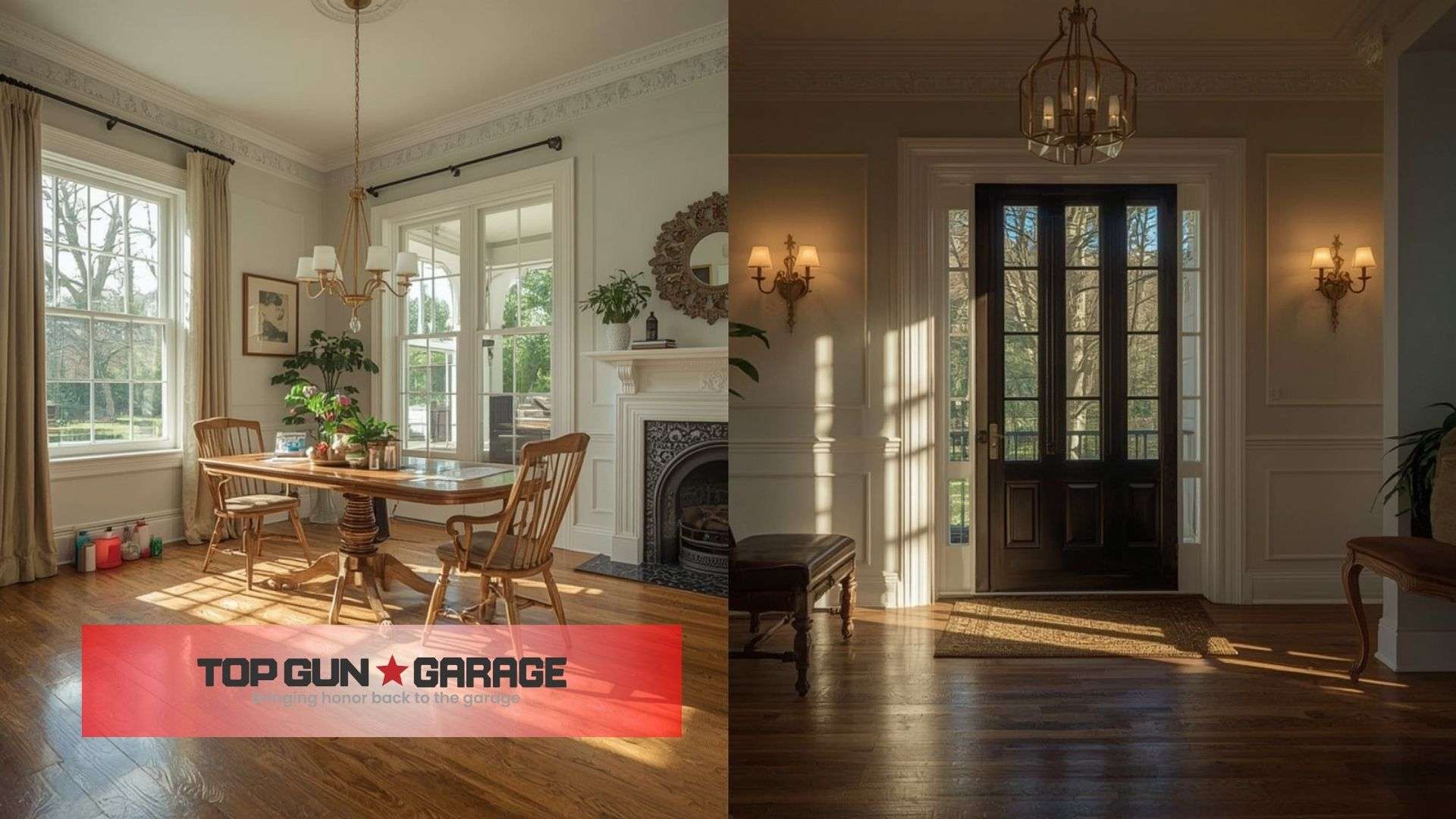
Winter presents perhaps the most aggressive assault on flooring systems. Cold outdoor temperatures combined with heated indoor air creates dramatic humidity fluctuations that cause natural materials like hardwood to contract and expand repeatedly. This constant movement leads to gap formation, loose boards, and eventual structural compromise. Additionally, winter brings salt, sand, and chemical ice melts that can permanently stain, scratch, and deteriorate various flooring surfaces.
Spring introduces its own set of challenges as increased rainfall and snowmelt create muddy conditions that track excessive moisture and debris indoors. The seasonal transition also brings fluctuating temperatures and humidity levels that can stress flooring materials still recovering from winter’s harsh conditions. Many homeowners notice increased wear patterns during spring months due to the abrasive nature of tracked-in particles.
Summer’s intense heat and UV radiation can cause significant damage to flooring materials, particularly those near windows and glass doors. Prolonged exposure to direct sunlight leads to fading, discoloration, and in extreme cases, warping or cracking of heat-sensitive materials. High humidity levels during summer months can also promote mold growth and cause moisture-related expansion in susceptible flooring types, especially when Florida humidity affects installation timing.
Fall presents preparation challenges as homeowners must transition their flooring care routines to prepare for the upcoming harsh winter conditions. This season offers the optimal window for deep cleaning, repairs, and protective treatments that will help floors survive the challenging months ahead. Understanding these seasonal patterns allows for proactive rather than reactive maintenance approaches.
Spring Renewal and Deep Cleaning Protocols
Spring represents the ideal time for comprehensive flooring renewal after the harsh conditions of winter. This season’s moderate temperatures and humidity levels create optimal conditions for deep cleaning, repairs, and restoration activities that set the foundation for year-round flooring health. Developing a systematic spring maintenance approach ensures that winter damage is addressed promptly before it compounds into more serious problems.
The spring deep cleaning process should begin with a thorough inspection of all flooring surfaces to identify winter-related damage such as scratches from tracked debris, water stains from snow and ice melt, or gaps that developed due to dry winter air. This assessment guides the prioritization of maintenance activities and helps determine whether certain issues require professional intervention or can be addressed through homeowner efforts.
For hardwood flooring, spring maintenance involves careful cleaning with appropriate pH-balanced products that remove salt residue and winter grime without damaging the wood’s finish. This process often reveals areas where the protective coating has worn thin, indicating the need for spot refinishing or full restoration. The moderate humidity levels of spring create ideal conditions for wood conditioning treatments that restore moisture balance and prepare the material for summer’s higher humidity.
Tile and stone flooring benefit from intensive grout cleaning during spring months, as winter’s tracked debris often becomes embedded in grout lines where it can harbor bacteria and cause permanent staining. Professional-grade cleaning solutions and techniques can restore grout to its original appearance while applying protective sealers that guard against future staining and moisture penetration.
Carpet and area rug maintenance during spring focuses on removing embedded winter debris and addressing any moisture-related issues that may have developed. Deep steam cleaning during this season eliminates allergens, bacteria, and odors that accumulated during the closed-window months of winter while allowing adequate drying time before summer’s humidity arrives. Understanding proper cleaning process methods ensures effective maintenance without damaging flooring materials.
When considering the scope of spring maintenance projects, homeowners often benefit from understanding the advantages of professional services, particularly for complex restoration tasks that require specialized equipment and expertise.
Summer Protection and UV Defense Strategies
Summer’s intense heat and prolonged daylight hours create unique challenges for flooring preservation, particularly regarding UV radiation damage and temperature-related expansion. Developing comprehensive summer protection strategies is crucial for preventing irreversible damage that can significantly reduce flooring lifespan and aesthetic appeal.
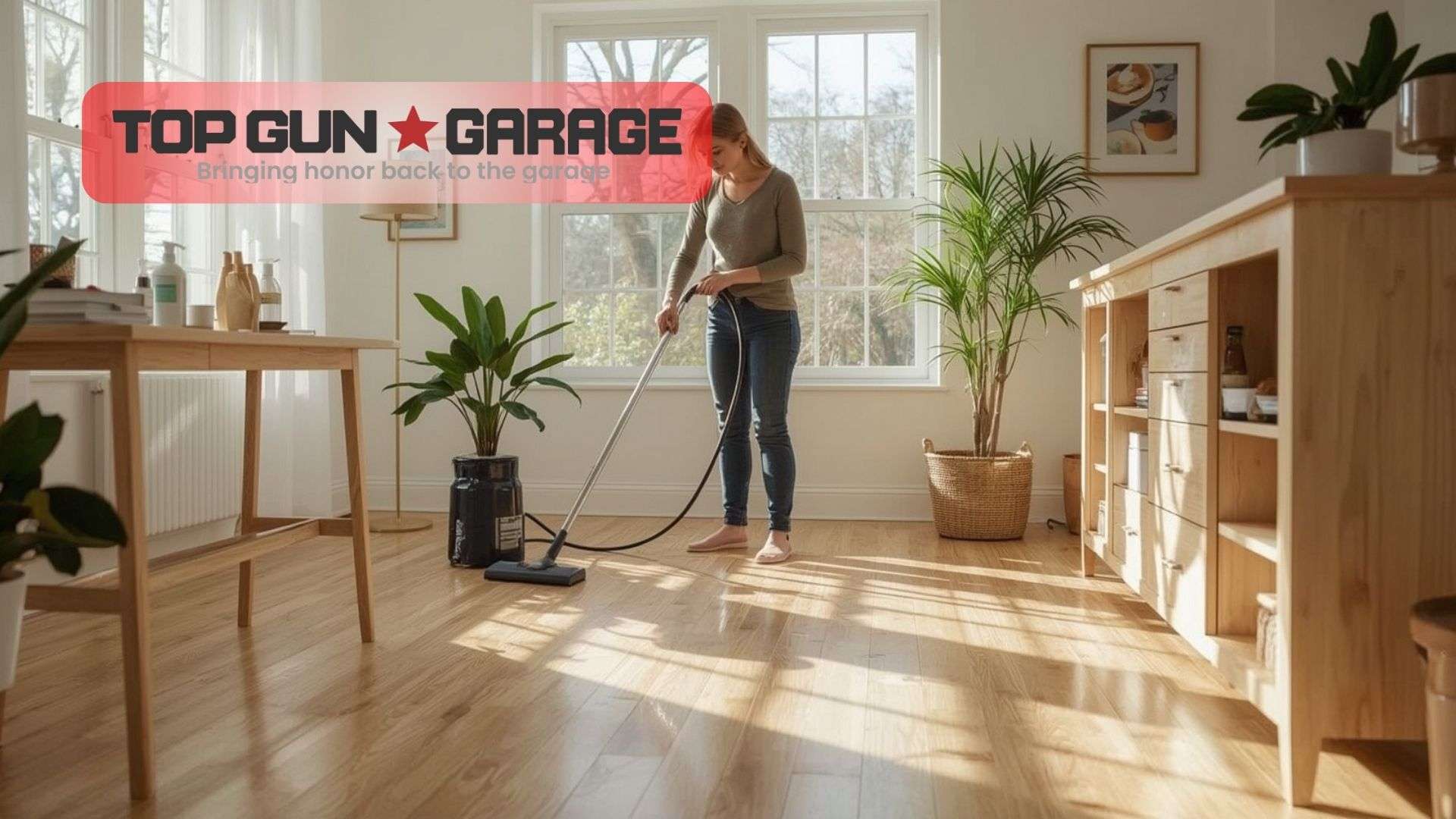
UV radiation represents one of the most underestimated threats to flooring longevity. Direct sunlight streaming through windows can cause permanent fading and discoloration in as little as a few weeks, particularly affecting hardwood, luxury vinyl, and certain carpet fibers. The damage occurs gradually, often going unnoticed until furniture is moved, revealing stark color differences between exposed and protected areas. Implementing UV protection measures such as window films, strategic furniture placement, and area rugs in high-exposure zones can prevent this costly damage.
Temperature management during summer months requires careful attention to both indoor climate control and thermal expansion accommodation. Flooring materials expand in heat, and without proper temperature regulation, this expansion can cause buckling, warping, and joint separation. Maintaining consistent indoor temperatures through efficient HVAC operation not only protects flooring but also reduces energy costs by preventing extreme temperature fluctuations, especially when understanding how temperature affects molecular structure.
Humidity control becomes particularly critical during summer months when outdoor humidity levels often exceed optimal indoor ranges. Excessive moisture in the air can cause wood flooring to cup, laminate to swell, and create conditions conducive to mold and mildew growth beneath various flooring types. Strategic use of dehumidification systems and proper ventilation helps maintain the 30-50% relative humidity range that most flooring materials require for optimal performance.
Summer cleaning routines should adapt to increased foot traffic from outdoor activities and the tendency for floors to show dirt and debris more readily in bright natural light. More frequent cleaning cycles using appropriate seasonal products help maintain appearance while preventing the buildup of abrasive particles that can cause micro-scratches and premature wear patterns.
Protective measures such as entry mats, furniture pads, and strategic area rug placement become even more important during summer months when increased activity levels and open windows allow more debris to enter the home. These simple preventive measures can dramatically extend flooring life by reducing direct contact between abrasive materials and flooring surfaces.
Fall Preparation and Winterization Techniques
Fall represents the critical preparation period for protecting flooring against winter’s harsh conditions. This season offers the last opportunity to address maintenance needs, apply protective treatments, and implement preventive measures that will safeguard flooring investments throughout the challenging winter months ahead.
The fall maintenance checklist should begin with a comprehensive assessment of flooring condition following the summer season. This evaluation identifies areas where UV exposure, temperature fluctuations, or increased activity levels have caused wear or damage that requires attention before winter conditions exacerbate these issues. Addressing minor problems during fall prevents them from becoming major repairs during the less favorable conditions of winter.
Humidity preparation becomes crucial as outdoor air begins to dry and heating systems activate, creating the low-humidity conditions that can cause significant damage to natural flooring materials. Installing or servicing humidification systems during fall ensures they’re ready to maintain optimal moisture levels when heating season begins. This proactive approach prevents the rapid humidity drops that cause wood flooring to shrink and develop gaps, which is critical when understanding how seasonal changes affect floors.
Protective barrier installation represents one of the most effective fall preparation activities. High-quality entrance mats, both inside and outside doorways, create the first line of defense against winter’s salt, sand, and moisture. These barriers should be substantial enough to capture debris from multiple footsteps and positioned to encourage their use by family members and guests.
Fall also provides optimal conditions for applying protective treatments such as floor finishes, sealers, and conditioners. The moderate temperatures and humidity levels allow these products to cure properly while providing maximum protection against winter’s challenging conditions. Professional-grade treatments applied during fall can significantly extend flooring life and reduce maintenance requirements throughout the winter season.
HVAC system preparation ensures consistent temperature and humidity control throughout winter. This includes filter replacement, ductwork inspection, and calibration of humidity controls to maintain the stable environment that flooring materials require. Proper HVAC maintenance also improves energy efficiency while protecting flooring investments.
Furniture preparation involves adding or replacing protective pads, adjusting placement to accommodate seasonal humidity changes, and ensuring that heavy pieces won’t cause indentations as flooring materials contract during winter’s dry conditions. This attention to detail prevents permanent damage that becomes apparent when furniture is eventually moved.
Winter Protection and Damage Prevention
Winter presents the most challenging conditions for flooring preservation, requiring vigilant attention to moisture control, temperature stability, and protective measures against salt and chemical damage. Successful winter maintenance routines focus on prevention rather than reaction, as many winter-related flooring problems become irreversible once they develop.
Moisture management during winter requires a multi-faceted approach addressing both outdoor moisture intrusion and indoor humidity control. Snow, ice, and rain tracked indoors can cause immediate damage to susceptible flooring materials while creating conditions for long-term problems such as mold growth and structural damage. Implementing effective moisture barriers at entry points and maintaining vigilant cleaning routines helps prevent these issues, especially when understanding why concrete moisture matters.
Salt and chemical ice melt represent particularly aggressive threats to flooring surfaces. These substances can cause permanent staining, surface etching, and chemical burns that destroy protective finishes and penetrate into flooring materials themselves. Regular cleaning with appropriate neutralizing agents and immediate attention to spills can prevent much of this damage, but prevention through effective barrier systems remains the most reliable protection.
Temperature stability becomes crucial as heating systems work harder to maintain comfortable indoor conditions. Dramatic temperature fluctuations can cause rapid expansion and contraction cycles that stress flooring materials beyond their design limits. Consistent thermostat settings and proper HVAC maintenance help maintain the stable environment that flooring materials require for longevity.
Indoor air quality management during winter’s closed-window season affects both flooring condition and overall home health. Proper ventilation and air filtration reduce the accumulation of dust, allergens, and moisture that can damage flooring while creating unhealthy indoor conditions. Strategic use of air purifiers and ventilation systems maintains air quality without compromising temperature control, particularly when considering how proper floors improve air quality.
Winter cleaning routines must intensify to address increased debris while adapting techniques to accommodate lower humidity levels and reduced natural lighting. More frequent cleaning cycles using appropriate products help maintain flooring appearance while preventing the accumulation of abrasive materials that cause accelerated wear during winter’s challenging conditions.
At Top Gun Garage, we understand that winter flooring protection requires professional expertise and high-quality products to achieve optimal results. Our team provides comprehensive winter preparation services and emergency response for weather-related flooring damage, ensuring your investment remains protected throughout the challenging winter season.
Professional Maintenance Scheduling and Long-term Planning
Developing a comprehensive long-term maintenance schedule that aligns professional services with seasonal requirements represents one of the most effective strategies for maximizing flooring lifespan and maintaining optimal performance year-round. Professional maintenance scheduling goes beyond simple cleaning routines to encompass preventive treatments, condition assessments, and strategic interventions that address issues before they become costly problems.
Annual professional inspections should be scheduled during optimal seasonal windows when flooring conditions are most stable and representative of overall health. These assessments identify developing issues that may not be apparent to homeowners while providing expert recommendations for maintenance priorities and timing. Professional inspectors can detect early signs of moisture damage, structural issues, and wear patterns that require intervention.
Refinishing and restoration scheduling requires careful consideration of seasonal conditions to achieve optimal results. Spring and fall typically provide the best conditions for major flooring projects, offering moderate temperatures and humidity levels that allow proper curing of finishes and adhesives. Planning these projects in advance ensures availability of preferred contractors and optimal timing for household disruption.
Preventive treatment schedules should align with seasonal challenges to provide maximum protection when it’s needed most. For example, applying protective sealers before winter provides enhanced resistance to salt and moisture damage, while UV-protective treatments applied before summer prevent sun-related deterioration. This strategic timing maximizes treatment effectiveness while optimizing cost-efficiency, particularly when understanding why concrete preparation determines success.
Professional deep cleaning services scheduled at strategic intervals can address issues that exceed homeowner capabilities while maintaining flooring appearance and hygiene. These services often reveal developing problems that require attention while providing thorough cleaning that extends the intervals between major maintenance projects.
Long-term planning considerations include budgeting for anticipated maintenance needs, scheduling major projects during optimal seasons, and coordinating flooring maintenance with other home improvement activities. This comprehensive approach ensures that flooring maintenance supports overall home value while minimizing disruption to daily routines.
Documentation of maintenance activities, including photos, service records, and condition assessments, provides valuable information for warranty claims, insurance purposes, and future maintenance planning. Professional contractors often provide detailed records that support these documentation needs while ensuring compliance with manufacturer requirements.
Understanding when to tackle maintenance projects yourself versus when to seek professional help can significantly impact both results and costs, making it valuable to explore why some floors age better and the factors that contribute to long-term performance.
Frequently Asked Questions
How often should I adjust my maintenance routine based on seasonal changes? Seasonal maintenance adjustments should occur at least four times per year, coinciding with major seasonal transitions. However, the most critical periods are fall preparation for winter protection and spring renewal after winter damage. Monthly routine adjustments may be necessary during extreme weather periods or when indoor conditions fluctuate significantly due to HVAC system changes or unusual weather patterns.
What’s the ideal indoor humidity level for different types of flooring throughout the year? Most flooring materials perform optimally with relative humidity levels between 30-50% year-round. Hardwood flooring is particularly sensitive and benefits from the narrower range of 35-45%, while tile and luxury vinyl can tolerate slightly broader ranges. During winter, when outdoor air is dry, maintaining minimum levels becomes crucial, while summer humidity control focuses on preventing excessive moisture that can cause expansion and mold issues.
Can seasonal maintenance routines really extend my flooring’s lifespan significantly? Properly implemented seasonal maintenance routines can extend flooring lifespan by 50-100% compared to neglected floors. For example, hardwood flooring with consistent seasonal care can last 25-30 years before requiring refinishing, while neglected floors may need attention within 10-15 years. The key is preventing small seasonal damage from accumulating into major problems requiring expensive repairs or replacement, particularly when understanding secrets to making floors last.
What are the most common seasonal mistakes that damage flooring? The most damaging seasonal mistakes include failing to control winter humidity levels, allowing salt and ice melt to remain on surfaces, neglecting UV protection during summer months, and postponing minor repairs that worsen during seasonal transitions. Additionally, using inappropriate cleaning products for seasonal conditions and failing to adjust HVAC settings for flooring protection cause significant damage over time.
Should I use different cleaning products for different seasons? Yes, seasonal cleaning product adjustments optimize both cleaning effectiveness and flooring protection. Winter requires pH-balanced cleaners that neutralize salt residue, while summer benefits from UV-protective products and antimicrobial treatments for higher humidity conditions. Spring calls for deep-cleaning products that address winter damage, while fall preparation may require conditioning treatments that prepare flooring for winter’s dry conditions.
How do I know if my seasonal maintenance routine is working effectively? Effective seasonal maintenance shows results through consistent flooring appearance, absence of seasonal damage patterns such as gaps or warping, maintained finish quality, and extended intervals between major repairs. Professional annual inspections can provide objective assessments of maintenance effectiveness while identifying areas where routines may need adjustment for optimal results.
What’s the best time of year to schedule professional flooring maintenance? Spring and fall represent optimal times for major professional maintenance due to moderate temperatures and humidity levels that allow proper treatment curing. Spring scheduling addresses winter damage while preparing for summer challenges, while fall scheduling provides winter protection and addresses summer wear. Emergency professional services may be needed during other seasons for damage control.
Are there specific warning signs that indicate my seasonal maintenance isn’t sufficient? Warning signs include visible gaps appearing during winter, surface dulling despite regular cleaning, increased squeaking or movement in flooring, persistent odors, visible wear patterns developing rapidly, and seasonal allergies worsening indoors. These indicators suggest that maintenance routines need intensification or professional intervention to prevent further deterioration and protect your flooring investment.
Conclusion
Implementing comprehensive seasonal maintenance routines that extend life represents one of the most cost-effective investments homeowners can make in preserving their flooring assets. The evidence consistently demonstrates that proactive, season-specific care approaches can double or triple flooring lifespan while maintaining aesthetic appeal and functional performance throughout the years.
The key to successful seasonal flooring maintenance lies in understanding that different seasons present unique challenges requiring tailored responses. From winter’s moisture and salt threats to summer’s UV radiation and humidity concerns, each seasonal transition demands specific protective measures and maintenance adjustments. Homeowners who embrace this seasonal approach consistently achieve superior results compared to those who rely on generic, year-round maintenance routines.
Professional expertise becomes invaluable in developing and implementing effective seasonal maintenance programs. At Top Gun Garage, our experience with diverse flooring materials and regional climate challenges enables us to provide customized maintenance recommendations that address specific seasonal threats while optimizing long-term performance. The investment in professional guidance and services typically pays for itself through extended flooring life and reduced repair costs.
The future of your flooring depends largely on the consistency and quality of seasonal care it receives today. By implementing the strategies outlined in this guide and maintaining vigilant attention to seasonal challenges, you can ensure that your flooring investment continues to enhance your home’s value and comfort for decades to come. Remember that prevention remains far more cost-effective than restoration, making seasonal maintenance routines an essential component of responsible homeownership.