 Skip to content





When it comes to transforming your garage floor, two options consistently rise to the top of homeowners’ consideration lists: garage floor tiles and epoxy coatings. This decision isn’t just about aesthetics—it’s about functionality, durability, cost, and long-term satisfaction with your investment. Understanding the nuances between garage floor tiles vs epoxy can save you thousands of dollars and years of potential frustration.
Your garage floor endures more punishment than almost any other surface in your home. From hot tire marks and oil spills to heavy equipment drops and constant foot traffic, the flooring material you choose needs to withstand it all while maintaining its appearance and structural integrity. Both garage floor tiles and epoxy coatings promise to deliver these benefits, but they achieve them through vastly different approaches.
Garage floor tiles represent a modular, interlocking system that sits on top of your existing concrete surface. These tiles come in various materials including PVC, polypropylene, and recycled rubber, each offering distinct advantages in terms of comfort, durability, and installation ease. The tile approach allows for immediate use after installation and provides excellent customization options through different colors, patterns, and textures.
Epoxy coatings, on the other hand, create a seamless, chemical-resistant surface by bonding directly to your concrete floor. This liquid-applied system cures into a hard, glossy finish that can incorporate decorative elements like color flakes or metallic pigments. The result is a showroom-quality appearance that many homeowners find irresistible.
However, the choice between these two options involves much more than visual appeal. Installation complexity, maintenance requirements, climate considerations, and budget constraints all play crucial roles in determining which solution best fits your specific situation. Professional contractors like Top Gun Garage have seen firsthand how the wrong choice can lead to premature failure, costly repairs, and homeowner disappointment.
Key Takeaways
Installation Speed: Garage floor tiles can be installed and used immediately, while epoxy requires 3-7 days of curing time before full use.
Durability Differences: High-quality epoxy typically lasts 10-20 years with proper maintenance, while premium garage tiles can last 15-25 years.
Cost Considerations: Initial tile installation costs 20-40% more than epoxy, but long-term maintenance costs favor tiles.
Climate Impact: Tiles perform consistently across temperature ranges, while epoxy can become slippery when wet and may yellow in UV exposure.
Repair and Replacement: Individual damaged tiles can be replaced easily, while epoxy repairs often require professional refinishing of entire sections.
Customization Options: Tiles offer unlimited pattern possibilities and easy reconfiguration, while epoxy provides seamless color integration and decorative effects.
Moisture Management: Tiles allow airflow underneath and handle moisture better, while epoxy creates a vapor barrier that can trap moisture.
Professional vs DIY: Tile installation is more DIY-friendly, while epoxy requires precise surface preparation and application techniques for optimal results.
Resale Value: Both options increase home value, but epoxy typically provides higher immediate visual impact for potential buyers.
Chemical Resistance: Epoxy offers superior resistance to automotive fluids, while tiles provide adequate protection with easier cleanup.
Understanding Garage Floor Options Overview
The garage flooring market has evolved dramatically over the past decade, with both tiles and epoxy systems becoming increasingly sophisticated. Modern garage floor tiles have moved far beyond the basic interlocking squares that first appeared in home improvement stores. Today’s premium tile systems feature advanced materials engineering, precision manufacturing, and innovative locking mechanisms that create virtually seamless installations.
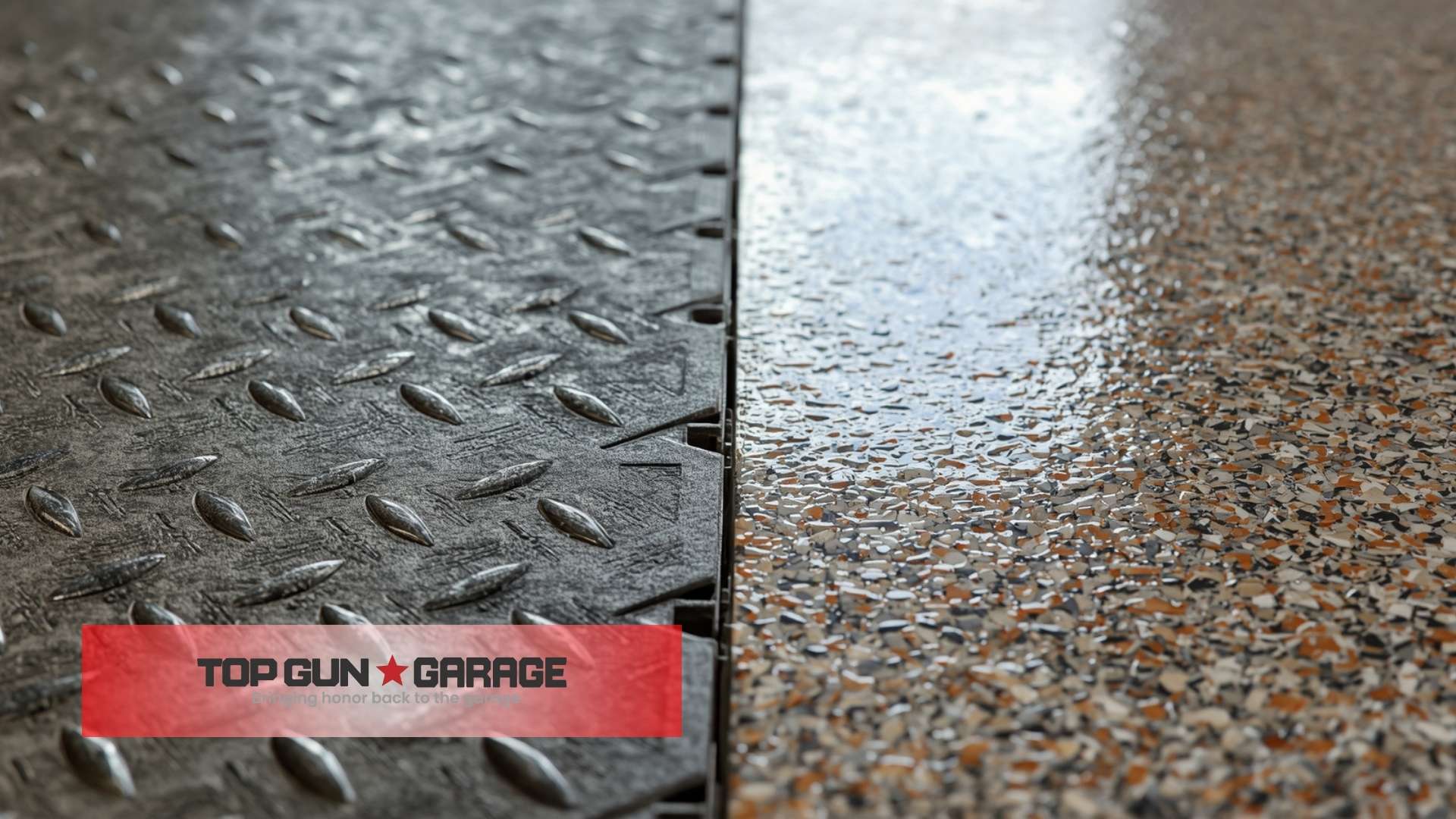
Contemporary epoxy systems have similarly advanced, incorporating new resin formulations that resist yellowing, improve adhesion, and extend service life. These aren’t the simple two-part epoxy kits available at retail stores—professional-grade systems often involve multiple coats, specialized primers, and topcoat sealers that create incredibly durable surfaces.
The fundamental difference lies in their approach to floor protection. Tiles create a floating floor system that distributes loads across the existing concrete while providing a cushioned surface that’s easier on feet and dropped tools. This system also allows the concrete underneath to breathe, preventing moisture-related issues that can plague solid coatings.
Epoxy systems bond directly to the concrete, essentially becoming part of the floor structure. When properly applied over correctly prepared surfaces, this creates an incredibly strong, chemical-resistant surface that can handle extreme loads and harsh chemicals. However, this permanent bond means that any failure in adhesion or surface preparation can compromise the entire installation.
Climate considerations play a significant role in performance differences. Tiles maintain their properties across wide temperature ranges and aren’t affected by thermal cycling that causes concrete to expand and contract. Epoxy, while durable, can develop stress cracks over time due to substrate movement and may become slippery when exposed to moisture or certain temperature conditions. The International Code Council provides guidelines on flooring performance in varying climates.
Garage Floor Tiles: Comprehensive Analysis
Garage floor tiles represent the ultimate in flexibility and user-friendly installation for garage flooring solutions. The modular nature of these systems provides advantages that extend far beyond simple installation convenience. Premium tile systems like those from manufacturers such as RaceDeck, SwisstraxUSA, and Gladiator create floating floor systems that can transform any garage space regardless of the existing concrete condition.
The material composition of modern garage tiles varies significantly, each offering distinct performance characteristics. Polypropylene tiles provide excellent chemical resistance and maintain their color integrity even under constant UV exposure. PVC-based systems offer superior impact resistance and can handle extreme weight loads without cracking or deforming. Recycled rubber tiles provide the ultimate in comfort and sound dampening while offering excellent traction even when wet.
Installation advantages make tiles particularly attractive for DIY enthusiasts and situations requiring immediate use. Most quality tile systems require no adhesives, special tools, or surface preparation beyond basic cleaning. The interlocking mechanisms are engineered to create tight joints that prevent debris infiltration while allowing for easy removal and reconfiguration. This means homeowners can install tiles over lunch and park their vehicles the same day.
Maintenance requirements for garage floor tiles are minimal and straightforward. Regular sweeping and occasional mopping with standard household cleaners keeps tiles looking new for years. Unlike epoxy surfaces that can show every footprint and require specific cleaning products, tiles hide minor dirt and scratches while providing consistent appearance over time. Spills simply sit on the surface for easy cleanup, and the textured surfaces provide excellent traction even when wet.
The thermal properties of tiles offer significant advantages in extreme climates. The air gap created by the floating installation provides insulation that makes garage floors more comfortable year-round. In cold climates, this prevents the bone-chilling effect of walking on concrete, while in hot climates, it reduces heat transfer that can make garages unbearably warm. This thermal barrier also helps prevent condensation issues that can lead to slippery conditions and moisture damage.
Customization possibilities with tile systems are virtually unlimited. Different colors can be mixed to create patterns, borders, or designated work areas. Racing stripes, checkerboard patterns, or custom logos become simple installation exercises rather than complex design challenges. As needs change, tiles can be reconfigured or expanded without starting over completely.
Epoxy Coatings: Deep Dive Analysis
Epoxy garage floor coatings create what many consider the gold standard for garage aesthetics, delivering a showroom-quality appearance that transforms ordinary concrete into stunning, mirror-like surfaces. Professional-grade epoxy systems consist of multiple components that chemically cure to form incredibly durable, seamless floors capable of withstanding decades of heavy use when properly installed and maintained.
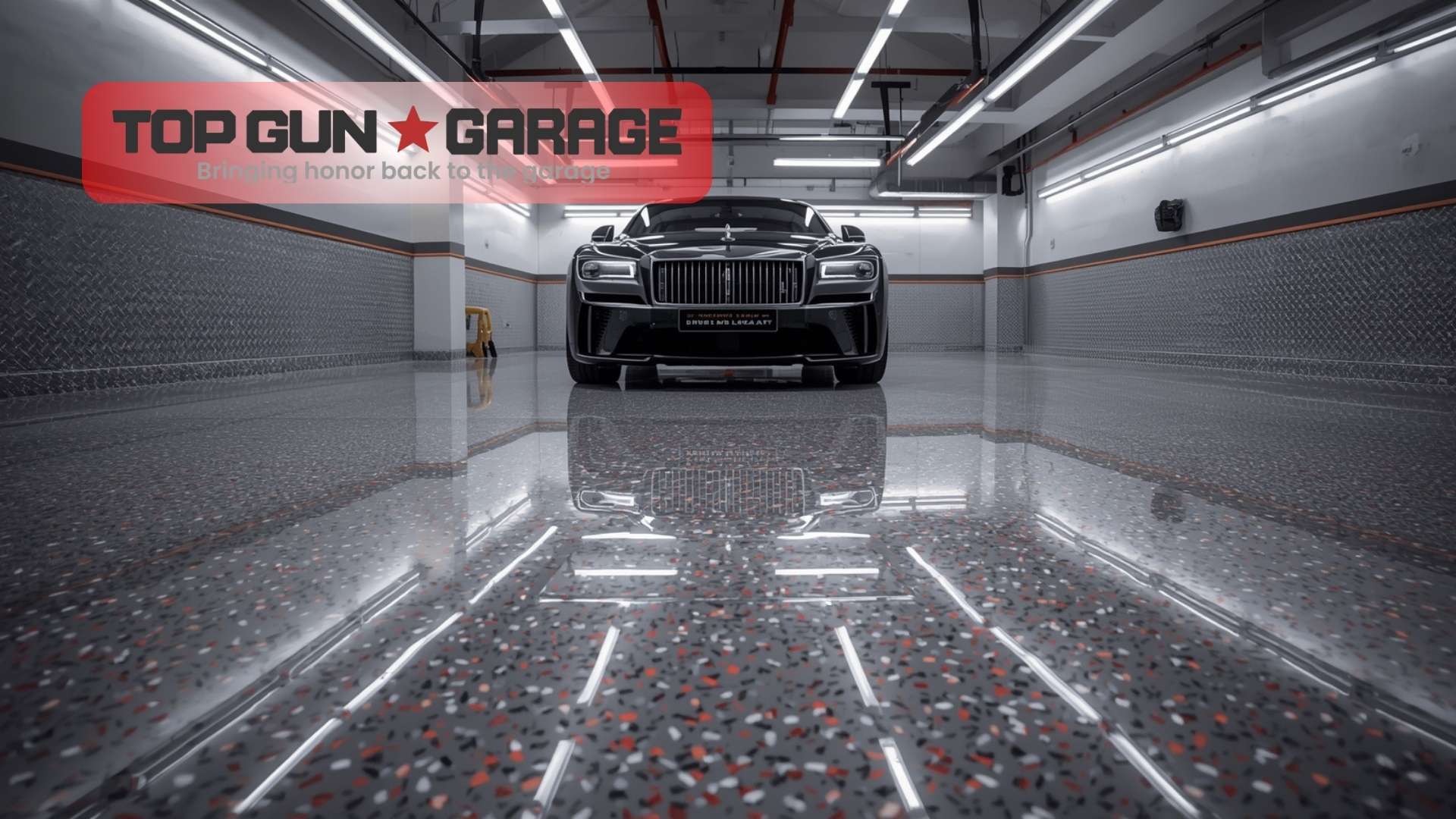
The chemistry behind epoxy coatings involves a reaction between epoxy resins and polyamine hardeners that creates cross-linked polymer chains. This chemical bonding process results in a surface that’s significantly harder than the concrete substrate, with compressive strengths often exceeding 10,000 PSI. The seamless nature of cured epoxy eliminates joints and seams where dirt, bacteria, and chemicals can accumulate, making it ideal for applications requiring stringent cleanliness standards.
Surface preparation represents the most critical factor in epoxy success, often determining whether an installation lasts two years or twenty. Proper preparation involves diamond grinding or acid etching to open the concrete pores, allowing mechanical bonding between the epoxy and substrate. Any contamination from oils, sealers, or curing compounds must be completely removed, as even microscopic residues can cause adhesion failure. This preparation process typically requires professional equipment and expertise to achieve optimal results.
Application techniques for professional epoxy systems involve multiple coats applied under controlled conditions. Base coats provide adhesion and moisture blocking, build coats add thickness and durability, and topcoats deliver the final appearance and chemical resistance. Each coat must be applied within specific temperature and humidity ranges, with precise timing between coats to ensure proper inter-coat adhesion. Environmental conditions during application and curing can dramatically affect final performance. According to the Epoxy Flooring Association, proper multi-layer application ensures longevity.
The aesthetic possibilities with epoxy are truly impressive, ranging from solid colors to complex metallic effects that create depth and movement in the surface. Decorative color flakes can be broadcast into the wet epoxy to create speckled patterns while providing slip resistance. Quartz sand additions increase texture and durability for high-traffic areas. Advanced systems can incorporate logos, borders, or even photographic images for completely custom appearances.
Chemical resistance stands as one of epoxy’s greatest strengths, with properly formulated systems resisting automotive fluids, household chemicals, and even some industrial solvents. Hot tire pickup, a common problem with lesser coatings, is virtually eliminated with high-quality epoxy systems. The non-porous surface prevents staining and allows complete cleanup of spills that would permanently mark concrete or other flooring materials.
However, epoxy systems have limitations that must be understood. UV exposure can cause yellowing and chalking over time, particularly with lower-grade formulations. Thermal shock from hot tires or equipment can cause localized damage. Most significantly, any failure in the epoxy coating typically requires complete removal and reapplication, making repairs expensive and disruptive.
Cost Analysis and Long-Term Value
Understanding the true cost of garage floor tiles vs epoxy requires analyzing both initial investment and long-term ownership expenses. While upfront costs often drive initial decisions, the total cost of ownership over 10-20 years can dramatically favor one option over the other depending on your specific situation and usage patterns.
Initial installation costs for garage floor tiles typically range from $3-8 per square foot for materials, with premium systems reaching $10-12 per square foot. Professional installation, when desired, adds $2-4 per square foot, though most homeowners successfully complete tile installations themselves. The beauty of tile systems lies in their forgiving nature—mistakes are easily corrected, and no special timing or environmental conditions are required.
Epoxy coating costs vary dramatically based on quality and application method. DIY epoxy kits from home improvement stores cost $1-3 per square foot but rarely provide satisfactory long-term results. Professional-grade epoxy systems installed by qualified contractors range from $4-8 per square foot, with premium metallic or decorative systems reaching $8-15 per square foot. These costs include surface preparation, multiple coats, and warranty coverage.
Long-term maintenance costs significantly favor tile systems. When individual tiles become damaged, they can be replaced for under $5-10 per tile, with no special tools or skills required. Epoxy repairs, conversely, often require professional intervention and may necessitate refinishing entire sections to achieve color matching and proper adhesion. A single significant epoxy repair can cost $500-1500, depending on the affected area size.
Lifecycle replacement considerations also impact total ownership costs. Quality garage floor tiles can last 15-25 years with minimal maintenance, and when replacement becomes necessary, old tiles can often be removed and new ones installed over a weekend. Epoxy systems typically require complete removal and reapplication every 10-20 years, involving significant disruption, professional installation costs, and disposal of old materials.
Energy efficiency impacts provide subtle but measurable cost differences. The insulating properties of tile systems can reduce heating and cooling costs in attached garages, while the thermal mass of epoxy-coated concrete can increase energy consumption in extreme climates. These differences, while small annually, compound over decades of ownership.
Insurance and liability considerations occasionally factor into cost analysis. Some insurance providers offer minor discounts for slip-resistant flooring systems, which can favor textured tiles over potentially slippery epoxy surfaces. Additionally, the superior traction of tiles may reduce liability concerns in commercial applications or rental properties.
Resale value impacts vary by market and buyer preferences. Epoxy systems often provide more immediate visual impact during home showings, potentially supporting higher asking prices. However, tiles offer the advantage of easy removal if future buyers prefer different flooring options, avoiding the costly epoxy removal process that can damage concrete substrates. Remodeling Magazine reports strong ROI for garage flooring upgrades.
Installation and Maintenance Considerations
The installation process represents one of the most significant differentiators between garage floor tiles and epoxy systems, affecting not only initial costs but also long-term satisfaction and performance. Understanding these differences helps homeowners make informed decisions based on their DIY capabilities, timeline requirements, and tolerance for installation complexity.
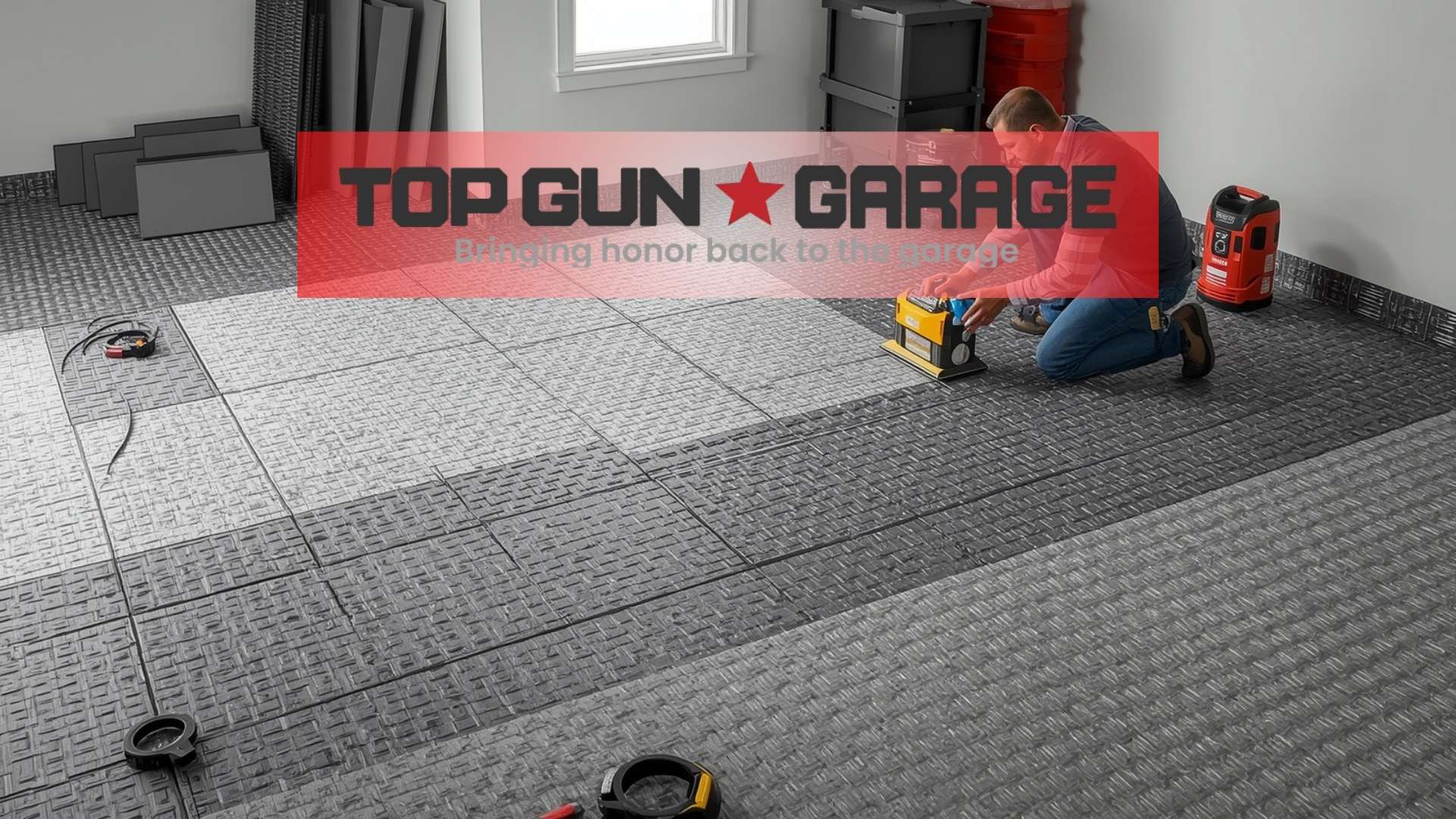
Garage floor tile installation epitomizes user-friendly design, requiring minimal tools and no special expertise. Most installations begin with basic floor cleaning and optional moisture testing. Tiles typically start from one corner or wall, with each subsequent tile snapping into place using precision-engineered locking mechanisms. The forgiving nature of tile installation means mistakes are easily corrected, and the modular design accommodates irregular spaces, drains, and obstacles without complex cutting or fitting.
Professional contractors like Top Gun Garage often recommend tiles for homeowners who need immediate use of their garage space. Unlike epoxy systems that require days or weeks of curing time, tile installations can be walked on immediately and support vehicle traffic within hours. This advantage proves invaluable for single-car garages or situations where extended garage downtime isn’t feasible.
Epoxy installation demands meticulous attention to detail and optimal environmental conditions. Surface preparation alone can take 1-2 days, involving concrete grinding, crack repair, and thorough cleaning to remove all contaminants. The actual epoxy application must occur within specific temperature and humidity ranges, typically requiring 65-85°F temperatures and low humidity levels. Each coat requires precise timing—too soon and the coats won’t bond properly, too late and adhesion problems develop.
Weather sensitivity significantly impacts epoxy installations. High humidity can cause cloudiness or poor curing, while temperature extremes affect pot life and flow characteristics. Professional installers often need to reschedule applications due to unfavorable conditions, potentially extending project timelines by weeks during certain seasons. Garage floor tiles remain unaffected by weather conditions, allowing installation to proceed regardless of temperature or humidity levels.
Maintenance requirements differ substantially between the two systems. Tile maintenance involves regular sweeping and occasional mopping with standard household cleaners. Individual damaged tiles can be replaced by homeowners using simple hand tools, typically taking 10-15 minutes per tile. The textured surfaces of most tiles hide minor scratches and wear patterns, maintaining a consistent appearance over years of use.
Epoxy maintenance requires more specialized knowledge and products. While daily cleaning is simple, the smooth surface shows every footprint, tire mark, and dust particle. Proper cleaning involves pH-neutral cleaners that won’t damage the coating, and abrasive cleaners or tools must be avoided to prevent scratching. When damage does occur, repairs often require professional assessment to determine whether spot repairs are feasible or complete refinishing is necessary.
Long-term maintenance planning favors tile systems for most homeowners. The ability to stockpile replacement tiles ensures color matching years into the future, while epoxy repairs may require custom color matching that doesn’t always achieve perfect results. Additionally, tile systems can be partially upgraded or reconfigured as needs change, while epoxy modifications require complete removal and reapplication.
Frequently Asked Questions
Which option provides better slip resistance in wet conditions?
Garage floor tiles generally provide superior slip resistance when wet due to their textured surfaces and drainage properties. Most tile systems feature raised patterns or textures specifically designed to channel water and provide traction. Epoxy surfaces can become quite slippery when wet, though textured additives can improve traction at the cost of cleaning ease.
How do tiles and epoxy handle hot tire marks?
High-quality epoxy systems resist hot tire pickup better than most tile materials. However, tiles that do experience tire marking can have individual affected tiles replaced easily and inexpensively. Epoxy damage from hot tires typically requires professional repair of the entire affected area.
Can either option be installed over existing epoxy or tile floors?
Garage floor tiles can often be installed over existing epoxy floors if the surface is sound and properly cleaned. Installing epoxy over existing tiles requires complete tile removal and surface preparation. Installing new epoxy over old epoxy requires careful evaluation of the existing coating’s condition and often involves partial removal.
Which option works better in unheated garages in cold climates?
Tiles perform better in extreme cold conditions due to their flexibility and thermal properties. The air gap underneath provides insulation, making the surface more comfortable to walk on. Epoxy can become brittle in extreme cold and may crack due to thermal cycling of the concrete substrate.
How do the options compare for someone who works on cars in their garage?
Both options work well for automotive work, but tiles offer advantages for comfort during extended floor time and easier cleanup of dropped parts. The cushioned surface reduces fatigue and provides better traction when kneeling or lying on the floor. Epoxy provides a harder surface that some prefer for rolling tool chests and equipment.
What happens if the concrete underneath develops cracks?
Tile systems typically accommodate minor concrete movement without visible effects due to their floating installation. Epoxy systems will telegraph any concrete cracks to the surface, often requiring repair of both the concrete and epoxy coating. This represents a significant advantage for tiles in areas prone to settling or freeze-thaw cycles.
Which option is more environmentally friendly?
Tiles generally have lower environmental impact due to their recyclable materials, lack of volatile organic compounds during installation, and ability to be reused or recycled at end of life. Epoxy systems involve chemical processes and VOC emissions during installation, though modern formulations have reduced these concerns significantly.
How do warranty coverage and manufacturer support compare?
Quality tile manufacturers typically offer 10-25 year warranties covering material defects and performance. Epoxy warranties vary dramatically, with professional installations often carrying 5-15 year coverage. However, epoxy warranty claims often require complete system replacement, while tile warranties allow for individual component replacement.
Conclusion
The decision between garage floor tiles vs epoxy ultimately depends on your specific priorities, budget, and usage requirements. Both options can provide years of reliable service when properly selected and installed, but they achieve their goals through fundamentally different approaches that suit different homeowner needs.
Garage floor tiles excel in situations requiring immediate use, easy maintenance, and long-term flexibility. Their forgiving installation process, superior performance in extreme climates, and modular repairability make them ideal for DIY enthusiasts and homeowners who value practicality over showroom aesthetics. The ability to customize patterns and easily accommodate future changes provides long-term value that’s difficult to quantify but highly appreciated over time.
Epoxy coatings deliver unmatched visual impact and seamless surfaces that many homeowners find irresistible. When properly installed by experienced professionals like Top Gun Garage, epoxy systems provide decades of beautiful, chemical-resistant service. The superior stain resistance and easy cleaning of smooth epoxy surfaces appeal to homeowners who prioritize aesthetics and don’t mind the more complex installation and repair requirements.
Consider garage floor tiles if you need immediate use, prefer DIY installation, live in extreme climates, or value easy maintenance and repairability. Choose epoxy if you prioritize aesthetics, have professional installation available, can accommodate extended curing times, and prefer seamless surfaces for easy cleaning. Both options represent significant improvements over bare concrete and can enhance your garage’s functionality and value for decades to come.