 Skip to content



Most Fort Myers HOAs allow Fort Myers epoxy flooring installations without prior approval when the work occurs inside enclosed garages and uses neutral color palettes. However, approximately 35% of Southwest Florida communities require architectural review board (ARB) approval for any exterior-visible modifications, including garage floors visible when doors are open. The approval process typically takes 14-30 days and requires submitting contractor credentials, color samples, and project specifications.
Understanding your specific HOA requirements before scheduling installation prevents costly delays and potential fines. This guide covers the most common restrictions found in Lee and Collier County communities, the approval process timeline, and strategies for expediting your project through the review process.
Why HOAs Regulate Garage Flooring Projects
Homeowner associations exist to maintain property values and community aesthetics. According to the Community Associations Institute (CAI), Florida has over 48,000 community associations governing approximately 10 million residents. Lee County alone contains more than 1,200 HOA-managed communities, making it one of the most heavily regulated housing markets in the state.

Garage flooring falls under HOA jurisdiction because open garage doors expose interior finishes to public view. A 2023 survey by the Foundation for Community Association Research found that 67% of Florida HOAs include specific language about garage appearance in their covenants, conditions, and restrictions (CC&Rs). These rules typically address color consistency, visible storage, and flooring materials.
The Florida Homeowners Association Act (Chapter 720, Florida Statutes) grants HOAs authority to enforce architectural standards. Violations can result in fines ranging from $100 to $1,000 per day until compliance is achieved. Understanding and following your community’s requirements protects both your investment and your relationship with neighbors.
Common HOA Restrictions on Epoxy Flooring
Color Palette Limitations
Color restrictions represent the most common HOA concern regarding garage flooring. Communities typically require neutral tones that complement exterior color schemes. Approved colors generally include shades of gray, tan, beige, and terracotta. Bright colors, neon hues, and high-contrast patterns frequently face rejection.
Metallic epoxy finishes present a gray area in many communities. Some HOAs approve metallic systems in neutral silver and bronze tones while rejecting vibrant blues, greens, and purples. The reflective quality of metallic floors can also trigger concerns about light pollution affecting neighbors, particularly in communities with east-west oriented garages.
Full broadcast flake systems generally receive approval more easily than solid colors or metallics. The multi-tonal appearance reads as neutral from a distance and tends to satisfy architectural review boards seeking consistency without mandating identical installations throughout the community.
Licensed Contractor Requirements
Approximately 40% of Fort Myers area HOAs require proof of contractor licensing and insurance before approving any home improvement project. Florida law requires contractors performing work valued at $1,000 or more to hold appropriate state or county licenses. Lee County specifically requires a Specialty Structure Contractor license for flooring installations.
Insurance requirements typically include general liability coverage of $1 million per occurrence and workers compensation coverage for all employees. Your HOA may request certificates of insurance naming the association as an additional insured party. Professional contractors like licensed epoxy contractors in Florida maintain these credentials and can provide documentation within 24 hours of request.
Working Hours and Noise Restrictions
Most Fort Myers HOAs restrict construction activity to weekday hours between 7:00 AM and 6:00 PM, with Saturday work permitted from 8:00 AM to 5:00 PM. Sunday and holiday work is prohibited in approximately 85% of communities. These restrictions affect project scheduling since epoxy installation requires specific timing between coating layers.
Diamond grinding during surface preparation generates significant noise, typically ranging from 85-95 decibels. This exceeds the 65-decibel daytime limit specified in many community noise ordinances. Professional installers schedule grinding operations during mid-morning hours when most residents have left for work, minimizing complaints while staying within permitted timeframes.
Vehicle Parking During Installation
Epoxy flooring requires 24-72 hours of cure time before vehicles can return to the garage. During this period, cars must park in driveways or on streets. Many HOAs restrict overnight street parking and limit driveway parking duration. Some communities prohibit commercial vehicles entirely, affecting contractor equipment placement.
Notify your HOA in advance about temporary parking needs during installation. Most associations grant variances for home improvement projects when proper notice is provided. Request this accommodation in writing as part of your project approval submission to avoid surprise citations during the installation process.
HOA Restriction Comparison by Community Type
The following table summarizes typical restrictions by community type in the Fort Myers area:
| Community Type | Approval Required | Typical Timeline |
| Single-Family HOA | Often not required | N/A or 7-14 days |
| Gated Community | Usually required | 14-21 days |
| Golf Community | Always required | 21-30 days |
| Condominium | Always required | 30-45 days |
| 55+ Community | Usually required | 14-30 days |
The HOA Approval Process Step by Step
Step 1: Review Your CC&Rs and Architectural Guidelines
Start by obtaining current copies of your community’s CC&Rs and architectural guidelines from your HOA management company or community website. Look specifically for sections addressing exterior modifications, garage standards, flooring materials, and contractor requirements. Note any color restrictions, required materials, or prohibited finishes.
Pay attention to the definition of common areas versus limited common elements in condominium documents. Garage floors in condo communities sometimes fall under association responsibility rather than individual owner control, requiring board approval for any modifications regardless of cost or visibility.
Step 2: Obtain the Architectural Review Application
Request the official architectural modification application from your HOA. Most communities use standardized forms requiring project description, contractor information, material specifications, and color samples. Some associations charge application fees ranging from $25 to $150, typically refundable upon project completion and compliance verification.
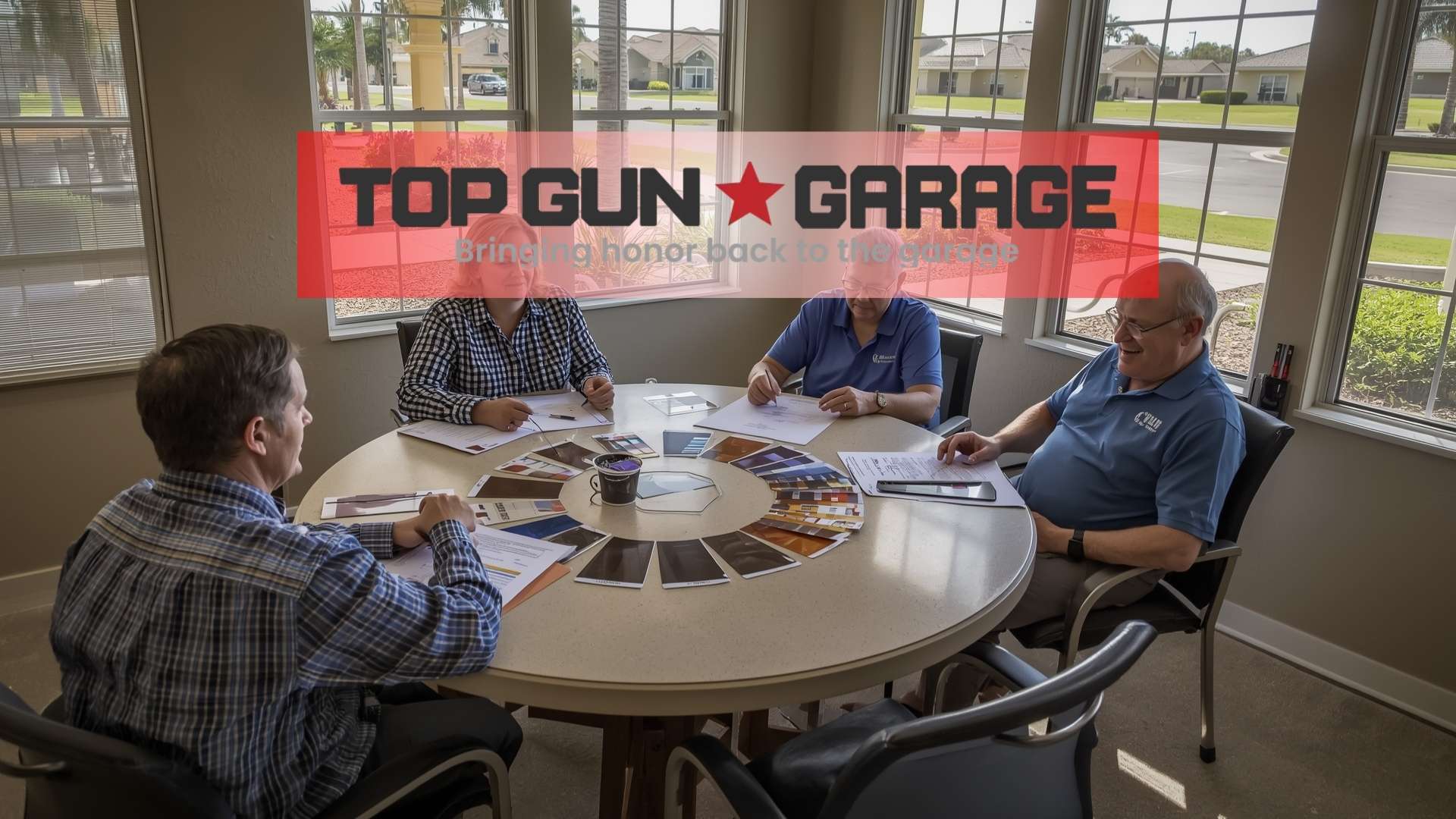
Digital submissions have become standard in most Fort Myers communities since 2020. Photograph existing conditions, create digital mockups showing proposed colors, and compile all documentation into a single PDF package. Complete applications receive faster processing than submissions requiring follow-up for missing information.
Step 3: Prepare Supporting Documentation
Strong applications include color samples or swatches, photos of similar installations in comparable homes, contractor license verification, insurance certificates, and a detailed project timeline. If using a professional installer, ask them to provide a specification sheet describing the coating system, expected lifespan, and warranty terms.
Include a brief letter explaining how the project benefits the community. Emphasize improvements to property value, enhanced curb appeal when garage doors are open, and selection of colors that complement the community’s established aesthetic. Addressing potential concerns proactively demonstrates respect for the review process.
Step 4: Submit and Follow Up
Submit your application before the next ARB meeting deadline, typically 7-10 days before the scheduled meeting. Confirm receipt with the management company and request the meeting date when your application will be reviewed. Attend the meeting if permitted to answer questions directly and demonstrate your commitment to compliance.
If approved with conditions or modifications, request clarification in writing before proceeding. If denied, ask for specific reasons and guidance on resubmission. Florida law requires HOAs to provide written explanation for architectural denials, and most communities allow appeals within 30 days of initial decisions.
Strategies for Expediting HOA Approval
Choose pre-approved colors. Many communities maintain lists of approved exterior colors that extend to visible interior spaces. Selecting from this palette eliminates color-related objections and demonstrates alignment with community standards.
Reference existing installations. If neighbors have installed epoxy flooring, photograph their garages and include these examples in your application. Precedent carries significant weight in ARB decisions, particularly when existing installations received formal approval.
Work with experienced contractors. Installers familiar with Fort Myers HOA requirements can prepare approval-ready documentation and may have relationships with local management companies. Their garage floor coating reviews often mention successful navigation of community approval processes.
Request expedited review. Some HOAs offer fast-track processing for straightforward modifications. Ask whether your project qualifies for administrative approval without full board review, particularly if you’re selecting from pre-approved options.
Time your submission strategically. ARB meetings occur monthly in most communities. Submitting immediately after a meeting deadline means waiting an additional 30 days for review. Track your community’s schedule and submit with adequate lead time before approaching deadlines.
HOA Guidelines in Popular Fort Myers Area Communities
Gateway and Stoneybrook
Gateway’s master association requires ARB approval for garage floor coatings in most sub-associations. Color selections must complement home exterior palettes, with gray and tan families receiving routine approval. Metallic finishes require additional review. Processing typically takes 14-21 days during regular periods, extending to 30+ days during peak season (January through March).
Pelican Preserve and Verandah
These 55+ communities maintain detailed architectural standards covering garage appearance. Both require ARB approval with color sample submission. Neutral palettes matching existing community aesthetics receive approval within 14-21 days. Contractor credentials including Lee County licensing and proof of workers compensation must accompany all applications.
Cape Coral Communities
Cape Coral’s numerous deed-restricted communities vary significantly in their requirements. Sandoval and Burnt Store Marina enforce strict architectural controls with 21-30 day approval timelines. Many Cape Coral neighborhoods without gates operate under lighter restrictions, sometimes requiring only written notification rather than formal approval. Verify requirements with your specific community management before scheduling epoxy flooring installation in Cape Coral.
Bonita Springs and Estero
Communities like Bonita Bay, Spanish Wells, and Pelican Landing maintain comprehensive architectural standards. These established communities typically require full ARB review with 21-30 day processing. Garage floor contractors in Bonita Springs familiar with local requirements can streamline the documentation process and advise on color selections likely to receive approval.
What To Do If Your Application Is Denied
Denial is not necessarily final. Florida Statute 720.303 requires HOAs to provide specific written reasons for architectural denials. Review the explanation carefully to understand whether the objection relates to color, contractor qualifications, incomplete documentation, or procedural issues.
Request a meeting with the ARB. Many denials result from misunderstandings that face-to-face discussion can resolve. Bring physical color samples, photos of similar approved projects, and willingness to modify your proposal based on committee feedback.
File a formal appeal. Most CC&Rs establish appeal procedures with defined timelines. Appeals typically go to the full board of directors rather than the ARB subcommittee. Present your case professionally, focusing on compliance with written standards and consistency with community precedent.
Consider alternative specifications. If color drove the denial, request guidance on acceptable alternatives. If contractor credentials were insufficient, obtain quotes from properly licensed installers. Resubmission with corrections addressing stated concerns typically receives approval on second review.
HOA Compliance Costs and Considerations
HOA requirements can affect project costs beyond application fees. Contractor licensing requirements eliminate DIY options and some budget installers operating without proper credentials. Color restrictions may limit your ability to choose economy-priced solid color systems if metallic or specialty finishes better match community aesthetics.
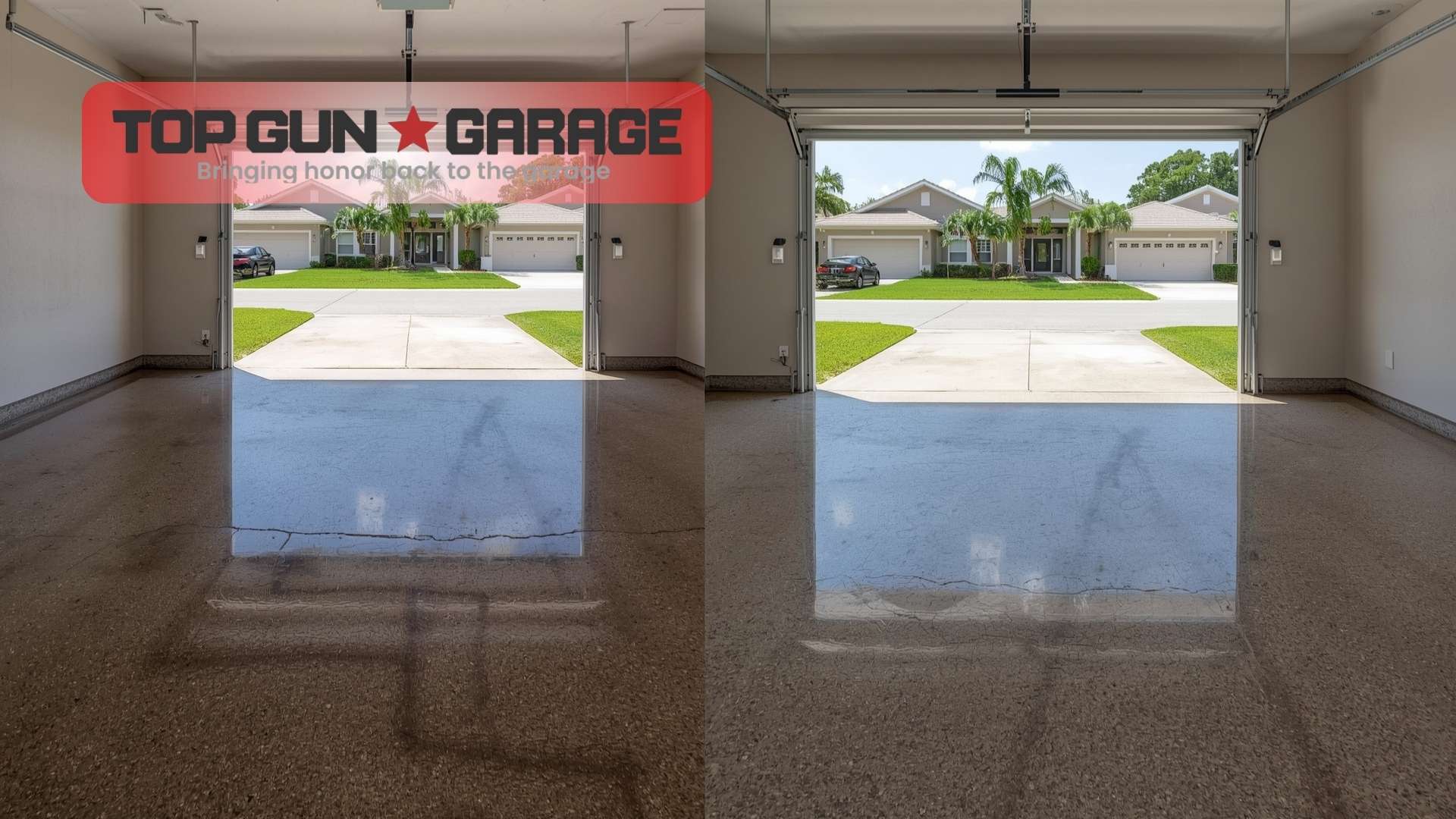
Timing restrictions impact scheduling flexibility. If your HOA prohibits weekend work and you need the garage operational for Monday commuting, the project requires careful coordination. Professional installers offering 1-day garage floor coating systems can complete installations within single-day working windows, minimizing vehicle displacement.
Budget for potential delays when planning projects around specific events or seasonal departures. Add 2-4 weeks to your timeline expectations when HOA approval is required. This buffer prevents stress if the review process extends beyond typical durations.
Required Documentation Checklist
| Document | Source |
| Completed ARB Application | HOA Management Company |
| Color Samples/Swatches | Flooring Contractor |
| Contractor License Copy | Contractor or FL DBPR Website |
| Certificate of Insurance | Contractor’s Insurance Agent |
| Project Timeline | Flooring Contractor |
| Photos of Current Garage | Homeowner |
| Product Specifications | Flooring Contractor |
Frequently Asked Questions
Do I need HOA approval for garage epoxy flooring?
It depends on your community’s CC&Rs. Approximately 35% of Fort Myers HOAs require approval for any modification visible from outside the home, including garage floors when doors are open. Single-family communities often allow interior modifications without review, while condominiums and gated communities typically require formal ARB approval. Always verify requirements with your management company before scheduling work.
How long does HOA approval take for epoxy flooring?
Standard approval timelines range from 14-30 days depending on community type and meeting schedules. Single-family HOAs with administrative approval processes may respond within 7-14 days. Golf communities and condominiums requiring full board review typically need 21-45 days. Peak season (January through March) often extends processing times due to increased application volumes.
What epoxy colors do HOAs typically approve?
Neutral colors receive the highest approval rates. Gray families (light gray, charcoal, silver) lead acceptances, followed by tan and beige tones. Terracotta and sandstone shades complement Florida architecture and rarely face objections. Bright colors, neon hues, and bold patterns frequently get rejected. Metallic finishes in neutral tones may require additional review but often receive approval.
Can my HOA deny epoxy flooring installation?
Yes, HOAs can deny applications that violate architectural guidelines, use non-approved colors, or fail to provide required documentation. Florida law requires written explanation for denials. Common rejection reasons include color conflicts with community standards, unlicensed contractors, missing insurance documentation, and incomplete applications. Most denials can be resolved through resubmission addressing stated concerns.
What happens if I install epoxy without HOA approval?
Installing without required approval constitutes a covenant violation. Consequences range from warning letters to daily fines ($100-$1,000) until compliance is achieved. In severe cases, HOAs can place liens on properties and pursue legal action to compel removal or modification. The cost of remediation far exceeds proper approval processing, making compliance the financially prudent choice.
Do contractors need special approval to work in HOA communities?
Many Fort Myers HOAs require contractors to register with management companies, provide license and insurance documentation, and follow community-specific access procedures. Gated communities need advance notice for gate access. Some associations maintain approved contractor lists. Professional flooring contractors experienced with HOA projects maintain current credentials and understand local registration requirements.
Get HOA-Ready Documentation for Your Fort Myers Garage
Navigating HOA requirements adds complexity to garage flooring projects, but proper preparation makes approval straightforward. Top Gun Garage provides complete documentation packages including color samples, license verification, insurance certificates, and detailed project specifications formatted for ARB submission.
Our team has successfully completed installations in communities throughout Fort Myers, Cape Coral, Bonita Springs, Naples, and Estero. We understand local requirements and can advise on color selections most likely to receive approval in your specific community.
Request a free estimate for your Fort Myers epoxy garage floor project. We will help you assemble the documentation needed for smooth HOA approval and schedule installation once your community gives the green light.