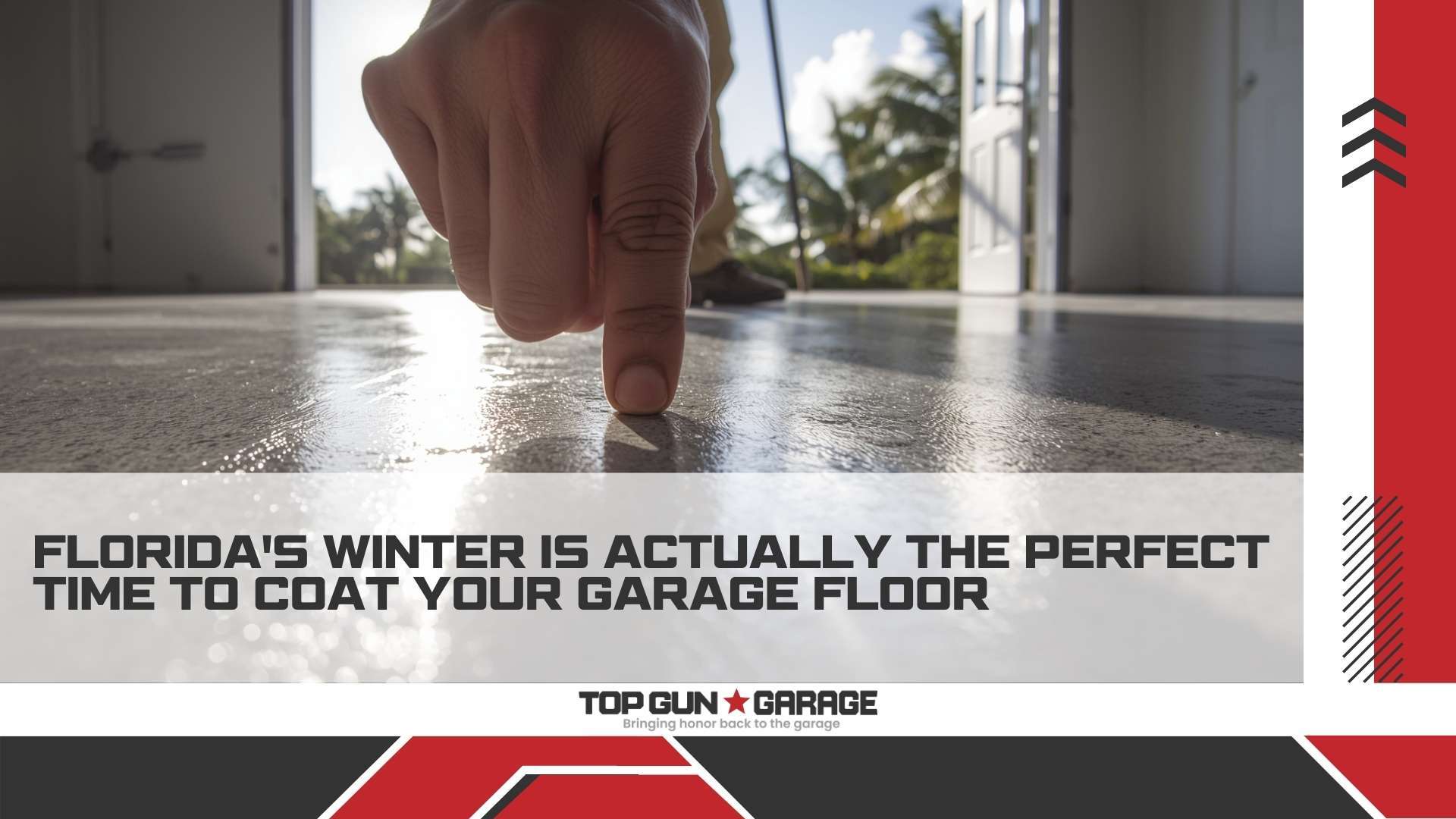
Florida’s winter months, from November through April, deliver the ideal conditions for garage floor coating installation. During this period, temperatures in Southwest Florida average 65°F to 77°F with humidity levels dropping below 70%, creating what coating professionals call the sweet spot for proper curing. Unlike summer installations where humidity above 85% can increase surface defects by 300%, winter applications achieve stronger molecular bonds and longer-lasting finishes.
Most homeowners assume they need to wait for warmer weather to upgrade their garage floors. The opposite is true. Professional installers in Naples, Fort Myers, and Cape Coral schedule the majority of their projects between November and April precisely because the climate cooperates rather than fights against the curing chemistry. Understanding why this window matters will help you time your investment for maximum durability.
Why Temperature Matters for Epoxy and Polyaspartic Coatings
Epoxy floor coatings cure through a chemical reaction between resin and hardener. According to flooring industry standards, this reaction requires specific temperature conditions to achieve full strength. The ideal application temperature falls between 60°F and 85°F, with optimal results occurring in the 65°F to 80°F range. Florida’s winter delivers these conditions naturally, eliminating the need for artificial climate control.
High temperatures above 90°F accelerate curing too rapidly. Research indicates that every 18°F increase in temperature cuts working time by half. When coating cures too fast, installers cannot achieve smooth, even coverage. The result often includes trapped air bubbles, uneven surfaces, and weakened structural integrity. Summer installations in Southwest Florida, where garage surfaces can reach 100°F or higher, require early morning scheduling and additional preparation steps that winter projects simply avoid.
Cold temperatures below 50°F create the opposite problem. The epoxy becomes too viscous to flow properly, preventing adequate adhesion and leaving the surface tacky or incompletely cured. Fortunately, Southwest Florida rarely experiences temperatures this low. January, the coldest month, averages highs of 75°F and lows around 54°F in Fort Myers, keeping conditions well within the ideal curing window. Learn more about how Florida temperature fluctuations impact epoxy performance over time.
Temperature Effects on Coating Performance
Temperature Range
Curing Effect
Risk Level
Florida Season
Below 50°F
Incomplete cure, poor adhesion
High
Rare cold snaps
60°F – 85°F
Optimal cure, strong bond
Low
November – April
Above 90°F
Rapid cure, bubbles, weak bond
High
May – September
Humidity: The Hidden Factor That Makes Winter Installations Superior
Humidity affects garage floor coatings more than most homeowners realize. During Florida’s summer rainy season, which runs from May through October, relative humidity frequently exceeds 85%. At these levels, moisture interferes with the cross-linking polymers that give epoxy its strength. Studies show that humidity above 85% increases amine blush formation by 300%, creating a waxy residue that weakens adhesion between coating layers.
The recommended humidity range for epoxy installation falls between 40% and 60%. Southwest Florida’s winter months naturally deliver these conditions. From November through April, humidity typically drops below 70%, with many days falling into the ideal 40-60% range. Professional installers at Top Gun Garage track dew points carefully, as condensation risks spike when ambient temperature approaches concrete surface temperature. Our team uses industrial dehumidifiers to maintain 40-50% relative humidity in work areas when conditions require it. For detailed insights, see our guide on how Southwest Florida humidity affects installation.
Airborne water molecules bond with epoxy amines during the curing process. When this occurs, the surface develops a greasy film called blush. This defect requires additional sanding before subsequent layers can be applied, adding time and cost to summer projects. Winter installations avoid this issue entirely when conditions remain within proper parameters.
Southwest Florida Winter Climate by the Numbers
Naples and Fort Myers share nearly identical winter climate conditions, both featuring tropical patterns with pleasantly warm days and mild nights. Understanding these specific numbers helps explain why professional installers prefer this season.
Month
Avg High
Avg Low
Rainfall
Coating Status
December
75°F
57°F
1.0 in
Ideal
January
74°F
54°F
0.6 in
Ideal
February
77°F
57°F
0.6 in
Ideal
July (comparison)
91°F
77°F
8.2 in
Challenging
February emerges as particularly favorable, recording the lowest rainfall of the entire year at just 0.63 inches. The dry conditions minimize moisture vapor transmission through concrete slabs, a leading cause of coating delamination. Industry data indicates that moisture vapor transmission rates exceeding 3 pounds per 1,000 square feet per day increase delamination risks by 70%.
Winter Installation Benefits Beyond Weather
Scheduling advantages make winter installations more convenient for homeowners. During peak season, when seasonal residents return to Southwest Florida, contractors face high demand. However, many homeowners delay garage projects while focusing on interior upgrades or outdoor entertaining. This creates availability windows that allow for more flexible scheduling and shorter wait times.
The epoxy curing process in Florida humidity becomes more predictable during winter months. Installers can work throughout the day rather than racing against afternoon thunderstorms that characterize summer weather patterns. This extended working window allows for more meticulous surface preparation and application, directly contributing to coating longevity.
Concrete substrate temperatures remain stable throughout winter days. Summer installations require installers to measure surface temperatures carefully, as hot concrete accelerates chemical reactions unpredictably. A 2023 ASTM International study found that heat activates epoxy’s exothermic properties, shortening pot life by 40-50% in environments above 85°F. Winter’s moderate temperatures eliminate this variable, allowing materials to perform exactly as designed.
Professional Installation: Why It Matters Year-Round
While winter provides optimal conditions, professional installation remains essential for lasting results. Research indicates that professional installation reduces temperature-related curing defects by 68% compared to DIY attempts. Certified technicians understand how to monitor environmental conditions, adjust application techniques, and select appropriate materials for local climate conditions.
At Top Gun Garage, our Naples-based team has transformed over 300 spaces across Southwest Florida. We assess three core elements before every installation: product thermal thresholds, substrate preparation requirements, and local climate patterns. This approach ensures that whether you choose polyaspartic vs epoxy garage floor coating, your floor achieves maximum durability.
Professional-grade materials outperform DIY solutions significantly. Novolac epoxy formulations resist temperatures up to 300°F from engine blocks or industrial equipment. Thicker coatings create thermal barriers, with a 3mm layer dissipating heat 40% faster than standard 1mm applications. These specifications require professional equipment and expertise to achieve.
The 3-Month Installation Window: December Through February
December through February represents the prime installation window for Southwest Florida garage floor coatings. During these months, average temperatures stay firmly within the 65°F to 77°F range, humidity rarely exceeds 70%, and rainfall drops to its annual minimum. Professional installers consider this period the gold standard for coating projects.
Homeowners planning projects should understand how long garage floor installation takes to schedule appropriately. Most professional installations complete within 2-3 days, with an additional 5-7 days recommended before heavy vehicle traffic. Winter’s stable conditions support reliable curing timelines, eliminating the delays that can occur when summer humidity interferes with the process.
Planning ahead matters. While November through April all offer favorable conditions, the December-February window fills quickly as homeowners recognize these advantages. Contacting a professional installer in October or November ensures availability during the optimal months.
Preparing for Your Winter Installation
Proper preparation maximizes the benefits of winter installation timing. Review our complete garage floor preparation checklist before your scheduled date. Key steps include clearing all items from the garage, ensuring adequate ventilation during installation, and planning alternative parking for the curing period.
Concrete moisture testing should occur before any coating application, regardless of season. Professional installers use ASTM D-4263 plastic sheet tests and calcium chloride tests to measure moisture vapor transmission rates. These assessments confirm that the substrate will accept coating properly. If moisture issues exist, mitigation strategies such as epoxy moisture vapor barriers can address them before coating begins.
Surface preparation determines coating success more than any other factor. Diamond grinding creates the proper concrete surface profile for adhesion. Crack repairs and joint treatments establish a stable foundation. Understanding why concrete repairs are needed before epoxy helps homeowners appreciate the value of thorough preparation work.
Frequently Asked Questions
Can garage floor coating be applied during a Florida cold snap?
Yes, with proper precautions. Southwest Florida cold snaps rarely drop temperatures below 50°F for extended periods. Professional installers monitor conditions and can use space heaters to maintain substrate temperatures above 55°F when necessary. The concrete slab retains warmth from preceding days, providing a buffer against brief temperature drops. Most winter days remain well above minimum application thresholds.
Is polyaspartic or epoxy better for Florida winter installation?
Both systems perform well during Florida’s winter months. Polyaspartic coatings offer faster cure times and can be installed in temperatures as low as 20°F, providing flexibility for rare cold snaps. Epoxy delivers excellent durability at lower cost when applied within its 60°F-85°F optimal range. Winter conditions accommodate either choice. Learn more about the differences between epoxy and polyaspartic coatings to determine which fits your needs.
How does salt air affect winter garage floor coating?
Coastal properties in Southwest Florida face salt air exposure year-round. Winter installations benefit from lower humidity, which reduces the moisture that carries salt particles into garage spaces. Professional installers select UV-stabilized topcoats and salt-resistant formulations for coastal projects. Learn how Florida salt air affects epoxy durability and what protective measures extend coating lifespan.
What happens if it rains during my scheduled installation?
Professional installers monitor weather forecasts closely. Florida’s winter months average only 5-8 rainy days per month compared to 15-20 days during summer. If rain threatens, installers may reschedule or, if the garage is enclosed, proceed with dehumidifier support. The key requirement is keeping moisture away from uncured coating surfaces for the first 24-48 hours. Winter’s generally dry conditions make rain-related delays infrequent.
How soon can I use my garage after winter coating installation?
Winter’s optimal conditions support faster return to service. Light foot traffic is typically safe within 24-48 hours. Vehicle parking becomes safe after 5-7 days for most epoxy systems, and 1-2 days for polyaspartic coatings. Full chemical resistance and maximum hardness develop within 7-14 days. Stable winter temperatures ensure these timelines remain accurate, unlike summer installations where humidity can extend curing periods.
What does professional winter installation cost compared to summer?
Installation costs remain consistent year-round at Top Gun Garage. The efficiency gains from favorable winter conditions may actually reduce project complexity and time. We provide transparent pricing through our detailed epoxy garage floor cost breakdown. Request a free estimate to receive accurate pricing for your specific project scope and garage size.
Schedule Your Winter Installation Today
Florida’s winter months offer the ideal window for garage floor coating projects. With temperatures averaging 65°F to 77°F, humidity below 70%, and minimal rainfall, November through April delivers conditions that support optimal curing and maximum durability. Professional installation during this period ensures your investment performs as designed for years to come.
Top Gun Garage serves homeowners throughout Naples, Fort Myers, Cape Coral, Bonita Springs, Estero, Marco Island, and surrounding Southwest Florida communities. Our certified technicians combine local climate expertise with premium coating materials to deliver floors that withstand Florida’s demanding conditions.
Contact Top Gun Garage at (239) 488-7000 to schedule your free estimate, or visit our garage floor coating page to learn more about our services. Secure your preferred installation date during the optimal winter window before schedules fill.
 Skip to content



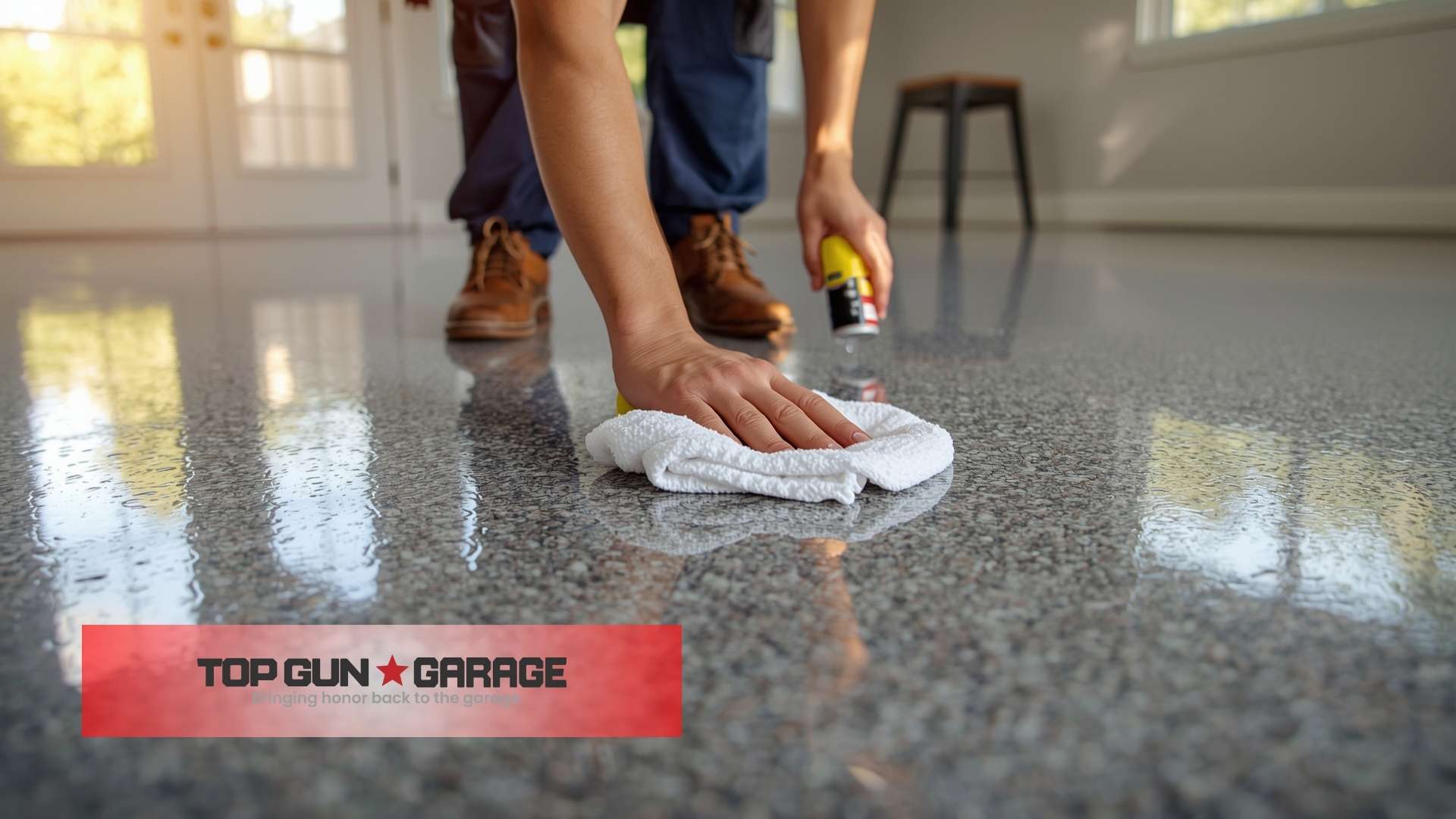 Most homeowners assume they need to wait for warmer weather to upgrade their garage floors. The opposite is true. Professional installers in Naples, Fort Myers, and Cape Coral schedule the majority of their projects between November and April precisely because the climate cooperates rather than fights against the curing chemistry. Understanding why this window matters will help you time your investment for maximum durability.
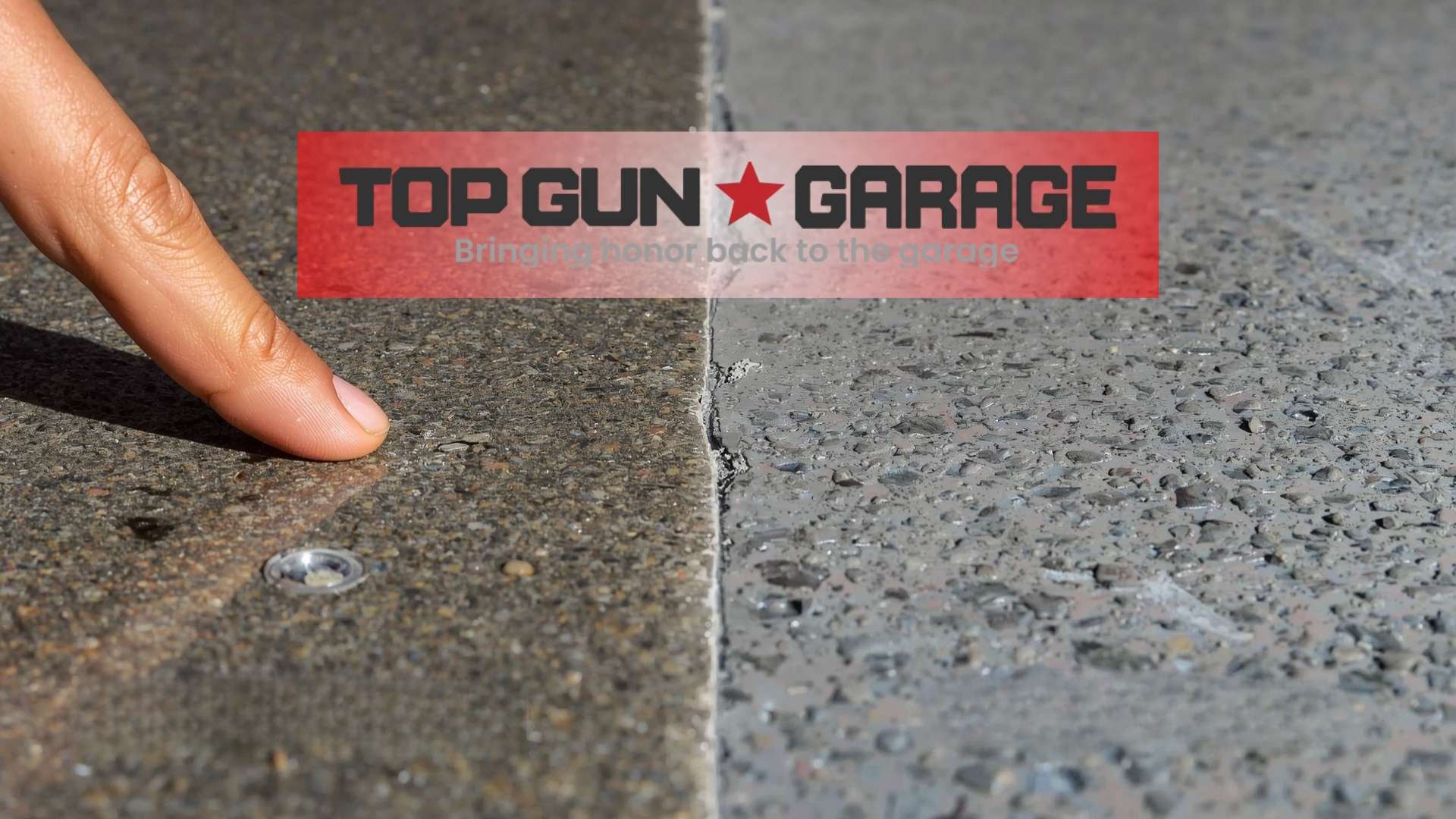 The recommended humidity range for epoxy installation falls between 40% and 60%. Southwest Florida’s winter months naturally deliver these conditions. From November through April, humidity typically drops below 70%, with many days falling into the ideal 40-60% range. Professional installers at Top Gun Garage track dew points carefully, as condensation risks spike when ambient temperature approaches concrete surface temperature. Our team uses industrial dehumidifiers to maintain 40-50% relative humidity in work areas when conditions require it. For detailed insights, see our guide on how Southwest Florida humidity affects installation.
Airborne water molecules bond with epoxy amines during the curing process. When this occurs, the surface develops a greasy film called blush. This defect requires additional sanding before subsequent layers can be applied, adding time and cost to summer projects. Winter installations avoid this issue entirely when conditions remain within proper parameters.
The recommended humidity range for epoxy installation falls between 40% and 60%. Southwest Florida’s winter months naturally deliver these conditions. From November through April, humidity typically drops below 70%, with many days falling into the ideal 40-60% range. Professional installers at Top Gun Garage track dew points carefully, as condensation risks spike when ambient temperature approaches concrete surface temperature. Our team uses industrial dehumidifiers to maintain 40-50% relative humidity in work areas when conditions require it. For detailed insights, see our guide on how Southwest Florida humidity affects installation.
Airborne water molecules bond with epoxy amines during the curing process. When this occurs, the surface develops a greasy film called blush. This defect requires additional sanding before subsequent layers can be applied, adding time and cost to summer projects. Winter installations avoid this issue entirely when conditions remain within proper parameters.
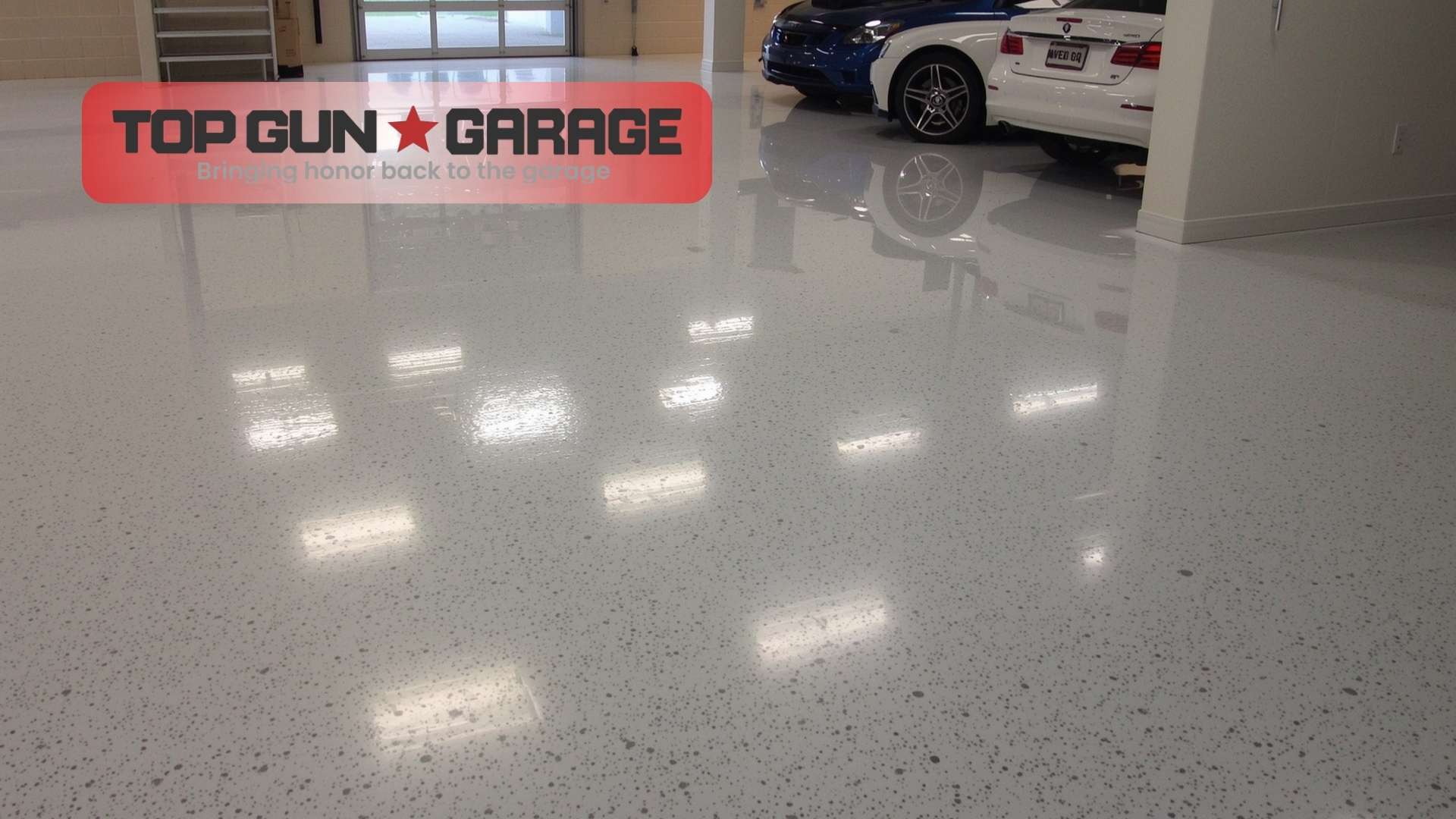 Homeowners planning projects should understand how long garage floor installation takes to schedule appropriately. Most professional installations complete within 2-3 days, with an additional 5-7 days recommended before heavy vehicle traffic. Winter’s stable conditions support reliable curing timelines, eliminating the delays that can occur when summer humidity interferes with the process.
Planning ahead matters. While November through April all offer favorable conditions, the December-February window fills quickly as homeowners recognize these advantages. Contacting a professional installer in October or November ensures availability during the optimal months.
Homeowners planning projects should understand how long garage floor installation takes to schedule appropriately. Most professional installations complete within 2-3 days, with an additional 5-7 days recommended before heavy vehicle traffic. Winter’s stable conditions support reliable curing timelines, eliminating the delays that can occur when summer humidity interferes with the process.
Planning ahead matters. While November through April all offer favorable conditions, the December-February window fills quickly as homeowners recognize these advantages. Contacting a professional installer in October or November ensures availability during the optimal months.