 Skip to content



For homeowners in Naples, FL, and the surrounding areas, the garage is often an extension of the living space—a place for high-end storage, hobbies, and secure parking. As sustainability becomes a priority for luxury property owners, many are asking: Can a high-performance garage floor also be environmentally responsible? The answer is a resounding yes. Modern advancements in resinous flooring have produced eco friendly epoxy flooring options that do not compromise on durability or aesthetics, allowing you to protect both your home and the planet simultaneously.
Top Gun Garage specializes in installing high-quality, sustainable flooring systems that align with the values of health-conscious and eco-aware homeowners who refuse to choose between performance and environmental responsibility. By choosing the right materials—specifically low-VOC and 100% solids epoxy—you can reduce your environmental footprint while enhancing the value and safety of your home. This guide explores the green side of epoxy flooring, helping you make an informed decision for your Southwest Florida property that benefits your family and future generations.
Sustainable building practices have evolved significantly, moving beyond simple material choices to encompass the entire lifecycle of a home improvement project from manufacturing to disposal. In the context of garage flooring, this means looking at how the product is made, how it affects indoor air quality during and after installation, and how long it lasts before needing replacement. A truly green solution addresses all these factors without sacrificing the rugged performance required in a garage environment that sees daily vehicle traffic and constant use.
Making an eco-friendly choice for your garage floor is not just about helping the planet; it is also about creating a healthier home environment for your family and protecting them from harmful chemicals. Traditional flooring options can trap allergens, release harmful chemicals during installation and for years afterward, or degrade into hazardous dust over time. By opting for a modern, sustainable epoxy system, you are investing in a cleaner, safer, and more valuable property that stands the test of time in the demanding Florida climate.
Key Takeaways
-
Low-VOC Formulas: Modern 100% solids epoxies release minimal to no volatile organic compounds, ensuring safe indoor air quality.
-
Durability is Green: Long-lasting floors reduce material waste and the need for frequent replacements.
-
Energy Efficiency: High-gloss finishes reflect light, reducing the need for artificial lighting in your garage.
-
Easy Maintenance: Seamless surfaces require fewer harsh chemicals and less water to clean.
-
Local Suitability: Eco-friendly options are available that specifically withstand Naples’ high humidity and heat.
Understanding Eco-Friendly Flooring: It Starts with VOCs
The primary metric for measuring the environmental safety of liquid-applied coatings is their Volatile Organic Compound (VOC) content, which directly impacts both environmental health and indoor air quality. VOCs are solvents that evaporate into the air as the coating dries, potentially contributing to smog formation and poor indoor air quality that can affect respiratory health. In the past, the strong chemical smell associated with painting or sealing a floor was actually the scent of these harmful compounds being released into the atmosphere, creating an unpleasant and potentially dangerous environment for occupants.
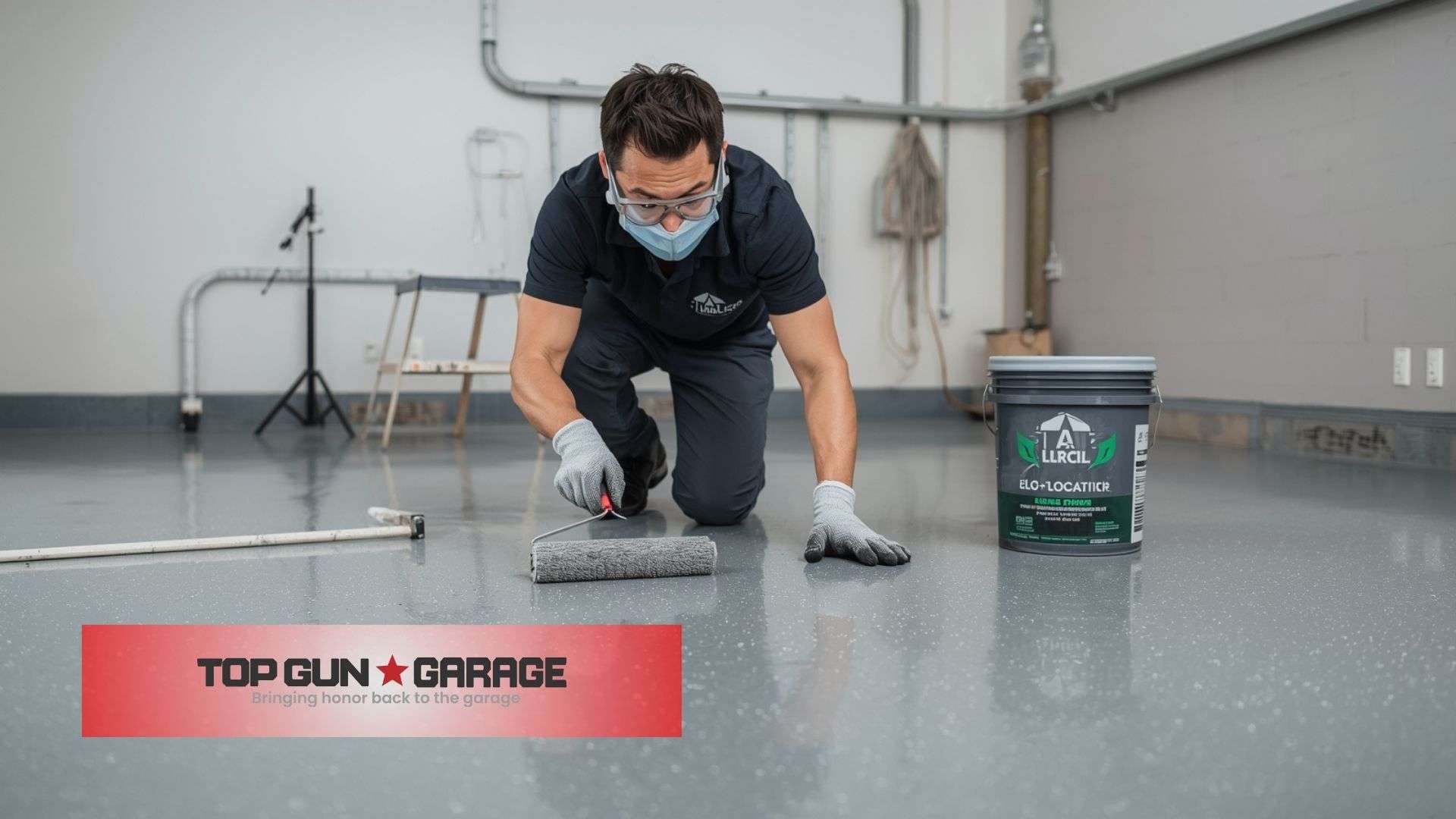
Older, solvent-based epoxies were notorious for strong fumes and high VOC emissions, often requiring residents to vacate their homes during installation and for days afterward while the coating off-gassed. These solvents were necessary to keep the epoxy in a liquid state for application, but once applied, they became an environmental hazard that contributed to air pollution and indoor health issues. As regulations have tightened and consumer awareness has grown, the flooring industry has made a significant shift away from these outdated technologies toward more sustainable alternatives.
Today, the industry has embraced 100% Solids Epoxy and Water-Based Epoxy systems as the new standard for residential applications, offering dramatically improved environmental profiles. 100% solids epoxy contains no solvents to evaporate; instead, the entire liquid volume cures into the solid floor coating through chemical reaction. This means there is near-zero off-gassing during the curing process, making it safe for households with children, pets, or family members with respiratory sensitivities who might be affected by chemical exposure.
For a home in Naples, where garages are often attached to the main living area through doorways or shared walls, choosing a low-VOC system prevents dangerous fumes from seeping into your kitchen or living room and affecting your family’s health. It allows you to upgrade your garage without compromising the air quality of your entire home or forcing your family to relocate during installation. Understanding the difference between solvent-based and solid-based systems is the first and most critical step in choosing a truly eco-friendly floor that protects both environment and occupants.
The Sustainability of Longevity
One of the most overlooked aspects of sustainability is the lifespan of a product; a durable product is inherently more eco-friendly than a disposable one that must be replaced frequently. A flooring system that fails every few years generates significant waste, as old materials must be stripped, transported, and discarded in landfills where they take up space indefinitely. This cycle of frequent replacement consumes energy for removal and reinstallation, raw materials for new products, and labor, compounding the environmental impact over time and creating an ongoing waste stream.
Epoxy and polyaspartic coatings form a permanent mechanical bond with the concrete through chemical adhesion, creating a monolithic surface that can last 10 to 20 years or more with proper care and maintenance. Unlike specialized floor paints that may peel after a single hot summer or a few years of use, a professional-grade system becomes part of the building’s structure and resists damage. This longevity ensures that the resources used to create your floor yield a return on investment that spans decades, not just seasons, dramatically reducing the per-year environmental cost.
By investing in a professional-grade system that withstands hot tires, moisture, and impact without deteriorating, you are effectively reducing the consumption of raw materials over the lifetime of your home. This “install it once” approach is a cornerstone of sustainable building practices that maximizes epoxy lifespan compared to temporary DIY solutions or paint products. It shifts the focus from short-term cost savings to long-term resource stewardship and environmental responsibility that benefits everyone.
Furthermore, a durable coating protects the underlying concrete slab from deterioration caused by moisture penetration, chemical exposure, and physical wear that weakens the structure over time. Repairing or replacing a damaged concrete foundation is an incredibly carbon-intensive process involving heavy machinery and massive amounts of cement, which is one of the most carbon-intensive materials to produce. By shielding the slab with a long-lasting epoxy coating, you are preserving the structural integrity of your home and avoiding major construction waste in the future.
Improving Indoor Air Quality and Hygiene
Bare concrete floors are a constant, often invisible source of fine dust that degrades indoor air quality and creates respiratory hazards for occupants. As concrete ages, the surface slowly disintegrates through a process called “dusting,” releasing microscopic silica particles into the air every time you walk or drive over it. This dust settles on your cars, storage boxes, and can be tracked inside the home, posing potential respiratory issues for your family including aggravation of asthma and allergies.
Sealing your garage floor with an eco-friendly epoxy coating encapsulates the concrete completely, halting this dusting process at the source by creating an impermeable barrier. This creates a barrier that locks in the concrete particles, resulting in a cleaner, dust-free environment that improves the health of your living space. This is particularly beneficial for homeowners who use their garage as a workshop, home gym, or laundry area, where air quality is paramount for comfort and health during extended periods spent in the space.
In addition to dust control, the seamless nature of epoxy prevents moisture from wicking up through the slab, a common issue in Florida’s high water table environment where groundwater is close to the surface. Damp concrete can become a breeding ground for mold and mildew, which release spores that trigger allergies and asthma in sensitive individuals. By capping the concrete with a moisture-resistant resin, you inhibit these biological growths and contribute to a healthier home ecosystem.
This protective quality demonstrates reducing dust exposure creates a significantly more hygienic space for your family. A sealed floor is not just about aesthetics; it is a functional upgrade that purifies the air you breathe every day. It transforms a dusty, potential mold hazard into a sanitary extension of your living area that is safe for every member of the household including children and pets.
Reducing Chemical Runoff and Maintenance Waste
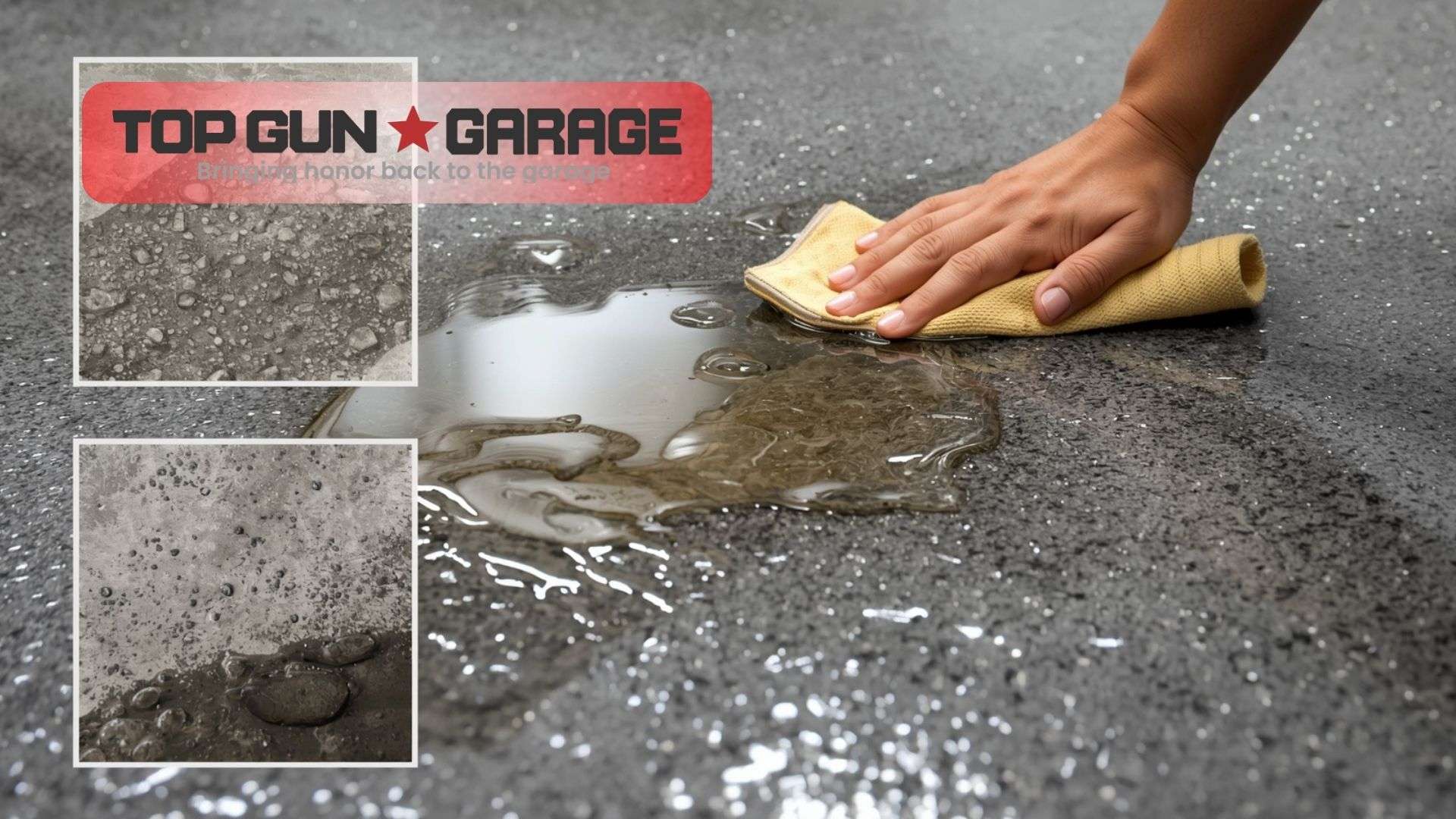
In a standard garage with porous concrete, oil drips, coolant leaks, and other household chemicals can seep into porous concrete, creating permanent stains and environmental hazards that contaminate soil and groundwater. Once these fluids penetrate the concrete, they can eventually migrate into the soil or groundwater through capillary action and gravity, contributing to local pollution that affects the entire community. An impervious epoxy barrier keeps these hazardous fluids on the surface, preventing them from soaking in and allowing for complete removal with absorbent materials.
This containment capability means that spills can be easily wiped up and disposed of properly through appropriate hazardous waste channels, rather than leaching into the environment where they can harm wildlife and plants. Whether you are working on a car or storing lawn chemicals, paint, or cleaning products, an epoxy floor acts as a safety net that protects the earth beneath your home. It ensures that accidental spills remain a minor cleanup task rather than a long-term environmental liability, protecting Naples’ delicate coastal ecosystem from contamination.
Additionally, the ease of cleaning an epoxy floor has its own significant environmental perks regarding water conservation and chemical usage that add up over years. Because the surface is non-porous and resistant to staining, you don’t need aggressive, toxic cleaners or excessive amounts of water to maintain it and keep it looking pristine. A simple mixture of water and a mild, eco-friendly soap is usually sufficient to keep the floor looking pristine and remove daily dirt and grime.
This low-impact maintenance routine reduces the volume of harsh chemicals washing down your driveway and into storm drains that lead to local waterways and eventually the Gulf of Mexico. It aligns your cleaning habits with your sustainability goals, ensuring that keeping your garage clean doesn’t come at the cost of polluting local waterways and harming marine life. You can learn more about managing spills in our article on chemical spills.
Choosing the Right System for Florida’s Climate
Not all eco-friendly products work well in Southwest Florida’s unique environment, and choosing the wrong one can lead to premature failure and waste that defeats the sustainability purpose. Water-based epoxies, while very “green” and easy to apply for DIY enthusiasts, often lack the thickness and bond strength required to resist the high humidity and hydrostatic pressure found in Naples where moisture is constant. Using a product that peels or delaminates within a year defeats the purpose of sustainable building, as it necessitates removal and re-installation that creates waste and consumes resources.
For the best balance of performance and environmental responsibility in this region with its challenging climate, selecting coatings for humidity often means using a hybrid approach that combines multiple technologies. This typically involves a 100% Solids Epoxy base coat, which offers superior adhesion and moisture mitigation by forming a thick chemical barrier, paired with a Polyaspartic Topcoat for UV stability and scratch resistance that protects the system from degradation. This combination leverages the strengths of each material to create a system that is both durable and low-emitting.
These professional-grade materials are low in VOCs yet tough enough to handle the intense heat and humidity without peeling, yellowing, or softening under hot tire contact. They are engineered to expand and contract with the concrete slab as temperatures fluctuate between air-conditioned comfort and outdoor heat, preventing the cracking that often plagues rigid, lower-quality coatings. This resilience ensures that your floor remains intact and effective for decades, regardless of the harsh weather outside that can exceed 95°F in summer.
This strategic selection ensures you don’t have to sacrifice the longevity of your floor just to make an eco-conscious choice that feels good but performs poorly. By consulting with experts who understand the local climate and have years of experience with Naples installations, you can find a solution that respects the environment while standing up to the realities of Florida living. It proves that true sustainability is found at the intersection of material safety and uncompromising performance that delivers lasting value.
Frequently Asked Questions (FAQ)
1. Are epoxy floors toxic to pets or children? Once fully cured, high-quality epoxy floors are inert, non-toxic, and safe for both pets and children. During installation, low-VOC options ensure there are no lingering harmful fumes.
2. Does epoxy flooring smell during installation? 100% solids epoxy and polyaspartic coatings have very low odor compared to older solvent-based systems. Any mild scent typically dissipates within a few hours of application.
3. Is epoxy flooring biodegradable? Epoxy itself is not biodegradable, but its extreme longevity reduces the waste associated with replacing less durable flooring materials like carpet, tile, or mats.
4. Can I use “green” cleaners on my epoxy floor? Yes. In fact, mild, pH-neutral, and biodegradable cleaners are recommended over harsh chemicals, which is a vital part of seasonal maintenance routines.
5. How does epoxy flooring save energy? The high-gloss finish of epoxy reflects light effectively, which can brighten the space significantly and reduce the need for additional electric lighting fixtures.
6. Is water-based epoxy better for the environment? Water-based epoxy has very low VOCs, making it eco-friendly during application. However, because it is thinner and less durable, it may need replacement sooner than 100% solids epoxy, a trade-off we analyze when comparing epoxy systems.
7. Can epoxy help with LEED certification? Yes, choosing low-emitting (low-VOC) flooring materials can contribute points toward LEED (Leadership in Energy and Environmental Design) certification for your home or building project.
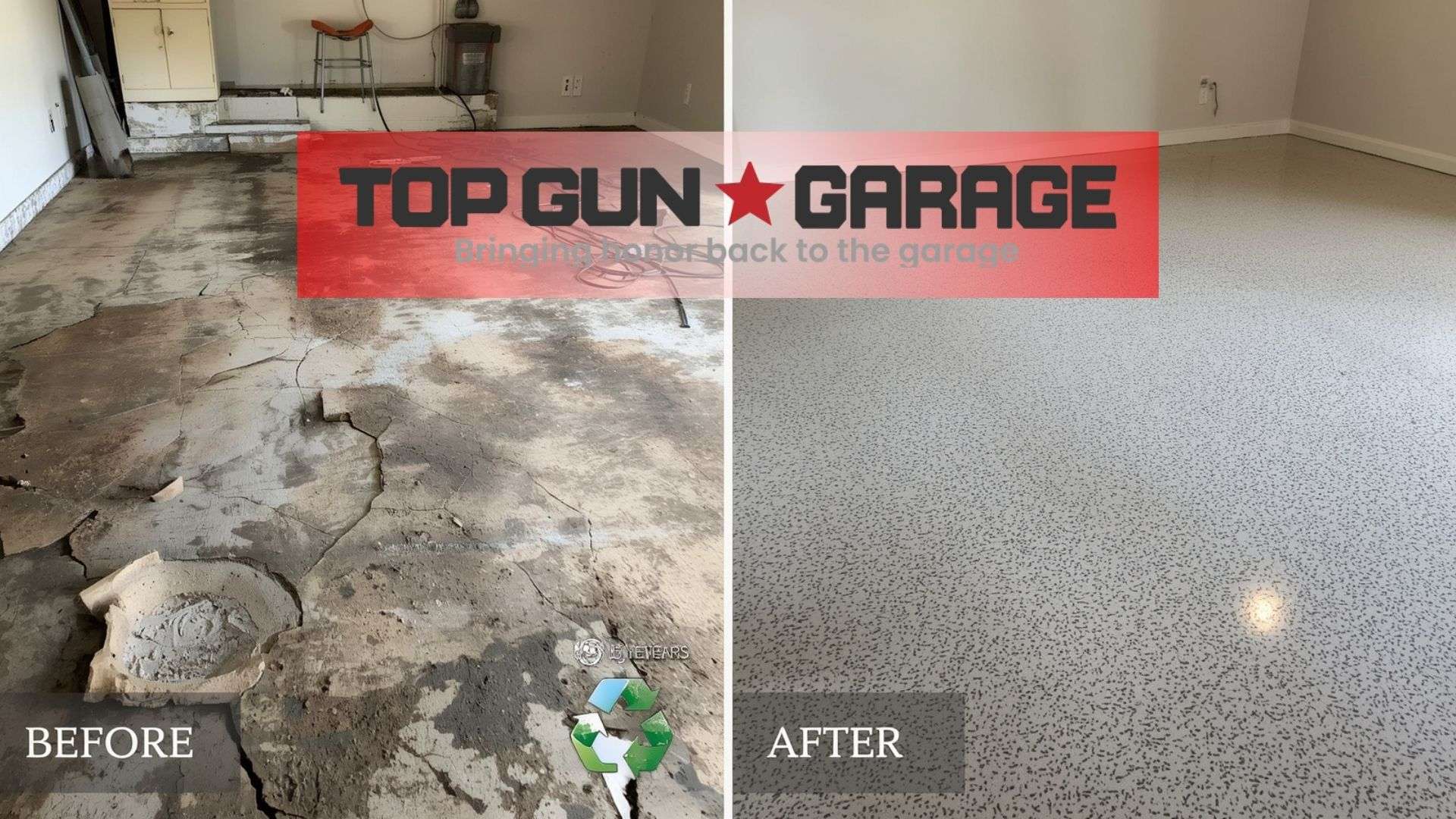
8. What happens to my old concrete floor? The concrete is retained and preserved. Instead of tearing out the slab (which is energy-intensive), we restore and resurface it, extending the life of the existing structure.
Conclusion
Choosing an eco-friendly garage floor is more than just a trend; it is a commitment to protecting your family’s health and preserving the local environment of Naples for future generations. By selecting low-VOC, 100% solids epoxy systems, you effectively eliminate harmful off-gassing while investing in a durable surface that reduces landfill waste and resource consumption over the long term. This decision transforms your garage into a safer, cleaner space that actively contributes to a greener future without compromising on style or functionality that luxury homeowners expect.
The benefits of a sustainable epoxy floor extend far beyond the initial installation, offering energy savings through improved light reflectivity and reduced water usage during cleaning that add up over decades. It is a home improvement project that pays dividends in both convenience and environmental stewardship, aligning your property with modern standards of eco-conscious living that appeal to today’s buyers. Every time you step into your garage, you can appreciate a surface that was built to last and designed to care for the planet we all share.
Furthermore, entrusting this upgrade to professionals ensures that the materials are handled correctly and that the floor is optimized for the specific challenges of the Florida climate with its unique demands. Avoiding the pitfalls of short-lived DIY kits or solvent-heavy industrial coatings guarantees that your investment remains sound for decades without requiring touch-ups or replacement. It is a strategic choice that enhances your property value while respecting the delicate coastal ecosystem of our Southwest Florida community.
If you are ready to elevate your home with a solution that honors both luxury and the environment without making compromises, we invite you to contact Top Gun Garage today. Our team is dedicated to providing expert guidance and superior craftsmanship to bring your vision to life with sustainable materials. Schedule a comprehensive consultation and discover how our eco-friendly flooring systems can provide the perfect foundation for your Naples lifestyle today and for decades to come.